REVIEW · DACHAU
Dachau Memorial Public Tour
Book on GetYourGuide →Operated by Travmonde OÜ · Bookable on GetYourGuide
Nazis started at Dachau.
That fact alone makes this Dachau Memorial Public Tour more than a stop on a sightseeing list. You’ll follow the camp’s story from its start in 1933 through its later years as a forced-labor site, with a strong focus on what prisoners endured and how the camp functioned day to day. I especially like the live English guide approach (you get context, not just signs) and the way the tour covers the human side through survivor accounts.
Just know this is emotionally heavy. You’re dealing with the Nazis’ first camp, forced labor, mass death, and medical abuses, so plan for a visit that may feel difficult even if you’ve read about it before.
In This Review
- Key things I think are most useful to know
- Why Dachau’s memorial tour feels different than other sites
- Price and time: does $126 for 5 hours feel fair?
- Getting to the meeting point near Marienplatz
- The 5-hour flow: what you’ll cover at Dachau Memorial
- From 1933 origins to a forced-labor camp
- Daily camp life: guards and prisoners in the same story
- Medical experiments and the cruelty behind them
- Roma prisoners: stories that deserve a spotlight
- Survivor tales and the meaning of resilience
- What the local professional guide adds (and why English matters)
- Practical expectations: comfort, pacing, and emotional load
- Who this tour suits best
- Should you book this Dachau Memorial Public Tour?
- FAQ
- What is the duration of the Dachau Memorial Public Tour?
- Where does the tour meet in Munich?
- How much does the tour cost?
- Is the tour in English?
- What is included in the ticket price?
- Is food included?
- What topics does the tour cover?
- How do cancellation and refunds work?
- Can I reserve before I pay?
- Is there a way to check starting times?
Key things I think are most useful to know
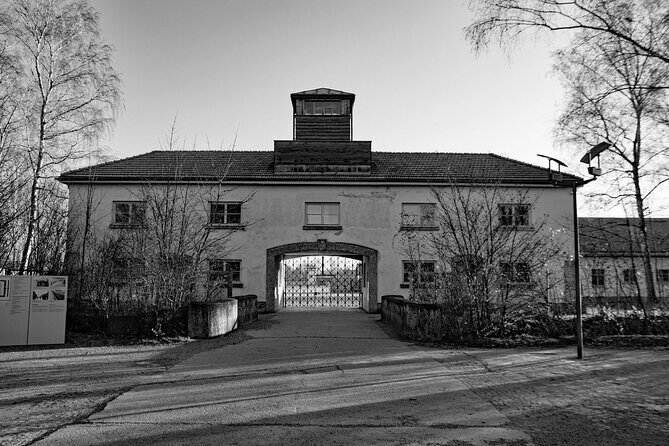
- Dachau’s role: The first Nazi concentration camp opened in 1933, later expanding far beyond political prisoners.
- You’ll see the system, not only the aftermath: Daily camp dynamics like guard and prisoner roles are part of the storytelling.
- Medical experiments are covered: The tour specifically addresses gruesome medical experiments carried out on prisoners.
- Roma prisoners get attention: The tour includes the dreadful fate of Roma prisoners and their stories.
- Survivor perspective is built in: You’ll hear survivor accounts focused on resilience and survival.
Why Dachau’s memorial tour feels different than other sites
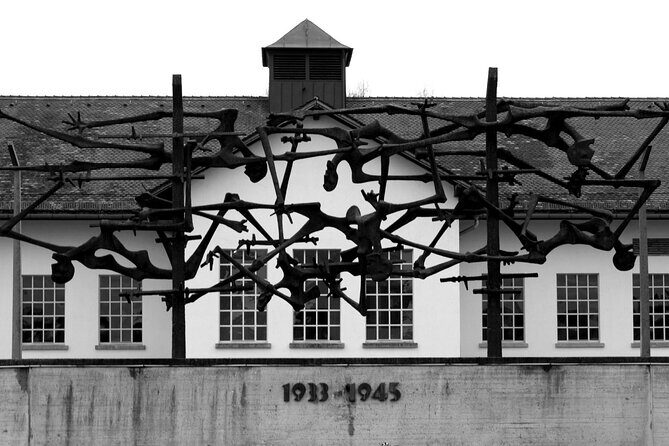
Dachau is one of those places where history doesn’t sit politely behind a glass display. The camp’s “how it worked” matters. This tour is built around that idea: not only what happened, but how the machinery of cruelty ran on a daily schedule—guards, prisoners, control, forced labor, and the terror system that kept it all going.
What I like about that is you don’t just collect facts. You start to understand the logic the Nazis used, and why it was so effective at breaking people. The memorial angle also helps. This tour isn’t written like a shock-fest; it’s framed around survival, courage, and liberation, even while it doesn’t soften the details.
Other Dachau Memorial tours we've reviewed in Dachau
Price and time: does $126 for 5 hours feel fair?
$126 for a 5-hour public tour is not a bargain price, but it’s not weird for a licensed, local professional guide at a site like this. The key value here is what’s included: you get the guide, and you also get a public transport ticket as part of the package.
Here’s how I’d judge the value for you:
- If you want historical context you can ask questions about in English, the guide component is the real benefit.
- If you’re fine with self-guided walking and reading at your own pace, you might question the cost.
- Since food and beverage aren’t included, you’ll need to budget time and money for a stop after the tour if you’re still hungry or low on energy.
This kind of tour also benefits from a structured time window. Dachau can swallow a whole day if you’re left to your own devices, and that can cut into your ability to reflect and digest what you just learned.
Getting to the meeting point near Marienplatz
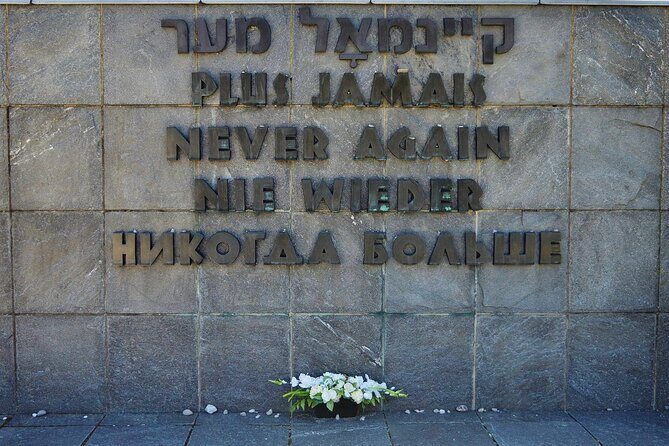
The meeting point is at the Fish Fountain, Marienplatz 8, 80331 München. This matters because this location is easy to find on the map, but Munich’s center can be busy—so give yourself a little extra buffer.
Practical tip: treat the meeting point like an appointment. Arrive early, confirm you’re at the right spot, and keep your confirmation info handy on your phone in case you need to show it quickly.
One more thing I’d take seriously: the tour has had issues reported about conflicting information and guide location on some bookings. I can’t promise it will happen to you, but if you’re spending money on a time-sensitive departure, I recommend verifying details again the day before and checking that the tour is actually scheduled for your date.
The 5-hour flow: what you’ll cover at Dachau Memorial
This tour runs for 5 hours, and it’s organized around major themes that shaped Dachau from its beginnings to liberation. You’ll move through the memorial with your guide leading the story in a way that’s meant to be both educational and human.
From 1933 origins to a forced-labor camp
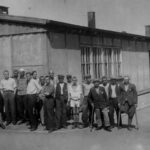
You start with the big timeline: Dachau opened in 1933 as the Nazis’ first camp, originally intended for political prisoners. Later, it expanded into a forced-labor camp holding over 200,000 inmates across its 12 years of operation.
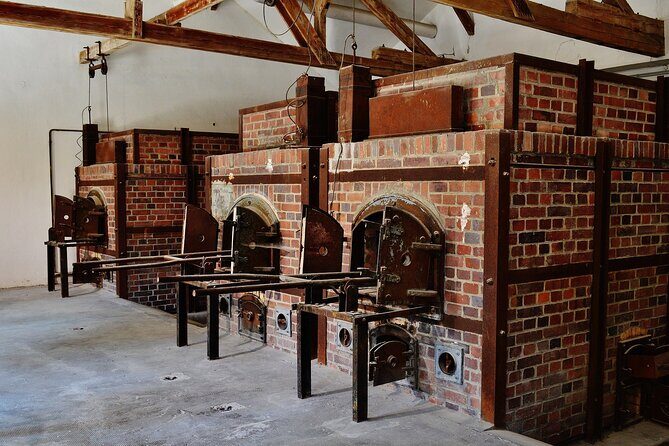
That early framing is important. It helps you see how Nazi persecution scaled up and changed shape over time instead of staying as a single, simple event. You also learn that Dachau became an “Academy of Terror,” described as a training ground for brutal practices—killing around 40,000 people from 34 nations before liberation in 1945.
Daily camp life: guards and prisoners in the same story
One of the highlights is that you’ll hear about daily life: guards, prisoners, and the chilling dynamics of camp control. This is the kind of explanation that turns the site from a list of atrocities into a recognizable system.
The value for you is clarity. You’ll understand not just what happened, but the relationships and routines that made cruelty predictable and scalable. That’s part of why memorial tours like this matter: they teach how violence is administered, not only how it looks after the fact.
Medical experiments and the cruelty behind them
The tour also covers medical experiments on helpless prisoners. That’s one of the hardest topics on the route, and it’s also one of the reasons this tour is more than a general memorial walk.
If you tend to take notes, you might want to avoid writing everything down in real time. For this section, I find it helps to listen, then step away mentally for a moment. You’re not there to “process faster.” You’re there to understand what was done and why it was possible.
Roma prisoners: stories that deserve a spotlight
Another specific part of the tour is the fate of Roma prisoners. Nazi persecution didn’t focus only on one group, and Roma victims are part of the camp’s history. Having this included in the guided narrative matters because it keeps the memorial from shrinking into a single storyline.
This section tends to land emotionally. It’s also historically important, because it pushes you to see the breadth of Nazi targeting—and the way certain victims were erased from popular memory for too long.
Survivor tales and the meaning of resilience
The tour includes survivor accounts, with a human perspective on resilience and survival. I appreciate that this doesn’t end at the worst moments. Even though the subject matter stays serious, the survivor framing gives you a way to hold the story ethically.
You’ll likely walk away with a different kind of understanding than you would from reading alone. When someone recounts survival, the details become more than dates. They become choices, fear, endurance, and the thin line between life and death.
What the local professional guide adds (and why English matters)
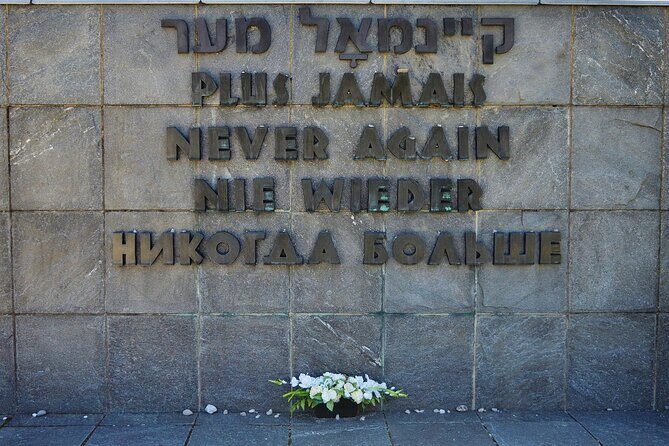
A public tour lives or dies by the guide. Here, the tour includes a local professional guide, and the language is English, which is a big deal for a site this complex.
A good guide helps you:
- connect individual scenes to the larger timeline (1933 start, forced labor expansion, liberation in 1945)
- translate what you’re seeing into a clear explanation of how the camp operated
- keep the focus on victims and survival without letting the story become abstract
Also, because this tour has specific themes—medical experiments and Roma prisoners in addition to the general camp history—the guide becomes your compass. You’re less likely to miss what’s being emphasized.
Practical expectations: comfort, pacing, and emotional load
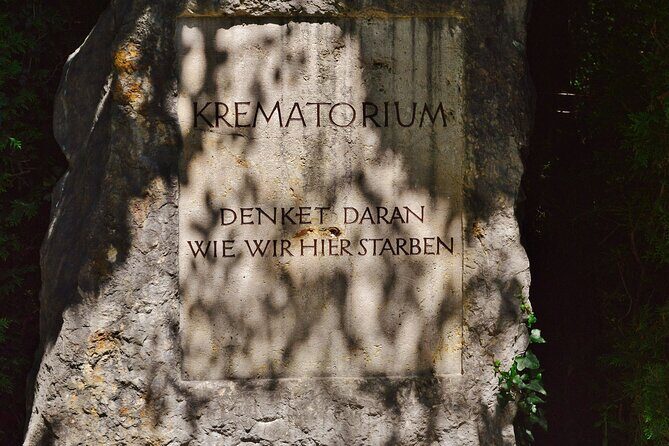
You’re looking at a full 5-hour guided experience at a solemn memorial. Even if the pacing is controlled, the subject matter is not light.
Here’s how to prepare in a way that keeps the day from feeling worse:
- Wear comfortable shoes. You’ll want stable footing for long stretches.
- Plan for quiet time after. This isn’t the type of tour you can shake off and go straight to a party.
- If you’re the type who gets overwhelmed, bring a small coping routine: a short break when needed, a few deep breaths, and permission to slow down.
Food isn’t included, so don’t assume you’ll have a meal break built into the schedule. Build in a plan for water and a snack before or after, based on your own needs.
Who this tour suits best
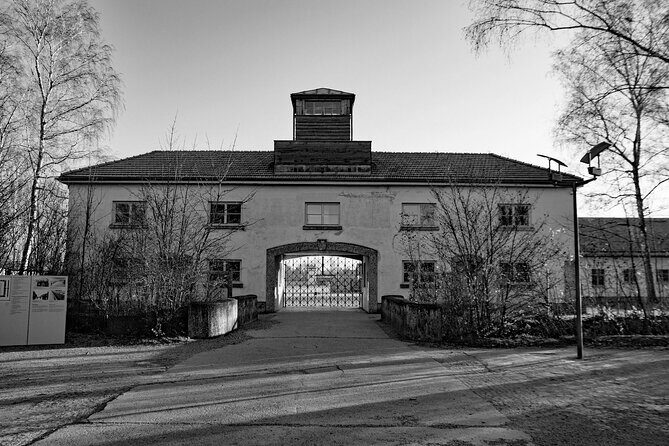
This tour is a strong fit if you want:
- a guided experience with English interpretation
- a structured overview of Dachau’s role as the Nazis’ first camp and later forced-labor site
- coverage of topics like medical experiments and Roma prisoners, not just the general memorial narrative
- survivor-centered storytelling focused on resilience
I’d think twice if you’re looking for something casual or purely informational with minimal emotional strain. This is designed to be serious, and you should treat it that way.
Should you book this Dachau Memorial Public Tour?
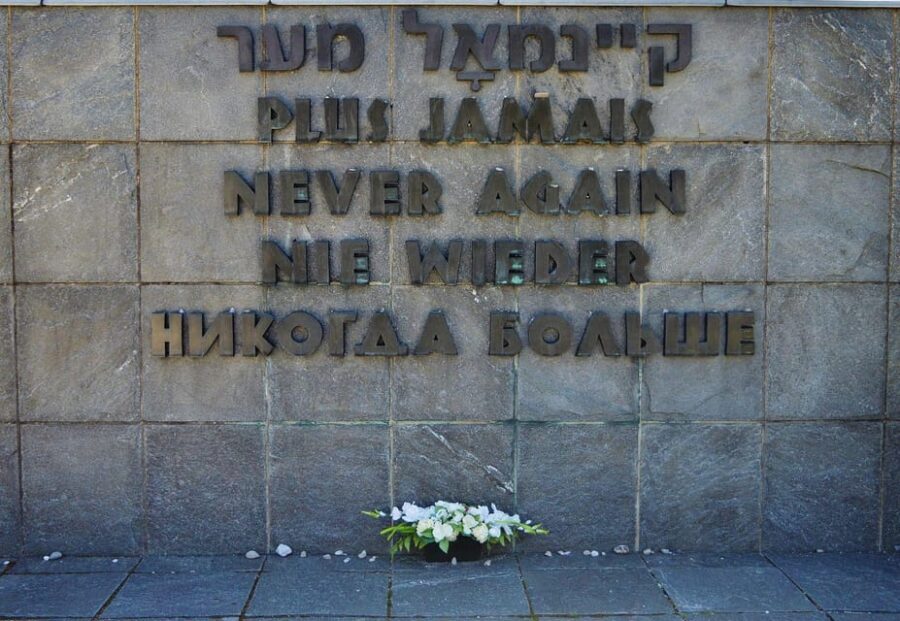
I think you should book if you’re ready for a guided, theme-based memorial visit and you value the added context that a live guide brings—especially with the inclusion of medical experiments, Roma prisoners’ fates, and survivor stories.
I’d be cautious if you need perfect reliability on day-of timing and meeting-point details. The tour has had reported booking and meeting issues (including one situation where the tour didn’t happen as expected). To reduce risk, verify your date and meeting details carefully and keep your confirmation info accessible.
If you’re prepared emotionally and you want a 5-hour guided visit with English support, this tour can be a meaningful way to understand Dachau’s history with structure and clarity. If that emotional weight sounds like too much right now, you might choose a different format—one with more space for self-paced breaks.
FAQ
What is the duration of the Dachau Memorial Public Tour?
The tour lasts 5 hours.
Where does the tour meet in Munich?
The meeting point is at the Fish Fountain, Marienplatz 8, 80331 München, Germany.
How much does the tour cost?
The price is $126 per person.
Is the tour in English?
Yes, the live tour guide is English.
What is included in the ticket price?
Your booking includes a local professional guide for a public guided tour and a ticket for public transport, plus an online payment processing fee.
Is food included?
No. Food and beverage are not included.
What topics does the tour cover?
The tour covers Dachau’s dark history, daily life dynamics (guards and prisoners), gruesome medical experiments on prisoners, and the dreadful fates of Roma prisoners. It also includes survivor accounts.
How do cancellation and refunds work?
You can cancel up to 24 hours in advance for a full refund.
Can I reserve before I pay?
Yes. The offer includes a reserve now & pay later option, so you can book your spot and pay nothing today.
Is there a way to check starting times?
Yes. Duration is listed as 5 hours, and you can check availability to see starting times.