REVIEW · DACHAU
From Munich: Dachau Memorial Site Tour in Spanish
Book on GetYourGuide →Operated by Bayern a medida GmbH & Co KG · Bookable on GetYourGuide
A sobering guided route makes it real. This Dachau Memorial Site tour from Munich sends you by train with an official Dachau Memorial Guide in Spanish, and you’ll see both the main exhibition and the surviving camp buildings and reconstructions. I like how the focus stays on history and victims, and I like the careful, respectful way the guide explains what you’re looking at. One drawback to flag up front: this tour is not open to non-Spanish speakers, and children under 13 can’t join.
It’s a 5-hour experience built around walking the grounds in sequence: roll-call areas, bunkers, barracks, and the crematorium, then the memorial spaces (including the international memorial and other religious memorials). The official guide format is the key value here, and it helps turn a difficult place into clear, understandable context.
In This Review
- Key Highlights You’ll Care About
- From Munich to Dachau in 5 Hours: a Spanish Day Trip That Stays Focused
- Meeting Under Karlstor Gate: Find Your Guide Fast and Avoid the Usual Chaos
- How the Permanent Exhibition Shapes What You See Outside
- Roll-Call, Bunkers, and Barracks: Learning the Camp Layout on Foot
- Crematorium and the Art of Respectful Looking
- Original Buildings and Reconstructions: Why You’ll Notice Two Kinds of Evidence
- International and Religious Memorials: Reflection Beyond the Camp Buildings
- Price and Value: Is $40 Worth It?
- Language and Age Rules: Who This Tour Fits Best
- Practical Prep: Shoes, Bags, and What You Can’t Bring
- Should You Book This Dachau Memorial Site Tour?
- FAQ
- Is this Dachau memorial tour in Spanish only?
- How long is the tour?
- Where do I meet the guide in Munich?
- Is transportation to Dachau included?
- What parts of the memorial site will we visit?
- Are there restrictions on bags or food?
Key Highlights You’ll Care About
- Spanish-only, official Dachau Memorial Guide: you’re getting interpretation tied to the site’s own message.
- Permanent exhibition first: you build context before walking the grounds.
- Original buildings plus reconstructions: you see what remains and how the camp functioned.
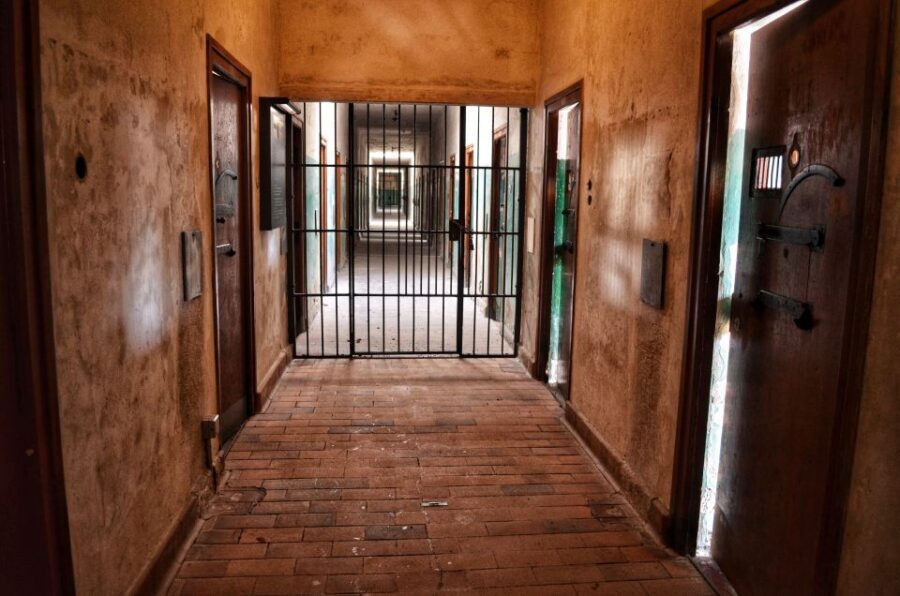
- You pass the roll-call area, bunkers, barracks, and crematorium: the route follows the camp layout.
- International and religious memorials: reflection space beyond the main exhibition.
- Practical meeting point: meet under the Karlstor Gate at Karlsplatz and spot your guide under the arch.
From Munich to Dachau in 5 Hours: a Spanish Day Trip That Stays Focused
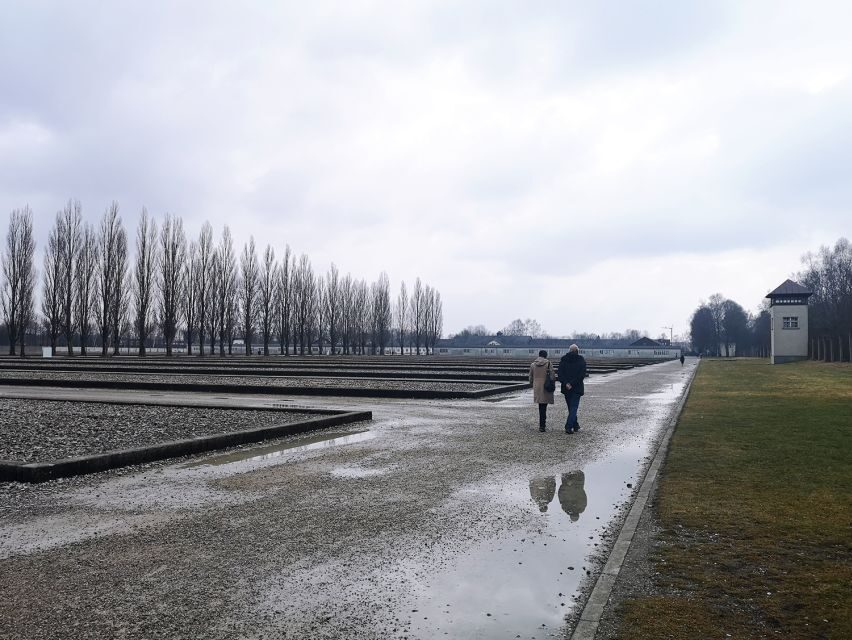
This is one of those tours where the schedule is simple, and that’s a good thing. You start in Munich and travel by train to the Dachau Concentration Camp Memorial Site with an official Dachau Memorial Guide. Once you arrive, the pacing is structured around the site’s message: learn first, then look, then reflect.
If you’re choosing a Dachau tour for value, this one has a clear strength. It’s priced at $40 per person for a full 5 hours of guided time, and the guide stays with you through the main exhibition and the key outdoor areas. The tour also includes multiple memorial stops, so you don’t feel like you only skim the camp and rush out.
The main thing to double-check is language. Because it’s an exclusively Spanish guided tour, you’ll want to feel comfortable following a guided discussion, not just reading a few signs. If Spanish isn’t your strong suit, you’ll lose too much, and this isn’t the right format to “wing it.”
Other Dachau Memorial tours we've reviewed in Dachau
Meeting Under Karlstor Gate: Find Your Guide Fast and Avoid the Usual Chaos
Your meeting point is straightforward but worth taking seriously. Meet under Karlstor Gate (at Karlsplatz) about 10 minutes before the activity starts. You should not look for or get on any buses. You’ll find the guide waiting for you directly under the Karlstor arch at Karlsplatz.
This is one of those small logistics details that can make or break your experience. Dachau tours run on tight timing, and if you show up late (or wander toward the wrong vehicle), you can miss the group and the lead-in explanation. I treat the “where to stand” part as part of the tour, not an afterthought.
Also plan your footwear. Comfortable shoes are required, and the tour involves walking the grounds and spending time in the memorial spaces.
How the Permanent Exhibition Shapes What You See Outside
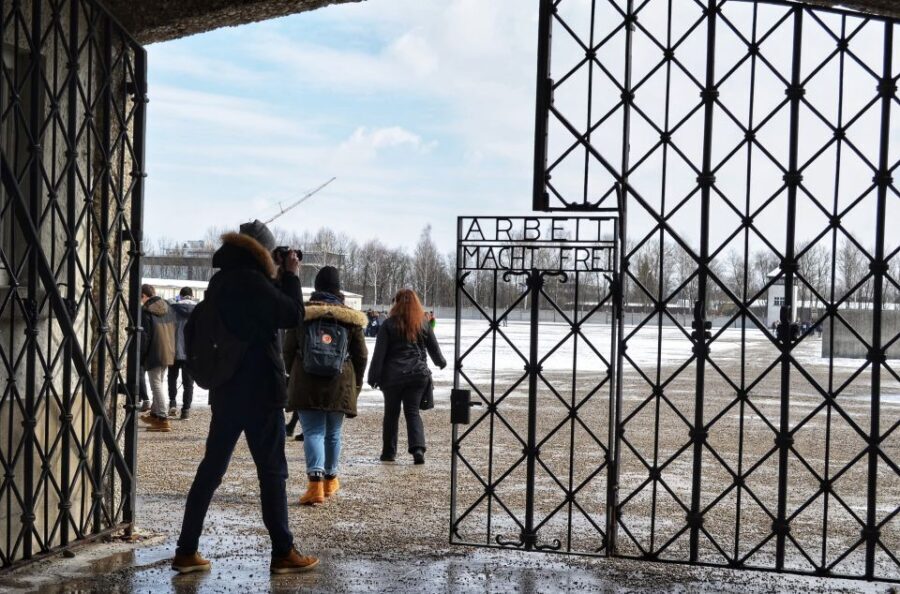
The visit includes the permanent exhibition, and this order matters. You get a history overview of the Dachau Concentration Camp before you start moving through the site in real-world space. That background helps you connect the camp’s physical layout to what it meant for the people held there.
I like this approach because it avoids the common problem: wandering outdoors without context. When you start with the permanent exhibition, the later stops—like the roll-call area and the crematorium—feel less like random buildings and more like pieces of a system. You’re not just looking at structures; you’re understanding why those places existed and what happened there.
The guide’s job is to explain, with historical background and stories of the victims. The tone is described as sensitive and respectful, which is essential here. Dachau isn’t the kind of place where you want a casual, improvisation-heavy guide. You want someone who can keep the focus on memory and reflection.
Roll-Call, Bunkers, and Barracks: Learning the Camp Layout on Foot
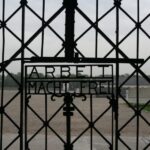
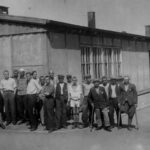
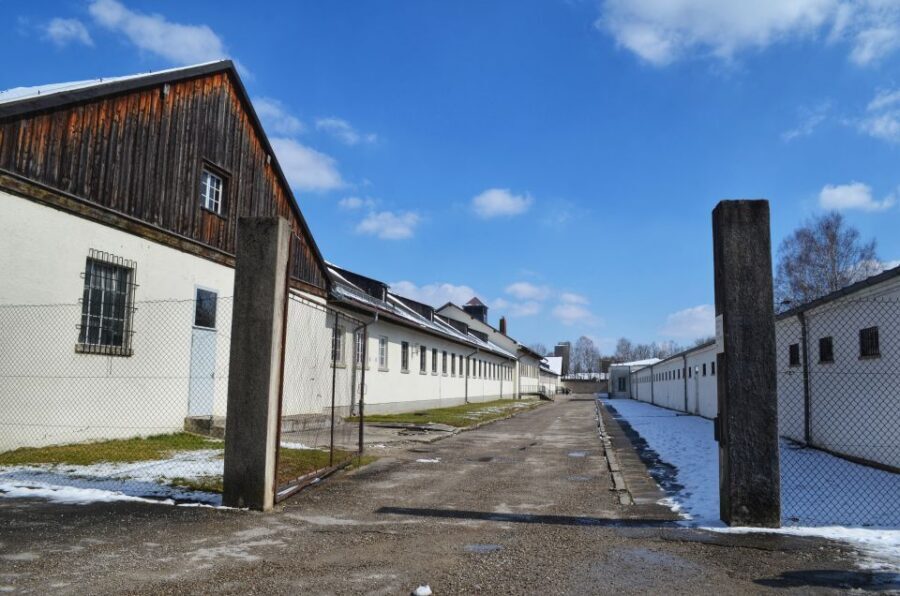
Once you’re on the grounds, the route is built around the core features of the camp. You’ll visit the roll-call area, the bunkers, the barracks, and the crematorium. Seeing these spaces as a connected walk helps you understand how daily routine and punishment were built into the camp structure.
The practical value for you is clarity. A good memorial tour doesn’t just point at spots. It helps you read what you’re seeing: where people were assembled, what living quarters looked like, and how the site functioned as a whole. In this tour format, the guide ties the physical locations to explanations about the camp and its victims.
One consideration: this is emotionally heavy. The experience is described as moving and emotionally touching, and that’s exactly what you should expect. If you’re sensitive to difficult content, plan for it. Give yourself time to process during pauses and in the memorial areas that shift you from “learning” into “reflection.”
Crematorium and the Art of Respectful Looking
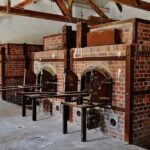
The crematorium stop is part of the guided route, and it’s handled with sensitivity in the way the tour is presented. This matters, because places tied to mass death can turn into awkward photo ops if a tour isn’t careful. The official guide format is meant to keep the focus where it belongs: memory, victims, and context.
I also appreciate that the tour doesn’t treat the crematorium as a final “shock moment” and then rush onward. Instead, it continues into memorial spaces designed for remembrance. That progression helps you feel the difference between learning facts and sitting with meaning.
If you want to get the most from this section, keep your attention on what the guide is explaining rather than trying to absorb everything through your own mental notes. There’s a lot to take in, and it’s easy to get mentally overloaded when the subject is this intense.
Original Buildings and Reconstructions: Why You’ll Notice Two Kinds of Evidence
One of the highlights is that you’ll see remaining original buildings plus reconstructions. That blend can feel strange at first glance. Why are there reconstructions at all, and how do they help?
Here’s the practical way to think about it: original structures show what remains of the past. Reconstructions help fill in how the camp looked and operated in places where the original fabric is gone. Seeing both types of evidence lets you understand the site as something more than ruins. You get the full picture of what people experienced.
This is also where the guide matters most. Without interpretation, reconstructions can be just shapes. With a memorial guide, they become educational tools—explaining purpose, function, and the realities of life and control in the camp.
International and Religious Memorials: Reflection Beyond the Camp Buildings
After the camp-focused stops, the tour includes the international memorial and other religious memorials. These areas shift the experience. They’re less about the mechanics of camp life and more about remembrance across countries and faith traditions.
I like that the tour doesn’t end with the most difficult structures and then cut straight to the exit. The memorial spaces give you a chance to slow down, especially if you’re the type who needs a moment to absorb what you’ve learned. In a place like Dachau, that kind of pacing is not optional—it’s part of the respectful design.
If you’re traveling with people who process differently—some need information, others need silence—you’ll still find value here. The exhibition and the camp layout satisfy the information side, while the memorials provide space for reflection.
Price and Value: Is $40 Worth It?
At $40 per person for a 5-hour guided visit, the price is relatively easy to judge: you’re paying for an official Dachau Memorial Guide in Spanish and a guided route that covers the main exhibition plus key outdoor and memorial areas. You’re not just buying entrance to a site; you’re buying interpretation and a structured walk.
Two things are not included. Hotel pickup/drop-off isn’t offered, and food and drinks aren’t included. Transport ticket to get to Dachau also isn’t included. Those points matter because they affect your total day cost.
Still, for many people, the value is strong because the guide time is doing the heavy lifting. The permanent exhibition plus multiple camp stops is hard to piece together on your own in a meaningful order, especially when the tour is Spanish-only and designed for a guided flow. If you’re already comfortable with the language, this is the kind of experience where spending for a qualified guide tends to pay off.
Language and Age Rules: Who This Tour Fits Best
This tour is exclusively in Spanish. Non-Spanish speakers are not allowed to book, and that’s a big deal for your planning. If you can follow a guided explanation comfortably, you’ll likely get a lot more out of the route and the victim-focused stories. If you can’t, you’ll miss the connective tissue that makes the site understandable.
It’s also not suitable for children under 13. That matters for family travel. The content is emotionally intense, and the tour is designed as a guided learning and remembrance experience for older participants.
Finally, it requires a minimum of four participants to operate. If the minimum isn’t met, the local partner will contact you and offer an alternative. That’s worth keeping in mind when you’re booking tight schedules.
Practical Prep: Shoes, Bags, and What You Can’t Bring
The tour asks for a simple prep list. Bring comfortable shoes. For what you carry, pets are not allowed, and you can’t bring luggage or large bags. Food isn’t allowed either.
This isn’t just about rules. It helps keep the group moving and reduces distractions in a space where attention matters. If you’re used to bringing a daypack, keep it small. If you need snacks for energy, plan ahead because food is not permitted during the tour.
Also remember the meeting point detail again: meet under Karlstor Gate at Karlsplatz, 10 minutes early, and locate your guide under the arch. This is one of those tours where showing up ready prevents stress, and stress is the last thing you need in a memorial setting.
Should You Book This Dachau Memorial Site Tour?
Book it if you meet three conditions: you speak Spanish well enough for a guided discussion, you’re okay with a serious and emotional visit, and you want a structured route that connects the permanent exhibition with the camp grounds. The official guide format, the inclusion of roll-call, bunkers, barracks, and the crematorium, plus the international and religious memorials, makes this a complete guided day rather than a quick walk-through.
Skip it if Spanish isn’t workable for you. You’ll struggle with the guide’s explanations, and that reduces the value of everything you paid for. Also consider skipping if you’re traveling with a child under 13, since children under that age are not allowed on the guided tour.
If you do book, plan your day with comfortable shoes, a small bag, and no food. Then show up on time at Karlstor Gate so you can start with the guided context—because in Dachau, what you understand is just as important as what you see.
FAQ
Is this Dachau memorial tour in Spanish only?
Yes. The tour is exclusively guided in Spanish, and non-Spanish speakers are not allowed to book.
How long is the tour?
The duration is 5 hours.
Where do I meet the guide in Munich?
Meet under Karlstor Gate at Karlsplatz about 10 minutes before the activity starts, and look for the guide waiting under the arch.
Is transportation to Dachau included?
No. Transport ticket is not included, though the tour includes traveling from Munich to Dachau by train with the guide.
What parts of the memorial site will we visit?
You’ll visit the permanent exhibition and key areas including the roll-call area, bunkers, barracks, and the crematorium. You’ll also see the international memorial and other religious memorials.
Are there restrictions on bags or food?
Yes. Pets are not allowed, luggage or large bags are not allowed, and food is not allowed. Comfortable shoes are recommended.