REVIEW · NUREMBERG
Nuremberg: Tunnels and Secret Passages in the City Wall Tour
Book on GetYourGuide →Operated by Förderverein Nürnberger Felsengänge e.V. · Bookable on GetYourGuide
Nuremberg hides in plain sight. I love the way this tour flips you from sunny, imposing sandstone city walls to tight, high-vaulted tunnels built for defenders. The best part is getting entry to the secret passages under the Imperial Castle plus the protective corridors in the wall itself. For $14 and about an hour, it feels like a real bargain. One catch: it’s steep, stair-heavy, and some passages feel low—so it’s not for people who get uneasy in cramped spaces.
I also like the human scale. This runs with a live guide in English or German, and the best sessions keep you thinking—like when guides ask you to guess what a feature was for before explaining it. If you’re aiming for something active but short, this is a strong fit. If you want easy walking and breathing room, you’ll probably feel annoyed fast.
In This Review
- Key things I’d plan around
- Why Nuremberg’s walls matter more than the castle
- Getting to Historischer Kunstbunker and what happens on arrival
- Above the wall, then down: defensive corridors in action
- Underground under the Imperial Castle: secret passages you can actually enter
- The medieval defense lesson: moats, bastions, and hidden weapons
- Comfort, safety, and who should skip this tour
- Tips for getting the most from your hour (and your $14 value)
- FAQ
- FAQ
- Where do I meet for the tour?
- How long is the Nuremberg tunnels and secret passages city wall tour?
- What languages are the guides available in?
- What’s included in the ticket price?
- Do I need to bring warm clothing?
- Are sandals or flip-flops allowed?
- Can I bring food or drinks?
- Are toilet breaks provided during the tour?
- Is the tour suitable for wheelchair users or people with mobility impairments?
- Are pets allowed?
- Should you book this Nuremberg tunnels tour?
Key things I’d plan around
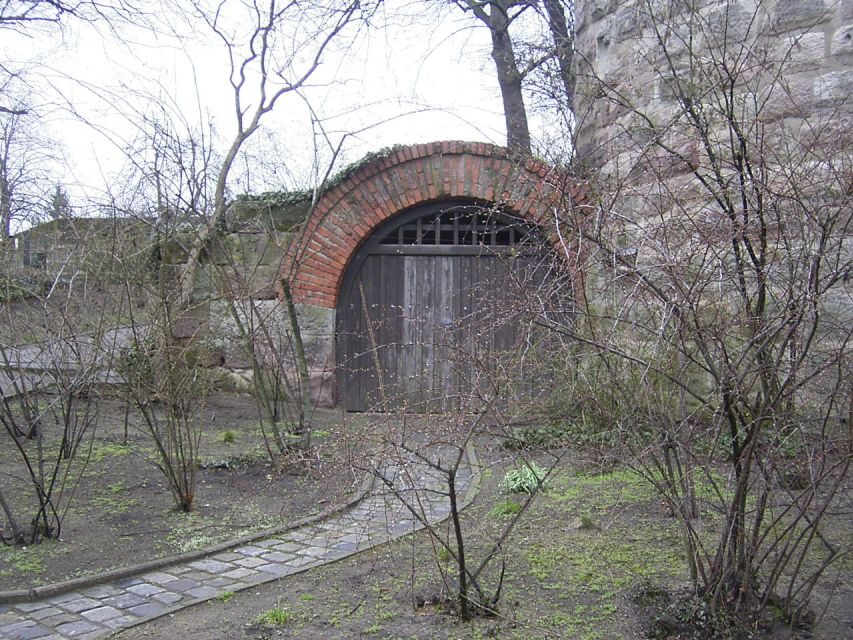
- Imperial Castle access below ground: You get into secret passages and corridors you can’t see from the streets.
- City wall defense in 60 minutes: You’re shown how the walls and moat worked as one system.
- Stairs and ramps are constant: Old steps, slopes, and climbing are part of the deal.
- Low, narrow tunnel sections: Headroom can feel tight in places, so pack your patience.
- Guides make it interactive: The tour often includes quick “what do you think?” moments.
- Bring warm layers and grippy shoes: The underground can be cool and slippery.
Why Nuremberg’s walls matter more than the castle
Sure, the Imperial Castle looks dramatic from the outside. But the real story here is how Nuremberg stayed hard to take. This tour is built around the idea that the city’s defenses were not just pretty stone—they were a full fighting system.
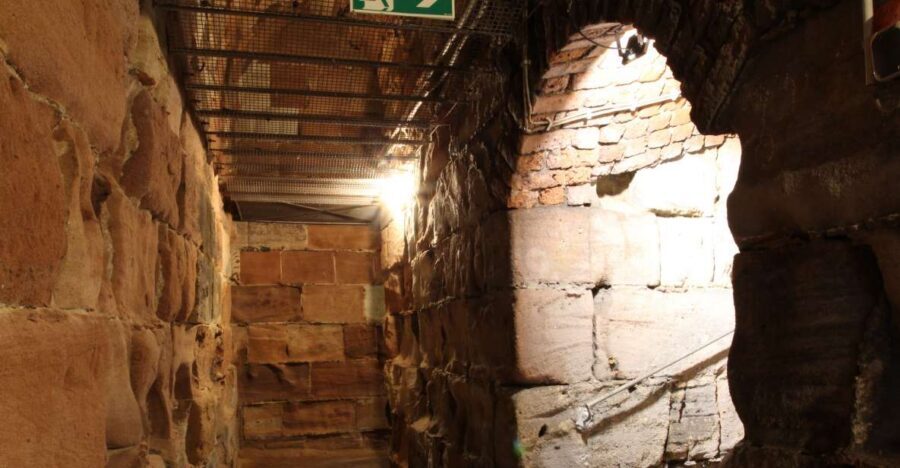
You’ll walk along the city walls and then go where defenders actually moved: narrow tunnels, chambers carved into rock, and the under-wall corridors meant for survival. That switch changes how you see everything. From street level, a wall is just a barrier. Underground, it becomes infrastructure: routes for moving safely, angles for shooting, and spaces where people could hold their ground.
I also like the emphasis on practical engineering. You’re not only told that Nuremberg was protected—you learn how the defenses were designed to function: the castle moat concept, how defenders could cover approaches, and why the walls and bastions were shaped the way they were. It’s defensive history you can literally feel under your feet.
Other Nuremberg day trips we've reviewed in Nuremberg


Getting to Historischer Kunstbunker and what happens on arrival
Meet in front of the Historischer Kunstbunker, Obere Schmiedgasse 52. From there, you start the experience at city level, where the guide can frame what you’re about to see underground. Since the tour lasts 1 hour, the pacing is efficient. You get enough time to build context and still spend the main event down in the defensive spaces.
Because it’s a guided walk with entry included, you don’t have to manage tickets or puzzle out which stairs lead where. You just show up, follow the group, and listen. Tours are offered with live guides in English or German, so you’ll get the explanation in the language you choose.
This is also one of those activities where preparation matters. Wear clothes that work when you’re cold and moving slowly. The operator asks for warm clothing, and the underground portions can feel damp or slippery depending on conditions. The tour doesn’t include toilet breaks, so treat it like a proper museum experience plus stairs: plan your timing.
Above the wall, then down: defensive corridors in action
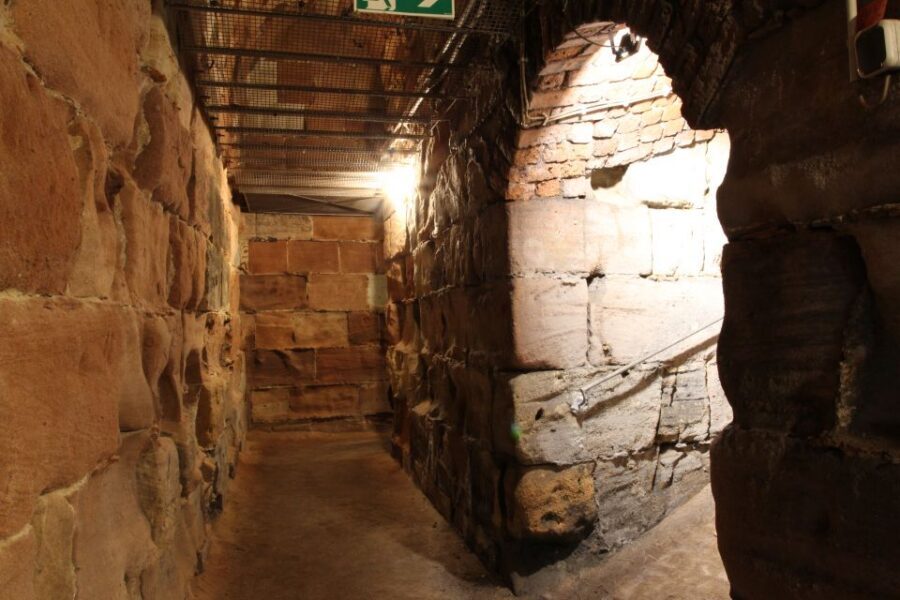
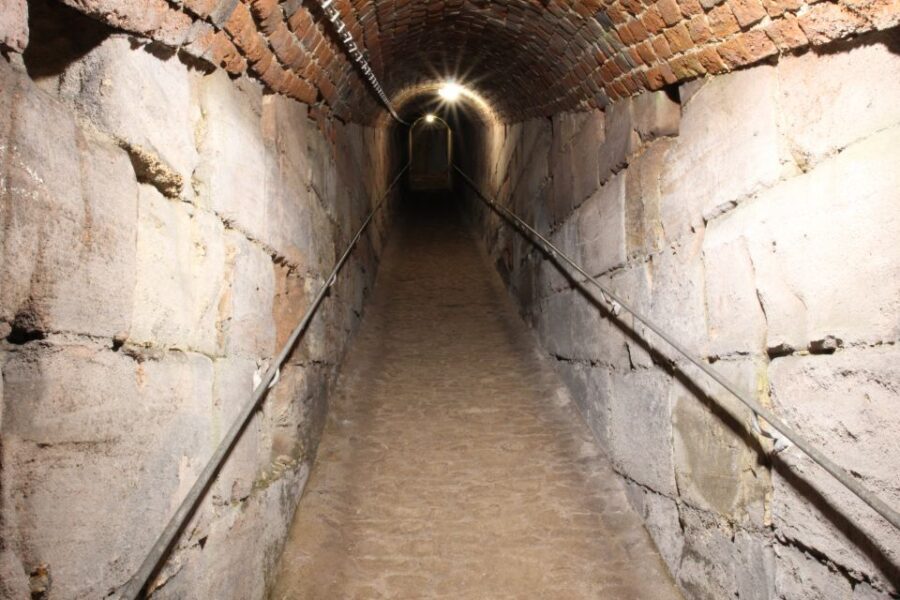
Expect the tour to follow the logic of defense: start with the walls, then step into the corridors that kept defenders effective. As you walk the paths along the walls, you’ll see the features that make the structure so formidable. Then you’ll go into the narrow tunnels and high-vaulted chambers carved into the castle rock.
This is where the architecture becomes clear. The corridors and chambers weren’t decorative. They helped defenders move, hide, and fight with fewer vulnerabilities. The guide explains how the defensive walls and the surrounding moat worked together so attackers couldn’t easily reach the castle or overwhelm the positions.
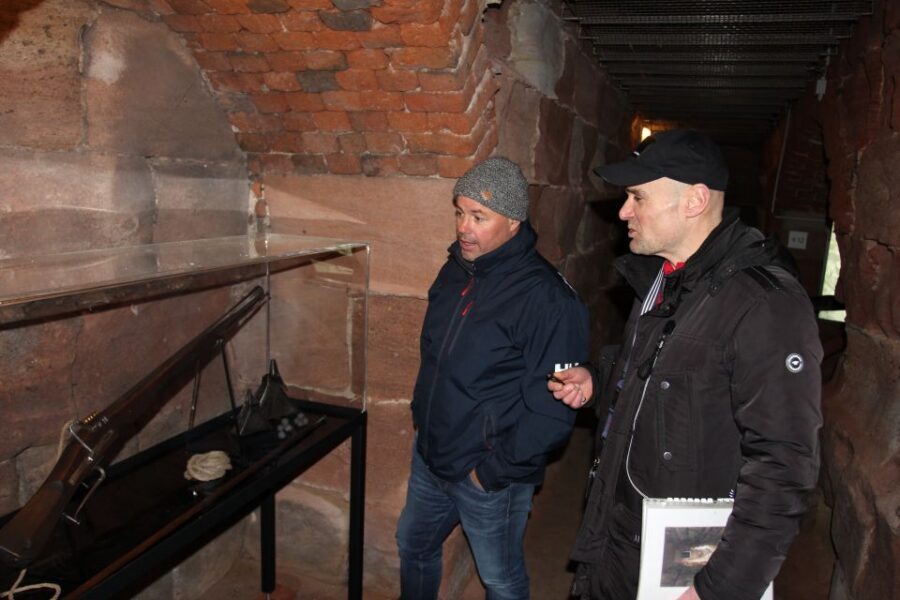
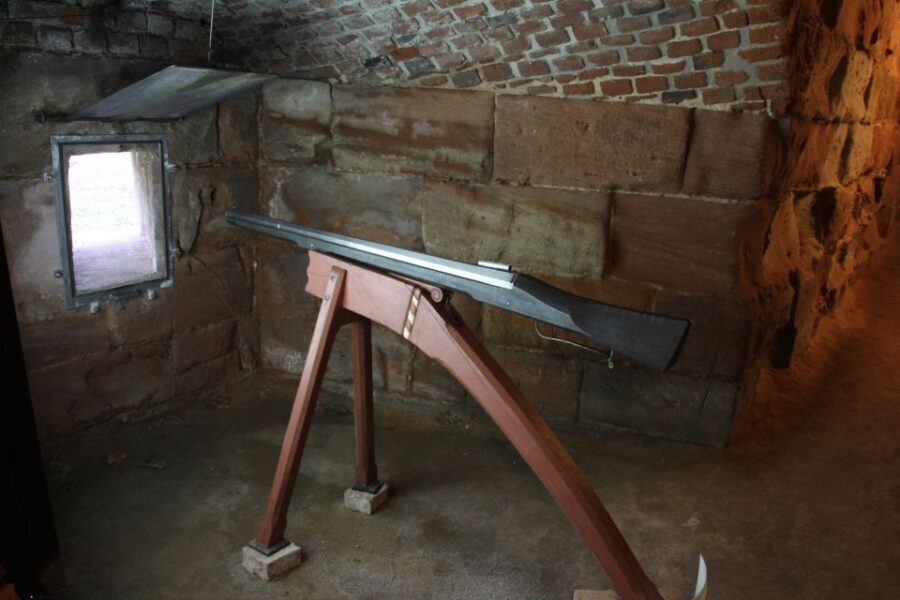
One of the best parts is that it doesn’t stop at generalities. You’ll get practical details about how medieval weapons were hidden inside the walls and how defenders cooperated as part of a coordinated system. Even if you only catch a few of the mechanics, you’ll start noticing defensive thinking everywhere—looping routes, controlled chokepoints, and the way coverage is arranged so enemies can’t approach safely from every angle.
The whole time, you’ll feel the “defender” mindset shift. It’s not the same as looking at diagrams on a sign. You’re walking the spaces people used.
Underground under the Imperial Castle: secret passages you can actually enter
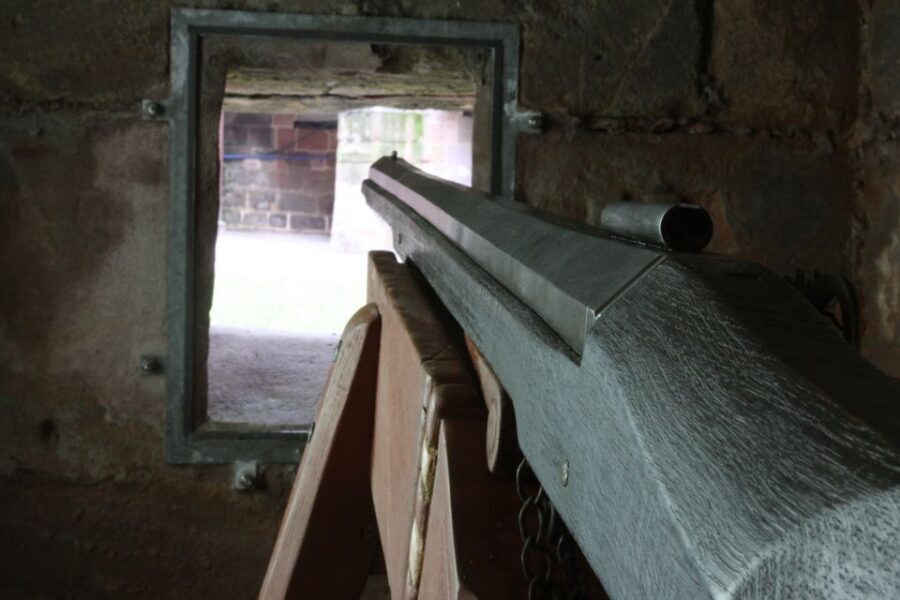
This tour is special because it doesn’t just show you the castle from outside. You get entry to the secret passages under the Imperial Castle, which is exactly the kind of access that makes a city feel bigger than its monuments.
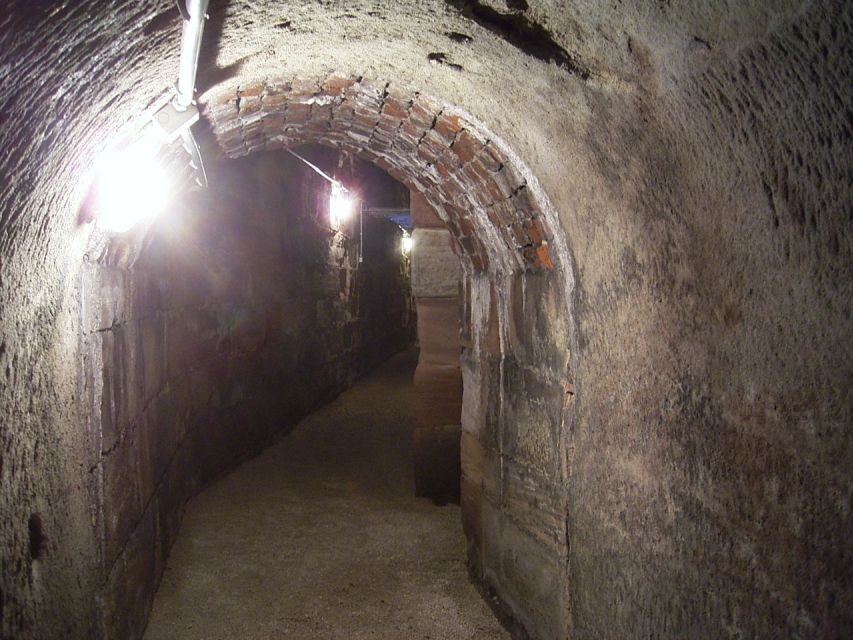
Down here, the experience gets more physical. Tunnels can feel narrow, and some sections may be low enough that you’ll naturally slow your pace and watch your posture. One review specifically called out tunnels under about 1.5 meters, and even if your exact route feels different, you should assume some parts are tight.
The “secret passage” part also changes how you understand the castle’s security. Instead of thinking only of walls and gates, you see how people could move and respond under pressure—using corridors designed to let defenders shoot at enemies from multiple directions as attackers worked their way across the moat.
If you like history you can walk through, this is the moment. It’s surreal in a simple way: you’re standing in a space that was built for survival, and your job is just to follow the guide and keep moving safely.
The medieval defense lesson: moats, bastions, and hidden weapons
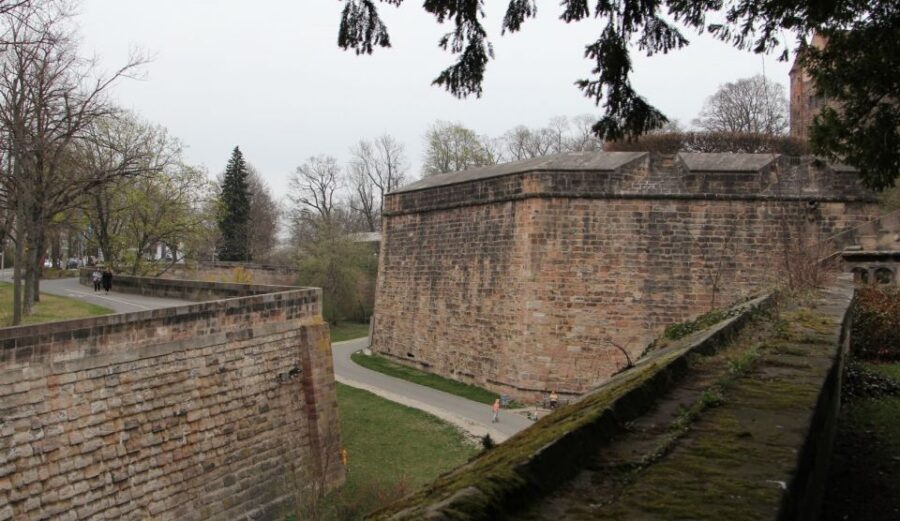
You’ll hear how Nuremberg’s defenses evolved over time, including the shift in the sixteenth century to modern bastions that could withstand cannon fire. That detail matters because it shows you the walls weren’t stuck in the past. They were adapted as military threats changed.
A lot of defensive features make sense when you connect them to the moat. The guide explains the maze-like thinking behind the underground corridors and how they supported defenders while attackers tried to cross. The goal wasn’t only to block. It was to control the flow of an attack and make attackers pay for every step.
You’ll also learn about how weapons hidden inside the city walls worked. Even without seeing every mechanism, you get the big idea: the walls were designed as platforms for defense, not just barriers. Knights and defenders had roles, and the built environment supported those roles.
What I like about this educational approach is that it stays grounded. The guide turns stone into strategy. You leave understanding why a fortified city isn’t just one big wall—it’s a system of paths, barriers, firing positions, and movement routes, all built together.
Other city tours we've reviewed in Nuremberg






Comfort, safety, and who should skip this tour
Let’s be honest: this is not an all-ages “stroller and relax” tour. The tour involves climbing lots of old stairways and ramps. There are no toilet breaks, and it’s not suitable for people with mobility impairments or wheelchair users. It’s also not suitable for claustrophobia.
Even for people without those limitations, you’ll want to think about your comfort down below. Reviews mention sections that can feel narrow and potentially muddy or wet. You’re also not allowed sandals or flip-flops, so plan for real traction.
If you fall into any of these buckets, I’d skip:
- You get anxious in low, enclosed spaces
- You struggle with stairs or repeated uphill/downhill effort
- You need frequent stops or easy access
If you’re generally mobile, steady on your feet, and comfortable with tight spaces, this can be a standout experience. It’s active in a short time, which makes it a smart choice if you don’t have hours to spend in Nuremberg—just be ready for the stairs.
Tips for getting the most from your hour (and your $14 value)
At $14 per person, this is priced like a high-value specialty tour. You’re paying for two things: guided access and physical entry into areas most visitors never see. For an hour, that’s a strong return on time.
Here’s how to make the most of it:
- Wear non-slip, closed-toe shoes. Reviews specifically recommend non-slip footwear.
- Bring warm clothing, especially if you’re touring in colder months.
- Leave food and drinks at home. They’re not allowed.
- Go in with curiosity, not expectations of luxury. You’re inside defensive spaces, so it’s cool, tight, and stair-heavy.
Also, because the tour is only 1 hour, don’t worry if you miss one small detail. The guide will likely repeat the key logic—why the walls were built the way they were, and how the underground corridors supported defenders. If you want, ask questions right away. The guide is set up for back-and-forth, and that makes the time fly.
Value-wise, this is one of those tours where your money buys access and insight together. A wall you can’t enter is one thing. A wall system you can walk through is another.
FAQ
FAQ
Where do I meet for the tour?
Meet in front of the entrance of the Historischer Kunstbunker, Obere Schmiedgasse 52.
How long is the Nuremberg tunnels and secret passages city wall tour?
It lasts 1 hour.
What languages are the guides available in?
The live tour guide is available in English and German.
What’s included in the ticket price?
You get entry to the defensive corridors in the city walls and entry to the secret passages under the Imperial Castle.
Do I need to bring warm clothing?
Yes. Warm clothing is recommended.
Are sandals or flip-flops allowed?
No. Sandals and flip-flops are not allowed.
Can I bring food or drinks?
No. Food and drinks are not allowed.
Are toilet breaks provided during the tour?
No. There will be no toilet breaks during the tour.
Is the tour suitable for wheelchair users or people with mobility impairments?
No. It is not suitable for people with mobility impairments, including wheelchair users.
Are pets allowed?
Pets are not allowed. Assistance dogs are allowed.
Should you book this Nuremberg tunnels tour?
Book it if you want a short, high-impact way to understand how Nuremberg defended itself—by getting into real underground spaces, not just looking at them. It’s especially worth it if you like defensive architecture, castles-as-systems, and you’re okay with stairs.
Skip it if you’re dealing with claustrophobia, mobility limits, or you know you need frequent breaks and easy walking. In that case, Nuremberg’s walls and castle views will be more pleasant from street level.