REVIEW · MUNICH RESIDENZ
Munich Residenz: Private Tour with artists and historians
Book on GetYourGuide →Operated by Munich Art Tours · Bookable on GetYourGuide
Royal bedrooms, told like street history.
This private tour through the Munich Residenz (a real palace where key Bavarian moments happened) turns museum wandering into story time with an artist guide. I like two things most: the Green Gallery stop, where you get the technical background behind the paintings and wall art, and the way the guide connects palace details to big-name drama like Ludwig II and Richard Wagner.
One heads-up: with a 2–3 hour window, you will not see every single room in the complex in full depth. You’ll get smart selection and pacing, but if you want a full-by-room checklist, plan extra time.
In This Review
- Key highlights to watch for
- Why the Munich Residenz feels different with an artist guide
- Meet your guide: Paul Riedel and Freya bring the palace to life
- 139 rooms, reality check, and how you’ll actually experience them
- Entering the Residenz like a story: how the Wittelsbachs lived in Munich
- The Green Gallery: paintings, technique, and what to look for
- King Ludwig II and the Wagner connection in palace terms
- Oktoberfest traditions you can connect to palace life
- Walkthrough pacing: private group benefits and what you’ll miss
- The exterior story: a palace marked by WWII damage
- Price and value: is $160 per person fair for a private artist tour?
- Practical tips so your tour goes smoothly
- Should you book this private artist tour?
- FAQ
- How long is the Munich Residenz private tour?
- Where do I meet the guide?
- Is the tour private?
- What languages are offered?
- Will I need to buy tickets in advance?
- Does the tour run in bad weather?
- What should I bring and wear?
- Is the tour wheelchair accessible?
- Are there bag restrictions?
- Is this tour suitable for kids?
Key highlights to watch for
- Private artist guide who can explain art choices in plain language, plus history in context
- Green Gallery with painting and wall-art technical background, not just descriptions
- Wittelsbach stories: where Munich’s royal family lived and how that shaped the city
- Ludwig II + Richard Wagner: the palace setting for a fascinating creative affair
- Oktoberfest connections that show why the palace matters beyond big celebrations
- WWII exterior perspective on the building’s damage and later survival
Why the Munich Residenz feels different with an artist guide
Munich Residenz is not one of those “stand back and read labels” museums. It’s a palace with rooms built for power, display, and ceremony. When an artist guides you, the focus shifts from facts-only to how the art and design were meant to work on you. You start noticing things you’d normally skip: how paintings sit in their spaces, how wall surfaces carry meaning, and why certain rooms feel formal or intimate.
The tour format helps. You’re not shoved into a crowd, so you can ask questions as you walk. You also get the kind of pacing that keeps you moving through palace rooms without turning it into a rushed blur. I especially like that the guide doesn’t treat art like trivia—they treat it like communication.
Meet your guide: Paul Riedel and Freya bring the palace to life
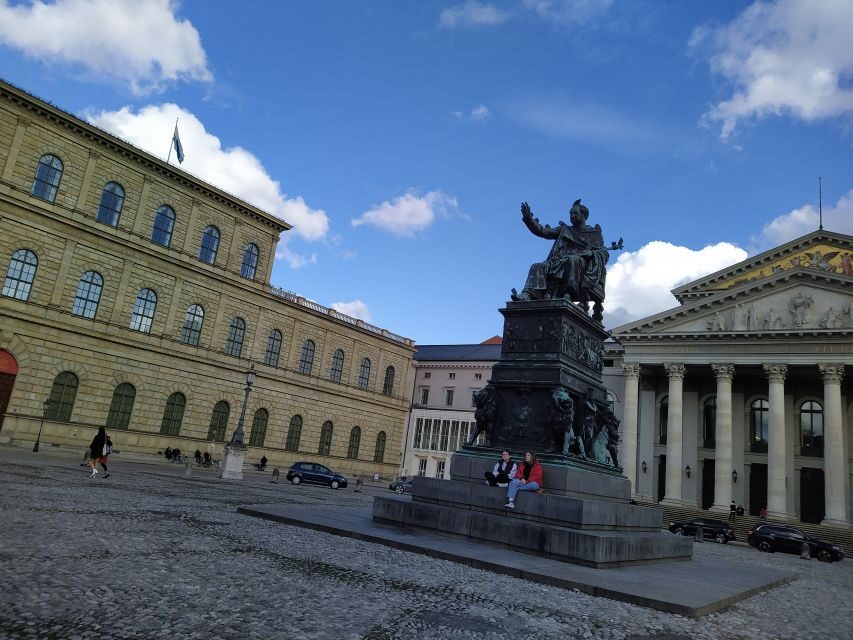
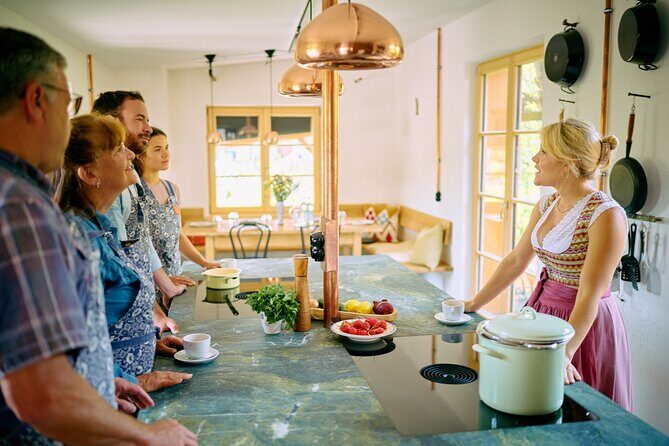
This is a private tour, and the guide matters. In recent tours, guides have included artist Paul Riedel and historian-minded guide Freya. That’s a good sign. An artist tends to explain with their hands—how things are constructed, why colors and compositions were chosen, and what technique can tell you about the maker’s intent.
Freya’s style (based on firsthand tour experience from recent visitors) is described as professional, with strong history-and-art storytelling and a steady pace. Paul Riedel is described as calm and passionate, with continuous connections between rooms, paintings, and the historical background. If you enjoy your history with visual meaning—rather than dates dumped on you—this format is a strong match.
139 rooms, reality check, and how you’ll actually experience them
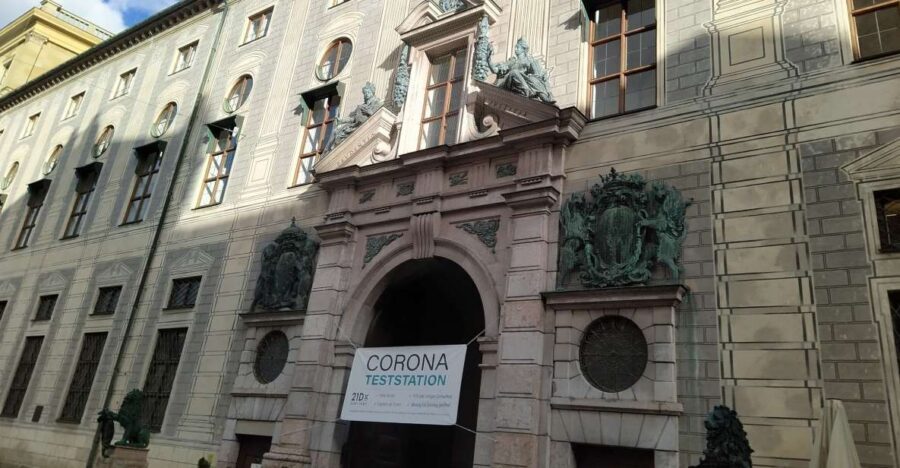
Munich Residenz has 139 rooms, so the obvious question is: how can anyone fit that into 2 hours? The answer is selection. In practice, you’re guided through the areas that give the best overview of the residence’s story—royal life, artistic display, and the key moments that shaped what you see today.
In a shorter palace tour like this, the value is not “see everything.” It’s “see the right things, in the right order.” You get a sense of the Wittelsbach family’s world and how the palace functioned as a stage. You also get a highlight-focused stop in the Green Gallery, which is the kind of room you’ll remember even if you only spend a limited amount of time in it.
If you’re the type who loves to linger, bring extra patience for the walk time between rooms. Comfortable shoes matter here, because palaces are all hallways and transitions.
Entering the Residenz like a story: how the Wittelsbachs lived in Munich
The early chapters are about the Wittelsbachs, the dynasty tied to Munich’s rise. This tour frames the residence as lived space—places where people weren’t just housed, but where power was performed. You’ll learn about the family’s early years, then move into where and how they lived in the palace.
That context changes your perception fast. A painting isn’t just a painting anymore. A room isn’t just pretty architecture. You start seeing the palace as a system: status expressed through layout, decoration, and the way major figures moved through rooms.
You’ll also hear how Munich’s identity grew alongside these residents. That’s why the tour connects palace life to city traditions like Oktoberfest—not because it’s random trivia, but because royal culture and local celebration weren’t separate worlds. They borrowed from the same ideas of ceremony, spectacle, and identity.
The Green Gallery: paintings, technique, and what to look for
If you want one stop that justifies the whole price, aim your attention at the Green Gallery. This is where the guide highlights different paintings and explains their technical background—so you’re not only looking at imagery, you’re learning how it was made and why it was presented that way.
Here’s what you’ll take away:
- How technique and craftsmanship influence what you see at first glance
- Why certain painting choices fit the mood and purpose of the room
- How wall art and visual design reinforce the residence’s social message
This is the kind of room where you can feel smarter in real time. Even if you’re not an art expert, the guide helps you translate. And because you’re in a palace, the art isn’t floating in a white box—it’s in its original setting, doing what it was built to do: impress, instruct, and signal rank.
King Ludwig II and the Wagner connection in palace terms
One of the most interesting narrative threads is the connection between King Ludwig II and Richard Wagner. You’ll hear about that affair and how it ties into the residence’s atmosphere—how the palace wasn’t only about administration, but also about the kind of cultural ambition that shaped Bavaria.
Ludwig II can feel like a distant figure until you place him in the spaces where his life unfolded. The tour helps you do that. You’ll also spend time reflecting in the garden area associated with Ludwig II, using the setting as a prompt for how events unfolded here.
What I like about this approach is that it stops the story from turning into gossip. It becomes a lens: art, patronage, and personal relationships all influenced what got built and celebrated—so the palace becomes a map of motivations, not just architecture.
Oktoberfest traditions you can connect to palace life
You’ll learn about the traditions of Oktoberfest and how they connect to the residence. This is one of those topics that can turn into a vague cultural lesson if it’s taught lazily. Here, the goal is to show how ceremony and tradition traveled from court culture into public celebration.
Once you hear that link, you’ll start spotting the logic behind the spectacle:
- Why celebrations emphasize identity
- Why pageantry matters in the city
- How authority and tradition shape public customs
Even if you don’t care much about festivals, this section makes your Residenz visit feel more relevant. It helps you understand why the palace still matters in Munich today.
Walkthrough pacing: private group benefits and what you’ll miss
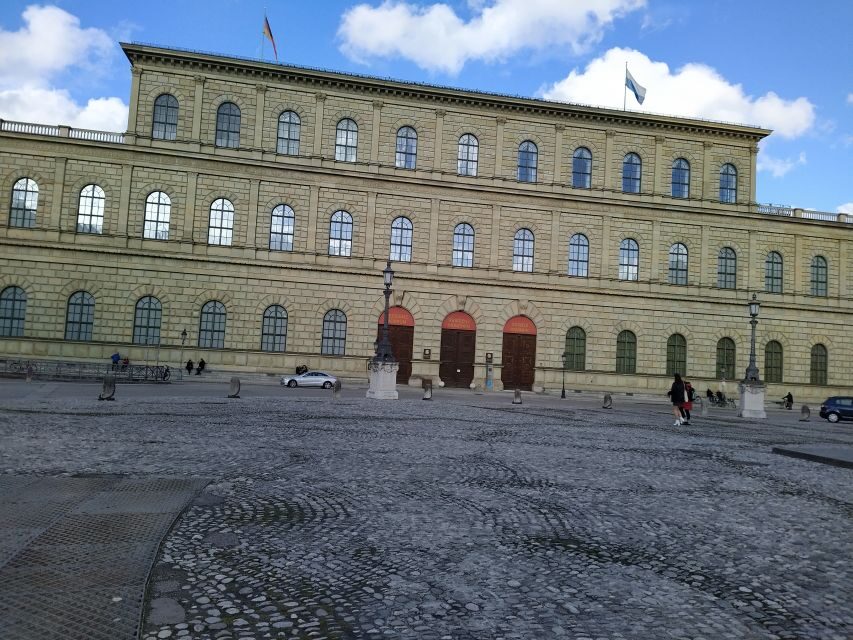
The tour runs about 2–3 hours, and it’s private, so you’re not tied to a fixed crowd rhythm. That is a big deal in a palace. You can pause when something grabs your attention—especially in rooms with art details that you’d otherwise miss.
The downside is the same for any short, private highlights tour: you’ll have to accept that not every hallway will get its own mini-lecture. You might want more time in certain rooms, especially if you’re drawn to painting details or want more historical depth.
A practical tip: go in with one or two things you care about most—art technique, Wittelsbach life, Ludwig II, or Wagner. Then you’ll feel like the tour is tailored, even though it’s designed to cover several major themes.
The exterior story: a palace marked by WWII damage
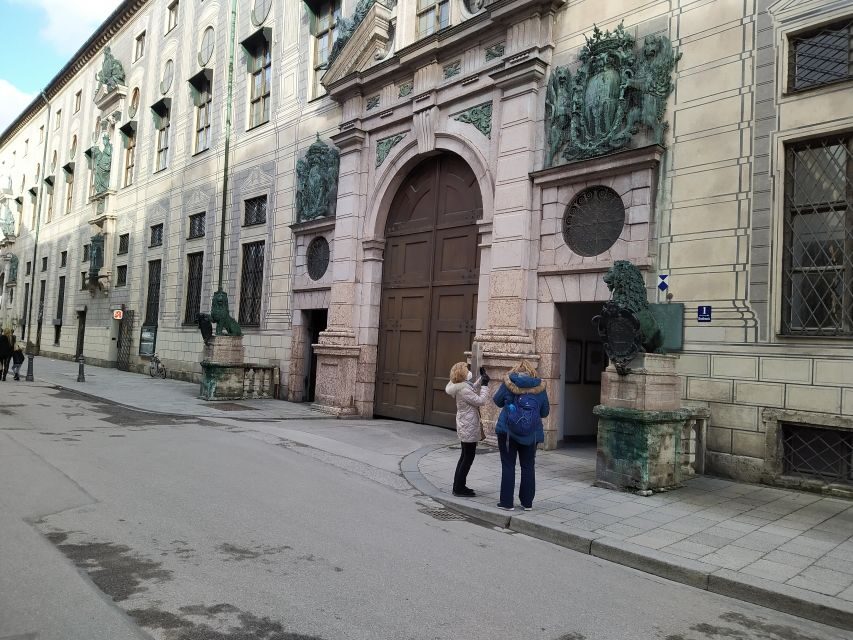
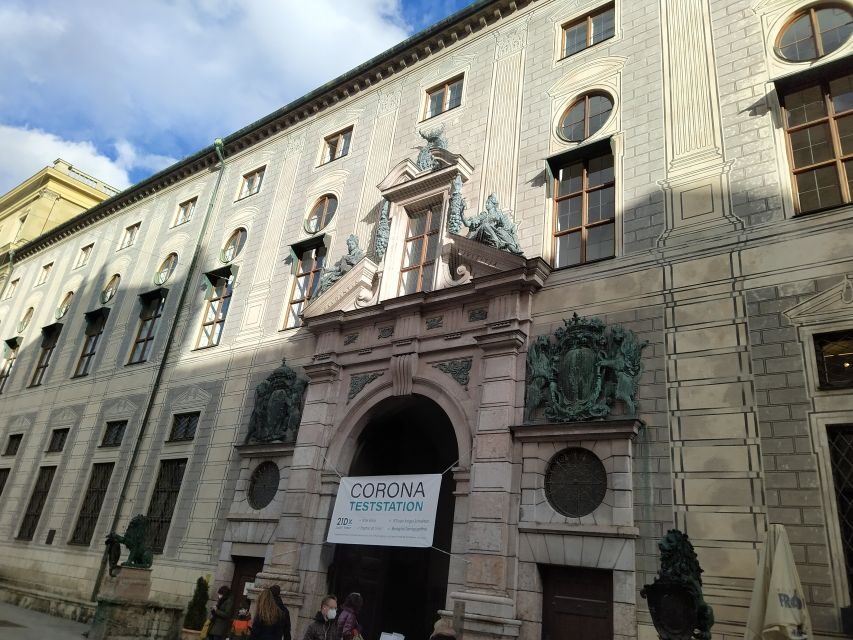
After the interior rooms, you’ll learn about the exterior of the palace, including how it was nearly destroyed during WWII. This gives you a valuable second perspective: the building is not just decorative. It has a survival story.
And because you’ve already built context inside, the exterior discussion lands differently. You understand why the palace’s survival and restoration matter to Bavaria’s identity. You also get a sense of what was lost and what was rebuilt—without needing to turn the day into a history lecture marathon.
Price and value: is $160 per person fair for a private artist tour?
At $160 per person for a private tour, you’re paying for two things: access and interpretation. This isn’t a generic “walk and point” tour. You’re getting a professional guide, plus artist-level art explanations, plus private pacing through major themes across the residence.
Is it “worth it”? For me, it’s a strong value if:
- You want more than museum captions
- You enjoy art talk grounded in technique and placement
- You like history that connects characters to the rooms they used
If you only want broad, quick highlights, a cheaper group tour might feel adequate. But if you care about understanding the art and the royal context behind it, this one earns its keep. Private time in a palace is expensive everywhere—this one justifies that cost by focusing on how the building’s stories and art details connect.
Practical tips so your tour goes smoothly
This tour runs rain or shine, so wear shoes that handle wet stone. Bring comfortable shoes; you’ll be on your feet in a palace environment. Also note the restrictions: no luggage or large bags.
Languages are English and German, and the guide is live. The tour is wheelchair accessible, which is great if you need that option.
One more fit check: it’s not suitable for children under 10. That matters because palace rooms and art explanations reward attention and patience.
Should you book this private artist tour?
Book it if you want a Residenz visit that feels like interpretation, not inspection. You’ll get strong narrative threads: the Wittelsbach family, the Ludwig II and Richard Wagner connection, and Oktoberfest traditions tied back to court culture. Add the Green Gallery stop—where painting technique is explained—and this becomes the kind of tour you remember for what you learned, not just what you saw.
Skip it only if your goal is to tick off every corner with maximum time, or if you don’t care about art technique and want purely general history. With its 2–3 hour format, it’s built for smart highlights and meaningful context.
FAQ
How long is the Munich Residenz private tour?
The tour lasts about 2–3 hours, with availability showing starting times.
Where do I meet the guide?
Meet your guide in front of the Munich Residenz.
Is the tour private?
Yes, it’s a private group tour.
What languages are offered?
The live tour guide is available in English and German.
Will I need to buy tickets in advance?
You’ll be able to skip the ticket line for this experience.
Does the tour run in bad weather?
Yes, the tour takes place rain or shine.
What should I bring and wear?
Wear comfortable shoes.
Is the tour wheelchair accessible?
Yes, it’s listed as wheelchair accessible.
Are there bag restrictions?
Yes. Luggage or large bags are not allowed.
Is this tour suitable for kids?
It’s not suitable for children under 10 years old.