REVIEW · MUNICH
Mystic Munich – Sagas and Legends of the Old Town
Book on GetYourGuide →Operated by DIE STADTSPÜRER® · Bookable on GetYourGuide
Munich at dusk has a second life. This tour uses real, walkable sights to stage the city’s legends in a way that actually helps you see Munich differently, from Marienplatz to the churches and historic courtyards. I like how the stories are tied to recognizable details, not just vague ghost talk, and I especially like the guide approach: experienced local storytelling with myth and fact braided together.
The one thing to consider is language and crowd control. This tour runs in German, and the Old Town gets busy, so if you start drifting near the end, you can lose sight of your group in the flows around central sights.
In This Review
- Key things to know before you go
- How Munich’s Old Town Turns Legends Into Real Places
- Meeting at Marienplatz 15: The Easy Start That Sets the Tone
- The 105-Minute Format: Why Short Tours Can Hit Harder
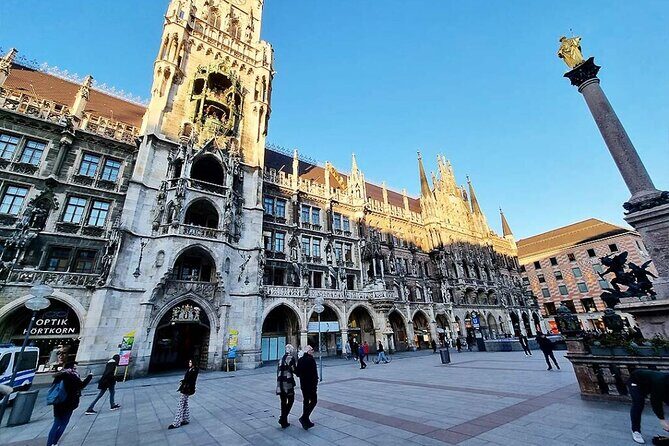
- The New Town Hall and the Lindwurm: When a Monster Becomes a Landmark
- Marian Column Putti and Monsters: Learning to Read the Sculptures
- Old Peter and the Devil: A Dark Tale You Can Check in Person
- St. Onuphrius: The Eye-Contact Rule for Legendary Truth
- Old Town Hall and the Old Court: Power Under the Legends
- Marienplatz and Frauenkirche: Two Icons, One Story-Loop
- Price and Value: What $26 Buys in Real City Time
- Who This Tour Fits Best (and Who Might Want a Different Style)
- Practical Tips to Stay Together and Enjoy the Stories
- Should You Book Mystic Munich – Sagas and Legends of the Old Town?
- FAQ
- How long is Mystic Munich – Sagas and Legends of the Old Town?
- Where is the meeting point?
- What language is the tour in?
- What is included with the tour?
- How much does it cost?
- Is the tour wheelchair accessible?
- Can I cancel for a full refund?
- Can I reserve and pay later?
- Which sights does the tour cover?
Key things to know before you go
- Marienplatz start point under the Old Town Hall, in front of the Toy Museum entrance area
- Dusk-style storytelling that makes landmarks feel more “alive” as the light shifts
- Legend-to-landmark links like the Lindwurm on the New Town Hall and the Putti on the Marian Column
- Old Peter + devil story focused on a specific, visible subject you can stand in front of
- St. Onuphrius photo-op challenge (yes, it’s literally about meeting your eyes back)
- A short 105-minute format that fits easily between other Munich plans
How Munich’s Old Town Turns Legends Into Real Places
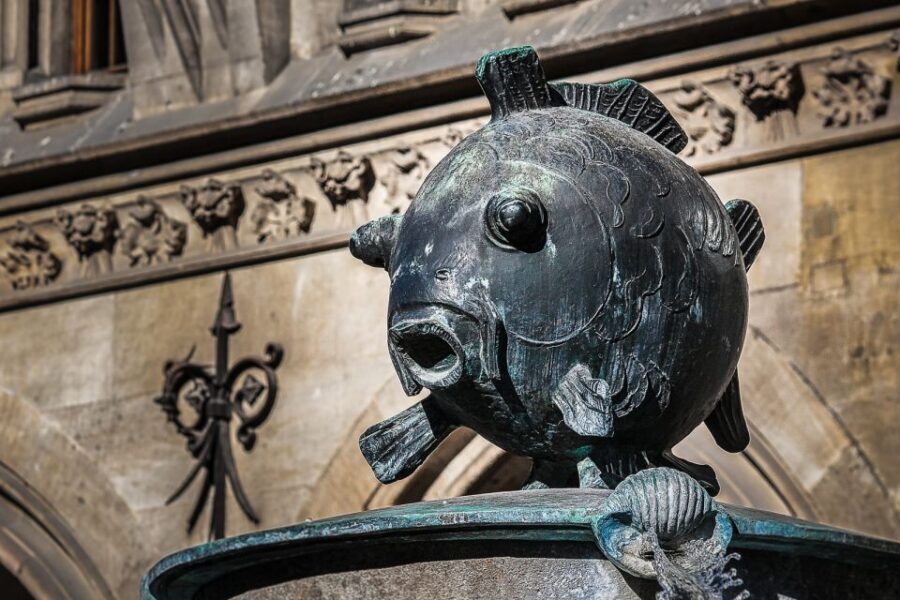
This is the kind of tour that changes what you notice when you walk around a famous city. Munich’s Old Town is packed with “I’ve seen that before” landmarks—yet this experience keeps your brain switched on by giving each spot a role in a story. That matters because it turns sightseeing from passive looking into active reading. You’ll be walking, listening, and constantly checking: does the myth match what you can actually see?
The vibe leans dark, but it’s not just spooky for the sake of it. You get explanations for what people made up, how the legends stuck, and how the landmarks became part of the city’s identity. The result feels like a guided myth class built on the actual street plan of Munich—practical, fast, and memorable.
You’ll also get an interesting contrast: some parts are presented in a way that feels historically grounded, while others are more clearly in the realm of folklore. That balance is a big reason the tour works for both tourists and locals. If you’ve lived in Munich for years, you’ll still be forced to look at familiar architecture from a new angle.
Other Munich city tours we've reviewed in Munich


Meeting at Marienplatz 15: The Easy Start That Sets the Tone
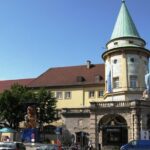
You meet at Marienplatz 15, in front of the entrance of the Toy Museum. The entrance you’re aiming for is under the old town hall, between Marienplatz and Tal. It’s a smart meeting point because it’s central and walkable—so you’re not spending the first ten minutes figuring out how to get oriented.
Arrive a few minutes early and take a quick scan of the immediate area. With a legendary tour like this, you’ll want your head in story mode before you move, not while you’re still hunting for the guide. If you’re the type who gets distracted by shops and side streets (guilty), give yourself a buffer.
One more practical note: this tour can involve a larger group at busy times in the evening. That doesn’t make it bad—it just means you should stay close to the front and pick a “human landmark” mentally (like where the guide usually stops to speak).
The 105-Minute Format: Why Short Tours Can Hit Harder
At around 105 minutes, you’re getting a compact loop through some of Munich’s most recognizable old-city icons. That short time window is actually a feature, not a limitation. Long tours can start to blur, especially when you’re focused on detailed architecture. Here, the pace keeps you listening and noticing in real time.
It also makes the experience easy to stack with other plans. You can do this as an afternoon activity, or pick a starting time that lines up with that dusk storytelling feel described in the tour concept. If you choose a later slot, Munich’s light will help sell the mood—and the “legends come alive at dusk” idea will feel less like marketing and more like atmosphere.
Think of it as a guided story walk that doesn’t ask you to rearrange your whole day. For a price like $26 per person, that matters: you’re buying time that otherwise would go to wandering without context.
The New Town Hall and the Lindwurm: When a Monster Becomes a Landmark
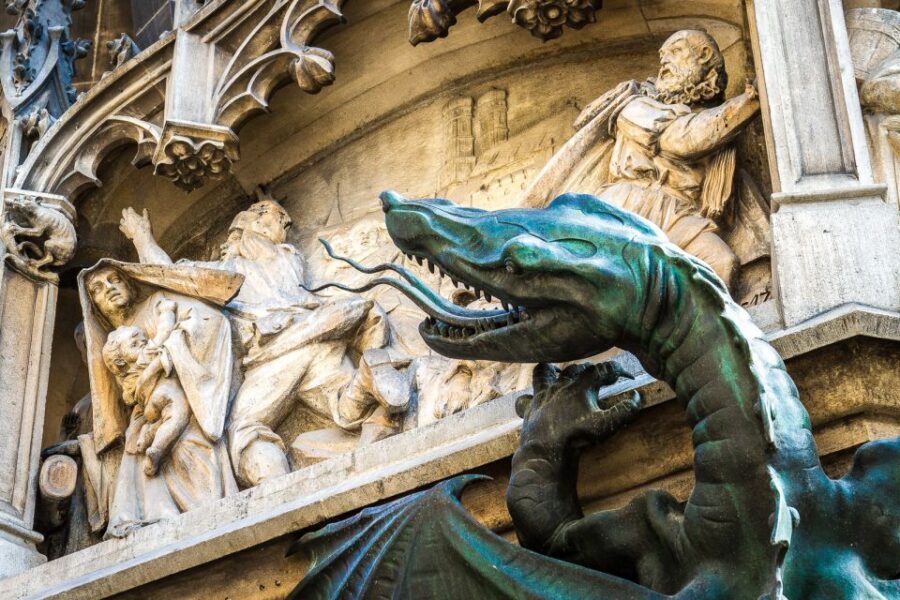
One of the tour’s anchor moments is the Lindwurm linked to the New Town Hall. This is the kind of stop that sounds like pure legend until you stand there and realize the city chose to give the story a permanent address. That’s what makes the mythology stick—people built their beliefs into stone and sculpture.
On this tour, you’re not just hearing that a creature exists. You’re being guided to the specific symbol on the New Town Hall and learning why it became part of Munich’s legend vocabulary. Even if you’re not the biggest fan of medieval monsters, this stop is useful because it trains you to read the city like a visual text.
What to watch for here is how the guide connects symbolism and civic pride. Legends like this often reflect a city’s identity: power, protection, and how people explained the weird and scary parts of their world.
Marian Column Putti and Monsters: Learning to Read the Sculptures
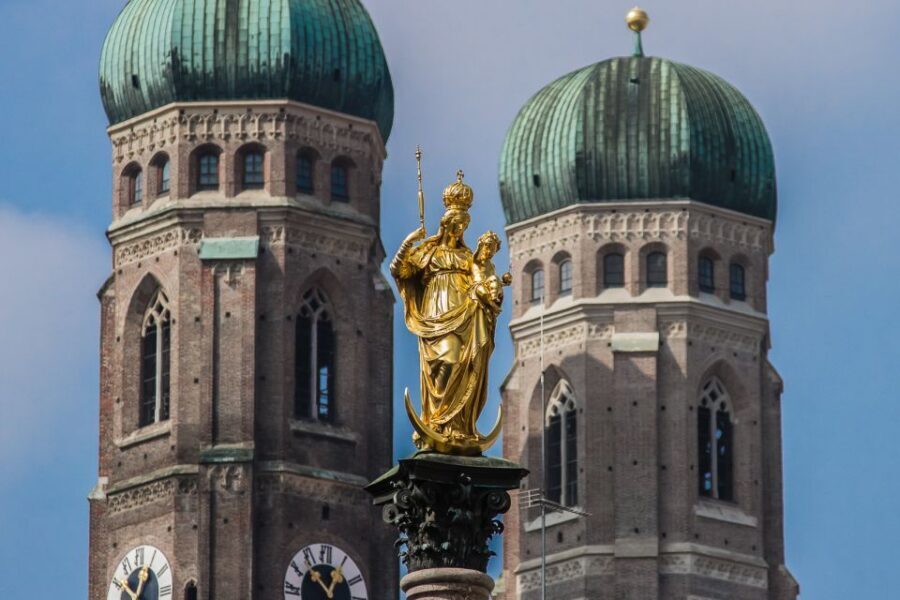
Next up is the Marian column, with a story tied to the Putti and the monsters a hero fought. This is a great stop because you’re looking at sculpture with a narrative lens. Without a guide, it’s easy to treat it like background decoration. With the story, the figures become characters.
The tour frames what you’re seeing as both myth and moral message. Putti, hero figures, and monster imagery are doing more than decorating a square. They point to what people feared, what they hoped for, and how faith and storytelling blended in public art.
If you like architecture but get bored when explanations stay abstract, this is the stop that usually clicks. You’ll spend time on visual details, and the guide’s story makes your attention feel rewarded instead of rushed.
Other Old Town walking tours we've reviewed in Munich



Old Peter and the Devil: A Dark Tale You Can Check in Person
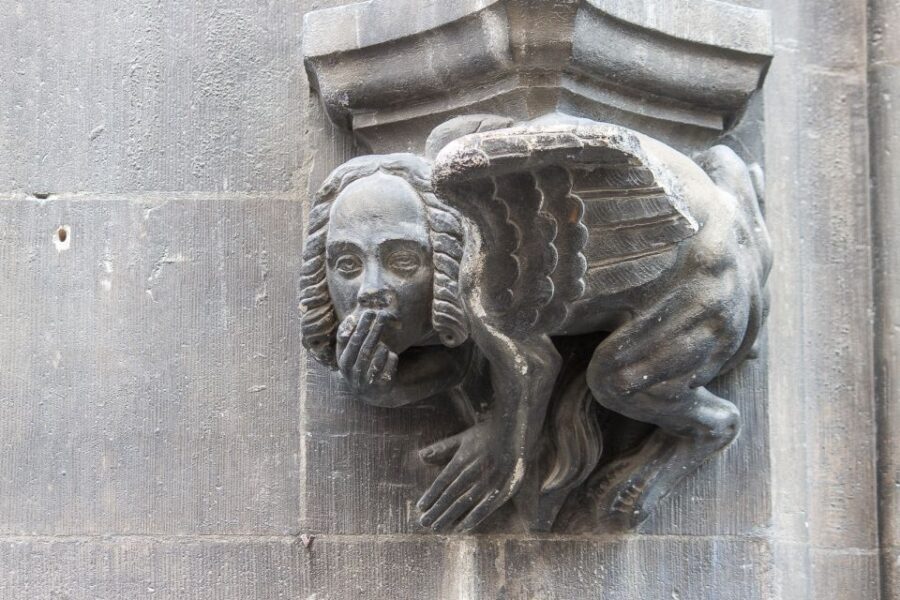
The tour also calls out the question of how it was possible to stop the devil from destroying Old Peter. That’s one of those legends that sounds over-the-top—until you realize how strongly Munich treats church sites as protective symbols. The story gives the building extra meaning, and it also gives you a reason to look closely at the features you might otherwise pass.
This is one of the tour moments that delivers that “dark secrets of the city” promise in a way that’s still grounded in place. You’re standing at a landmark people cared about so much they built a legend around its survival and safety.
When you’re there, focus on what the guide asks you to notice rather than trying to memorize every detail. Stories like this land best when you keep your eyes on the landmark being discussed, because the legend’s logic often points to specific visual cues.
St. Onuphrius: The Eye-Contact Rule for Legendary Truth
If your comfort zone includes creepy-but-interesting rules, this stop will be fun. The tour includes a prompt to look St. Onuphrius straight in the eye. That’s not just for laughs. It’s an attention trick that turns a sculpture into a shared moment.
Why this works is simple: it forces you to slow down. You stop doing the tourist thing where you glance and move on, and you start doing the “I’m actually here” thing where you notice expression, posture, and the way the figure fits into the surrounding space.
Even if you don’t think legends will change your worldview, this is a good way to practice a more mindful style of sightseeing. It makes the city feel less like a checklist and more like a conversation.
Old Town Hall and the Old Court: Power Under the Legends
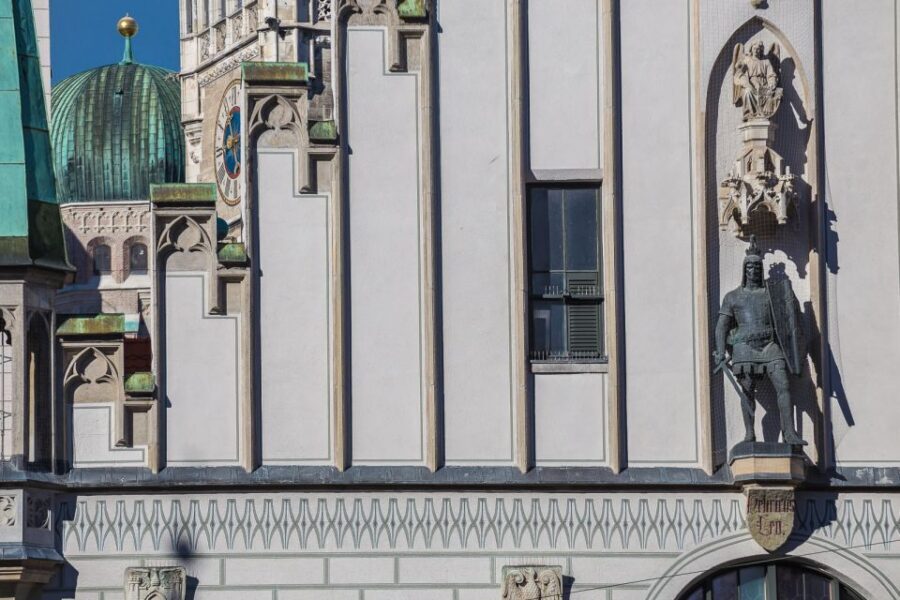
The tour includes both the Old Town Hall and the Old Court as part of the story circuit. This is where the legends start to connect to civic life. You’re looking at places tied to governance, public decision-making, and the visible face of authority—so the myths gain extra weight.
Think of it this way: legends spread where people gather. Munich’s old civic spaces are exactly that kind of stage. The guide’s framing helps you understand why these locations became linked to saints, monsters, and cautionary tales. When you picture people gathering here centuries ago, the stories make more emotional sense.
There’s also a practical benefit. These are big, central landmarks. Once you get the legend behind them, you’ll remember where you are even when crowds push you around.
Marienplatz and Frauenkirche: Two Icons, One Story-Loop
Marienplatz isn’t just the start point; it’s a story anchor. You’ll come back into its orbit and understand why it became Munich’s legend center. This matters because Marienplatz is where the city’s identity becomes visible in daily life, not just in tourist photos.
The tour also includes Frauenkirche. This is one of those places you’ve probably seen from a distance many times. Here, you’re guided to experience it through the tour’s legend framework, which changes how you interpret what feels like an iconic backdrop.
When a tour includes both a central square (Marienplatz) and a major church landmark (Frauenkirche), it gives you a satisfying “big picture” effect. You’re covering the physical heart of Munich while you’re listening to the spiritual and mythic layers that people historically attached to that heart.
Price and Value: What $26 Buys in Real City Time
At $26 per person for about 105 minutes, the value comes down to context. Walking around Munich on your own is easy. The challenge is knowing what to look for that makes the time feel worth it. This tour packages that focus: you get a guided legend lens for a short chunk of your day.
It’s also good value because it’s a local experience with an experienced guide, not just a generic audio route. The storytelling style—some parts factual, some clearly legendary—helps you learn without turning the tour into a lecture.
And you get a small gift as part of the experience. That’s not the main point, but it’s a nice little added touch that makes the whole thing feel like more than just a walk with commentary.
Who This Tour Fits Best (and Who Might Want a Different Style)
This tour is a strong match if you want meaning, not just movement. If you enjoy legends, saint stories, sculpture details, and the way folklore sticks to stone buildings, you’ll have a great time.
It’s also a good fit for people who know Munich only through postcards and want a fast way to upgrade that knowledge into something personal. Even locals can benefit, because the guide focuses you on specific details: Lindwurm, Putti on the Marian Column, Old Peter’s devil story, and St. Onuphrius’s eye-contact moment.
If you don’t speak German, that’s the major limitation. The tour is explicitly in German, so you’ll want to be comfortable following spoken stories in German or have enough interest to catch the key ideas through context. If you’re hoping for an English-only experience, this may not be the right pick.
Practical Tips to Stay Together and Enjoy the Stories
To get the best experience, treat it like a guided museum talk, not a free-for-all stroll. Stay close enough that you hear the guide clearly at each stop, especially in the densest central areas.
If you’re doing an evening start and crowds are thick, do a simple thing: pick a consistent meeting behavior. For example, you can pause at each stop with your group instead of splitting off for photos, and you can re-check the guide position before you cross toward the next landmark.
Also, dress for the weather. The tour concept talks about dusk, and Munich evenings can feel chilly even when the day was fine. Bring a warm layer so the walking time stays enjoyable instead of distracting.
Should You Book Mystic Munich – Sagas and Legends of the Old Town?
I’d book it if you want a short, high-attention tour through Munich’s classic landmarks with a legend lens. The route works because it keeps tying myth to specific places: New Town Hall (Lindwurm), Marian Column (Putti and monsters), Old Peter (the devil story), and St. Onuphrius (that direct eye moment), then it expands to major icons like Marienplatz and Frauenkirche.
I wouldn’t book it if German storytelling isn’t your thing, or if you dislike crowds and prefer tours where you can wander independently. For the right audience, though, this is a fun way to see Munich’s Old Town as more than architecture—like a city that remembers its stories in public.
FAQ
How long is Mystic Munich – Sagas and Legends of the Old Town?
The tour lasts around 105 minutes.
Where is the meeting point?
You meet at Marienplatz 15, in front of the entrance of the Toy Museum (the entrance is under the Old Town Hall between Marienplatz and Tal).
What language is the tour in?
The tour is in German.
What is included with the tour?
It includes a 1.75-hour tour with an experienced local guide, plus a small gift.
How much does it cost?
The price is $26 per person.
Is the tour wheelchair accessible?
Yes, the tour is wheelchair accessible.
Can I cancel for a full refund?
Free cancellation is available up to 24 hours in advance for a full refund.
Can I reserve and pay later?
Yes, you can reserve now and pay later.
Which sights does the tour cover?
The tour includes selected old town sights such as the Old Town Hall, Old Peter, Marienplatz, Old Court, and Frauenkirche, plus story-specific stops like the Lindwurm at the New Town Hall and the Marian Column.