REVIEW · MUNICH
Munich: Walking Tour Old Town and Viktualienmarkt
Book on GetYourGuide →Operated by Weis(s)er Stadtvogel GmbH · Bookable on GetYourGuide
Munich looks different once you’re walking it. This 1.5-hour route strings together the big landmarks and the everyday stuff, from Marienplatz to Viktualienmarkt, with stops that make the city feel personal instead of like a checklist.
I like how the tour mixes architecture, street history, and food-market energy without turning it into a museum crawl. You’ll also get a guide who can answer questions in English or German, so you’re not stuck guessing what you’re seeing.
Two things I really like: first, the Viktualienmarkt segment gives you a practical way to experience Munich’s food culture up close. Second, the storytelling tends to be detailed and adaptable, with guides such as Karen, Gerhard, Claudia, and Joe noted for strong explanations and for tailoring the pace to the group.
One drawback to consider is that the stops are short—plan on moving fairly briskly. Also, the meeting spot can be easy to miss if you’re arriving late, especially around a statue at the Mariensäule option.
In This Review
- Key highlights to look for on this Munich walk
- Marienplatz and St. Peter’s: the core of Munich, explained in motion
- Viktualienmarkt: how to enjoy the food-market part without overthinking it
- Alter Hof, Burgstraße, and the Platzlgassen lanes: old Munich in small doses
- Hofbräuhaus to Maximilianstraße: beer legend, then Germany’s most expensive shopping street
- Residenz, Bavarian State Opera, and Odeonsplatz: royalty and architecture angles
- Pacing, timing, and what to bring for a 1.5-hour Old Town route
- Price and value: is $282 per group worth it here?
- Accessibility and who it fits best
- Should you book this Munich Old Town and Viktualienmarkt walk?
- FAQ
- How long is the Munich Old Town and Viktualienmarkt walking tour?
- Where does the tour start?
- Is the tour guide English-speaking?
- What’s included in the price?
- Does the tour run in bad weather?
- Is the tour wheelchair accessible?
Key highlights to look for on this Munich walk
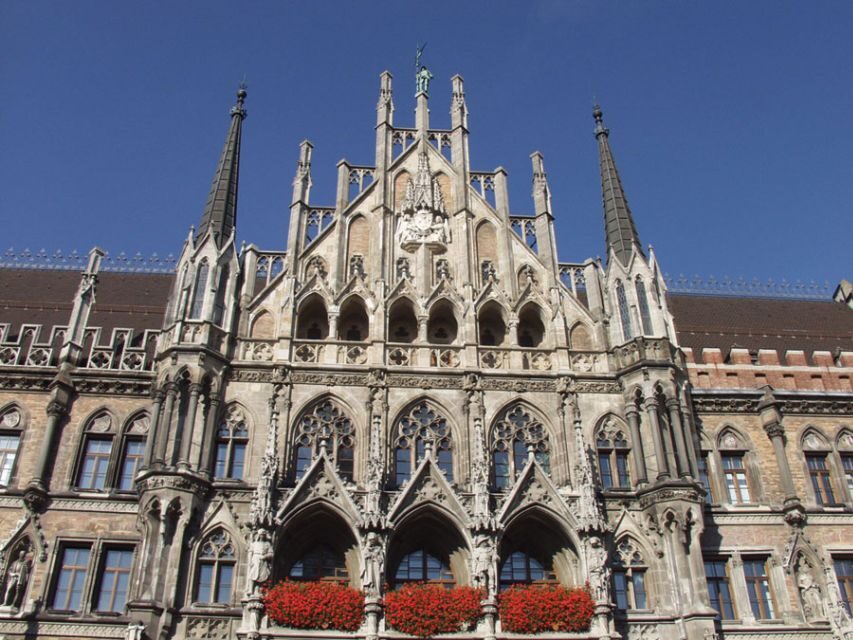
- Marienplatz to St. Peter’s: Neo-Gothic New Town Hall and the oldest parish church in Munich, explained fast
- Viktualienmarkt time use: a real feel for the stalls and aromas, even though no meals are included
- Burgstraße and Alter Hof: you pass through older Munich and connect it to the Wittelsbach era
- Hofbräuhaus and Maximilianstraße: beer-hall legend, then a quick look at Germany’s most exclusive shopping street
- Residenz area to Odeonsplatz: opera-side architecture plus Italian Baroque angles at Theatinerkirche
- Rain or shine: the route keeps going, so bring shoes that handle wet pavement
Marienplatz and St. Peter’s: the core of Munich, explained in motion
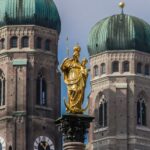
The tour starts at either Mariensäule near Marienplatz or at the Neues Rathaus, depending on the option you book. Either way, you’re dropped into the center of it all: the square that ties Munich’s civic power and everyday life together. If you want an easy start, aim to arrive a few minutes early and take a quick scan for the guide before you blend into the crowd.
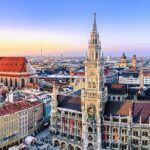
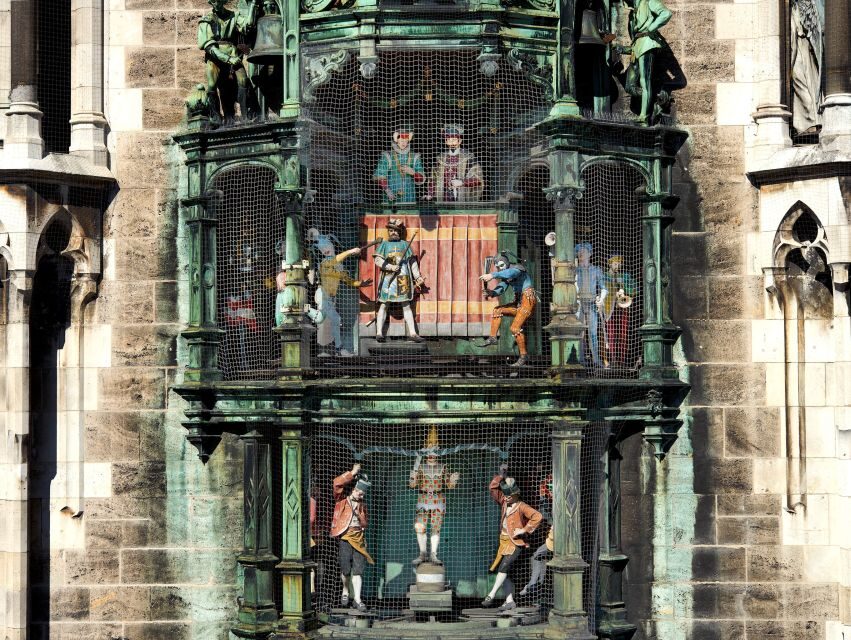
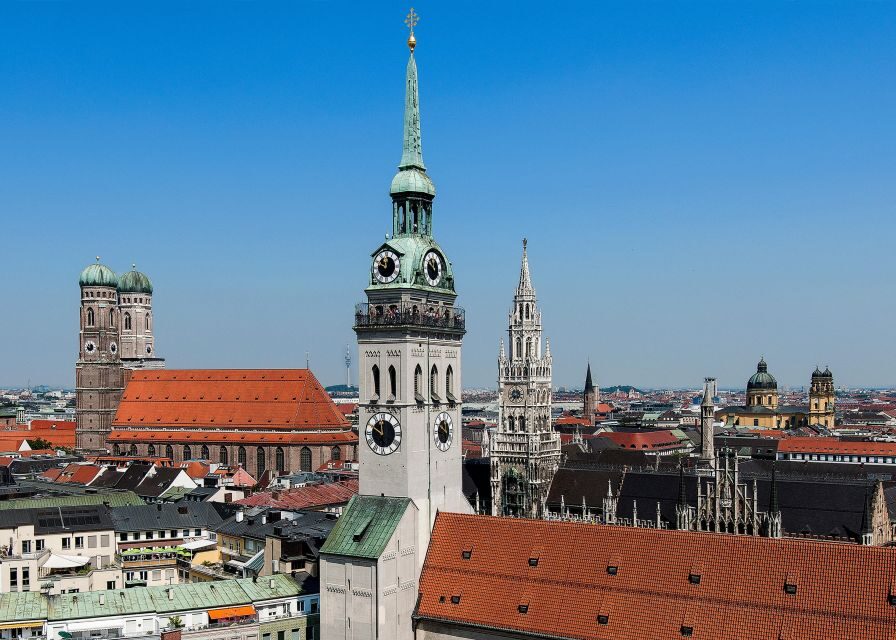
Your first major stop is the New Town Hall area at Marienplatz, where you’ll see the Neo-Gothic façade and hear about the famous Glockenspiel that makes the square feel theatrical. This is a good entry point because it’s not hidden behind walls. You’re looking at Munich’s big “present” while the guide ties it back to older layers.
From there, you move toward St. Peter’s Church, described as Munich’s oldest parish church. This is one of those moments where a short explanation matters. You’ll get help noticing how the church sits in relation to surrounding streets and why it matters historically, without needing to spend hours inside.
Practical note: since you’re walking outdoors and the timing is tight, I’d treat this first stretch as orientation. You’ll likely want to come back later on your own with a second pass for photos or quieter moments, especially if you’re the type who likes to linger.
Other Munich city tours we've reviewed in Munich


Viktualienmarkt: how to enjoy the food-market part without overthinking it
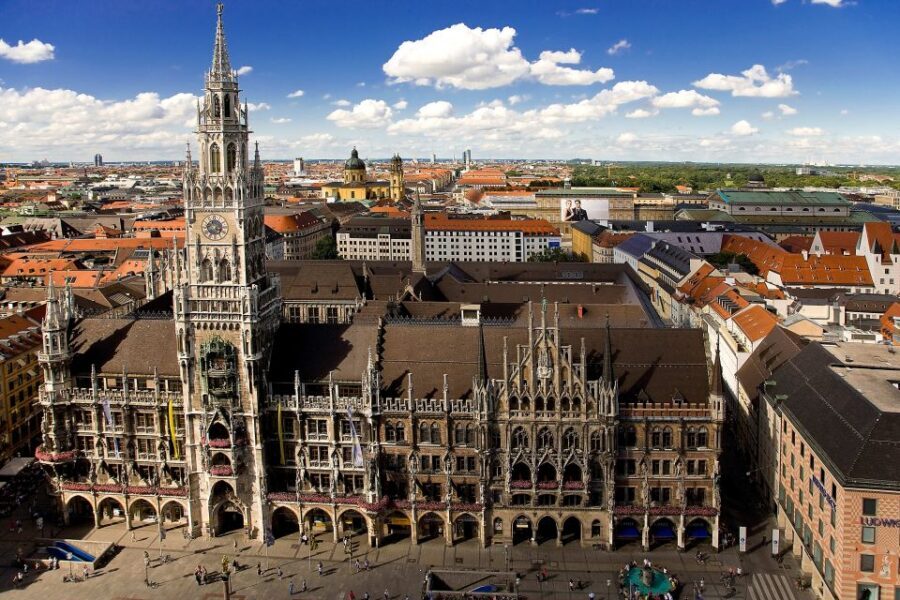
The Viktualienmarkt stop is the star for many people for a simple reason: it’s Munich doing what Munich does best—food, daily rhythms, and shopping as a social activity. You’ll stroll through the market’s colorful stalls with a guide, and you’ll be pointed toward the kinds of items the market is known for, like fresh bread, cheeses, and sausages sizzled hot.
Because meals and drinks are not included, think of this segment like a taste-and-sense moment. You can still snack if you want, but it’s on you—so keep a little cash or a payment card handy. I also like to treat this time as a chance to spot what looks best for a later return. If you find a type of cheese or a pastry you like, write it mentally down and consider trying it on another day.
This stop also helps the rest of the walk click. After you’ve smelled and seen the market, the later stops—beer hall, palace area, grand squares—feel less like separate attractions and more like chapters in the same city story. You’re not only collecting buildings; you’re collecting context.
One consideration: the market can be crowded, and the group moves together. If you prefer wide-open space and long pauses, you may feel a little boxed in during the busiest moments. Still, it’s short enough that it usually doesn’t derail the whole tour.
Alter Hof, Burgstraße, and the Platzlgassen lanes: old Munich in small doses
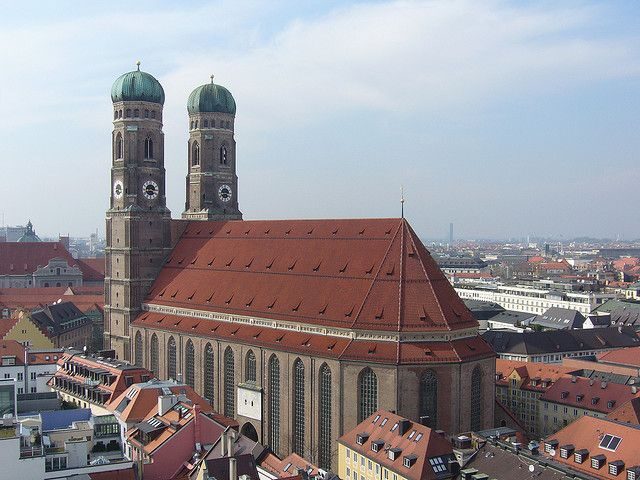
Next you’ll head through older streets, including Burgstraße, and you’ll get a close look at Alter Hof (Old Court), the former seat of the Wittelsbach dukes. The guide’s job here is important: you’re seeing a site that’s historically heavy, but you’re only there briefly. With a good explanation, it turns from “another old building” into a place that makes sense.
This is where I think the tour earns its keep. The route is designed to connect the dots between where power sat and how Munich’s streets developed around that power. You’ll also hear about medieval charm meeting everyday life as you pass through the Platzlgassen alleys—those narrow lanes where modern foot traffic still feels like it’s flowing through older city lines.
The best way to enjoy this part is to slow your mental pace even if your feet don’t slow down. Watch the street shapes. Notice how corners open into squares. And listen for the guide’s “why this matters” clues, because that’s what makes a short stop memorable later.
If you’re the type who likes architecture details, you’ll probably want to take a photo, then ask one question right away. With this tour’s format, you don’t get long inside buildings, so your questions outside help you get more value per minute.
Hofbräuhaus to Maximilianstraße: beer legend, then Germany’s most expensive shopping street
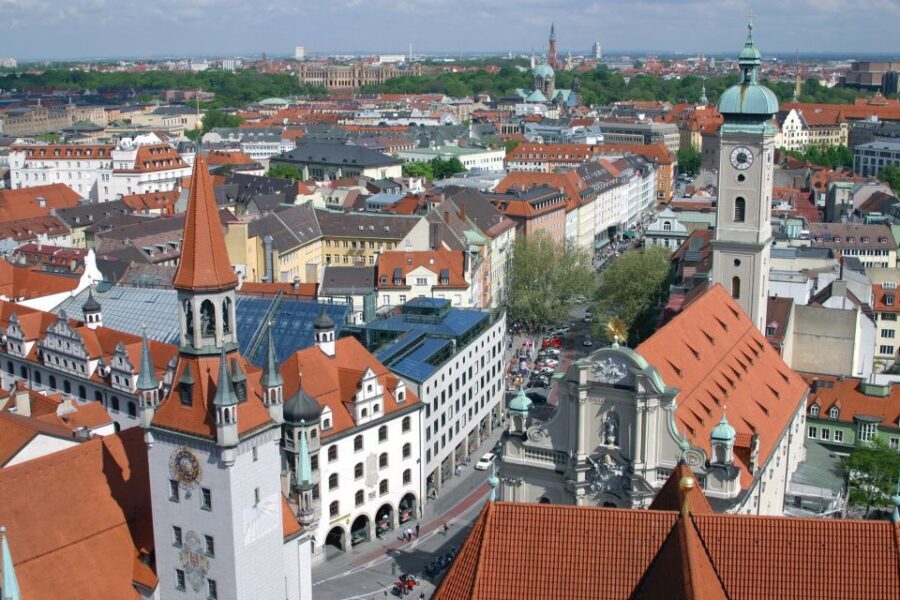
Then you hit Hofbräuhaus München, the world-famous beer hall. Even if you don’t sit down for a full meal, the area matters. This is Munich identity in public form—history and everyday celebration in the same space. The guide typically frames what makes Hofbräuhaus so enduring, including how it became a meeting point for locals and visitors over time.
A quick heads-up: since entrances and meals are not included, you shouldn’t plan on doing a full sit-down beer hall experience during the tour. Think of it as a guided pass that gives you enough context to choose your own plan afterward—either you return later for a proper visit, or you simply carry the story with you as you walk on.
Right after the beer-hall vibe, the tour moves to Maximilianstraße, described as Germany’s most exclusive shopping street. This is a fun contrast. Munich can swing from old-school beer-house culture to luxury storefront elegance within minutes, and the tour uses that contrast on purpose.
I like this contrast because it stops the “only old and only historical” feeling. You see Munich as it is now, not just as it used to be. If you’re shopping-minded, you’ll appreciate the luxury window-shopping at a walking pace. If you’re not, it still works as a reminder that Munich is alive and changing.
Residenz, Bavarian State Opera, and Odeonsplatz: royalty and architecture angles
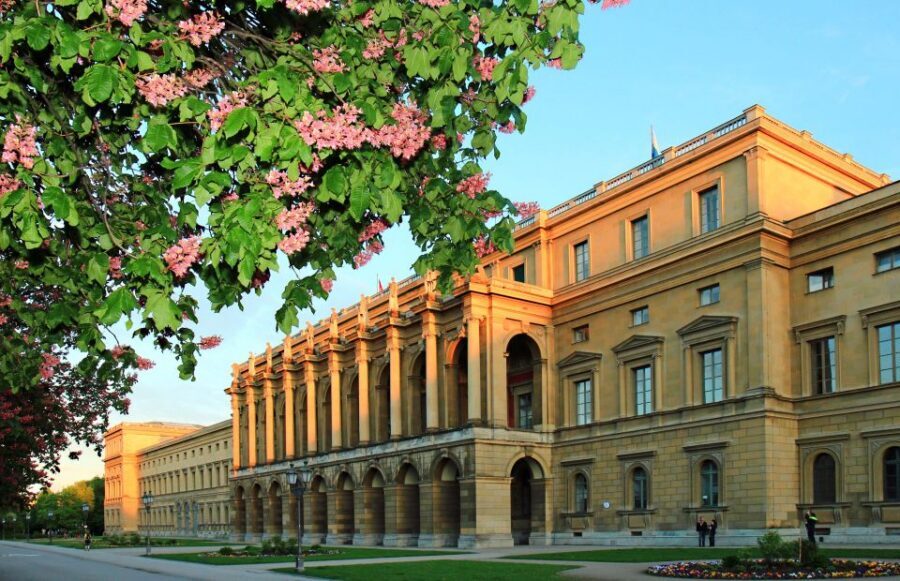
Your walk continues past the Bavarian State Opera, which sits beside the Residenz area. The Residenz is framed here as the former seat of Bavarian royalty, so you’re moving through a zone where power and culture overlap. You’ll likely notice how the city presents itself at different “levels”—grand institutions and formal squares—without needing to enter every venue.
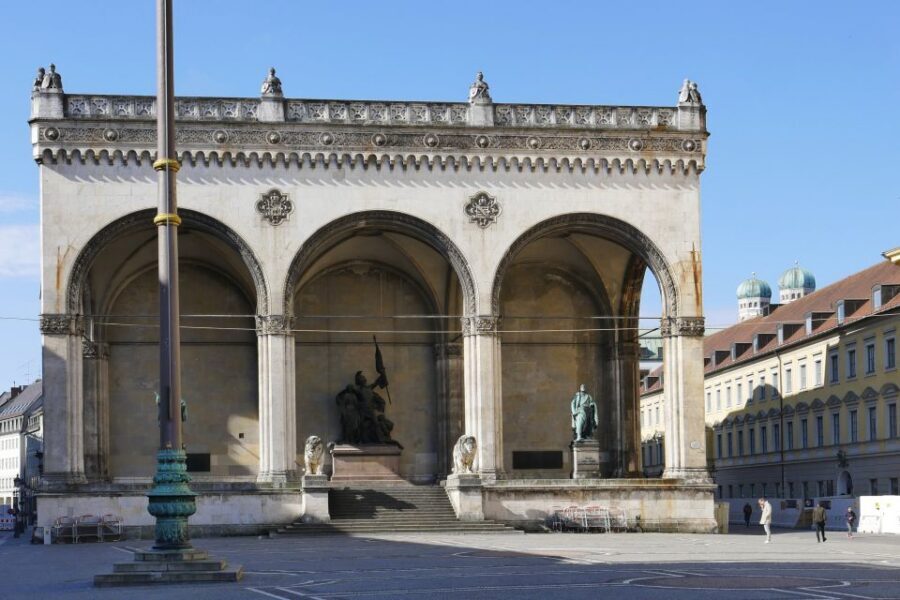
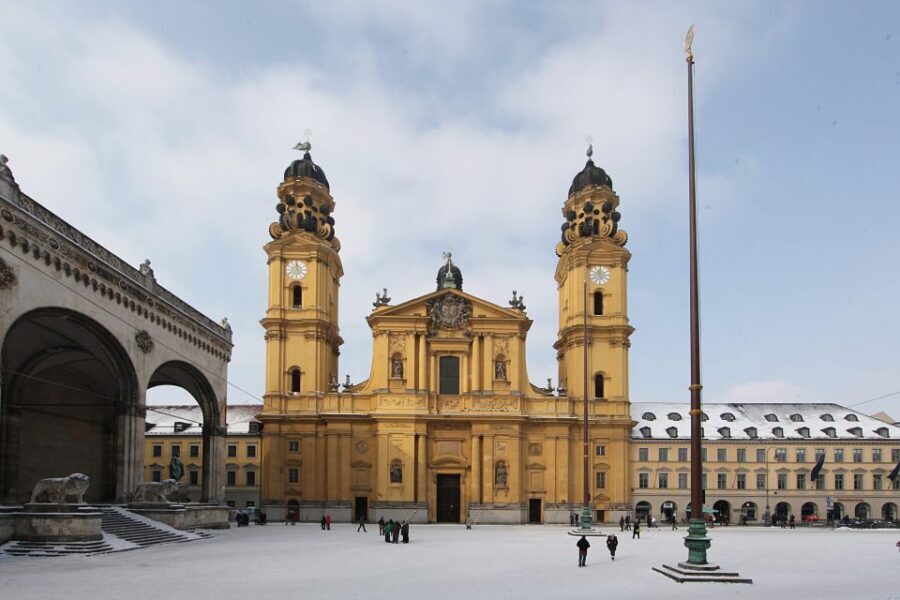
From there, you reach Odeonsplatz, a grand square surrounded by impressive buildings. It’s the kind of place where it helps to have a guide, because many of the sights can look similar if you don’t know what each one was for. You’ll get attention drawn to Feldherrnhalle across the way and the Theatinerkirche, noted for its Italian Baroque style.
That Italian Baroque detail is especially useful. Munich is often described as having an Italian influence in pockets, and this church is the kind of example that makes that idea feel real. The architecture cues are visible even during a quick stop, and the guide’s explanation helps you connect the style to why the city earns that nickname.
I also like ending here because Odeonsplatz gives you a clean “finish line.” After 1.5 hours of walking, you’re not stuck near yet another neighborhood maze. You’re at a major square where it’s easy to decide what to do next—another walk, a café break, or a museum visit if you’re the type who wants to go deeper.
Other Old Town walking tours we've reviewed in Munich
Pacing, timing, and what to bring for a 1.5-hour Old Town route
This tour is designed for a fast, focused day: 1.5 hours with multiple stops, each given about brief sightseeing time. That format is great if you want structure and context, but it does mean you should expect movement, not long hangs.
Group style matters too. The price is listed as $282 per group up to 30, and the tour offers a choice between a shared group or a private group. In practice, that can change how much space you feel you have. A larger group moves like a school of fish; a smaller private group usually makes it easier to ask questions and get quick personal adjustments.
You’ll also be walking outdoors rain or shine, so don’t plan on perfect weather. Comfortable shoes are required, and I’d go one step further: wear shoes you’d happily walk in on a wet day. Pavement in a city center can get slippery, and the route includes several street crossings and narrow lanes.
One more small tip: if you’re sensitive to crowds, plan your arrival time with care. Getting to the meeting point early reduces stress, and it also avoids that moment of wondering whether you missed the group—especially if the meeting option is near Mariensäule where there’s plenty of space to get turned around.
Price and value: is $282 per group worth it here?
At $282 per group up to 30, you’re paying for a guide-led route that hits a concentration of the city’s best-known sights—Marienplatz, St. Peter’s, Viktualienmarkt, Hofbräuhaus, Maximilianstraße, the Residenz area, and Odeonsplatz. You’re not paying for entrance tickets or meals, so the value is in interpretation: what the buildings mean, how the streets evolved, and why Munich’s traditions developed the way they did.
This setup is a good deal if:
- you want an efficient introduction to central Munich in a short window
- you enjoy learning through stories and street-level context
- you’re okay with brief sightseeing stops and want to explore longer later on your own
It’s less ideal if:
- you want lots of time inside churches, museums, or paid attractions
- your ideal pace is slow with minimal walking
- you’re looking for a food tour with full tastings included (since meals and drinks aren’t part of the package)
For families, history lovers, and first-timers, this tends to work well because the route covers both the famous landmarks and the local day-to-day feel. And the guide format helps keep the time from feeling random. Guides who lead this walk, including Karen, Gerhard, Claudia, and others highlighted by different groups, are often praised for adapting to the audience and answering questions.
Accessibility and who it fits best
The activity is listed as wheelchair accessible, but it’s also noted as not suitable for people with mobility impairments. That’s worth taking seriously. If mobility is a factor for you, I’d double-check with the provider before booking so you can confirm whether this specific route matches your needs.
In general, this is best for people who can comfortably walk for the full 1.5 hours on mixed surfaces and stay with the group. It’s also a good match for anyone who enjoys street-level city history more than indoor time.
Should you book this Munich Old Town and Viktualienmarkt walk?
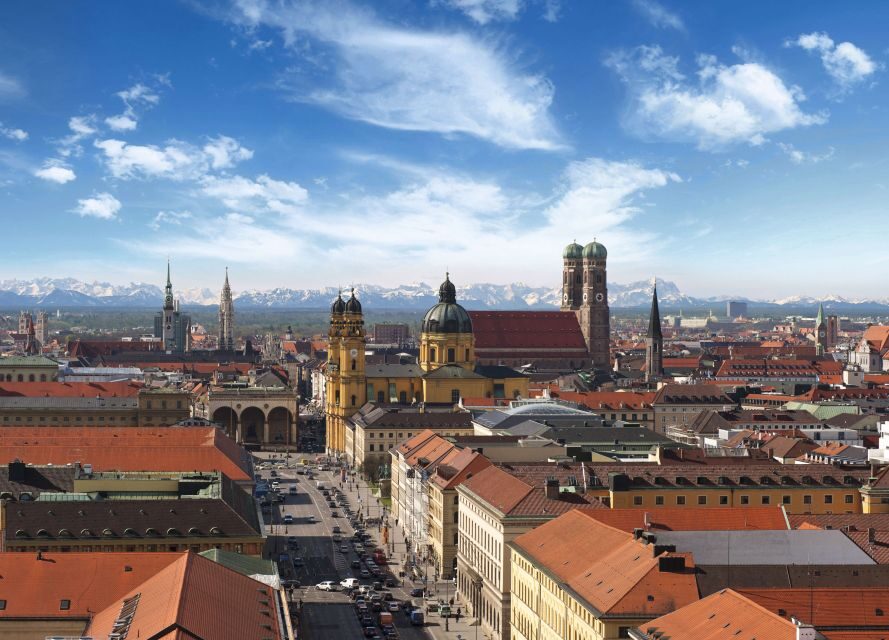
If you want to get oriented fast and learn what you’re looking at, I think this is a strong choice. The route gives you a balanced slice of Munich: civic landmarks at Marienplatz, the food culture at Viktualienmarkt, and then the big icon stops like Hofbräuhaus and Odeonsplatz.
Book it if you:
- have limited time and want structure
- like mixing food-market energy with major architecture
- want a guide who can explain things in English or German
Skip or consider alternatives if you:
- want longer museum or interior time
- expect included tastings and drinks
- need a slower, more flexible walk with extra pauses
FAQ
How long is the Munich Old Town and Viktualienmarkt walking tour?
It lasts 1.5 hours.
Where does the tour start?
The meeting point can vary based on the option you book, including Marienplatz near Mariensäule or at Neues Rathaus.
Is the tour guide English-speaking?
The tour guide language options listed are German and English.
What’s included in the price?
The tour includes a guide. Entrance fees, meals, and drinks are not included.
Does the tour run in bad weather?
Yes, the tour takes place rain or shine.
Is the tour wheelchair accessible?
It’s listed as wheelchair accessible, but it also notes it is not suitable for people with mobility impairments, so it’s important to check your specific needs before booking.