REVIEW · MUNICH
Munich: Third Reich & WWII Walking Tour
Book on GetYourGuide →Operated by Munich Walk Tours · Bookable on GetYourGuide
Munich’s darkest street lesson starts here. This 2.5-hour walk follows how the Nazi movement took root in Bavaria’s capital, from early mass meetings to the public spaces where power was staged, using real places like Hofbräuhaus to ground the story in what you can see today. I like that it connects the rise of Hitler to the wider chaos around him, including the post–World War I shock and the unstable atmosphere in Munich.
I also like the stop-and-start structure. You’re not just hearing names—you’re moving through Hofbräuhaus, Feldherrnhalle, and Königsplatz, then taking a careful pause at the Hofgarten to talk about the White Rose Resistance Movement—a needed contrast that keeps the lesson from feeling one-sided.
One possible drawback: this is heavy material, and much of the walk is outdoors, so cold weather can make attention harder. I’d plan for winter conditions with warm layers, and if you’re sensitive to audio, consider that some guides have used extra volume to be heard clearly over crowds.
In This Review
- Key moments you’ll actually walk through
- Munich’s Third Reich story, told on foot in 165 minutes
- Starting with Munich’s post-WWI chaos (why 1919 matters)
- Hofbräuhaus: where the movement gained its first public push
- Feldherrnhalle: the failed attempt and the lesson behind it
- Königsplatz: rally space where the city became part of the message
- Hofgarten and the White Rose: a needed counterpoint in Munich
- How the guides make hard history stay understandable
- Where the tour fits in your Munich plan
- Price and value: what $31 buys you
- Who should book, and who should rethink it
- Book it or pass it?
- FAQ
- FAQ
- How long is the Munich: Third Reich & WWII Walking Tour?
- Where does this tour take place?
- What does the tour include?
- Which stops and sites are part of the route?
- What languages are available for the guide?
- Is the tour wheelchair accessible?
- Is there a private group option?
- What should I bring?
- How much does it cost?
- Can I cancel for a full refund?
- Is reserve now, pay later available?
Key moments you’ll actually walk through
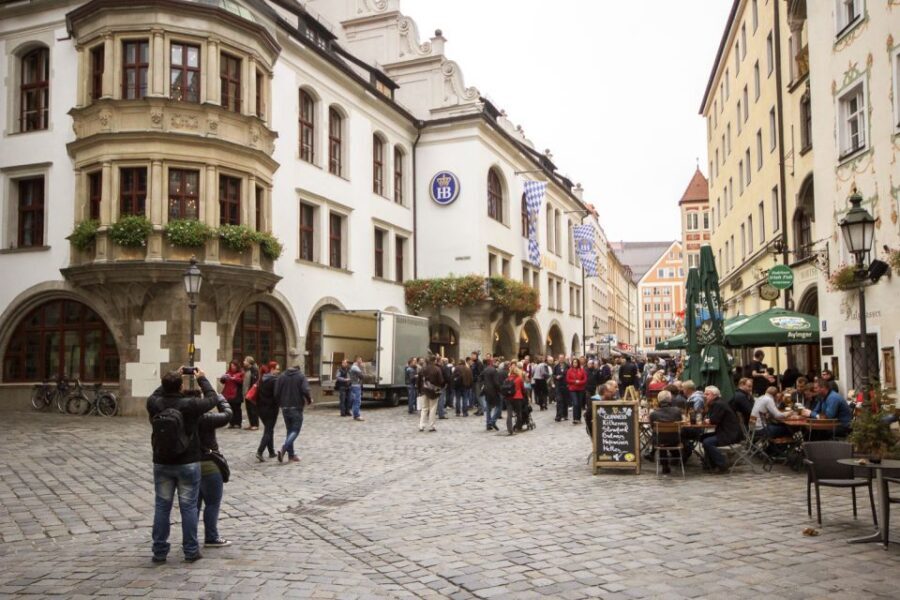
- Hofbräuhaus origins: the tour traces the first big mass meeting linked to Hitler’s movement
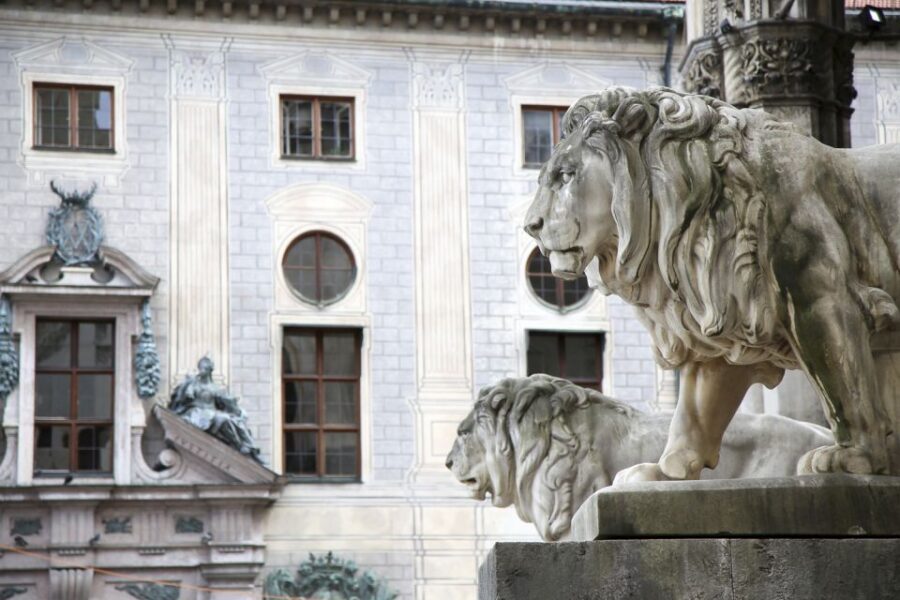
- Feldherrnhalle turning point: you’ll walk to the site connected with a failed attempt to seize power
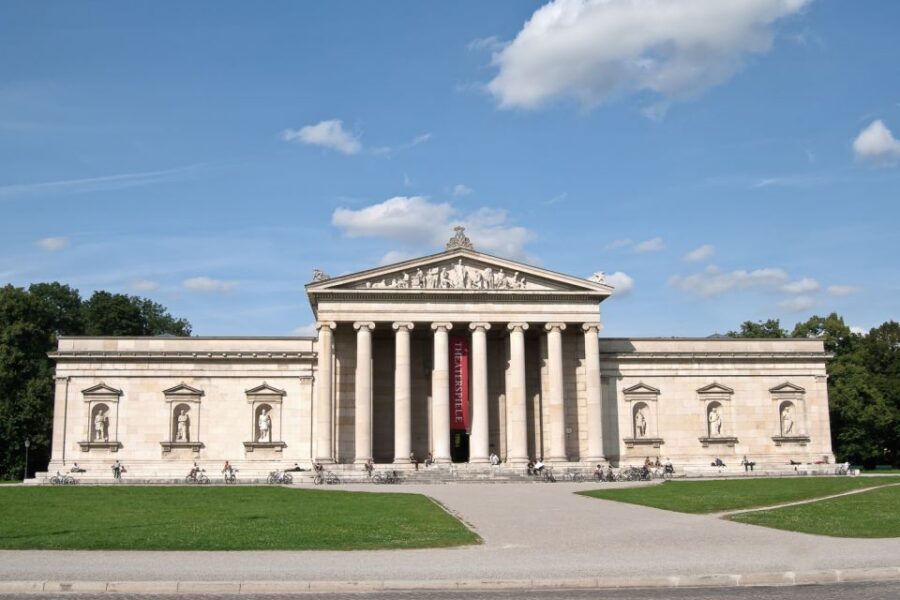
- Königsplatz party-rally ground: you’ll see where Nazi rallies helped shape public life
- Hofgarten moral counterweight: the White Rose Resistance Movement gets real time on the route
- Guides who keep you hearing the story: repeated praise mentions clear, loud narration even in cold weather
Munich’s Third Reich story, told on foot in 165 minutes
If you want one practical way to understand how Nazism gained traction in Munich, this walk is built for that. It doesn’t try to cover every detail of WWII. Instead, it focuses on the early “how did this happen here?” chain: the conditions in Munich, Hitler’s rise in Bavaria’s capital, and the public spaces that helped the movement grow.
At 165 minutes (about 2.5 hours), you get a concentrated route without turning the experience into a half-day slog. The price—$31 per person—is low enough that you can treat it like an essential primer, then build from there with whatever else you like in Munich (museums, memorials, or just a slower evening walk). The tour is rated 4.6 with thousands of ratings, which usually means the guides are doing the hard part right: explaining the facts clearly and pacing the stops so the time doesn’t drag.
This tour runs with a live guide in English or German, and it’s wheelchair accessible. There’s also a private group option if you want a smaller, more adjustable experience.
Other Third Reich & WWII tours we've reviewed in Munich


Starting with Munich’s post-WWI chaos (why 1919 matters)

The story begins after World War I, when Germany is described as defeated and humiliated, and Munich is in the grip of hyperinflation. The region of Bavaria is also framed as turbulent, shaped by revolution and assassination—a setting where radical movements can gain supporters quickly.
I like this setup because it helps you avoid a common trap: treating the rise of Hitler like an isolated personality story. Instead, you get the broader idea that conditions on the ground made people feel squeezed, angry, or desperate, and the Nazi movement found ways to convert that mood into organized political momentum. You’ll also hear how this Munich origin story ties directly into what became the Third Reich.
You’re not required to be a historian to follow along. The narrative is structured around specific moments and places, so the facts land where you can point to them.
Hofbräuhaus: where the movement gained its first public push
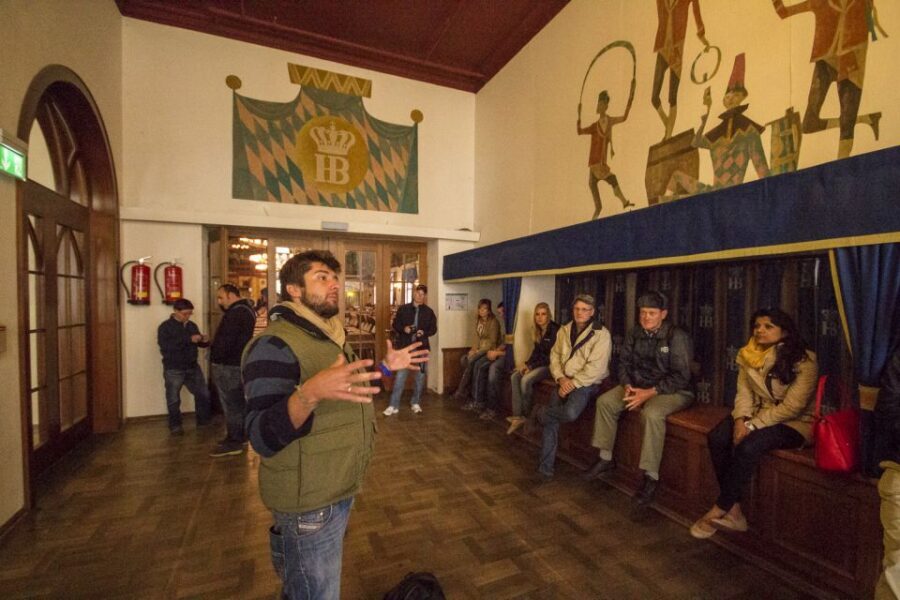
The Hofbräuhaus stop is the tour’s early anchor. The tour connects it to the first mass meeting tied to Hitler’s rise in Munich. Even if you already know the headline version of history, walking here gives you a different perspective: the movement wasn’t only built in private meetings. It used high-visibility gatherings to reach crowds, normalize the message, and grow momentum.
What I find useful for you here is the way the guide frames the crowd energy as part of the political mechanism. Mass meetings are not just events; they’re opportunities to signal legitimacy and recruit believers through spectacle. That point becomes clearer as you move toward the later sites tied to attempted power grabs and large-scale rallying.
Feldherrnhalle: the failed attempt and the lesson behind it
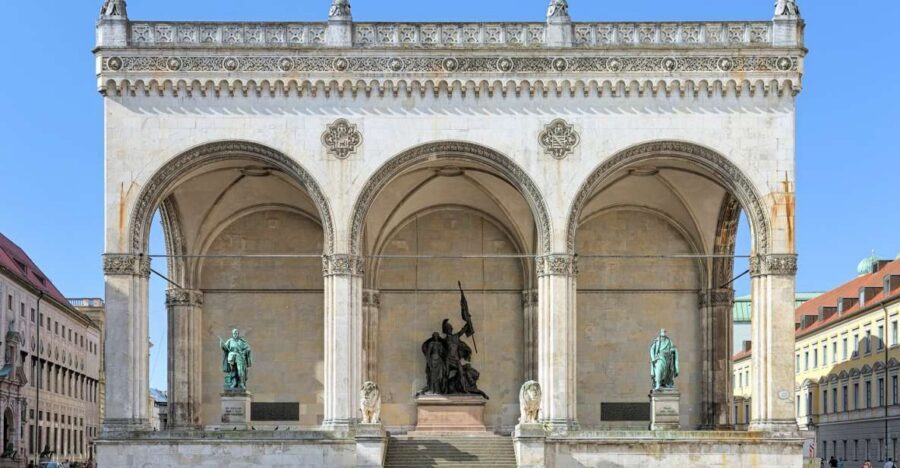
Next comes Feldherrnhalle, tied to a failed attempt to seize power. This stop matters because it shows that the road to the Third Reich wasn’t a straight line. Even in the early stages, the movement faced resistance and setbacks.
On this part of the walk, expect the guide to connect symbolism to strategy. Locations like this were never neutral. They were stage sets for ambition—places where public confrontation could be performed, watched, and interpreted by the wider city. If you’re trying to understand how propaganda and intimidation work together, this is one of the spots where the tour’s logic clicks.
It’s also a good moment to reset your brain. You’ve spent time with the rise story; now you’re seeing the early struggle behind it.
Königsplatz: rally space where the city became part of the message
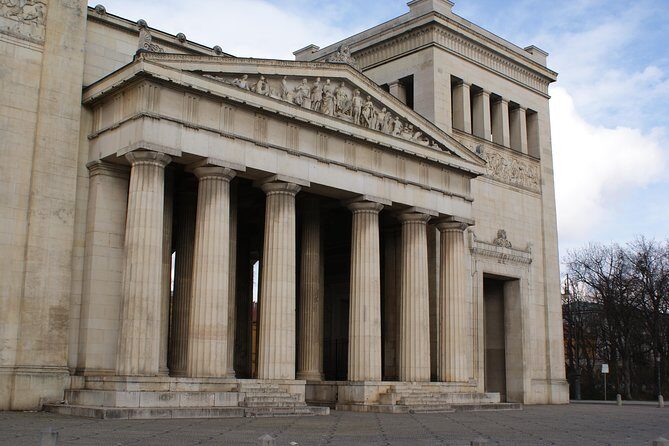
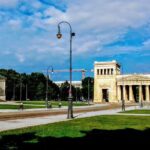
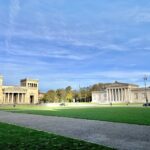
Then you reach Königsplatz, described as a place connected to party rallies. The tour frames this stop as part of how the Hitler movement grew across Munich—using the built environment to stage mass politics.
This is where the walk feels especially “Munich.” You’re moving through recognizable urban space while learning how the Nazi movement turned public areas into communication tools. The guide’s job is to help you read what you’re seeing: not just architecture, but the intention behind the staging.
For you, this means you’ll leave with a better instinct for how regimes use space. When you look at official buildings, parade grounds, and meeting areas later, you’ll know to ask a simple question: what kind of public behavior is this place designed to produce?
Other Munich city tours we've reviewed in Munich

Hofgarten and the White Rose: a needed counterpoint in Munich
The tour doesn’t end at propaganda sites. It includes a stop in the Hofgarten to talk about the White Rose Resistance Movement.
I appreciate this choice because it gives you an ethical counterweight, not just a list of locations connected to Nazi power. The White Rose story shifts the focus from how the system grew to how people resisted it—an important reminder that the historical record includes both perpetrators and those who pushed back.
For readers who feel a little overwhelmed by the scale of what happened, this stop often serves as emotional course-correction. It keeps the walk from becoming only an origin story of a regime. Instead, it ends one step closer to human choices—what people did when they saw where things were going.
How the guides make hard history stay understandable
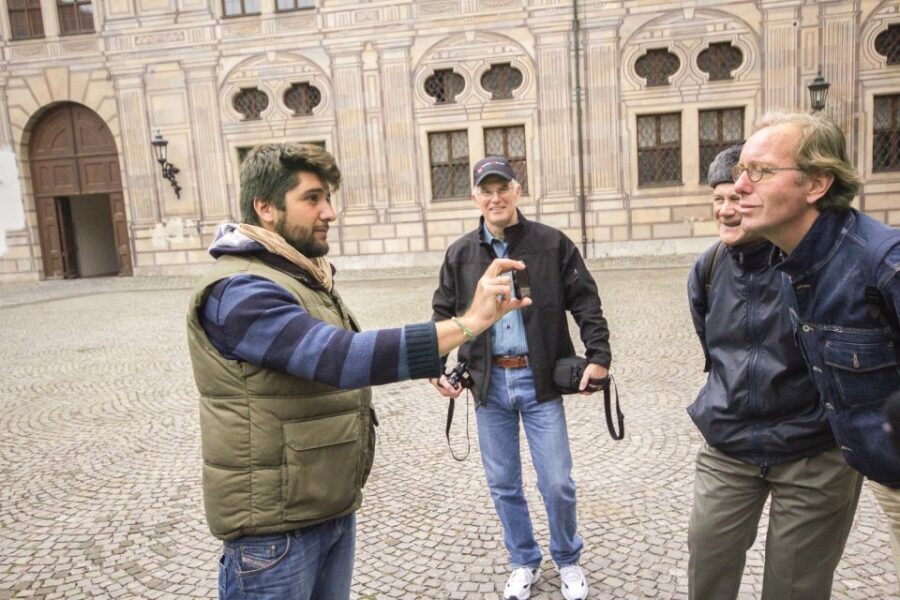
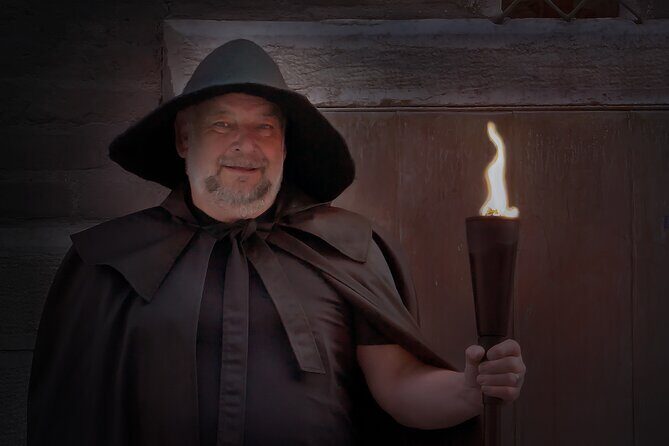
The most praised part of this tour is the guide performance. Names like Michael, Steve, Alex, Florian, Ulrich, Aileen, Brigit Muller, Danielle, and Josh show up repeatedly in the kind of feedback that matters: clear explanation, good pace, and a voice you can follow.
You can also expect the guide to keep the tone respectful. Several comments mention humor used carefully, plus the ability to answer questions without losing the group. That’s not a small detail—WWII-era history is intense, and a tour needs both clarity and emotional control.
Practical note for you: some guides have been praised for handling cold days well, including preparation like hot tea and even comfort items to help people sit on ledges. Even if you don’t need that kind of support, it’s a sign the operator thinks about the real-world experience, not just the script.
And yes, the tour is described as taking about 2 hours in practice in many cases, but still fitting the official time window. The consistent theme is that it doesn’t feel like endless monologue. Instead, you move, stop, and reconnect the facts to what’s in front of you.
Where the tour fits in your Munich plan
This walk is ideal when you want to understand the “why” before you spend more time on memorials or museums. Think of it as a bridge between Munich today and the political rupture that led to WWII.
If you’re touring Munich for a few days, I’d schedule this early enough that the rest of your trip makes more sense. After this, you’ll have better context for why the city carries so many layers of public memory.
Timing-wise, it’s built for a morning or afternoon slot. Just plan for the weather. Comfortable shoes are mentioned as the main requirement, and the route is a walking experience by design.
Price and value: what $31 buys you
At $31 per person, you’re paying for two things: a structured route and a guide who can handle difficult material without turning it into a blur. For a walk that hits multiple named locations—Hofbräuhaus, Feldherrnhalle, Königsplatz, and a stop in the Hofgarten—that’s strong value. You’re also getting the interpretation piece: the guide connects those sites to the origin story of Nazism in Bavaria and to the growth of Hitler’s movement across Munich.
The tour also includes the practical comfort of a live guided format, which tends to be worth it when the topic is emotionally heavy and you want context rather than guesswork. This isn’t just “see a building.” It’s “understand why these places were used and how that usage fed a movement.”
If you’re trying to be selective in Munich, I’d treat this as a high-priority history walk, especially if you want a clear anchor point for the rest of your WWII learning.
Who should book, and who should rethink it
This tour fits you best if you want:
- a focused story about the birth of Nazism and Hitler’s rise in Munich
- named places you can revisit later (not just abstract facts)
- a stop connected to White Rose resistance so you leave with more than propaganda sites
I’d rethink it if you’re not comfortable with heavy, disturbing content. It’s designed to explain how a catastrophe unfolded in real public space. It also helps to be ready for a walking format, including winter chill.
If you’re traveling in a mixed group—history buffs and people who just want a meaningful primer—this tour can work well because the guide ties big events to visible locations and keeps the pace moving.
Book it or pass it?
Book this tour if you want one reliable way to understand Munich’s role in the lead-up to the Third Reich. The 2.5-hour format, the named stops (Hofbräuhaus, Feldherrnhalle, Königsplatz, Hofgarten), and the inclusion of the White Rose Resistance Movement make it a strong use of your time.
Pass if you need a light, purely sightseeing walk today. This is built for clarity about a dark chapter, and it asks you to sit with that for a couple of hours.
FAQ
FAQ
How long is the Munich: Third Reich & WWII Walking Tour?
It lasts 2.5 hours, listed as 165 minutes.
Where does this tour take place?
It’s in Bavaria, Germany, focused on Munich.
What does the tour include?
You get a guided tour with a live tour guide.
Which stops and sites are part of the route?
The tour highlights include Hofbräuhaus, Feldherrnhalle, and Königsplatz, plus a stop in the Hofgarten to talk about the White Rose Resistance Movement.
What languages are available for the guide?
The live guide is available in English and German.
Is the tour wheelchair accessible?
Yes, it’s listed as wheelchair accessible.
Is there a private group option?
Yes, private group available is offered.
What should I bring?
The main recommendation is comfortable shoes.
How much does it cost?
The price is listed as $31 per person.
Can I cancel for a full refund?
Yes. It says free cancellation up to 24 hours in advance for a full refund.
Is reserve now, pay later available?
Yes. The option listed is Reserve now & pay later, meaning you can reserve your spot and pay nothing today.