REVIEW · MUNICH
From Munich: Dachau Memorial Site Full-Day Tour
Book on GetYourGuide →Operated by InMunich Tours · Bookable on GetYourGuide
Dachau is hard to forget. I like how the tour sets context before you pass through the Jourhaus and see the infamous Arbeit Macht Frei sign, and I love the way a Memorial-qualified guide helps you make sense of what you’re seeing at the camp. In past outings, guides such as Marcin and Adam have been praised for explaining camp life and the meaning behind key buildings like the gateway, Bunker, and Barracks.
One possible drawback: this is an emotional, tightly timed day (about six hours total) with a no eating during the tour rule once you’re inside—so plan food and water before you start, and wear shoes you can stand in.
In This Review
- Key takeaways before you go
- Why a Dachau Day Trip From Munich Makes Sense
- Meet at Marienplatz, Then Ride Public Transit Like a Local
- Inside Dachau Memorial Site: The Visit Is Built as a Route, Not Random Stops
- Jourhaus, Appellplatz, and the Entrance Moment You Can’t Shake
- Bunker and Barracks: How the Camp’s Daily Machinery Worked
- Food, Toilets, and the Reality of a Tight Six-Hour Day
- What You’ll Learn: Opening Reasons, Three Phases, and Evolution Over Time
- The “School of Terror” Connection and Other Major Sites You’ll See
- Guides Make or Break This Tour (and You’ll Feel the Difference)
- Who This Tour Is For—and Who Should Rethink It
- Price and Value: Why $51 Can Be a Good Deal Here
- The Practical Rules You’ll Want to Know
- Should You Book This Dachau Memorial Site Tour?
- FAQ
- Where do I meet the guide in Munich?
- How long is the Dachau Memorial Site tour from Munich?
- What language is the guide?
- What transport is included from Munich?
- Is the tour suitable for children?
- Is food allowed during the tour inside Dachau?
- Is this tour accessible for people with mobility issues?
Key takeaways before you go
- Memorial-qualified guiding: you won’t just walk the grounds; you’ll get interpretation built for this site
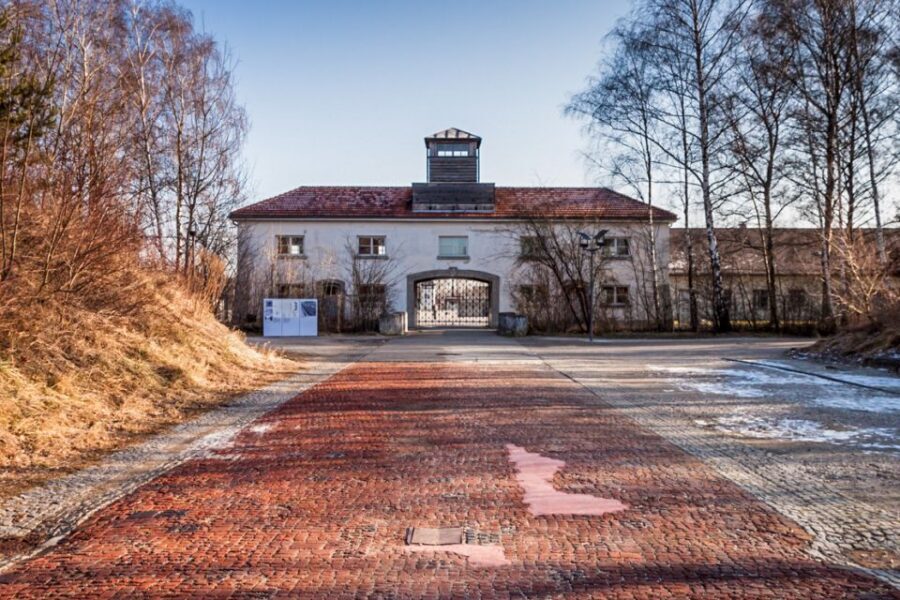
- The Jourhaus entry moment: you’ll pass through the entrance experience and talk through what it represents
- Built-in route from registration to punishment: the tour follows how the system worked, not random highlights
- Bunker and Barracks focus: you’ll spend real time on some of the most chilling parts of the camp
- Real time limits: expect about four hours inside the camp and limited breaks
Why a Dachau Day Trip From Munich Makes Sense
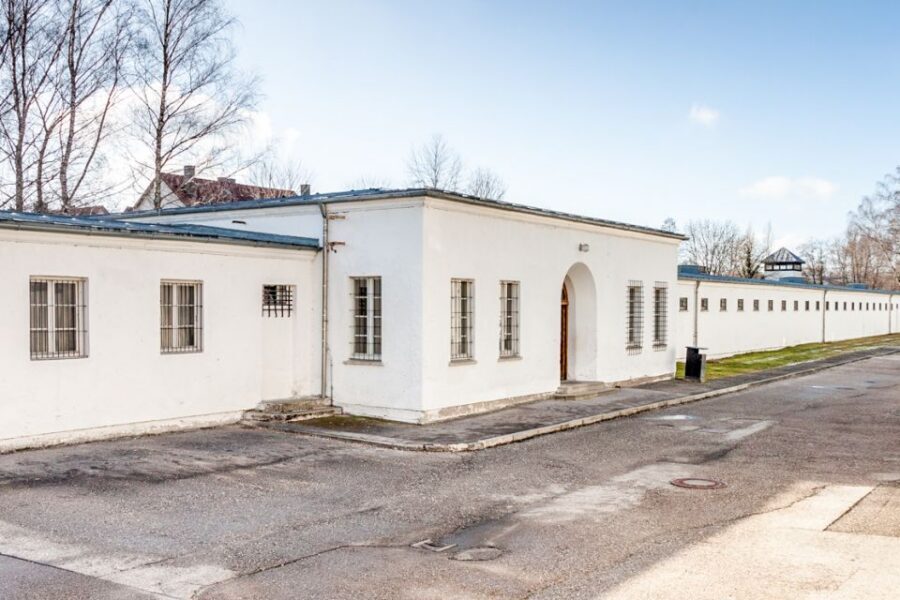
Dachau is one of those places where a guide changes everything. Without context, you can end up reading plaques like a school assignment and still miss the logic of the site. With a Memorial-qualified guide, the same spaces start to connect—why certain buildings existed, how the camp operated day to day, and how the story fits the timeline of Nazi rule.
This trip is also smart for logistics. You’re not trying to figure out trains and local buses while carrying a very heavy emotional load. The day is built around public transport from Munich, then a structured visit inside the Dachau Memorial Site, and back again late afternoon.
That said, it’s not a leisurely sightseeing stroll. It’s a serious walk, and you’ll be on your feet more than you might expect.
Other Dachau Memorial tours we've reviewed in Munich
Meet at Marienplatz, Then Ride Public Transit Like a Local
You start in central Munich at Marienplatz, in front of the department store Ludwig Beck (Marienplatz 11). Look for a white and blue umbrella and signs advertising the Dachau tour. This matters because Munich stations can be busy and you’ll be moving as a group right away.
The transportation rhythm is straightforward:
- Subway/metro ride of about 40 minutes
- A short bus/coach connection of 10 minutes
- Then, on the way back, bus/coach again for 10 minutes
- Followed by a train ride of about 40 minutes
If you’re the kind of traveler who hates losing time to transfers, this is the appeal. You get dropped at the right place at the right moment, which is exactly what you want for a site that demands your focus.
Inside Dachau Memorial Site: The Visit Is Built as a Route, Not Random Stops
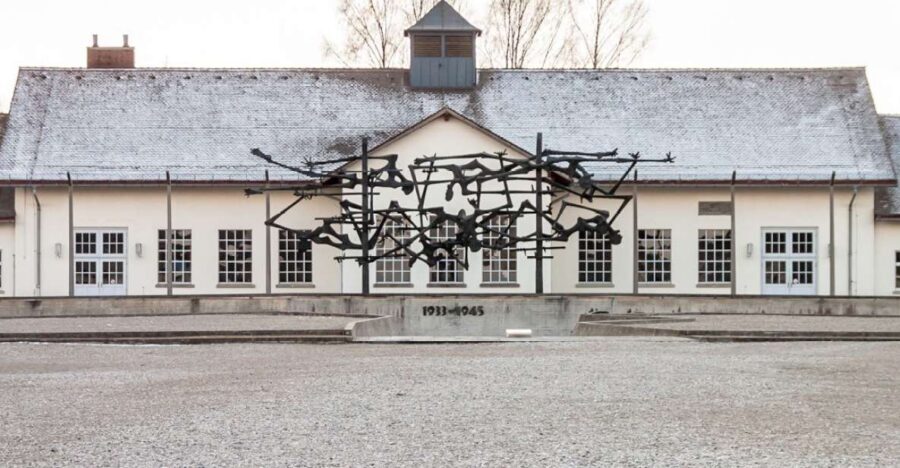
Once you arrive, the day switches modes from travel to walking and listening. You get a short break on site before the main guided segment begins. After that, the guided portion runs for about 3.83 hours, with the full visit inside the memorial totaling about 4 hours.
The tour isn’t just pointing at buildings. You’ll get guided commentary on camp life and death for prisoners who entered the gates from 1933 to 1945. You’ll also hear why Dachau opened in the first place and how the camp changed over time. That “how it evolved” part matters, because Dachau wasn’t a one-size-fits-all operation—it developed as the Nazi regime solidified control.
A practical note: you won’t be treating this like a museum loop where you wander freely. The route is structured, and your guide keeps you moving at a pace that works with the site’s rules and layout.
Jourhaus, Appellplatz, and the Entrance Moment You Can’t Shake
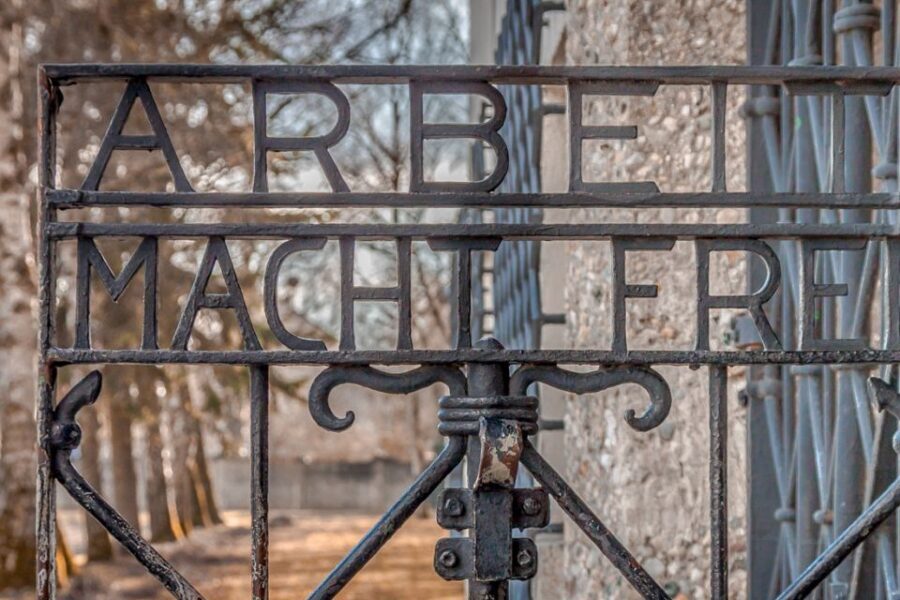
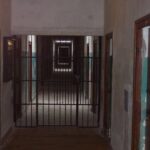
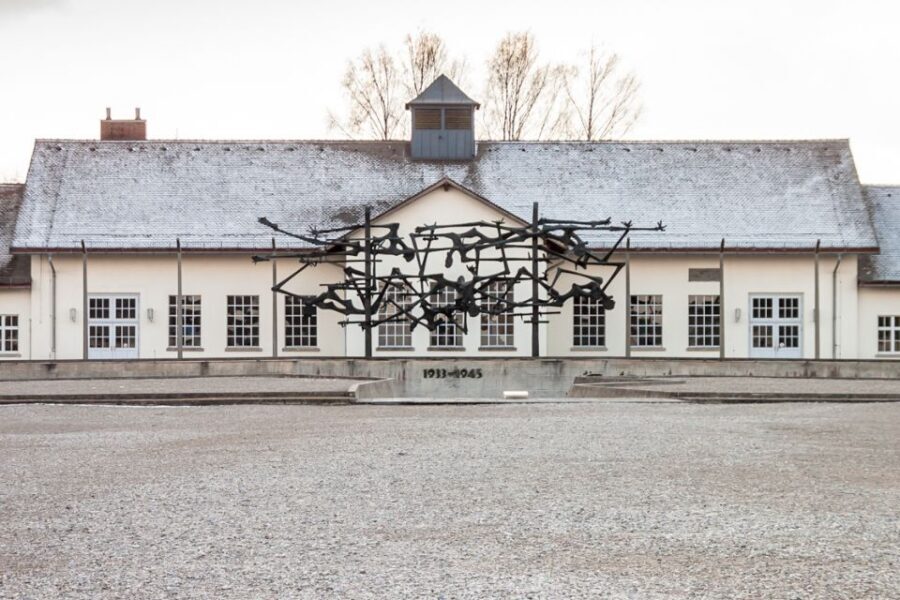
One of the most talked-about stops on this tour is the area around the Jourhaus—the entrance building—where you’ll see the infamous Arbeit Macht Frei sign. It’s a stark contrast: polished wording against what the camp was designed to do.
This section matters because it’s where the tour helps you understand the camp as a system of control and intimidation. You’re not just seeing an artifact; you’re watching how the Nazis staged power through architecture, signage, and procedures.
From there, you move toward the spaces where prisoners were processed and counted, including the Appellplatz. Even if you’ve read about these places before, being there with a guide who can explain the day-to-day routine makes it feel less like history on a page and more like a mechanism in motion.
Bunker and Barracks: How the Camp’s Daily Machinery Worked
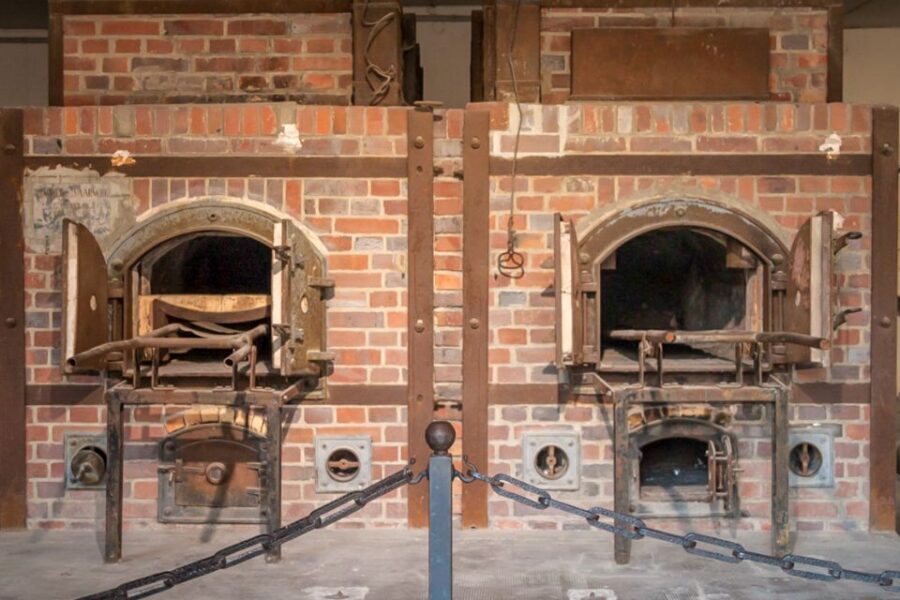
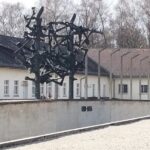
The most intense part of the experience is how the tour connects the physical layout to the lived reality of confinement. You’ll tour the Bunker and Barracks, with a Memorial-qualified guide walking you through what these spaces were used for and how punishment and terror were integrated into camp operations.
The tour also describes the camp’s phases and its evolution, plus how daily operations worked—from registration and the arrival of new prisoners to the next steps, including trials connected to torture and punishment. You don’t need graphic details to understand the cruelty; you need the structure, and that’s what the guide provides.
If you’re trying to decide whether to go with a guide versus self-guided, this is the core argument. Dachau has many fixtures and rooms that can look similar at first glance. A trained guide helps you separate what’s significant, what changed, and what the site is trying to communicate today.
Other Munich city tours we've reviewed in Munich




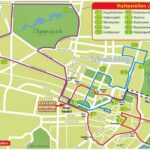
Food, Toilets, and the Reality of a Tight Six-Hour Day
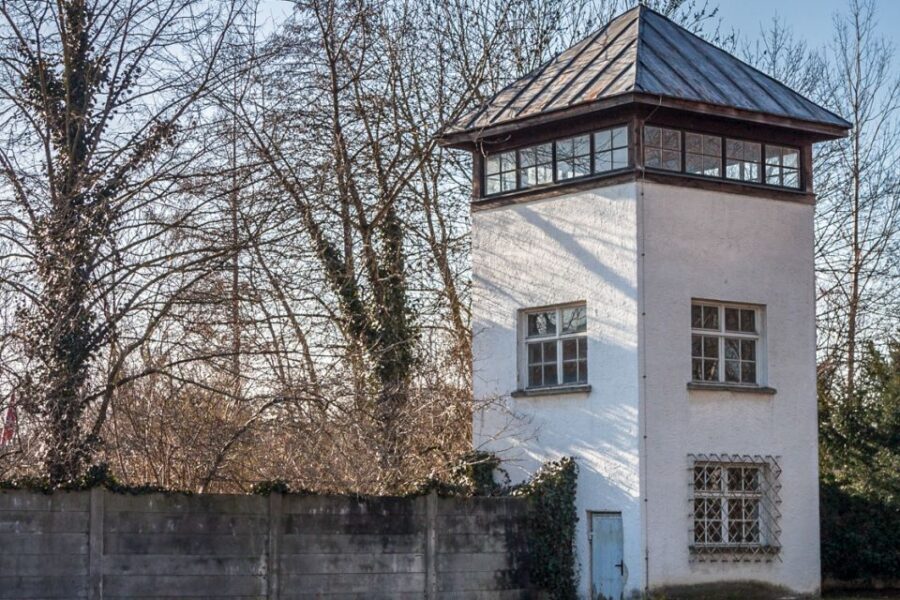
The tour runs about 6 hours total, but it’s not spread out evenly. You’ll spend roughly 4 hours inside the camp and about 2 hours traveling.
That means your comfort planning has to be practical:
- Wear comfortable shoes.
- Bring water.
- Dress for the weather.
- Eat a big breakfast ahead of time, because it isn’t permitted to eat food while on tours at Dachau.
There’s a short break on site, and you’ll also have toilet chances when arriving and then during visits in certain buildings. One reason people feel the day is intense is that the schedule doesn’t include a long “reset” break. You’re meant to keep moving through the experience.
If you need snacks for yourself for the journey, do it before you start the guided portion (or on the train, since the rules restrict eating during the tour). It’s not about being strict—it’s about keeping the memorial visit focused.
What You’ll Learn: Opening Reasons, Three Phases, and Evolution Over Time
This tour doesn’t treat Dachau as one static snapshot. You’ll learn that it was the first permanent concentration camp of the Nazi regime and that it lasted through the full 12 years of the regime’s rule.
You’ll hear about:
- why the camp was opened
- the first prisoners who arrived
- the three phases of the camp
- how the camp evolved and developed over time
This is especially valuable if you want more than “facts on plaques.” The big questions for a site like this are: How did it function? How did it change? How did the regime use camps as tools of control?
The tour ties that together with what you see on the ground, so the history isn’t floating in the air. It lands on specific buildings and spaces you can point to.
The “School of Terror” Connection and Other Major Sites You’ll See
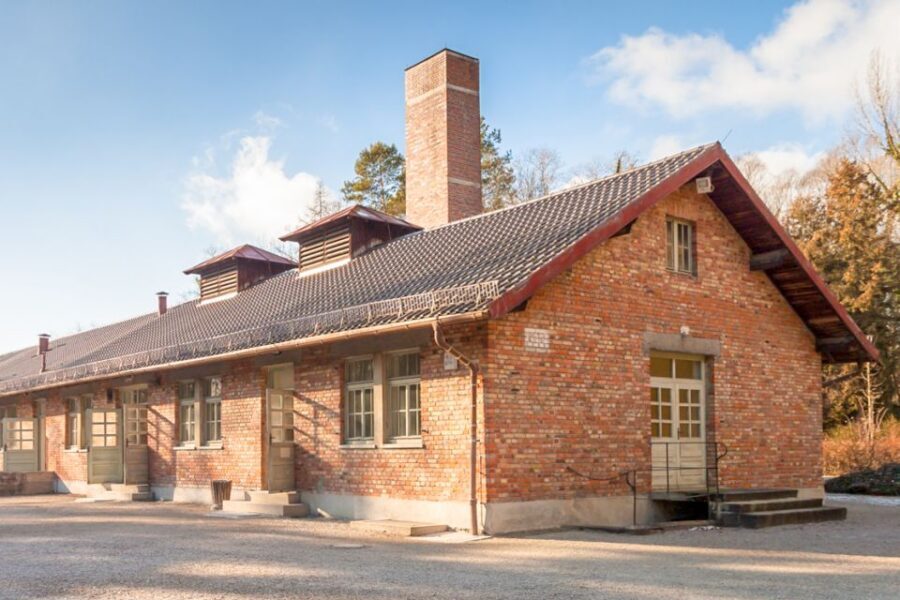
The tour route includes several notable parts of the grounds. One highlight is the S.S. Training Facility, also known as the School of Terror. Even if you only know Dachau from headlines, this is the kind of site detail that turns general knowledge into something concrete.
You’ll also see major areas such as:
- the entrance building and gate/gateway area
- the Jourhaus
- the Appellplatz
- the Bunker
- Barrack X
- and other important buildings along the route
For me, what makes these stops work is the guide’s emphasis on meaning. The tour isn’t designed to sensationalize. It’s designed to make you understand how terror was organized and how daily routines were shaped by the system.
Guides Make or Break This Tour (and You’ll Feel the Difference)
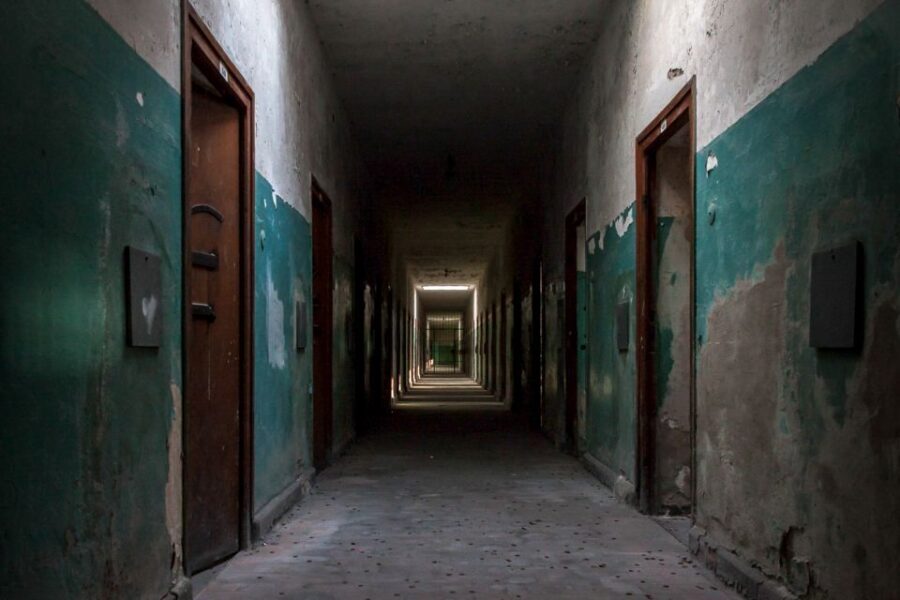
This is the part that most affects your experience. Dachau is heavy, and the wrong tone can feel off. The guides for this tour have been widely praised for being respectful, organized, and clear—especially in how they pace the group and answer questions without turning the site into a free-for-all.
Examples you may hear in different departures:
- Marcin has been praised for being a wealth of knowledge and for explaining key parts of the route in a way that feels organized and humane.
- Sam has been praised for respectful delivery and good pacing, including managing cold weather and helping people stay together.
- Adam has been praised for taking time with questions and keeping the day running smoothly through Munich transit issues, not just inside the camp.
- Hein and Keith have been praised for helping visitors understand what you’re seeing and for maintaining the serious tone this site needs.
If you’re hoping for a guide who can handle tough questions with care, this is a big reason the tour earns such strong ratings.
Who This Tour Is For—and Who Should Rethink It
This experience fits people who can handle a serious subject with patience. It’s not suitable for everyone.
It’s clearly not for:
- Children aged 13 and under (not permitted)
- Wheelchair users or people with mobility impairments
- People with respiratory issues
- Anyone who wants a mostly flexible, wander-at-your-own-pace visit
Children aged 14 and over are welcome only if they’re accompanied by parents who understand the graphic nature of some themes. Proof of age may be required, so don’t show up hoping it will be waved through.
Who it suits best:
- adults and teens 14+
- anyone who wants the “how this worked” side of Dachau, not just a list of structures
- travelers who value Memorial-qualified interpretation and a guided structure for a tough topic
Price and Value: Why $51 Can Be a Good Deal Here
At about $51 per person, you’re paying for something you can’t easily DIY well on your own: a Memorial-qualified live guide plus organized transport from central Munich. The price also covers the train fee and bus fee, which keeps you from hunting schedules for a one-day visit.
Is it pricey for a day trip? Maybe, if you compare it to solo transit. But this isn’t a casual museum outing. You’re buying time, structure, and interpretation on a site where pacing and context matter more than saving a few euros or dollars.
Also, the group format helps. People who try to do Dachau alone often spend extra time figuring out the route and end up rushing. With this tour, you get built-in timing for the memorial visit and you’re back at Marienplatz late afternoon without extra stress.
The Practical Rules You’ll Want to Know
A few site rules affect how the day feels:
- Smoking isn’t allowed.
- Alcohol and drugs aren’t allowed.
- No video recording is permitted.
You should also plan for walking and standing. Bring water and weather-appropriate clothing, and keep your day pack simple.
If you value flexibility, note that there’s free cancellation up to 24 hours in advance and a reserve-and-pay-later option. That helps when your Munich schedule is still a bit of a question mark.
Should You Book This Dachau Memorial Site Tour?
Yes—if you want a guided, respectful way to understand Dachau from Munich. This is one of those day trips where the guide’s role is the main value: the tour connects the spaces to how the camp operated, including the three phases and the day-to-day routine from registration onward.
Skip it (or choose another approach) if you can’t handle the physical demands of a walking-heavy memorial visit, or if the emotional intensity is something you’re not ready for. Also, if you need strict accommodations, this tour isn’t listed as suitable for wheelchair users or people with mobility impairments.
If you do book, show up early at Marienplatz, wear comfortable shoes, and plan your food so you’re not stressed once you’re inside.
FAQ
Where do I meet the guide in Munich?
Meet at Marienplatz, in front of Ludwig Beck (Marienplatz 11). Look for a white and blue umbrella and signs for the Dachau Tour.
How long is the Dachau Memorial Site tour from Munich?
The total experience is about 6 hours. The visit inside the camp is about 4 hours, with about 2 hours of travel time.
What language is the guide?
The live tour guide provides the tour in English.
What transport is included from Munich?
You’ll use public transportation: a subway/metro ride (about 40 minutes), then a bus/coach (about 10 minutes) to reach the memorial site. On the way back, you take a bus/coach (about 10 minutes) and then a train ride (about 40 minutes).
Is the tour suitable for children?
Children 13 and under aren’t permitted. Children 14 and over are welcome if accompanied by parents who understand the graphic nature of some themes; proof of age may be required.
Is food allowed during the tour inside Dachau?
No. It’s not permitted to eat food while on tours at Dachau. Plan to eat a big breakfast and bring water; you can eat on the train if needed.
Is this tour accessible for people with mobility issues?
It isn’t suitable for people with mobility impairments or wheelchair users, and it’s also not suitable for people with respiratory issues.