REVIEW · MUNICH
From Munich: Dachau Memorial Site Day Tour
Book on GetYourGuide →Operated by Munich Walk Tours · Bookable on GetYourGuide
A tough site, handled with care. This 5-hour day trip from Munich pairs an easy public-train ride through Bavaria with an in-person guide at the Dachau Memorial, where the history of the Holocaust in Germany is explained step-by-step. You’ll also get time inside the memorial museum, not just a quick walk-by.
I especially like the focus on the most important parts of the camp—gas chambers, barracks, and cells—so you leave with a grounded sense of what happened. I also like the way the tour brings the story into focus through an exhibition featuring pictures and prisoner reports about everyday camp life from the camp’s beginnings to liberation in 1945.
One consideration: this is emotionally heavy. Between the subject matter and the practical reality of moving as a group (including packed return transport at times), you’ll want to plan for a slow, respectful pace rather than a casual sightseeing day.
In This Review
- Key takeaways before you go
- From Marienplatz to Dachau: the ride that sets the tone
- Meeting point at Marienplatz: easy to find, easy to miss
- The guided Dachau Memorial route: what you’ll actually see
- Hearing prisoner accounts through the exhibition
- Why the guide really matters here
- Timing your day: the 1:10 PM option for quieter hours
- Walking pace, shoes, and the real-world comfort factor
- Price and value: is $49 reasonable for this format?
- Who this tour suits best (and who should think twice)
- The bottom line: should you book it?
- FAQ
- How long is the Dachau Memorial Site day tour from Munich?
- How much does the tour cost?
- Is the tour offered in English?
- Where do I meet the guide in Munich?
- Is the tour wheelchair accessible?
- What parts of the camp and memorial will I see?
- What should I bring, and what is not allowed?
Key takeaways before you go
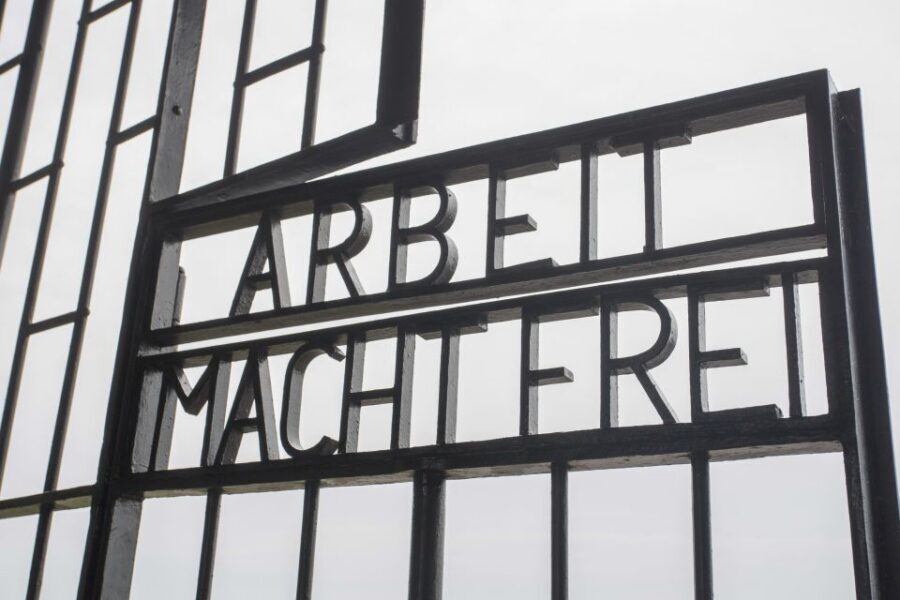
- A real guided walkthrough of specific camp locations: gas chambers, cells, and barracks, with context as you move
- Memorial museum time: pictures and prisoner accounts that connect the dots across the camp’s timeline
- English live guide throughout: named guides you might meet include Thomas, Jesse, Aileen, Alex, Mat, Stephanie, Michael, and Conni
- Smart timing option: the 1:10 PM departure is recommended for lighter crowds because there are fewer school groups
- Practical Munich-to-Dachau transit: public transport ticket and transfers included, so you don’t wrestle with schedules mid-visit
- Respectful, structured pacing: the tour is designed to keep the group together and on track without turning it into a race
From Marienplatz to Dachau: the ride that sets the tone
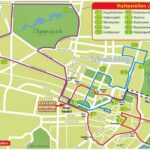
This trip starts at Munich’s Marienplatz, right in front of the Tourist Information at the Gothic Town Hall. The guide holds a yellow sign that reads Dachau Memorial Tour in red letters, so you can find the group quickly—an underrated help when you’re trying to stay calm before a very serious visit.
Once you’re on the train toward Dachau, you get views of the countryside while you’re still in a “commute mindset.” That matters because it gives your brain a second to shift. By the time you arrive at the memorial, you’re already moving into history rather than scrambling with last-minute directions.
Expect a few moments where your guide will reframe what you’re seeing. That’s one reason this format is worth it: the transit is straightforward, but the real work happens at the memorial where explanations turn locations into meaning.
Other Dachau Memorial tours we've reviewed in Munich


Meeting point at Marienplatz: easy to find, easy to miss
I like that the meeting point is specific and visual. If you’re standing at the right spot in Marienplatz, you’re not searching all day for the right group. The yellow sign is your friend.
Get there early enough to stay relaxed. This is especially important if you’re using a wheelchair or if you (or your traveling companion) expect any trouble walking. The tour is wheelchair accessible, but if you need a carer, you’ll need to arrive 10 minutes before departure so the group can use a different entrance for the platform and train.
Even if you’re able-bodied, arriving a bit early helps you start the day in the right headspace. It’s not about speed. It’s about being ready.
The guided Dachau Memorial route: what you’ll actually see
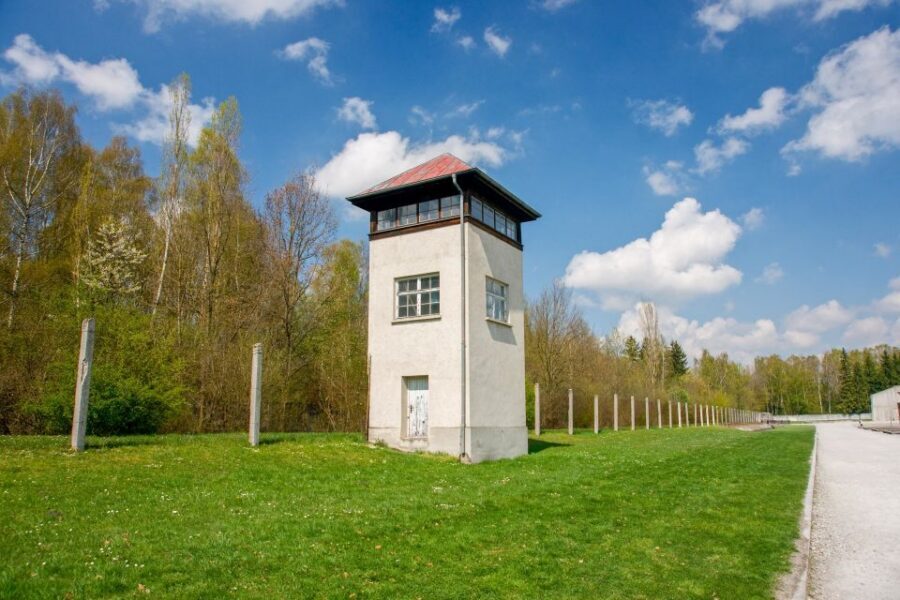
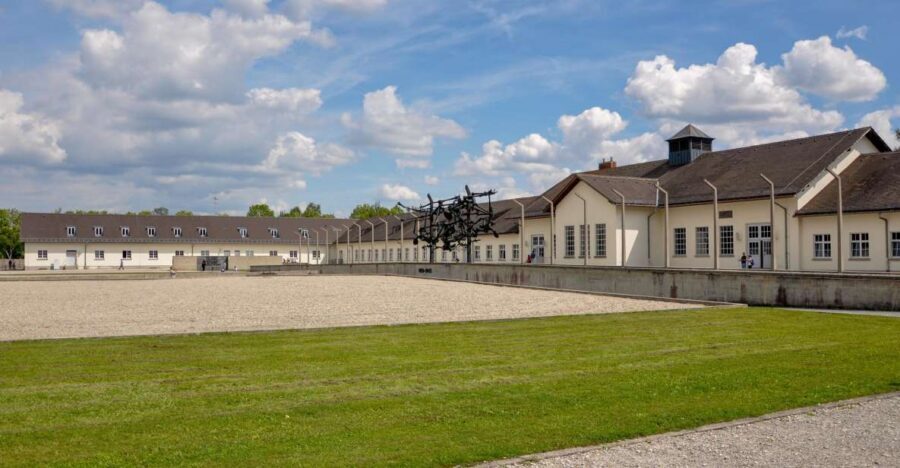
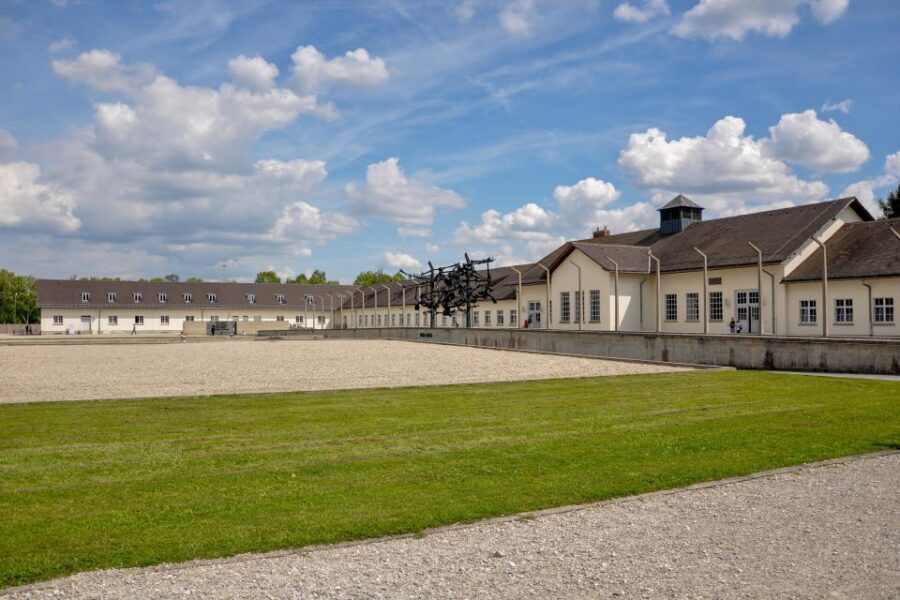
At Dachau, you’re not just looking at a memorial from a distance. This guided tour walks you through major parts of the former camp, with a live guide explaining why each area matters.
You’ll visit the former:
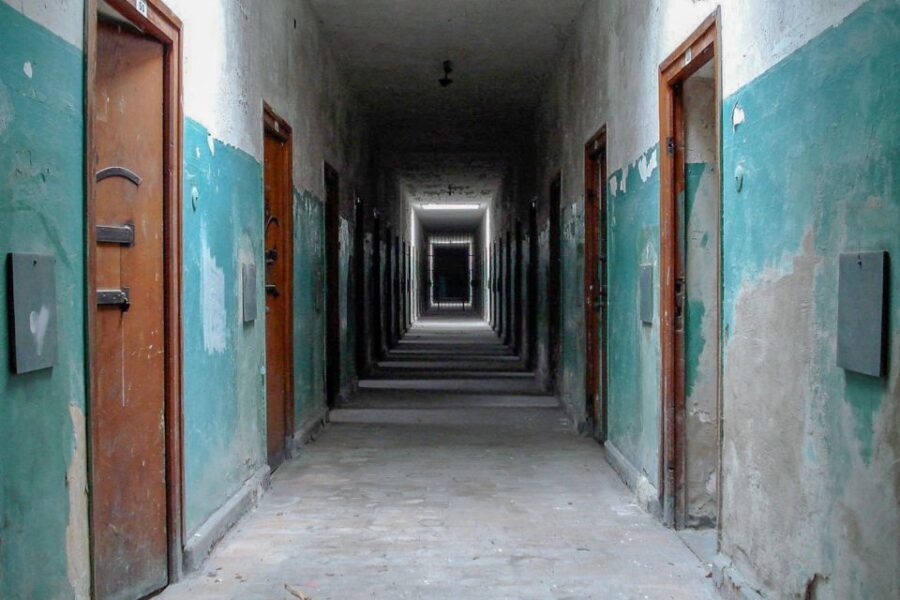
- gas chambers
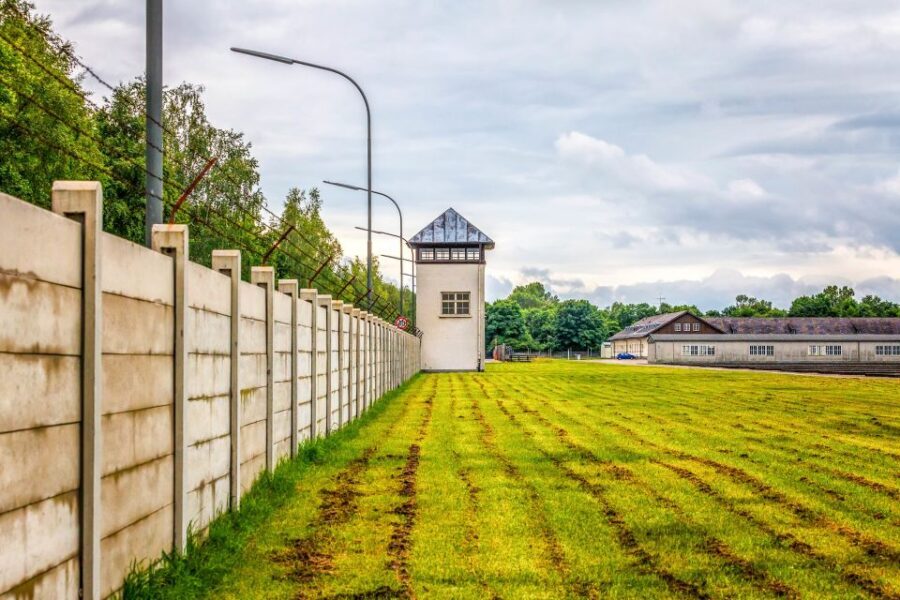
- barracks
- cells
Those places aren’t interchangeable. Each one tells a different part of the system—control, confinement, and the machinery of persecution. A guide also helps you avoid the common trap of treating it like a checklist. When the route is guided, you’re more likely to understand the “how” and “why,” not only the “where.”
The camp’s role in Nazi Germany is part of the story from the start. Dachau was opened outside Munich in 1933, and since 1965 it’s been used as a memorial and a place of education. Your guide ties those facts to the broader National Socialism context, so the site doesn’t feel like a standalone tragedy—it becomes part of a larger historical pattern.
Hearing prisoner accounts through the exhibition
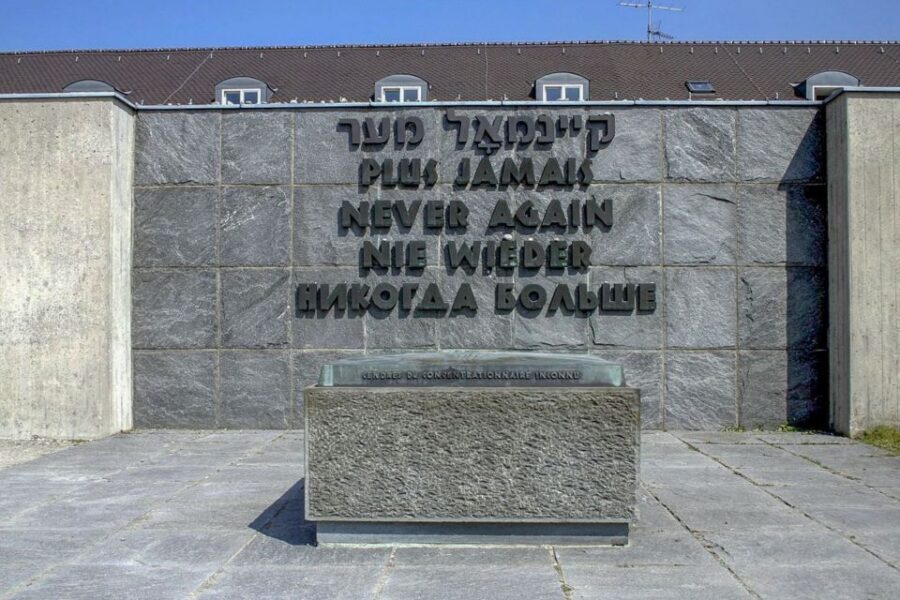
After the on-site walk, you’ll visit the Dachau Memorial Museum. This stop is where the experience gets heavier in a different way: you shift from physical spaces to recorded accounts.
You’ll see:
- pictures from the camp’s history
- reports and descriptions by prisoners
- materials covering everyday camp life
- the arc from the camp’s beginnings through liberation by the Allies in 1945
I like this museum component because it adds texture. The buildings show what the system did. The exhibition helps explain what it felt like day to day—how people were processed, controlled, and reduced to numbers in an engineered environment.
One thing to remember: some galleries and displays may feel overwhelming. If you need a moment, pause. This is not a “power through it” kind of visit. The best guides help you keep moving while still honoring the emotional weight.
Why the guide really matters here
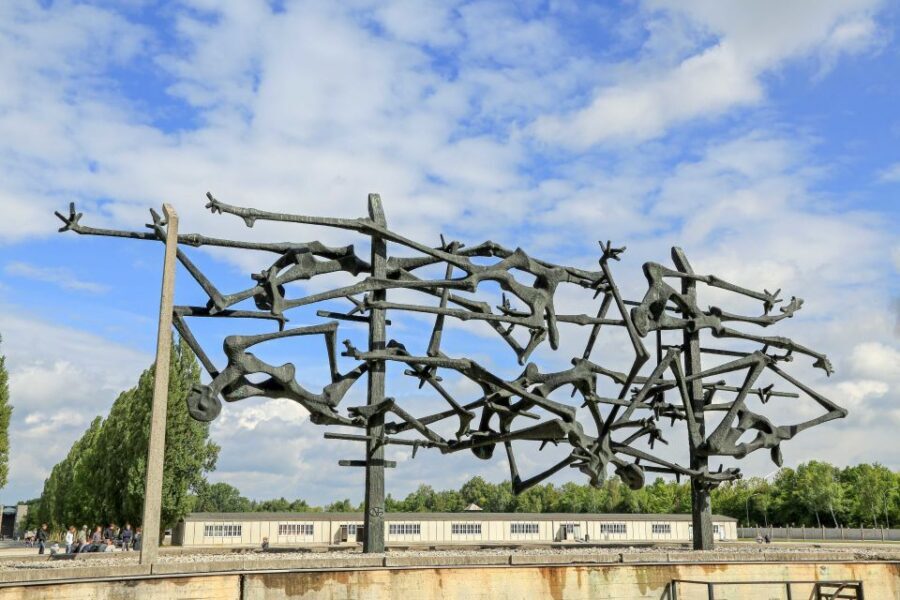
On tours like this, the difference between good and great is often the way a guide balances facts with respect. The reviews you provided highlight a consistent theme: guides keep the tone reflective, use clear explanations, and handle questions with sensitivity.
Different guides you might meet include Thomas, Jesse, Aileen, Alex, Mat, Stephanie, Michael, and Conni. Names repeat because people notice when a guide is calm under pressure. Several guides are praised for linking details back to context—history leading to the camp, how life functioned inside, and what liberation in 1945 meant.
You’ll also feel the practical benefit of having someone manage timing and pacing. With public transport, groups can fall behind if trains or connections get delayed. The better guides keep the tour coherent, even if the ride to and from Dachau has hiccups.
Other Munich city tours we've reviewed in Munich





Timing your day: the 1:10 PM option for quieter hours
If you want the visit to feel less crowded, timing helps. The afternoon tour at 1:10 PM is recommended because there are fewer school classes and groups at that time.
That doesn’t mean it will be empty. Dachau draws attention worldwide. But fewer large groups can make the guided pace feel more personal and less disruptive, especially during the portions where you need to focus on explanations.
If you’re the type who doesn’t handle crowds well—even when you’re excited by the destination—consider the afternoon start. It’s a small choice that can noticeably change your experience inside the memorial.
Walking pace, shoes, and the real-world comfort factor
This is a 5-hour day that includes walking at the memorial. Your comfort matters more than you think because it affects your ability to stay present.
Bring comfortable shoes and water. Simple, yes. But it’s one of the easiest ways to make a hard day go smoother.
Also keep an eye on how the group is moving. The tour is designed to keep everyone together, and your guide will give instructions on where to meet and how to move through the site efficiently. Staying attentive helps you avoid that awkward moment of being separated in a place where you already feel emotionally overloaded.
On the return trip, you might run into packed public transport if schedules are tight. Some groups have experienced a very full bus or cramped ride back due to transit delays beyond the guide’s control. It’s not a dealbreaker, but it’s useful to expect it.
Price and value: is $49 reasonable for this format?
At $49 per person for a 5-hour outing, this tour is priced like a serious guided day trip, not a casual add-on. What makes it feel like value is that you get more than the guide.
Included items are:
- a guided tour
- a public transport ticket
- transfers by public transport
When you’re learning at a memorial site like Dachau, the guidance isn’t optional if you want context fast. You could go on your own, but you’d likely spend time figuring out how to connect locations into a coherent story. Here, that connection is the product.
Also, you’re paying for live, English commentary. That matters because memorial sites are full of details that are easy to misunderstand without context, and a guide helps keep the focus accurate and respectful.
If you’re trying to do Dachau in the most time-efficient way while keeping logistics off your plate, this format is strong. If you’re the type who hates structured group schedules, you may find it less flexible than independent exploring.
Who this tour suits best (and who should think twice)
This is a good match if:
- you want a guided, respectful visit to gas chambers, barracks, and cells
- you care about understanding the historical context around Dachau and the Holocaust in Germany
- you prefer not to wrestle with public transport plans while your mind is already in a heavy place
- you appreciate museum materials like photos and prisoner reports, not only outdoor stops
You might think twice if:
- you want a very light, casual day of sightseeing
- you’re uncomfortable with emotionally intense subject matter
- you rely on frequent breaks and worry that group pacing won’t let you pause as needed
That said, the structure can also help. Several guides are praised for managing the group well, keeping it together, and answering questions without rushing people through.
The bottom line: should you book it?
I’d book this tour if your goal is to understand Dachau with a guide, not just to say you saw it. The mix of a guided walkthrough of key camp locations plus museum time with prisoner accounts is the right combination for most people.
Go with prepared expectations: this is sober work, not entertainment. Bring the right shoes, choose the 1:10 PM slot if you want fewer crowds, and let the guide’s pacing carry you. If you want accuracy and context without logistics stress, this is a solid choice.
FAQ
How long is the Dachau Memorial Site day tour from Munich?
The tour lasts 5 hours.
How much does the tour cost?
The price is listed as $49 per person.
Is the tour offered in English?
Yes, the live tour guide provides the experience in English.
Where do I meet the guide in Munich?
Meet in front of the Tourist Information for the City of Munich at the Gothic Town Hall in Marienplatz. The guide will hold a yellow sign with Dachau Memorial Tour written on it in red letters.
Is the tour wheelchair accessible?
Yes, it is wheelchair accessible. If you have difficulty walking or need a carer, you must arrive 10 minutes before departure so the group can use a different entrance for the platform and train.
What parts of the camp and memorial will I see?
You’ll see the former gas chambers, barracks, and cells, and you’ll also visit the Dachau Memorial Museum exhibition.
What should I bring, and what is not allowed?
Bring comfortable shoes and water. Pets are not allowed, and smoking is not allowed.