Munich can feel huge at first. This tour helps it click.
You get a private, customizable walking experience built around a short pre-tour questionnaire, so your walk can lean history, food, churches, parks, or just practical getting-around tips. It’s also designed to feel like a guided afternoon with a real local, not a rush from sign to sign.
I especially like two things: the route is adjustable to your pace and interests, and you’ll visit big-name places like Frauenkirche and Marienplatz without losing time to cookie-cutter explanations. Guides such as Anna, Markus, and Naveen are praised for tailoring the walk and answering questions clearly as you go.
The one thing to consider: it’s walking-first. Even with flexible routing, you should expect to cover ground, and some transfers between stops may use public transport (costs are not included).
In This Review
- Key highlights and why they matter
- What you’re really buying: a Munich walk built around you
- Price and value: why $112.30 can make sense
- How the tour works: questionnaire, meet-up, and pacing
- The walking route: what you’ll see, stop by stop
- Seeing Munich through a local lens before the big stops
- Frauenkirche: twin domes and Gothic symbolism
- Hofbräuhaus area: beer hall tradition plus nearby snacks
- English Garden: the 900-acre reset button
- Marienplatz: heart of the city and the Glockenspiel moment
- St. Peter’s Church: old parish roots and optional tower views
- The guides make the difference: what you’ll notice in practice
- Off-the-beaten-path stops: how you’ll get them without wasting time
- Food and drinks: how to plan since nothing is included
- Getting around Munich: walking first, transport when needed
- Who this tour fits best (and who should skip it)
- Should you book this private Munich walking tour?
- FAQ
- How long is the Munich Private Tour with a Local?
- Where does the tour start and end?
- Is pickup included?
- What’s included in the price?
- Are food, drinks, and attraction tickets included?
- Can I cancel if plans change?
Key highlights and why they matter
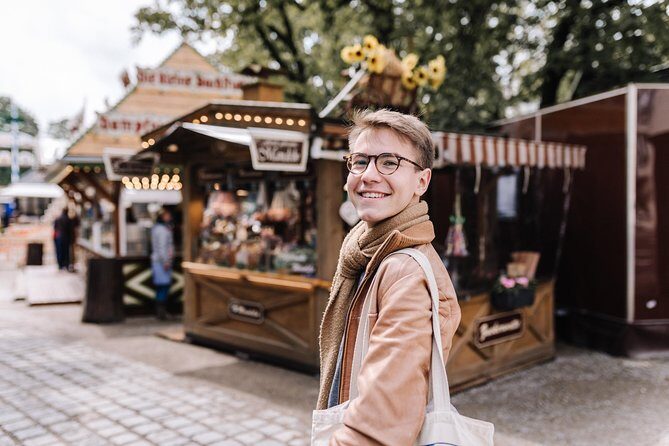
- Fully customizable private route: Your questionnaire shapes the order and emphasis of stops.
- Local-first storytelling: You’ll connect architecture, daily life, and city history as you walk.
- A smart balance of landmarks and quiet stops: Churches, squares, and parks all in one flow.
- English-speaking guide, private group only: Easier questions, fewer distractions, faster explanations.
- Practical Munich tips that save time: From transit guidance to where to eat and what to try.
What you’re really buying: a Munich walk built around you
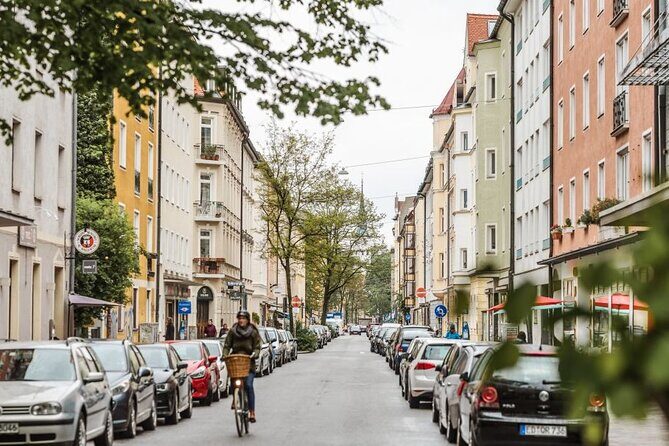
This isn’t a fixed “see these 10 stops” checklist. The value is in how the tour is constructed: you fill out a questionnaire first, and your host uses that to design a plan that matches your interests. Want architecture detail? Food and beer culture? Churches and photo spots? Or a mix? You can steer it.
You’ll also feel the difference of a private format fast. In a group tour, you usually hear one generic version of the story. Here, guides can slow down, add context, or change direction based on what you ask mid-walk. That flexibility comes up repeatedly in feedback—for example, Markus adapting the route to preferences, Anna making the pacing family-friendly, and Naveen (and others) using the walk to answer specific logistics questions.
Other Munich city tours we've reviewed in Munich


Price and value: why $112.30 can make sense

At about $112.30 per person, this sits in the “book it if it fits your style” category. You’re paying for:
- Privacy (your group only)
- Personalization (questionnaire + direct communication)
- Local guidance through multiple central districts on foot
If you’re traveling as a couple, with kids, or with friends who want to avoid the stop-and-go chaos of shared tours, this often turns into a better deal than it looks on paper. Also, the duration is flexible (roughly 2 to 6 hours), so you can choose how deep you want to go on your arrival day versus a slower afternoon.
My practical advice: if you only have one day in Munich and you want a smart orientation that leads to better self-guided choices afterward, this price can pay off quickly.
How the tour works: questionnaire, meet-up, and pacing
Before you meet your guide, you’ll complete a short questionnaire about what you want to see. Then the host reaches out directly to coordinate. In some cases, guides keep the planning conversation going over messaging for special requests, like the example where Naveen connected early and stayed in touch as the date approached.
You have two main meet-up options:
- Hotel pickup: your guide meets you at your chosen hotel
- Central meeting point: Fischbrunnen, Marienplatz 8, 80331 München (recommended if your hotel isn’t listed)
The tour ends back at the meeting point, so you’re not left scrambling to get across town at the end.
Durations vary based on what you book, and guides adjust pacing on the fly. That matters. If it’s cold or you want quick coffee stops, guides have been known to add warm-up breaks mid-route (a theme you’ll see in feedback). With private tours, those small course corrections are easier.
The walking route: what you’ll see, stop by stop
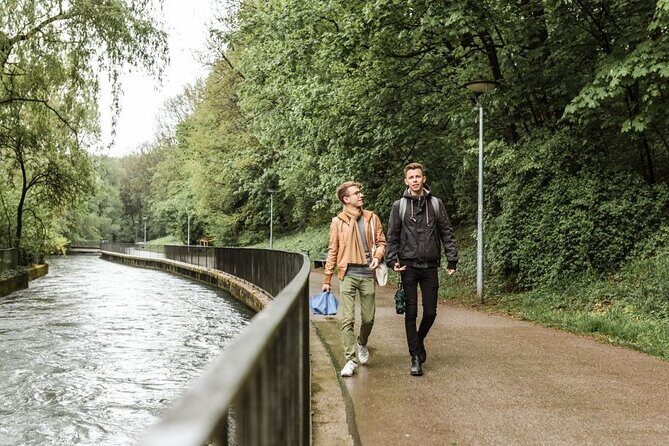
Seeing Munich through a local lens before the big stops
The walk often begins with a “choose-your-own-adventure” feel. Your guide frames what’s coming and asks questions so the route fits your day. This is where you can set the tone: do you want more churches and details, more parks and relaxation, more food and beer culture, or more off-the-beaten-path variety?
This early setup is useful because it prevents the common mistake of spending hours seeing the “famous stuff” but missing the reasons Munich works the way it does—street layout, architecture choices, and why certain squares and beer halls became anchors for locals.
Other private tours in Munich




Frauenkirche: twin domes and Gothic symbolism
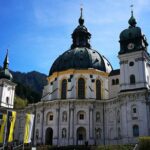
One of your main landmark stops is the Frauenkirche (Cathedral Church of Our Lady). Expect to focus on:
- The distinctive structure, including its famous twin-domed look
- The church’s role as a Munich symbol
- Architectural details explained in plain language
The upside here is that you get a major sight early enough that you understand what you’re looking at later—when Munich’s church towers and skyline start appearing everywhere. The possible drawback: if you’re pressed for time, this stop can turn into “photo, then move on” if you don’t speak up. In a private setting, you can ask what specifically to look for and how to read the building.
Hofbräuhaus area: beer hall tradition plus nearby snacks
Next up is the historic Hofbräuhaus, one of Munich’s best-known beer halls. This is where your guide can connect beer culture to city life without making it feel like a lecture.
You’ll also likely have time to think about food the Munich way: there’s mention of a nearby beer garden vibe and grabbing a fresh pretzel from a market just steps away. Even though food isn’t included, guides can steer you toward what’s worth your time.
A consideration: Hofbräuhaus is famous, so expect it to be busy at peak hours. If crowds make you impatient, tell your guide and ask for the best moments to experience the place without wasting energy.
English Garden: the 900-acre reset button
Then you switch pace with the English Garden, a massive park area around 900 acres. This is where Munich changes mood—less “look at the sights” and more “breathe for a minute.”
This stop is especially valuable because it’s one of the best places to understand Munich’s balance: big-city planning plus serious green space. You might notice local recreation too, including surfers riding the Eisbach wave.
The drawback to keep in mind is weather. If it’s pouring rain, the park can feel less pleasant and you’ll walk slower. In that case, your guide can help adjust the route so you still get the feel of the area without standing around.
Marienplatz: heart of the city and the Glockenspiel moment
Back in the core, you’ll spend time at Marienplatz, Munich’s central square. This is your “main stage” stop, with the famous Glockenspiel clock show drawing attention to Bavarian history through sound and spectacle.
What makes this stop worth it on a private tour is timing and interpretation. Your guide can explain what you’re seeing and how to plan your pause so you don’t end up sprinting between moments.
Possible downside: if you’re not into clocks or crowd scenes, Marienplatz can feel like a lot of people in a small area. The private advantage is you can choose how much time to linger—long enough for the experience, not long enough to ruin your day.
St. Peter’s Church: old parish roots and optional tower views
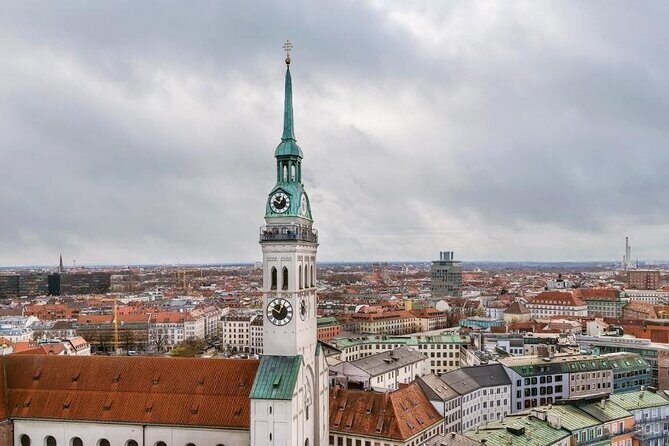
Finally, you may visit St. Peter’s Church, described as the oldest parish church in Munich, known for intricate architecture. If you want views, you can opt to climb the tower.
This is a great closing stop because you finish with perspective—both architectural and geographic. Even if you skip the tower climb, you’ll leave with a better mental map of where things sit.
The consideration: tower options mean stairs. If your group has mobility limits, tell your guide early so the route stays comfortable.
The guides make the difference: what you’ll notice in practice
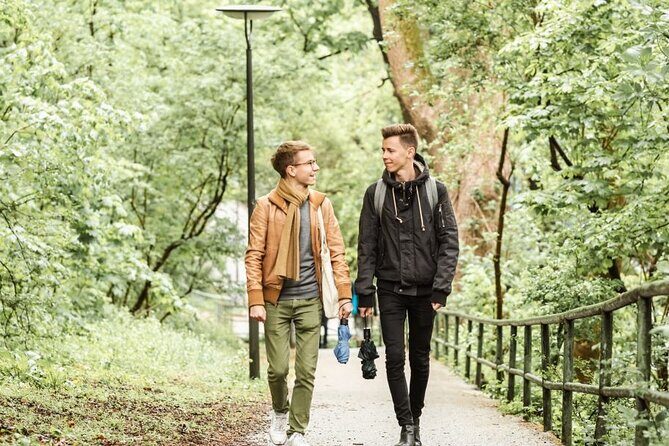
The biggest theme in feedback is not just that guides know facts—it’s that they explain in a way that fits you, and they adjust as the walk develops.
Here are a few examples that show the range:
- Anna: praised for being punctual and helping make the tour family-friendly, with kids in mind.
- Markus: praised for adapting the route based on what the group wanted.
- Joel: highlighted for architectural and historical detail across Old Town.
- Phillip: noted for blending architecture and history so it feels meaningful, not memorized.
- Naveen: shared practical guidance, including recommending public transport and even helping with transit understanding.
- Emper: praised for adding extra time when it ran long and for offering dining recommendations.
- Esper: praised for creating a strong overview and for flexibility with comfort stops when it’s cold.
One more practical note: you’ll be able to ask questions without feeling rushed. In a private group, you can stop the walk, ask how something works today, and keep moving.
Off-the-beaten-path stops: how you’ll get them without wasting time
Your tour description leans toward hidden, less obvious places. The best way this works is through the questionnaire: if you tell your guide you want edge-of-the-center neighborhoods, unusual architecture, or a different slice of Munich, they can build that in.
In the feedback examples, guides guided people toward places beyond the usual tourist route—plus some artsy or more creative local corners. The value is that you’re not spending your day randomly wandering while hungry and confused. You get a path with context.
If you want this emphasis, say it clearly when you fill out the questionnaire. A small note like “more neighborhoods, less checklist” can change the entire balance.
Food and drinks: how to plan since nothing is included
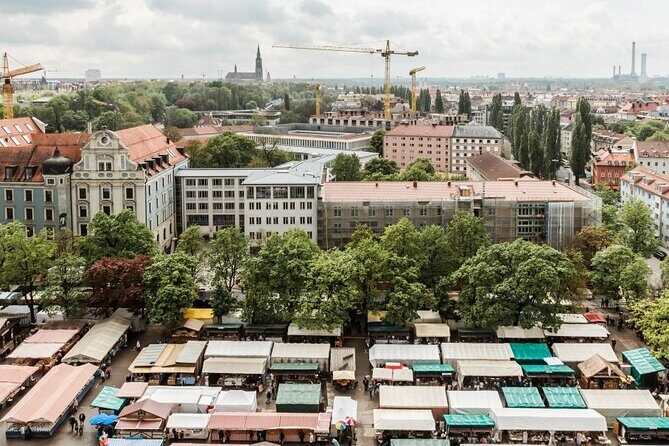
Food, drinks, and attraction tickets are not included. That’s normal for walking tours, but it changes how you should plan.
Here’s the practical way to handle it:
- Bring a light snack if you’ll be out for 4–6 hours.
- Ask your guide for one or two food priorities: Bavarian basics, a sit-down meal, or quick bites.
- Use the market and beer hall areas as anchors for timing.
In feedback examples, guides offered restaurant suggestions and steered people toward a German pretzel experience tied to the beer hall stop. Even when meals aren’t included, a good guide helps you avoid the trap of picking an expensive spot with a tourist menu.
Getting around Munich: walking first, transport when needed
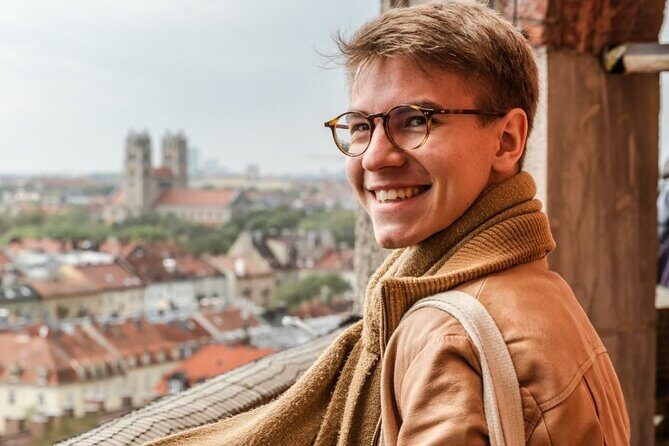
This is a walking tour, and there’s no private vehicle. But public transport (and local taxis, discussed with your host) may be used for transfers between sites.
That matters for value: you’re likely covering a lot of ground on foot, but the route can be smarter than a pure walking loop. If your feet or knees need relief, speak up early so your guide can adjust spacing and transfers.
Also, if you’re unfamiliar with Munich transit, this tour can be a bonus. Some guides have helped groups understand what to buy and when (for example, guidance around a 24-hour subway ticket has been shared). You won’t get this every time, but it’s the kind of practical help guides may offer if you ask.
Who this tour fits best (and who should skip it)
You’ll likely enjoy this tour if:
- You want a first-day orientation that still feels personal
- You like asking questions and want clearer explanations than a group tour
- You care about architecture and city layout, not just photos
- You want time in parks and churches, not only squares
You might want a different approach if:
- You have very limited mobility and walking distance is a big constraint
- You don’t like flexible routes and prefer rigid, timed sightseeing
- You want a pure “museum and tickets” day (this tour is built around walking and storytelling)
Should you book this private Munich walking tour?
Yes, if you want a smart, flexible introduction to Munich with a guide who can tailor the day—especially if you’re walking for 2–4 hours and want both the big sights and a few less obvious stops.
Book it sooner if you’re traveling during peak periods. The tour is popular enough that it’s commonly booked weeks in advance (around 54 days on average), so last-minute gaps can happen.
My final advice: when you do the questionnaire, be specific. Tell your guide what you’re most excited about—church details, beer culture, parks, or “show me what locals do when no one’s watching.” That’s where the tour earns its price.
FAQ
How long is the Munich Private Tour with a Local?
You can choose a start time and duration, with options running roughly from 2 to 6 hours.
Where does the tour start and end?
It starts at Fischbrunnen, Marienplatz 8, 80331 München, Germany, and ends back at the same meeting point.
Is pickup included?
Hotel pickup is offered if your hotel is listed; otherwise you can pick the central meeting point (recommended for the smoothest experience).
What’s included in the price?
You get a private walking experience with an English-speaking local guide, plus a pre-tour questionnaire and direct communication with your host for planning and local recommendations.
Are food, drinks, and attraction tickets included?
No. Food, drinks, and tickets to attractions aren’t included, though your guide can recommend where to eat and what to try.
Can I cancel if plans change?
Yes. Free cancellation is allowed up to 24 hours before the start time for a full refund.