REVIEW · MUNICH
Discover Munich 2-Hour Small Group Walking Tour
Book on GetYourGuide →Operated by Radius Tours GmbH · Bookable on GetYourGuide
Munich snaps into focus in two hours. This small-group walking tour is built around the heart of the city, especially Marienplatz and the Rathaus-Glockenspiel moments you’ll want to see early. If you land a guide in the Leon or Sam style, the walk feels like stories with directions attached, not just a checklist.
I especially love the tour’s practical angle: you get food and beer recommendations you can actually use that same day. It also mixes in cultural context and street-level sights, plus timing help for key moments at the clock tower square.
One possible drawback: the tour is designed for a small group, but if your day runs larger than average, it can get harder to hear the guide during crowded stretches.
In This Review
- Key Things You’ll Notice on This Munich Walking Tour
- Munich’s Two-Hour Sweet Spot: Fast Orientation Without Feeling Rushed
- Starting at Dachauer Straße 4: How to Plan Your First 10 Minutes
- Marienplatz and the Rathaus-Glockenspiel: The Moment You’ll Remember
- Churches, Old Streets, and Munich’s Beer Hall Neighbors
- Hidden Locations and Insider Stops: What You Gain Beyond the Photo Spots
- History With a Hard Edge: 20th-Century Reality on the Same Route
- How the Beer and Food Recommendations Actually Help
- Group Size, Hearing, and Why Pace Matters in Busy Squares
- Which Guide Style Fits You?
- Price and Value: Is $27 Worth Two Hours in Central Munich?
- Who Should Book This Tour (and Who Might Skip It)
- Should You Book It? My Simple Recommendation
- FAQ
- How long is the Munich walking tour?
- How much does the tour cost?
- Where does the tour start?
- Is the tour guided in English?
- Is food or drinks included?
- Is the tour wheelchair accessible?
Key Things You’ll Notice on This Munich Walking Tour
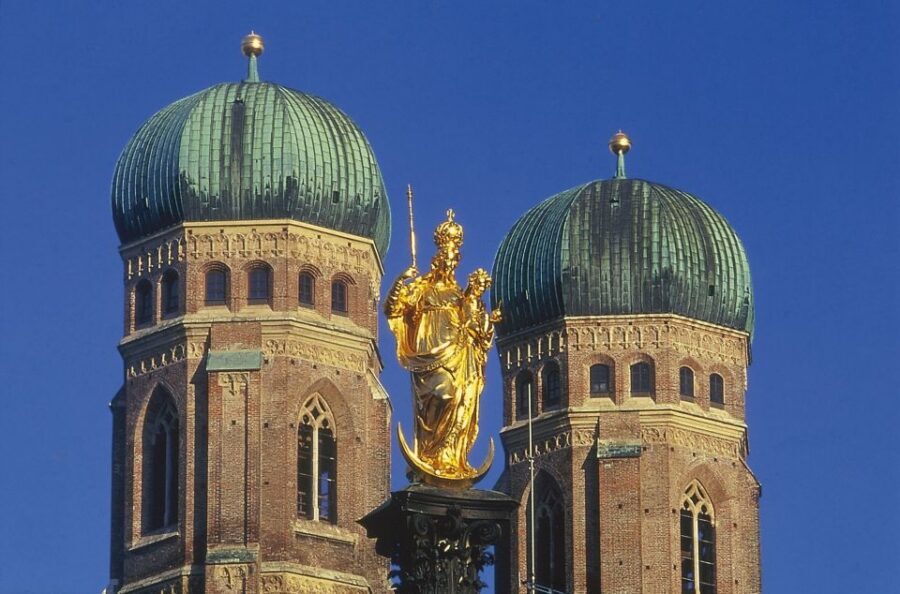
- Marienplatz + the Rathaus-Glockenspiel: you’ll orient yourself around the show that defines the square
- Local beer and food intel: guidance on where to eat and drink, not just what’s famous
- More than the big landmarks: stops that feel like shortcut knowledge, with a few lesser-known angles
- Churches and historic streets: you’ll pass major old-town landmarks while learning what they mean
- A clear history thread, including the hard parts: 20th-century stories are part of the walk, not an afterthought
- English-speaking guide: live interpretation with time for questions during the 2-hour loop
Munich’s Two-Hour Sweet Spot: Fast Orientation Without Feeling Rushed
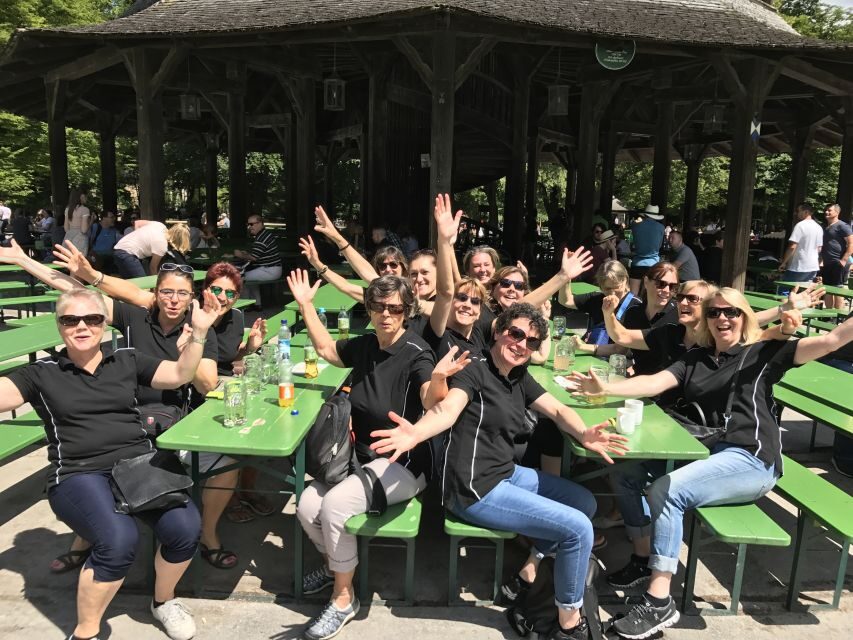
If Munich is new to you, this kind of tour is a smart move on day one or day two. In just 2 hours, you get the core geography of the old center, so the rest of your trip stops feeling like wandering.
What makes this work is the mix: big recognitions (Marienplatz and the Glockenspiel) plus smaller, street-level context. You’re not just looking up at buildings—you’re learning how locals think about the city’s rhythm, from festivals and cultural happenings to daily life.
And because it’s a small group (typically 10–15), the guide can keep the pace human and answer questions as you go. Even if you don’t absorb everything, you’ll leave with a mental map and a better sense of what to prioritize later.
Other Munich city tours we've reviewed in Munich


Starting at Dachauer Straße 4: How to Plan Your First 10 Minutes
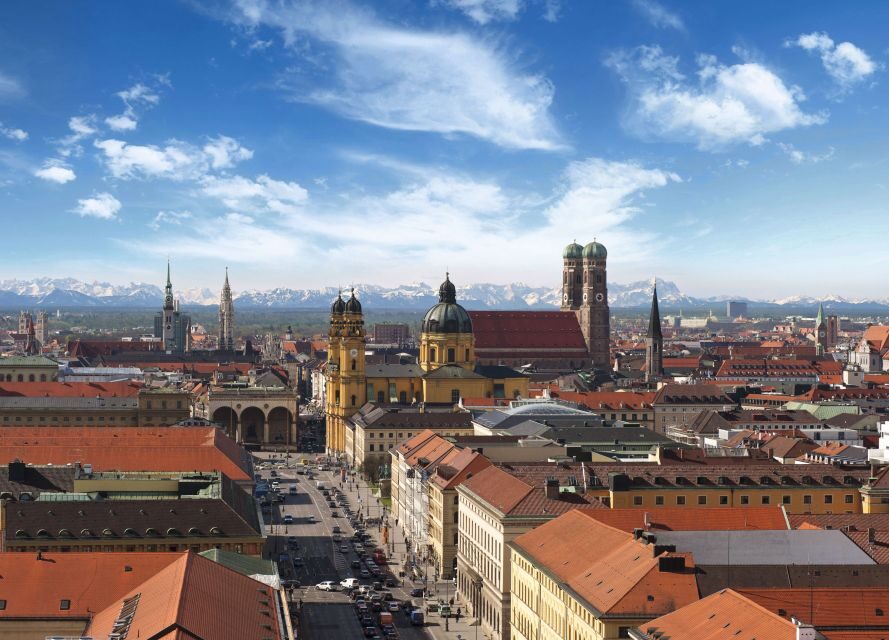
The tour meets at the local operator’s office on Dachauer Straße 4 (80335 Munich). That matters because the first minutes set the tone: you want to show up early enough to check you’re in the right place and ready to walk.
One practical note from the wider tour experience: the area around that meeting point can feel rough or uncomfortable for some people while you’re waiting. My advice is simple—arrive a few minutes early, stay alert, and plan to get moving quickly once the group assembles.
Also, this is a walking tour, so wear shoes you’d use for a long stroll. Munich streets can be uneven in places, and you don’t want to spend the best part of the tour thinking about your feet.
Marienplatz and the Rathaus-Glockenspiel: The Moment You’ll Remember
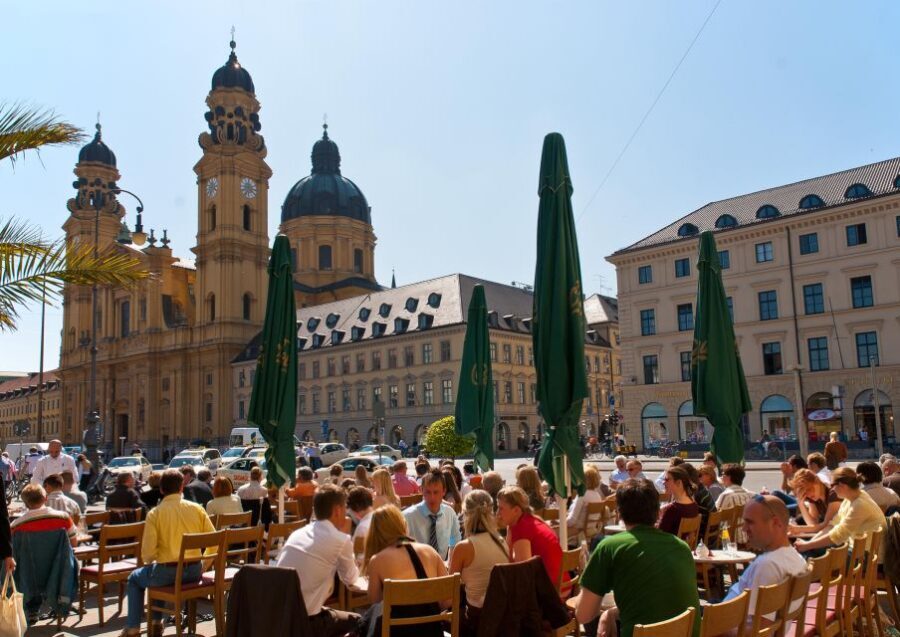
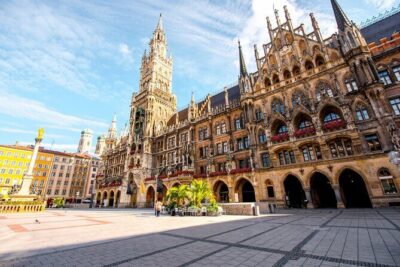
Marienplatz is the showpiece. This tour centers you there so you understand why the square is Munich’s default meeting point for locals and visitors alike.
The headline is the Rathaus-Glockenspiel—the clock display that draws people in and gives the square its energy. Guides often time when you’ll see it, so it’s worth arriving ready to stand and look when the moment comes.
Why this stop is so valuable: Marienplatz isn’t just a landmark. It’s a reference point for everything else you’ll do in central Munich. After this walk, you’ll know where the square sits, how the streets fan out from it, and what directions make sense for your next plans.
Watch for pacing here. If you want photos, position yourself so you’re not fighting the crowd for angles when the clock display starts.
Churches, Old Streets, and Munich’s Beer Hall Neighbors
After Marienplatz, the walk keeps you moving through the old center, with stops that include beautiful churches and the most famous beer hall areas in town. You’re not going to a single museum; you’re learning Munich by seeing what’s near what.
This approach is effective because Munich’s identity is physical. Churches shape the streets around them, and beer halls sit in social lanes that tell you where people gather. When the guide explains what you’re seeing, those buildings stop being scenery and start acting like landmarks in your own story.
One of the strongest parts of the tour format is that the guide connects architecture and public life. You’ll hear about cultural norms and what day-to-day “how things work” looks like for Munich locals—small details that help you stop feeling like you’re guessing.
If you care about design and city planning, you’ll appreciate how the route keeps you looking at street layouts, facades, and the way squares and narrow lanes connect.
Hidden Locations and Insider Stops: What You Gain Beyond the Photo Spots
The tour promises some sights you might not notice on your own. That’s not about magic or mystery—it’s about route design.
Instead of only bouncing between obvious photo stops, you’ll pass along streets and corners that give you a more complete sense of central Munich. Some of these are practical too: the guide’s aim is to help you return later without needing a map for every turn.
This is where the “local guide” part matters. A guide can point out what a street is best for, what it leads to, and which direction feels easiest when you’re carrying a bag or heading toward dinner.
Look for the small turns during the walk. The route is doing work for you, even when it feels like you’re just strolling.
Other walking tours we've reviewed in Munich



History With a Hard Edge: 20th-Century Reality on the Same Route
Munich has layers, and this tour doesn’t pretend otherwise. You’ll hear about some of the more sinister aspects of 20th-century history as part of the experience, so the city’s story isn’t only the cheerful postcard version.
That matters because old squares and classic architecture can hide the darker context unless someone puts it in your hands. A walking guide creates that bridge: you see the place, then you understand why it ended up that way.
I like that the tour keeps this history grounded in the street you’re standing on. It feels less like a lecture and more like a reality check that gives meaning to what you’re seeing.
Just keep expectations real: this is still a 2-hour tour. You’ll get context and key points, not a full history course.
How the Beer and Food Recommendations Actually Help
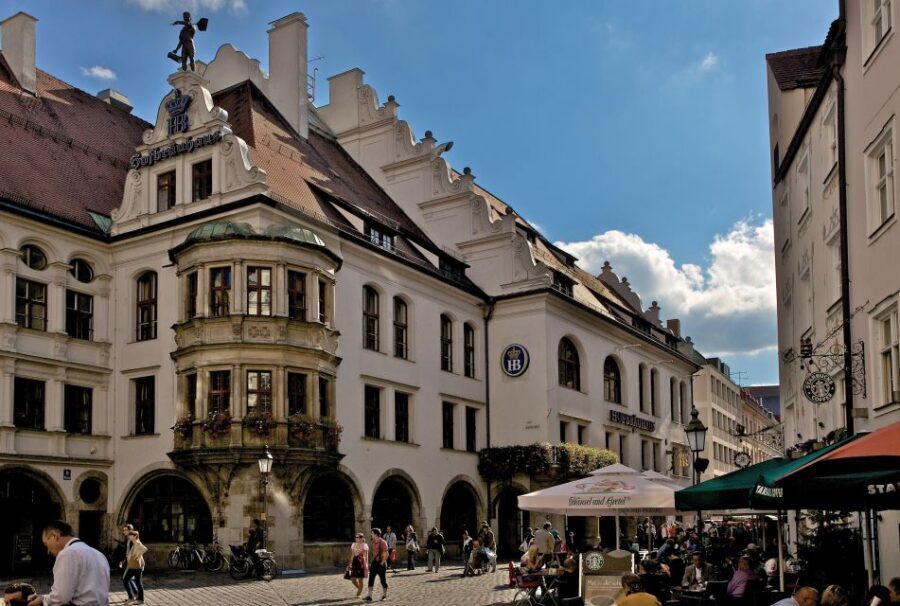
This is one of those tours where the value isn’t limited to what you see. You’re also leaving with a shortlist of places to eat and drink, plus advice on where to go for the kind of experience you want.
You’ll get insider tips for where to eat and drink beer, and the guide also helps connect those recommendations to what you’ve just learned on the walk. That way, you’re not just chasing “famous” spots—you’re choosing based on atmosphere and location.
A small but real benefit: when you land those recommendations on the same day, it saves time. Munich has plenty of options. Knowing where locals and seasoned visitors tend to go helps you avoid the trial-and-error stage.
If you’re a first-time visitor, I’d plan one meal or one beer stop soon after the tour while the route is still fresh in your head.
Group Size, Hearing, and Why Pace Matters in Busy Squares
This tour is designed for a small group, often 10–15 people, which should keep the experience personal. That said, group size can sometimes feel bigger depending on the day, and crowded centers like Marienplatz make it harder to hear if you’re not positioned well.
Here’s how to make it smoother for yourself:
- Choose a spot in the group where you can see the guide’s face
- Be ready to pause briefly when the group clusters around key points
- If you have to step back for photos, step in again quickly so you don’t miss the next explanation
The pacing is part of the appeal. Most people want an overview that feels manageable, and 2 hours hits that target without turning into a marathon.
Which Guide Style Fits You?
One nice thing about this tour experience is that different guides bring different energy. The names that show up in the broader experience include Leon, Sam, Thomas, Adrian, Sarah, and others—each remembered for being funny, friendly, and engaging in their own way.
So what should you expect from that mix?
- Some guides lean into humor and storytelling
- Some focus more on cultural norms and how locals think
- Some keep a steady rhythm that helps families and mixed-age groups
If you’re the type who asks questions, you’ll likely enjoy the guide’s willingness to answer and the quick way the tour turns into a conversation. If you prefer quieter sightseeing, the tour still works—you just want to stay near the front and follow along.
Price and Value: Is $27 Worth Two Hours in Central Munich?
At $27 per person for a 2-hour walking tour with a live guide, the value is mainly in two buckets: orientation and direction.
Orientation: you get a guided sense of where things sit around old central Munich—especially Marienplatz. Direction: you leave with advice on food and beer so you don’t waste your first evenings guessing.
This is the kind of spend that pays off indirectly. If one restaurant choice saves you an hour of searching, or if you avoid the wrong area for the vibe you want, the tour starts looking like a bargain.
Also, the tour doesn’t include food or drinks, which keeps costs predictable. You can choose your own stops afterward without feeling locked into a package.
Who Should Book This Tour (and Who Might Skip It)
This tour is a strong match for:
- First-time visitors who want a fast orientation
- People who like learning through street-level storytelling
- Munich fans who care about both the cute highlights and the tougher history context
- Anyone who wants practical food and beer guidance right away
You might skip it if you:
- Want a deep, museum-style dive (this is a walking overview)
- Plan to spend most of your day in a single neighborhood and don’t care about Marienplatz or central orientation
- Dislike walking in busy city centers, especially around major squares
Should You Book It? My Simple Recommendation
If you’re trying to decide whether this is worth your time, I’d say yes—especially if it’s near the start of your trip. The Marienplatz + Rathaus-Glockenspiel focus gives you a memorable anchor, and the beer/food tips help you turn that anchor into plans for later that day.
Just go with the right mindset: you’re buying orientation, context, and smart local suggestions in two hours, not a full day of detailed stops.
If you value clear guidance, the small-group feel, and an entertaining guide style (Leon, Sam, Thomas, Adrian, Sarah are all name-checked in this tour’s experience), you’ll likely come away feeling like Munich finally makes sense.
FAQ
How long is the Munich walking tour?
It lasts 2 hours.
How much does the tour cost?
The price is $27 per person.
Where does the tour start?
You meet at the operator’s office at Dachauer Straße 4, 80335 Munich.
Is the tour guided in English?
Yes, it has a live English guide.
Is food or drinks included?
No. The tour includes the walking tour and guide, but food and drinks are not included.
Is the tour wheelchair accessible?
Yes, it is wheelchair accessible.