REVIEW · MUNICH
Munich: Night Watchman Walking Tour
Book on GetYourGuide →Operated by Weis(s)er Stadtvogel GmbH · Bookable on GetYourGuide
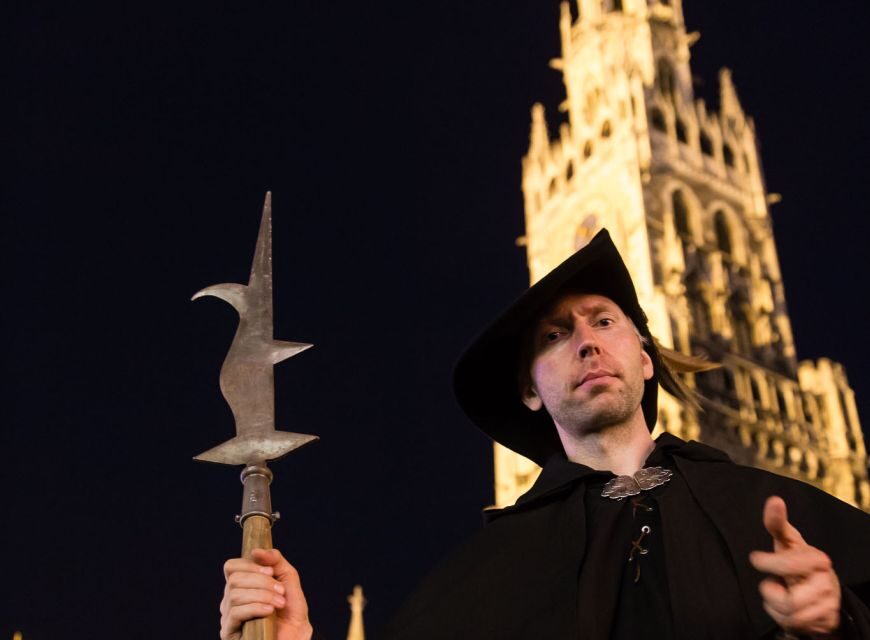
Lanterns, alleys, and old Munich at night. This tour turns the city’s famous squares and churches into a moody storybook, guided by a costumed night watchman who talks like he belongs to the streets. You’ll hear dark-city details you normally miss in daylight, from crooked tower angles to cemetery customs, with plenty of sharp, sometimes cheeky humor.
Two things I especially like: the after-hours setting (when Munich quiets down) and the way the guide connects landmarks to characters, punishments, patron saints, and everyday questions people still ask. One consideration: it’s only 1.5 hours, so the route packs a lot in fast, and there’s no food or drink service along the way.
In This Review
- Key points to know before you go
- A costumed night watchman who makes history talk
- The 1.5-hour route: what you’ll cover, and how fast it moves
- Marktplatz and St. Peter’s Church: the city’s crooked clues
- Salzstraße and the Altes Rathaus: when civic buildings complain
- From prisons and Louis II to the Alter Hof and Zwingerstock
- City walls and the westward stretch: Gruftgasse with Alois
- Schäfflergasse and medieval drinks: wine over beer
- Frauenkirche: epitaphs of fate and tower-top tragedy
- Promenadeplatz, palaces for a mistress, and city power plays
- Salvatorkirche, Theatinerkreuzgang, and the story of a long-awaited heir
- Price and value: $530 per group, up to 30 people
- Who this night watchman walk fits best
- Should you book the Munich Night Watchman Walking Tour?
- FAQ
- What is the duration of the Munich Night Watchman Walking Tour?
- Where does the tour take place?
- How much does the tour cost?
- Is the tour private, and can I book as a group?
- What languages are available?
- What’s included in the price?
- Is food or drink included?
- Is transport included?
- What’s the meeting point?
- Is the tour wheelchair accessible?
- What is the cancellation policy?
Key points to know before you go
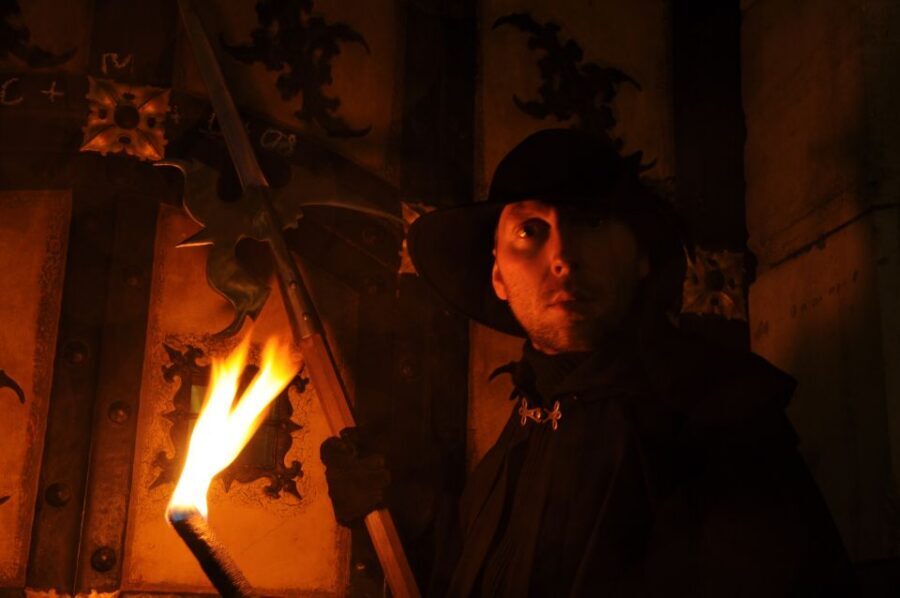
- A costumed guide brings old Munich’s rules of order to life, with lantern-and-all storytelling
- Small alleyways and side stops that you’d skip on a normal highlights walk
- Church towers with a reason: why St. Peter’s looks skewed and why the Frauenkirche’s towers matter
- Dark but guided details: prison and torture-chamber history, plus cemetery epitaphs and funeral customs
- Medieval drinking reality: why wine beat beer in parts of the city’s past
- A route built for night with a theme of law-abiding citizens after 21:00
A costumed night watchman who makes history talk
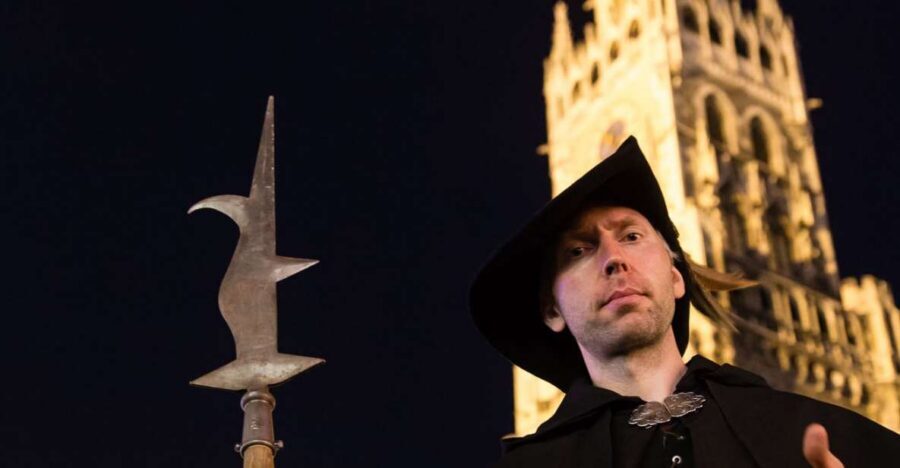
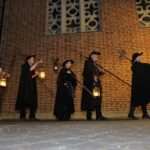
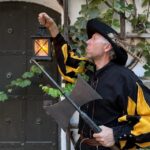
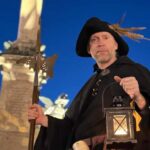
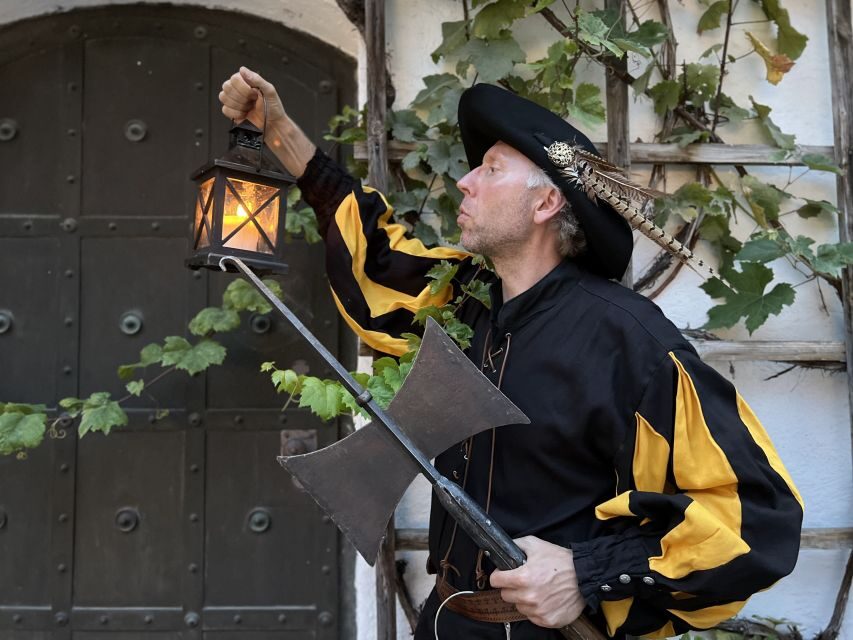
This is not a museum voice. The whole point is that your guide shows up as the person in charge of keeping order when everyone else sleeps. Expect a lantern-led walk through places you recognize, but interpreted through superstition, saints, rumors, and street-level “how things worked.”
The guide doesn’t just recite dates. He acts annoyed when people miss the patron saints of Munich, and he’s quick to steer the conversation back to lived belief—things like who was thought to protect people from sudden death. And yes, he answers questions with the kind of blunt humor Germans seem to love, including his straightforward take on why Munich has so many taps.
Other Munich city tours we've reviewed in Munich


The 1.5-hour route: what you’ll cover, and how fast it moves
You’ll cover a classic slice of Munich’s old core in about 90 minutes, from Marktplatz into churchyards and government buildings, then out toward the Frauenkirche area and back through older civic spaces. The tempo feels like a night patrol: stop, explain, react, move.
That speed is great if you like walking and listening. It can be less ideal if you prefer long photo stops. Also plan for the practical reality: no food or drinks are included, so if you need a snack, bring something simple or plan a meal before you meet the group.
Marktplatz and St. Peter’s Church: the city’s crooked clues
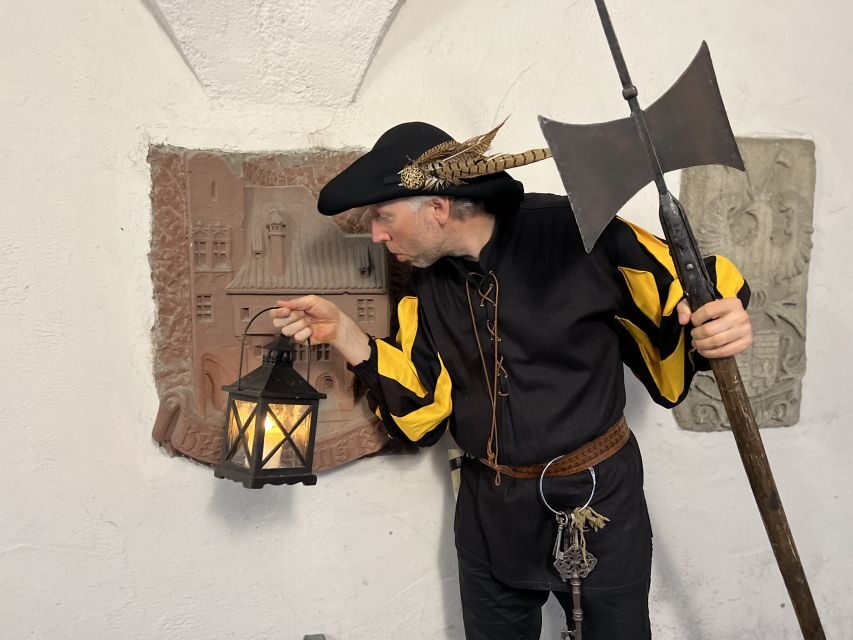
Your night begins around Marktplatz, where the watchman sets the tone. He plays the role of shepherding his flock, and the contrast is part of the charm: Munich’s public life calms down, and the streets feel like they belong to someone in authority.
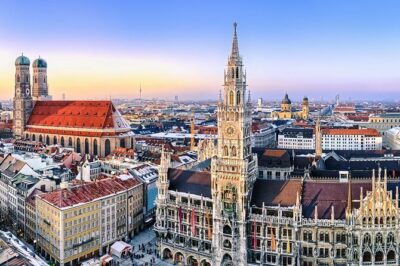
From there, you head to St. Peter’s Church, where one of the tour’s signature moments is the discussion of the tower tops and why they stand askew. It’s one of those details that makes a skyline feel personal, like the buildings have opinions. Instead of treating architecture like background, the guide turns it into a clue.
Then comes the old churchyard area. You’ll hear stories connected to the gravestones and epitaphs, including funeral customs and the kinds of words carved into stone. The tone can get grim—tales of decomposing corpses and missing church pews show up in the explanation—but the payoff is clarity: you understand what people believed and how they marked death when nobody had modern comfort systems.
Salzstraße and the Altes Rathaus: when civic buildings complain
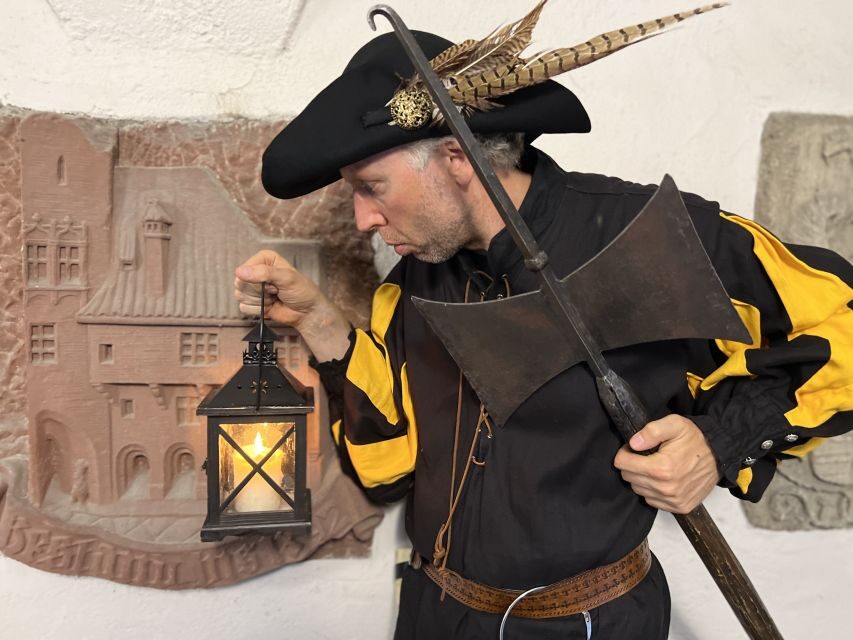
Next, you’ll reach the Altes Rathaus area on Salzstraße, where the tour gets theatrical in a different way. The old Stadttor is brought into the story, and you’ll hear how it reacts to its rebuilding in the 1970s—an odd detail, but a memorable one because it connects living memory to changes that still shape how the city looks today.
This stop also focuses on piety and skepticism at the same time. The watchman questions whether people are actually practicing what they claim to know, and he circles back to patron saints—Onuphrius and Henry the Lion are named as protectors against sudden death. It’s a nice reminder that medieval faith wasn’t only spiritual; it was also practical risk management.
If you like history that feels human, this part usually lands. You’re not just learning that officials existed. You’re seeing how people talked about safety, duty, and fear in the streets.
From prisons and Louis II to the Alter Hof and Zwingerstock
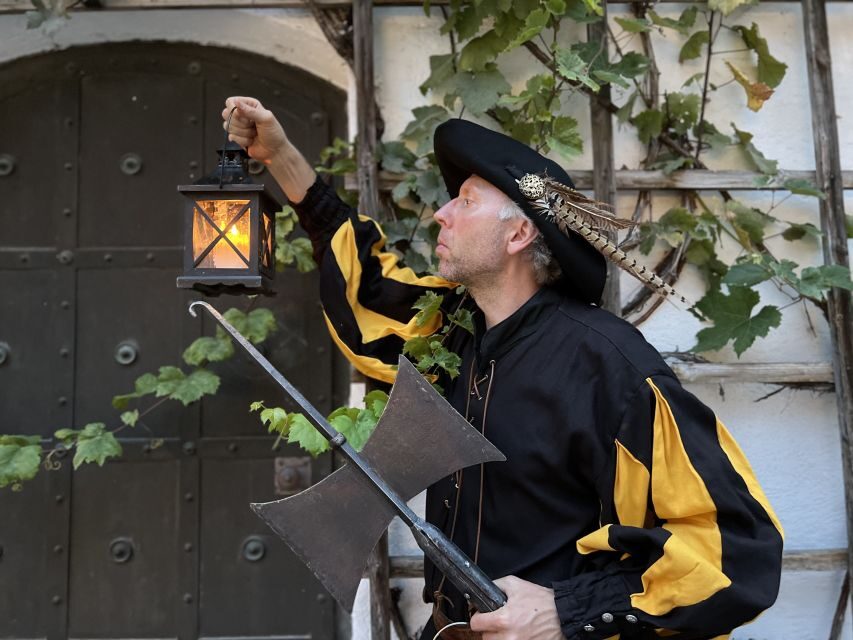
As you continue through the old-town core, you’ll pass areas tied to punishment, including a torture chamber and prison. The goal isn’t shock for shock’s sake. The guide uses these darker sites to explain how order was enforced, and why “security” was a very physical thing in earlier centuries.
After that, you’ll move toward the Alter Hof, associated with Louis II. Here, the story shifts to power—how Louis II was regarded as harsh, and how the Wittelsbach dynasty came to Munich. It’s one of the moments where the guide links big political changes to what everyday people experienced on the ground.
You’ll also hear where the term Zwingerstock comes from. That kind of street-level name origin is exactly why night walks work: you see a place, you hear why its name exists, and suddenly the city feels layered instead of just photographed.
Other Night Watchman tours we've reviewed in Munich

City walls and the westward stretch: Gruftgasse with Alois
This portion leans into old geography. You follow city walls dating back to the 12th century, and the walk connects Munich’s physical boundaries to the way people moved, lived, and hid. From there, the route heads west from Wasserburg, keeping the feeling of a patrol route rather than a sightseeing checklist.
At Gruftgasse, you’ll hear a spooky story told by Alois, including a tale about Waller in Walchensee. The plot includes a young woman and a golden ring. Even if you don’t take the story as literal history, it still teaches you something important: how legends attach themselves to specific lanes, and how people used narrative to make unfamiliar danger feel more explainable.
Schäfflergasse and medieval drinks: wine over beer
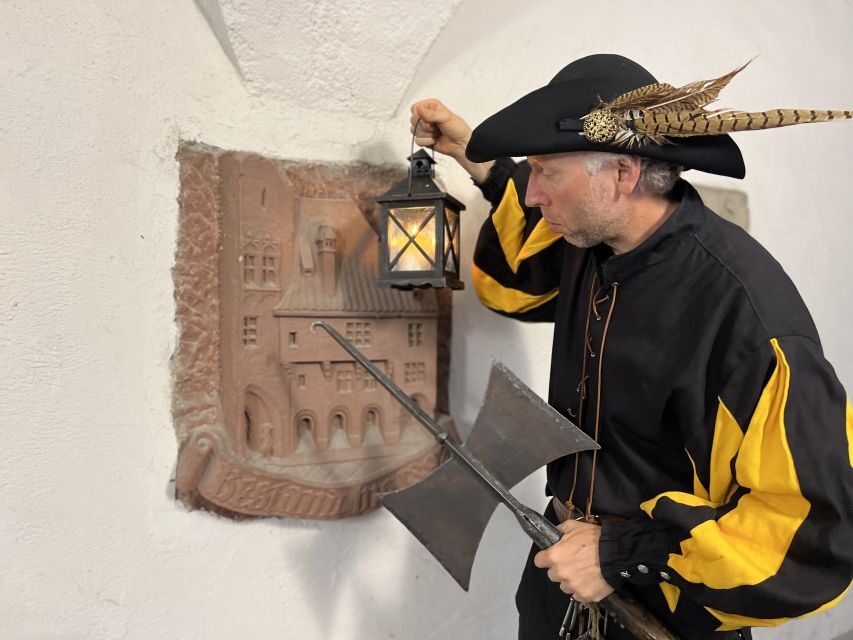
Next is Schäfflergasse, and this stop flips a common assumption. The guide explains why wine was the drink of choice in the Middle Ages, not beer. It’s the kind of detail that sticks because it challenges what you think you already know about German drinking culture.
This is also a good example of what makes the tour valuable beyond the scenery. Instead of repeating the standard beer story, the guide connects local customs to time period and context—why certain drinks mattered, and how city life worked before modern mass production and modern taste.
If you’re the type of person who enjoys small facts that feel real, this is where you’ll feel “oh, I didn’t know that.”
Frauenkirche: epitaphs of fate and tower-top tragedy
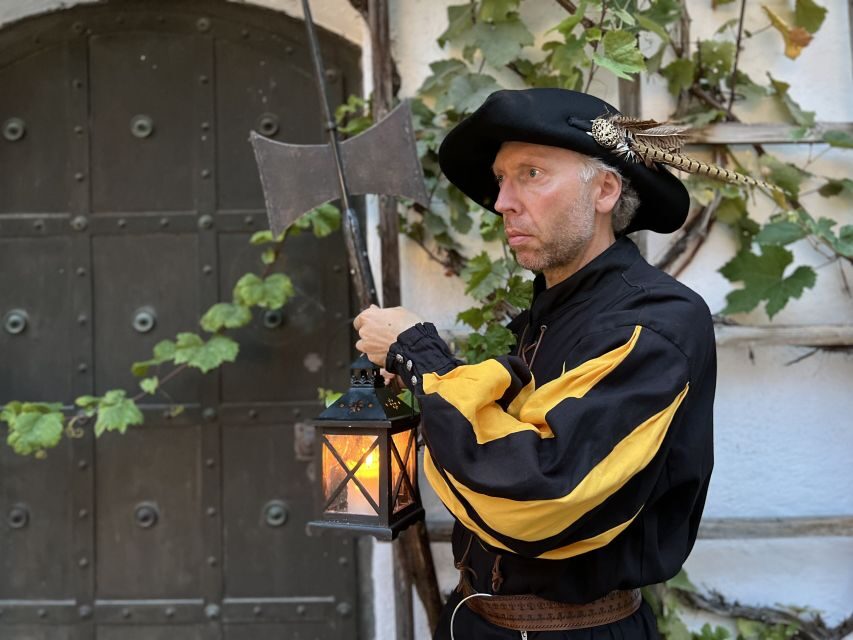
The walk reaches the cathedral area, and you’ll set your sights higher on the Frauenkirche and its two towers. The watchman ties the landmark to symbolic meaning, and then brings it down to specific human stories.
You’ll hear about a rich widow’s epitaph, and you’ll also get the darker legend connected to Fanny von Ickstatt and her unlucky fall from the north tower. Again, it’s easy to hear this as a ghost-story moment. But the better way to enjoy it is as a window into how fear, accident, and reputation were talked about publicly.
This stop works well if you like the mix of architecture and narrative. You get both: the look of the cathedral and the way people explained tragedy in earlier times.
Promenadeplatz, palaces for a mistress, and city power plays
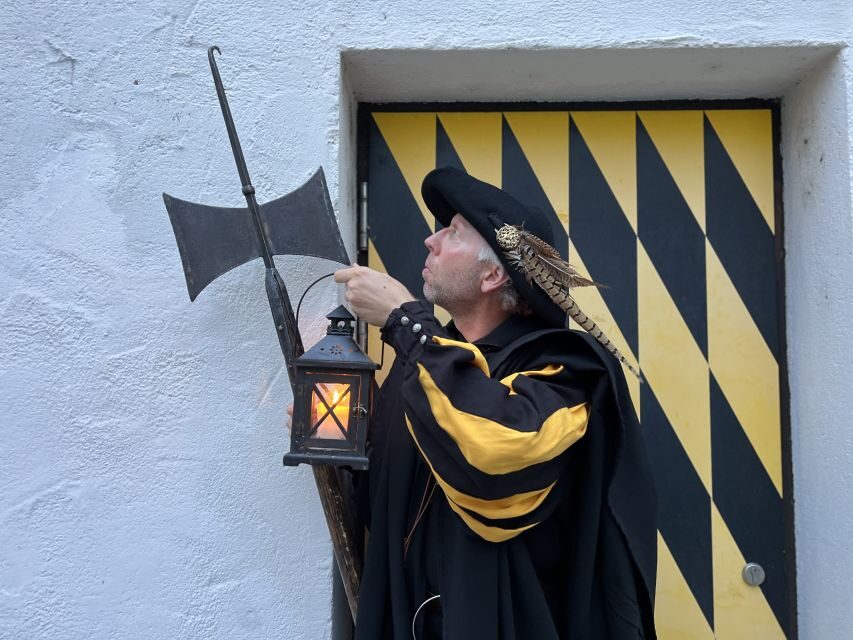
As the inner-city walk continues, you’ll reach Promenadeplatz and the old “Salzstadel.” The name itself hints at trade and storage, and the guide uses these older civic spaces to show Munich’s economic muscle behind the fancy facades.
You’ll pass Palais Porcia and Palais Holstein, then hear a story about Karl Albrecht and how he built palaces for his mistress. This is a great contrast to the earlier cemetery and prison tone. Power doesn’t only punish. Sometimes it also builds.
Even if you’re not into court drama, you’ll likely like how the guide frames these buildings as outcomes of choices people made. You stop thinking of palaces as static objects and start seeing them as social signals—who mattered, who was protected, and what a ruler was willing to spend.
Salvatorkirche, Theatinerkreuzgang, and the story of a long-awaited heir
The final stretch leans back into church stories, and it’s heavy in a fascinating way. At Salvatorkirche, you’ll hear about an enormous host desecration and how that kind of scandal shaped belief and fear in public life.
Then the tour moves to the Theatinerkreuzgang, where there’s a love story tied to Henriette Adelaide, consort of electoral prince Ferdinand Maria. You’ll hear that after 10 years, the long-sought heir was born—and that the Theatine Church was built after this turning point.
This stop gives you something many city tours skip: motivation. Instead of only describing art or architecture, you learn why a building was pursued. People weren’t constructing churches just because they could; they were trying to respond to life events, crisis, hope, and politics all at once.
Price and value: $530 per group, up to 30 people
The price is listed as $530 per group up to 30, with a 1.5-hour time window. That pricing can be a bargain if you’re booking with a full group of friends or family—at maximum capacity it can work out to roughly $17 per person. It’s also the kind of tour that can feel worth it because the format is private-group style and the guide is fully “in character,” not just delivering a standard audio-walk.
Where you need to be realistic: if you’re only two people, you won’t magically turn it into a cheap deal. In that case, think of it less as cost-per-hour and more as the price of a guided night performance plus an expert route through tight old streets.
Also note what’s not included: no food or drinks, and transport isn’t included. That’s not a deal-breaker, but it does mean you should plan your evening so you’re not hungry halfway through a 90-minute walk.
Who this night watchman walk fits best
This is perfect for you if you like history that’s told like a story, with specific places and concrete details. It’s also a smart pick if you’ve already seen the major Munich sights in daylight and want something that changes your relationship to the city—same streets, different mood.
It can be less ideal if you dislike darker topics. The tour includes prison and torture-chamber references, plus cemetery details. The tone isn’t endless doom, but it’s not a purely cheerful night out either.
Good to know: it’s wheelchair accessible, and the guide operates in German and English.
Should you book the Munich Night Watchman Walking Tour?
Yes, if you want a guided night walk that feels like you’re stepping into Munich’s older logic, not just collecting landmarks. The best reason to book is simple: the watchman connects alleys, churches, and civic buildings to stories you can’t get from a standard guidebook.
I’d pass if you want a long, slow sightseeing day or if you’re hoping for food included. With only 1.5 hours, treat this as an evening event—dress for nighttime walking, plan a drink or snack before or after, and come ready to listen as the city turns mysterious.
FAQ
What is the duration of the Munich Night Watchman Walking Tour?
The tour lasts 1.5 hours.
Where does the tour take place?
It takes place in Munich, in Bavaria, Germany.
How much does the tour cost?
The listed price is $530 per group up to 30.
Is the tour private, and can I book as a group?
Private group availability is offered.
What languages are available?
The tour guide is available in German and English.
What’s included in the price?
You get guidance from the night watchman in medieval garb.
Is food or drink included?
No, food and drinks are not included.
Is transport included?
No, transport is not included.
What’s the meeting point?
The meeting point may vary depending on the option booked.
Is the tour wheelchair accessible?
Yes, it’s listed as wheelchair accessible.
What is the cancellation policy?
Free cancellation is offered up to 24 hours in advance for a full refund.