REVIEW · MUNICH
Dachau Small-Group Half-Day Tour from Munich By Train
Book on Viator →Operated by In Their Shoes Dachau Memorial Tours · Bookable on Viator
Dachau makes history feel painfully close. This half-day trip is interesting because it runs on a clear plan: you’ll ride from Munich, step through key memorial areas, and get straight answers from a licensed guide about how the Nazi camp system worked and why Dachau became a model. Round-trip train travel and a fully licensed guide help you move efficiently and understand what you’re seeing, not just pass it by.
The biggest thing to know is that the subject is heavy, and the schedule is firm. If you like lingering and reading every label at your own pace, the guided pace may feel a touch tight.
In This Review
- Key highlights to look for
- Munich to Dachau: Train Logistics That Keep You From Waiting Around
- Your Five-Hour Dachau Plan: What You’ll Actually See and Learn
- The Big Landmarks: Jourhaus, Camp Phases, and Prisoner Categories
- Liberation, the Aftermath, and the Documentation Center Era
- Walking, Weather, and Emotional Reality: How to Prepare
- Price and Value: What You’re Getting for $60.46
- Who This Half-Day Trip Is Best For
- Should You Book This Dachau Tour From Munich?
- FAQ
- Where is the meeting point and when does the tour start?
- How long is the Dachau half-day tour?
- Is the tour offered in English?
- What transportation is included from Munich?
- Is admission included?
- Are food and drinks included?
- Are children allowed on the guided tour?
- How large is the group?
- Are service animals allowed?
- Can I cancel for free?
- Do I need ID for a youth price?
Key highlights to look for
- Round-trip public transport from Marienplatz: you’re not left to figure out rail timing and transfers
- A small group cap (20 people): easier to hear the guide and ask questions
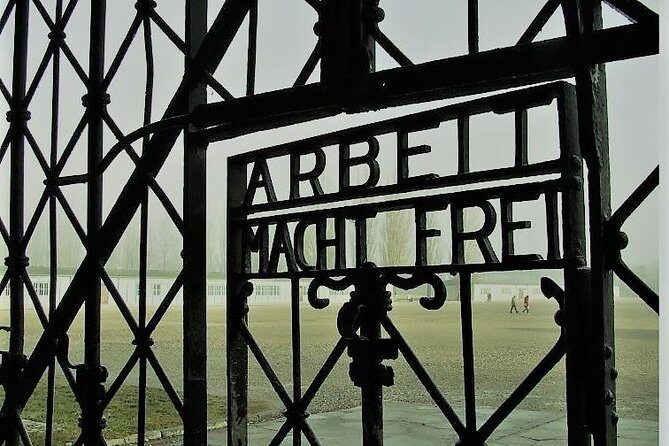
- Gatehouse details included: you’ll be shown the Jourhaus area with the Arbeit macht frei slogan
- The “how the system worked” lesson: camp phases, prisoner registration, and categories based on what they wore
- Focused time on major Dachau story beats: from Nazi rise to liberation and the later documentation era
- No food provided during the tour: plan snacks ahead so you’re not hungry in a serious setting
Munich to Dachau: Train Logistics That Keep You From Waiting Around
This tour is built around one simple idea: get you from Munich to Dachau fast, with less hassle. You meet at Marienplatz 15 and the tour starts at 9:00 am sharp, so treat 8:45 am as your real deadline. The group leaves right on time, and the tour doesn’t wait for late arrivals.
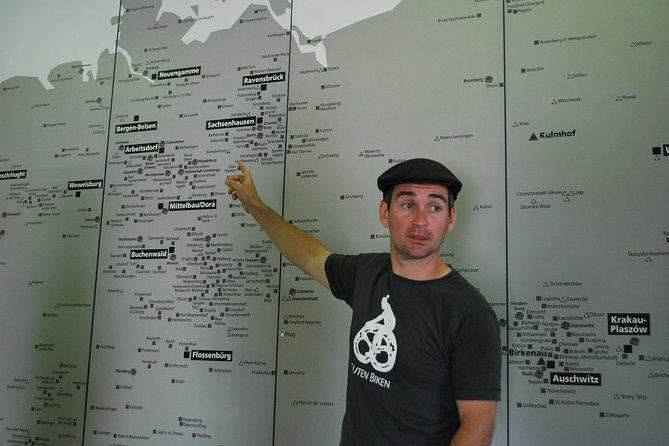
The route is mainly public transit: train from Munich to Dachau, then a bus leg to reach the memorial site, and the same process back. That sounds basic, but the difference here is that your guide manages the group flow. In past tours, guides like James have helped people minimize waiting by knowing which side of the platform to use and how to time the next connection. Even during short gaps, the guide tends to use the moments well, adding context about the Nazi era rather than leaving you standing around.
You’ll also get a mobile ticket, and you should receive confirmation at booking. The tour is offered in English and runs about five hours total, which is a good length for a concentrated visit when you want education without turning the day into a full marathon.
Practical tip: wear shoes you can walk in comfortably on gravel and cement. The memorial grounds are a place where your feet matter, because you’ll spend a lot of time moving between outdoor areas and indoor spaces.
Other Dachau Memorial tours we've reviewed in Munich
Your Five-Hour Dachau Plan: What You’ll Actually See and Learn
This isn’t a long, slow museum wander. It’s a guided walk-and-lesson that covers everything accessible to the public, with a tight focus on the big storyline of Dachau and the broader camp system.
You start at the memorial site and the guide leads you through key themes, including:
- The rise of Adolph Hitler and the Nazi Party through the 1920s up to his appointment as Chancellor in 1933
- The events around the burning of the Reichstag and how that climate helped drive the formation of concentration camps
- Why Dachau became a model for other camps
- Three major phases of the camp system, so you understand it changed over time instead of staying frozen
- The SS presence, including an SS training facility topic that shows the camp as an organized system, not just a chaotic warehouse
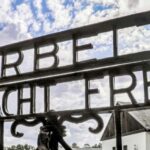
- The Jourhaus (main gatehouse) area and the infamous Arbeit macht frei slogan
- Liberation in 1945 and what happened right after
- What Dachau looked like after the war, including the stretch from 1945 to the Documentation center opening in 1965
- A close look at how the Nazis expanded the larger machinery: the concentration camp system, ghettos, and extermination camps
- Prisoner registration and the categories of prisoners, including how groups were distinguished
- Kristallnacht in 1938, including the pogrom against Jews and the resulting major influx of Jewish prisoners into Dachau
That list is intense because it’s meant to answer the question people often leave with: not just what happened at Dachau, but how a system like this could be built and scaled. The best value of a guided format here is that you’re not left guessing what each building, path, or marker means. The guide helps connect the dots.
Where you may notice the structure: one review comment flagged that the pace can leave you with less time to read inside museum spaces. That’s the tradeoff of a half-day plan. If reading is your thing, you might want to leave room later in the trip for independent time, even if it’s just a shorter follow-up stop.
The Big Landmarks: Jourhaus, Camp Phases, and Prisoner Categories
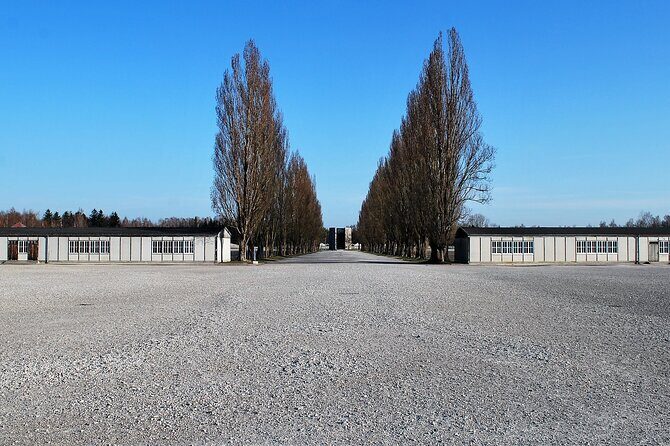
Dachau is full of locations that can feel similar when you first arrive. The guide’s job is to stop you from turning the place into a blur.
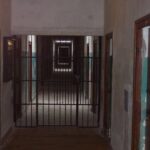
A highlight is the Jourhaus / main gatehouse area. Your tour includes the section with the slogan Arbeit macht frei, and the guide uses it as a starting point to explain the cruelty built into Nazi messaging and control. Standing there is one thing. Understanding the role of propaganda and forced labor as part of the camp system is another.
You’ll also get the story of the camp through three major phases, which matters because it shows the Nazi camp system didn’t just happen one way. The rules, purpose, and structure shifted over time. That framing helps you make sense of what you’re seeing, instead of treating each part as disconnected.
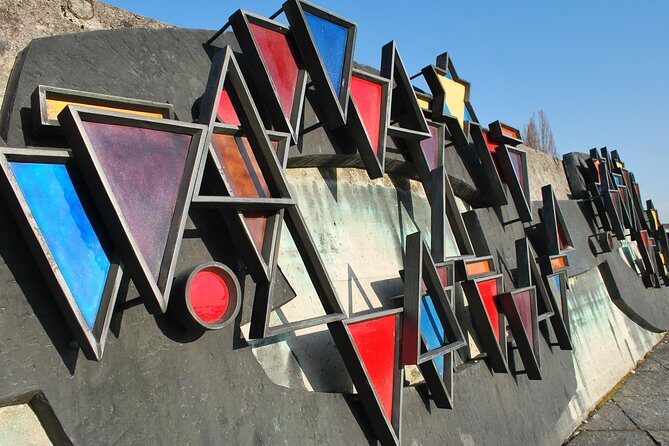
One of the most sobering elements is prisoner registration and the categories. The tour includes how the prisoners were classified and the way those categories were signaled, including the note about star colors used on uniforms. When you hear how people were sorted and labeled, the camp stops being just a physical place and becomes a bureaucratic machine.
This is also where the small-group size helps. With up to 20 people, the guide can keep a close watch on what the group is absorbing, and you’re more likely to hear explanations clearly rather than getting swallowed by crowd noise.
Liberation, the Aftermath, and the Documentation Center Era
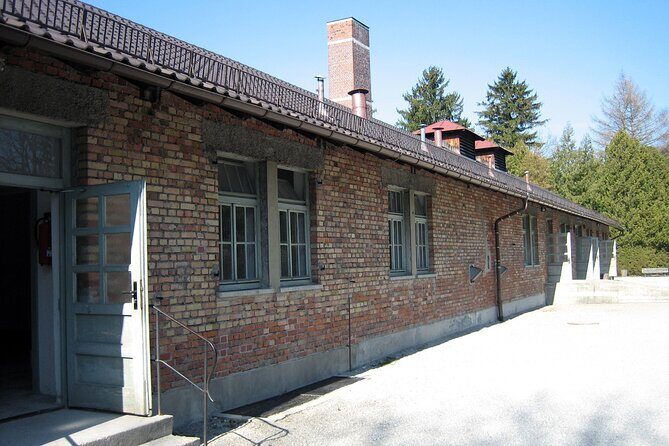
A lot of visits focus on the camp while the horror was happening. This tour also goes beyond that, which is important if you want a fuller picture of what Dachau meant after the war.
Your guide covers liberation in 1945 and the aftermath, then moves into what happened later, including the years leading up to the unveiling of the Documentation center in 1965. That timeline matters because it shows how the world came to understand, record, and present what occurred, long after the last prisoner was freed.
This later context can hit hard because it connects the physical site to memory and responsibility. You’re not just looking at remnants. You’re witnessing a place that was turned into a memorial and a teaching tool, meant to prevent forgetting.
If you’re hoping for a tour that only catalogs buildings and dates, this one may feel too “story driven.” If you want meaning and explanation, you’ll likely find the structure helpful.
Walking, Weather, and Emotional Reality: How to Prepare
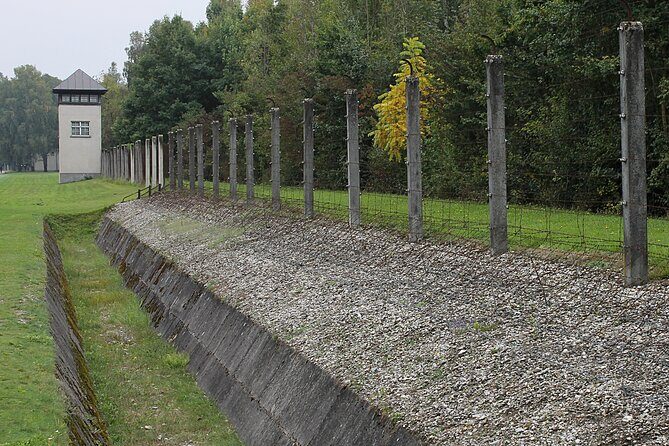
This is not a casual sightseeing day. The memorial experience is somber and can feel intense from the moment you enter the gate area. That emotional weight is real, and it’s also part of why you should plan your day with care.
Here’s how to set yourself up:
- Dress for weather: you’ll be mixing indoors and out, so check conditions before you go
- Bring comfortable walking shoes: the grounds involve walking on gravel and cement
- Plan snacks: food and drinks are not available during the tour
- Give yourself arrival time: arrive 15 minutes early, and do not count on late arrivals being accommodated
One important rule: the memorial site will not allow children under 14 to join guided tours. That’s not about comfort. It’s about the seriousness of the site and how it’s structured for guided education.
Pacing note: the schedule is designed to keep you seeing key areas without long idle time. One review also mentioned the guide adjusted the route to avoid the most crowded spots on the fly. That’s a real benefit in a place where crowds can make it harder to think and reflect.
If you’re the type who needs a lot of silence to process, you may find it helpful to expect guided talking for most of the visit, with brief moments for you to reset during the flow.
Other Munich city tours we've reviewed in Munich





Price and Value: What You’re Getting for $60.46
At $60.46 per person, this tour can feel like a “pay for the guide” situation, and that’s exactly what it is. Here’s why the math often works out in your favor:
- You get a fully licensed professional guide
- You get public transport costs to and from the memorial site included
- The tour format includes the core admission detail as free
- You’re in a small group with a hard start time, which usually reduces wasted transit energy
Your main out-of-pocket aside from the tour is simple: food and drinks. Since refreshments and snacks are not provided, you’ll want to buy something before you set out, likely around the meeting area.
So is it good value? If you were to independently train to Dachau, figure out the bus timing, and still try to make sense of the Nazi camp system on your own, you’d spend more time and still miss the “how it works” explanations. The paid portion buys you structured context, smoother logistics, and a guide who keeps the group on track.
Also, the operator is In Their Shoes Dachau Memorial Tours, and the tour is rated highly, with an overall rating of 4.9 and 811 ratings provided. Ratings aren’t everything, but when the content is difficult, they’re usually a sign that the guide handling and pacing are taken seriously.
Who This Half-Day Trip Is Best For
This tour makes the most sense if you:
- Want a guided, structured way to understand Dachau without turning it into a full-day project
- Appreciate explanations about Nazi rise, concentration camp mechanics, and the broader system beyond Dachau alone
- Prefer small-group format when the topic is emotionally heavy and you want to hear clearly
It may be less ideal if you:
- Want to spend most of the time reading every exhibit label at your own pace
- Are traveling with younger children, since guided tours are restricted to 14+
Should You Book This Dachau Tour From Munich?
Book it if you want a well-timed, guide-led visit that connects locations to meaning. The combination of round-trip train, an on-the-ground licensed guide, and focused coverage of the camp story saves you from turning the visit into a scavenger hunt.
Skip or rethink if you’re hoping for a relaxed, quiet walk where you control every minute. The schedule is firm, the content is intense, and the tour isn’t designed for long solo reading breaks.
If you’re ready to learn while staying respectful of the site, this is a strong choice for your Munich plan.
FAQ
Where is the meeting point and when does the tour start?
You meet at Marienplatz 15, 80331 München, Germany. The tour starts at 9:00 am and you should arrive by 8:45 am for check-in.
How long is the Dachau half-day tour?
The duration is about 5 hours.
Is the tour offered in English?
Yes, the tour is offered in English.
What transportation is included from Munich?
The price includes public transport costs to and from Dachau, starting from Marienplatz.
Is admission included?
The tour details list admission ticket as free.
Are food and drinks included?
No. Food and drinks are not available during the tour, so you’ll need to plan snacks ahead.
Are children allowed on the guided tour?
The memorial site will not allow children under 14 to join guided tours.
How large is the group?
The tour has a maximum of 20 travelers.
Are service animals allowed?
Yes, service animals are allowed.
Can I cancel for free?
Yes. You can cancel for a full refund up to 24 hours in advance of the experience start time.
Do I need ID for a youth price?
Students can select a youth price category, but you must present a valid ID card on the day of the tour.
If you’d like, tell me your travel dates and whether you prefer more reading time or more guided context, and I’ll help you judge if this half-day structure fits your style.