REVIEW · MUNICH
Munich World War II Sites Including Dachau Concentration Camp
Book on Viator →Operated by Radius Tours GmbH · Bookable on Viator
Munich WWII history hits harder when you see it in person. This day pairs the Dachau Concentration Camp Memorial Site with a Third Reich walking tour through central Munich sites tied to Hitler’s rise and the Nazi regime. It’s structured, guided, and paced to help you connect buildings and events instead of just collecting facts.
I especially like how the Dachau portion is built around specific areas—cell blocks, the crematorium, and the administration area—so you understand what you’re looking at. I also love the Munich walk for its stop-and-say-what-it-meant approach, with places like the former Gestapo headquarters and the Beer Hall Putsch site in 1923 getting context. One drawback: it’s a long, physically demanding day with lots of outdoor standing and walking, and the subject matter is heavy.
In This Review
- Key highlights to clock fast
- A tough-but-clear two-part day: Dachau then the Third Reich walk
- Starting point and transport rhythms from central Munich
- Dachau Concentration Camp Memorial Site: what you’ll actually see
- How to pace yourself in a place like this
- Munich’s Third Reich walk: Hitler, the Gestapo, and the 1923 Putsch
- What you’ll learn beyond dates on a timeline
- Time on your feet: how long, how hard, and what to bring
- Guides and tone: respectful instruction with room for questions
- Price and value: why $105.21 can be a smart deal
- Who should book this tour (and who might want a different approach)
- Should you book this Munich WWII and Dachau tour?
- FAQ
- What’s the minimum age for this tour?
- How long is the experience, and what time does it start?
- Is food included?
- What’s included in the Dachau part?
- What does the Munich portion cover?
- How do you get to and from Dachau?
Key highlights to clock fast
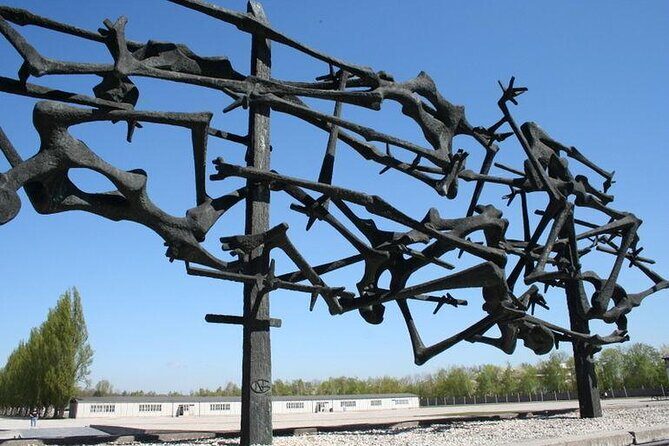
- Guided Dachau visit with a museum-style approach: photographs, documents, reconstructed cell blocks, and the crematorium area
- Third Reich walking tour in central Munich, focused on key locations tied to Nazi power and propaganda
- Train-and-bus logistics included between Munich and Dachau, so you don’t have to plan the route
- Small group size (max 25) for tighter pacing and easier question time
- English-language guiding with guides noted for handling a somber topic respectfully
A tough-but-clear two-part day: Dachau then the Third Reich walk
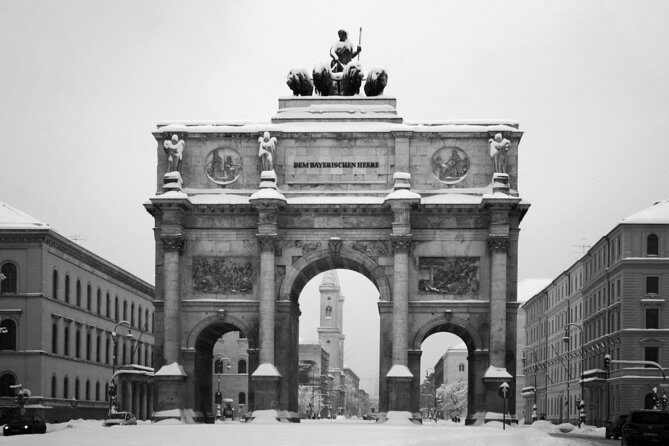
This tour is designed as a full-day history lesson with two different tones. First comes Dachau, where the focus is on the reality of the camp system during the Holocaust era. Then you shift into Munich’s city center for a guided walk through buildings and squares tied to the rise of Nazi power—so the story stops feeling abstract.
The total day runs about 8.5 hours, starting at 9:00 am. Expect time on your feet for both segments, plus a break between them. Guides often manage the pace so you can absorb what’s being explained without losing the group—important when you’re moving through memorial spaces and then back into a busy old town.
One practical consideration: this is not a light sightseeing day. You’ll stand, walk, and read signage while learning how the Third Reich functioned socially and politically. If you’re the type who needs long “wander time” in museums, you may feel Dachau is a bit fast; the upside is you still leave with a guided framework instead of a blur of exhibits.
Other Dachau Memorial tours we've reviewed in Munich
Starting point and transport rhythms from central Munich
You begin at Radius Tours, Dachauer Str. 4, 80335 München, and the day is run like a coordinated group outing. You’ll have a mobile ticket, and the tour is offered in English. There’s also an age rule: the experience is open to ages 13 and older, with proof required if you’re under 18.
Between Munich and Dachau, you travel as a group using public transportation—specifically a train ride and then a city bus segment. The transport is handled for you (so you’re not figuring out trains and stops), and the guides are also there to keep the group together.
In practice, this public-transport setup has two sides. The good side is that it keeps the overall tour costs down, and you get a real “how people actually move around” experience in and out of the city. The less-fun side is that buses can get crowded, which can slow you down a touch. Pack patience.
Dachau Concentration Camp Memorial Site: what you’ll actually see
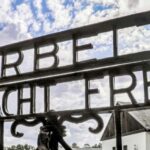
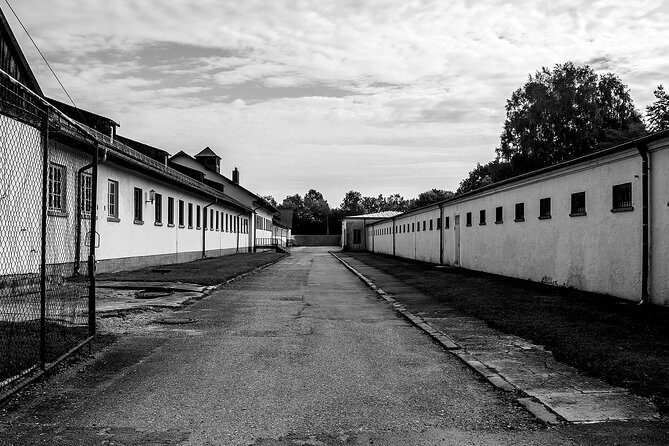
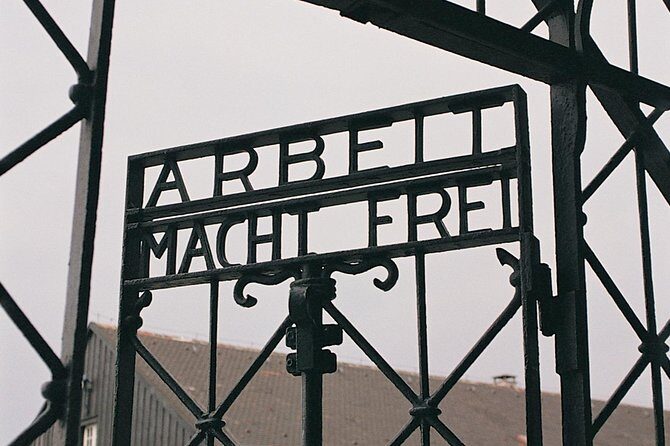
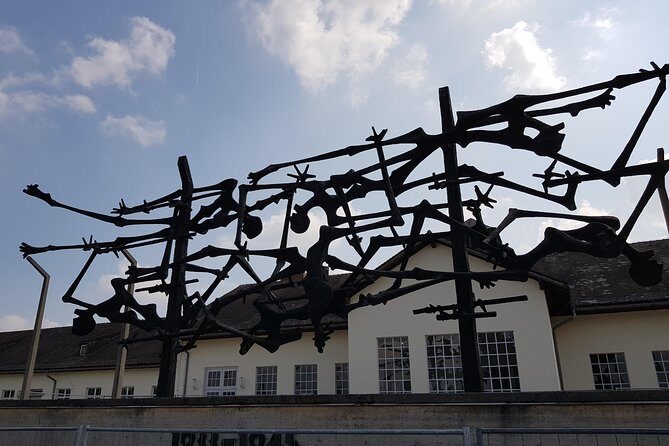
Dachau is approached like a guided memorial route, not a quick drive-by. You’ll visit the Dachau Concentration Camp Memorial Site, recognized as the first Nazi concentration camp in Germany during the Holocaust, and noted as a model for later camps.
Your time there covers multiple parts of the site and museum experience, including:
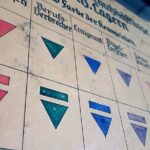
- Photographs and documents that explain the camp’s function and historical context
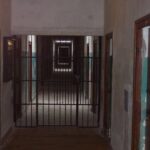
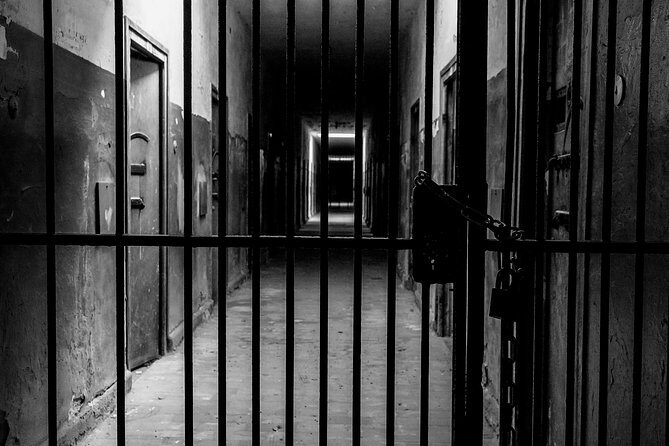
- Reconstructed cell blocks, helping you visualize detention conditions
- The crematorium area
- The administration headquarters where camp management took shape
This matters because Dachau isn’t just one room or one story. It’s a system—one that involved incarceration, control, and mass murder. A guided format helps you connect what you see to what it meant, instead of getting lost in names and dates.
There’s also a focus on specific, harder details tied to the site, including the role of Heinrich Himmler in relation to the camp’s early leadership. That kind of topic can feel blunt, but it’s exactly what helps the memorial work as education rather than just remembrance.
How to pace yourself in a place like this
Even when guides do a great job, Dachau can feel emotionally intense. Plan to:
- Wear shoes you can stand in for a while
- Keep water on hand, especially if you’ll be outdoors between indoor segments
- Give yourself permission to slow down at moments that feel overwhelming
It’s worth noting that the site is not designed for “tourist photos first.” You’re there to learn and reflect, and guides generally keep the tone respectful and appropriate. Some guides also encourage questions, which I think is a smart way to make the information land instead of scatter.
Munich’s Third Reich walk: Hitler, the Gestapo, and the 1923 Putsch
After Dachau, you’ll have a short break and then meet your group for the Munich walking tour. This portion is centered on the rise and fall of Adolf Hitler and Nazi Germany’s Third Reich, using major locations in the city center as your classroom.
The stops are chosen to show how Nazi power wasn’t only about rallies—it was also about institutions and public narrative. Expect key references such as:
- The building where Hitler first joined the Nazi party
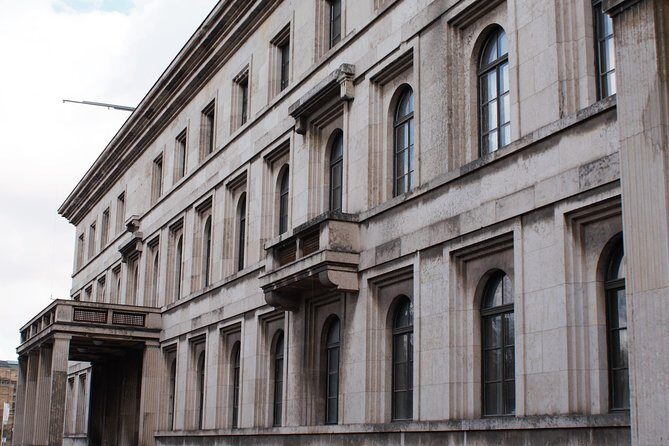
- The former Gestapo headquarters, tied to the regime’s secret police machinery
- The place where the Beer Hall Putsch took place in 1923
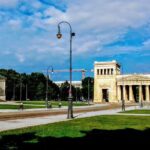
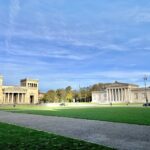
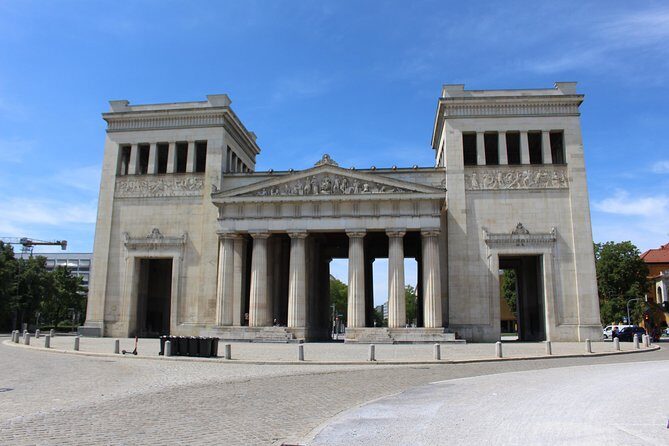
You also spend time around Königsplatz, described as famous marching grounds of the Nazi Party. That setting is important because it shows how public space was used for intimidation, ceremony, and political theater.
Other Munich city tours we've reviewed in Munich



What you’ll learn beyond dates on a timeline
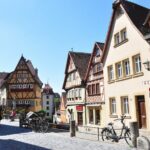
What makes this walk valuable is that it ties events to places you can still see. The Third Reich is often taught as a sequence of political moves. On this tour, those moves are anchored to the city’s geography—so you start seeing patterns, like how propaganda and fear worked together.
This is also where guide style really matters. Some guides lean into storytelling and explanation, keeping you engaged even when the topic is dark. Others focus on facts and careful descriptions. Either way, the goal is the same: to help you understand how the regime formed and why it spread.
Time on your feet: how long, how hard, and what to bring
This is a “whole-day mode” tour. People consistently point out that it runs long and includes substantial walking, so it’s not the best pick if you want to stack another big activity the same evening.
You’ll also be outside much of the day, which means weather matters. One day you might need layers for cold air; another day you may want sun protection. Because the schedule includes breaks and bathroom pauses during transportation, you can manage it without stress—but you still need to dress for standing.
Here are my practical packing tips for this exact kind of outing:
- A light day pack with water and a snack
- A layer you can keep on during cooler stretches
- Closed-toe shoes with good grip
- A hat or sunglasses if it’s bright
- Something to help you manage hearing in busy areas, since city noise and echoes can make it harder to catch every word in outdoor spaces
And if the group pace ever feels like a lot, your guide will typically handle regrouping so you don’t fall behind. Still, choose your comfort level honestly—this is not a “sit every few minutes” itinerary.
Guides and tone: respectful instruction with room for questions
A huge part of whether this tour works for you is the guide. Names mentioned across guide pairings include Keith, Jake, Emmett, Ian, Josh, Achim, Hein, Scott, Connie, Nick, Sam, Mark Pearson, and Richard. Different guides bring different delivery styles, but the common thread is respectful handling of a very painful historical subject.
I like that some guides bring seriousness while still keeping the group engaged—sometimes with a careful sense of humor when it fits the context. That balance matters because the material is heavy. A guide who explains well without turning it into a lecture makes the experience easier to follow.
At the same time, there are valid considerations. Some people have felt the day can be information-heavy, and in one case the issue was that certain city stops were hard to hear due to ambient noise. If you know you struggle with audio outdoors, bring earplugs. It’s a small move that can make a noticeable difference.
Price and value: why $105.21 can be a smart deal
The price is $105.21 per person, and the value comes from what’s included. You’re not just buying a bus ticket and a meetup. You’re getting:
- A full guided experience at the Dachau memorial
- A Munich old-town Third Reich walking tour
- Local guiding for both parts
- Group transportation support between Munich and Dachau (train + bus segments)
Not included are food and drinks, and there’s no hotel pickup/drop-off. That’s normal for this kind of structured day, but it does mean you should plan where you’ll eat during the break.
Here’s how I’d think about value: if you try to plan Dachau on your own and then also plan a focused Nazi-era walking route, you’ll spend time and energy—and you might miss the cause-and-effect explanations that make the day coherent. Paying for guided structure is often worth it on emotionally demanding tours, where the goal isn’t “more information,” but the right information in the right order.
This is also why the small group limit (up to 25) matters. It’s easier for guides to manage pacing and answer questions without turning the tour into a crowded stampede.
Who should book this tour (and who might want a different approach)
This is a strong match for:
- First-time visitors to Munich who want major WWII and Holocaust learning in one day
- People who prefer a guided outline over self-guided wandering
- Travelers who want Nazi-era Munich explained through specific locations, not just broad history
It may be less ideal if:
- You want a longer, slower visit time at the memorial and lots of independent reading
- You feel overwhelmed by large amounts of information in a short period
- You’re shopping for a casual half-day city stroll—this is a marathon with a serious theme
Also remember: the tour is open only to ages 13 and older. If you’re traveling with younger kids, this won’t work as written.
Should you book this Munich WWII and Dachau tour?
I’d book it if your priority is clarity and context. The biggest strength here is the way the day links Dachau’s camp reality with Munich’s Nazi-era buildings and events, so you leave with a more connected understanding of how the regime took hold and what it did.
I’d pause before booking if you know you need lots of quiet reading time at Dachau or you dislike long walking days. In that case, a separate memorial-focused visit might suit you better.
One final practical note: the tour offers free cancellation up to 24 hours before the start time, which makes it easier to adjust if your Munich plans shift.
If you want a guided day that balances structure, respect, and the most important sites, this Munich WWII + Dachau pairing is a solid pick.
FAQ
What’s the minimum age for this tour?
The tour is open to visitors aged 13 and older. Proof is required for those under 13, and they are not permitted to attend.
How long is the experience, and what time does it start?
The tour lasts about 8 hours 30 minutes and starts at 9:00 am.
Is food included?
No. Food and drinks are not included. The day includes a break, but you’ll need to plan your own meal.
What’s included in the Dachau part?
You get a full guided visit to the Dachau Concentration Camp Memorial Site, including access to areas such as the cell blocks, crematorium, and administration headquarters, plus a museum-style look at photographs and documents.
What does the Munich portion cover?
The Munich walk focuses on Third Reich sites in central Munich, including the building connected to Hitler joining the Nazi party, the former Gestapo headquarters, and the location of the Beer Hall Putsch in 1923. It also includes time at Königsplatz.
How do you get to and from Dachau?
The group uses public transportation, including a train ride from Munich to the Dachau area and a city bus segment. The transport is organized for the group by the tour operator.