REVIEW · MUNICH
Full-Day Dachau Concentration Camp Memorial Site Tour from Munich
Book on Viator →Operated by InMunich Tours · Bookable on Viator
Dachau hits hard, even on day one.
This full-day tour from Munich is built around guided context at the Dachau Concentration Camp Memorial Site, so you’re not left trying to connect the dots yourself. I like that the tour is organized as a route through the camp’s key areas, with a guide walking you through how Dachau operated and how it fit into the Nazi regime’s rise and fall. You may even hear details shaped by guides like Aileen, Adam, or Keith, depending on who you get.
What I especially like is the round-trip public-transport transfer from central Munich (Marienplatz) and the way the guide keeps the story clear while you’re standing in front of the buildings and memorials. Another strong point: the trip follows the prisoners’ path in part—starting with the station they arrived at before forced marches—so you get a physical sense of how the camp worked. The one thing to think about is the pacing: the camp visit is four hours total, and if you prefer lots of quiet time to read every exhibit at your own speed, you might wish you had more unstructured time.
In This Review
- Key Things That Make This Tour Worth It
- From Marienplatz to Dachau: how the 6-hour plan works
- Why you’ll want a guide at Dachau (even if you can read signs)
- The route from Munich: Bahnhof Dachau and the forced-march bus ride
- Jourhaus, Appellplatz, and the museum buildings: where the story starts inside the gate
- Barracks, routines, and Barrack X: learning how control worked day to day
- The crematoriums, mass graves, and the gas chamber: the hardest segments
- Food, timing, and the one thing you might miss: quiet reading time
- Price and value: is $48.98 worth a guided Dachau day?
- Who this tour suits best (and who should reconsider)
- Should you book this Dachau Memorial Site tour from Munich?
- FAQ
- How long is the Dachau tour from Munich?
- Where do I meet the tour in Munich?
- Is the tour in English?
- What’s included in the price?
- Do I need to bring food?
- Are children allowed?
- What about weather and cancellation?
Key Things That Make This Tour Worth It
- Marienplatz start with a real meeting plan: Meet at Marienplatz 11 by Ludwig Beck, with your guide holding a white and blue umbrella.
- A route that echoes what prisoners experienced: Train to Bahnhof Dachau, then a bus that follows the march route.
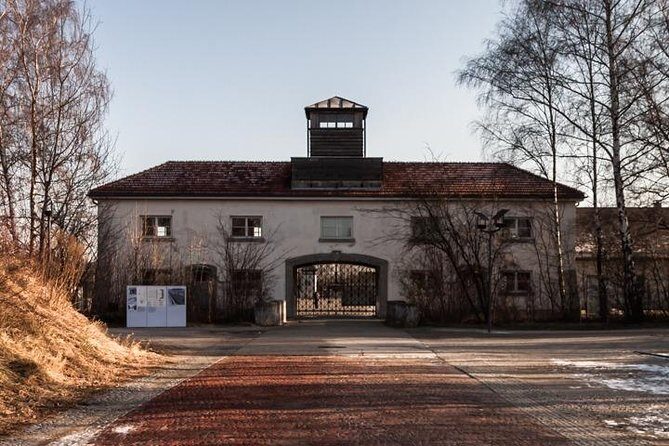
- A guided walkthrough of the camp’s main areas: Jourhaus, Appellplatz, Barrack X, crematorium sites, and more.
- A guide’s job is context, not just facts: You’ll get explanations on registration, categorization, and treatment of prisoners.
- Small groups (up to 30): Easier to stay together during transitions on trains and buses.
- Admission is free for the tour: You’re paying for the guide and the transport plan, not ticket fees.
From Marienplatz to Dachau: how the 6-hour plan works
This is a Munich-to-Dachau day trip that runs about six hours, with the tour meeting in the city center. You start at Marienplatz 11 (in front of Ludwig Beck), and you’ll spot the guide by a white and blue umbrella. The tour uses a mobile ticket, so you won’t need to fuss with paper printouts.
The group stays guided from start to finish. That matters because you’ll be moving between transport points, then stepping into a site that’s large and emotionally intense. The guide’s job isn’t just to point out buildings—it’s to help you understand what you’re seeing while you’re there.
One more practical note: the day is described as operating in all weather conditions, so dress for cold or rain if that’s your season. You’ll do walking on-site, and the tour expects at least moderate physical fitness.
Other Dachau Memorial tours we've reviewed in Munich
Why you’ll want a guide at Dachau (even if you can read signs)
Dachau is the kind of place where the details can feel overwhelming fast. A self-guided visit is possible, but this is one of those destinations where a good guide changes the experience from confusion to understanding.
On this tour, you get more than a general overview. Your guide explains why the camp opened, who the first prisoners were, and how Dachau developed over time—including SS training facilities and how prisoners were processed through registration and categorization. That kind of framing helps you connect the memorial areas you’re standing in, instead of treating them like separate stops.
This also came through in guide feedback. People repeatedly praised guides like Adam, Marcin, Tom, Sam, Scott, and Hein for balancing facts with sensitivity—keeping the information grounded and respectful. I think that balance is key here. Dachau is not a place for casual humor or sightseeing mode, but a guide can still keep you oriented, answer questions, and pace the group so you don’t miss major parts.
The route from Munich: Bahnhof Dachau and the forced-march bus ride
A smart part of this tour is how it begins before you even reach the memorial. First, you travel by train from Munich. Then you switch to a bus at Bahnhof Dachau.
The tour description specifically notes that Bahnhof Dachau is the station where many prisoners arrived before being marched to the camp. Then the bus route follows that same kind of path through the area connected with the forced marches. Even without imagining every detail, it changes your mental picture—because you feel how the camp’s system extended outward, not just inside the fence.
Logistically, this transfer is also handled with you staying with the group. There’s no free-for-all hunt for the next bus. You’ll also have less stress trying to navigate the transit system while you’re already in a heavy headspace.
Jourhaus, Appellplatz, and the museum buildings: where the story starts inside the gate
Once you arrive at the Dachau Concentration Camp Memorial Site, the guide takes you through several core areas that anchor the tour.
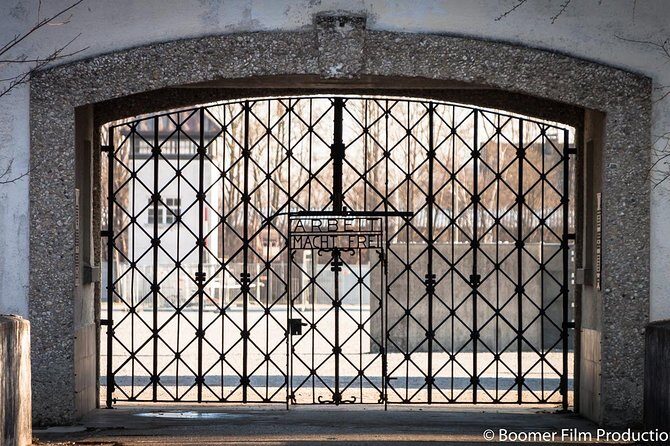
You start with the camp’s entrance zone, including the Jourhaus and the gateway into the camp. From there, you move toward the Appellplatz, the roll call square. This is one of those spaces where a guide’s explanation really matters. Standing there, you’re not just seeing a courtyard—you’re learning how the camp’s daily structure was enforced and how prisoners were counted and controlled.
You’ll also visit the Memorial Site Museum in the former maintenance building. This is where explanations can become more detailed and less visual. If you tend to learn best by reading alongside listening, this museum stop helps fill in the “why” behind what you see elsewhere on the grounds.
Expect respectful, guided walking through the site’s key structures. The memorial layout can be spread out, so the guide’s sequencing helps you see the important elements without skipping across the map.
Barracks, routines, and Barrack X: learning how control worked day to day
The tour doesn’t stop at big-picture history. You’ll get into camp perimeter structures, guard-related features like guard towers, and the physical set-up that enabled control.
Then your guide brings you to the barracks and talks through prisoner life and daily routine. That part is emotionally difficult, but it’s also the part that turns Dachau from a name into an operational system. You learn about how prisoners were treated and how the camp’s machinery ran day after day.
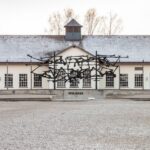
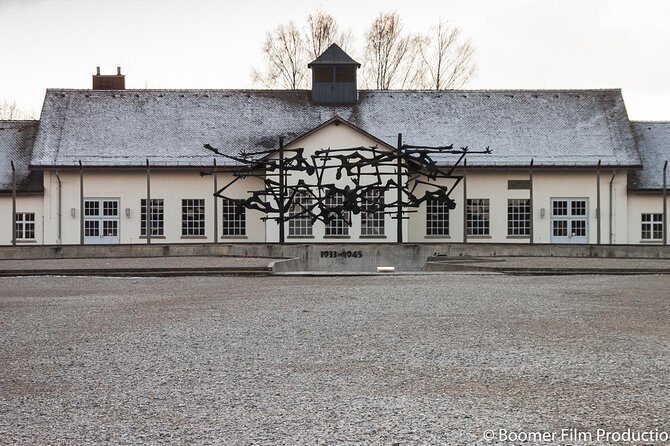
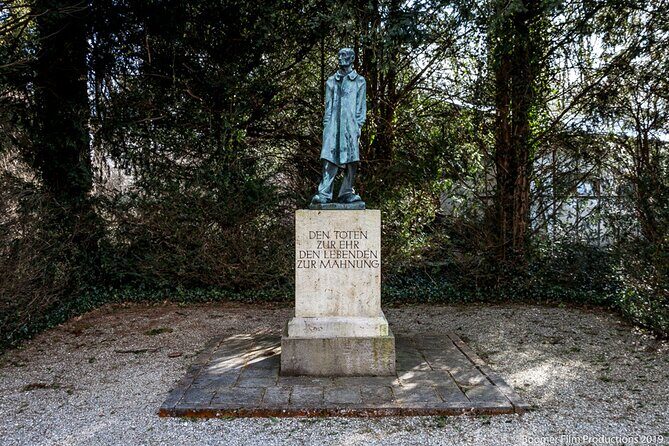
You’ll also hear about specific memorial elements like religious memorials and the International Memorial. The tour includes the Nandor Glid Sculpture, and it also highlights Barrack X, which is one of the camp’s associated remembrance areas. Even if you’re not a history nerd, these stops matter because they show how the memorial space is trying to hold both documentation and human impact.
Practical tip: plan for the emotional “weight” to build as you go. Many people find the early parts easier than the later areas, because later stops focus more directly on suffering and death.
Other Munich city tours we've reviewed in Munich





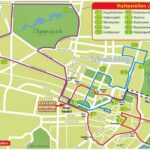
The crematoriums, mass graves, and the gas chamber: the hardest segments
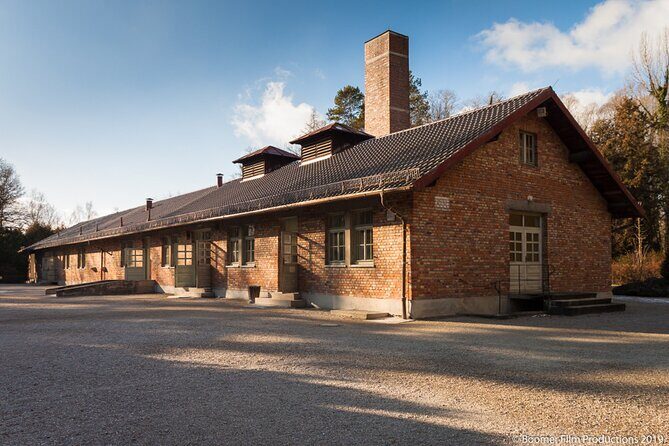
The tour includes some of the camp’s most brutal parts, including two crematoriums, mass graves, and the gas chamber.
I won’t sugarcoat it: this section can feel physically heavy. I recommend you treat it like a real visit, not a check-the-box. Give yourself a moment before you enter each area—breathe, slow your steps, and let the guide’s context land.
Also, keep in mind that the guide is there for a reason: the site’s facts are difficult, and you’ll want someone to explain the meaning of what you’re seeing without sensationalizing it. Based on repeated praise for guides like Keith, Adam, and Marcin, the emphasis tends to be respectful gravity—facts clearly stated, but not turned into spectacle.
If you’re visiting during cold, wet weather, the atmosphere can feel even more intense. One traveler noted how overcast conditions heightened the mood. That’s not something you can avoid, so just come prepared and accept that the weather may add to the seriousness of the day.
Food, timing, and the one thing you might miss: quiet reading time
This tour is serious and focused, so you don’t have unlimited free time to wander.
Food and drinks aren’t included, and the information provided notes limited options in Dachau. I’d treat this as a “bring your own snack and water” situation. You don’t want hunger to take over while you’re walking through areas that already demand attention.
One more timing consideration: the memorial visit is four hours within a six-hour day. Some people may feel that’s enough, and others may want more unstructured time to read every museum panel and memorial plaque. If you’re the type who always wants to linger, you might end up wanting one extra hour on your own.
Finally, plan around luggage. You’re told the tour provider can’t hold luggage. If you’re traveling light, great. If you’re not, you’ll want to rethink what you carry so you’re not dragging bags around in a heavy setting.
Price and value: is $48.98 worth a guided Dachau day?
At $48.98 per person for about six hours, the value comes down to what’s included: a professional guide plus round-trip shared train/bus transfers from central Munich, with a clear plan to get you to the right places.
The pricing also makes sense because you’re paying mostly for three things:
- Transport time and coordination (train to Dachau area, then bus to the camp route)
- A guide who can interpret what you see (especially at places like Appellplatz, barracks areas, and the crematorium/gas chamber sites)
- A structured route that reduces stress and helps you avoid missing major areas
Admission is noted as free for the tour ticketing. So in practical terms, you’re not double-paying for access. You’re paying for the day’s organization and the guided explanation that turns a large memorial site into something you understand.
Given how frequently guides were praised for clarity and sensitivity, I think this is the kind of tour where paying for guidance is the right value choice—not a luxury add-on.
Who this tour suits best (and who should reconsider)
This tour is designed for adults and teens 14–99. Children 14 or younger are not permitted, and proof of age may be requested. If you’re traveling with kids who are under the minimum age, this probably won’t work for your group.
It’s also best for people with moderate physical fitness, since you’ll be walking through a large site and moving between transport points.
If you want history delivered with gravity and structure—rather than a quick audio walk—this tour fits well. It’s also a good choice if you appreciate a guide who keeps the group together during train transfers and inside the camp, reducing the “where do we meet” stress.
If you’re someone who really needs long stretches of alone time, you may find the pacing tight. That doesn’t mean it’s wrong—it just means you should go in knowing the tour’s strengths are in guided sequencing and key-site coverage.
Should you book this Dachau Memorial Site tour from Munich?
If you’re wondering whether to book, I’d decide based on one question: do you want help understanding what you’re seeing?
If yes, book it. The combination of guided context, a transit plan that gets you there smoothly from Munich, and a route that mirrors the prisoners’ path makes this more than a transit-and-photos trip. The most praised aspect across the guide feedback is how they explain the camp with respect and clarity, and that’s exactly what you want at Dachau.
If you need a lighter day or lots of free exploration time without structure, this tour may feel too concentrated. For everyone else—especially first-timers—this is a strong, practical way to experience Dachau with the care it deserves.
FAQ
How long is the Dachau tour from Munich?
The tour lasts about 6 hours in total, including round-trip shared travel.
Where do I meet the tour in Munich?
You meet at Marienplatz 11 (in front of Ludwig Beck). The guide is holding a white and blue umbrella.
Is the tour in English?
Yes, the tour is offered in English.
What’s included in the price?
The tour includes a professional guide and round-trip shared transfer. Admission tickets for the stops are listed as free.
Do I need to bring food?
Food and drinks are not included, and options in Dachau may be limited. Bring a snack and a drink if you can.
Are children allowed?
Children 14 and older are allowed. Children 14 or younger are not permitted on this tour per the Dachau Memorial Site regulation, and proof of age may be requested.
What about weather and cancellation?
The tour operates in all weather conditions, so dress for it. If it’s canceled due to poor weather, you’ll be offered a different date or a full refund, and you can cancel for a full refund up to 24 hours in advance.