REVIEW · MUNICH
Klassik im Museum
Book on GetYourGuide →Operated by Bavaria Klassik GmbH · Bookable on GetYourGuide
One hour can feel like a mini vacation plan. This Classics in the Museum concert series pairs a short, high-quality performance with time inside a major art museum, so you get music plus context in one go.
I like the tight format: a one-hour concert on Saturday afternoon in the museum’s Mars-Venus Hall, with no intermission to break the flow. I also love that the program flexes across recognizable classics and style periods, from Vivaldi and Mozart to Beethoven and Albéniz, plus Baroque-focused selections.
The main thing to consider is seating: it is unreserved, so if you care about where you sit, you’ll want to arrive with enough buffer rather than wandering in late.
In This Review
- Key things to know before you go
- Klassik im Museum: a museum visit you can time around music
- Inside the Bavarian National Museum: what you get with your concert ticket
- Mars-Venus Hall: the sound stage and why the timing feels right
- The Residence Soloists program: what music you can expect
- Unreserved seating and the smartest arrival strategy
- Price and value: what you pay for, and why it makes sense
- Who this is best for (and who should skip it)
- A realistic plan for your Saturday afternoon
- Should you book Klassik im Museum?
- FAQ
- How long is the Klassik im Museum concert?
- Does the ticket include museum admission?
- Is there an intermission during the concert?
- Can I visit the Bavarian National Museum before the concert?
- Is seating reserved?
- Is the experience wheelchair accessible?
- Can I cancel for a full refund?
Key things to know before you go
- One-hour, no-intermission concert keeps the whole outing focused and easy to schedule
- Residence Soloists deliver a program built around familiar composers and Baroque favorites
- Mars-Venus Hall acoustics are the point, so the performance stays clear and satisfying
- Unreserved seating means early arrival helps if you have a preference for view or closeness
- Museum admission included so you can connect what you hear with what you see
- Multilingual support makes it simpler if German is not your strongest language
Klassik im Museum: a museum visit you can time around music
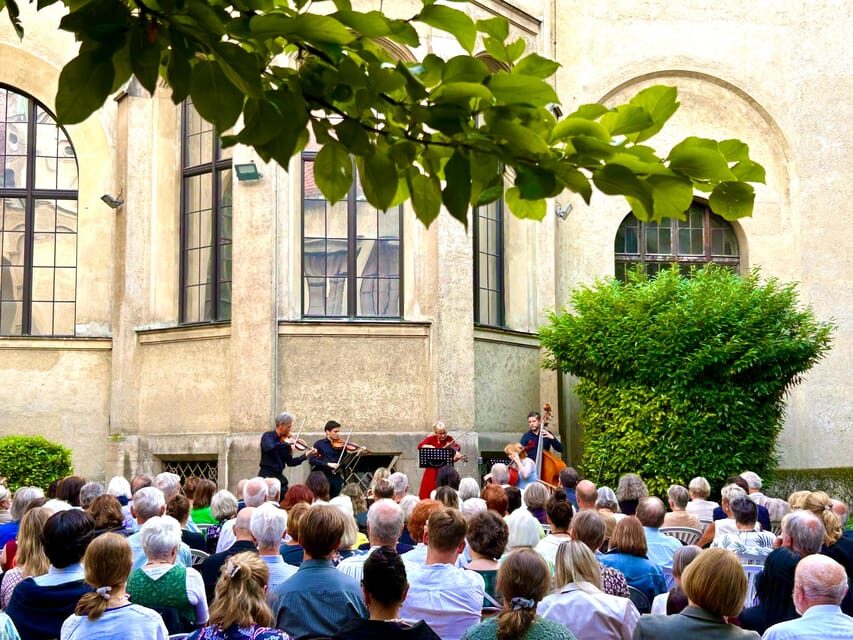
This experience works because it refuses to sprawl. Instead of choosing between a long museum day or a concert night, you get a museum visit bundled with a compact concert that fits neatly into your afternoon plans.
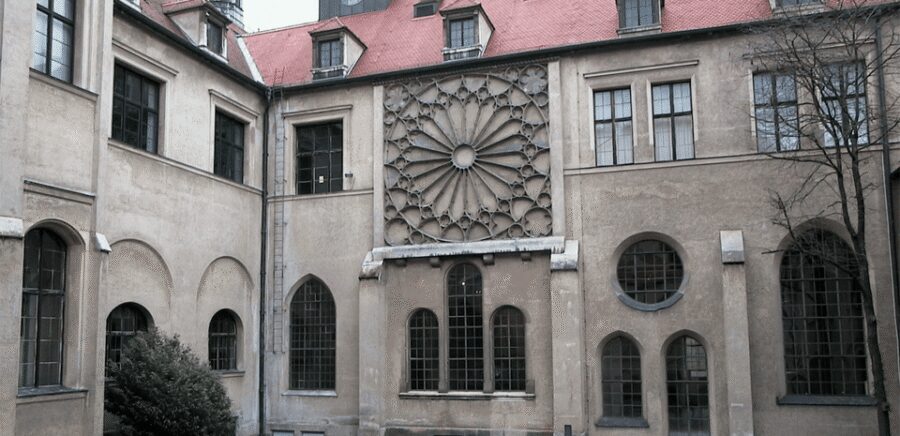
The setting matters here. The Bavarian National Museum, often nicknamed the Treasure House on the Eisbach Wave, is presented as a place where European cultural and art history are easy to access through the objects on view. If you like the idea of understanding music as part of the same world as painting, instruments, and storytelling, this format is smart.
And because the concert is only an hour, you do not have to commit to an entire evening. That is a big deal if your schedule is tight, you want something calmer than a full-day itinerary, or you are traveling with people who get tired when things run long.
Other museum experiences in Munich



Inside the Bavarian National Museum: what you get with your concert ticket
Your ticket does more than get you into a seat. It includes museum admission, which is where this program earns its value.
The museum’s musical footprint is a key part of the appeal. You will see precious historical musical instruments, the kind of objects that make you listen differently because you can connect sound to design and craftsmanship. Even if you are not a museum power-user, it is a great way to turn music from something you hear into something you can visualize.
There is also a world-famous Nativity scene collection. That matters because it adds a distinctly Bavarian layer to what you experience that afternoon. You are not just watching a European classical program in a vacuum; you are in a place where religious art, seasonal tradition, and regional identity have real display weight.
The museum is also positioned as a route through European art and cultural history. Translation: you can spend your pre-concert time browsing at a pace that matches your mood—quick highlights if you are short on energy, or slower looking if you want to soak it in.
One practical note: you can visit the museum before the concert, but you need to coordinate it. If you want to do that, you should contact the organizer with your email address so they can send your tickets in advance, since GetYourGuide codes are not accepted at the museum.
Mars-Venus Hall: the sound stage and why the timing feels right

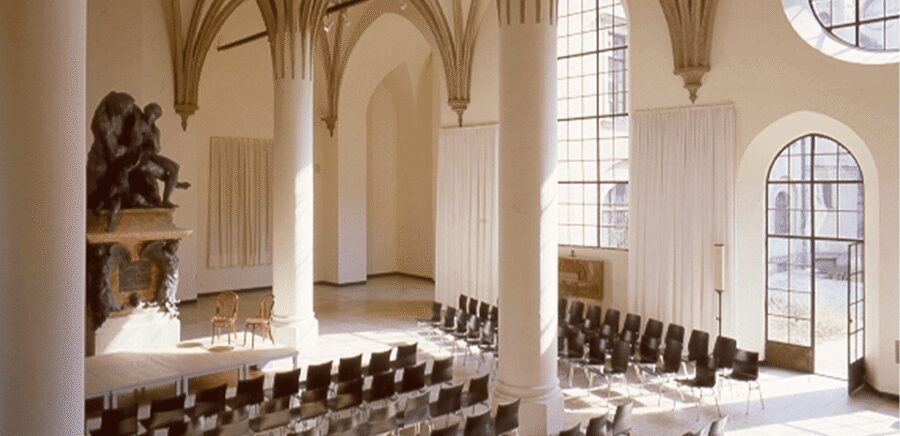
The concert happens in the museum’s Mars-Venus Hall, and the venue is a major part of the experience. The idea is simple: the hall is set up so you can hear clearly, with strong acoustics that support both solo and small-ensemble playing.
The performance is scheduled as a Saturday afternoon concert and lasts one hour. That means you can treat it like a special part of your day rather than an event that eats your evening. It is also helpful if you are trying to keep your travel rhythm balanced—especially if you have already walked around earlier in the day.
There is no intermission, which can sound intense if you love bathroom breaks or long concert pauses. But it also keeps the momentum. When the music starts, you stay in the listening mode and the program feels like one continuous arc.
Seating is unreserved, so it is not first-row guaranteed. If you have mobility constraints or you want a specific viewing angle, plan to arrive early enough to choose a comfortable spot.
The Residence Soloists program: what music you can expect
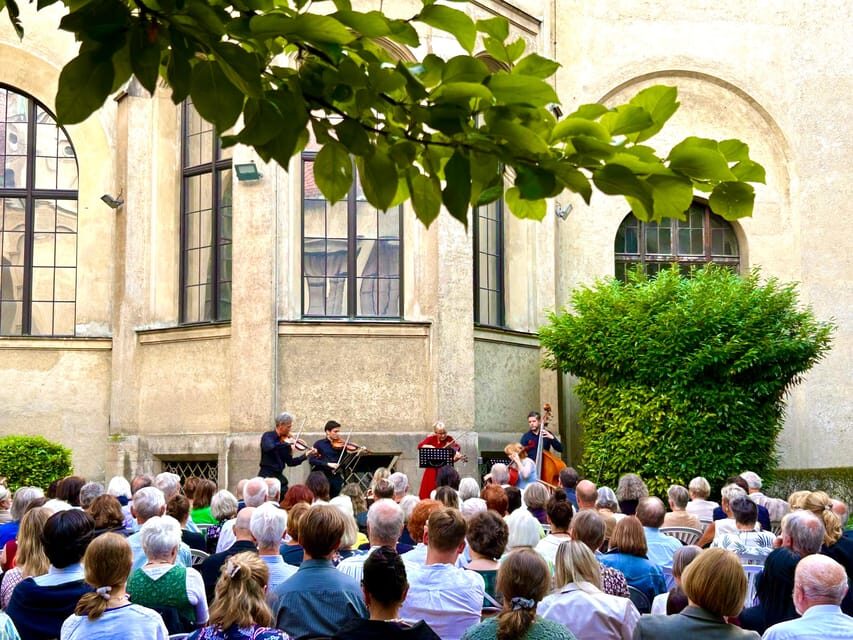
The featured performers are the Residence Soloists, and the concert is designed as a short journey through classical styles rather than a single-composer marathon. This is ideal when you want variety but still want it to stay short.
What you might hear includes:
- Piano recitals, with an afternoon feel that stays intimate
- A focus on Baroque music, which often means lively rhythm and clear textures
- Familiar string sounds tied to composers like Vivaldi, Mozart, and Beethoven
- Pieces connected to Albéniz, which can add a distinct Spanish color to the mix
If you are the kind of person who likes hearing well-known names even in a shorter program, this set-up fits you well. It is also a good intro if you are curious about classical music but do not want to commit to a multi-hour symphony event.
Because the concert is short and no intermission is built in, the musicians tend to keep things moving. That makes it easier to stay focused, especially if you are not used to longer listening sessions.
Unreserved seating and the smartest arrival strategy

Unreserved seating sounds minor, but it changes how you should plan your last 20–30 minutes before the music.
Tickets can be picked up at the box office on-site about 30 minutes before the concert begins. The tickets are issued in your name, which reduces the hassle of group identity checks and helps you get sorted quickly.
If you care about where you sit, arrive early enough to look around before you choose. The hall is your listening environment, so a good seat is not just comfort—it can also affect how you experience dynamics and balance.
If you plan to visit the museum first, do not use your timing like a guessing game. Give yourself enough time to get your bearings, because once you are in concert mode, you will be glad you did not rush.






Price and value: what you pay for, and why it makes sense
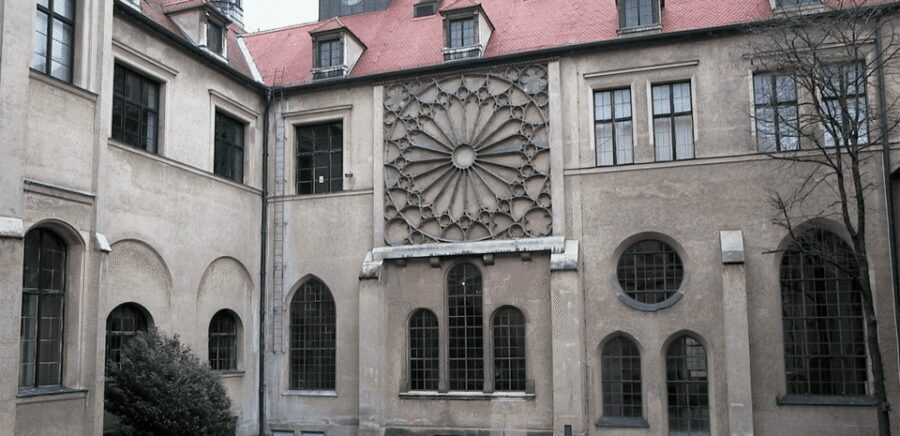
The experience lists a price around $53 per person, and the included amount shown is 45€. Think of it as paying for two things at once: a museum visit and a live classical concert.
Is that automatically a bargain? Not always. But here the value is strong for a very specific reason: your ticket buys you the museum context that can make the music feel more grounded. Many concerts are stand-alone. This one encourages you to connect the performance to the collection around you.
Also, the one-hour length is part of the value. You do not get stuck in an all-day commitment, which means you can slot it into a day where you might otherwise spend time choosing between options.
If you want classical music, the Residence Soloists performance is the core. If you also want museum time, you are not paying extra to add it. That combination is what makes this ticket feel efficient.
Who this is best for (and who should skip it)

This experience is a good match if you want a high-quality classical concert that does not require a full evening plan. It is also great for people who like pairing live music with real-world objects, like instruments and regional art, rather than treating the museum as background.
It can suit:
- Couples and friends who want a calm afternoon event
- Visitors who are comfortable with classical music but want it shorter
- Anyone curious about Baroque and major classical composers, without committing to a long program
- People who prefer a contained plan with museum admission included
It may not be ideal if you need frequent pauses. With no intermission, you have to accept the concert flow as one continuous hour. And because seating is unreserved, it is also not the best pick if you require guaranteed specific placement.
If you are traveling with someone who gets restless with long periods sitting, you might want to keep your expectations realistic. The time is short, but the format is tight.
A realistic plan for your Saturday afternoon

Here is how I’d structure the day if you want it to feel smooth.
First, decide whether you want a quick museum sweep or a more deliberate browse. The museum visit is possible before the concert, but you will need to make sure your tickets are handled correctly if you want entry without hassle. If you plan to do museum time first, contact the organizer with your email so tickets can be sent in advance.
Next, aim to be at the box office roughly 30 minutes before the concert. This gives you time to pick up tickets and then pick your seat calmly.
Once you are in Mars-Venus Hall, treat the concert as the main event. The program is one hour and uninterrupted, so put your phone away and settle in. With unreserved seating, choosing a comfortable spot at the start matters more than you might think.
After the concert, you can consider whether you want to continue exploring the museum. The ticket includes admission, but your exact options depend on the museum’s operating schedule that day, so use the on-site information to avoid surprises.
Should you book Klassik im Museum?
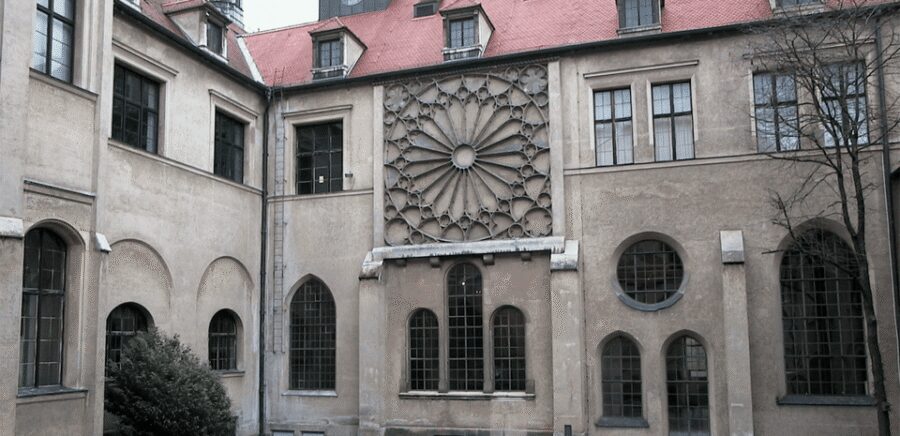
Book it if you want a well-timed, one-hour classical concert with museum admission included, and you like the idea of seeing instruments and regional art while your music programming is playing in the background. The Residence Soloists and the Mars-Venus Hall setting are a strong combination for clear listening.
Skip it if you need guaranteed reserved seating, or if uninterrupted listening for an hour is not your thing. Also, if you are hoping for a long, deep museum day, this isn’t designed to be a full museum marathon.
If you want a clean, structured afternoon that feels special without dragging on, this is the kind of ticket that delivers. It is simple: music, art, and a manageable time commitment.
FAQ
How long is the Klassik im Museum concert?
The concert experience lasts 1 hour.
Does the ticket include museum admission?
Yes. The concert series includes a one-hour concert plus museum admission.
Is there an intermission during the concert?
No. The concert is held without intermission.
Can I visit the Bavarian National Museum before the concert?
Yes, you can visit the museum before the concert. If you want to do that, you should provide your email address so the organizer can send you your tickets in advance.
Is seating reserved?
No. Seating is unreserved, so you should arrive with enough time to choose a seat.
Is the experience wheelchair accessible?
Yes. The activity is listed as wheelchair accessible.
Can I cancel for a full refund?
Yes. Free cancellation is available up to 24 hours in advance for a full refund.