REVIEW · MUNICH
Munich: Deutsches Museum Entry Ticket
Book on GetYourGuide →Operated by Deutsches Museum von Meisterwerken der Naturwissenschaft und Technik · Bookable on GetYourGuide
Science you can touch on an island.
The Deutsches Museum on Munich’s Museumsinsel is one of the world’s biggest science and technology museums, and it’s built for real interaction, not quiet staring. You get a one-day ticket that lets you roam through 20 permanent exhibitions across a huge indoor space, with hands-on stations and experiments that make tough topics feel usable.
I love how the museum mixes famous artifacts with active learning. You’ll run into big, recognizable highlights like the first diesel engine, historic printing presses, a lunar rover, and iconic airplanes, then turn around and hit practical demos and show-style exhibits like the model railway, microscopy theater, and chemistry demonstrations.
One thing to think about: with the museum’s size and the number of exhibitions, you can easily over-plan and end up rushed. If you want the best experience, you’ll need to pick a few themes and stick to them during your day.
In This Review
- Key highlights before you go
- Entering the Deutsches Museum in Munich’s Museumsinsel setting
- What you get with your entry ticket (and what you should plan around)
- A practical itinerary for one day across 20 exhibitions
- Hands-on stations and experiments that make the science stick
- Museum showpieces: model railway, microscopy theater, and chemistry
- Big artifacts without the museum-museum vibe
- How the audio guide helps you get your bearings fast
- Timing and hours: making the most of your one-day window
- Accessibility and families: barrier-free routes matter more than you think
- Value check: is $17 a good deal for the Deutsches Museum?
- Should you book the Deutsches Museum entry ticket?
- FAQ
- What is the price for the Munich Deutsches Museum entry ticket?
- How long is the ticket valid?
- What are the museum opening hours?
- Where is the Deutsches Museum located?
- What does the entry ticket include?
- Is there an audio guide included?
- How many permanent exhibitions can I visit?
- Does the ticket include access for wheelchair users?
- Are there age rules for children?
- What are the ticket cancellation rules?
Key highlights before you go
- 1-day access to 20 permanent exhibitions at the main site on Museumsinsel
- Hands-on experiments that keep the learning active for all ages
- Demo-style favorites like the model railway, microscopy theater, and chemistry shows
- Major collection anchors, including the first diesel engine, lunar rover, and historic printing presses
- Barrier-free experience, with barrier-free routes from the entrance through to the restrooms
- Time management matters, since last admission is at 16:30
Entering the Deutsches Museum in Munich’s Museumsinsel setting
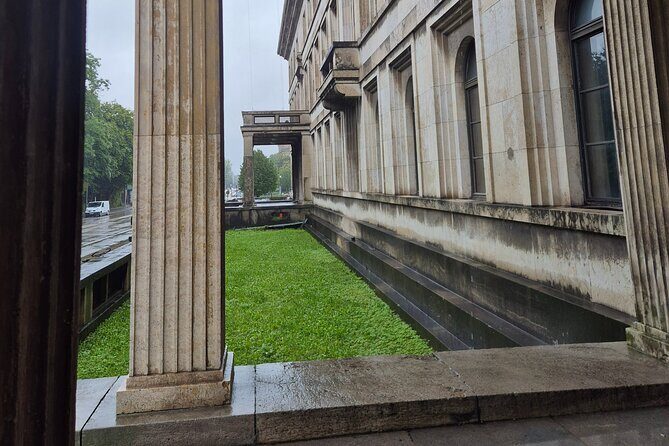
Your visit starts at the main entrance on Museumsinsel 1, 80538 Munich. The whole museum sits on a small river island, right by the city center area, which makes it feel like a destination you can pair with other Munich sights without a long commute.
Expect a big museum in the literal sense. The Deutsches Museum has around 1.5 million visitors each year and about 20,000 square meters of exhibition space at the main location. That scale is why the ticket matters: this isn’t a quick stop you casually breeze through. It’s a day-activity that rewards planning and focused wandering.
I like that the experience is designed to move you through science and technology in a clean, organized way. The information you’ll find spans the past, present, and future of natural sciences and tech, so it’s not just history behind glass—it’s also about how ideas work, and where they lead.
Other Munich city tours we've reviewed in Munich



What you get with your entry ticket (and what you should plan around)

This is an entry ticket with access to all exhibitions, plus a downloadable multilingual audio guide in the Deutsches Museum app. In practice, that means you can tailor your pace. You won’t be stuck waiting on a group schedule, and you can spend extra time at the experiments that grab you.
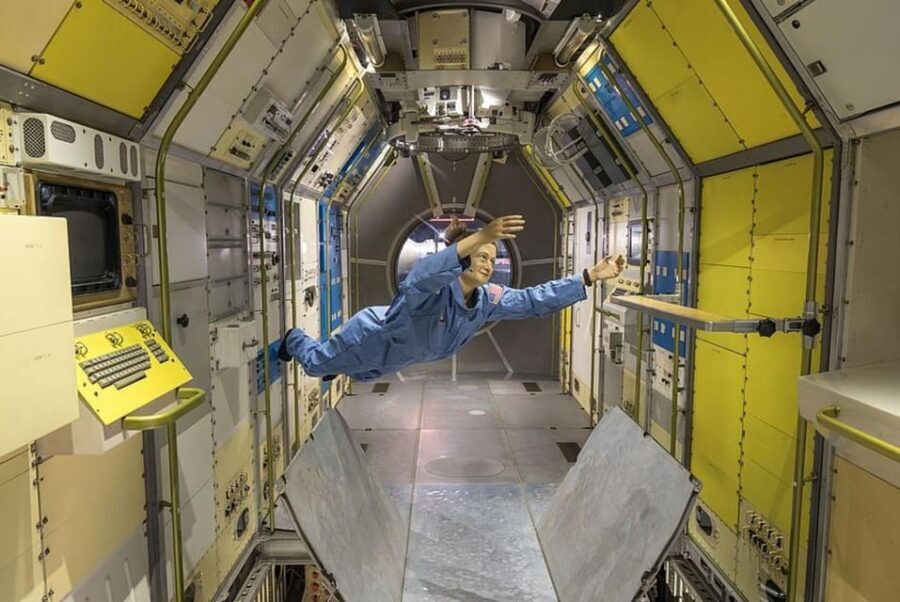
The museum’s theme range is broad and very Munich-friendly for one day. You’ll see topics such as aviation and astronautics, atomic physics, and chemistry—plus other science and engineering areas spread across the permanent exhibitions. Since there are 20 exhibitions, the best approach is not to try to do everything equally.
The big collection number helps set expectations too: the museum holds over 125,000 objects. You won’t see every single one in a single day, but you’ll encounter enough major artifacts and working examples to feel like you got the point of the museum.
A practical itinerary for one day across 20 exhibitions
Think of your day as four blocks: arrive and get oriented, pick your science themes, slow down for hands-on work, then finish with the most demo-heavy sections.
Start your day by walking in with a loose plan. Choose two or three themes from what you’re most curious about—maybe aviation/space plus atomic physics, or chemistry plus industrial tech. Since you have access to all exhibitions, you can adjust on the fly, but starting with a shortlist prevents aimless wandering in a space that’s too large to casually explore.
Next, spend your middle time where the museum does its best job turning concepts into physical experience. Look for hands-on stations and experiments throughout the exhibitions. This is where you’ll actually learn by doing—hands moving, components interacting, and cause-and-effect becoming obvious.
Then leave time for the show-style areas. The museum highlights several standout demonstration formats, including the model railway, microscopy theater, and chemistry demonstrations. These tend to be “watch and think” moments that also connect back to what you touched earlier.
Finally, do a slower loop at the end. If you found an area you loved, revisit it when your brain isn’t overloaded. That last hour is where you turn scattered facts into a coherent picture of how science and technology developed and where it’s going.
Hands-on stations and experiments that make the science stick

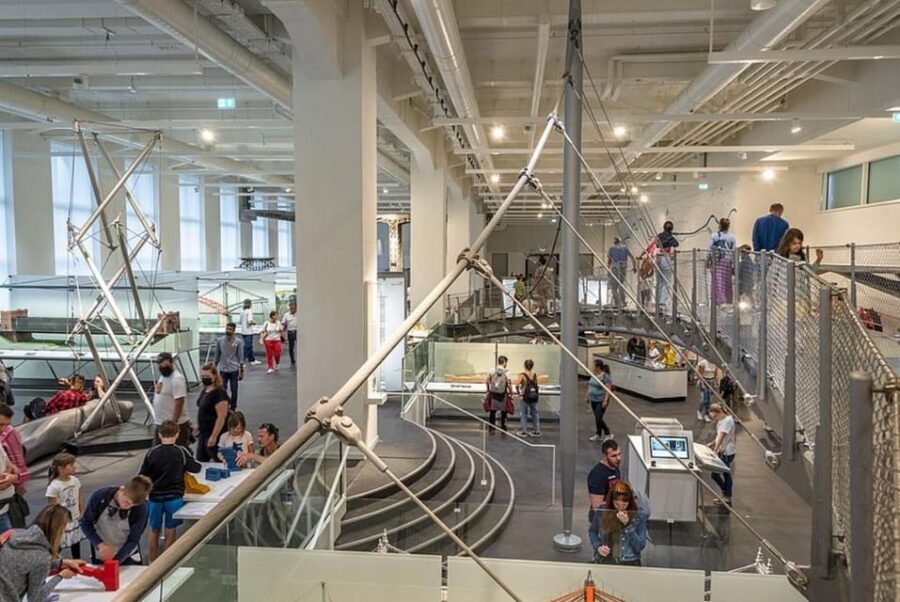
The Deutsches Museum is at its best when it lets you test the idea, not just read about it. Across the permanent exhibitions, you’ll find interactive stations where you can try experiments and see science in action. If you’ve ever visited a museum where everything felt behind ropes, this one is designed to be more active.
I like that the museum covers a wide span of topics, including both high-tech and everyday science. When you move from something like aviation/astronautics to areas tied to atomic physics and chemistry, you start to see shared principles—how measurement works, how systems behave, and why technology changes the real world.
Another plus for families and mixed-age groups: hands-on work tends to reduce the “too much reading” problem. Kids can push buttons or test setups, and adults can use the audio guide to connect the dots without feeling bored.
Just remember: interactive doesn’t always mean short. Some hands-on stations can attract queues or require time to understand what’s happening. If you’re there on a peak day, pick one or two interactive areas to focus on deeply rather than trying to do every station equally.
Museum showpieces: model railway, microscopy theater, and chemistry
The museum’s demonstrations are the kind of exhibits that make you stop even if you came for something else. You’ll find highlighted formats that turn scientific thinking into something you can watch and then connect to the rest of your visit.
The model railway is a great example of how technology can be explained through systems. Railways involve timing, engineering design, and energy use—so even when it looks like a toy, it’s really a tool for understanding how complex systems operate.
The microscopy theater helps you experience scale. When you see tiny structures or processes brought to a screen, the science becomes less abstract. It’s a “wow” moment that also trains your brain to think about observation and evidence.
And then there’s chemistry. Chemistry demos can be surprisingly practical because they show how reactions behave and why conditions matter. If you like cause-and-effect, chemistry demonstrations are often the best payoff after hours of reading labels.
If your day is tight, prioritize these demo-style areas earlier rather than saving them for the end. It’s easier to build momentum when you start with the sections that grab attention right away.
A few more Munich tours and experiences worth a look






Big artifacts without the museum-museum vibe
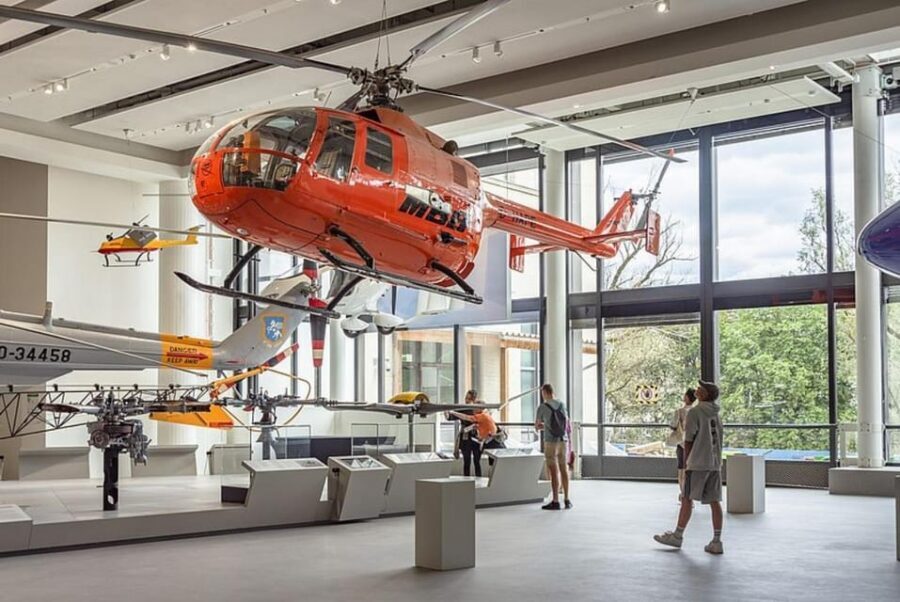
One of the strongest arguments for buying this ticket is the way the museum blends major historical objects with science teaching. You’re not only seeing displays—you’re seeing milestones of technology and how they shaped modern life.
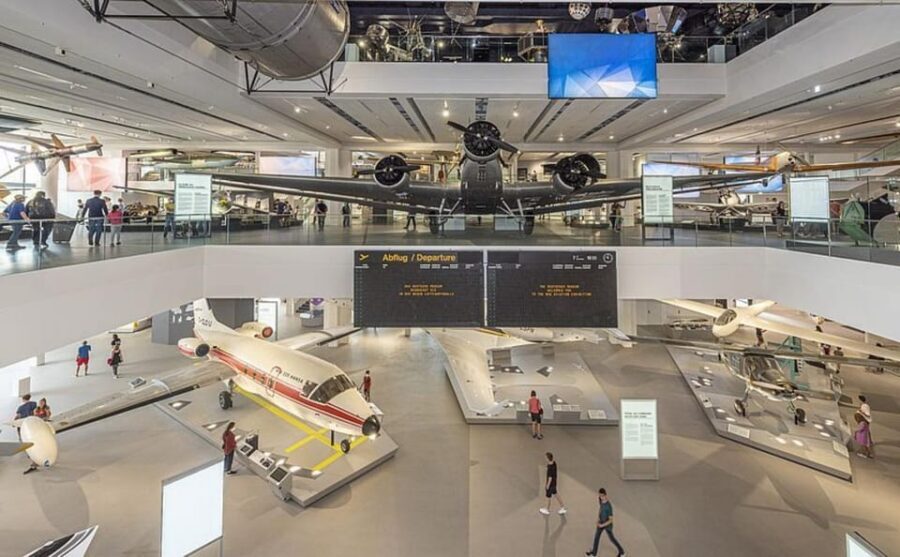
The highlights list reads like a “science best-of” album. Expect to encounter the first diesel engine, historic printing presses, a lunar rover, and iconic airplanes. These pieces do more than decorate a room. They anchor your understanding of how innovations develop and spread.
The museum was founded in 1903 by Oskar von Miller, and you can feel the original mission in how it organizes knowledge. It was built to provide a comprehensive overview of natural science and technology, and it still carries that big-vision approach today.
For me, the biggest value is that you can connect past and future in one place. The museum doesn’t treat history as dead. It uses it as a starting point to explain where science and technology are headed next.
How the audio guide helps you get your bearings fast
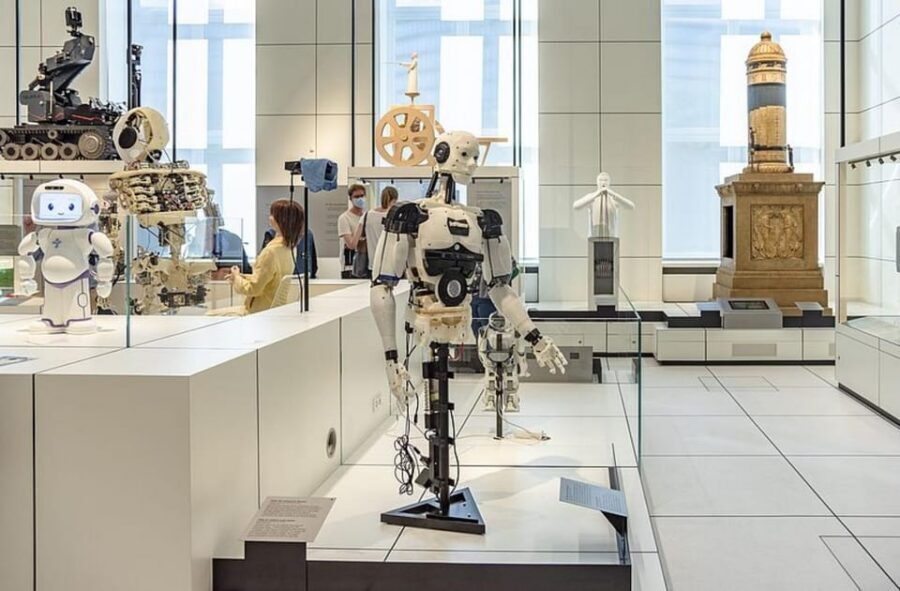
You’ll get a downloadable multilingual audio guide through the Deutsches Museum app, and that can be the difference between a stressful day and an easy one. In a museum with this much space, the audio guide helps you decide what matters without you needing to read every sign.
Use it in a simple way:
- Pick one or two exhibitions you’re most excited about and follow those audio sections first.
- Then switch to a lighter approach—use audio only when you hit a stop that catches your attention.
This keeps you moving while still giving you context for the big artifacts and the interactive experiments. It also helps with translation, since the audio guide is available in multiple languages.
One practical tip: don’t try to listen to everything end-to-end. Treat it like a smart friend offering highlights, then let your curiosity guide you through the rest.
Timing and hours: making the most of your one-day window

The museum is open daily from 9:00 to 17:00, with last admission at 16:30. That last admission detail matters because it sets a real deadline for how much you’ll be able to see if you arrive late or get stuck in a long interactive line.
I suggest arriving early and starting with your “must-see” areas. Then work forward, using the audio guide to smooth out decisions. Since you’ll cover multiple themes—aviation, astronautics, atomic physics, chemistry—your day flows better when you don’t scatter your attention randomly.
Also, keep in mind the museum’s annual visitor count and the large exhibition space. It’s popular for a reason, but that also means you’ll want energy and patience for a busy day. If you’re sensitive to crowds, aim for a calmer time within the opening hours.
Accessibility and families: barrier-free routes matter more than you think
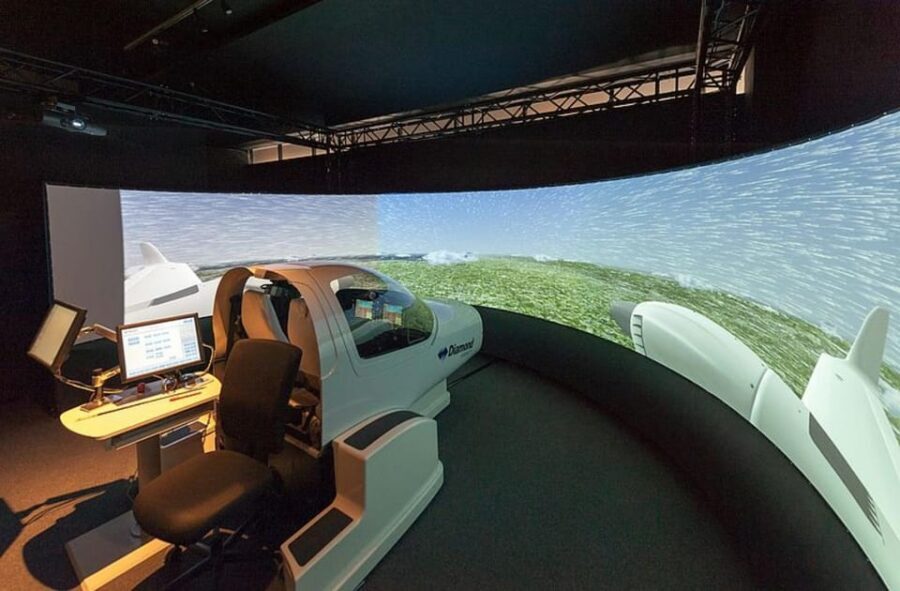
The museum is wheelchair accessible and has barrier-free space from the entrance to the restrooms. That’s not a small detail. When your route is predictable and facilities are easy to reach, you can actually enjoy the visit rather than adjusting constantly.
Children under 12 must be accompanied by an adult, so plan family pacing accordingly. If you’re traveling with kids, lean into the hands-on stations and demonstrations, since they tend to create natural breaks from long reading or exhibit hopping.
For mixed groups—say, adults plus teens—this museum has an advantage. People can chase different interests in the same building: someone can focus on major artifacts, while someone else spends more time on experiments.
Value check: is $17 a good deal for the Deutsches Museum?
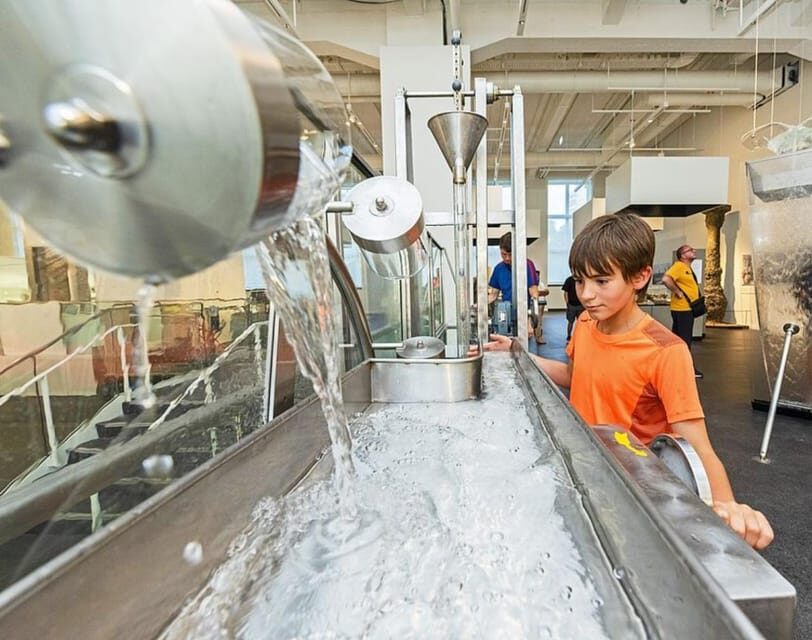
At about $17 per person, the ticket price is strong value if you treat it like a full-day activity rather than a casual stop. You’re getting access to all exhibitions, plus the multilingual audio guide, and the museum covers enough ground that the learning feels meaningful.
The value gets even better because the museum is built for active learning. Hands-on stations, experiments, and demo-style exhibits like microscopy and chemistry aren’t just extras—they’re the core of why the museum earns return visits for people who like science and technology.
If you’re short on time in Munich or you only want a quick museum taste, you might feel the price more than the benefits. This is better suited to people who like to spend time in one place and actually absorb the themes.
Should you book the Deutsches Museum entry ticket?
Book it if you want a science and technology museum that’s practical, interactive, and packed with major historical artifacts—without feeling like a lecture hall. The combination of 20 permanent exhibitions, hands-on experiments, and show-style demonstrations gives you more than one way to learn.
Skip or reconsider if you prefer small museums where you can see everything in a couple hours. With a museum this large and wide-ranging, your day is better when you plan to stay longer, choose themes, and accept that you won’t see every detail.
If you do choose it, go in with a few priorities—aviation/space, atomic physics, chemistry, and at least one demo area—and you’ll walk out feeling like you understood how science turns into real technology.
FAQ
What is the price for the Munich Deutsches Museum entry ticket?
The price listed is about $17 per person.
How long is the ticket valid?
The ticket is valid for 1 day.
What are the museum opening hours?
The museum is open daily from 9:00 to 17:00, with the last admission at 16:30.
Where is the Deutsches Museum located?
The address is Museumsinsel 1, 80538 Munich.
What does the entry ticket include?
The ticket includes entry and access to all exhibitions.
Is there an audio guide included?
Yes. You can download a multilingual audio guide via the Deutsches Museum app.
How many permanent exhibitions can I visit?
The museum currently has 20 permanent exhibitions.
Does the ticket include access for wheelchair users?
The museum is wheelchair accessible, and there is barrier-free access from the entrance to the restrooms.
Are there age rules for children?
Yes. Children under age 12 must be accompanied by an adult.
What are the ticket cancellation rules?
Free cancellation is available up to 24 hours in advance for a full refund.