REVIEW · MUNICH
Munich: Private Half-Day Guided Walking Tour
Book on GetYourGuide →Operated by Munich Tours - and the Region · Bookable on GetYourGuide
Munich can feel big. This tour helps you steer. It’s a private half-day walking tour that strings together the Old City landmarks you want to see with the heavier stories Munich carries, from dynasties to World War II. I like that you get the big-name sights fast (Marienplatz, the Rathaus, Frauenkirche, Residenz Palace), and I also like that the guide work stays human—one-on-one pacing, plus smart history that explains what you’re actually looking at.
One consideration: four hours is short. You will walk a lot, and while the stop list is excellent, you won’t have time for long museum-style lingering at every place.
You meet your guide at your accommodation and finish back there, which keeps your day from turning into a logistics headache. For groups, the tour provides headsets, so you can hear the guide even when you’re stopping on busy streets.
In This Review
- Key highlights to look for
- The smart format: why 4 hours feels perfect here
- Marienplatz and the Rathaus: where Munich broadcasts its identity
- Frauenkirche first: the church that changes how you see the center
- Viktualienmarkt: the market that gives you Munich’s everyday rhythm
- Residenz Palace and Hofbräuhaus: power and performance in one run
- Churches with personality: Asam’s Church and St. Peter’s Church
- Synagogue visit: faith, community, and a fuller city story
- WWII reminders and the Eisbach Surfers: the contrast that sticks
- House of Art, gallery areas, and the English Garden if time allows
- Schwabing and the University of Munich: tragedy and triumph on campus ground
- Königsplatz and the Gallery Quarter: finishing with perspective
- How the guide quality shapes the whole experience
- Value and price: what you’re really paying for
- Who this tour suits best
- Should you book this Munich private half-day walking tour?
- FAQ
- FAQ
- How long is the Munich private walking tour?
- Where does the tour start and end?
- How much does it cost?
- Is the tour private?
- What language is the guide?
- Are food, drinks, or transport included?
- Do I need to arrange pickup?
- Is the tour wheelchair accessible?
- What sights are included in the tour?
- Can I cancel for a refund?
Key highlights to look for
- A guide with real Munich street-time, including Julian, who impressed with deep local history and a friendly, adaptable style
- Old Town landmarks in a logical loop, starting at Marienplatz and working through key sights
- Church stops that actually add context, including Frauenkirche, Asam’s Church, and St. Peter’s Church
- A careful mix of art, power, and memory, with Residenz Palace and WWII-related remnants on the same day
- Modern Munich moments, like the Eisbach Surfers, plus possible English Garden sights if there’s time
- Private, hotel-to-hotel pacing, so you can ask questions without fighting a crowd
The smart format: why 4 hours feels perfect here
Munich is a city where the center is compact, but the stories aren’t. This tour uses that reality well. In about four hours, you get oriented in the Old City and you see how historic authority (dynasties, palaces, churches) connects to the modern city (business life, university life, and even the Eisbach Surfers).
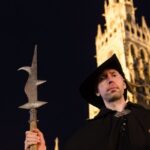
The private setup is the real advantage. With a small group, your guide can adjust the pace to your interests—history heavy, architecture heavy, or simply help you understand what you’re seeing without forcing you into a checklist mood. One of the reviews specifically called out how Julian was adaptable, which matters because Munich can reward attention, not speed.
Also, the guide provides headsets for larger group situations. That’s a small detail that can save your day when you’re trying to hear architecture talk while people pass behind you.
Other Munich city tours we've reviewed in Munich


Marienplatz and the Rathaus: where Munich broadcasts its identity
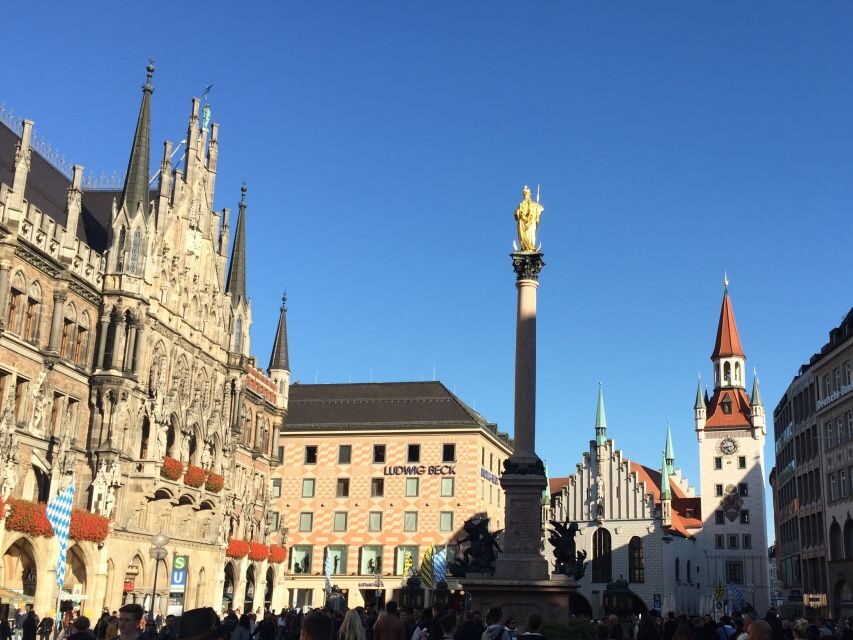
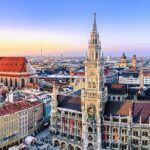
You start in the Old City at Marienplatz, the square that acts like Munich’s central pause button. From there, you move to the Town Hall, the Rathaus. Even if you’ve seen photos before, being there in person helps you understand why this square matters: it’s a physical anchor for civic life.
The Rathaus isn’t just an impressive façade. It’s the kind of building that tells you Munich likes order and ceremony. Your guide uses that backdrop to set up how ruling families shaped what you’re seeing today. It’s also a good early stop because the area makes it easy to orient yourself on foot.
If you want a quick travel tip: plan to look up. A lot of Munich’s “main character” details are above street level, and this is one of those places where you’ll start noticing patterns you’ll see again later.
Frauenkirche first: the church that changes how you see the center
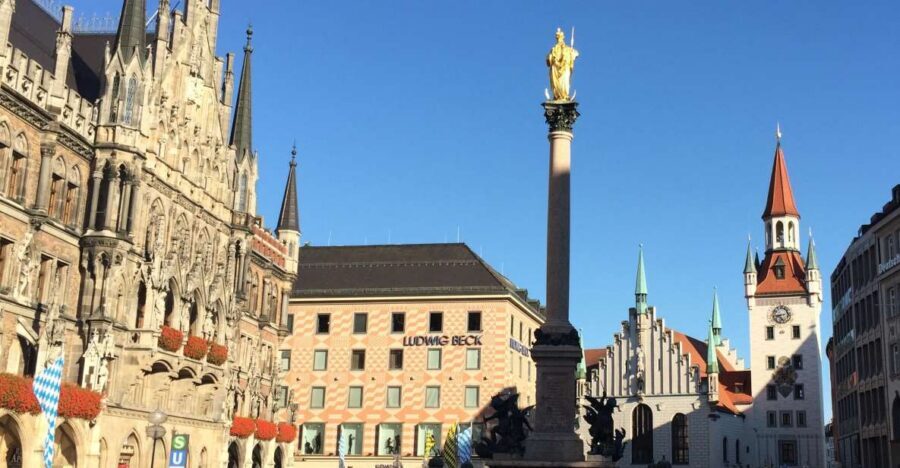
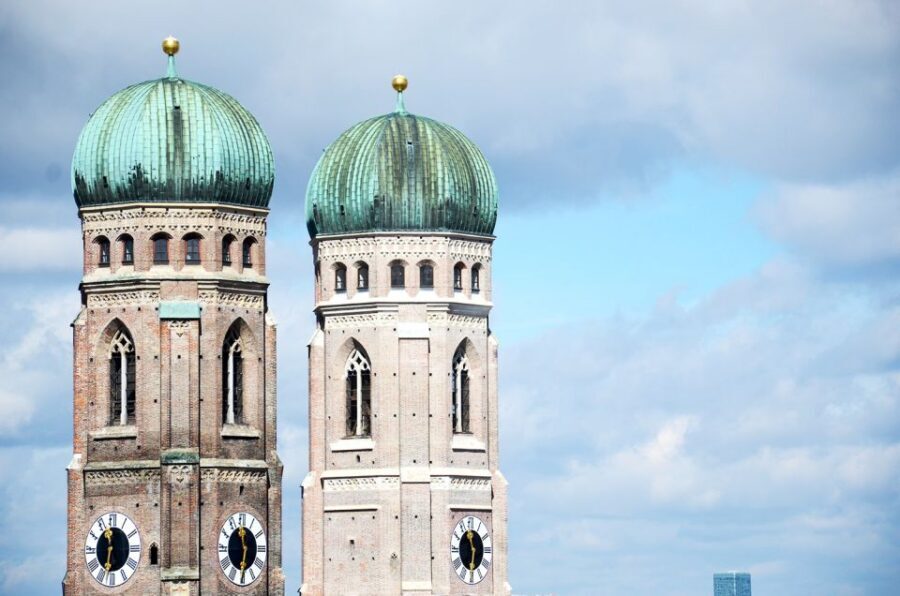
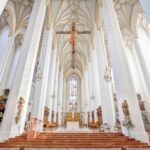
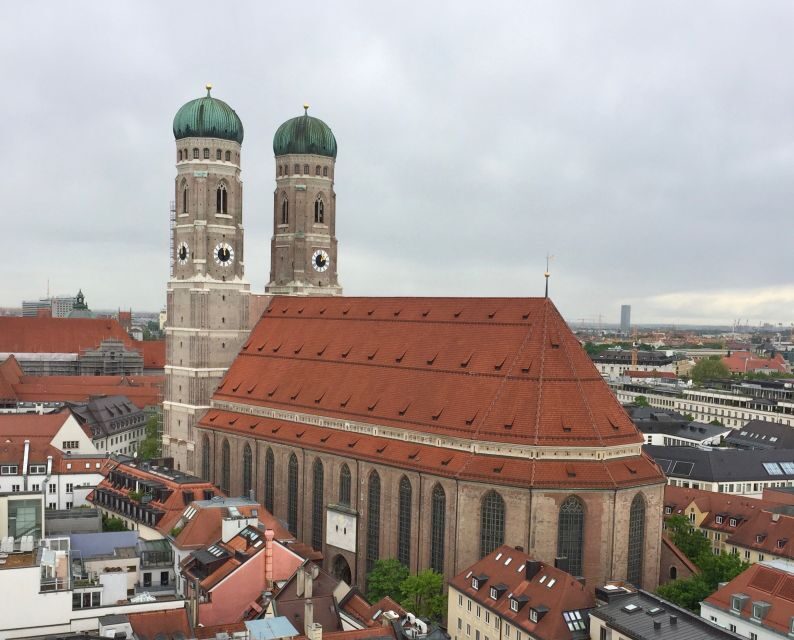
From the square life of Marienplatz, you head toward Frauenkirche (Church of Our Lady). This is the kind of landmark that feels like a skyline marker, even up close. The value here is not just admiring the building; it’s learning how it fits into the city’s story.
Your guide uses architecture and art cues to explain why the church looks the way it does, and how it connects to Munich’s identity over centuries. This matters because churches in Germany are often both spiritual spaces and visual statements—design choices that reflect power, taste, and community goals.
A practical note: church exteriors can be best from a few angles, and you may need to step aside to see key viewpoints. Since you’re on a walking tour, you’ll likely get those angles without wasting time circling alone.
Viktualienmarkt: the market that gives you Munich’s everyday rhythm
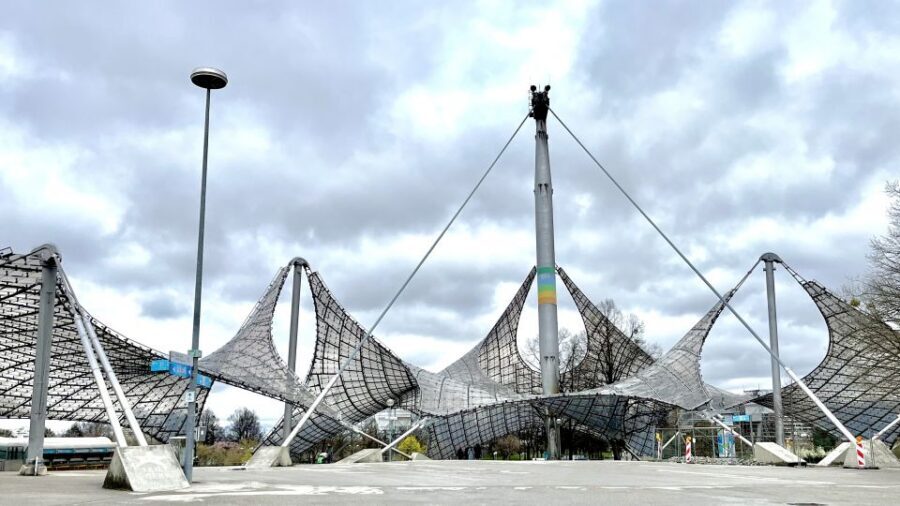
Next you pass through Viktualienmarkt, the Victuals Market. This is where the tour shifts from monuments to daily life. Even if you don’t plan to buy snacks (food isn’t included), the market is a sensory shortcut to how locals eat and socialize.
I like this stop because it breaks the “history-only” mood. It also helps you understand why certain streets and squares thrive: people gather, vendors set up, and the city stays active beyond sightseeing hours.
If you’re the kind of traveler who loves people-watching, this is a good moment to pause. Markets are where architecture becomes background and life becomes the main event.
Residenz Palace and Hofbräuhaus: power and performance in one run
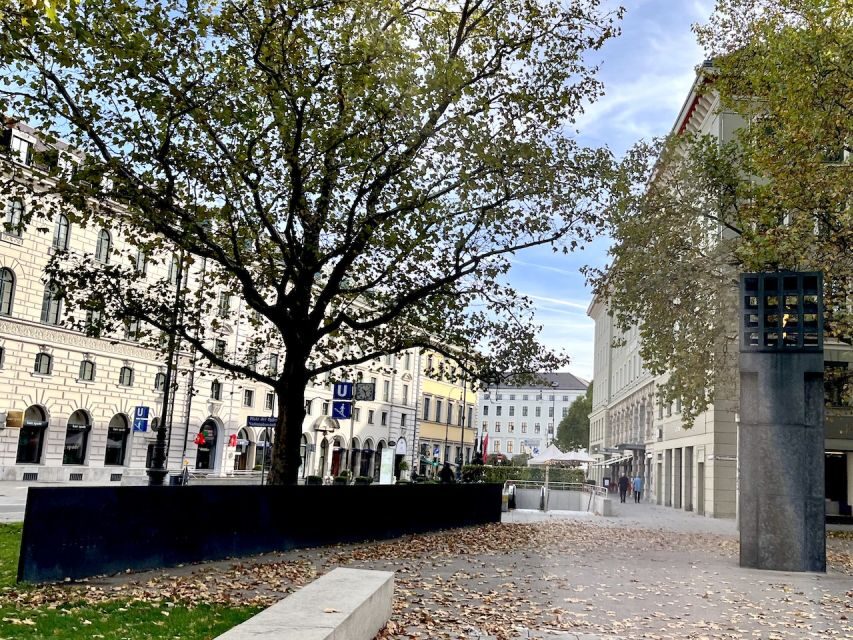
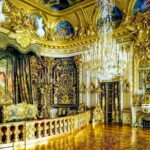
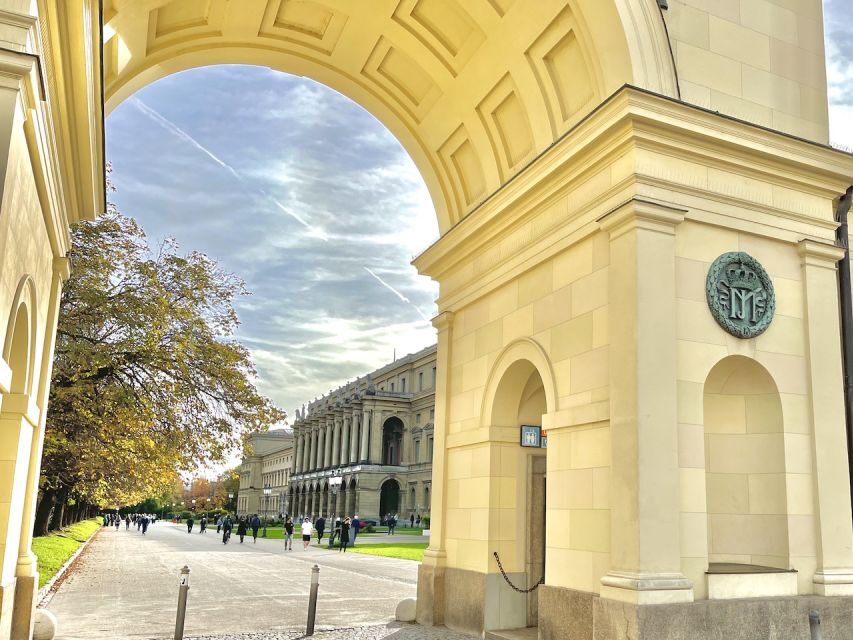
Then you move into big-ticket Munich. The Residenz Palace represents the long shadow of the ruling families, including stories tied to Europe’s long-serving dynasty. Even on the outside, palace architecture signals control—space, scale, symmetry. Your guide connects that visual language to the dynastic story, so it’s not just, wow, that’s large.
After that, the route takes you to the Hofbräuhaus, one of the city’s most famous beer halls. This is a useful contrast. Palaces tell you about rule and tradition; beer halls tell you about public culture and how communities turn history into something shared.
A drawback to watch for: famous places like Hofbräuhaus can mean crowds and noise nearby. The headset helps, but plan to keep your expectations realistic for a quiet, reflective moment. Think more: take it in, learn the context, then move on.
Other walking tours we've reviewed in Munich
Churches with personality: Asam’s Church and St. Peter’s Church
You’ll also see Asam’s Church and St. Peter’s Church. The value of including multiple churches is that you stop treating Munich’s religious buildings as one category. Different churches can feel like different art styles, different eras, different priorities.
Asam’s Church (as you’ll hear it referenced on tour) is known for architectural character. Your guide uses it to highlight how Munich’s art and craftsmanship show up in places you might otherwise skim.
St. Peter’s Church helps widen the picture, showing how the Old City’s spiritual spaces sit inside the broader urban story. It’s the kind of stop that makes you realize the city’s beauty isn’t only in one postcard location.
Synagogue visit: faith, community, and a fuller city story
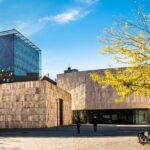
The tour includes a stop at the Synagogue as well. That’s important in a city tour because it prevents the story from narrowing to only one cultural thread. Your guide’s role here is to connect the building’s presence to Munich’s wider historical context.
I appreciate this inclusion because it forces you to see the city as layered, not simplified. Munich’s identity is tied to what its communities built and how those communities changed over time.
WWII reminders and the Eisbach Surfers: the contrast that sticks
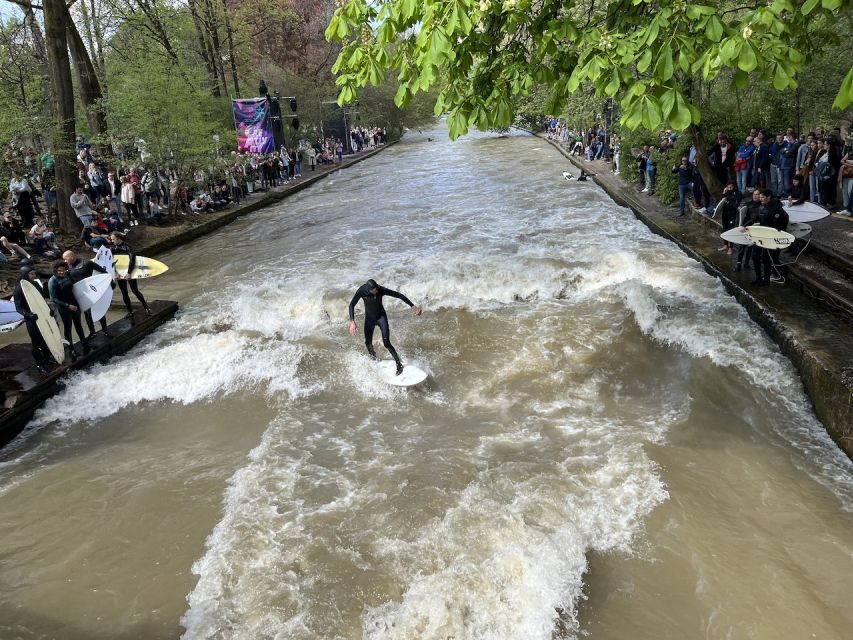
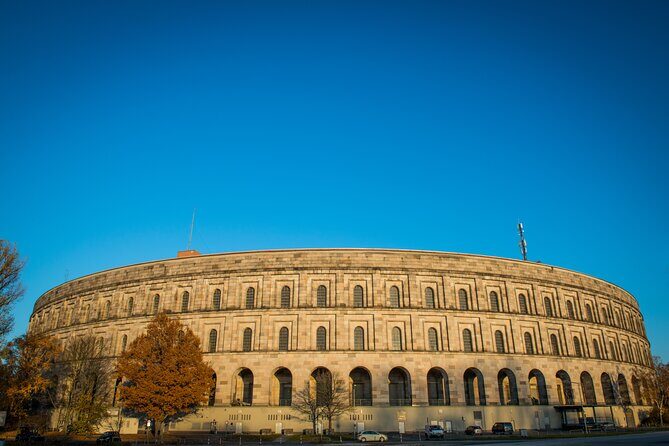
One of the most memorable segments is how the tour handles the darker material. You’ll come across Munich Nazi Remnants and then circle toward the Eisbach Surfers.
That contrast is exactly why this is more than a photo walk. You see the city’s physical reminders of World War II and then you also see modern Munich doing what it does best: taking a dramatic natural feature and turning it into public fun.
It can feel strange at first glance, but it’s the kind of pairing that helps the city make sense. Munich isn’t just a museum; it’s a living place layered with memory.
If you’re sensitive to heavy history, this is still a good tour because you get explanation from a guide instead of accidentally stumbling onto information without context.
House of Art, gallery areas, and the English Garden if time allows
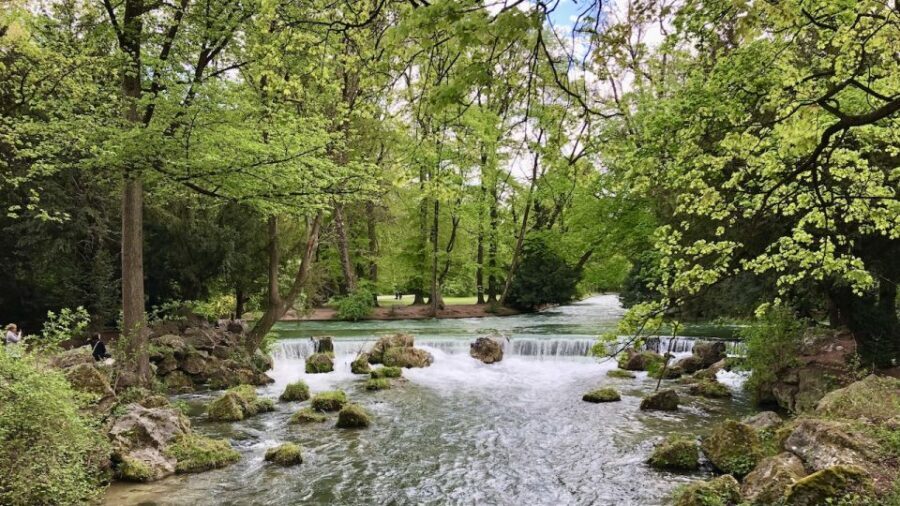
Depending on timing, you may visit the House of Art and reach areas tied to Munich’s creative life (including the Gallery Quarter later). You’ll also have the chance to spot a discreet global corporate headquarters—one of those odd little urban details that makes you feel the city’s modern economy right alongside its heritage.
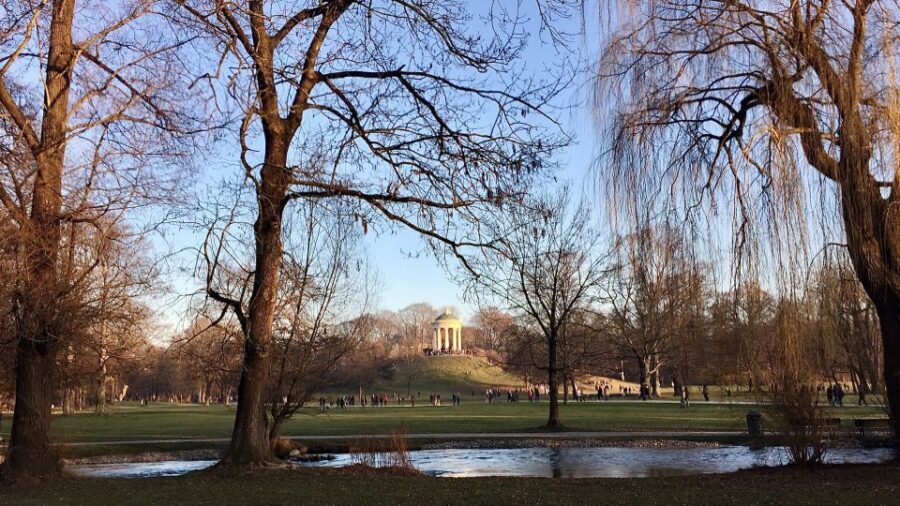
If the schedule allows, your guide may also include parts of the English Garden, including the Monopterus, the Japanese Tea House, the Chinese Tower Beer Garden, and the Lake House. That matters because it gives your feet a change of pace. City streets are one kind of walking; garden pathways are another.
A practical note: since this is a half-day tour, adding English Garden stops depends on how the day flows. If you really want those sights, ask your guide about the time plan early.
Schwabing and the University of Munich: tragedy and triumph on campus ground
The route also reaches Schwabing and the University of Munich, described as the scene of great tragedy and triumph. That phrase hints at why this is such a meaningful stop: it’s not sightseeing in the casual sense. It’s a place where history lives in institutions and people.
Your guide ties these locations back to the bigger historical timeline—helping you connect what Munich did to how it changed. Even if you don’t know the names behind each chapter, the guide’s framing helps you understand why the area matters.
Königsplatz and the Gallery Quarter: finishing with perspective
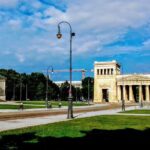
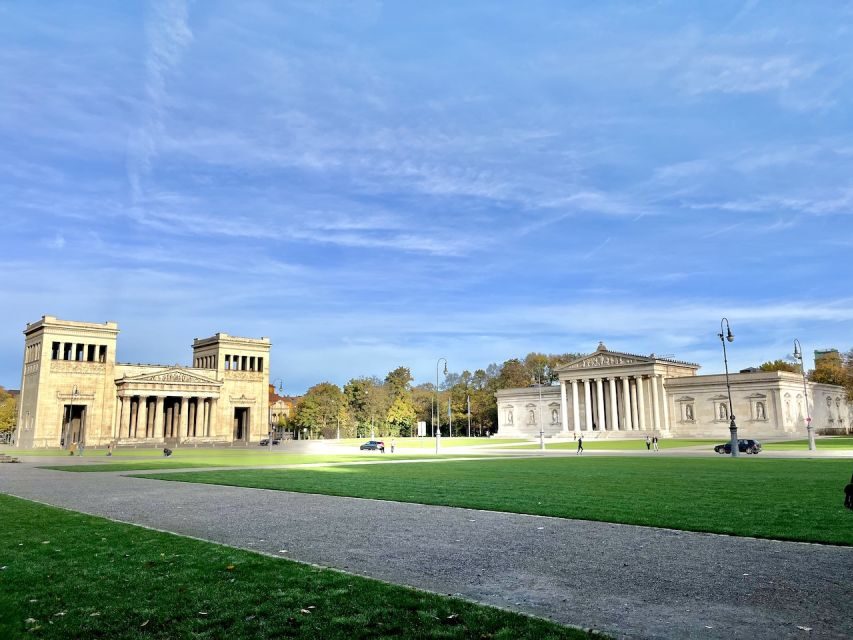
You’ll end up at Königsplatz and continue toward the Gallery Quarter. Königsplatz gives you a more open, monumental setting, which is a good reset after the Old City streets. The Gallery Quarter finish helps you shift from pure architecture to how Munich presents itself through art spaces and cultural areas.
I like ending this way because it gives you something practical after the tour: a sense of where to go next, whether you want more museums, more walking, or simply more time in the neighborhoods you now understand better.
How the guide quality shapes the whole experience
The biggest praised element here is the guide. One review highlighted that the guide had lived in Munich for 40 years and was truly a history expert. Another review praised Julian as friendly, knowledgeable, and adaptable to the group’s interests.
That combination is exactly what you want in a walking tour. Facts alone don’t do much if you can’t connect them to the buildings and streets. And adaptability matters because no one wants a rigid script if they’re more curious about churches, or more curious about the WWII context, or more curious about the city’s modern life.
If you have specific questions—about the family behind the palaces, about why a certain church looks the way it does, about what happened in WWII in this city—this is the kind of tour format where you can actually ask and get an answer.
Value and price: what you’re really paying for
The tour price is $336 per group up to 35, for a duration of 4 hours. In plain terms: you’re paying for a private guide, hotel start and end, and a structured route that hits major sights without you needing to plan every turn.
The “per group” pricing is what makes value swing. If you’re traveling solo, it can feel steep because you’re effectively covering the whole guide fee by yourself. If you’re traveling as a small group—family, friends, or a couple with shared interests—you spread that cost and the value improves fast.
Also, food and drinks aren’t included, and transport isn’t included. That’s normal for a walking tour, but it’s part of the value math: you’re paying for the guide and the route, not for meals.
So the value verdict depends on your group size and how much you want guidance. If you’re the type who enjoys learning the why behind the what, this price can make sense quickly. If you prefer unguided wandering and you already know the history, you might feel less satisfied.
Who this tour suits best
This tour is a strong match if you want:
- A private guide who can shape the pace and answer questions
- A mix of Old City classics and serious historical context
- More than just landmarks—architecture and art explanations
- A practical half-day plan that starts and ends at your accommodation
It’s also a good option if you’ll be visiting Munich for a limited time and want your bearings fast before you branch out on your own.
If you hate walking or need lots of long indoor breaks, this may not be the best fit, since the stops are spread through the city on foot and the tour is designed for forward movement.
Should you book this Munich private half-day walking tour?
I’d book it if you want a guided walk that balances the iconic and the complicated parts of Munich. The route makes sense: start in the Old City, cover the major squares and churches, move through palace and beer hall culture, then handle WWII-related remnants with context, and optionally add modern Munich moments like the Eisbach Surfers and English Garden highlights.
I’d think twice if you want a slow, low-effort day with long sitting breaks and no history weight. Four hours moves along, and you’ll have to accept that you’re getting a guided overview, not an all-day museum sprint.
FAQ
FAQ
How long is the Munich private walking tour?
It runs for 4 hours.
Where does the tour start and end?
The tour includes hotel start and end. Your guide meets you at your accommodation in Munich and you finish back at your accommodation.
How much does it cost?
It costs $336 per group, up to 35 people.
Is the tour private?
Yes, it’s a private group tour.
What language is the guide?
The live guide is English. The activity description also notes a bilingual local guide.
Are food, drinks, or transport included?
No. Food, drinks, snacks, and transport are not included.
Do I need to arrange pickup?
Pickup is included in the sense that the guide meets you at your hotel or the address of your accommodation.
Is the tour wheelchair accessible?
Yes, it’s listed as wheelchair accessible.
What sights are included in the tour?
The tour includes stops around Marienplatz, Rathaus, Viktualienmarkt, Frauenkirche, the Residenz Palace, Hofbräuhaus, the Synagogue, Asam’s Church, St. Peter’s Church, and additional areas like the Eisbach Surfers, Königsplatz, and the Gallery Quarter, with English Garden sights depending on time.
Can I cancel for a refund?
Yes. Free cancellation is offered up to 24 hours in advance for a full refund.