REVIEW · MUNICH
Munich 3-Hour Segway Tour: Nazi Munich & Royal Architecture
Book on GetYourGuide →Operated by Fat Tire Tours - Munich · Bookable on GetYourGuide
Munich at Segway speed is surprisingly smart. In three hours, you move from Karlsplatz into a loop of grand architecture while your guide frames the city’s darker World War 2 story alongside the royal shine. The hands-on Segway coaching gets you comfortable fast, with guides praised for one-on-one training like Canaan and Matt.
What I like most is the balance: you get photo stops at famous buildings plus a clear sense of how Munich grew into one of Germany’s richest cities. You also see the famous river-surfing spot at Eisbachwelle, where the wave is known as the first in the world. One consideration: this is a ride on real city streets, so you’ll need decent balance and patience for the initial safety briefing before you start moving.
In This Review
- Key things I’d plan around
- Why a Segway Works So Well for Central Munich
- The Story the Guide Builds: Royal Munich Meets Nazi Munich
- Route Basics: Meeting at Karlsplatz and Getting Out on the Right Foot
- Stop-by-Stop Breakdown of the 3-Hour Loop
- Starting Location: Karlsplatz 4
- Safety briefing and training (about 30 minutes)
- Photo and sightseeing stop near Karolinenplatz
- Königsplatz: Classical form with Athenian roots
- Alte Pinakothek and Pinakothek der Moderne (two museum contrasts)
- Siegestor and Odeonsplatz: more monument shots
- Munich Residenz and Haus der Kunst
- Eisbachwelle: the river surfers stop
- Angel of Peace and the Isar River
- Maximilianeum: parliament in a palatial setting
- Maximilianstraße and Bavarian State Opera
- Finish back at Karlsplatz 4
- What Makes This Tour Good Value at $91
- Weather, Comfort, and Riding Realities
- Who Should Book, and Who Should Skip
- Should You Book This Segway Tour?
- FAQ
- How long is the Munich Segway tour?
- How much does the tour cost?
- Where do we meet for the tour?
- What’s included in the price?
- What should I bring and wear?
- What is the minimum age to join?
- Is there a weight limit?
- Does the tour run in bad weather?
- Who is this tour not suitable for?
Key things I’d plan around
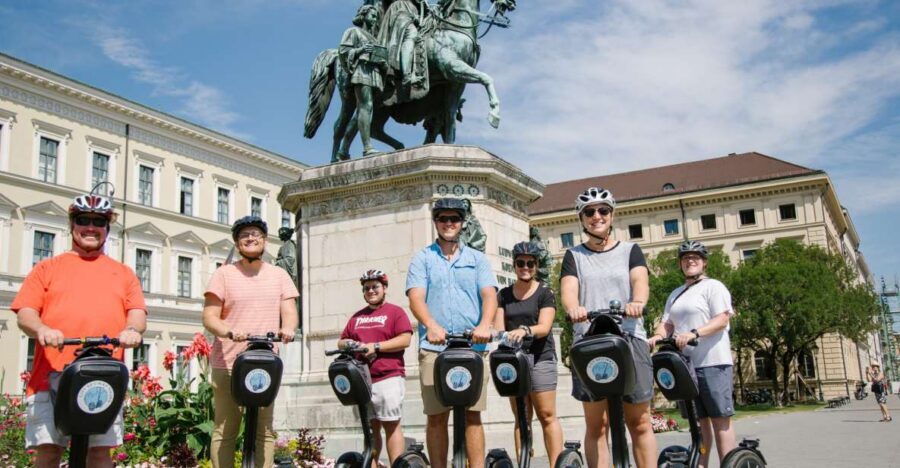
- Small-group size (up to 8) means questions stay useful, not rushed.
- Safety briefing and training (about 30 minutes) sets you up before the route starts.
- WWII + Nazi-era reminders are built into the story, not added as a side note.
- Royal architecture photo stops move quickly, so bring your best photo patience.
- Eisbachwelle river surfers are a standout stop, and the timing matters for the wave.
Why a Segway Works So Well for Central Munich
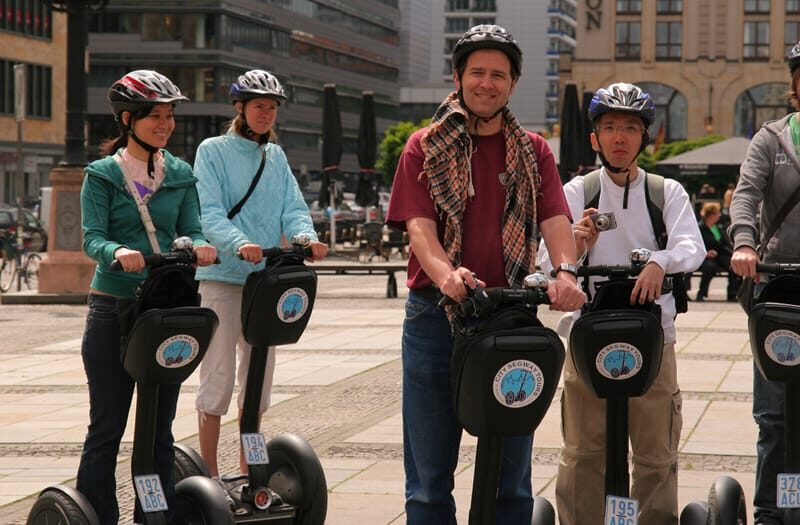
This tour makes sense in Munich because the core is packed with landmark density. Instead of doing repeated up-and-down walking routes, you glide between major sights with the kind of flow that keeps you feeling oriented. In practice, that means you’ll get a fast mental map of where things are, which helps once you’re back on foot for museums, beer halls, or just wandering.
The Segway itself is the real time-saver, but the best part is the lead-in. You get orientation and safety instruction before you head out, and it’s not just a quick demo. Guides are known for patient coaching and getting everyone comfortable before the group starts. If you’re nervous about balancing, that training time is the part you’ll be glad you didn’t skip.
The other reason this works: the route is designed to mix perspectives. You’ll see classical squares and grand institutions right next to the places tied to Munich’s 20th-century story, so the city doesn’t feel like two separate trips.
Other Munich city tours we've reviewed in Munich


The Story the Guide Builds: Royal Munich Meets Nazi Munich
This is not a pure sightseeing lap. The point is to hold two ideas in your head at once: Munich’s rise into wealth and power, and the darker forces that shaped Germany during World War 2. Your guide explains Munich’s journey from medieval town to one of the richest cities, then brings you toward remnants tied to the rise of Nazism.
You also get a tonal contrast that’s deliberate. After the heavier WWII context, the tour leans into grandeur again, using stops connected to Bavaria’s royal architecture to reset your head. That shift doesn’t erase the hard parts; it just keeps the experience from feeling like one long, heavy lecture.
Guides are also known for using humor to keep the pace human. That can be a plus if you like learning with a lighter touch, but it’s worth noting if you prefer a very formal atmosphere throughout. The safest approach for you is simple: go in expecting a mix of history and personality.
And by the end, you’ll have a better feel for the city motto: München mag Dich, Munich likes you.
Route Basics: Meeting at Karlsplatz and Getting Out on the Right Foot
You start at Fat Tire Tours, Karlsplatz 4 (Karlspl.). The directions are straightforward: from the Karlsplatz (Stachus) McDonald’s, with your back to the city gate, turn right along Sonnenstraße. After about 50 meters, the shop is on the right-hand side in the courtyard of Karlsplatz 4.
This tour has a small-group limit of 8 participants, which matters. It means you’re more likely to get a real answer to your question, whether it’s about the history, the buildings, or how to handle a specific riding moment.
Timing-wise, it runs 3 hours, but starting times vary by day, so check availability. You’ll also do a 30-minute safety briefing/training before you really begin. For first-time riders, that training time is usually the difference between feeling confident and feeling stressed.
Stop-by-Stop Breakdown of the 3-Hour Loop
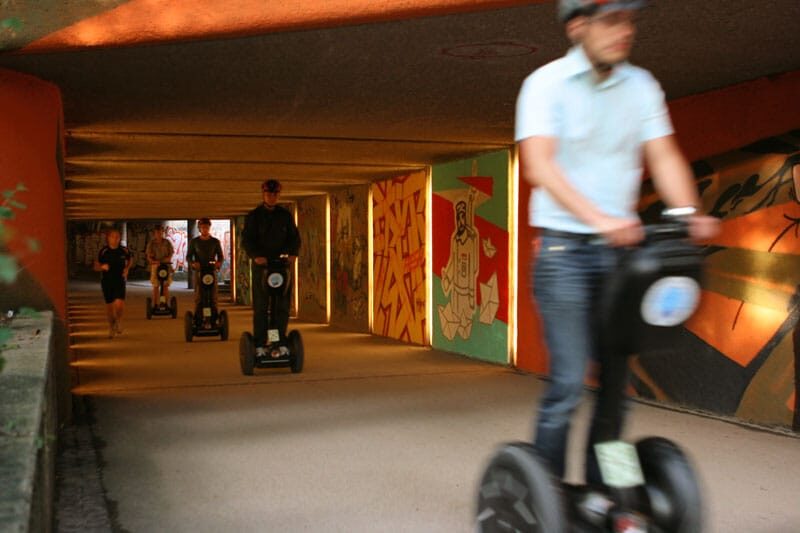
Below is how the ride unfolds, and what each stretch is likely to do for your understanding of Munich. Keep in mind that many stops are short photo stops, so you’ll want to be ready with your camera and a quick question for your guide.
Starting Location: Karlsplatz 4
You gather at the meeting point at Karlsplatz 4. This is also where you’ll get set up before you move. If you’re coming from somewhere else in the city, give yourself a little buffer; Karlsplatz is a busy area and you’ll want calm nerves for the training.
A few more Munich tours and experiences worth a look


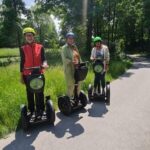

Safety briefing and training (about 30 minutes)
This is where the “Segway learning curve” gets handled. The tour includes Segway orientation and safety instruction, plus raincoats if needed. Most people feel much better after this part, especially if your guide is the patient type known for one-on-one coaching.
You’ll also learn riding etiquette for city streets. Some Segway tours can feel chaotic on busy roads, but the guide’s briefing on etiquette helps keep the flow controlled.
Photo and sightseeing stop near Karolinenplatz
This is one of the early photo moments. You’ll get a quick look around, then move on. The draw here is momentum: you see the city’s look and scale right away rather than waiting until later.
Königsplatz: Classical form with Athenian roots
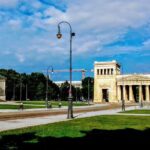
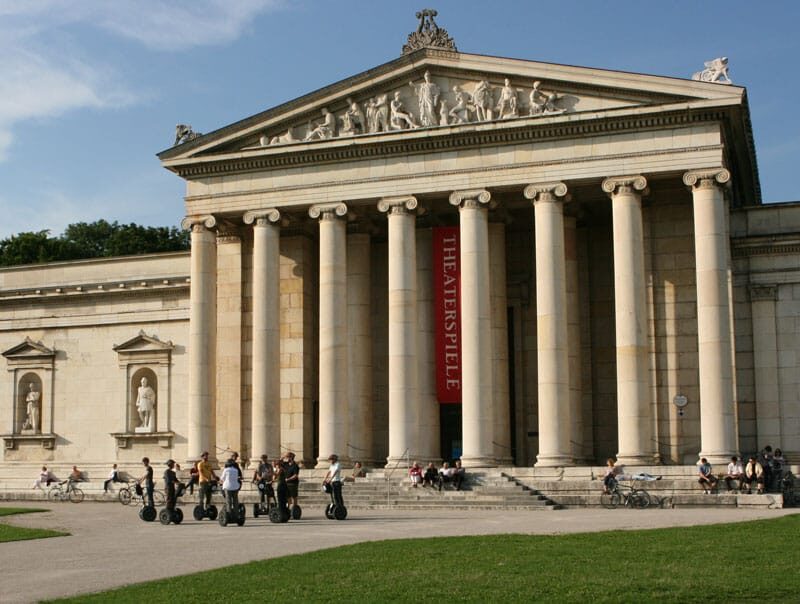
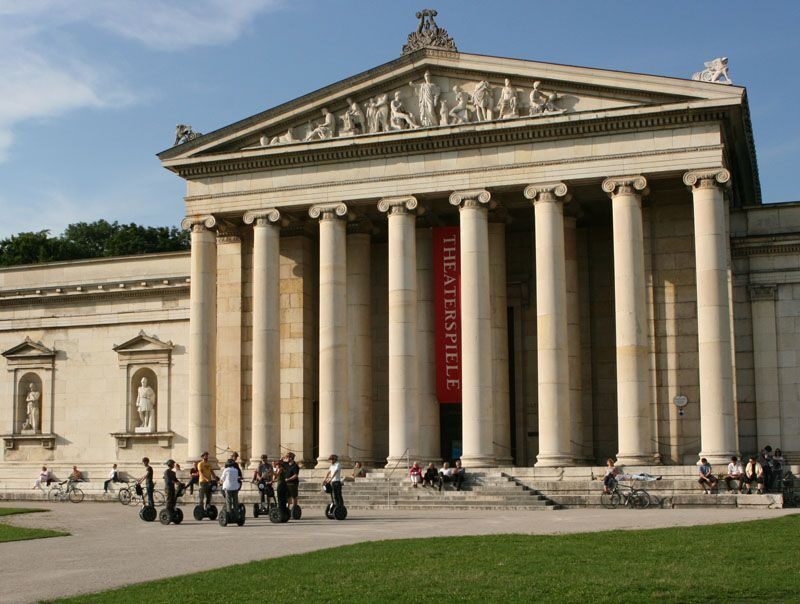
At Königsplatz, your guide connects the square’s look to classical Athens, since it’s modeled on the Acropolis in Athens. This stop is where the “royal architecture” theme starts to feel real, not just a marketing line. You’ll also get a sense of how Munich borrowed visual language from older European power centers.
Photo stop length is short, so don’t expect a slow stroll. Plan on quick photos and listening for what makes the architecture feel “classical” rather than merely pretty.
Alte Pinakothek and Pinakothek der Moderne (two museum contrasts)
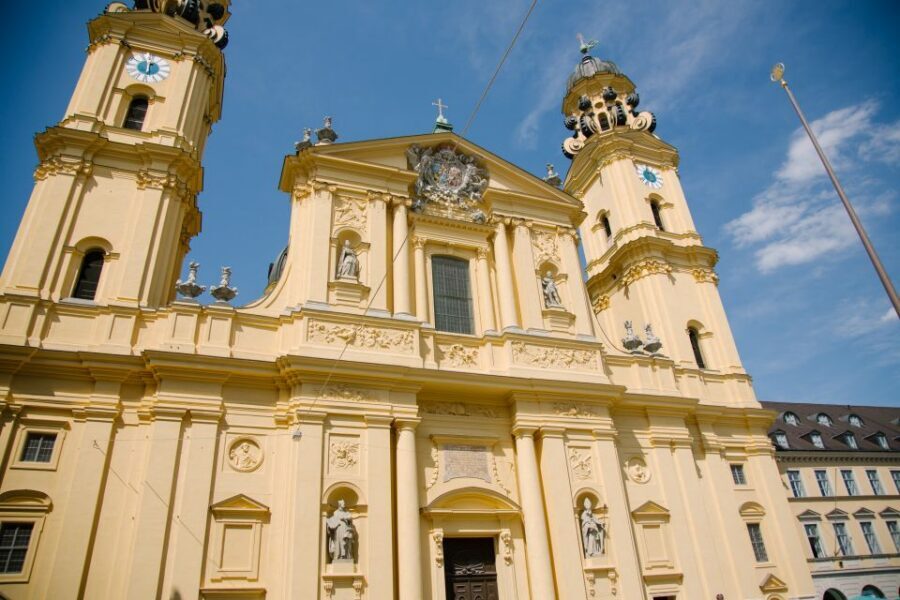
You stop at Alte Pinakothek and later at Pinakothek der Moderne. Even if you don’t go inside, the value is learning how the city places major art institutions in a street-level sequence. The contrast between “old” and “modern” is built into the route.
Because these are brief stops, your best move is to use the time to ask your guide what you should prioritize if you want to see one museum during your free time.
Siegestor and Odeonsplatz: more monument shots
Stops at Siegestor and Odeonsplatz are designed for photos and quick orientation. If you want a Munich “highlights” thread you can remember later, these moments help. The risk is that if you rush your camera setup, you’ll lose the chance at a clean shot.
Munich Residenz and Haus der Kunst
Next you’ll reach Munich Residenz and Haus der Kunst for photo time and sightseeing. This is part of the royal-leaning arc: grand, formal, and very Munich. Even without a museum ticket, these stops help you understand why the city feels so tied to court culture.
Eisbachwelle: the river surfers stop
Then comes the headline-worthy moment: Eisbachwelle. Your guide points out the famous Munich river surfers, known as the first in the world. If you’ve never watched people surf a city river wave, this will likely be the most vivid stop visually.
Even though it’s labeled as a photo stop, the timing includes a little extra time compared with other stops (about 10 minutes). Use that buffer to watch, not just photograph—if the wave is active, you’ll get a better memory.
Angel of Peace and the Isar River
You’ll have stops at the Angel of Peace, Munich, and then at the Isar River. These are built to shift your focus from buildings to the emotional and geographic heart of the city. The key value is perspective: Munich isn’t only monuments; it’s also waterways, meeting points, and public space.
Photo stops are still short, but your guide’s framing should help you connect what you see to the story you’ve already been told.
Maximilianeum: parliament in a palatial setting
At Maximilianeum, your guide connects the building to Bavaria’s political life, noting it has been home to the Bavarian state parliament since 1949. This is one of the most useful stops for understanding how Munich’s identity shifted after the war.
You may see a smoother transition here: royal architectural language on the outside, modern governance on the inside. That contrast is a big part of why history trips can feel less abstract.
Maximilianstraße and Bavarian State Opera
You’ll glide past Maximilianstraße and then stop for photos at the Bavarian State Opera. These are classic “grand city” settings. For your trip planning, these stops can help you decide whether to prioritize opera tickets later, or at least build your own walking route that hits the same areas on foot.
Finish back at Karlsplatz 4
You end back at the meeting point at Karlsplatz 4. The benefit of looping back is simple: you can step off and continue your day without a logistics headache.
What Makes This Tour Good Value at $91
At $91 per person for 3 hours, the value isn’t just the Segway itself. It’s the combination of:
- a guided route through major sights,
- Segway orientation and safety coaching,
- and a small group size that keeps the experience interactive.
If you’re the type who hates doing the “museum research” work before you go, a guided loop earns its cost quickly. You also get rain gear included (raincoats), which can keep the outing from turning miserable if Munich is doing Munich things weather-wise.
Food and drinks are not included, so budget for breaks separately if you want them. Also bring cash, since it’s explicitly required. Think of the tour as your getting-oriented and seeing-the-big-threads session, then plan meals and extras on your own schedule.
Weather, Comfort, and Riding Realities
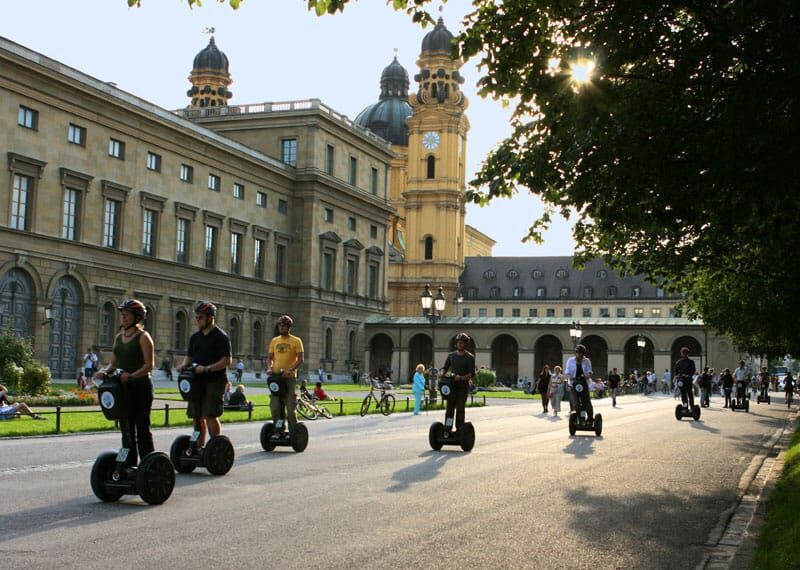
This tour runs rain or shine, except for extremely inclement weather. That’s good because you’re not constantly hunting for a weather window. The included raincoats help, but you’ll still want to dress for wind and cold.
Comfort requirements are clear:
- Comfortable shoes and clothes
- No open-toed shoes
- No alcohol and drugs
There’s also strict guidance on who can join: the tour isn’t for people with back problems, mobility impairments, or recent surgeries, and it’s not suitable for pregnant women. You also need to be within the weight range of 100 to 250 pounds (45 to 115 kg) and be at least 14 years old. People over 95 years aren’t suitable either.
If you’re not sure where you fall on fitness or balance, be honest with yourself. The Segway is user-friendly after coaching, but it’s still a physical activity on real streets.
Who Should Book, and Who Should Skip
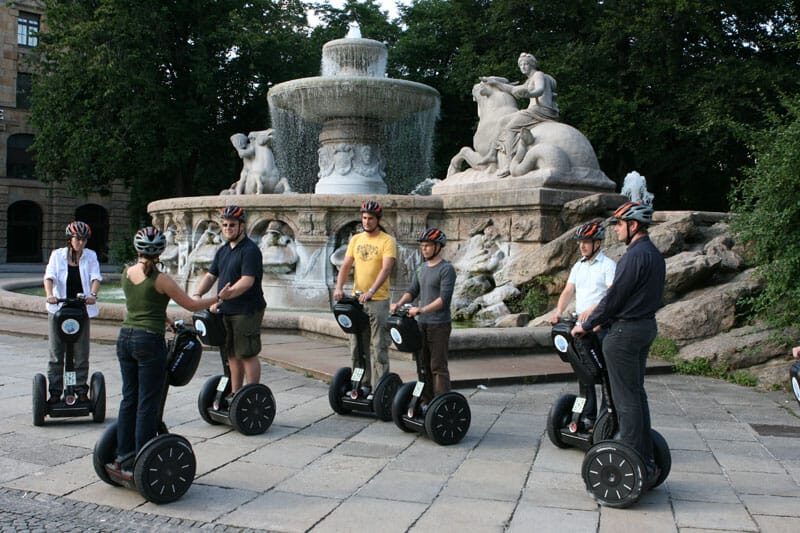
This tour is a strong fit if you want:
- a quick Munich orientation on day one or close to it,
- the mix of royal architecture plus respectful WWII-era storytelling,
- and a fun format that helps you cover ground without burning your legs.
It’s especially good for first-time Munich visitors because the route hits famous structures and also reaches the river wave area at Eisbachwelle. First-time Segway riders also tend to appreciate the training and the calm coaching from guides known for one-on-one instruction, like Canaan, Matt, and others praised for patience.
Skip this tour if:
- you have any of the listed health or mobility constraints,
- you’re not comfortable with city riding after safety training,
- or you’re expecting a slow, quiet walking history tour with long museum time.
Should You Book This Segway Tour?
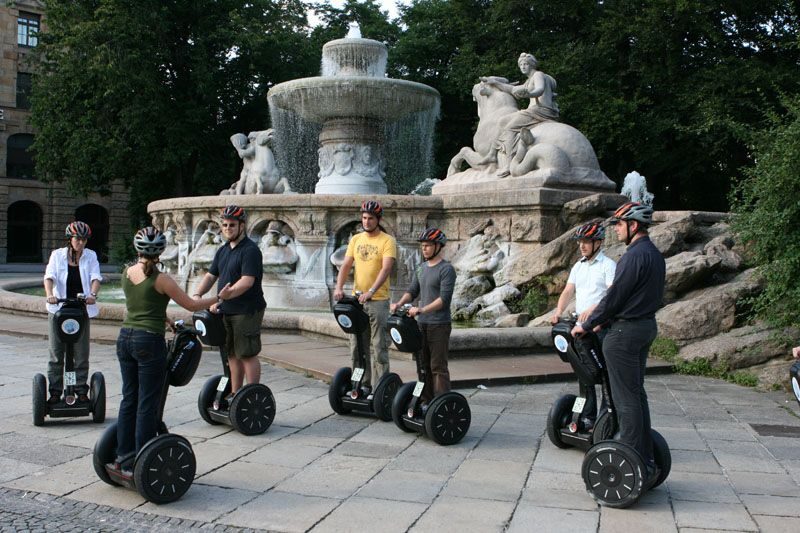
I’d book it if you want a well-paced, small-group introduction that covers both the showy side of Munich and the darker parts of its 20th-century story. The best reason to choose it is the format: you’ll see a lot without feeling like you ran a marathon, and the guide’s explanations give the sights meaning.
I’d think twice if your priority is deep museum time or if you need a very formal, humor-free tone throughout. Also, if weather makes you miserable or if you know you’ll struggle with balance, choose a different style of tour.
If you’re in the sweet spot—comfortable with streets, ready for training, and open to history that includes Nazi-era remnants—this is a smart way to start your Munich trip.
FAQ
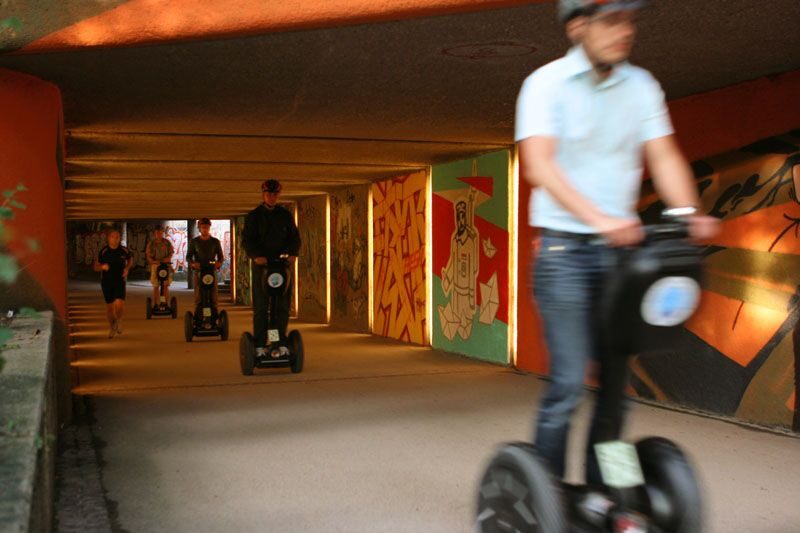
How long is the Munich Segway tour?
It runs for 3 hours.
How much does the tour cost?
The price is $91 per person.
Where do we meet for the tour?
Meet at Fat Tire Tours at Karlsplatz 4 (Karlspl. 4). The shop is in the courtyard off Sonnenstraße near the Karlsplatz (Stachus) McDonald’s.
What’s included in the price?
You get the Segway, Segway orientation and safety instruction, an English-speaking guide, and raincoats.
What should I bring and wear?
Wear comfortable clothes and comfortable shoes. Bring cash. Open-toed shoes are not allowed.
What is the minimum age to join?
You must be at least 14 years old. If you’re under 18, you must be accompanied by an adult or have an adult complete the insurance paperwork.
Is there a weight limit?
Yes. You must weigh between 100 pounds (45 kilos) and 250 pounds (115 kilos).
Does the tour run in bad weather?
It runs rain or shine, except for extremely inclement weather.
Who is this tour not suitable for?
It’s not suitable for pregnant women, people with back problems, people with mobility impairments, people with recent surgeries, people with low level of fitness, and people over 95 years old. Alcohol and drugs are also not allowed.