REVIEW · MUNICH
Dachau Concentration Camp Private Tour by Train from Munich
Book on Viator →Operated by Nuremberg City of Empires Tours · Bookable on Viator
Dachau is hard to forget. This private tour from Munich pairs hotel or station pickup with a focused, guided visit to the Dachau Concentration Camp Memorial Site and museum—so you’re not just looking at buildings and signs. The train ride out of Munich takes the stress out of getting there, roughly 30 minutes north, and your guide keeps the day grounded in context from start to finish.
Two things I really like: first, the experience is led by an officially accredited Dachau guide, and you can ask questions freely; that matters a lot at a place like this. Second, guides such as Lucia, Nick, Achim, Jason, Richard, and Keith are praised for staying respectful while giving clear, chronological framing—so the visit doesn’t feel random. One consideration: the emotional weight is real, and if you’re the type who needs total solemnity the whole time, you’ll want to set expectations with your guide.
In This Review
- Key highlights you should know before you go
- Dachau by Train: The Munich-to-Memorial Route That Keeps You Sane
- Meeting Your Guide in Munich: What Pickup Actually Changes
- First Stop: The Dachau Memorial Site and What You’ll Be Looking At
- Museum Time: How to Use the Free Space Without Rushing
- What You’re Paying For: Price, Inclusions, and Real Value
- Who This Tour Is Best For (and Who Might Want Another Option)
- Practical Tips for a Respectful, Smooth Dachau Day
- Should You Book This Dachau Private Tour from Munich?
- FAQ
- Where do we meet for the tour in Munich?
- How do we get from Munich to Dachau?
- How long is the Dachau private tour?
- Is the tour actually private?
- What will we see at the camp during the guided portion?
- Is there time to visit the museum?
- Is this tour offered in English, and what’s the age requirement?
- What’s included in the price?
- Can I cancel and get a refund?
Key highlights you should know before you go
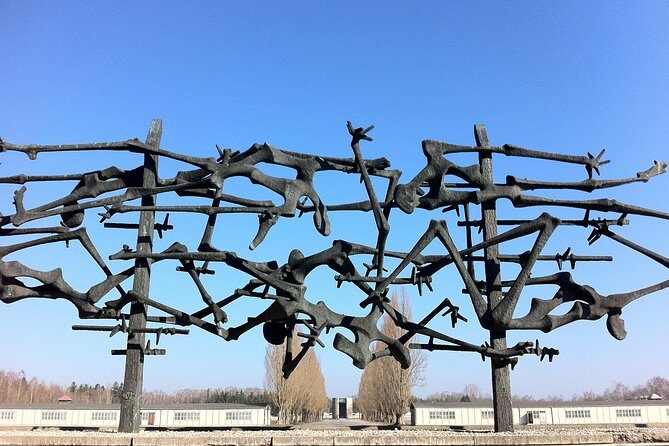
- Private, question-friendly guidance through the camp grounds and memorial interpretation
- Train + bus route from Munich with transport costs included in the price
- Museum time plus free exploring after your guided walkthrough
- What you’ll actually see: the gatehouse (Arbeit macht frei), bunker, crematorium, admin headquarters, and prisoner arrival rail platform
- English-language experience for ages 13 and up, with pickup options in Munich
- Time pacing built around ~3 hours on-site within a total 4–5 hour day
Dachau by Train: The Munich-to-Memorial Route That Keeps You Sane
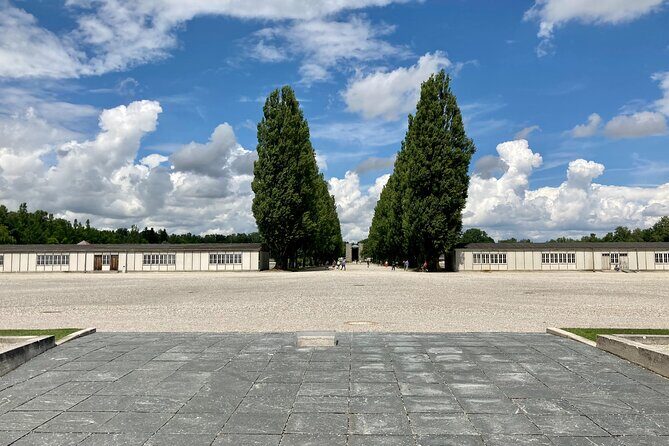
The whole day is designed around an easy transit flow. You meet your guide at Munich Central Station (Hauptbahnhof) or at a centrally located hotel in Munich, then you board a train north toward Dachau. Once you’re in the Dachau area, a bus takes you to the memorial site.
This sounds simple, but it’s a big deal. On your own, you’d spend mental energy figuring out timing, station transfers, and where the bus stop actually lines up with the visit. Here, the transport is handled as part of the service, and the day stays on a predictable track.
Your total time commitment is about 4 to 5 hours. That includes the meeting, the train ride, roughly 3 hours touring the memorial site, then returning to Munich. If you like to plan your days tightly (or you’re traveling with teens), this schedule is easier to fit into your Munich itinerary.
Other Dachau Memorial tours we've reviewed in Munich
Meeting Your Guide in Munich: What Pickup Actually Changes
Pickup options matter more than you’d think. You can start at Hauptbahnhof or at your hotel lobby if you’re centrally located. That flexibility helps you avoid the classic Munich problem: you’re staying “not quite central,” and suddenly your morning depends on the fastest tram route plus good timing.
It also sets the tone. Getting picked up means you begin the day in motion, with your guide already there—so you don’t spend the first hour half-lost and distracted. Multiple guides—like Lucia—are specifically praised for setting context early, from the train ride onward, which can help you understand what you’re about to see before the first sight hits.
And yes, this is private. Only your group participates, so your guide’s pace and focus can match your questions and comfort level.
First Stop: The Dachau Memorial Site and What You’ll Be Looking At
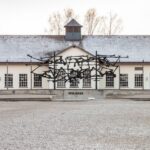
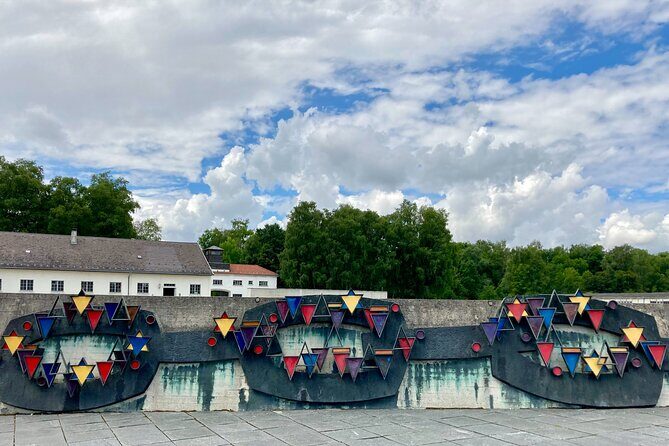
At Dachau, the site is not a “checklist attraction.” It’s a memorial, and you’ll feel that the moment you move through it. The tour is fully guided by an officially accredited guide, and you’re taken through both the camp grounds and the on-site features that remain as reminders of what happened.
Here are the key stops you can expect, and why they matter:
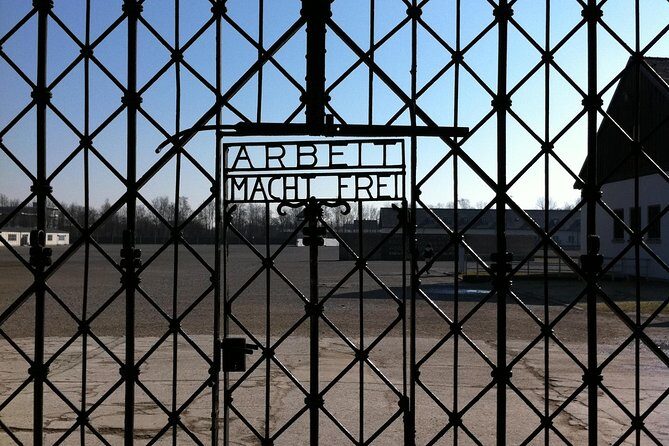
- The gatehouse with Arbeit macht frei (Work makes you free)
This is one of the most recognized symbols tied to the camp. Your guide’s job is to explain how propaganda language fit into a system built on cruelty and control, not liberation.
- Bunker and the crematorium
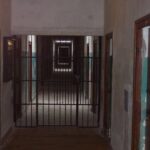
These areas help you understand the machinery of punishment and death. You’ll want a guide who can keep the explanation clear and respectful, and many guides associated with this tour are praised for exactly that kind of careful, linear explanation.
- Administration headquarters
Seeing where decisions were organized (instead of only looking at prisoner spaces) helps you connect the dots between policy, personnel, and outcomes.
- The rail platform where prisoners arrived
This is where you’ll likely feel the strongest shift from “historical lesson” to “human reality.” Your guide can connect arrival logistics to the broader system of deportation and imprisonment.
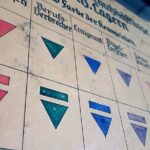
Throughout the walkthrough, you’re encouraged to ask questions. If your group includes people who want more detail on specific prisoner groups or how the camp evolved, the private format is what makes that possible—your guide isn’t forced to stick to a rigid monologue.
The memorial is also clear about this being part of Third Reich Nazi Germany, and your guide should connect the camp’s role to wider Nazi concentration camp development. Dachau is often described as the first permanent camp in Nazi Germany, serving as a model for later camps—understanding that helps you see Dachau as more than an isolated tragedy.
Museum Time: How to Use the Free Space Without Rushing
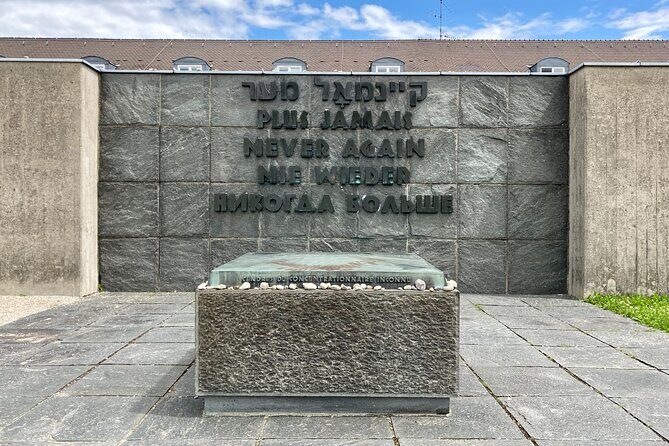
After the guided portion of the memorial grounds, you get time to explore the museum on your own pace. Your guide stays with you up to the point where you can shift into independent viewing, and you may also have the option to watch an English-language documentary if it’s running.
Why I like this structure: it respects how people absorb difficult information. Some visitors want to read every panel. Others need to step away and take a slower walk. With this setup, you can do what works for your group rather than being herded forward at the pace of the fastest walker.
Practical note: museum time is still part of the memorial experience, so treat it like quiet work, not a break. If you’re visiting with teens or first-timers to Holocaust and WWII sites, this is often where the biggest conversations happen—because the museum materials give people something concrete to talk about.
What You’re Paying For: Price, Inclusions, and Real Value
At $266.16 per person, this tour is not cheap. But it’s also not the same category as a low-cost group bus tour. You’re paying for:
- A private guide that’s officially accredited
- Train transport between Munich and Dachau (with the day’s rail portion covered)
- Pickup options in Munich (based on where you start)
- The time you spend on-site—about 3 hours touring with guided interpretation
Another value point: admission at the camp is listed as free. You’re not paying a separate entrance fee to access the memorial content you’re there to see. The price is really about paying for guided context, time management, and included transport.
Food and drinks aren’t included, so you’ll want to plan your meal timing on your own once you’re back in Munich. If you’re trying to keep the day smooth, choose a nearby plan for lunch or an early dinner reservation so you’re not scrambling right after a heavy visit.
One more “value reality check” to consider: the quality of your experience is closely tied to the guide. The service uses certified guides, but like any human experience, guide style can affect how emotionally comfortable you feel and how clearly you follow the timeline. If you want a very strict, solemn delivery, it’s worth signaling that at the start of the day.
Other Munich city tours we've reviewed in Munich



Who This Tour Is Best For (and Who Might Want Another Option)
This is well-suited for travelers who:
- Care about World War II and European history
- Want a private, question-friendly format rather than a large-group scramble
- Prefer not to manage train timing and local transfers when visiting a sensitive site
- Can handle a moderate physical fitness level (there’s walking involved)
It’s also positioned for age 13 and above only, which can be a positive if you’re traveling as a family and want an age-appropriate framework.
This is less ideal if:
- You’re looking for a light, casual outing (Dachau isn’t that)
- Your group strongly prefers a very minimalist, silent tour style all day
In that case, you’ll want to be clear with your guide from the beginning about what you want and how you want the pacing.
Practical Tips for a Respectful, Smooth Dachau Day
Here are a few things that make a difference before you even step on the platform:
- Wear comfortable shoes. You’ll be on your feet for the guided grounds and then again for museum viewing.
- Bring patience for emotions. Even if you’re prepared, the material can hit in unexpected ways. A good private guide helps you slow down when needed.
- Use the question time. If there’s a topic you’re worried you won’t understand—how things developed, what certain areas represented—ask. The private setup is built for interaction.
- Plan your rest of the day lightly. After you return to Munich, you might not feel like sprinting to museums or beer halls immediately. A simple evening plan is often the smartest match.
Also, if you’re traveling during a busy season (Munich events can make rail feel crowded), this tour’s guided, pre-planned transport rhythm helps reduce stress. You won’t be stuck improvising connections while your group is processing what they just saw.
Should You Book This Dachau Private Tour from Munich?
If you want a guided, private visit to Dachau that’s timed cleanly from Munich and includes museum time, I’d say this is a strong fit—especially for first-timers to Nazi Germany history who benefit from chronological framing and room to ask questions.
I’d say skip it only if the cost doesn’t match your priorities or if your group isn’t ready for a heavy, detailed memorial visit. If you do book, go in with one goal: learn enough to understand the system, not just the headlines. The structure here—private guide, focused time on the memorial grounds, and museum space—makes that goal achievable.
FAQ
Where do we meet for the tour in Munich?
You can meet your guide at Munich Central Station (Hauptbahnhof) or at your centrally located Munich hotel. The activity can also end back at the meeting point.
How do we get from Munich to Dachau?
You take a train from Munich to the Dachau area, and then a bus transports you to the Dachau memorial site. Transport costs are included.
How long is the Dachau private tour?
Total time is about 4 to 5 hours, including pickup, train travel, approximately 3 hours touring the memorial site, and returning to Munich.
Is the tour actually private?
Yes. It’s a private tour, so only your group participates.
What will we see at the camp during the guided portion?
You’ll see major camp and memorial features such as the gatehouse with Arbeit macht frei, bunker and crematorium, administration headquarters, and the rail platform where prisoners arrived.
Is there time to visit the museum?
Yes. After touring the camp, you’ll have free time to explore the museum. There may also be an English-language documentary available if you want it.
Is this tour offered in English, and what’s the age requirement?
The tour is offered in English, and participants must be age 13 or above. Children under 13 are not allowed.
What’s included in the price?
The price includes a private guide and train tickets from Munich to Dachau (with the day including the return to Munich). Admission ticket is listed as free. Food and drinks are not included.
Can I cancel and get a refund?
Yes. You can cancel up to 24 hours in advance for a full refund. Canceling less than 24 hours before start time is not refundable.
If you tell me your travel dates and whether you prefer meeting at your hotel or at Hauptbahnhof, I can help you think through how to plan the rest of your Munich day around this visit.