REVIEW · MUNICH
Munich: Raven Black Witches and Executioners Walking Tour
Book on GetYourGuide →Operated by DIE STADTSPÜRER® · Bookable on GetYourGuide
If Munich had a shadow, this tour wears it. You’ll move through the southern old town with a guide who turns everyday street corners into scenes of witches, executioners, and the feared characters who once lived on society’s edge. I like that it stays place-based, so the stories land where they belong, not in generic doom-and-gloom.
Two things I really like: the dark-but-clear storytelling (the guide explains and answers questions) and the fact that you’re walking real central sites like Frauenkirche and the Sendlinger Tor area. One drawback to plan for: it’s German only, so if you don’t read the language, you’ll want to come with patience and a willingness to follow along with the guide’s pacing.
In This Review
- Key things to watch for
- Why this walking tour feels different in Munich
- Starting at Frauenkirche: how the tour sets the tone
- Hackenviertel and Hofstatt: where the stories turn street-level
- Angers quarter stroll: fear, ravens, and the work nobody wanted
- From Frauenkirche to Sendlinger Tor: a guided path you can picture later
- German-language tour: what to expect and how to cope
- Price and value: is $25 worth 105 minutes?
- Who this tour suits best (and who should skip it)
- What to do before you go (so the walk lands)
- Should you book the Raven Black Witches and Executioners tour?
- FAQ
- What language is the walking tour in?
- How long is the tour?
- Where do I meet and where does it end?
- How much does it cost?
- Is the tour wheelchair accessible?
- Is it suitable for children?
Key things to watch for
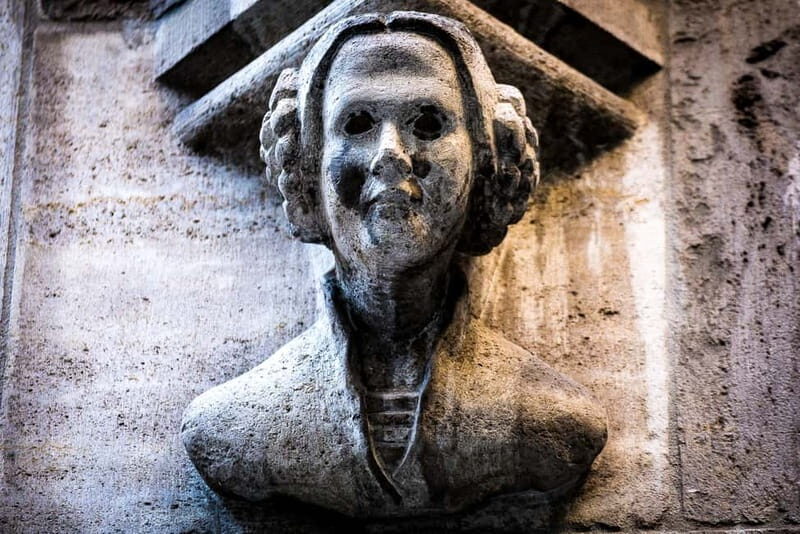
- Frauenkirche start point: Meet at the main entrance on Frauenplatz, between the two towers, and you’ll build the mood right away.
- Hackenviertel and Hofstatt: This area is where the tour’s “shady characters” theme gets strongest.
- A witches-and-executioners theme that’s grounded in places: You’re shown specific spots tied to graves, ravens, and grim trades.
- 1.75 hours in the city center: Long enough for a full story arc, short enough to fit into a same-day plan.
- Guides who handle language challenges well: One German guide named Dhruv got praised for clear explanations and answering questions.
Why this walking tour feels different in Munich
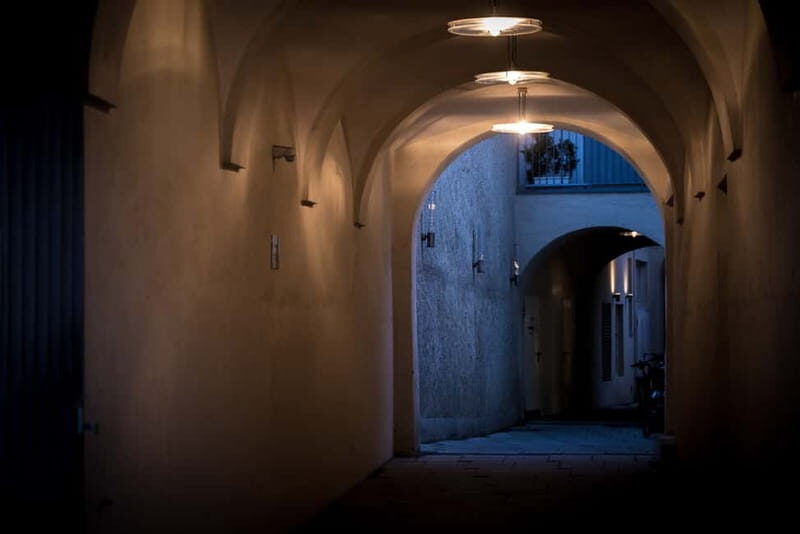
Munich can look polished from a distance—stone facades, orderly squares, the whole “Bavaria postcard” thing. This tour nudges you to look sideways. It takes you into a darker, stranger side of the city center, focusing on the people and jobs that didn’t fit neatly into polite society.
What makes the experience work is the way the guide connects the uncanny theme to specific city locations. You’re not just hearing spooky lines. You’re being walked through the kind of medieval geography where certain trades clustered at the margins, where rumors could spread, and where the line between justice and terror wasn’t always clean.
You also get a clear time frame. At about 105 minutes, you can treat it like a compact evening event—long enough to feel like a story, short enough that you’re not dragging yourself through the whole day.
Other Munich city tours we've reviewed in Munich


Starting at Frauenkirche: how the tour sets the tone
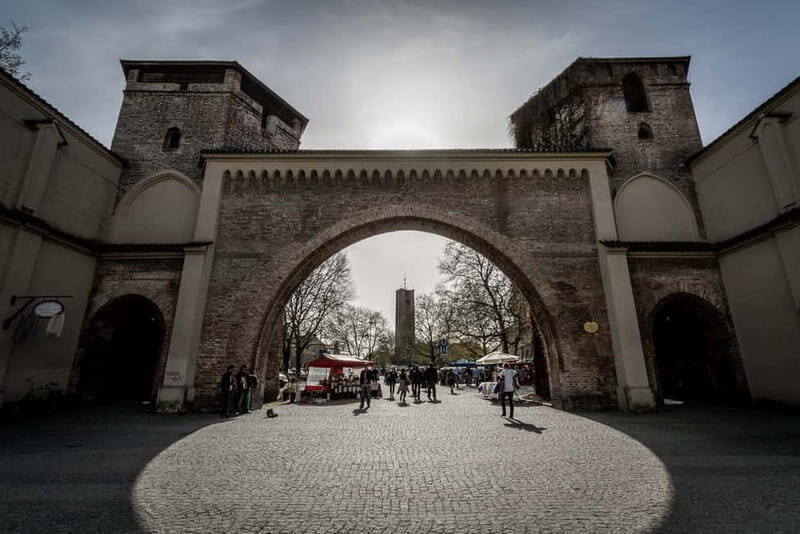
You’ll begin at the main entrance of the Frauenkirche on Frauenplatz, positioned between the two towers. That matters more than it sounds. Starting with a major landmark gives you an easy anchor point for orientation, and it places the whole tour in the heart of old Munich.
From there, the route leads you through the southern old-town streets and toward the Sendlinger Tor area. The guide’s job is to help you “read” what you’re seeing: the spacing of streets, the sense of crowding and backstreets, and why certain places would have felt threatening after dark. Even if you’re not chasing gore and grim details, you’ll notice how quickly the conversation shifts from visible buildings to invisible stories.
If you’re the type who likes context—why a neighborhood earned its reputation—this start point is helpful. You get a recognizable beginning, then the tour starts sharpening the atmosphere.
Hackenviertel and Hofstatt: where the stories turn street-level
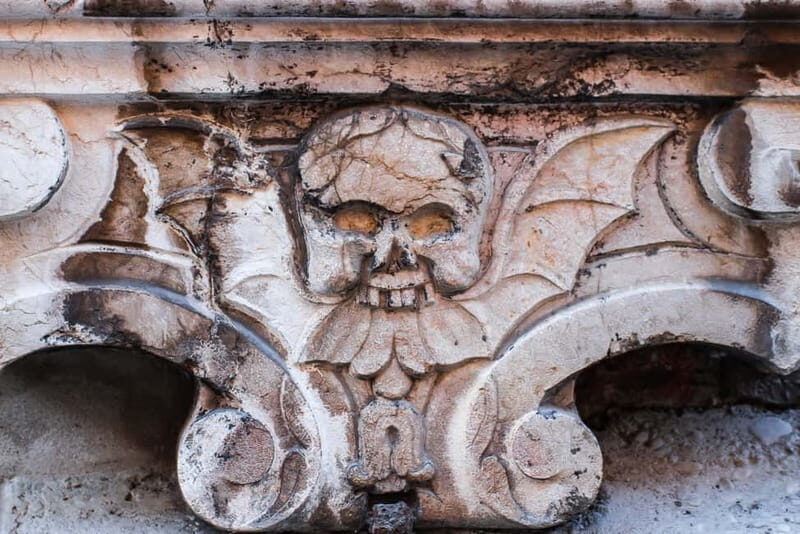
The core vibe builds as you get into the Hackenviertel and near Hofstatt. These names aren’t just decorative. They signal the kind of urban fabric where people lived differently than in the official, respectable lanes.
This is where the tour leans into the cast of “don’t-ask-don’t-tell” medieval society: executioners, witches, hangmen, and other figures framed as dangerous or unclean. You’ll hear stories that talk about lost souls and fear—more legend than modern courtroom—and the guide uses those narratives to explain how rumors and roles shaped what people believed.
Two ways this helps you, practically:
- You’ll get a sense of the neighborhood’s mood as you walk through it, instead of trying to memorize facts afterward.
- You’ll understand why certain locations felt off-limits for ordinary citizens when the night came.
One caution: if you’re squeamish about uncomfortable topics (the tour includes references to people on the fringes and the harsh realities of older punishments), plan your energy accordingly. It’s not a gentle “spooky walk” for kids.
Angers quarter stroll: fear, ravens, and the work nobody wanted
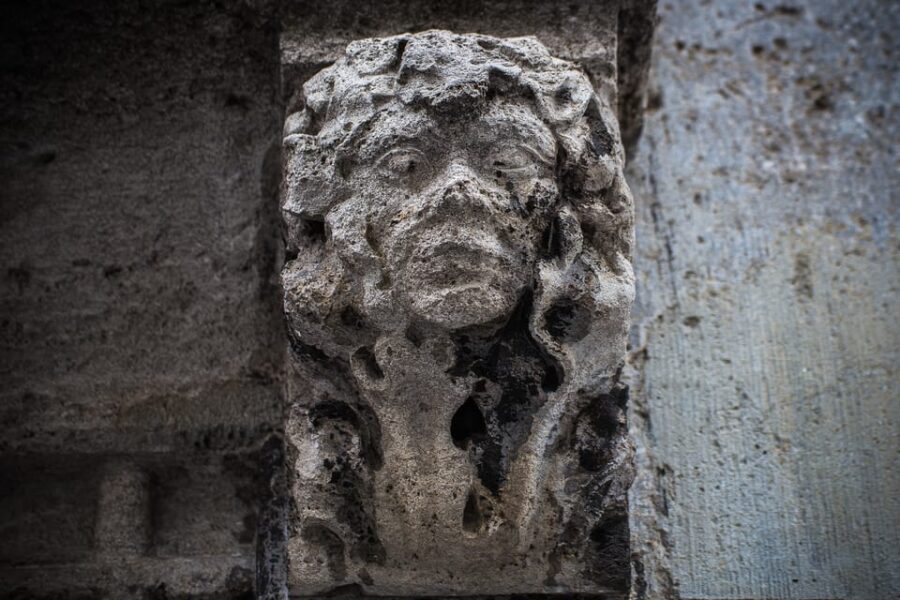
As you keep moving through the southern old town, you’ll spend time around the Angers quarter and the surrounding lanes that make up the southern old-town mood. The tour’s description highlights specific motifs the guide will tie into the route—like ravens circling, where a grave-digger would have shouldered a spade, and how executioners handled their tools.
Even without getting graphic, those images do something useful: they connect the legend theme to real human labor. In older cities, the tasks tied to death and punishment weren’t optional. People had to do them, and the public often treated them like contamination.
That’s what I’d call the real lesson here: the tour isn’t only about witches and devils as fantasy characters. It uses grim jobs and feared spaces to show how society organized itself around fear.
From Frauenkirche to Sendlinger Tor: a guided path you can picture later
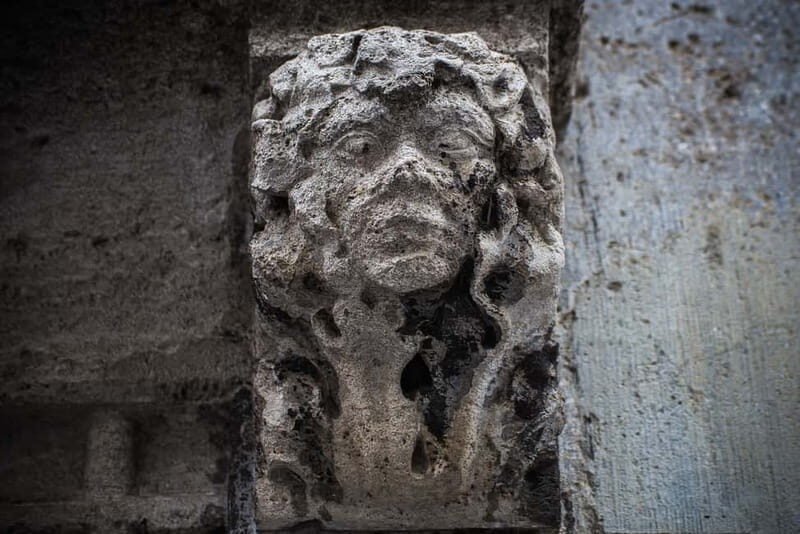
You’re walking from Frauenkirche toward Sendlinger Tor, criss-crossing through the Hackenviertel area as you go. This is a big plus if you like “I can picture that later” sightseeing. A straight line walk is easy to forget. A weaving route helps you build a mental map of central Munich’s older street pattern.
It also helps you understand how neighborhoods connect. Instead of treating Munich’s center like one single historic zone, the route suggests there were different social zones and different emotional tones even within short distances.
By the time you near the Sendlinger Tor side of things, you’ll feel the tour’s storyline tighten. Then, the walk brings you back to the meeting point.
This loop ending is practical. You don’t have to think about transit timing or re-orienting to find your way back at the end. You finish where you started: in front of the Frauenkirche on Frauenplatz.
Other walking tours we've reviewed in Munich




German-language tour: what to expect and how to cope
This tour runs in German. There’s no English option stated for this specific experience, so your success depends on your comfort level.
Here’s the good news: the guide quality is the standout in the feedback you’ll see. One guide named Dhruv was praised for being friendly, explaining everything, and answering questions. Another note praised clear speech even when the group language wasn’t anyone’s mother tongue.
Still, you should treat the language factor as real. To make it easier:
- Pick a seat position near the guide so you can catch small phrasing and directions.
- Bring a basic readiness for listening rather than translating every word.
- If you have questions, expect some back-and-forth, but don’t count on perfect bilingual flow.
If you’re only comfortable with English, this is the biggest practical consideration. You can still enjoy the atmosphere and the place-based storytelling, but you’ll likely grasp more if you’re at least conversational in German.
Price and value: is $25 worth 105 minutes?

At $25 per person for about 105 minutes, this tour sits in the affordable end of guided sightseeing in a major city. The value angle isn’t the price alone—it’s what you get for it.
You get:
- A local tour guide who works the story through multiple central locations
- A small gift at the end (a nice touch that makes it feel like a real hosted experience)
- A focused theme that you can’t replicate from a simple map walk
You’re also paying for a curated walk with a narrative structure. That matters because the dark theme works best when it’s guided. You’re not just collecting haunted locations—you’re learning what each place is supposed to represent inside the story.
If you enjoy walking tours and like your history with atmosphere, $25 is a fair deal. If you only want broad, general highlights, you might find this one too niche and too language-dependent for the cost.
Who this tour suits best (and who should skip it)
This is best for adults or older teens, because it’s not suitable for children under 14. That tells you the tone: it’s aimed at an audience that can handle darker subjects without turning it into a joke.
It also fits best if you like:
- Guided city-center walking
- Character-driven storytelling (witches, executioners, and cursed places)
- Learning why certain jobs and groups were treated with fear
You might skip it if:
- You want an English tour.
- You dislike dark themes or uncomfortable social history topics.
- You prefer sightseeing that’s mostly factual and verifiable, without legend-style framing.
What to do before you go (so the walk lands)
Because this tour leans into mood and story, your preparation can make the experience click.
I’d do three things:
- Wear comfortable shoes. It’s a walking tour that lasts about 105 minutes, so you’ll want your feet happy.
- Plan for a slower rhythm around the center streets. The guide will stop often to explain and connect the theme to the surroundings.
- If you’re working with German as a second language, set your expectations. You’re not trying to translate everything word-for-word; you’re trying to follow the thread.
Also, you’ll want to arrive a little early for the best start. Meeting between the Frauenkirche towers is easy to find once you’re looking for it, but walking up and waiting a minute or two beats rushing and missing directions.
Should you book the Raven Black Witches and Executioners tour?
If you want a Munich experience that feels strangely human—less “monument sightseeing,” more street-level story—this tour is a strong choice. The best reasons to book are the guided storytelling, the way it anchors themes to specific places in the Frauenkirche–Sendlinger Tor zone, and the high guide satisfaction. The praises for guides like Dhruv point to clear explaining and active engagement, which is exactly what makes a German-language tour workable.
On the other hand, if you need English or you’re sensitive to darker topics, you may feel it’s not for you. Also, with German-only delivery, you’ll enjoy it more if you’re comfortable following spoken narrative.
If you fit the theme and the language is manageable, I’d book it—especially as an evening activity when you want Munich to feel a little less orderly and a lot more alive.
FAQ
What language is the walking tour in?
The tour is in German only.
How long is the tour?
It lasts about 105 minutes (around 1.75 hours).
Where do I meet and where does it end?
You meet in front of the main entrance to the Frauenkirche on Frauenplatz, between the two towers. The tour ends back at the meeting point.
How much does it cost?
The price is $25 per person.
Is the tour wheelchair accessible?
Yes, it is listed as wheelchair accessible.
Is it suitable for children?
It is not suitable for children under 14.