REVIEW · MUNICH
Munich: Street Art Bike Tour
Book on GetYourGuide →Operated by Munich Walk Tours · Bookable on GetYourGuide
Street art looks different when you’re pedaling.
This Munich: Street Art Bike Tour turns a tidy city into a living canvas, with stops that explain how graffiti took off in Germany in the 1980s and why Munich became a mecca for writers. I especially like the mix of big-color wall art with real context (not just where to take photos), and the way the route pushes you beyond the postcard core. One thing to consider: it’s a 210-minute ride, and the live guide is German, so it may feel like a lot if you’re not comfortable on a bike or you need more language support.
You’ll get a bike included, plus a guide who points out what to notice and how to read the details. The vibe is energetic and slightly rebellious, but still organized—no chaotic stumbling, just a steady flow of art and stories.
In This Review
- Key highlights worth planning for
- Street art in Munich makes more sense at bike speed
- Starting at Marienplatz: quick, easy, and hard to miss
- The Isar River stretch: where the city’s art feels close-up
- Giesing: going off the tourist track without losing comfort
- Slaughterhouse district stops and that boat break by the bridge
- What you’ll learn about graffiti history (and why it’s not trivia)
- Bikes, pacing, and practical comfort on a 210-minute ride
- Price and value: is $40 worth it?
- Who this tour suits best (and who should skip it)
- Guide style matters: clear, friendly, and patient helps
- Should you book the Munich street art bike tour?
- FAQ
- Where is the meeting point?
- How long is the tour?
- What’s included in the price?
- What language is the tour guide?
- Is this tour suitable for children?
- Is alcohol allowed on the tour?
Key highlights worth planning for
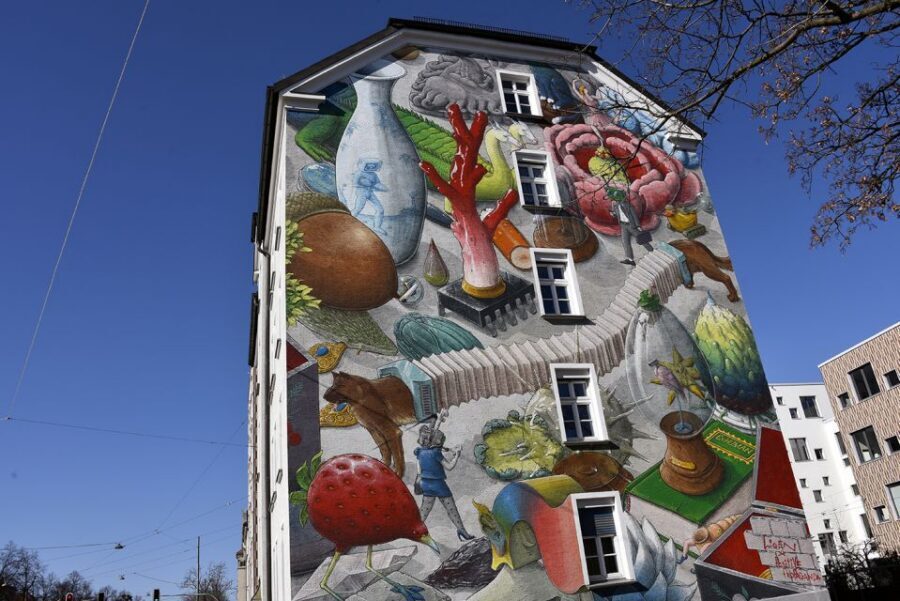
- Marienplatz meetup with a clearly marked street art sign so you can start without guessing
- Isar river route where artists have left marks you can spot while you cruise
- Giesing, a former working-class neighborhood, to see how street art changes with place
- Slaughterhouse district stops that add grit and contrast to Munich’s cleaner image
- A break on a boat at a railway bridge, so the ride isn’t nonstop
- 1980s graffiti history in Germany, connected to today’s newer street artists
Street art in Munich makes more sense at bike speed
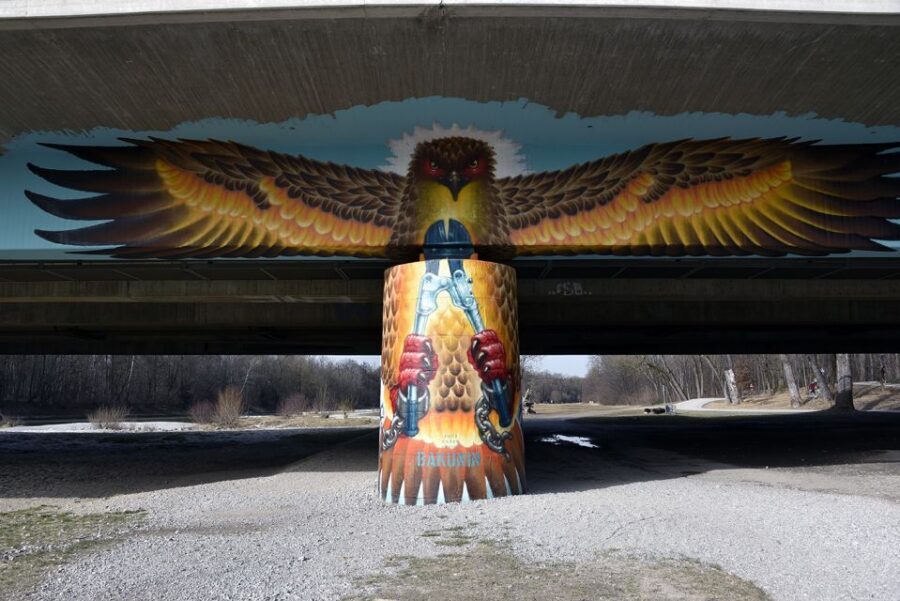
Munich is famous for being tidy, orderly, and polished. That’s exactly why this tour works so well. When you ride from place to place—rather than walking a museum-like route—you start to see street art not as random decoration, but as a living conversation across time.
The tour’s big value is the blend: you’re not only looking at colorful walls. You’re also learning how graffiti grew in Germany, and how Munich fit into the wider graffiti scene at the time. The city has long been seen as a hub—on par with New York in spirit—so the story lands with weight, not just aesthetics.
You also get the best kind of authenticity: art you can see where it actually lives. The bike format helps because it lets you reach areas most visitors never get to on foot, and you cover distance without feeling like you’re constantly rushing.
Other Munich city tours we've reviewed in Munich


Starting at Marienplatz: quick, easy, and hard to miss
You meet your local guide in front of the Tourist Information Office at Marienplatz. The guide will be holding a yellow street art tour sign with red letters. That sign matters more than you’d think—especially if you’re arriving from different directions or you’re wearing the wrong kind of travel outfit for Munich weather.
Once you’re grouped up, the rental bikes are part of the package, so you’re not wasting your sightseeing day trying to figure out gears, locks, and helmets that may or may not be available.
A practical tip: show up a few minutes early so you can get comfortable with the bike. For a 3.5-hour tour, a smooth start helps your whole ride.
The Isar River stretch: where the city’s art feels close-up
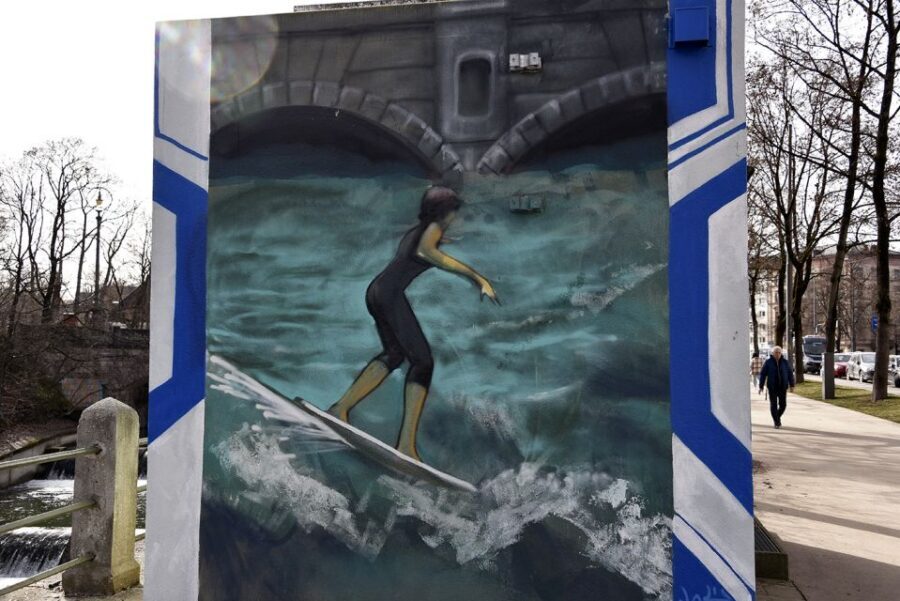
One of the main route ideas is simple: you ride along the Isar river. That matters because the river corridor creates a natural sightseeing line. You’re not just “going to walls.” You’re moving through a space where graffiti can feel integrated into the city fabric.
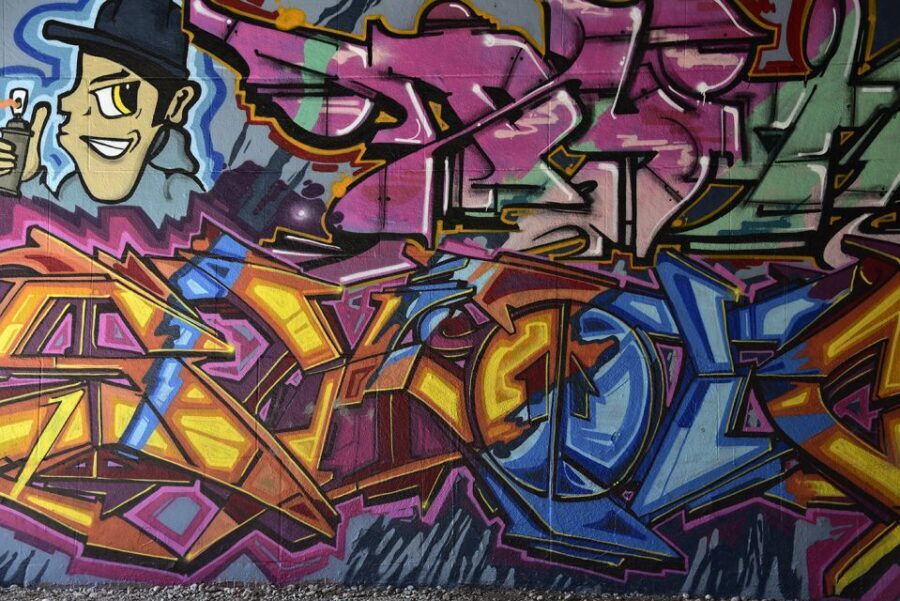
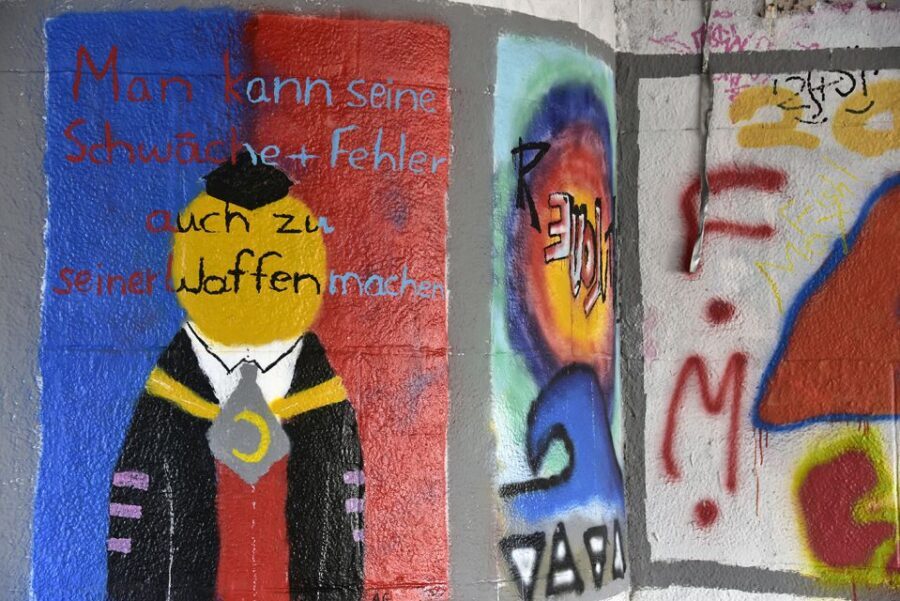
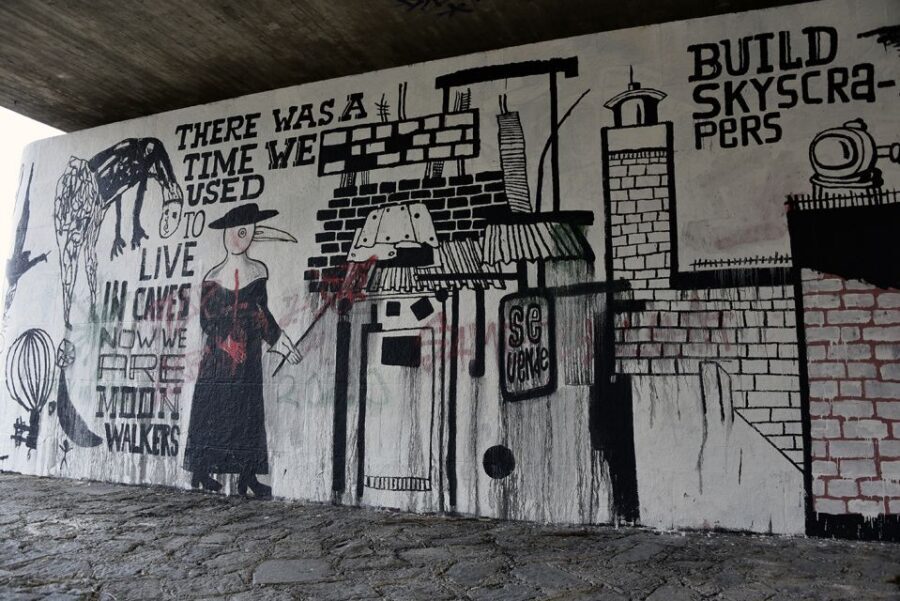
On this part of the tour, you’ll be looking for color that looks alive—tags, murals, and layered pieces that show different eras of street art. The guide helps you learn how to notice progression: style choices, scale, and the way certain works reference the culture around them.
Also, the river stroll vibe (even while you’re cycling) often feels calmer than the center of Munich. It’s a good way to reset after arriving or before your next stop.
Giesing: going off the tourist track without losing comfort
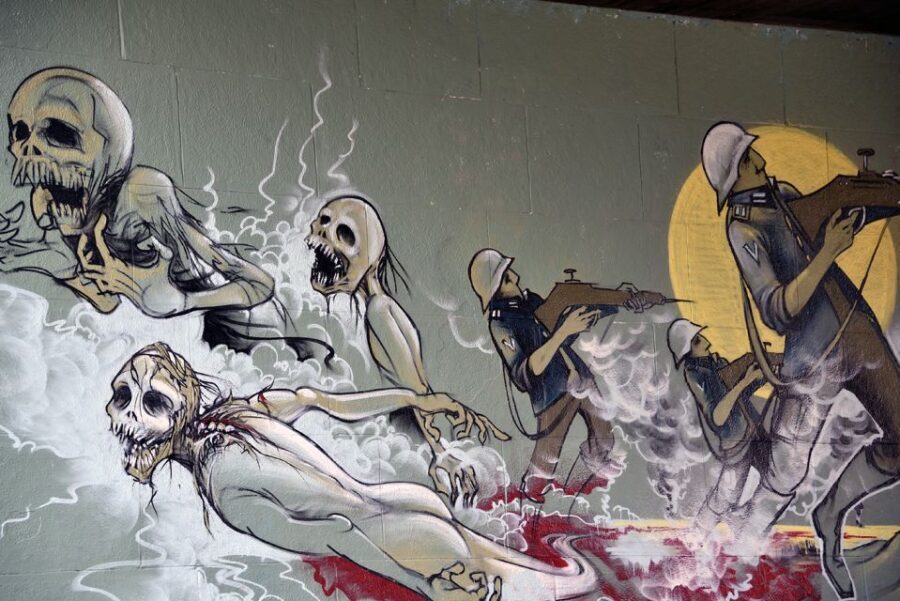
After the main sightseeing feel of the central city, the tour sends you toward Giesing, described as a former working-class neighborhood. That shift is the point. Street art doesn’t grow in a vacuum, and neighborhood character shows up in what gets painted and how people respond.
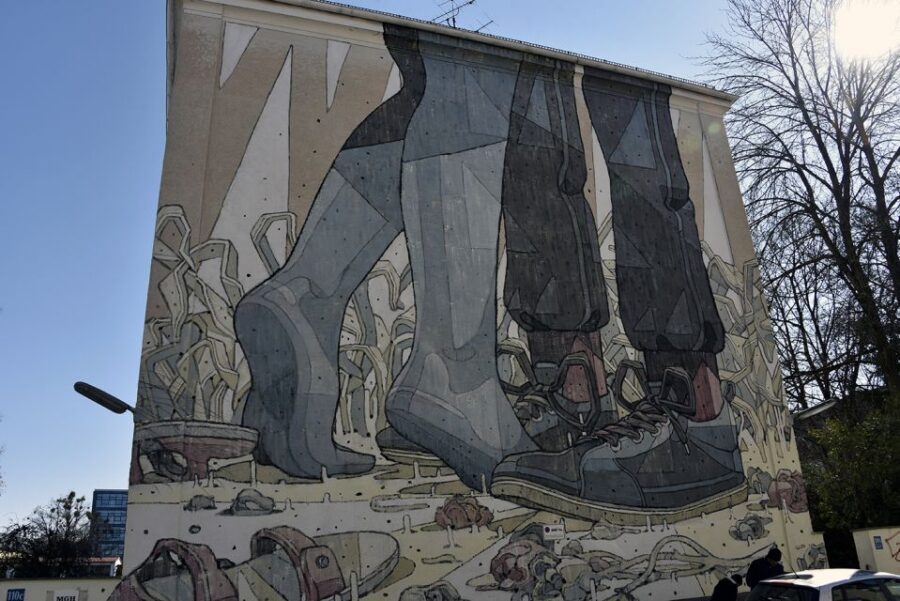
From your bike seat, you’ll get a more lived-in sense of Munich. You’ll see art that feels less like it was made for visitors and more like it belongs to locals and the rhythms of daily life.
There’s also a psychological payoff here: getting out to Giesing breaks the “Munich is all the same” assumption. Even if you only know Munich as tourists know it, you’ll come away with a clearer picture of how different parts of the city can feel like different worlds.
Slaughterhouse district stops and that boat break by the bridge
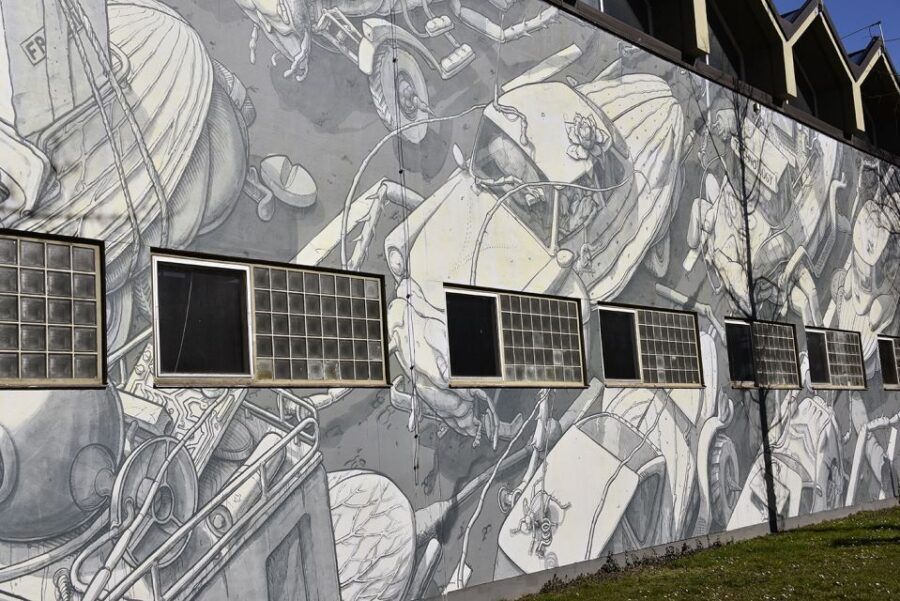
The tour then heads toward the slaughterhouse district, another move away from the well-trodden view of Munich. This area adds contrast. Where you might expect street art to be clean and polished, you’re instead looking at a setting that feels more industrial and gritty. That contrast helps the art read differently—hard edges and heavy textures make the colors pop even more.
Then comes a smart pacing moment: a break on a boat at a railway bridge. It’s not just a scenic intermission. For a 210-minute bike tour, you need a real reset. This pause gives you time to cool off, regroup mentally, and take in what you just saw without feeling like you’re racing to the next stop.
If you’re someone who gets tired legs quickly, you’ll appreciate that the tour isn’t structured as a nonstop sprint.
Other Munich bike tours we've reviewed in Munich

What you’ll learn about graffiti history (and why it’s not trivia)
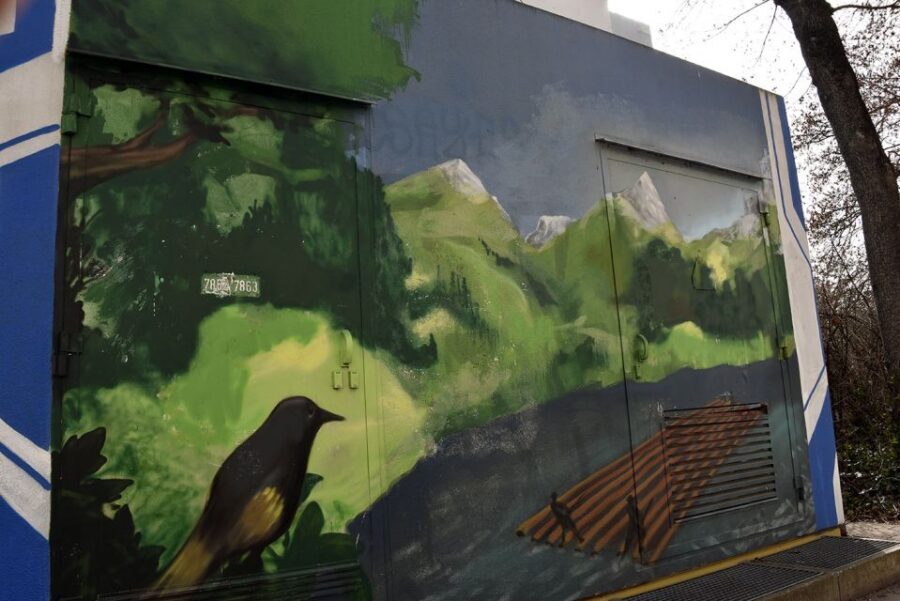
The tour frames Munich’s street art story around the 1980s—when graffiti was a pioneer movement in Germany. That historical angle is more than background. It helps you interpret why certain styles exist and why some walls look the way they do.
You’ll also hear about Munich’s role in the broader graffiti world, often described as being a mecca alongside New York. That’s useful because it explains how graffiti culture traveled, mutated, and developed into different local identities.
What I like about this kind of storytelling: it doesn’t ask you to be an expert. You just need curiosity. The guide connects past to present by pointing out works from “old masters” who shaped the culture, while also showing newer street artists whose work reflects what’s happening now.
And yes, you’ll probably come away noticing details you’d normally skip—like how artists build visual rhythm across a surface, or how repeated symbols and letter forms can signal lineage.
Bikes, pacing, and practical comfort on a 210-minute ride
This tour runs 210 minutes. That’s long enough to feel like an actual experience, not a quick hit. But it’s still short enough that you shouldn’t feel defeated—if you’re reasonably comfortable cycling.
You’ll have rental bikes included, which is a real value point because it removes friction. You don’t have to shop around for a bike rental on the same day, and you don’t have to waste time comparing local rental rules.
One consideration: the tour isn’t listed as suitable for wheelchair users, and it’s not recommended for children under 10. Also, a 3.5-hour ride can feel long for some younger participants even when they’re excited, especially if there are frequent photo stops.
If you’re choosing this with kids, aim for children who are already comfortable on bicycles for at least an hour.
Price and value: is $40 worth it?
At about $40 per person for roughly 3.5 hours with a guide and a rental bike, the value is pretty clear. You’re paying for three things at once:
- A guide who interprets the art scene (so you get meaning, not just locations)
- The bike, which otherwise costs time and money to arrange
- A route that includes multiple neighborhoods and the Isar river corridor
In other words, you’re not only buying “street art sightseeing.” You’re buying transportation + context + access to less-touristy parts of Munich.
The only way it’s not worth it is if you hate cycling, or if you strongly prefer a purely walking-based pace. Otherwise, $40 is a reasonable price for a guided, structured way to see a side of Munich that most people never notice.
Who this tour suits best (and who should skip it)
This is a great fit if you:
- Want street art with history and explanations, not just photo ops
- Like getting out of the center and exploring neighborhoods like Giesing
- Enjoy cycling at a steady pace for a few hours
- Prefer guided structure when searching for real street art rather than random browsing
It may not suit you if:
- You use a wheelchair (not suitable)
- You’re traveling with a very young child (not recommended under 10)
- You need a tour in a language other than German (the tour guide is German, even though guides may explain clearly in practice)
- You’re looking for a short, low-effort sightseeing walk
One more rule to note: alcohol and drugs aren’t allowed. That keeps the tour focused and family-friendlier in spirit, even though it’s not targeted at small kids.
Guide style matters: clear, friendly, and patient helps
A theme in the tour experience is that the guides do real work to make the stops understandable. One guide you might be assigned is Ulrike, who has been described as friendly, patient, and willing to explain clearly even when the group wasn’t purely German-speaking.
That matters because street art isn’t always obvious at first glance. If a guide can slow down, point out what to look for, and connect it to the broader Munich story, you get more out of every stop.
In short: the guide quality directly changes how much the art means to you. This tour is built so you don’t leave feeling like you just rode past walls.
Should you book the Munich street art bike tour?
If you want Munich off the tourist rails, yes, this is worth booking. The combination of Isar river cycling, neighborhood shifts to Giesing, and the contrast of the slaughterhouse district makes it feel like a real tour of a real city—not a curated highlight reel. Add a guide who explains how graffiti culture developed in Germany in the 1980s, and you get both color and context.
Book it if you’re comfortable cycling for about 3.5 hours and you’re okay with a German-language guide. Skip it if cycling time is your limit or if you’re traveling with someone too young for a longer ride.
FAQ
Where is the meeting point?
Meet your local guide in front of the Tourist Information Office at Marienplatz. The guide will be holding a yellow street art tour sign with red letters.
How long is the tour?
The tour lasts about 210 minutes (around 3.5 hours).
What’s included in the price?
The tour includes a tour guide and a rental bike.
What language is the tour guide?
The live tour guide language is German.
Is this tour suitable for children?
It’s not suitable for children under 10 years old.
Is alcohol allowed on the tour?
No. Alcohol and drugs are not allowed.
—
If you tell me your travel dates and whether you’ll be with kids or just adults, I can help you decide if the 210-minute cycling pace will feel right for your group.