REVIEW · MUNICH
Nuremberg Guided Day Trip from Munich by Train
Book on Viator →Operated by Radius Tours GmbH · Bookable on Viator
A dark history lesson with medieval streets. This guided day trip pairs a smooth train ride with an in-the-morning start, then shifts into an Old Town walk filled with gothic churches, markets, and the Imperial Castle area—plus the Nazi-era sites that still shape how Nuremberg is understood today. I like that the tour builds a story, not just a checklist.
I also love that it includes return rail fare and a local guide who can connect the Middle Ages to the Third Reich, so the timeline feels real instead of abstract. One caution: the day is structured and the walking pace can be brisk, so if you want a long lunch or slow browsing, you may need to plan smart for breaks.
In This Review
- Key highlights you should know before you go
- Munich to Nuremberg by train: a simple plan for a big day
- Where you meet Radius Tours and how the morning flows
- Old Town Nürnberg on foot: Rathaus, market sights, churches, and Kaiserburg
- The Nazi-era part: why the guide makes this more than scenery
- What you do with your time (and why lunch can feel tight)
- Train comfort and walking reality: small things that affect your day
- How much is this really worth at $95.34?
- Guide quality is the difference-maker (examples that show up)
- When trains go wrong: how flexible the day can be
- Is this the right Nuremberg day trip for you?
- Should you book the Nürnberg Guided Day Trip from Munich?
- FAQ
- Is return train travel included in the price?
- What does the tour cost and how long is it?
- Where do I meet, and what time does it start?
- Is the guide provided in English?
- Are food and drinks included?
- Is admission to the Nazi Party Documentation Centre included?
Key highlights you should know before you go
- Regional train, round-trip included: you spend less time figuring out schedules.
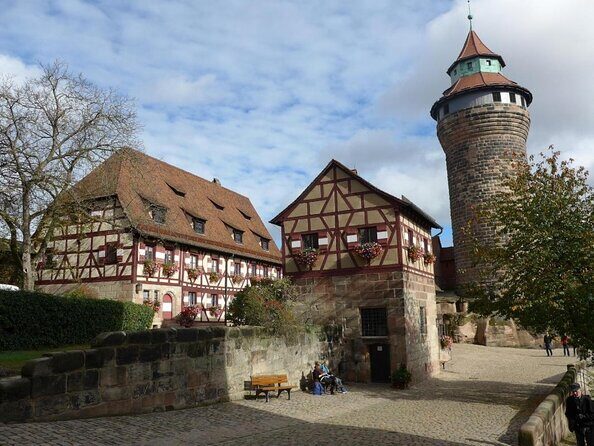
- Old Town focus: Rathaus views, market landmarks, churches, and optional castle time.
- Nazi Rally Grounds with a guide: context is the whole point here, not just photos.
- Smaller group size (max 25): easier movement through stations and meeting points.
- English-speaking specialist guide: history is explained in a way you can follow.
- Train comfort varies: on commuter-style regional trains, crowding and heat can be a factor.
Munich to Nuremberg by train: a simple plan for a big day
This is one of those day trips where the travel method matters. You’re taking a regional express between Munich and Nuremberg, and the round-trip train cost is built into the price, so you don’t have to juggle tickets while you’re also trying to meet your guide.
The overall trip runs about 8 hours 30 minutes from start to finish. You’ll leave Munich mid-morning (start time is 10:30am) and get back in the evening, which means you should treat it like a full-day outing, not a casual stroll.
Other Nuremberg day trips we've reviewed in Munich

Where you meet Radius Tours and how the morning flows
You start at Radius Tours (Dachauer Str. 4, 80335 München). The meeting point is in central Munich, and the group walks together to the station for departure—small detail, but it helps.
From there, the rhythm is straightforward: get on the train for roughly 1.5 hours, arrive in Nürnberg, and jump into the walking part of the day. Most people find the flow manageable, but I’d still plan to arrive a few minutes early so you’re not sprinting through transit corridors.
Old Town Nürnberg on foot: Rathaus, market sights, churches, and Kaiserburg
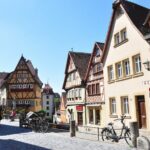
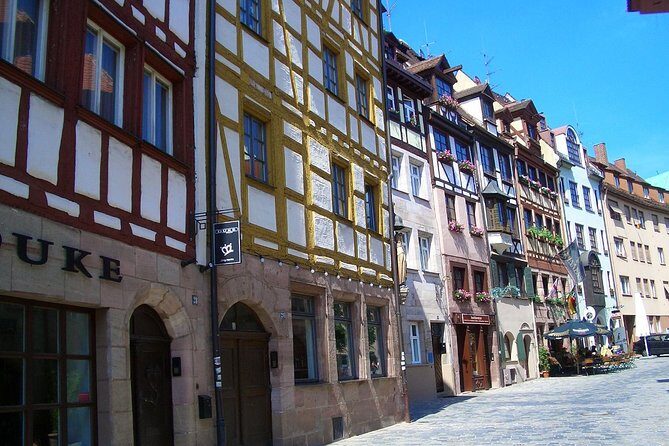
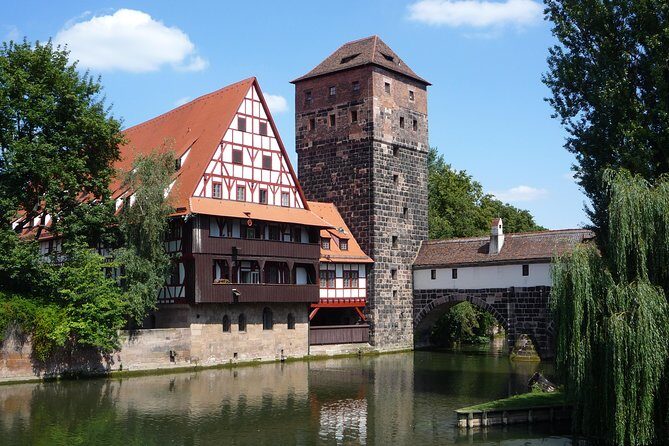
Nuremberg’s Old Town is easy to love if you like medieval streets that still look medieval. This tour spends real time in the historic center, where you’ll get pointed toward major landmarks and the logic of how the city grew.
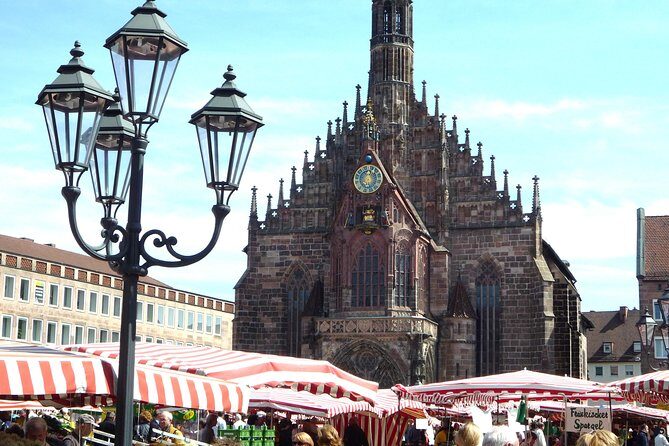
A key stop is the Nuremberg Rathaus (city hall area), where you get about 1 hour of guided walking and context. You also pass a 14th-century fountain near the main market, which is the kind of detail that’s hard to notice on your own unless someone points it out.
You’ll also see one of the oldest churches in the city. The guide’s job here isn’t just naming buildings—it’s explaining why certain places mattered, how Nuremberg’s power and identity were shaped, and what survived as the centuries rolled on.
Then comes the Kaiserburg Nuremberg (Imperial Castle area). You get about 30 minutes at the castle stop, and this part can involve an uphill walk, so it’s worth wearing supportive shoes. Some days it’s handled as an optional element depending on the pace and needs of the group, which is a big practical difference if you have mobility limits.
The Nazi-era part: why the guide makes this more than scenery
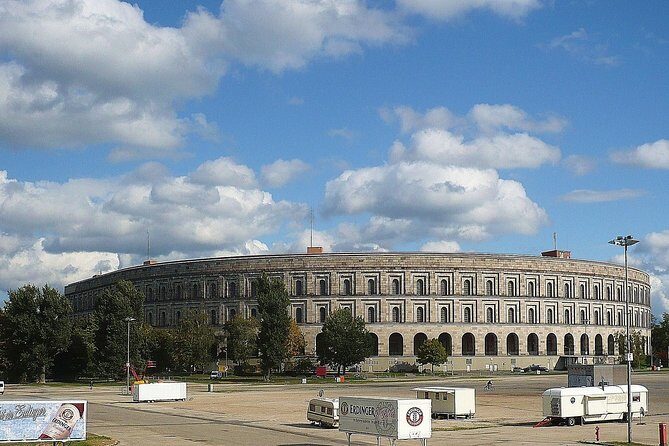
Nuremberg has a second life in history books, and this tour addresses it head-on. After the medieval Old Town segment, you’ll move into the former Nazi Party Rally Grounds (Reichsparteigelände) with guided explanation.
This is where you’ll see how the Third Reich used architecture, scale, and movement to create power on purpose. The value isn’t only in what remains—it’s in the guide connecting what you see to how the propaganda machinery worked, and why Nuremberg became such an important stage.
One practical note: this segment is emotionally heavy for many people, so pacing matters. A good guide doesn’t rush the story, and the better guides on this trip tend to stay clear, structured, and thoughtful when talking about WWII and Hitler-era activity.
What you do with your time (and why lunch can feel tight)
Here’s the honest part: the day is packed, and how it feels depends on the specific day’s pacing. The tour includes multiple stops in the Old Town, then transitions to the Nazi Rally Grounds, and then returns by train—so there isn’t an all-day free roam window built into the plan.
If you’re the type who likes a long sit-down lunch, you may feel that pressure. Some experiences land on the fast side, with participants needing to grab food quickly between checkpoints. On the other hand, other days run smoothly enough that people feel they can eat and still enjoy the market area.
My advice: treat lunch as a strategy. Eat something quick near the market area and keep your eyes on the meeting points, because the tour structure doesn’t really pause for wandering.
Other Munich city tours we've reviewed in Munich


Train comfort and walking reality: small things that affect your day
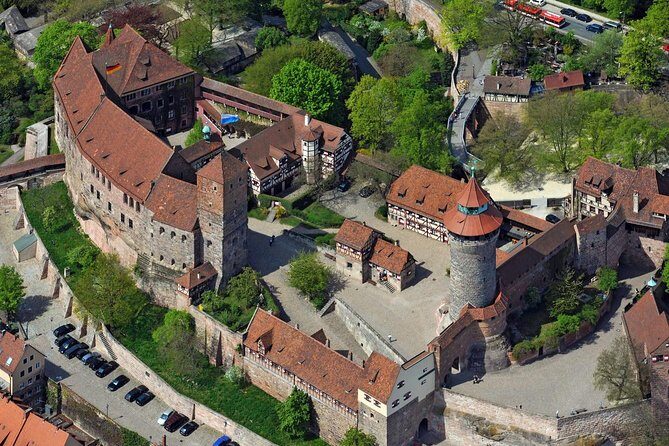
You’re dealing with two kinds of effort here: city walking and train conditions. Nuremberg is built on hilly ground, so if you have joint issues or breathing issues, plan for slopes and stairs—especially around castle areas.
On the train, comfort can be unpredictable. One downside that comes up is crowding on the return ride, including cases where people had to stand for a long stretch. Another issue that can crop up in warm weather is poor ventilation on regional trains, including reports of no A/C during hot conditions.
Two smart moves:
- Bring a light layer. Trains and stations can swing temperature quickly.
- Consider packing entertainment. A quiet plan helps because train time is real time, about 1.5 hours each way.
How much is this really worth at $95.34?
At $95.34 per person, this tour isn’t cheap in the way a DIY day trip can be cheap. But it’s also not just a guided walk for that price—it includes round-trip train fare from Munich, plus a guided experience in Nürnberg’s historic center and the Nazi Rally Grounds.
If you were to build this yourself, you’d pay for trains and then still need to source a guide-level explanation for the Third Reich sites. The biggest cost isn’t only transport—it’s context. That’s why the guide quality changes how much you get out of the day.
The best value angle here is simple: you’re buying time. Instead of spending your morning sorting trains and then trying to decode what you’re looking at on your own, you follow a route with meaning and timing designed to cover the key sights.
Guide quality is the difference-maker (examples that show up)
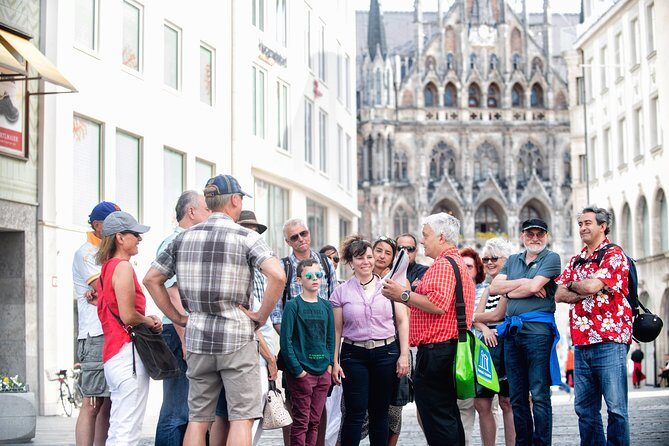
This tour lives or dies on storytelling. When the guide is sharp, you get a coherent timeline from medieval Nuremberg into the 20th-century nightmare, and you feel like you understand what you’re seeing.
A few guide names show up repeatedly in strong experiences: Sarah, Jason, Paul, Elisabeth, Geoff, Scott, and Suzanne. People describe these guides as organized, engaging, and able to help the group move through trains and transit smoothly while keeping the historical explanations clear.
There can be variation day to day. Some experiences mention pacing that felt too fast, or a guide who didn’t match expectations for tone and clarity. That’s not rare in history tours, and it’s also why your personal preference matters: if you like structure and context, you’ll likely enjoy it; if you want maximum freedom, you may find the group flow limiting.
When trains go wrong: how flexible the day can be
Germany rail is generally reliable, but delays happen. One experience described trains breaking down on the way to Nürnberg, and the guide handled it by adapting the day in Munich and arranging a refund for the original Nürnberg plan.
That’s a good signal—but it shouldn’t be treated as guaranteed. The safest mindset is: delays are outside the tour’s control, so keep a little cushion and avoid booking this on a day when you can’t handle schedule shifts.
Is this the right Nuremberg day trip for you?
This works best if you want:
- A guided Old Town walk that includes the Rathaus area, market landmarks, churches, and the Kaiserburg segment.
- Nazi-era sites with context, not just photographs of monumental spaces.
- A full-day plan you can follow without getting tangled in transit logistics.
It’s less ideal if you:
- Want long free time for shopping and wandering.
- Have trouble with uphill walking and sustained walking (especially around the castle area).
- Are very sensitive to train crowding or hot conditions, since regional trains can be uncomfortable.
If you fall in the “history + walking + explanation” category, you’re going to get a lot out of it—because the tour’s real product is the way the guide connects centuries.
Should you book the Nürnberg Guided Day Trip from Munich?
Yes, I’d book this if you want a structured, meaningful day that covers both medieval Nuremberg and the Nazi Rally Grounds without you having to plan every step. The value is strongest for people who appreciate a good guide and don’t want to spend their day translating history on the fly.
If you’re the type who needs a relaxed pace and lots of downtime, I’d think twice or plan your expectations around quick meals and a moving schedule. In short: book it for clarity and coverage, not for slow travel.
FAQ
Is return train travel included in the price?
Yes. The price includes the round-trip rail journey from Munich to Nuremberg.
What does the tour cost and how long is it?
It costs $95.34 per person and runs about 8 hours 30 minutes.
Where do I meet, and what time does it start?
You meet at Radius Tours, Dachauer Str. 4, 80335 München, and the start time is 10:30am.
Is the guide provided in English?
Yes. The tour is offered in English.
Are food and drinks included?
No. Food and drinks are not included, so you’ll need to buy your own lunch.
Is admission to the Nazi Party Documentation Centre included?
No. Admission to the Nazi Party Documentation Centre is not included in the tour price.