REVIEW · NUREMBERG
Nuremberg Old Town and Nazi Rally Grounds Walking Tour
Book on GetYourGuide →Operated by Nuremberg City of Empires Tours · Bookable on GetYourGuide
Two Nurembergs, one guided walk. This tour pairs Nuremberg’s medieval Old Town—walled streets, churches, castle courtyards—with the former Nazi Rally Grounds, explained in a clear, human way. You get the sights, the context, and the practical tips that help you enjoy the city after the walk.
I love the balance of story and pacing. The walk moves through craft and art spots like Handwerkerhof and the area around Albrecht Dürer’s house, then lands you in the Hauptmarkt for a lunch/market break before heading out to the big sites. I also like that public transport to the rally area and back is included, so you spend less time figuring out how to get there.
One thing to consider: it’s a walking tour in rain or shine, and it isn’t suitable if you have trouble walking. Also, even with humor in the delivery, the Nazi-era portion is heavy subject matter.
In This Review
- Key highlights worth your attention
- Why this 4-hour combo works in Nuremberg
- Starting at Hauptbahnhof: the tour’s easy, no-stress kickoff
- Medieval Nuremberg’s core: Handwerkerhof, Mauthalle, and the wall-side feel
- Hauptmarkt break: where 700 years of markets still sets the tone
- Town Hall and Imperial Castle courtyards: power you can see
- Craft and art in real places: from Handwerkerhof to Dürer’s area
- The Nazi Rally Grounds segment: seeing massive spaces with real context
- Congress Hall: the Roman Colosseum idea that never finished
- Getting back to Hauptbahnhof: included bus out, tram back
- What you’ll learn about Nuremberg’s past (and why it feels different here)
- Price and what you’re really paying for
- Who should book this tour
- Should you book this Nuremberg Old Town and Nazi Rally Grounds walking tour?
- FAQ
- FAQ
- How long is the Nuremberg Old Town and Nazi Rally Grounds tour?
- Where do I meet the guide?
- Is the tour in English?
- How much does the tour cost?
- Is lunch included?
- Do I need a ticket for the Documentation Center?
- What transportation is included in the tour price?
- What should I bring?
- Does the tour run in bad weather?
- Is the tour suitable for people with mobility issues?
- Is there free cancellation?
Key highlights worth your attention
- English guide storytelling that keeps pace practical: clear explanations, good timing, and group energy that doesn’t drag.
- Old Town orientation fast: town walls, churches, and key viewpoints in just a few hours.
- Hauptmarkt break built for real life: enough time to grab a snack, coffee, or gluhwein-style drink during the market season.
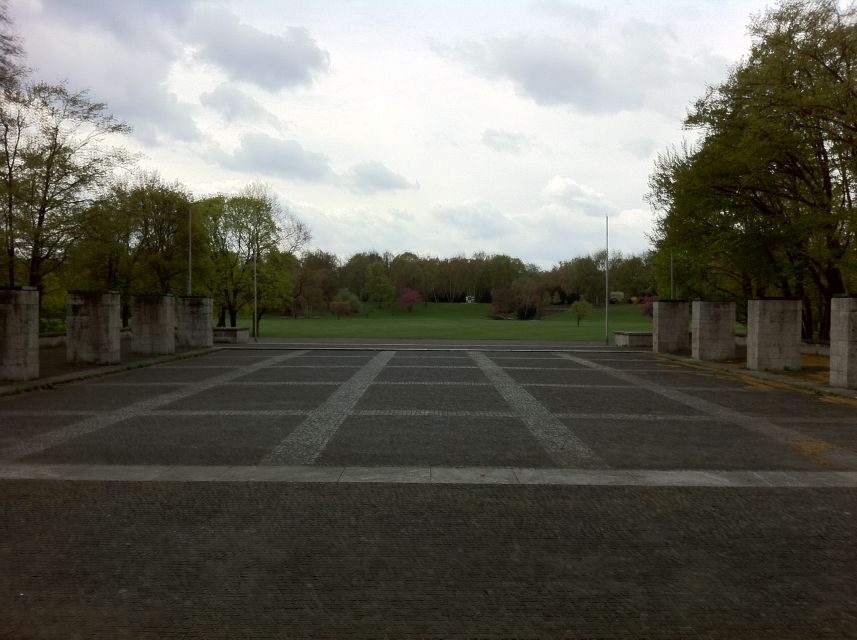
- Nazi Rally Grounds shown with context, not spectacle: you’ll see major remains and learn how Nuremberg addresses this past today.
- Comfortable flow with included transit: bus out, then tram back to Hauptbahnhof, all covered in the tour price.
- Guides often add visuals: some use iPad photos to help you understand what you’re seeing on the grounds.
Why this 4-hour combo works in Nuremberg
This is a smart format for Nuremberg because the city has two faces that you really need to see in the same day to make sense of it. In the Old Town, you’re surrounded by centuries of building—fortifications, churches, market culture. Then, you shift to the massive Nazi-era spaces that were designed for control and mass performance.
The tour is built for orientation. You’ll walk enough to feel the medieval layout, but you’re also moved by bus and tram so you don’t burn the day on transit. At 4 hours total, including the lunch/market break, it’s an efficient way to get a foundation before you choose what to explore more deeply on your own.
One more practical bonus: you start and end at Nuremberg Central Station (Hauptbahnhof), which makes it easy to stitch this into almost any itinerary.
Other Nuremberg day trips we've reviewed in Nuremberg
Starting at Hauptbahnhof: the tour’s easy, no-stress kickoff
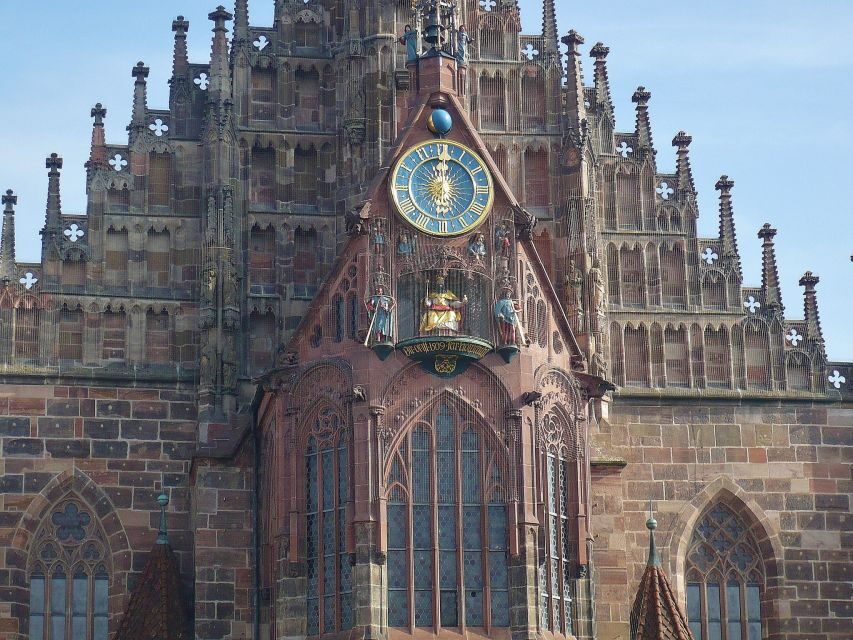
Meeting point is outside the large center arched entrance at Hauptbahnhof, with a red and white sign for Nuremberg Tours in English. Plan to arrive a few minutes early so you can check in and get moving.
From there, the tour heads into the Old Town and the surrounding historic core. You’ll cover both “what you can see” and “what it means,” without turning it into a textbook. Guides also seem to work the group well in cold weather—one standout theme in the reviews is how the guide kept momentum even when it was brutally cold.
If you’re trying to figure out where everything is, this start is a gift. Hauptbahnhof is your anchor. Once you leave the station with the guide, you can better understand where the market, churches, and castle viewpoints sit relative to each other.
Medieval Nuremberg’s core: Handwerkerhof, Mauthalle, and the wall-side feel
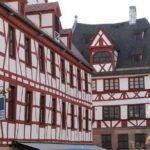
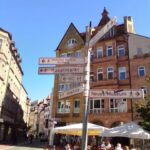
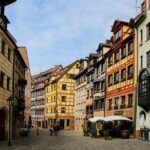
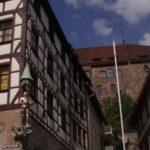
The Old Town portion includes a mix of street-level stops and viewpoint moments, including Handwerkerhof Nuremberg (also known for traditional working craftsmen) and Mauthalle. This isn’t just a parade of monuments. It’s more like a guided walk through how Nuremberg looks and functions—small courtyards, historic pathways, and the texture of old buildings.
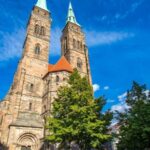
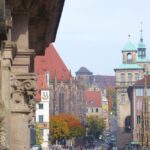
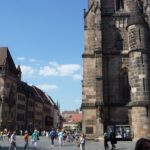
You’ll also pass by major churches such as St. Lorenz Church and St. Sebaldus Church. Even when you’re not going inside, these stops matter because they shape the skyline and the feel of the medieval center. Nuremberg’s churches are tied to the city’s identity, and the guide uses that connection to explain why the Old Town feels so “complete,” even after centuries of change.
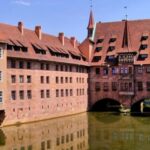
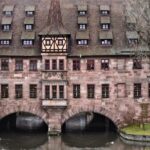
Along the way, you get mention of how well-preserved the medieval fortifications are. That’s more than a brag. It affects what you experience: you can actually understand how the city defended itself, and why the castle courtyards later feel like power rather than just scenery.
Hauptmarkt break: where 700 years of markets still sets the tone
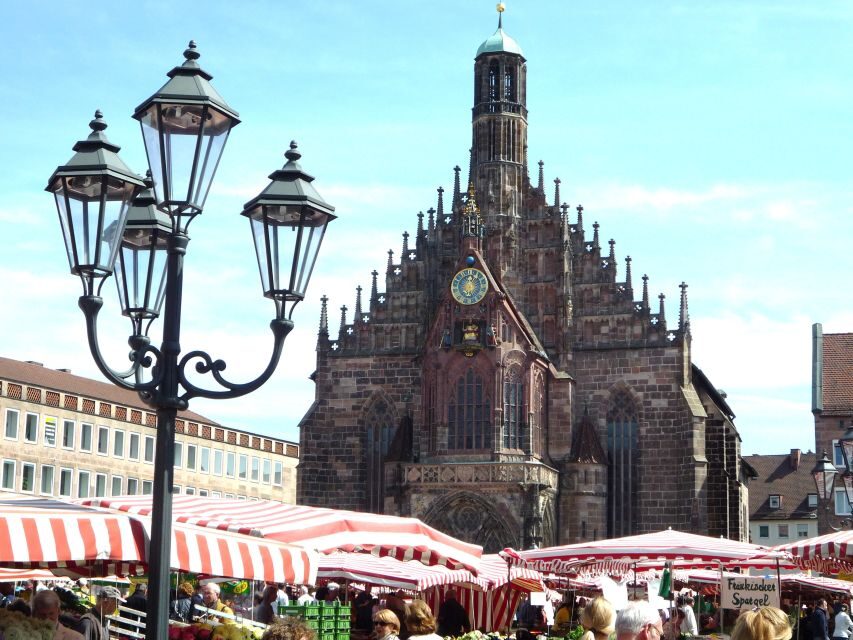
The tour’s rhythm includes time at the Hauptmarkt Nürnberg, Nuremberg’s central market square. This is the spot where colorful markets have been held for nearly 700 years, and in December it’s the heart of the Christmas market season.
The tour schedule gives you a break in the marketplace after you’ve seen the Old Town highlights and churches and the Town Hall. Lunch is not included, but the guide gives practical direction on where to eat and what to try—especially local specialties like sausages and amber lager.
In reviews, this break is often praised as the right amount of time. In winter, it also turns into a sanity saver: you can handle a restroom stop, get a warm drink (gluhwein-style options often come up), and still return to the group without feeling rushed.
Practical tip: if you’re here during Christmas markets, plan to act like it’s a busy season. Choose your food quickly and don’t overcommit to long lines during your lunch window. Your guide’s recommendations can help you skip the guesswork.
Town Hall and Imperial Castle courtyards: power you can see
One of the biggest “wow” transitions on this tour is moving from marketplace life to ruling power. The tour includes the Old City Hall area and then heads up toward the Imperial Castle of Nuremberg.
The castle portion focuses on the courtyards, including views over the city. You’ll hear that Holy Roman Emperors ruled Germany for over 500 years, and standing in those spaces helps you understand why a castle like this wasn’t just a residence. It was a statement.
You also get a mix of medieval and Gothic atmosphere. The guide points out inspiring works by master artists in the church context, and you’ll get the sense that Nuremberg wasn’t just producing buildings—it was producing culture that people came to recognize.
This part also gives you something practical for later exploring: if you look back down toward the Old Town after the castle viewpoint, you can connect the medieval streets you walked earlier to the larger city map in your head.
Other Old Town walking tours we've reviewed in Nuremberg
Craft and art in real places: from Handwerkerhof to Dürer’s area
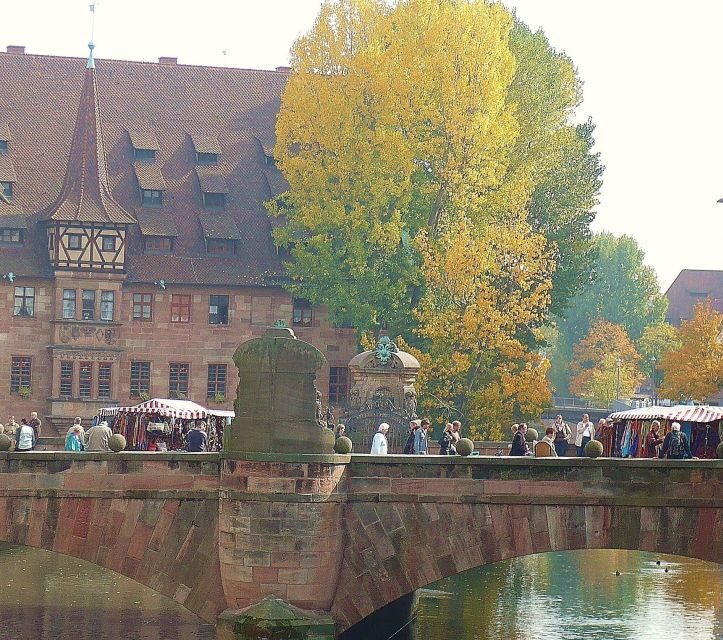
Nuremberg doesn’t try to hide its craftsmanship. The tour includes Handwerkerhof, where local artisans work with traditional materials and methods. Even if you don’t shop, you’ll appreciate the idea: this is a city that kept making things, not just preserving buildings.
Then there’s Albrecht Dürer’s House in the itinerary. Even if you don’t go deep inside on your own time later, having it as a guided stop helps you see how art and everyday street life lived close together. Dürer is one of those names that’s easy to treat like a museum fact until you see the street fabric around where he mattered.
If you want your day to feel grounded—less like you’re jumping between distant monuments and more like you’re walking through a working historical city—this mix of craft and art is a big reason the tour works.
The Nazi Rally Grounds segment: seeing massive spaces with real context
After the Old Town portion, the tour takes a break in the marketplace and then moves by bus to the former Nazi Rally Grounds. This is where the tone changes, and it changes on purpose.
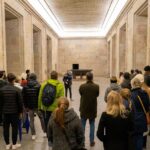
You’ll see large remains of the Third Reich, and the guide explains the megalomania behind the architecture and layout—spaces built to stage power. You’ll walk through areas connected to the parade grounds, including how Adolf Hitler inspected columns of SS men and performed pseudo-religious cult rituals before saluting masses. It’s not delivered like entertainment. It’s delivered like history that the city still has to live with.
Your route includes major named areas such as the Congress Hall, Zeppelin Field, and Luitpold Arena. The tour’s guided stops include locations like Luitpoldhain and Volksfestplatz, before reaching the big rally-era complex.
What I appreciate here is the sensitivity called out repeatedly in reviews. Guides are careful with the subject matter, and they also explain what Nuremberg does today to confront this past. That’s important. Without that “today” framing, the ground can feel like it belongs to a different century. With it, you leave with a sense of accountability and memory.
Congress Hall: the Roman Colosseum idea that never finished
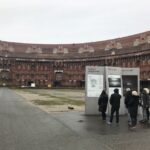
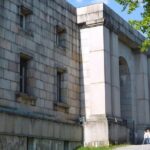
One of the most striking pieces on the grounds is the Kongresshalle (Congress Hall) area. The tour points out it as Hitler’s half-finished attempt to build a Roman Colosseum.
That detail matters because it explains why this place feels both grand and chilling. The Nazis tried to borrow the aura of ancient empires—big, symbolic, monumental. You’re seeing the results of that ambition in stone and unfinished structure, and the guide helps you connect the design choices to the propaganda goals.
You’ll also hear how this area is treated today. The city’s approach is part of the educational value. You don’t just learn what happened. You learn how the present handles the remains.
In some reviews, guides are praised for using visuals on an iPad to help connect the outlines of what used to be there with what you can see now. If your guide does this, it can make a big difference for understanding scale.
Getting back to Hauptbahnhof: included bus out, tram back
You don’t have to solve the logistics alone. Public transportation costs to and from the rally grounds are included in the tour price. The tour takes the bus out from the city center and returns by tram to Hauptbahnhof.
The bus-to-grounds transfer is also part of the day’s pacing. It gives your feet a rest and gives the guide space to keep speaking without everyone freezing or getting winded.
The tram back matters too. It’s not just about convenience. It’s a natural “we’re done, now breathe” wrap-up before you head off for your next meal or museum stop.
What you’ll learn about Nuremberg’s past (and why it feels different here)
The most praised aspect across reviews isn’t only what’s seen. It’s how it’s explained. Guides such as Hannes, Nic, Natasha, Dimitri, Paul, and others have been singled out for pacing, humor, and staying engaged during the harder parts of the story.
That approach is valuable because the Nazi-era segment can quickly become either too cold or too heavy. The guides aim for honest context, with moments of lightness that don’t trivialize what happened. One review even mentions how the break between Old Town and rally sites is enough for a quick bathroom stop or a warm drink, which helps keep the mood from collapsing under the weight of the topic.
You also learn how Nuremberg deals with its past today. That isn’t an add-on. It’s part of what makes the tour worth doing here rather than elsewhere. The city isn’t pretending the grounds aren’t there, and your guide helps you see that tension clearly.
Price and what you’re really paying for
At $43 per person for about 4 hours, the value comes from three things working together:
1) Two major experiences in one: medieval Old Town sights plus the rally grounds, explained in English.
2) Transit included: you don’t pay separately just to reach the grounds and return.
3) A guide who manages the flow: the best reviews talk about pace and keeping energy up, even in harsh weather.
Lunch is not included, and admission to the Documentation Center is not included. So you’re paying for guided walking, guided sites, and included transport—not for meals or an additional museum ticket.
If your goal is a first-time orientation plus a respectful introduction to the Nazi-era sites, this price makes sense. If your goal is a museum-style deep dive into documentation and exhibitions, you’ll want to plan additional time for that on your own.
Who should book this tour
This is a great fit if:
- you want an English guided tour that connects Old Town Nuremberg to the Nazi-era story
- you have limited time and want a strong foundation in one morning or afternoon
- you appreciate history explanations that mix clarity with human pacing
- you like market-city breaks, especially if you’re visiting around Christmas
It’s not a good fit if:
- you have trouble walking or need mobility-friendly routing
- you’re hoping for a fully self-paced, quiet experience (it’s a live guided format)
- you want only the memorial/museum side with no walking
Should you book this Nuremberg Old Town and Nazi Rally Grounds walking tour?
If you’re visiting Nuremberg for the first time, I’d strongly consider booking. The tour gives you the medieval layout you’ll want for later exploring, and then it takes you to the former rally grounds with context that’s handled seriously. The included transport and the thoughtful lunch/market break make it feel doable, even in winter.
My advice: treat it as your orientation day. Afterward, if you want more depth, you can add the Documentation Center separately since admission isn’t included here. And do bring the basics seriously—comfortable shoes—because the day is walking-focused and runs rain or shine.
FAQ
FAQ
How long is the Nuremberg Old Town and Nazi Rally Grounds tour?
The tour duration is about 4 hours, including a lunch/market break.
Where do I meet the guide?
Meet outside the large center arched entrance of Nuremberg Central Station (Hauptbahnhof). The guide will be holding a red and white Nuremberg Tours in English sign.
Is the tour in English?
Yes, it’s an English-language tour with an English-speaking guide.
How much does the tour cost?
The price is $43 per person.
Is lunch included?
No, lunch is not included. The tour includes a break in the marketplace where you can get food on your own.
Do I need a ticket for the Documentation Center?
Admission to the Documentation Center is not included.
What transportation is included in the tour price?
Public transportation costs to the former rally grounds and back are included. The tour uses a bus to go to the rally grounds and a tram to return to Hauptbahnhof.
What should I bring?
Wear comfortable shoes. The tour is walking-focused.
Does the tour run in bad weather?
Yes, the tour takes place rain or shine.
Is the tour suitable for people with mobility issues?
No. The tour is not suitable for people who have trouble walking or who have mobility impairments.
Is there free cancellation?
Yes. Free cancellation is available up to 24 hours in advance for a full refund.