REVIEW · MUNICH
Master Concert in the Max-Joseph Hall in Munich
Book on GetYourGuide →Operated by Bavaria Klassik GmbH · Bookable on GetYourGuide
A small hall can make big music feel personal.
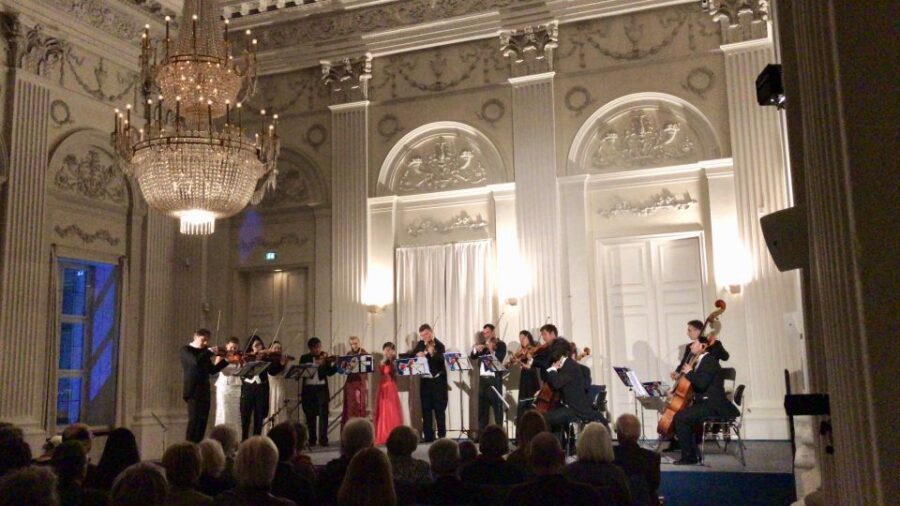
That’s what you get at the Max-Joseph Hall inside Munich’s Residenz: an intimate, stucco-and-chandelier room built for focused listening. The Residence-Soloists play a mix of familiar giants (Vivaldi, Mozart, Beethoven) plus later flair (Tchaikovsky and Gershwin), so even if your classical playlist is “greatest hits,” this program still lands.
I especially like two things: the close-up feel of chamber-music-style seating and the way the hall’s details help the sound stay clear. And I love that the concert timing is simple—about 2 hours with a break—so you can fit it into an evening in Munich without planning your whole trip around it.
One thing to consider: the room can be hard to find inside the big Residenz complex, and the lighting in the hall can be bright enough to feel dazzling if you’re sensitive. Plan to arrive with extra minutes and keep an eye on signage.
In This Review
- Quick take
- Max-Joseph Hall: why this room matters more than you think
- The concert program: Vivaldi, Mozart, Beethoven, Tchaikovsky, Gershwin
- Your seating and the flow of the evening
- Getting your seat number straight
- Finding the Max-Joseph Saal inside the Residenz (without stress)
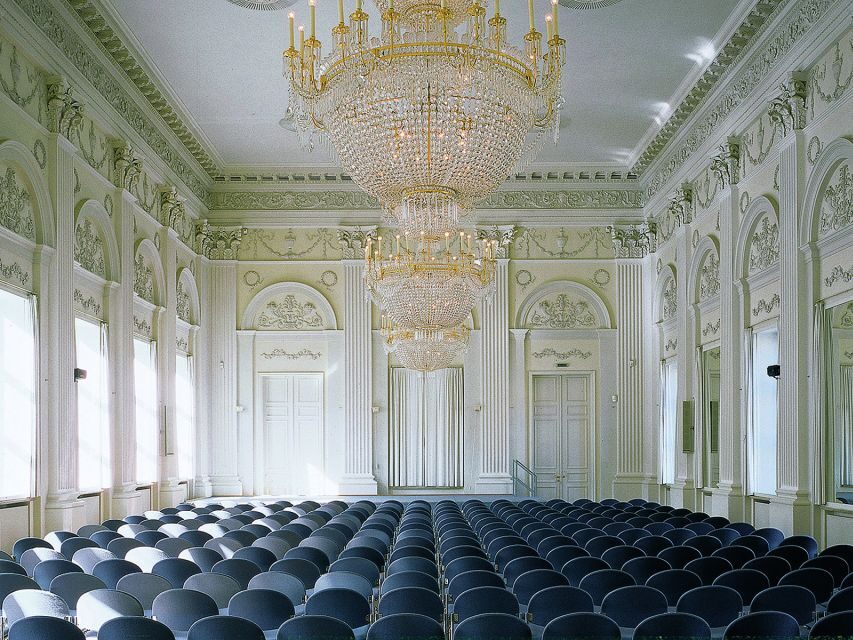
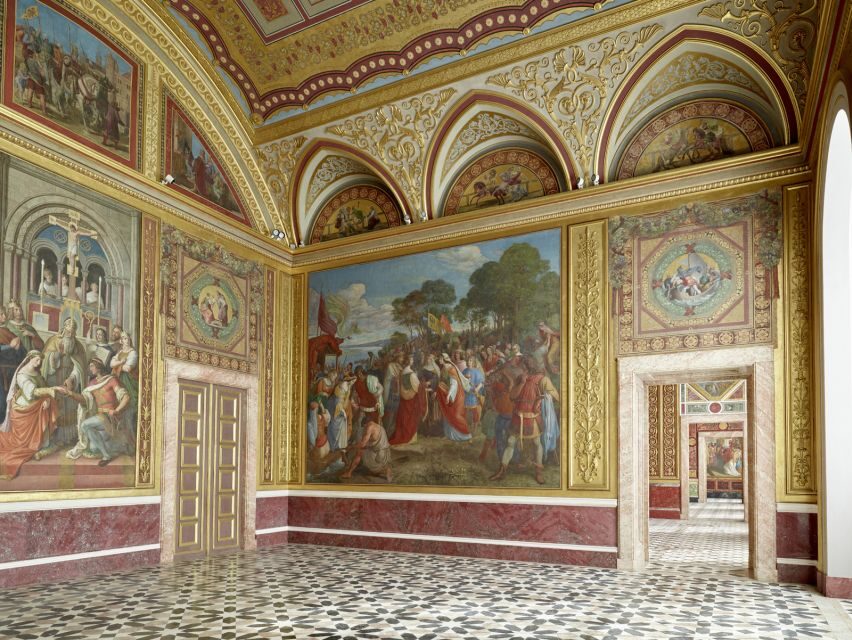
- Stucco work and chandeliers: what you’re actually paying for
- Price and value: is $81 worth it?
- Who should book this and who might not love it
- Booking verdict: should you reserve your seat?
- FAQ
- FAQ
- How long is the Master Concert in the Max-Joseph Hall?
- Where does the concert take place?
- Is seating assigned?
- Can I buy tickets on the day of the concert?
- Does the ticket include beverages?
- Does the experience include transportation?
- Is there a break during the concert?
- Is the hall wheelchair accessible?
- What music is included in the program?
Quick take
- Max-Joseph Hall acoustics: the space stays lively and clear, not muddy
- Residence-Soloists quality: technically tight and harmonically polished performances
- Program range: Vivaldi, Mozart, Beethoven plus Tchaikovsky and Gershwin
- Assigned seating: you know where you’re going once you have your seat number
- Stucco + crystal chandeliers: stunning visual setting without being too showy
- Arrive early: the hall is worth hunting down carefully
Max-Joseph Hall: why this room matters more than you think
When you pay for a classical concert, you’re not just buying notes. You’re buying the room the notes travel through. At the Max-Joseph Hall, the atmosphere is compact in a very good way: you hear music with definition, and the performance feels direct rather than distant.
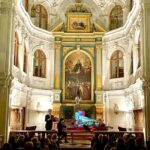
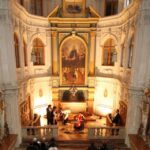
This hall is part of the Residenz, and you can feel that prestige when you step inside. The plasterwork and sculpted décor aren’t just decoration. They shape how sound reflects. In this kind of space, you often get what I’d call “present” acoustics—voices and strings don’t just fill the room; they stay intelligible. That’s why people who love chamber music tend to react strongly here: the distance between performer and audience is short enough that details come through.
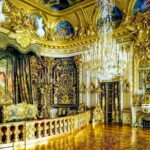
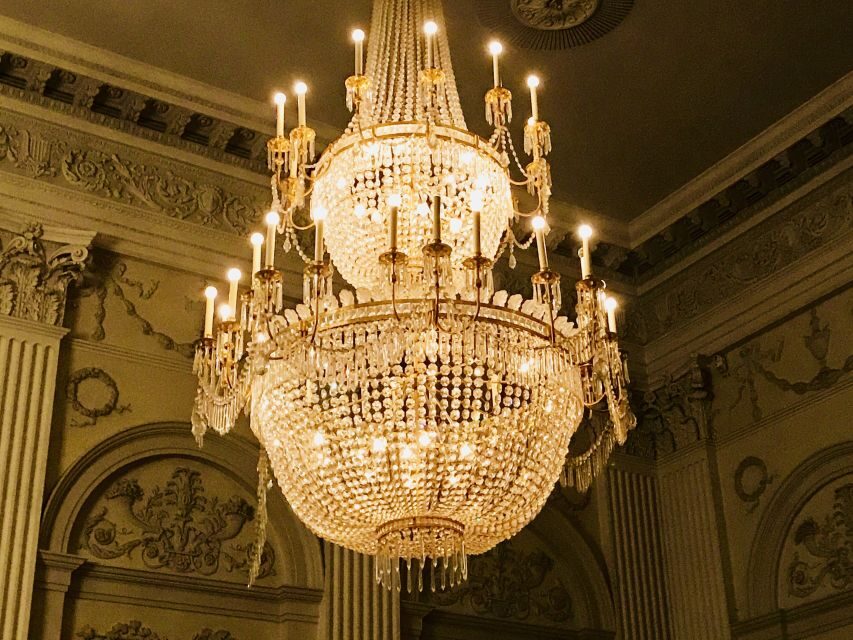
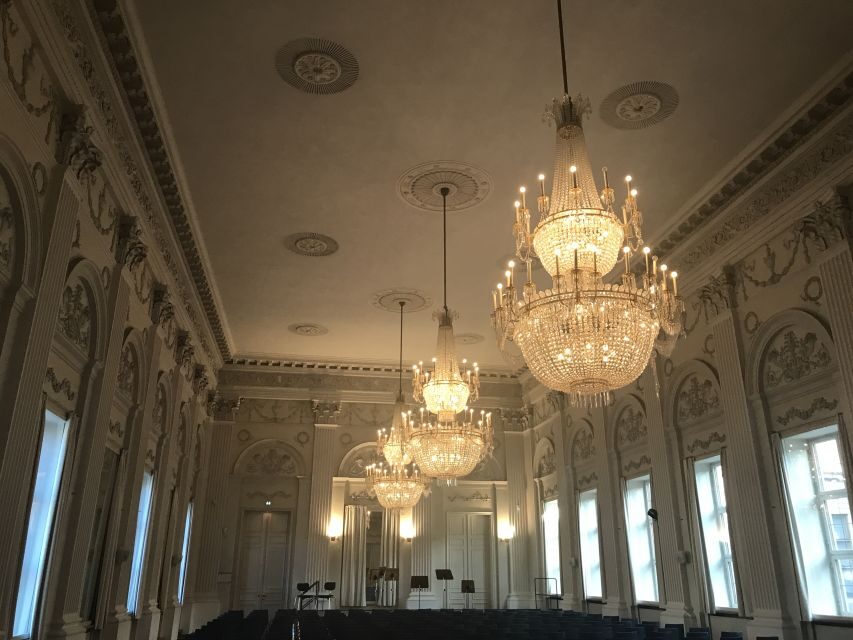
You’ll also notice the look of the hall right away. Crystal chandeliers and elaborate stucco make it feel like a proper stage set. But it’s not all sparkle. Some parts of the hall feel simple and bright too, which helps the room avoid looking dark or gloomy. The result is a setting that feels special without being overwhelming.
And yes, the hall is popular enough to be booked, but it still feels intimate. For an evening out in Munich, that’s a rare combo: landmark surroundings plus a focused concert experience.
Other Munich city tours we've reviewed in Munich



The concert program: Vivaldi, Mozart, Beethoven, Tchaikovsky, Gershwin
The program here isn’t one-note. You’ll get a mix that spans eras and styles, which keeps a 2-hour concert from dragging.
From the baroque side, expect Vivaldi—music that often comes with crisp phrasing and energy that works beautifully in a smaller venue. Then you move into the classical sweetness and balance of Mozart, where you can hear structure and phrasing clearly when the acoustics cooperate.
The heavier emotional and technical ground comes with Beethoven. In a hall like this, Beethoven’s dynamics can feel very physical—soft passages don’t vanish, and louder sections don’t get chaotic. It’s the kind of sound that makes you pay attention to how performers shape tension and release.
Then comes the mix-in that makes the night feel current and slightly surprising: Tchaikovsky and Gershwin. That pairing signals something important about this concert: it’s not only about “old rules.” The program is built to show how strong melodies and rhythm can be whether the composer is writing for formal classical taste or leaning into wider popular energy.
If you’re worried about knowing every piece title before you arrive, don’t be. The whole point of a well-designed program is that you don’t need to be a walking music encyclopedia. You just need to be there for two hours and let the performers do their job.
Your seating and the flow of the evening
This is an assigned-seat concert, and that matters. With assigned seating, you can relax once you get your ticket situation sorted, because you don’t end up choosing seats at the last second. Your focus stays on arriving, settling in, and listening.
The concert runs about 2 hours and includes a break. That break is useful, even for people who swear they never need one. It gives your ears time to rest. It also helps you regroup if you arrive slightly flustered. Think of it as part of the concert experience, not a pause you’re impatient to skip.
Timing is simple, but I suggest you protect your calm. Inside the Residenz, getting to the right hall can take longer than you expect—especially if you’re relying on a phone map without real-world signage. Do yourself a favor: get there early enough to find the Max-Joseph Saal without doing a sprint.
Also, keep in mind that the light in the hall can be bright. One of the reviews I saw described the illumination as almost blinding. If you’re sensitive to glare, consider where you’re sitting. Sitting slightly off from the most direct light angle can make the experience more comfortable.
Getting your seat number straight
Here’s a practical point that can save irritation: your voucher or pre-booking doesn’t always mean your seat number is automatically handed to you. Be ready to collect tickets or confirm your seat details at the box office on site. If you do this calmly right before the show, it turns into a quick step instead of a headache.
Finding the Max-Joseph Saal inside the Residenz (without stress)
The Residenz is big. Munich doesn’t do small. So the “easy walk from here” approach can fail if you assume signage will be perfect. The Max-Joseph Saal is in the Residence complex, and people often need an extra minute or two to track it down.
My advice is straightforward:
- Arrive early enough that you can get your bearings.
- Use the Residenzstraße 1, 80333 München area as your anchor.
- When you reach the interior, follow concert-related signs rather than guessing hall names from memory.
- If you see confusion around you, ask a staff member where the Max-Joseph Hall entrance is rather than circling.
The good news: once you locate it, you’re rewarded fast. The space inside is exactly the kind of room that makes you stop checking your phone and start listening.
Also, if you’re going on a busy evening in Munich, plan for the possibility of extra foot traffic in the complex. It’s not about being dramatic. It’s about respecting how these historic buildings manage visitor flow.
A few more Munich tours and experiences worth a look


Stucco work and chandeliers: what you’re actually paying for
People often talk about “beautiful décor” for concerts like this. But here’s the real value: the room’s design helps the concert feel focused.
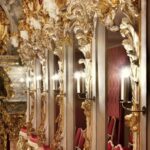
At Max-Joseph Hall, the stucco work is impressive, but it also contributes to the way sound behaves. Smooth, ornate surfaces reflect sound differently than plain walls. That can mean better clarity—especially for the kinds of passages chamber players rely on, like inner lines, articulated rhythms, and clean transitions.
The chandeliers are another factor, but more in the visual sense. They make the room feel ceremonial, which can affect how you experience the music. When you’re in a space that looks like a real performance venue, you sit differently. You listen differently. You stop treating it like background noise.
And there’s a practical comfort piece too. Some concert halls feel cold or too dark, and then you spend the whole show squinting at programmes or trying not to freeze. This hall’s look tends toward bright clarity, so even the waiting moment before the music starts can feel pleasant.
Just remember the lighting note. Crystal fixtures can create glare. If you’re photography-minded or you’re sensitive to bright light, choose your seat accordingly.
Price and value: is $81 worth it?
For $81 per person, you’re buying a specific experience: a high-quality performance by the Residence-Soloists in a small, ornate room with a real intermission and assigned seating.
Is it a bargain compared to a big public concert in a large city hall? Probably not. But that’s not the right comparison. You’re paying for the combination of:
- a 2-hour focused evening
- the intimate Max-Joseph Hall acoustics
- a program built around recognizable composers plus a few twists
- assigned seating, which reduces “arrival stress”
In other words, you’re paying to make the experience feel effortless once you’re inside. That’s often what you want when you’re traveling. You don’t want to work for your evening. You want to show up, sit down, and let the music do the work.
If you’re someone who already loves classical music, this is an easy yes because the sound quality in a good room is where the magic gets real. If you’re newer to it, it’s still a strong option because the programme includes composers that many people recognize.
Who should book this and who might not love it
This concert is a great match if:
- you like chamber-style listening where you feel close to the performers
- you want a Munich evening that feels like more than just sightseeing
- you enjoy a program that mixes baroque, classical, and romantic eras with later popular energy from Gershwin
- you want a simple schedule: about 2 hours total, break included
It may be less ideal if:
- you hate arriving early to find a specific indoor hall in a complex building
- you’re sensitive to bright light and you know you can’t handle glare in indoor theatres
- you’re expecting the concert to include beverages or other extras (it doesn’t)
If your goal is a low-effort evening with maximum payoff, this fits. If you need lots of explanations or guided context, the data you have here doesn’t promise that. Still, the music program is designed so you can follow along just by listening.
Booking verdict: should you reserve your seat?
I’d book this if you want a classic Munich cultural evening with high listening value. The combination of intimate hall acoustics, a strong performer group (Residence-Soloists), and a thoughtfully mixed programme makes it a very solid choice for a two-hour slot.
Just do two things to make it smooth:
1) Arrive early to locate the Max-Joseph Saal without rushing.
2) Confirm any seat details in advance so you don’t get stuck at the last minute when you’re tired.
If you’re flexible and you like classical music that spans eras, this is the kind of concert where the room and the performance work together—and that’s where the best nights happen.
FAQ
FAQ
How long is the Master Concert in the Max-Joseph Hall?
The concert lasts about 2 hours and includes a break.
Where does the concert take place?
It takes place at Max-Joseph-Saal der Residenz, Residenzstraße 1, 80333 München.
Is seating assigned?
Yes, seating is assigned.
Can I buy tickets on the day of the concert?
Tickets are available at the box office approximately 30 minutes before the performance at the Max-Joseph Hall.
Does the ticket include beverages?
No. Beverages are not included.
Does the experience include transportation?
No. Transportation is not included.
Is there a break during the concert?
Yes, there is an intermission.
Is the hall wheelchair accessible?
Yes, wheelchair access is available, but wheelchair spaces are limited and must be reserved with the organizer.
What music is included in the program?
The program includes works by Vivaldi, Mozart, Beethoven, plus Tchaikovsky and Gershwin.
If you want, tell me your travel dates and whether you’re more into baroque, romantic, or modern-ish classical. I can suggest how to time this in your evening so it feels relaxed rather than rushed.