REVIEW · MUNICH
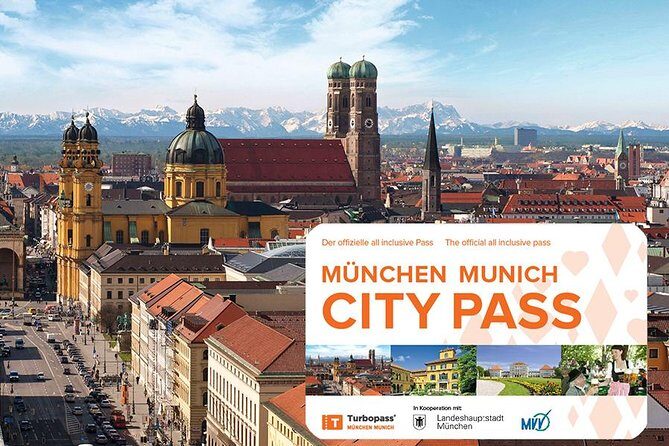
Munich City Pass: Admission to 45 activities and Public Transport
Book on Viator →Operated by Turbopass GmbH · Bookable on Viator
Munich rewards planning.
This pass is interesting because it gives you 45+ activities to plug into your own rhythm, plus it pairs museum-hopping with easy transit so you spend less time hunting tickets. I especially like the focus on real Munich institutions, from Alte Pinakothek to the Deutsches Museum, and the way the pass supports a simple day-by-day plan across 1 to 5 days. One drawback to consider: a few major venues can require advance booking, and one big museum on the list has a closure period you’ll want to check.
If you want your trip to feel flexible, this is a strong fit. You get an English-friendly experience, and the group size is capped at 15, so it’s not that chaotic, cram-everything vibe. Just remember that some stops are best for a slow wander—2 hours can feel short once you’re pulled in.
In This Review
- Key things to know before you go
- How the Munich City Pass saves time and money in real life
- Picking your day count: don’t overbuy, overpack
- Transit power: moving across Munich without the stress
- Old masters and ancient art: the museums that set the tone
- Nymphenburg and Schleissheim: palaces, park castles, and porcelain
- Science and technology: Deutsches Museum plus aircraft at Flugwerft
- From Egypt to coins: museum variety that keeps days interesting
- Classic art collectors and contemporary spaces
- Jewish Museum Munich and NS Documentation Centre: history that demands time
- Views, wheels, and fun breaks: seeing Munich from above
- Film, sport, and a giant playground of museums
- Art circles and theatre magic: Cuvilliestheater and the Residenz world
- What I would plan on a tight schedule
- Two practical considerations that can change your day
- Should you book the Munich City Pass?
Key things to know before you go
- Public transport built in: use transit coverage options and hop around without starting every day from scratch
- Deutsches Museum included: science and tech lovers get a top-tier, full-value stop
- Palace options beyond the main house: Nymphenburg plus palace park castles means more variety per day
- Mix of big-name art and niche museums: expect everything from Greek vases to an idiosyncratic Valentin museum
- Hop-on-Hop-off Express Circle: useful for orientation and for days when you want less planning
How the Munich City Pass saves time and money in real life
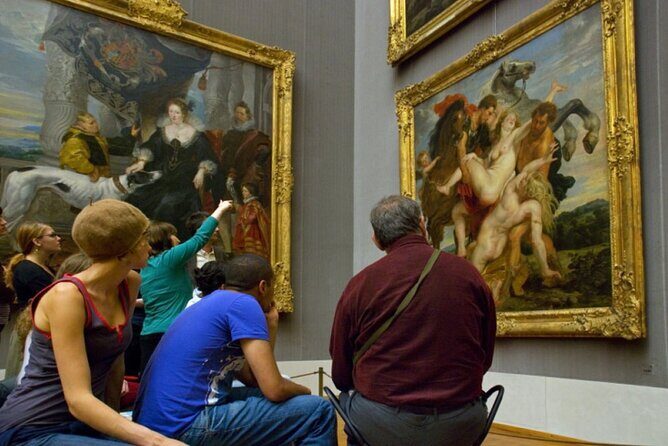
The biggest reason to like a city pass in Munich is simple: ticket lines and ticket decisions eat vacation time. This one is priced at $48 per person and is designed for 1 to 5 days, which matters because Munich has enough top sights to keep you busy even without shortcuts.
What makes it good value is the mix. You’re not paying just for one blockbuster museum. You’re getting access to major art museums, palace grounds, natural history, science, coins, Egyptian art, and even a giant observation wheel—plus transit support. That combination makes it easier to hit the kinds of places you’d normally spend separate admission tickets on.
The pass also leans practical. Many stops are effectively packaged as a visit-about-2-hours experience, which helps you plan a day that doesn’t collapse after lunch. If you like to see a lot but hate rushing, that structure is genuinely helpful.
Other Munich city tours we've reviewed in Munich



Picking your day count: don’t overbuy, overpack
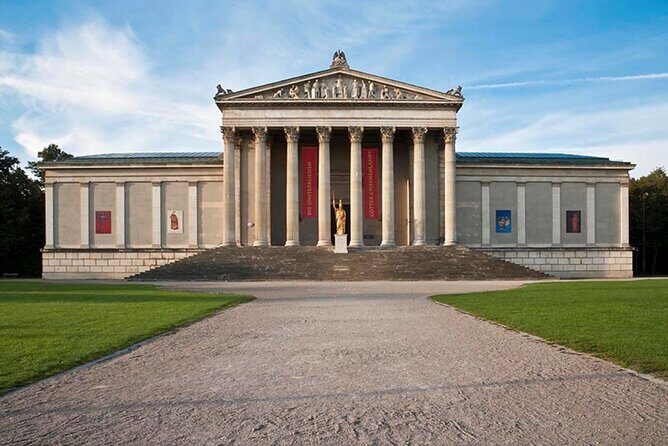
You choose the pass length based on how fast you want to move. If you’re on a tight schedule, a 1- or 2-day option makes sense if you build around a clear theme: old masters and classic museums, or palaces plus views.
If you can stretch to 3–5 days, you’ll feel the advantage. Munich isn’t only about one neighborhood. You’ll want time for museums clustered in the city, plus outings around Nymphenburg and Schleissheim. With the pass, you can also swap a museum for something lighter like SEA LIFE Munich or a ride on the observation wheel.
Here’s a rule I’d use: pick two “anchor” stops per day and then add one smaller museum or park-castle style visit. That keeps you from playing whack-a-mole with opening times and gives your brain a chance to digest what you just saw.
Transit power: moving across Munich without the stress
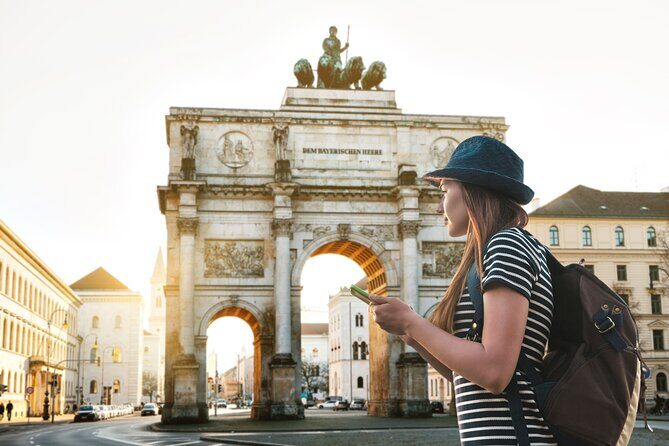
The pass includes free public transport depending on the option you select (listed as inner area or entire area M-6). That’s a big deal in Munich. Distances aren’t huge, but stops are spread out enough that transit can either be a breeze or a distraction—depending on whether you’ve already sorted tickets.
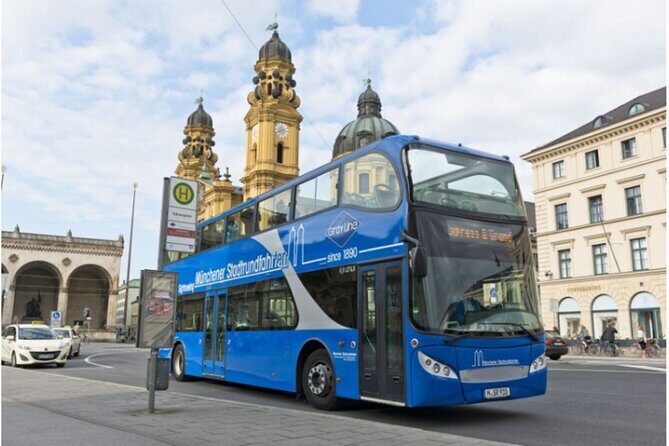
On top of that, there’s a 24-hour Hop-on-Hop-off Express Circle with 7 stops. Think of it as a “get your bearings fast” tool. Even if you don’t do every single stop, it’s handy when you want to keep moving but don’t want to plan every tram and walking detour.
You’ll also be dealing with real Munich pace: you’ll likely cover ground by S-Bahn/U-Bahn style routes during the day. The pass approach works best when you let transit do the heavy lifting and you keep your “must-see” list short.
Old masters and ancient art: the museums that set the tone
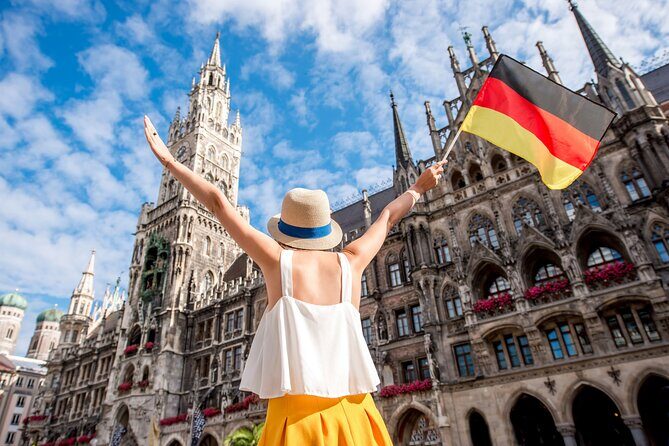
If you love European painting and classic collections, this part of the pass is where Munich flexes.
Start with Alte Pinakothek. You’re looking at outstanding European painting from the 14th to the 18th centuries. Plan for a slow start—this museum rewards attention. If you’re the type who can get lost in brushwork and composition, this is one of your anchors.
Then swing to Neue Pinakothek—but note the practical catch: it’s listed as closed from January 1, 2019 until 2025 for renovation. So you should treat it as a check-on-your-trip item. If it’s still closed when you go, you’ll need a Plan B from the rest of the pass.
For sculpture and pottery, Glyptothek is a highlight. The selling point is the world-class Greek vase collection, plus other top ancient works. If you normally skip decorative objects, don’t. In this kind of museum, small artifacts can be the most memorable part of your day.
For modern art, you’ll get options like Haus der Kunst (contemporary art) and Pinakothek der Moderne (one of the larger modern art collection houses in Europe). If you’re trying to keep a balanced trip, pairing an old collection with a modern museum keeps your perspective fresh instead of repeating the same mood.
Nymphenburg and Schleissheim: palaces, park castles, and porcelain
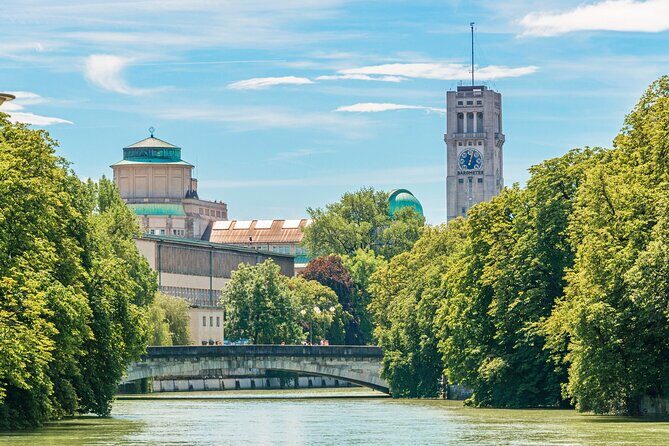
If you’re visiting Munich and you don’t spend time on palace territory, you’re missing a major part of the city’s visual identity. The pass helps you do it without spending your whole budget on separate admissions.
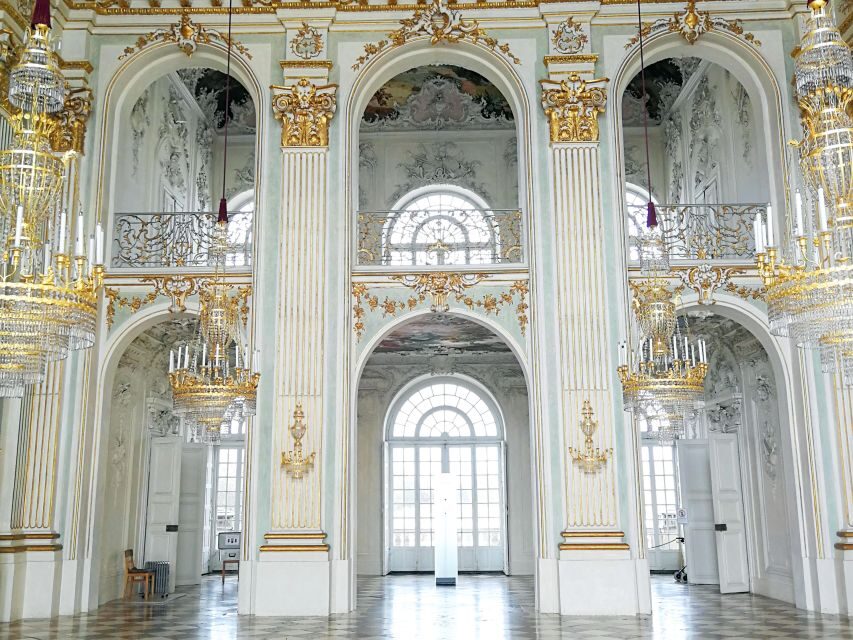
Nymphenburg Palace is included, and it’s a classic “walk-and-wonder” stop. The listing frames it as a refuge for the Munich court, which is a good reminder: this isn’t just for selfies. Expect that sense of history and design.
Then there’s the park-castle bonus: Amalienburg, Pagodenburg, and Badenburg. Each one sits in the grounds, which makes the whole palace park feel like a mini world. These stops are great when you want a break from gallery walls. You can move slower, enjoy architecture details, and still feel like you’re doing “big sight” sightseeing.
Also included is Botanischer Garten München-Nymphenburg. It’s described as fairytale flower fullness. If you need a reset between museums, this is your kind of stop. Two hours is usually enough to wander the most interesting paths without turning it into a hike.
Near Nymphenburg you also get Marstallmuseum, which focuses on carriages from the late 17th century to the late 19th century. That’s a smart choice because it tells you something about daily life and status, not just royal rooms.
For nearby palace territory, Schloss Schleissheim is included and has two exhibitions: the Ecumenical Collection of Gertrud Weinhold and Prussia’s Cultural History Collection. This is one of those stops where the theme matters. If your interests line up with collections beyond straightforward “palace rooms,” you’ll likely enjoy the variety.
Finally, don’t miss Lustheim Palace with the Meissen porcelain collection. Porcelain can sound niche, but it’s exactly the kind of thing you remember later because of the craftsmanship. It’s visual, detailed, and a nice counterweight to paintings.
Other city tours we've reviewed in Munich






Science and technology: Deutsches Museum plus aircraft at Flugwerft
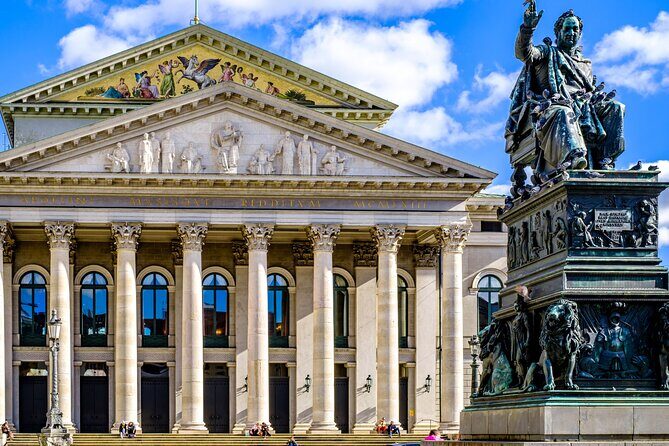
Here’s where Munich earns its reputation as a serious city, not only a pretty one.
Deutsches Museum is included (and it’s listed as one of the largest and most traditional science and technology museums in the world). Plan your expectations accordingly: this is not a quick in-and-out. Even if you only do a section, you’ll want time.
The pass also includes the Deutsches Museum Verkehrszentrum (land vehicles collection). This is a good way to focus your visit if you don’t want to face everything at once.
Then there’s Flugwerft Schleissheim, with about 70 aerospace exhibits spread across 8,000 m². If you’re even mildly into planes, engines, flight history, or industrial design, this can be a top memory from the trip.
One more “science-meets-society” stop is Deutsches Theatermuseum. It notes there’s no permanent exhibition due to space limits, but special exhibitions run regularly. So if you like performing arts history, this is a flexible add-on—check what’s on during your dates.
From Egypt to coins: museum variety that keeps days interesting
A big advantage of this pass is how it avoids the one-theme trap. You can jump from ancient art to natural history to even a coin cabinet without feeling like you repeated yourself.
Museum für Ägyptische Kunst (Munich Museum of Egyptian Art) is included, covering 5,000 years of Egyptian culture and art. If you’re used to seeing Egypt only through blockbuster artifacts in crowded halls, this can feel more grounded.
Staatliche Münzsammlung München (State Coin Collection) is another great change of pace. It covers more than 3,000 objects, with the oldest dating to the third millennium BC. Coins can be deceptively interesting because they’re history you can hold: politics, trade, rulers, symbols.
For natural history, Museum Mensch und Natur does that human-and-nature story. It’s useful when you want something educational but not overly formal.
If gemstones are your thing, Museum Reich der Kristalle (Realm of Crystals) lets you admire diamonds, emeralds, gemstones, and more. Expect display-heavy wandering, but it’s satisfying if you like detail.
For world cultures, Museum Fünf Kontinente and Museum Funf Kontinente are effectively your cue to step beyond Europe in one move. And if contemporary trends are part of your taste, Museum Brandhorst is listed as a modern and contemporary art stop behind a spectacular facade.
Classic art collectors and contemporary spaces
Munich isn’t only about royal palaces. It also has deep layers of collecting, and this pass reflects that.
Lenbachhaus is highlighted for the worldwide largest collection of the Blue Rider (Der Blaue Reiter). That’s a big name, and it also gives you a clear lens for what to look for.
Sammlung Schack focuses on paintings by Franz von Lenbach, which is a nice way to narrow your attention if you want fewer artist threads and more concentrated viewing.
If you’re curious about Munich through its own lens, Münchner Stadtmuseum near Viktualienmarkt gives you a journey into Munich’s past.
Then there’s Kunsthalle München, described as an art temple that ranges from antiquity to immediate present. That broad span can work well if you prefer a museum that doesn’t force you to stick to one era.
Haus der Kunst rounds out the contemporary angle. It’s a good stop when you want modern art but still want a museum environment rather than just a gallery quick look.
Jewish Museum Munich and NS Documentation Centre: history that demands time
Some stops are heavier than others. They’re also some of the most important.
Jewish Museum Munich (Jüdisches Museum München) is included, and it’s explicitly framed as looking at Munich’s history from a Jewish perspective. If this is part of your trip priorities, don’t treat it like a checkbox. Build space in your schedule for reflection.
NS-Dokumentationszentrum München is also included. It’s described as a learning and remembrance place exploring Munich’s history related to Nazism and the consequences of dictatorship. This is not a “speed through” museum. If you’re sensitive to difficult topics, you may want a slower pace and fewer stops on the same day.
Views, wheels, and fun breaks: seeing Munich from above
Not every included stop needs to be serious. Munich is great at mixing big cultural institutions with playful detours.
Start with Neue Rathaus (Neus Rathaus). The tower gives you a breathtaking view over Munich. If you want a “reset” moment that also helps you understand the city’s layout, take this spot seriously. Views help you navigate the next day’s walking and transit.
Umadum das Munchner Riesenrad is a giant transportable observation wheel and a way to see the city from above. It’s a fun option if you want something less museum-like while still getting a skyline moment.
For entertainment-and-attractions mode, you have SEA LIFE München in Olympiapark. If you’re traveling with kids or you just want a break from indoor galleries, it’s an easy win.
Also in Olympiapark you have the park railway included, which makes it more comfortable to see the grounds without tiring your feet too early.
Film, sport, and a giant playground of museums
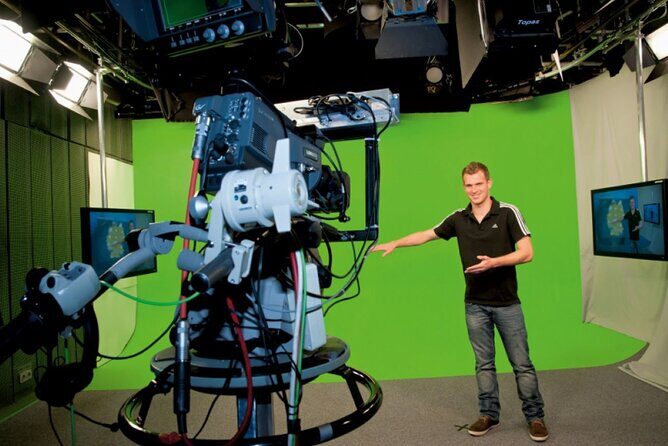
Bavaria Filmstadt is included, with original scenes from big movies and famous TV highlights. It’s the kind of stop that works even if you’re not a hardcore film nerd, because you can recognize the idea of a set and imagine how production works.
Then there’s the sports option: FC Bayern Museum at the Allianz Arena. The listing frames it as Germany’s biggest club museum. If football is part of your Munich story, this can be a memorable anchor. Even if it isn’t, the museum environment is designed for visitors, not just fans.
A quirky counterpoint is Valentin-Musäum (Valentin-Karlstadt-Musäum). If you like comedic history and eccentric creativity, this is a great stop to keep your trip from feeling too solemn.
Art circles and theatre magic: Cuvilliestheater and the Residenz world
The pass includes Cuvilliestheater, described as the most beautiful Rococo theater in Germany, with a note that even Napoleon visited. That kind of detail matters because it sets the expectation. You’re going for atmosphere and architecture as much as performance history.
For palace-adjacent luxury, you’ll want Residenz Museum. The treasury of the Munich Residence is listed as one of the most prestigious collections of its kind. If you’re drawn to artifacts and craftsmanship, this is a strong payoff.
And if you enjoy a mix of culture and objects, Glyptothek plus Residenz Museum is a powerful pairing: ancient art in one space, refined court treasures in another.
What I would plan on a tight schedule
If you only have 1–2 days, build around your interests and keep choices intentional.
For classic art: Alte Pinakothek + Glyptothek plus one shorter modern or contemporary stop like Kunsthalle München or Haus der Kunst. If Neue Pinakothek is still closed on your dates, replace it with something open.
For palaces: Nymphenburg Palace + Amalienburg/Pagodenburg/Badenburg plus Botanischer Garten München-Nymphenburg for a reset.
For science: Deutsches Museum + Verkehrszentrum and then add Flugwerft Schleissheim if you want a full day with engines and flight history.
For a fun-balanced day: Neues Rathaus tower + Olympiapark (including park railway) + SEA LIFE München.
The pass lets you mix these themes. That’s the point.
Two practical considerations that can change your day
First: a few attractions require advance booking, especially guided tours. The pass tells you to follow instructions in the digital city pass. Don’t assume everything is walk-in, even if admission is included.
Second: Neue Pinakothek is listed as closed for renovations through a stated period. You’ll want to check what’s operating when you go, then choose another art museum from the included set.
Should you book the Munich City Pass?
If you want an easy way to hit a lot of Munich’s top sights without constantly buying tickets, I think it’s a smart buy. It’s especially worth it when you plan to do multiple museum days and use transit every day.
I’d skip it only if your trip is so short that you’re only doing a single museum or two, or if you prefer planning one perfect guided tour and nothing else. In that case, you might not need a pass.
But if you want flexibility, a mix of major museums and fun sights, and an approach that helps you move around Munich with less friction, this pass is built for exactly that kind of trip.