REVIEW · MUNICH
Walking Tour on Origins of Nazism in Munich – English
Book on Viator →Operated by Todo Tours · Bookable on Viator
Nazi history hits differently when it is in the open air. This 2-hour English walk connects the ideas and power plays behind the rise of the Nazi movement with the very streets, squares, and buildings where it happened. I love how the tour uses real locations to explain big moments like Hitler’s climb to power and the propaganda that fueled it. I also like that it doesn’t stop at perpetrators; it points you toward places tied to victims and resistance, which matters when you’re trying to understand consequences, not just dates.
One possible drawback: it’s a lot to take in during only about two hours, so you may finish wanting more time in museums or reading up after the walk.
In This Review
- Key highlights you’ll feel on the walk
- Why Munich’s street corners still carry the Nazi story
- Stop-by-stop: from victims to propaganda and back again
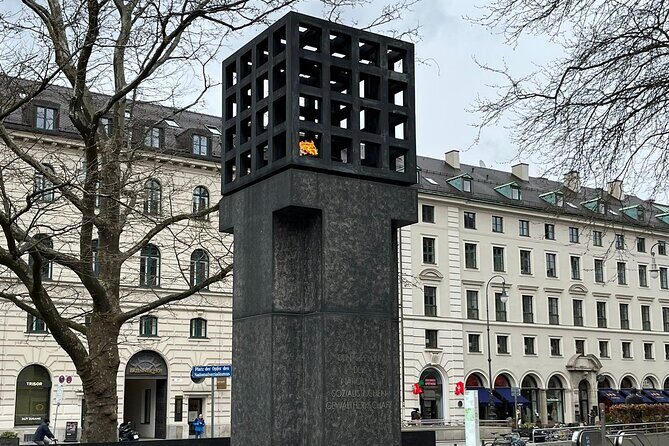
- Stop 1: Platz der Opfer des Nationalsozialismus
- Stop 2: Staatliches Hofbräuhaus
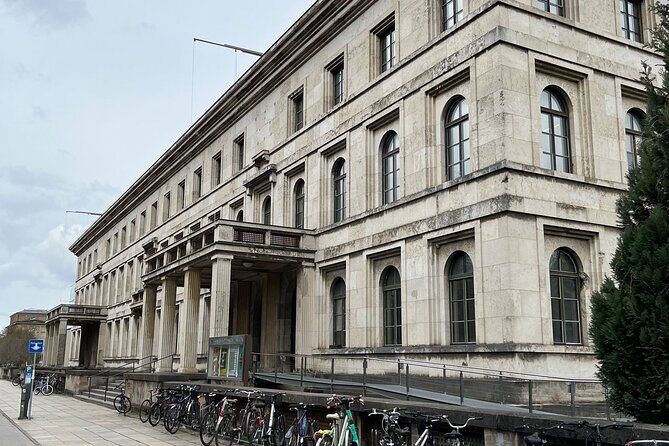
- Stop 3: Haus der Kunst
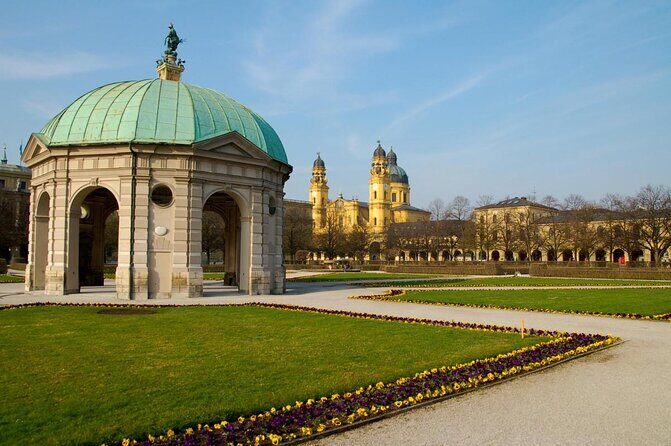
- Stop 4: Hofgarten
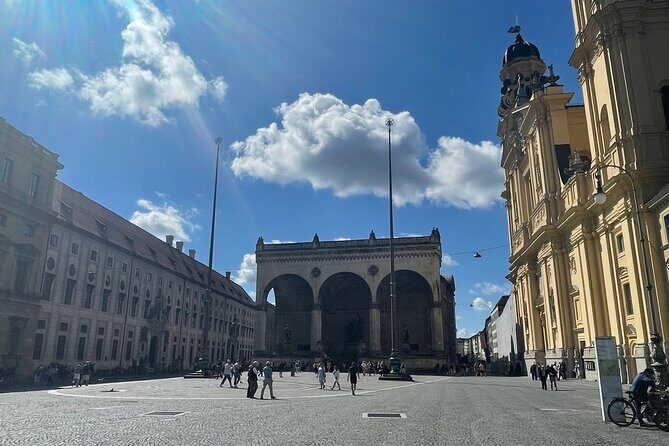
- Stop 5: Odeonsplatz
- Stop 6: Königsplatz
- What you learn about Nazism beyond slogans
- The guide matters: what good leadership looks like here
- Price and value for a 2-hour history walk
- Timing, meeting point, and how to plan your afternoon
- Who should book this tour (and who might want a different option)
- Should you book this Walking Tour on Origins of Nazism in Munich?
- FAQ
- Is the tour offered in English?
- How long is the walk?
- What does the tour include?
- Is there a mobile ticket?
- Where does the tour start and end?
- What is the cancellation policy?
Key highlights you’ll feel on the walk
- A guided route that links cause and place rather than listing facts
- Hofbräuhaus as a key early Nazi base point
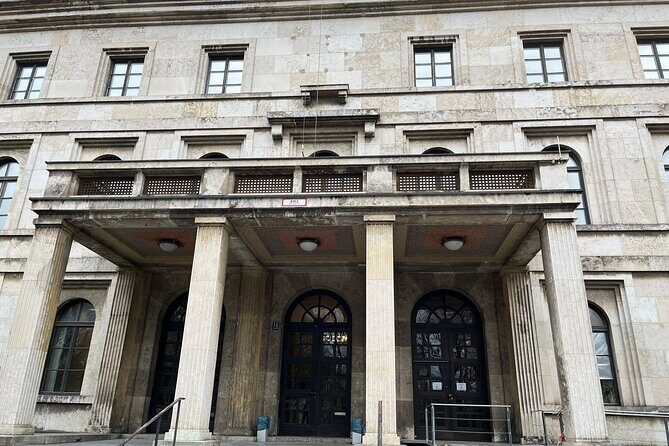
- Haus der Kunst as an early propaganda building tied to the Third Reich
- Königsplatz and Odeonsplatz showing how public space was reshaped for power
- Stops that point to victims and resistance, not only the rise of the regime
- Small group feel (up to 35) for an easier Q-and-A flow
Why Munich’s street corners still carry the Nazi story
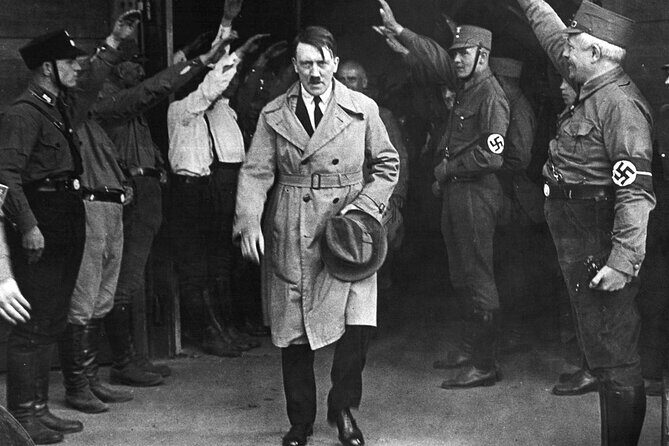
Munich helped shape the early Nazi movement, which is why walking here feels more direct than reading about it at home. The tour frames the story around origins: when Hitler was sent to Munich on a mission, how the movement gained traction, and how it later transformed into the Third Reich.
What I like about the approach is that it treats history like a chain. You see how propaganda, public events, and political maneuvers fed each other. You also get the darker context in plain language, including episodes referenced in the tour themes such as the burning of Goebbels’ books and the night of broken glass. That helps you connect what you may have heard in school to the physical locations where power was staged.
Other Munich city tours we've reviewed in Munich


Stop-by-stop: from victims to propaganda and back again
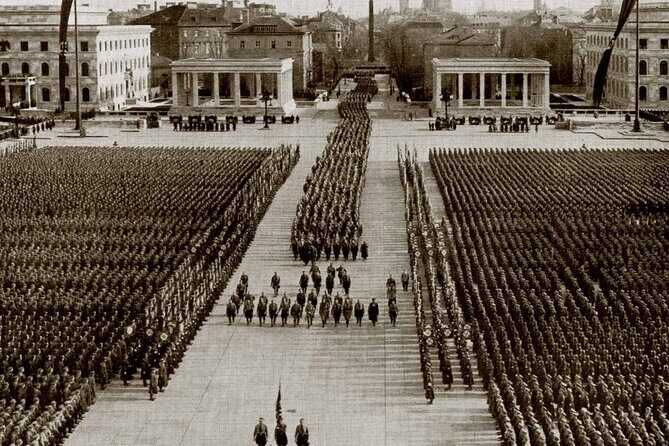
This is structured as a walking line with six named stops. The total time is about 2 hours, so each place gets the right amount of attention without turning into a museum marathon. You’ll also end where the symbolism in the city’s layout becomes easier to grasp.
Stop 1: Platz der Opfer des Nationalsozialismus
You start at Platz der Opfer des Nationalsozialismus (Square of the Victims of National Socialism). Starting here is more than respectful; it sets the tone. It tells you right away that this story is not only about ideology and ambition—it is about human costs.
Even if you only pause briefly, that first mental shift helps you process everything that follows. You’re not just sightseeing buildings; you’re learning how a regime worked and what it did.
Stop 2: Staatliches Hofbräuhaus
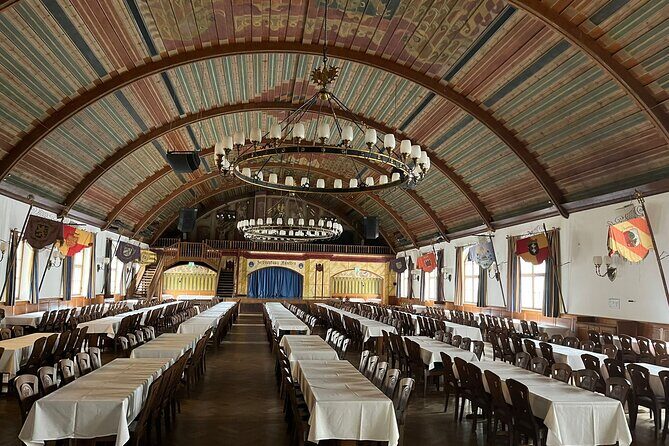
Next up is Staatliches Hofbräuhaus, often called the mother of all breweries. In this tour, it matters because it’s described as the place where the Nazi party established its base. That’s a powerful contrast: a public, everyday setting becomes a political engine.
This is where you’ll likely understand how Nazi momentum wasn’t only driven by speeches and written propaganda, but also by where people gathered and how movements built visibility. If you have seen the word propaganda used loosely in the past, this stop helps make it concrete.
Stop 3: Haus der Kunst
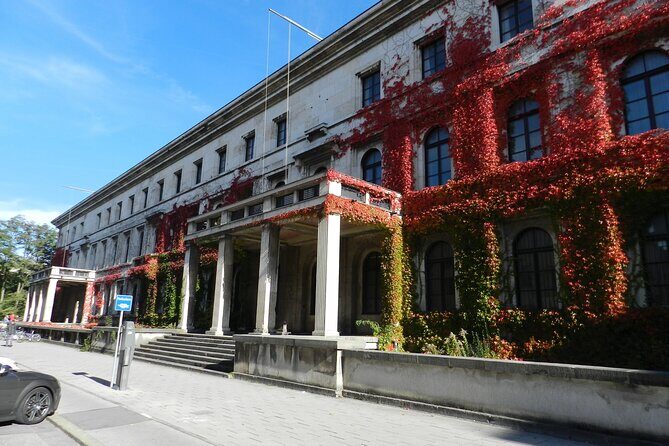
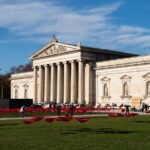
Then you reach Haus der Kunst, described as the current museum and the first propaganda building of the Third Reich. This stop is important because it forces you to look at architecture and institutions as tools.
The building theme pushes a key lesson: the regime didn’t only spread messages; it built systems and structures to deliver them. So even if you’re not going inside any museum spaces during this specific route, the conversation around the site can still change how you read similar buildings elsewhere in Europe.
Other walking tours we've reviewed in Munich
Stop 4: Hofgarten
After the heavier political sites, the walk moves to Hofgarten, one of Munich’s most important parks. It’s also a breather, but not a random one.
Parks and open green spaces are part of how cities shape public life. In a tour like this, that matters because you start to see how the regime’s story wasn’t limited to rallies and paperwork. It also lived in how people moved through public areas, where attention could be directed, and how the city could feel choreographed.
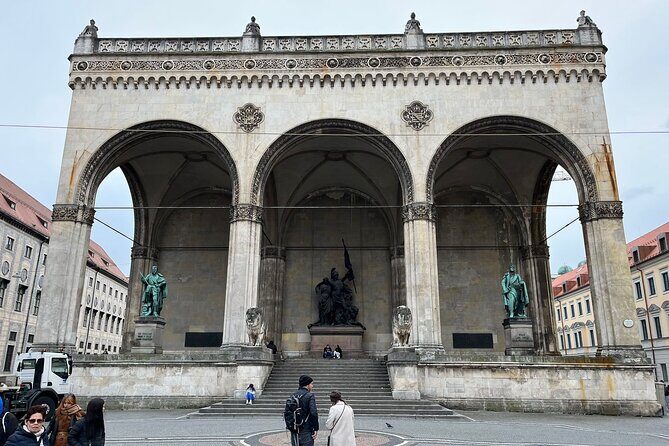
Stop 5: Odeonsplatz
You then hit Odeonsplatz, one of Munich’s most important squares. Squares are stage sets in every capital city, and this one plays that role in the tour’s bigger explanation of how public space supported power.
Think about what a square does: it concentrates bodies and sound. It’s a natural place for official messages and mass gatherings. In the walk, Odeonsplatz helps you connect the idea of spectacle with how political control tries to feel normal and inevitable.
Stop 6: Königsplatz
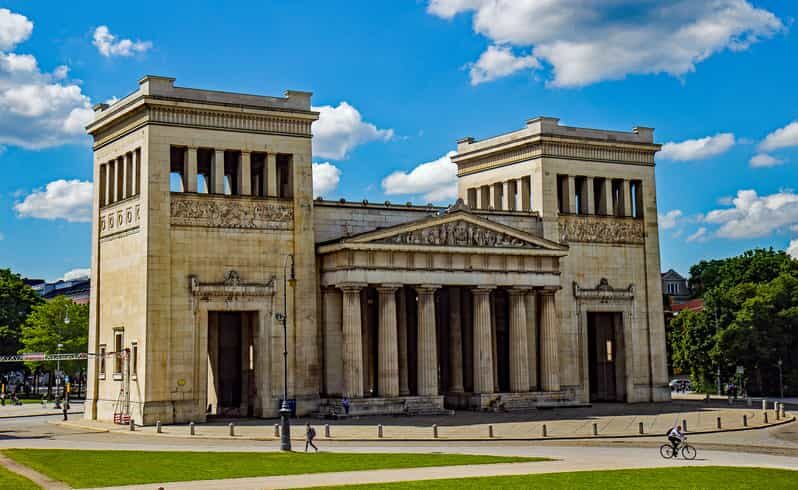
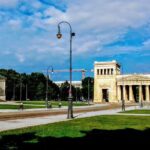
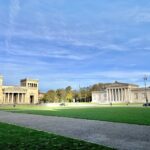
Finally, you end at Königsplatz. In this route, it’s described as one of the main squares that formed the backbone of the new city designed by the Third Reich.
This is the stop that can make the whole route click. When you stand in a place designed for power, the earlier stops stop feeling separate. You start to see the pattern: victims and resistance show the cost, breweries and buildings show the machinery, and squares show the performance.
Ending here at Königsplatz also gives you a natural “walk-off.” You can keep exploring nearby streets on your own, or simply take a breath and let the symbolism settle before you head out.
What you learn about Nazism beyond slogans
The tour’s description makes one goal clear: you’re meant to understand what Nazism meant and what it led to. That includes the political rise and reconversion into what became the Third Reich, but it also includes the consequences.
For many first-time visitors, history tours in Europe can swing too far in one direction: either they’re purely explanatory, or they become grim photo stops with no structure. This one is built to do the harder thing in a short time—connect events and ideas with the right locations so your brain can sort the timeline.
The themes highlighted in the tour overview—Hitler’s coup attempt, the book burnings linked to Goebbels, and violence associated with the night of broken glass—are brutal. But the purpose isn’t shock. It’s understanding the steps: how violence and propaganda are tied to political strategy.
And crucially, the route doesn’t ignore resistance and victim memorials. That’s what keeps the story from turning into a one-note history lecture.
The guide matters: what good leadership looks like here
The tour includes an expert guide, and you can feel the value of that in a subject like this. When you’re discussing origins and a controversial movement, you need more than facts. You need framing, careful explanation, and the ability to answer the questions people usually hold back until the end of the walk.
The feedback behind the high rating lines up with one clear pattern: the guide quality can make this feel like a strong start. If you’re coming to Munich for the first time or you’re not sure where to even begin, a good guide turns scattered knowledge into a coherent route.
No guide can erase how heavy the topic is, but a strong one helps you carry it with clarity rather than confusion.
Price and value for a 2-hour history walk
At $20.16 per person, this is priced like a classic, city-center walking tour. You’re paying for three things you usually can’t DIY at this level: an English explanation, a guided thread that connects places, and the on-the-spot context that makes the stops make sense.
Also, the structure helps the value. You’re not spending money on a half-day that keeps you away from everything else. In about 2 hours, you see multiple major locations—Hofbräuhaus, Haus der Kunst, Odeonsplatz, and Königsplatz—plus the victims’ memorial start.
If you’re the type who likes a quick orientation plus direction for what to do next, this kind of tour can be a smart first layer. Then you decide whether you want more time in additional museums later.
Timing, meeting point, and how to plan your afternoon
The start time is 3:00 pm, and the walk begins at Mariensäule, Marienplatz 22, 80331 München. It ends at Königsplatz 1, 80333 München.
A 3 pm start works well because you can still do morning sightseeing or grab a meal earlier. It also gives you good daylight for outdoor stops like parks and squares, which helps when you’re trying to understand the city layout.
One practical tip: arrive a few minutes early. For a route like this, you’ll want a clear start so you don’t lose your place when the guide begins setting the historical context.
Who should book this tour (and who might want a different option)
This experience fits best if you want a focused intro to Munich’s connection to Nazi origins and you prefer learning while walking. It’s also a good pick if you like structured storytelling: you want the timeline, the “why,” and the connection between the city’s landmarks and the political rise.
It may feel like too much if:
- you already know the material deeply and want more museum time
- you need lots of reflection between sites, because the schedule is tight
- you’re sensitive to heavy topics and want a slower pace
That said, starting at a victims’ memorial and weaving in resistance helps many people process the subject responsibly, not just dramatically.
Should you book this Walking Tour on Origins of Nazism in Munich?
If you want an efficient, guided way to understand why Munich matters to the origins of Nazism, this is a solid booking. You get an English expert-guided route, major locations that make the story easier to grasp, and the important balance of victims and resistance alongside the rise of the regime.
I’d book it if you’re:
- a first or second-time Munich visitor
- looking for a history walk that explains connections, not isolated facts
- the kind of traveler who benefits from a clear guide when the subject is complex
I’d think twice if you want a long, slow pace or you prefer hands-on museum time as your main learning tool. In that case, consider pairing this with a follow-up museum visit on another day so the story has room to settle.
FAQ
Is the tour offered in English?
Yes. The walking tour is listed as an English experience.
How long is the walk?
It runs for about 2 hours (approx.).
What does the tour include?
The tour includes an expert guide.
Is there a mobile ticket?
Yes. The experience uses a mobile ticket.
Where does the tour start and end?
It starts at Mariensäule, Marienplatz 22, 80331 München and ends at Königsplatz 1, 80333 München.
What is the cancellation policy?
You can cancel for a full refund up to 24 hours before the experience’s start time. If you cancel less than 24 hours before, the amount paid is not refunded.