REVIEW · NUREMBERG
Nuremberg: Medieval Dungeons Guided Tour
Book on GetYourGuide →Operated by Förderverein Nürnberger Felsengänge e.V. · Bookable on GetYourGuide
Underground justice feels uncomfortably real. This guided visit sends you into the vaulted cellars beneath Nuremberg’s Old City Hall, where you walk through 12 small cells and reach the torture chamber used during medieval questioning. I especially loved the mostly original dungeon furnishings and the way a live guide brings the system of punishment to life. The main drawback: this tour is not suitable if you hate tight spaces or are prone to claustrophobia.
It’s a short stop, listed at 45 minutes, with English or German narration. You’ll also hear reports of torture, so it’s not a light wander, even though the tone can be human and sometimes funny.
In This Review
- Key highlights at a glance
- Where Nuremberg hides its medieval punishment: the Old City Hall dungeons
- The walk-through itself: 12 cells, cramped passageways, and the torture chamber
- How the guides tell the story: humor, tone, and real professionalism
- Medieval justice explained in plain terms: guilt, confession, and a system built on fear
- Timing and meeting point: finding the Altes Rathaus entrance without stress
- What to bring (and what to leave behind) for a smoother visit
- Price vs. value: why the cost works for a short guided dungeon tour
- Who this tour suits best—and who should skip it
- My bottom line: should you book the Nuremberg Medieval Dungeons tour?
- FAQ
- Where is the meeting point?
- How long is the tour?
- Is there a live guide?
- What languages are offered?
- Are children allowed?
- Is it suitable for claustrophobia or mobility issues?
- What should I bring?
- Are food and drinks allowed?
- Can I cancel and get a refund?
Key highlights at a glance
- 12 small cells under the Altes Rathaus you can actually walk through
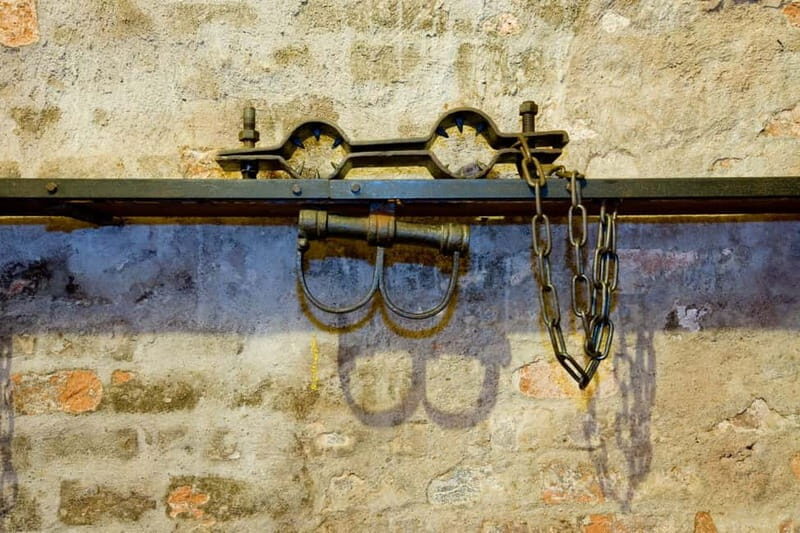
- Mostly original furnishings that help you picture daily conditions for prisoners
- A dedicated torture chamber visit tied to the medieval justice process
- Clear, English or German live guiding with real storytelling energy
- Short timing for serious subject matter (about 45 minutes)
- Important limits: under-10s aren’t allowed, and tight spaces can be an issue
Where Nuremberg hides its medieval punishment: the Old City Hall dungeons
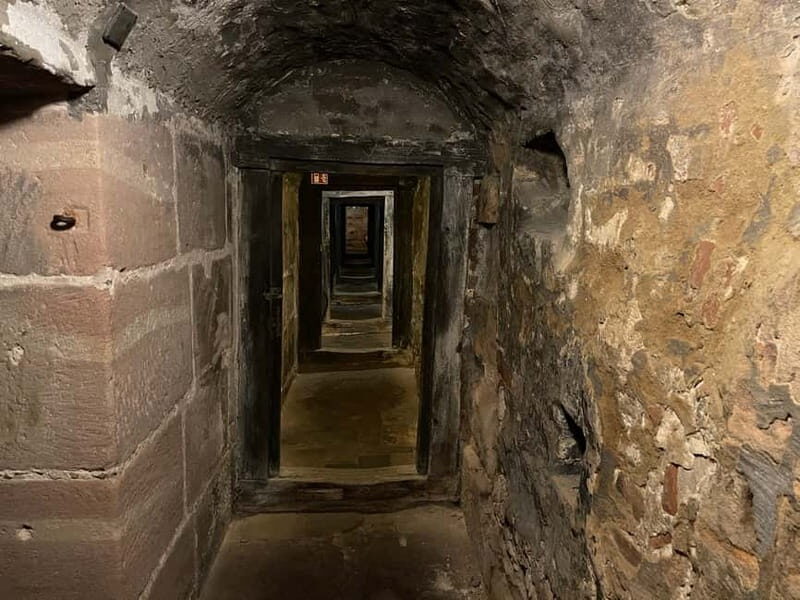
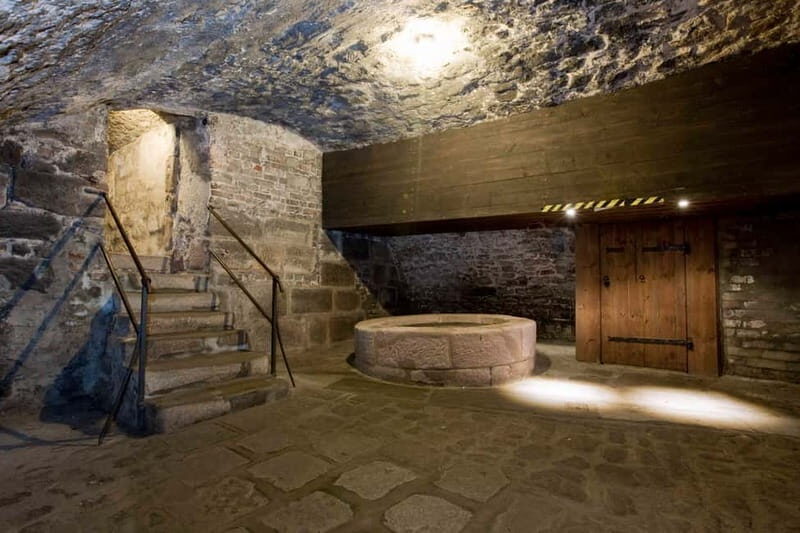
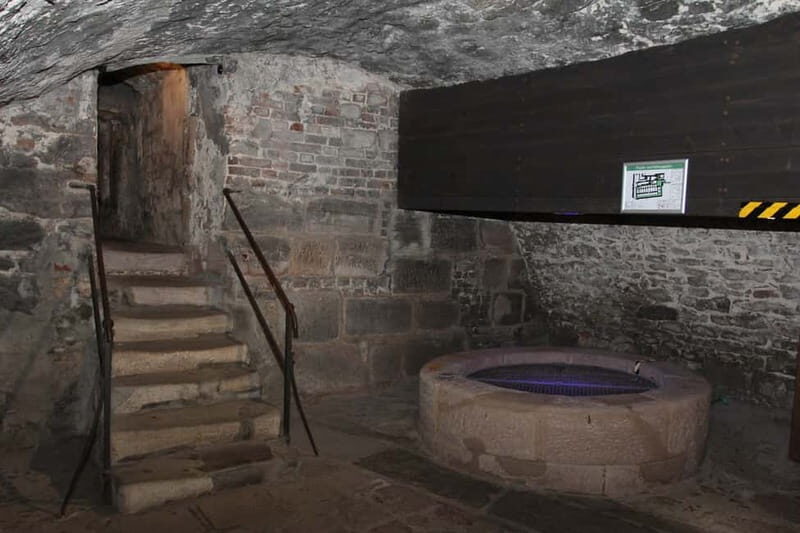
I like tours that let you see history in context, not just on a plaque. This one takes place beneath Nuremberg’s Old City Hall (Altes Rathaus), in the vaulted cellars that once served the city’s justice system. You’re not peeking through a window—you’re moving through the same underground layout that held people while their cases were processed.
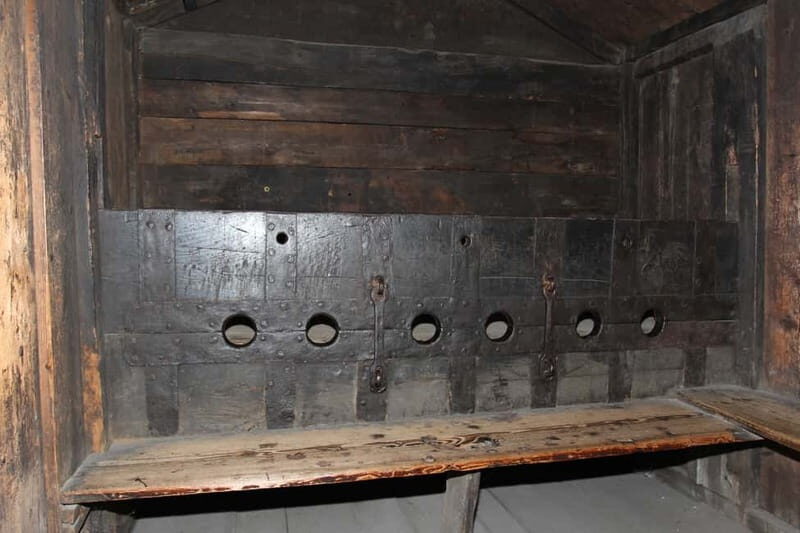
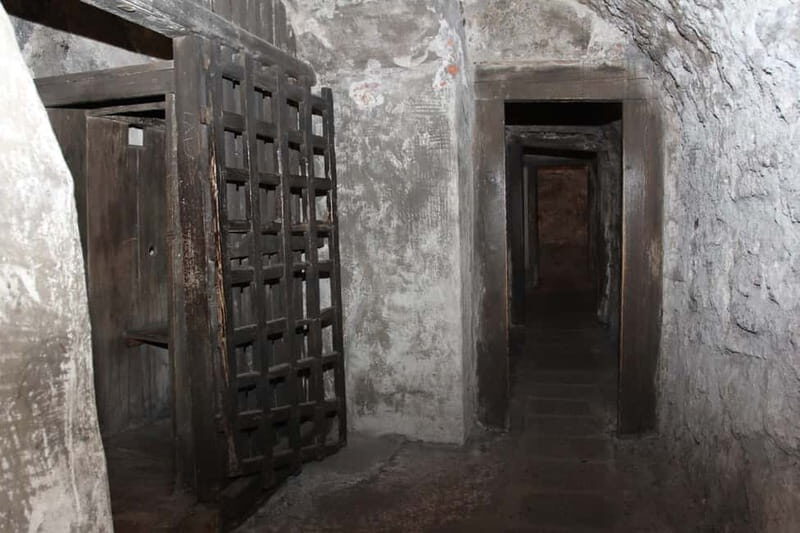
The experience centers on the dungeons used from the 14th century onward. That timing matters. Medieval punishment wasn’t only about outcomes like guilt or innocence—it was also about extracting a confession during a period of detention and questioning. Walking these corridors gives you a practical sense of scale: the spaces are small, the passages feel close, and the whole setup reinforces how powerless prisoners were.
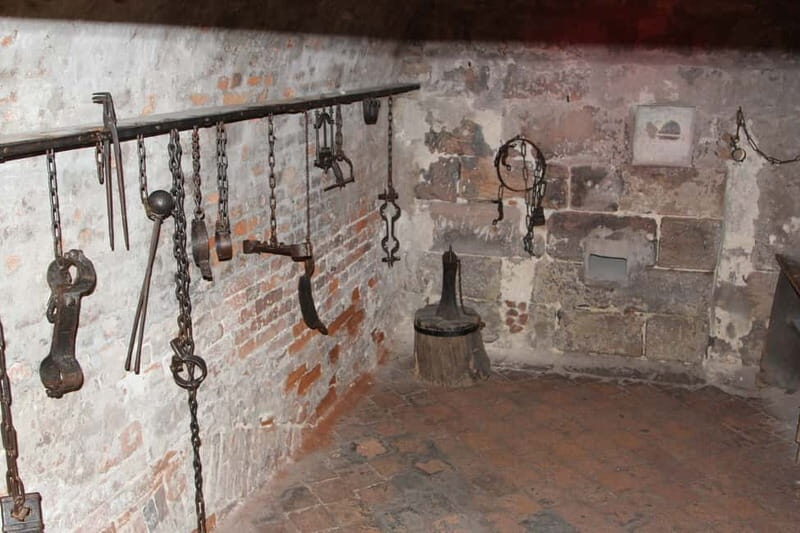
One of the reasons this tour gets such strong feedback is that it feels grounded. The furnishings you’ll see are described as mostly original, and that detail changes the vibe from scary theory to physical reality. Even if you know the general idea of medieval torture, seeing the rooms helps you understand how the system worked day to day.
Other Nuremberg day trips we've reviewed in Nuremberg



The walk-through itself: 12 cells, cramped passageways, and the torture chamber
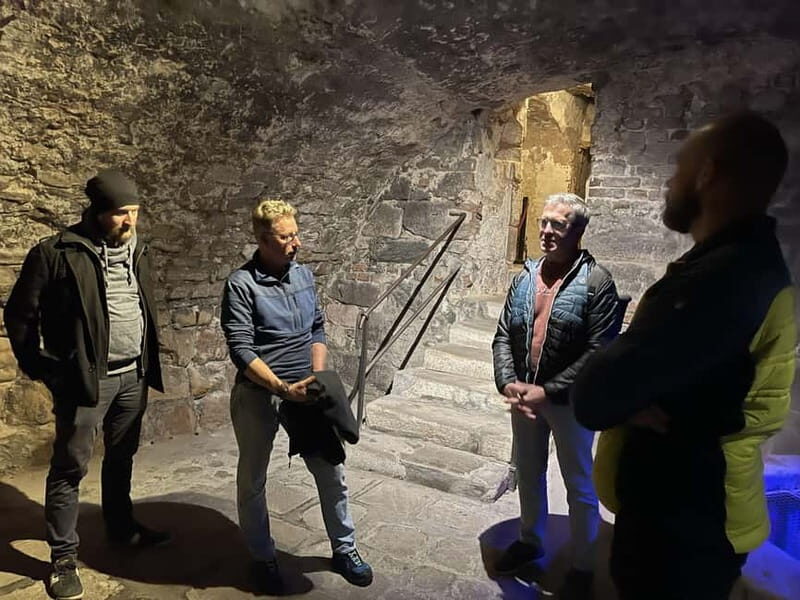
Here’s what the route really feels like: you move cell to cell, with repeated chances to reset your thinking. The tour guides you through 12 small cells, and each one helps you build a picture of confinement. The text of the narration focuses on the prisoners’ plight—held while the authorities waited for judgment, and pushed to confess.
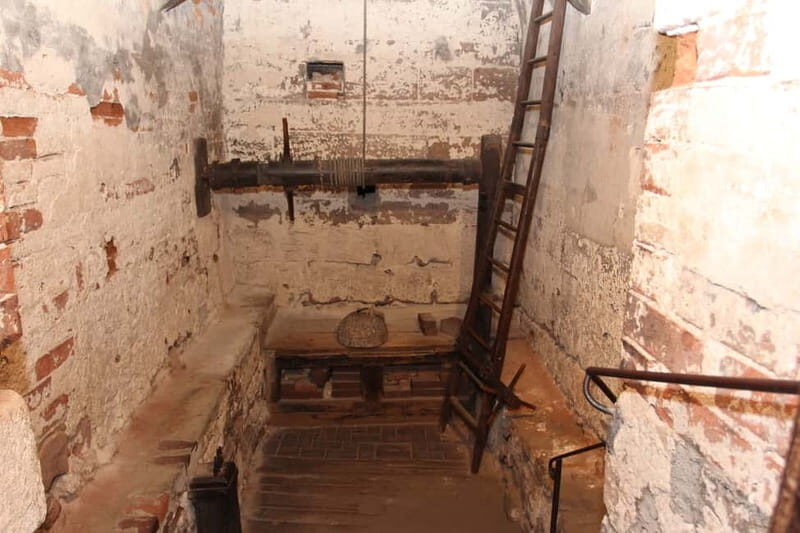
Then you reach the torture chamber. This is the moment that makes the tour stand out for most people, because it’s not generic. You’re shown the space where torture was used during the Middle Ages, and the story connects it to the idea of extracting truth under pressure—regardless of whether someone was truly guilty.
If you’re hoping for a museum-style walkthrough with tons of display cases, adjust your expectations. Multiple guides and experiences emphasize that the dungeon viewing area is limited, and space can feel tight for photos. You might find it hard to take many pictures from good angles because you’re in narrow areas, moving as a group, with the camera competing against the space itself.
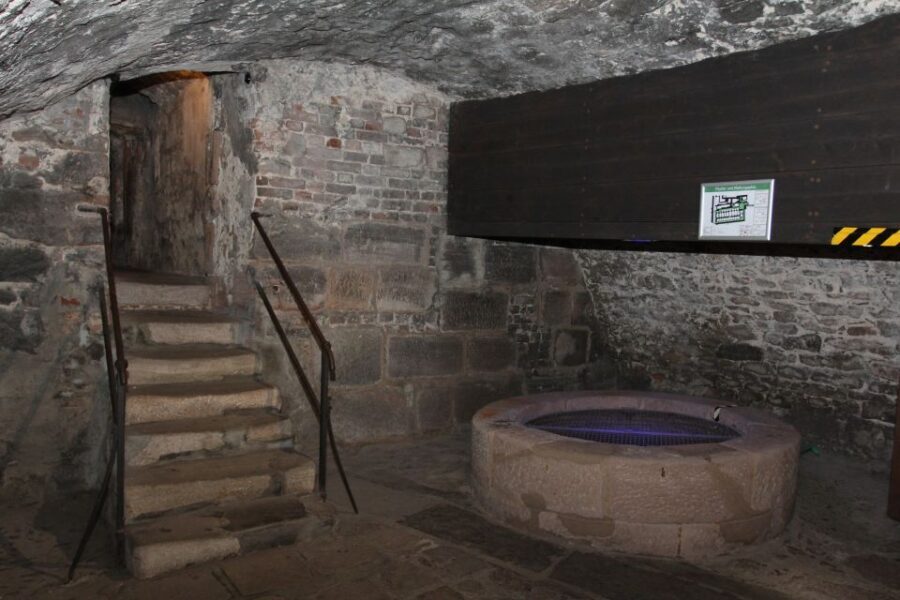
Also, expect discomfort. Not necessarily panic—just a real sense of how claustrophobic the environment can be. The tour is specifically flagged as not suitable for claustrophobia, and the route involves stairs and cramped spaces. If that’s your situation, trust the warning.
How the guides tell the story: humor, tone, and real professionalism
A big part of this tour’s value is how the explanation is delivered. The guiding style tends to balance seriousness with a lighter touch, which can be a relief when you’re hearing about torture and questioning in an underground setting. The result is that you get details without it turning into a nonstop horror show.
Several guides are mentioned for their presentation style. For example:
- Dimitri gets credit for careful approach and proper tone.
- Mariana is described as lovely with great presentation.
- Luke is noted as funny and knowledgeable, and the tour feels like a short, entertaining lesson rather than a grim lecture.
- Alex balances seriousness with humor.
- Wolfgang is highlighted as funny and engaging.
- Nick is singled out as a strong storyteller, with the gory elements staying interesting but not overwhelming.
You also get practical benefit from this style: when the content is heavy, clear pacing helps you follow the logic of the medieval justice system. You’re more likely to understand why detention existed, how confession fit the process, and what punishment meant beyond the courtroom moment.
Medieval justice explained in plain terms: guilt, confession, and a system built on fear
The tour doesn’t treat torture as isolated spectacle. It frames it as part of a broader justice approach. The story centers on remand imprisonment: detainees were held and questioned until judgment, and confession was treated as a key piece of evidence—again, even when innocence was possible.
This is where the underground setting becomes more than atmosphere. It helps you connect the concept of a legal process with physical reality. Being thrown into the dungeon was treated like a death sentence in many cases, because conditions were harsh and the process could be brutal. Standing in the cells makes that feel less theoretical.
You’ll also hear about medieval reasoning around punishment and coercion. The tour guidance focuses on what prisoners endured during questioning, and it explains that the goal wasn’t only to punish—it was also to force a confession. For modern visitors, that framework can be unsettling, but it’s also the point: you’re learning how the system worked, not just collecting scary facts.
Timing and meeting point: finding the Altes Rathaus entrance without stress
This is designed to be easy to fit into a day. The tour runs for 45 minutes (and you should check availability for starting times). The meeting point is right in front of the Old City Hall (Altes Rathaus), near the middle entrance.
You’ll wait outside at the start. The tour ends back at the meeting point, which means you don’t need to plan an awkward second location hop. In practice, the underground nature of the experience also means it can feel longer in the body than the clock suggests, so treat it like a focused appointment rather than a quick add-on.
Other guided tours in Nuremberg






What to bring (and what to leave behind) for a smoother visit
A dungeon tour has two real needs: comfort and readiness.
Bring:
- Warm clothing (the cellars are underground, and conditions can feel cool even when the day is warm)
- A charged smartphone (helpful for photos, notes, or mapping your next stops)
Leave behind:
- Food and drinks (not allowed on the tour)
One more practical tip: because you’ll hear reports of torture, decide ahead of time how sensitive you want to be. If you’re easily upset by descriptions, consider skipping this activity. If you can handle dark history with context, come with the mindset of learning how justice worked—cruelly—by people who truly believed they were acting within their system.
Price vs. value: why the cost works for a short guided dungeon tour
The price is listed at $11 per person for an entry ticket. That’s remarkably low for a guided, structured tour that includes a set route through multiple cells and a torture chamber visit.
Here’s why the value holds up:
- The tour time is short, so it doesn’t eat a huge chunk of a day.
- You’re paying for interpretation, not just access to a room. The guide’s job is to connect the space to the justice process—questioning, detention, and punishment.
- The focus is narrow but specific. You know what you’re getting: underground cells, a defined story, and about 45 minutes of context.
Is it perfect value for everyone? Not necessarily. One recurring caution is that some people expect more display content and find the number of rooms to be limited. If you want a large exhibit with lots of artifacts laid out like a museum, this might feel short. But if you want a guided walk through the actual dungeon spaces, the price-to-experience ratio is hard to beat.
Who this tour suits best—and who should skip it
This is one of those history activities that clearly divides into “this will fit me” and “nope.” Based on the stated limits, here’s the practical match:
You’ll likely enjoy it if:
- You like dark, specific history tied to real places.
- You want a guided explanation of medieval justice, not just an outdoor walking tour.
- You can handle serious subject matter with context.
You should skip it if:
- You’re uncomfortable with tight spaces or are claustrophobic (the tour is flagged as not suitable).
- You have mobility impairments (also flagged as not suitable).
- You’re bringing young kids: children under 10 are not allowed.
- You’re not okay with hearing about torture; you will hear reports of torture.
There’s also a “fit” issue to consider. Even if you’re okay with history, underground cell environments can be mentally draining. If you’re prone to anxiety in confined spaces, don’t gamble on it being fine.
My bottom line: should you book the Nuremberg Medieval Dungeons tour?
I’d book this if you want a quick, guided, place-based lesson on how medieval justice worked under pressure. The short format is a plus, the route through 12 cells is concrete, and the guide style—often with careful tone and even some humor—helps the story land without turning into chaos.
I’d skip it if you’re claustrophobic, have mobility concerns, or want a family-friendly history outing. Also skip if you’re not prepared for the subject matter. This is about punishment and coercion, told in the setting where it happened.
If you can handle all that, this tour is an efficient way to understand the darker underside of Nuremberg’s past—standing where people were held, questioned, and, in the worst cases, tortured as part of a system built around confession.
FAQ
Where is the meeting point?
Meet in front of the Old City Hall (Altes Rathaus), near the middle entrance. You should wait outside.
How long is the tour?
The duration is listed as 45 minutes. Starting times depend on availability.
Is there a live guide?
Yes. The tour includes a live tour guide with English and German.
What languages are offered?
The tour is available in English and German.
Are children allowed?
Children under 10 years are not allowed to visit the dungeons.
Is it suitable for claustrophobia or mobility issues?
No. It is not suitable for people with claustrophobia or mobility impairments.
What should I bring?
Bring warm clothing and a charged smartphone.
Are food and drinks allowed?
No. Food and drinks are not allowed.
Can I cancel and get a refund?
Yes. Free cancellation is available up to 24 hours in advance for a full refund.