REVIEW · MUNICH
Munich: Nazi History 2-Hour Small Group Walking Tour
Book on GetYourGuide →Operated by Alun Evans Personal Tour Guiding Munich · Bookable on GetYourGuide
Munich has a darker map. This Munich Nazi history walking tour uses real streets and real buildings to explain how the movement grew after Hitler’s 1913 arrival, with the route anchored in landmarks you can actually see today. I liked that it’s small-group, so the guide can pace the story and answer questions without the usual crowd noise.
My favorite part was the human delivery. With Alun Evans, you get a respectful, thoughtful tone, and he keeps the discussion clear enough for history buffs and first-timers alike. That balance matters on a subject like this: you want facts, but you also want care in how they’re presented.
One possible drawback: it’s only 2 hours, so you’re absorbing a heavy storyline at walking speed. Also, it runs in all weather, so you’ll want to dress for cold, wind, or rain and accept you’ll be outside the whole time.
In This Review
- Key points I’d plan around
- Marienplatz start: seeing how a city frames power
- Hofbräuhaus München: speeches, crowds, and the power of a room
- Odeonsplatz: where famous Munich landmarks meet unsettling stories
- The Beer Hall Putsch 1923 site: why failed attempts still matter
- Königsplatz rallies: reading architecture through a Nazi lens
- The guide factor: why Alun Evans is the real differentiator
- Group size, walking pace, and what to bring
- Price and value: what $58 buys you in this format
- Who this tour is best for
- Should you book this Munich Nazi history tour?
- FAQ
- How long is the Munich Nazi History walking tour?
- What language is the tour guide?
- How many people are in the small group?
- Where do we meet for the tour?
- Is hotel pickup included?
- Does the tour run in bad weather?
- Are refreshments included?
- Can I cancel and still get a refund?
- Is there a way to end back at Marienplatz with the guide?
Key points I’d plan around
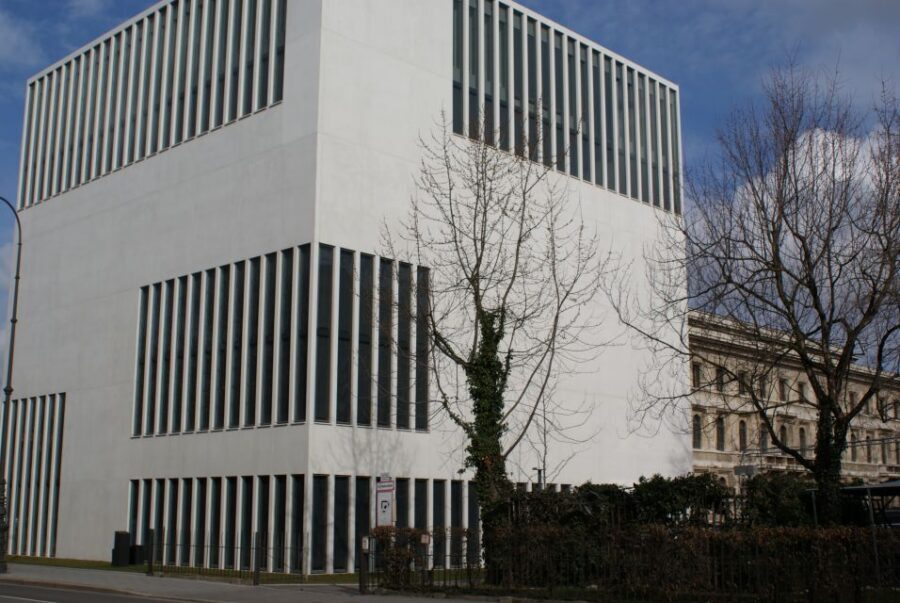
- Marienplatz to Königsplatz in 2 hours, starting and ending at the same central square
- A small group capped at 10, which makes it feel close to a private tour
- Stops tied to Nazi rallies and SS presence, not just general lecture-style history
- Hofbräuhaus and the Beer Hall Putsch site, where political momentum turned into spectacle
- Clear, careful storytelling from Alun Evans, including how he handles difficult material
- All-weather operation, so bring layers and expect a true walking tour
Marienplatz start: seeing how a city frames power
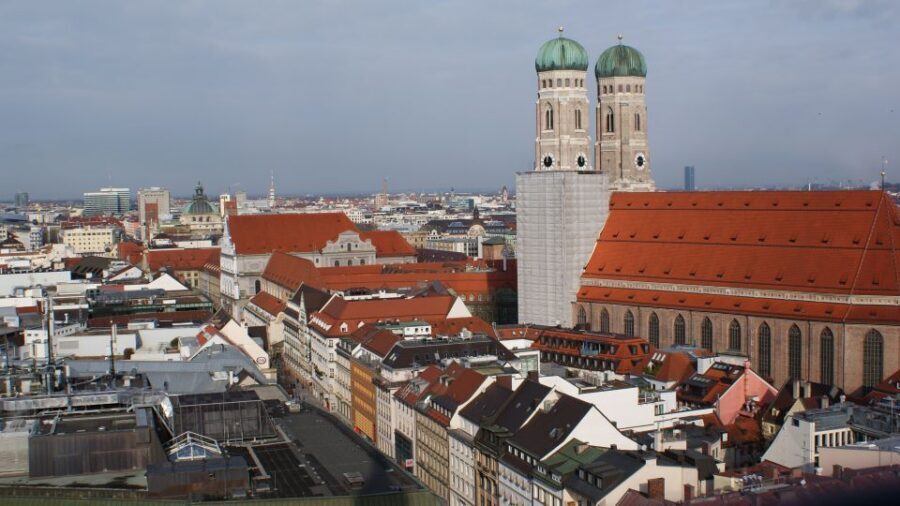
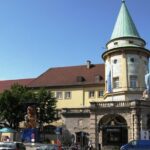
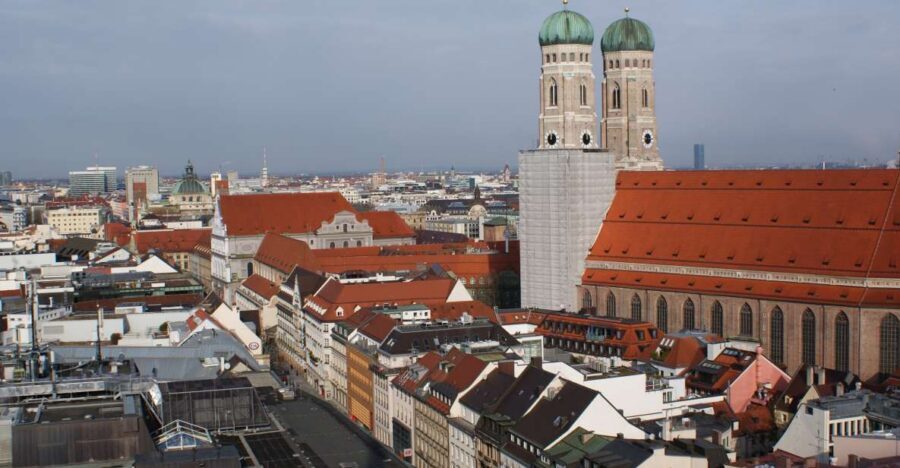
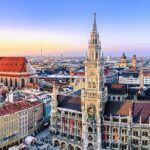
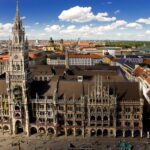
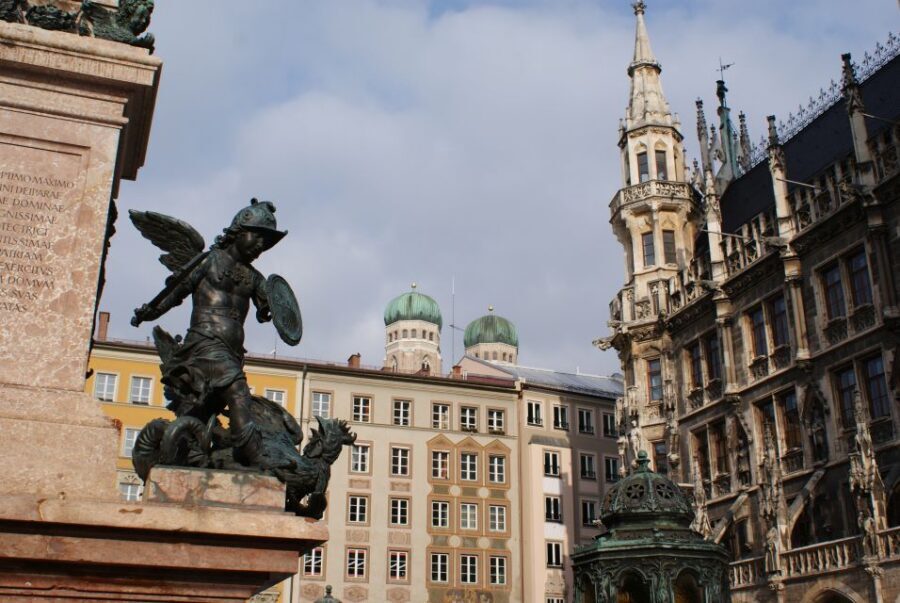
The tour begins at Marienplatz, the heart of Munich’s central square life. Meeting in front of the Tourist information Center is easy, and your guide will hold a sign, so you can find the group fast and avoid that pre-walk wandering that always eats time.
What I like about starting here is how naturally you can connect the present to the past. Marienplatz is busy, photogenic, and fully “normal Munich.” Then you walk and the story changes tone. You’re not just reading names and dates. You’re connecting them to the actual geography, the corners you can stand on, and the kind of public space that makes mass politics feel possible.
You’ll also hear the main through-line: Hitler arriving in Munich in 1913 as a 24-year-old with no clear future. That detail matters because it pushes the story away from the myth-making of villains being born fully formed. Here, you’re seeing how opportunities and momentum can form. Your guide helps you connect the dots without turning it into sensational drama.
The tour is built for a steady walking pace rather than a series of long stops. That’s a good fit if you want to get the bigger picture quickly, but it does mean you should come ready to listen on the move. If you prefer slow, museum-style reading time, you might wish for a longer version.
Other Munich city tours we've reviewed in Munich

Hofbräuhaus München: speeches, crowds, and the power of a room
One of the most important stops is Hofbräuhaus München, where the Nazi party would meet and where Hitler gave speeches. Even if you already know the broad storyline, hearing it while you’re standing where those speeches happened changes the emotional weight.
This is where the tour gets practical. Instead of treating history like a timeline only, your guide anchors it in a specific place and explains how public gatherings can become political machinery. You’re not just learning what happened; you’re seeing why these locations could work so well for propaganda: they gather people in one place, make it easy to build a shared mood, and turn rhetoric into an event.
The time here is short, about 10 minutes, so you won’t be left standing around. You’ll get the essentials and then move on while the story stays coherent. I like that pacing because it keeps your attention from wandering.
A small consideration: since this is a working beer hall setting, you may notice normal place-life around you. That doesn’t spoil the tour, but it can feel surreal. The guide’s job is to keep the focus on the events tied to the space, and in the reviews, that “careful and respectful handling” comes through strongly. Alun Evans is praised for tact on difficult history, and you’ll feel that in how he keeps you oriented.
Odeonsplatz: where famous Munich landmarks meet unsettling stories
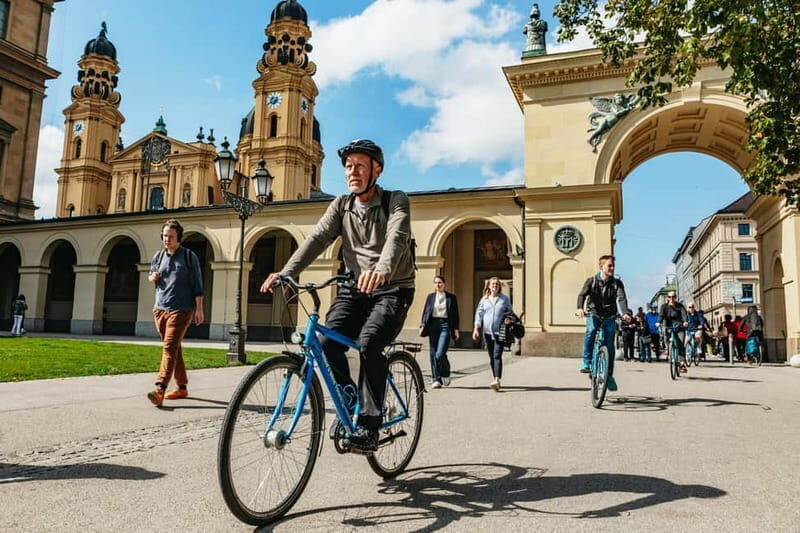
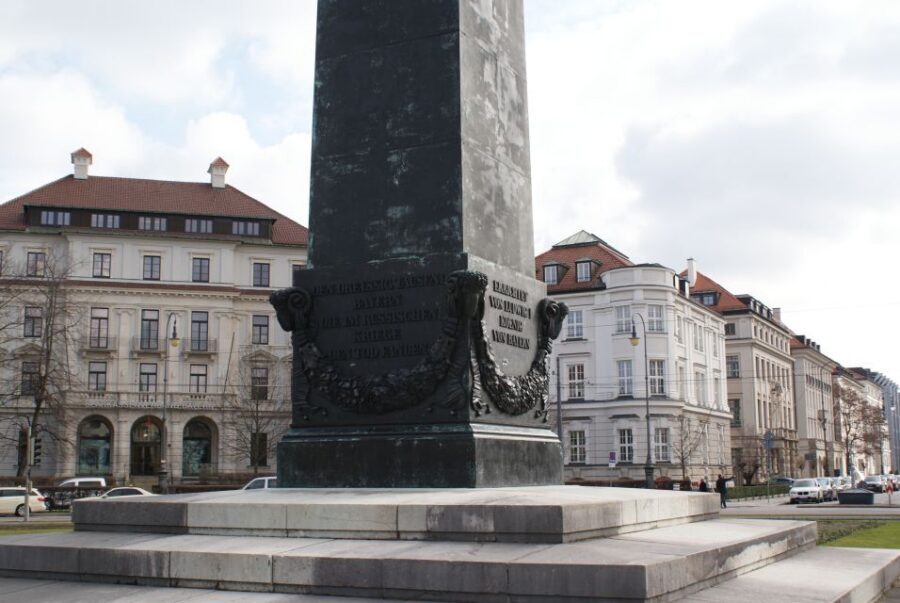
Next you’ll head to Odeonsplatz, with time built in to look around while your guide ties the area to the Nazi-era narrative. This is one of those places where the city’s beauty and grandeur can trick your brain into thinking history here must be gentle.
But your guide puts it in context. You’ll see landmarks like the Bavarian State Opera and the Residenz building while the story shifts toward political organization and public visibility. The value of this stop is the contrast. Munich isn’t only the old-world postcard. It’s also a place where institutions and prestige could exist alongside political brutality.
Odeonsplatz also helps you understand how rallies and political branding work in real space. Even when you don’t see dramatic evidence like you might in a museum, you can still sense how a well-placed gathering spot would help a movement scale up from meetings to mass participation.
The guide time here is around 15 minutes, so you’ll be able to look, absorb, and listen without feeling rushed. If you’re the type who loves photos, this is a good spot to take a couple that include the buildings in the frame—just remember the point of the tour is interpretation, not a casual sightseeing loop.
The Beer Hall Putsch 1923 site: why failed attempts still matter
A key part of the experience is visiting the site connected to the failed Beer Hall Putsch of 1923. The tour treats it as more than a dramatic footnote. Your guide uses it to show how political movements test strategies, how events escalate, and how failure doesn’t necessarily end an ambition.
This is valuable for two reasons. First, it explains why the story continues after a setback. Second, it helps you understand that Nazi history isn’t only about final outcomes—it’s about the steps, missteps, and persistence along the way.
You’ll get this within the flow of the walk, rather than as a standalone “big moment” that requires lots of time. That can be good, because it keeps the narrative attached to the geography. You can stand at the associated location and feel the change in tempo as your guide connects it to what came next.
One practical tip: since this part is tied to the street landscape, keep an eye on where you stand and how the group moves. Don’t lag behind to photograph. The guide keeps everything moving so the full route lands back at Marienplatz on time.
Königsplatz rallies: reading architecture through a Nazi lens
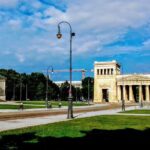
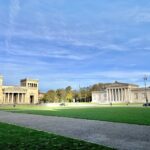
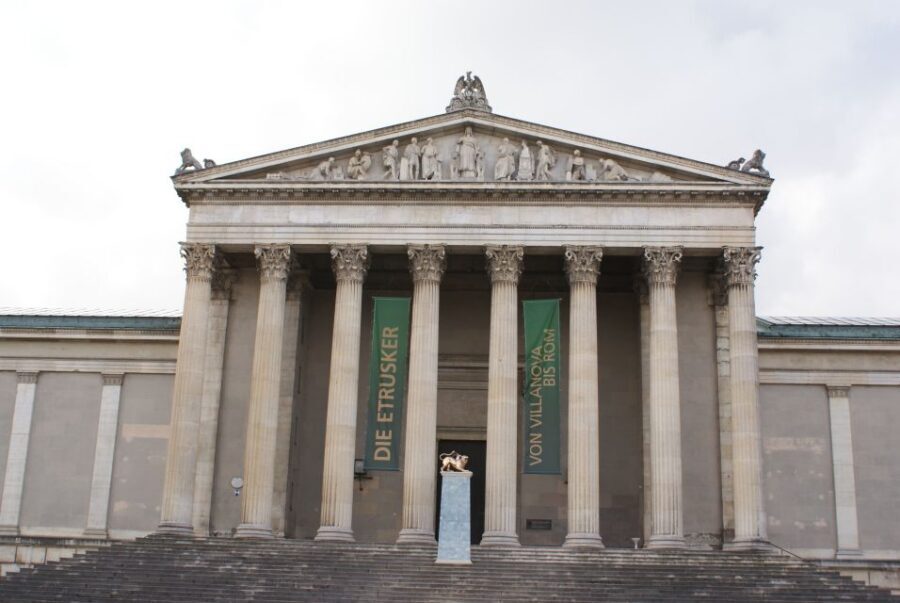
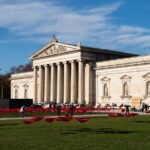
The tour ends at Koenigsplatz, another crucial stop where the Nazis held their rallies. This is the place you’ll likely remember most visually, because large civic-style open spaces tend to make political events feel “made for” crowds.
Your guide ties this stop to rallies involving the Nazi party, and the tour also references key locations connected to the SS. That matters, because it broadens the story beyond one organization and shows how the regime’s power wasn’t just political theater—it was tied to coercion and intimidation structures as well.
Even without any heavy-duty exhibitions, you can learn a lot by noticing how space shapes behavior. Open plazas make it easy for speakers, processions, and visible group alignment. That’s the kind of connection I think you’ll come away with: a clearer sense of how a movement can use public geometry to control attention.
This is also the last stretch of the 2-hour walk. Ending here gives you a sense of closure that feels earned. You started at Marienplatz in Munich’s everyday center, and you end at a space the regime used for mass messaging. The contrast lands.
If you want to keep learning after the tour, this is a good moment to write down a few stop names while they’re fresh. Then you can choose what to read further based on your interests: speeches, organization, or how public spaces amplified messages.
Other walking tours we've reviewed in Munich
The guide factor: why Alun Evans is the real differentiator
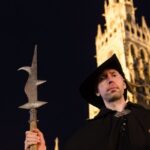
The story quality is the main reason this tour rates so high in my mind. Alun Evans is described as caring, humble, and welcoming, and that personality shows up in how he handles a brutal topic. He also keeps a pace that feels patient and engaging—especially helpful if you’re traveling with someone who isn’t a “stay inside and read” history type.
One standout theme from feedback is the respectful tone. This isn’t a tour that throws heavy facts at you and walks away. It’s a conversation where the guide treats the subject matter carefully, while still delivering the substance.
There’s also a practical advantage to his approach: he clearly knows how to keep small groups focused. Even in tough weather—like snow and intense cold—the guide is able to keep the group engaged rather than losing momentum. That’s important because this is an outdoors walking format.
If you’re worried about whether a guide will sensationalize Nazi history, this tour’s strength is the opposite: it aims to inform and explain without turning suffering into performance.
Group size, walking pace, and what to bring
This is a small group walking tour limited to 10 participants. That size is a big deal in Munich, where you often find yourself shoulder-to-shoulder on popular history routes. Here, the small number makes it easier to ask questions and stay oriented.
Timing is also straightforward: about 2 hours total. Stops are short and focused, with an emphasis on moving through the city while the story stays connected. That means you won’t get trapped for a long time in any one place, but it also means you need to pay attention when you’re moving from stop to stop.
Because the tour runs in all weather conditions, plan like a real street walk, not a casual stroll. Wear comfortable shoes you can stand and walk in for two hours. Bring a jacket that works for wind and rain if you’re going in shoulder season.
Refreshments aren’t included. So if you’ll be out in the cold, you might want to grab something before you meet. At the same time, the length is short enough that it rarely becomes a “food break” situation.
Also note: there’s no hotel pickup. That’s not a negative—it’s just more reliable. You meet at Marienplatz, you start on time, and you end near the same central area. If you’re staying close to the center, this is low-friction.
Price and value: what $58 buys you in this format
At $58 per person for a 2-hour guided walk, this isn’t the cheapest thing you can do in Munich. But it isn’t overpriced for what you’re getting either.
Here’s the value logic I see:
- You’re paying for a guide who can explain Nazis, rallies, and key locations tied to the movement’s growth in Munich, including the 1913 arrival story and the 1923 Beer Hall Putsch site.
- You’re buying a format that’s efficient: a concentrated route with stops at specific places like Hofbräuhaus München and Koenigsplatz.
- You’re paying for the small-group size, which is the difference between hearing a tour and actually participating in it.
If your alternative is doing a self-guided walk with a map and a few plaques, a guided approach can save time and frustration—especially on a subject that needs context and careful framing. The small-group cap means you’re more likely to get the level of detail you want without the guide rushing to keep up with a crowd.
Who this tour is best for
This tour suits you if you want:
- A focused route through key Nazi-era locations in Munich
- A guide-led explanation delivered in a careful, respectful way
- A short, efficient outdoor experience that fits into a day of sightseeing
It may not be ideal if you want long museum-style stops or if you strongly prefer indoor learning only. Also, because it’s a walking format in all weather, you should be comfortable outdoors for two hours.
If you’re traveling with someone who usually tunes out history lectures, the small-group size and Alun Evans’s patient, engaging style are exactly the kind of tools that can keep attention. If you’re a history amateur, you’ll likely appreciate how the story connects places you can see with events you may already have read about.
Should you book this Munich Nazi history tour?
Yes, I’d book it if you want a short, structured way to understand Munich’s role in the Nazi story using real sites—especially if you value a guide who handles the material with respect and keeps the group engaged. The route is efficient, the group size feels close to private, and Alun Evans is the kind of guide whose tone makes difficult history easier to face.
If you’re the type who needs more time at each stop, or if you dislike cold outdoor walking, you might choose a longer or indoor-focused option instead. But for a 2-hour hit of city-and-history context, this is one of the more practical ways to do it.
FAQ
How long is the Munich Nazi History walking tour?
It lasts 2 hours.
What language is the tour guide?
The tour is guided in English.
How many people are in the small group?
The group is limited to 10 participants.
Where do we meet for the tour?
Meet in front of the Tourist information Center on Marienplatz. The guide will be holding a sign with the name of the local tour operator.
Is hotel pickup included?
No, hotel pickup is not included.
Does the tour run in bad weather?
Yes, it operates in all weather conditions, so you should dress accordingly.
Are refreshments included?
No, refreshments are not included.
Can I cancel and still get a refund?
Yes. You can cancel up to 24 hours in advance for a full refund.
Is there a way to end back at Marienplatz with the guide?
There is an option to return to Marienplatz with your guide on request.