REVIEW · MUNICH
Munich Old Town Walking Tour
Book on Viator →Operated by munich walk tours Ralph Luenstroth · Bookable on Viator
Munich starts with a good walk. This 2-hour route strings together Old Town landmarks and the English Garden in one easy plan. You’ll follow an expert guide through the city’s big-name sights and everyday spots, with plenty of chances to pause for photos.
I especially like the focus on orientation: Marienplatz gets you oriented fast, and the walk hits major highlights like the Glockenspiel and Frauenkirche without dragging. I also like that the tour doesn’t stop at the center, because it reaches the English Garden for a look at the Eisbach river surfers.
One thing to keep in mind: the timing is tight. On crowded days, city noise can make it harder to catch every detail, so you may want to position yourself closer to the guide.
In This Review
- Key highlights at a glance
- A smart 2-hour introduction to Munich on foot
- Marienplatz and the Glockenspiel–Frauenkirche photo track
- Opera House and Royal Gardens: architecture with a story, not a lecture
- Viktualienmarkt: Munich’s everyday food energy
- Hofbräuhaus stop: the classic beer hall moment
- English Garden and the Eisbach river surfers
- How much walking you should plan for
- Price, group size, and which departure to choose
- Guides and the difference a good storyteller makes
- Should you book this Munich Old Town Walking Tour?
- FAQ
- How long is the Munich Old Town Walking Tour?
- How much does the tour cost?
- Where does the tour start and end?
- Is the tour in English?
- What’s the maximum group size?
- Is cancellation free?
Key highlights at a glance
- Marienplatz start and finish: convenient, central, and easy to plan around
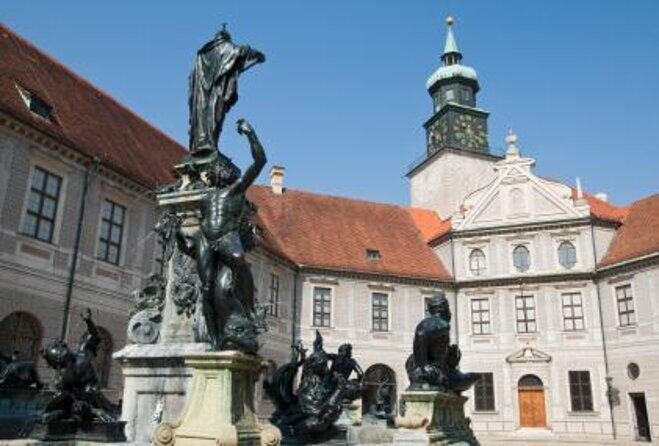
- Photo stops for the Glockenspiel, Frauenkirche, and the Opera House
- English Garden + Eisbach surfers in a short window of time
- Viktualienmarkt for a real-life look at Munich food culture
- Hofbräuhaus visit for the classic beer hall moment
- Small group limit (max 30), usually easier to ask questions
A smart 2-hour introduction to Munich on foot
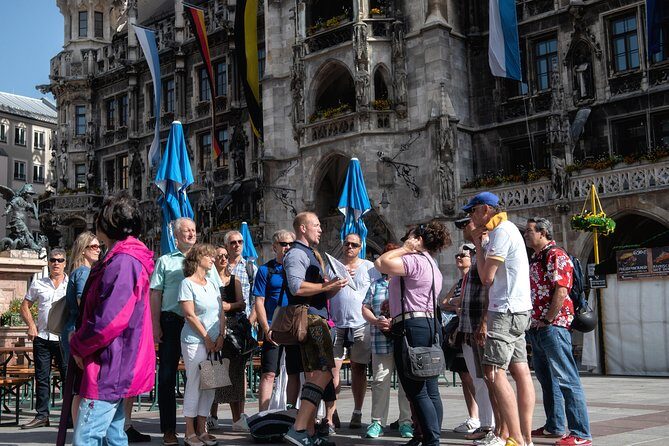
If Munich is new to you, this kind of tour is the shortcut. In two hours, you get the major anchors you’ll keep seeing later: Marienplatz, the historic church area, the Opera House zone, the famous beer hall, and then the English Garden.
I like that it’s not just sightseeing. The route is built to connect places to stories you can actually use, whether that means understanding why the city grew where it did or making sense of what you’re looking at when you revisit on your own.
The price is also easier to swallow when you look at what’s included. For about $26.62, you’re paying for a professional guide plus a tight route that hits multiple top sights, not a long day of wandering with no context.
Other Munich city tours we've reviewed in Munich



Marienplatz and the Glockenspiel–Frauenkirche photo track
The walk begins at Marienplatz, the city’s central square. This is the best start point for a short tour because you’re never far from transit, shops, and the places you’ll likely want to return to later.
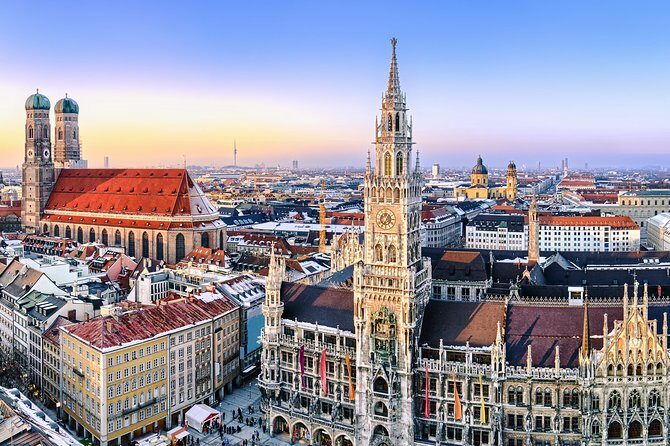
From there, you’ll move through the classic Old Town sights. Expect story-driven stops around the cathedral area and the iconic visual rhythm of Munich’s center, including the Glockenspiel and Frauenkirche. If you care about photos, this segment is designed for it: you’ll have natural pauses where it makes sense to stop, look up, and frame the big landmarks.
Practical note: Marienplatz can get noisy and crowded. If it’s a busy day (weekends, major events), try to keep yourself near the guide so you don’t miss the point of the stories. One common complaint in the feedback is that loud surroundings can swallow details if you’re standing farther back.
Opera House and Royal Gardens: architecture with a story, not a lecture
Next comes the stretch that helps you see Munich as more than one square and one church. You’ll pass through the area around the Nationaltheater (the Opera House) and learn how Munich’s cultural identity shaped what you’re seeing.
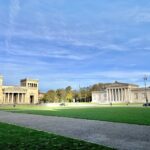
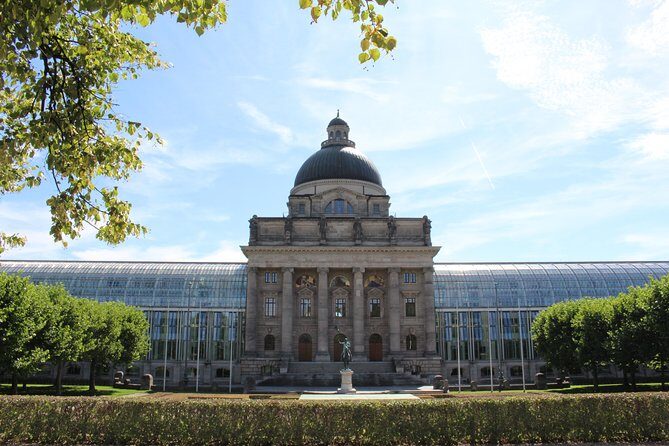
Then you’ll be led toward the Royal Gardens. This part matters because it shows a different side of the city: less postcard, more “how did people actually design space for daily life and power?” Even if you’re not into formal architecture, you’ll likely enjoy how the guide connects buildings, dates, and changing tastes.
One of the best things about this tour format is the pacing. It’s described as an easy-paced, short walking tour, which is exactly what you want when you have limited time but still want an overview that sticks.
Viktualienmarkt: Munich’s everyday food energy
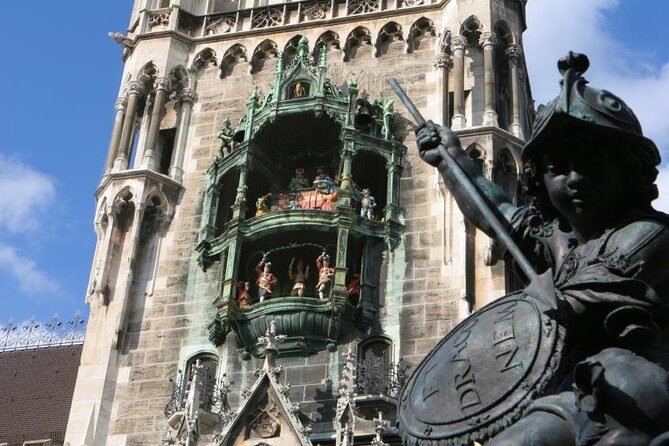
A highlight for many people is the Viktualienmarkt stop. This is where the tour shifts from landmark mode to local life, and it’s one reason the experience feels more grounded than a pure “look at this, move on” itinerary.
You’ll get time in the market area where daily rhythms are on full display—food stalls, chatter, and a sense that people come here for more than one photo. If you like to eat like a local (or even just browse like one), this is the part that gives you ideas for what to order later.
Also, it’s a helpful “orientation” stop. Once you’ve seen this kind of market in person, it becomes easier to understand why Munich feels practical and social, not just historic and scenic.
Tip for your own plans: don’t treat this as your lunch plan unless you’re ready to adapt. Lunch isn’t included, so you’ll want to bring your own timing strategy—either snack lightly during the walk or plan a proper meal after you finish.
Hofbräuhaus stop: the classic beer hall moment
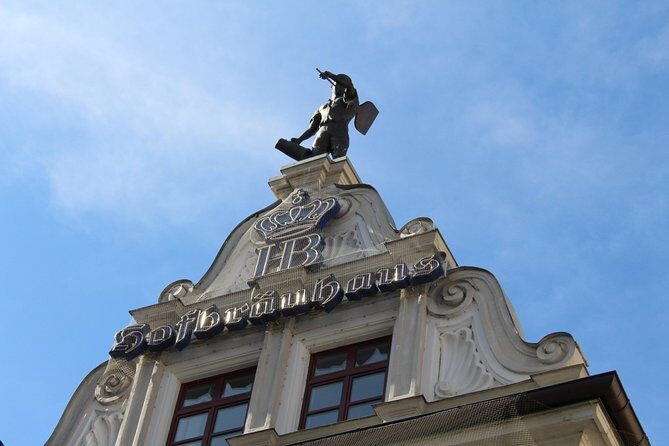
Then you’ll head toward Hofbräuhaus, Munich’s most famous beer hall. Even if you don’t plan to drink, it’s worth seeing because it’s part of how the city performs its identity.
What I like about including Hofbräuhaus on a short tour is that it’s not left as a random side quest. You learn the context, then you see the place. That means later, if you walk past it again, you’ll have a clearer sense of what you’re looking at and why it matters culturally.
A good practical expectation: a beer hall can feel like a magnet for tourists, especially on peak days. If you want the best atmosphere with less stress, come at your pace and keep it simple. Look, take the photo, absorb the vibe, and then continue with the tour rather than trying to do everything at once.
Other Old Town walking tours we've reviewed in Munich



English Garden and the Eisbach river surfers
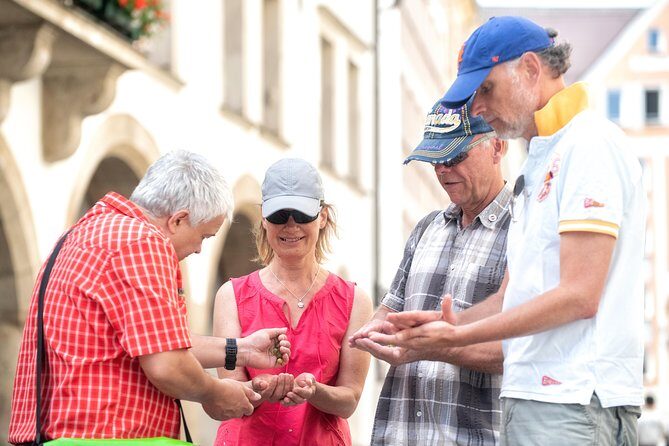
This is the part that makes the tour stand out for many people. After the Old Town core, you move into the English Garden, one of Munich’s signature green spaces, and you get to watch the river surfers on the Eisbach.
In plain terms, this is a change of scenery that makes the whole day feel longer than two hours. You’ll see why the English Garden is such a draw: it’s a place where local routines and outdoor energy mix.
Important reality check: the tour window is short. The experience is designed to get you close enough to see the Eisbach action, but in a crowded day, you may not have the long viewing time you’d get on your own later. That said, several guides have been praised for keeping things moving while still making space for questions.
What to bring for this segment:
- Comfortable shoes. Even in “short” tours, the ground adds up.
- A rain layer if the forecast looks questionable. One highlight from the feedback is that the tour still works well even when it rains.
How much walking you should plan for
This is a walking tour, so wear shoes you trust. The route is short in time, but it’s not a stroll through one neighborhood corner; it’s a real city walk.
One piece of useful guidance from the feedback: one group reported the walk coming to about 7 kilometers total. Your experience may vary with pace and where you pause, but it’s a good indicator that you should plan for solid steps.
If you’re traveling with kids or anyone who needs a slower rhythm, choose a departure time when you’ll be least rushed. The tour has been described as accommodating different paces, and guides have been praised for keeping everyone on track without being rigid.
Price, group size, and which departure to choose
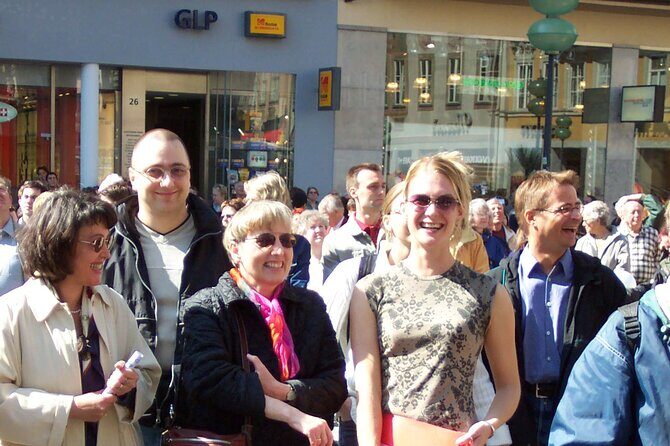
The price is $26.62 per person, and you can book with a mobile ticket. The group size is capped at 30, which usually keeps questions from turning into a long line at the guide’s microphone.
I like that there’s a choice of morning or afternoon departure. If you’re the kind of person who wants a main sightseeing block early, pick morning. If you prefer a later start and want your landmarks after you’ve already had coffee, pick afternoon. Either way, the tour ends back at the meeting point, so you can keep the rest of your day flexible.
Booking a month out is also a smart move. On average, this tour is booked about 31 days in advance, so if your schedule is tight, don’t wait until the last week.
One small logistics note: the listed price does not include a parking fee, payable at check-in. That’s mainly relevant if you’re driving, but it’s worth knowing so it doesn’t surprise you on arrival.
Guides and the difference a good storyteller makes
The biggest variable here is the guide, and the feedback shows that can be a major plus. You might meet guides such as Christopher, Ralph, Emmanuella, Noel, Dianna, Urika, Florian, or Sophie—and many people highlight not just factual info, but engaging storytelling and helpful local recommendations.
For example, Christopher is praised for making the experience fun and comfortable in small groups and for offering food and activity ideas. Ralph is mentioned in connection with how loud the city can get on busy Saturdays, which matters because it’s a heads-up: position yourself well for audio. Noel earned praise for tailoring the experience when he had a smaller group.
I’d take this as a practical signal: ask questions as you go. If you’re curious about where to eat next, what to skip, or what to revisit later, this tour is set up to give you answers while you’re still near the places.
Should you book this Munich Old Town Walking Tour?
I’d book it if you want a high-signal introduction to Munich in just two hours. It’s especially good for first-timers, people with limited time, and anyone who likes getting the “why” behind landmarks rather than just their names.
You should think twice if you’re sensitive to noise and crowding. On louder, busier days, some people struggled to hear every detail, so it helps to stay close to the guide and plan for that.
Overall, the mix is well balanced: center landmarks (Marienplatz, Glockenspiel, Frauenkirche), cultural stops (Opera House and Royal Gardens), a real-life market moment (Viktualienmarkt), a classic beer hall target (Hofbräuhaus), and then green time with the English Garden and Eisbach surfers.
If your schedule allows only one structured walk early in the trip, this is a strong candidate.
FAQ
How long is the Munich Old Town Walking Tour?
It runs for about 2 hours.
How much does the tour cost?
The price is $26.62 per person.
Where does the tour start and end?
It starts at Marienplatz, 80331 München, Germany and ends back at the meeting point.
Is the tour in English?
Yes, it’s offered in English.
What’s the maximum group size?
The tour has a maximum of 30 travelers.
Is cancellation free?
Yes. You can cancel up to 24 hours in advance for a full refund.