REVIEW · MUNICH
Munich: Resistance against Hitler – Historical Walking Tour
Book on GetYourGuide →Operated by Munich Stories · Bookable on GetYourGuide
Munich resistance has teeth, even today. This Munich: Resistance against Hitler walking tour turns the city into a timeline, moving from the Nazi Party’s backyard to the places where people tried to stop the machine. You start at the main entrance of the Ludwig Maximilian University (LMU) and then follow Alex, a real Munich local with a passion for history, through original sites tied to resistance—so you’re not just reading about events, you’re walking them.
I especially like two things. First, Alex’s storytelling style keeps a very serious subject moving, with clear answers when you ask questions and even supporting picture material. Second, the focus goes beyond the White Rose so you hear resistance stories that are less familiar but equally important. One drawback to consider: the tour runs in German only, so you’ll want at least a solid working ability to follow the pace and details.
In This Review
- Key Highlights You Should Notice
- Why This Munich Walk Hits Harder Than a Museum Visit
- LMU Fountain: The Start Point That Sets the Tone
- University Buildings and the Former Central Ministry: Where Plans Took Shape
- The White Rose and Youth Resistance: Hope With Consequences
- A Secret Military Plot: When Resistance Was Also Strategy
- The Lone Man’s Bomb Plan: Facing One Person’s Resolve
- Odeonsplatz: The Last Stop That Leaves Room to Reflect
- Price and Value: Is $28 a Smart Deal for This Tour?
- Who This Tour Suits Best (And Who Might Want Another Option)
- How to Get the Most Out of the Two Hours
- Should You Book This Munich Resistance Against Hitler Tour?
- FAQ
- How long is the Munich: Resistance against Hitler historical walking tour?
- Where is the meeting point?
- What language is the live guide?
- Is hotel pickup included?
- Will the tour run in bad weather?
- What should I bring?
- How much does it cost?
- Is the tour wheelchair accessible?
Key Highlights You Should Notice
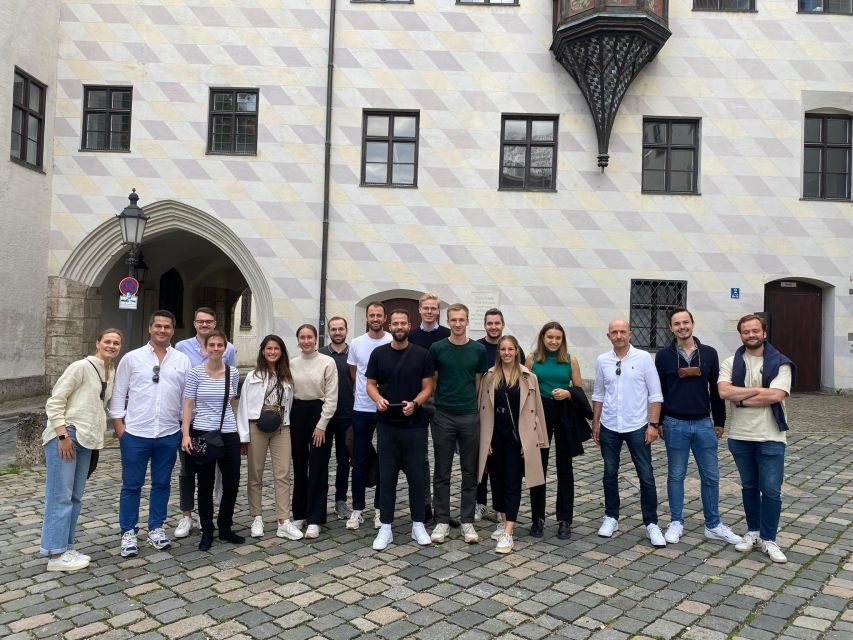
- Alex (local Munich guide) brings the streets to life with answers and thoughtful pacing
- White Rose focus, explained in context of broader resistance efforts
- Sites tied to assassination and coup plotting, shown in real locations you walk past
- Youth resistance vs. a silent majority, with stories that feel both tragic and hopeful
- Rain-or-shine tour format, so wear shoes you can trust for a full walk
Why This Munich Walk Hits Harder Than a Museum Visit

Munich matters in Nazi history in a way that’s hard to ignore. This city helped launch Hitler’s rise, hosted early speeches, and became a launchpad for propaganda that pushed until the end. And still, not everyone went along. This tour is built around that uncomfortable truth: even when many Germans stayed quiet, there were women and men who resisted—at real risk to their lives.
What makes the experience useful for you is the structure. You don’t just hear a single dramatic story. You get multiple strands of resistance—some well known, some almost forgotten—and you watch how they connect to the places where power was planned, performed, and, in a few cases, actively challenged.
The mood is not light, but it’s not random either. The goal is to help you understand how resistance could look different depending on who the people were and what they were willing to do. You end up with a clearer picture of courage under pressure, not just names and dates.
Other Munich city tours we've reviewed in Munich



LMU Fountain: The Start Point That Sets the Tone
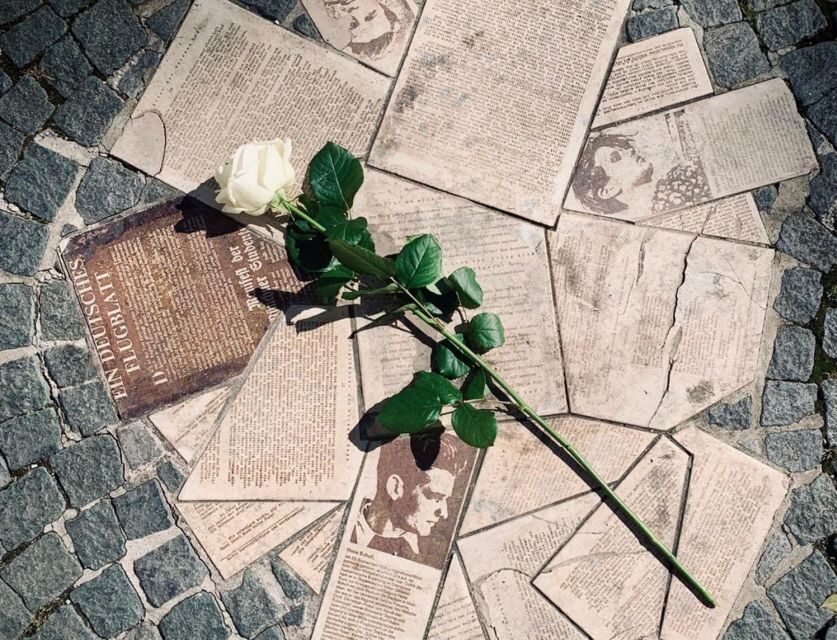
You meet at the big fountain in front of the main entrance of the Munich University, the LMU, at Geschwister-Scholl-Platz 1. It’s a smart starting choice because it quickly grounds the tour in real Munich—education, public life, and the same city spaces where ideas and propaganda could clash.
From that starting point, the tour begins moving through the area tied to the story’s early context. It also helps you get your bearings fast. When you’re about to spend two hours walking between history-linked stops, having a clear first landmark matters, and this one is easy to find.
Tip for your comfort: bring comfortable shoes. It’s a walking tour, and it runs rain or shine, so you’ll want traction and support rather than fashionable but slippery choices.
University Buildings and the Former Central Ministry: Where Plans Took Shape

After the LMU fountain start, the route includes major university space and then moves toward the former Central Ministry area. The appeal here is simple: power wasn’t just inside offices. It was also embedded in the city’s institutions—where decisions were made and where official narratives were enforced.
At these stops, you’ll hear how Munich functioned as more than a backdrop. It was part of the system: a place where Nazi ideology spread, and where, later, resistance people had to decide how to act inside a tightly controlled environment.
One practical value: these are not just “photo stops.” The guide connects what you see to why it mattered historically. That helps you keep your attention on the relationships—who had influence, who could move information, and how hard it was to resist openly.
The White Rose and Youth Resistance: Hope With Consequences
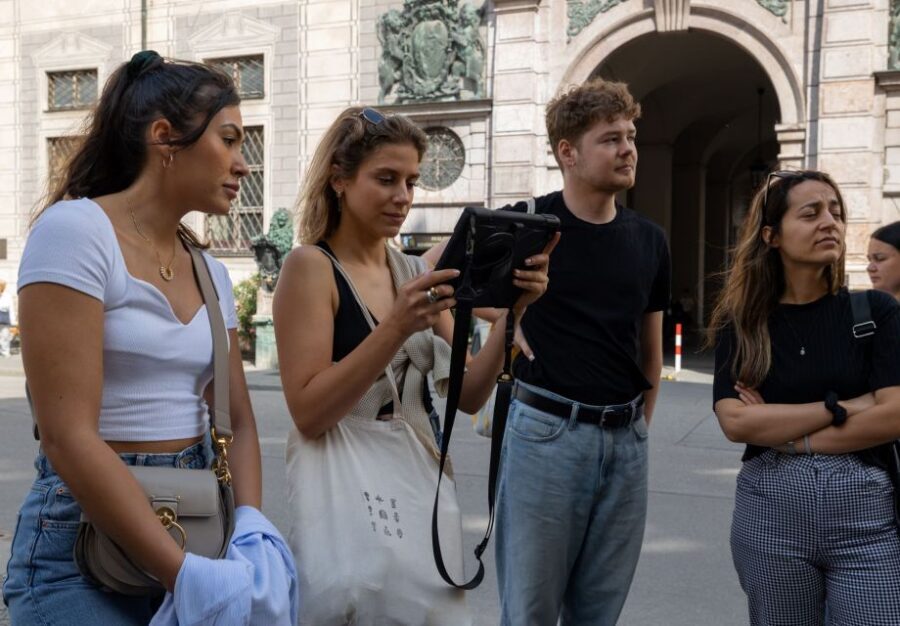
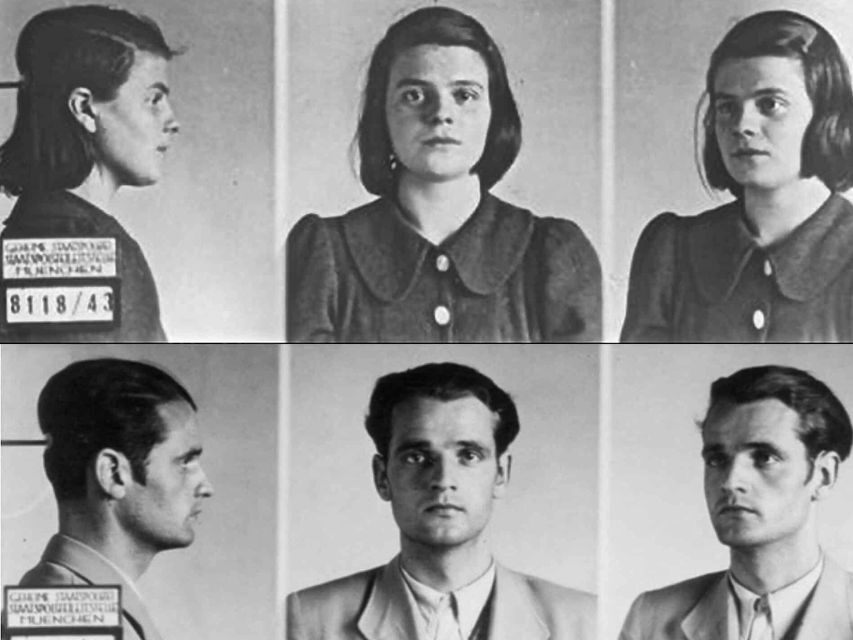
You’ll learn more about the White Rose, Germany’s most famous resistance group, but the tour doesn’t treat it like a standalone chapter. The emphasis is on how Munich’s youth was prepared to resist when many older people deliberately looked the other way.
That framing is powerful for you if you want more than a famous name. It turns the story into a human question: what does it take for young people to take moral action when the environment punishes dissent?
This portion also matters because it balances tragedy with something else. Even though the acts of resistance were risky and costly, the tour emphasizes that there was courage in that darkest hour—and that courage can feel unexpectedly relevant today. The tone is serious, but the guide’s approach keeps it understandable, so you don’t leave with only grief. You leave with context.
And if you thought you already knew everything about the White Rose, the tour helps you test that assumption. The experience is designed to show you what sits around that story—other forms of resistance, other actors, and other motivations.
A Secret Military Plot: When Resistance Was Also Strategy
One of the more intriguing elements is the inclusion of a secret military plot tied to resistance against the Nazis. You’re shown the original feeling of this kind of plan: not just protest, but organization under threat.
This matters because it broadens what you might think resistance means. Many people picture resistance as leaflets, speeches, or public refusal. Here, you get the sense that some resistance efforts were about internal power—systems within systems—and about acting at the level of command.
The best part of this segment is that you experience it as a route. You’re moving through Munich while the guide builds the logic of the plot in your head. That’s a major difference from reading about conspiracies in isolation. You start to recognize how physical proximity to institutions would affect what conspirators could do.
Other walking tours we've reviewed in Munich





The Lone Man’s Bomb Plan: Facing One Person’s Resolve
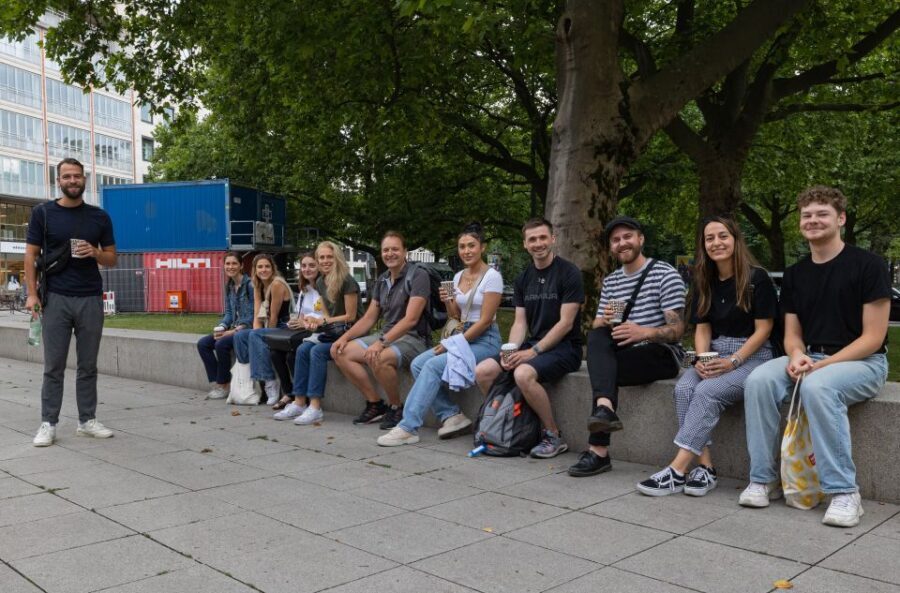
You’ll also discover a site where a lonely man built a bomb intended to kill Hitler. This stop is unsettling in the right way, because the story is about personal decision-making under extreme conditions.
What makes this part work is that it doesn’t feel like a thrill story. It’s presented as an act of desperation and determination—someone taking an enormous moral and practical risk alone. The guide’s job here is to keep it grounded, and the tour’s overall structure helps: you’re not hearing this in a vacuum. You’re hearing it as one more attempt to interrupt a brutal regime.
For you, this section can change how you interpret the term resistance. It doesn’t always involve a big group with public visibility. Sometimes it’s a single person trying to stop a catastrophe when opportunities for collective action are limited.
Odeonsplatz: The Last Stop That Leaves Room to Reflect
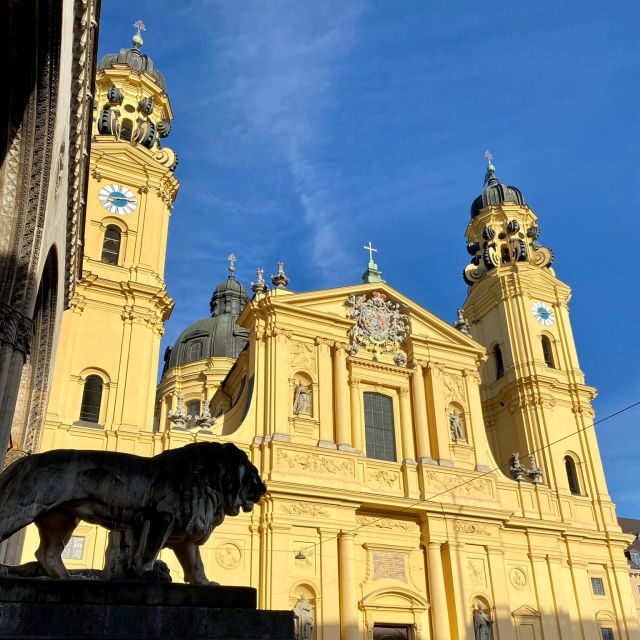
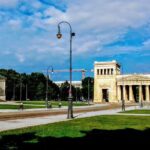
The tour finishes at Odeonsplatz, a fitting ending point because it gives you open space and a clear endpoint after intense material. This is also where the experience shifts from “history lesson on the move” to “pause and absorb.”
Odeonsplatz works well as a closing frame because you can look at the surrounding urban scale and feel how history leaves traces in stone and layout. You don’t need dramatic visuals to understand the weight of what you heard. The city’s presence does some of the work for you.
If you’re someone who processes information better with time rather than rushing, this final stop is a good moment to slow down, regroup, and decide what you want to read about next.
Price and Value: Is $28 a Smart Deal for This Tour?
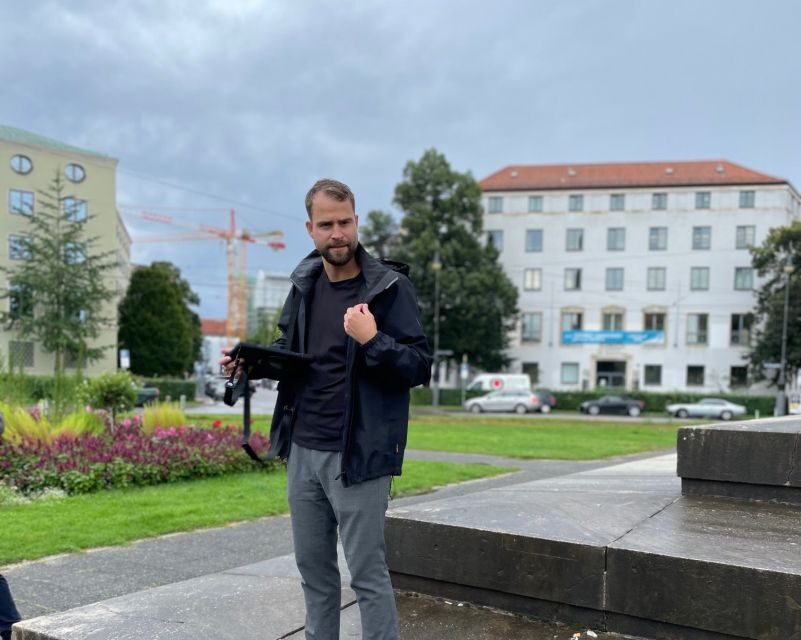
At $28 per person and about two hours, this is priced like a serious walking tour, not a quick hit. The value comes from what’s included: a fully guided experience by Alex, plus personal recommendations on how to explore Munich like a local.
You’re paying for a few things at once:
- A local guide who connects history to specific places you actually walk past
- Multiple resistance threads, not a single headline story
- A structured route with clear stops, so the time doesn’t feel random
For that price, it’s especially strong if you want context around resistance movements in Munich. If all you wanted was the White Rose story, you might find shorter or simpler options. But if you want the bigger picture—youth resistance, military plotting, assassination attempts, and a sense of what it cost—this format is a good match.
Who This Tour Suits Best (And Who Might Want Another Option)
This tour is a great fit if you:
- Want real Munich locations tied to resistance against Hitler
- Know the White Rose already and want the parts around it
- Like your history guided by a local with a clear, organized approach
It’s also a solid choice if you prefer walking over museum time, because two hours gives you momentum without dragging.
The biggest mismatch is language. Since the tour is in German, you may struggle if you’re relying on translation. Also, this is heavy subject matter. If you want a purely light, casual city stroll, this is probably not the right mood.
How to Get the Most Out of the Two Hours
Do a little prep before you go. It doesn’t need to be a textbook. Even knowing that Munich played a central role in the Nazi rise and that resistance came in multiple forms can help you follow along.
Once you’re there:
- Wear shoes you’d trust on wet pavement
- Plan to ask questions. This tour is set up for discussion, and Alex answers thoughtfully
- Keep an open mind about resistance. You’ll see different kinds of courage, not just one style
And if you’re curious about what you’ll see next in Munich, take advantage of the personal recommendations from the guide. That’s often where a tour turns into a better trip, because the suggestions are tied to how a local actually moves through the city.
Should You Book This Munich Resistance Against Hitler Tour?
I’d book it if you want a focused, two-hour historical walking tour in Munich that connects resistance stories to real places—starting at LMU and ending at Odeonsplatz. The guide-led approach, the emphasis on White Rose alongside lesser-known resistance, and the fact that Alex brings both clarity and a sympathetic tone make it a strong use of time.
Skip it if German-only tours put you at a disadvantage, or if you’re looking for something upbeat and low-stakes. Otherwise, this is one of those experiences that changes how you read a city map. You’ll walk through Munich with different eyes afterward.
FAQ
How long is the Munich: Resistance against Hitler historical walking tour?
The tour lasts about 2 hours.
Where is the meeting point?
Meet at the big fountain in front of the main entrance of the University of Munich (LMU), Geschwister-Scholl-Platz 1.
What language is the live guide?
The live tour guide speaks German.
Is hotel pickup included?
No, hotel pickup is not included.
Will the tour run in bad weather?
Yes, the tour takes place rain or shine.
What should I bring?
Wear comfortable shoes, since it’s a walking tour.
How much does it cost?
The price is $28 per person.
Is the tour wheelchair accessible?
Yes, the tour is wheelchair accessible.