REVIEW · MUNICH
Munich: Self-guided sightseeing scavenger hunt for families
Book on GetYourGuide →Operated by StadtLandTour – unterwegs · Bookable on GetYourGuide
Munich turns into a game with each envelope. This self-guided family hunt is paced your way, sending you from the Hofgarten to Viktualienmarkt through 8 puzzle-filled stops led by the mascots Lili and Oskar. I love the room to pause for an ice cream or a museum break, and I love the local facts and Bavarian hints that kids can actually use; the catch is that it is German only, and some of the text can feel long or dry for younger readers.
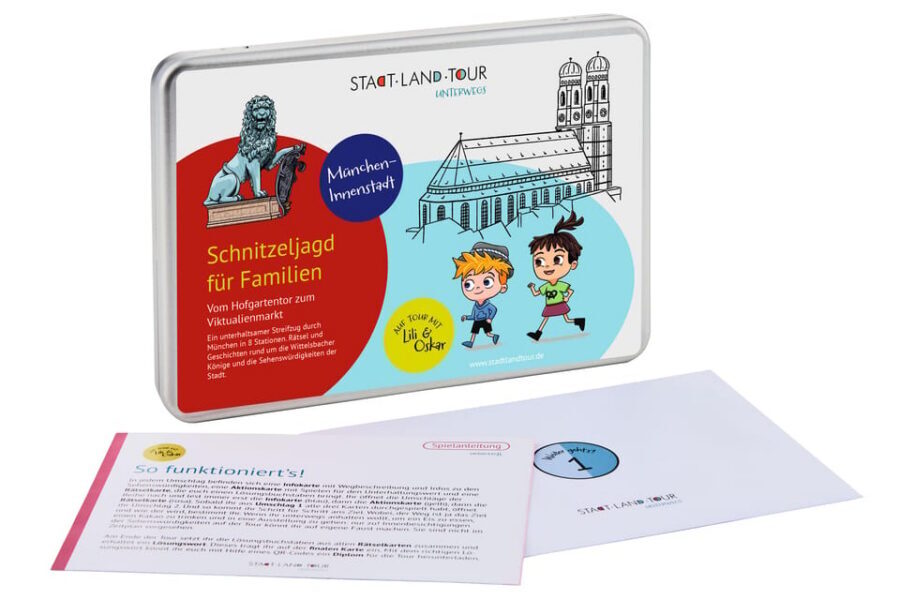
You get a sturdy metal box delivered by post with all the envelopes, maps, and puzzle materials, so you are not depending on Wi-Fi to figure things out. You bring just a pen, and you finish with a final envelope surprise once you crack the solution word.
In This Review
- Key highlights at a glance
- Turning Munich into a family game (without scheduling stress)
- Hofgarten to Viktualienmarkt: the route and how the hunt unfolds
- How each station keeps you moving (and keeps kids from zoning out)
- Lili and Oskar: the mascots that make Munich feel friendly
- Puzzles, the solution word, and what happens when you get stuck
- Bonus rounds: mixing the hunt with real Munich stops
- Munich value check: is $47 for a group up to 8 actually good?
- Practical tips: how to make this scavenger hunt feel easy
- Who should book this hunt, and who might not love it
- Should you book StadtLandTour’s Munich family hunt?
- FAQ
- FAQ
- Where does the scavenger hunt start?
- Where does it end?
- How long does the hunt take?
- Is there a guide with you during the hunt?
- How do the stations work?
- What language is the experience available in?
- What do I need to bring?
- What is included in the box?
- Does the price include museum entry?
- How quickly will I receive the box in Germany?
Key highlights at a glance
- 8 stations you move through at your own pace from Hofgarten to Viktualienmarkt
- Lili and Oskar mascots guide the hunt with family-friendly jokes and local facts
- Puzzle-and-task format that makes sightseeing feel like a scavenger game
- Built-in help with a motivational envelope and a solution envelope if you get stuck
- Bonus detour tips for nearby museums, playgrounds, and parks along the city-center walk
- Flat-rate group pricing up to 8 for about 150 minutes of family fun
Turning Munich into a family game (without scheduling stress)
This is the kind of activity that changes the whole vibe of a city day. Instead of standing around reading plaques, you walk, open an envelope, solve a task, and keep moving. And because it is self-guided, you can slow down, speed up, or stop to buy a sweet treat without asking anyone’s permission.
I also like that the hunt is designed for families, not just adults on a mission. The information is child-friendly, but adults get plenty of fun city context too. Kids stay engaged because the day is structured like a series of mini-missions.
The one real consideration is language. The hunt materials are only available in German, and while the tone is family-friendly, some of the text may be harder for younger children who want short, punchy answers.
Other Munich city tours we've reviewed in Munich



Hofgarten to Viktualienmarkt: the route and how the hunt unfolds
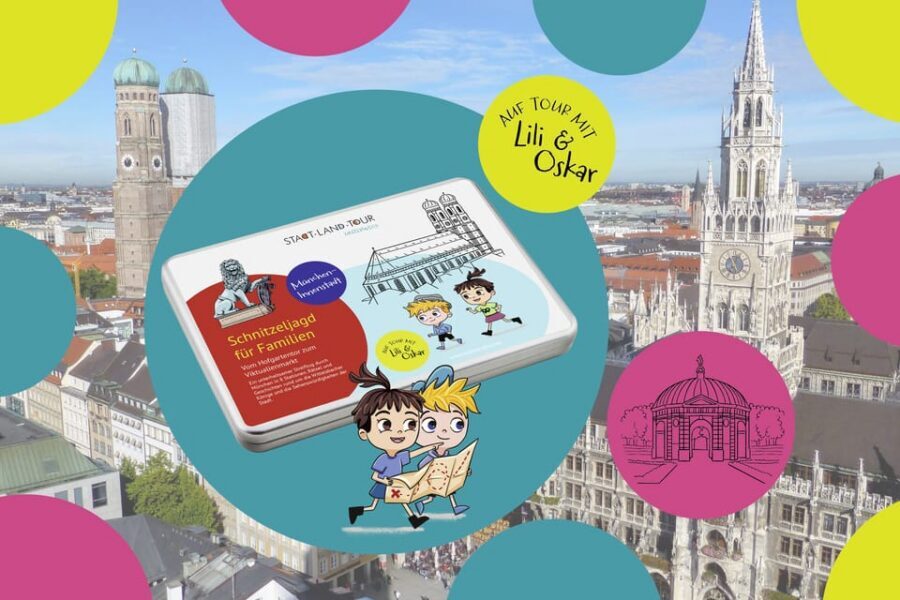
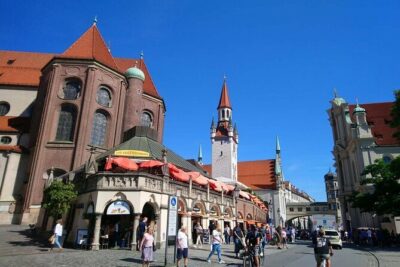
The route starts in the city center at the Hofgarten and ends at Viktualienmarkt. You are walking through Munich city-center sights “from station to station,” and each station is introduced through the envelopes in the box.
Here’s how the flow works in practice:
You begin when you want. The box has directions for your starting point, and you can start at any time—there’s no guide waiting at a meeting point. Once you are at Hofgarten, you follow the first map, then open the first envelope.
From there, it is a steady rhythm:
- Read the instructions inside the envelope.
- Learn something about the attraction connected to your next stop.
- Do the creative task or puzzle.
- Move on to the next station.
There are 8 stations, and each one has its own mini focus, so the day feels like progress instead of one long slog. The total time listed is 150 minutes, which is a solid window for families: enough time to take breaks, but not so long that everyone starts bargaining for screen time.
How each station keeps you moving (and keeps kids from zoning out)
You won’t just be answering questions like a trivia worksheet. Each station mixes information with hands-on tasks, so kids stay part of the action. That matters in Munich, where you can otherwise burn the morning staring upward at façades while kids negotiate snack breaks.
Since the exact attractions per station aren’t listed here, the best way to think about it is by the structure you will feel on the street:
- Every station connects to a specific city-center sight you pass between Hofgarten and Viktualienmarkt.
- You will be asked to do something playful—solving puzzles, completing a small mission, or using clues tied to what you see.
- You collect pieces toward a solution word, which is revealed at the end.
If you like scavenger hunts, you’ll probably like this format a lot. It turns sightseeing into movement and decision-making. And because you can pause for an ice cream or a museum stop, you’re not forced into a strict “walk nonstop” schedule.
One caution: the hunt depends on reading the materials in German. One family noted that parts of the text can feel too long or too dry for children. That doesn’t mean the hunt is bad—it means you may want to plan for a parent-led read-aloud moment, especially at the start.
Lili and Oskar: the mascots that make Munich feel friendly
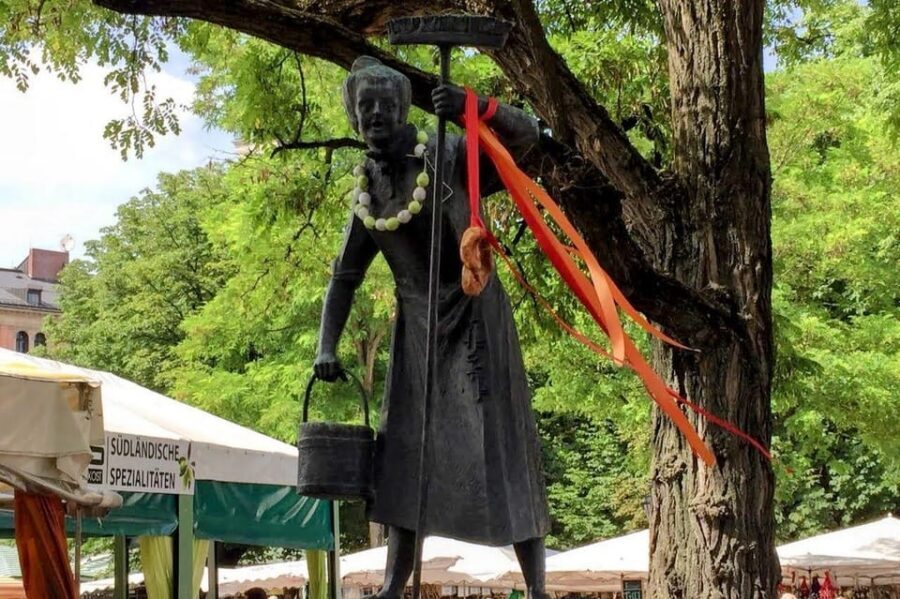
Lili and Oskar aren’t just decorations. They are the guides for the hunt, and they bring a local, kid-focused voice through the envelopes. You’ll get local information and fun facts, with a light, joke-filled tone meant to keep the whole family smiling.
This is where the experience feels different from a typical self-guided route. Instead of you translating everything yourself into “kid-friendly terms,” the structure is already written for families. The mascots also help you learn Bavarian dialect and local information along the way.
That dialect piece is more than a gimmick. It gives you a sense of how Munich feels day-to-day, not just how it looks in postcards. Even if you only catch a few words, it makes the city feel more personal as you walk.
Puzzles, the solution word, and what happens when you get stuck
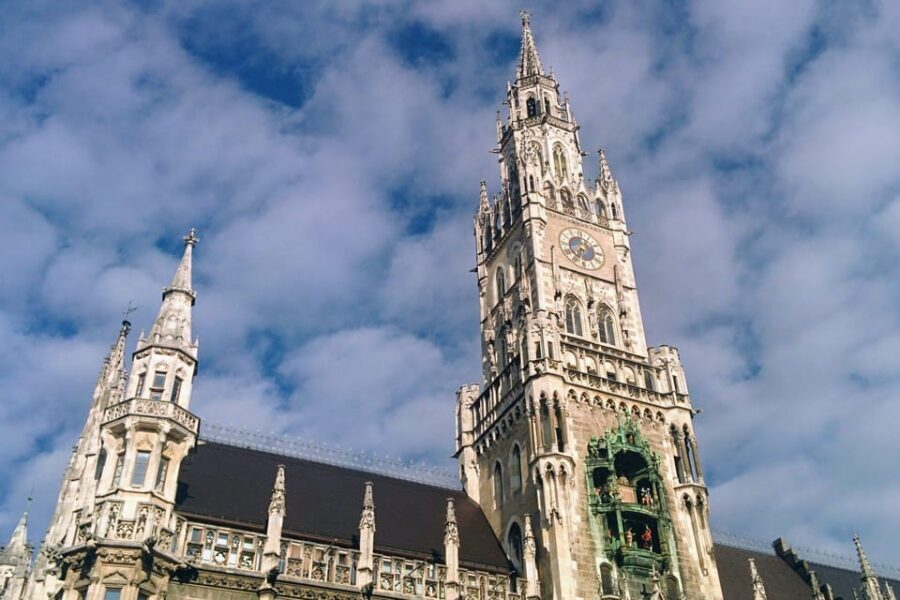
The hunt is built with family pacing in mind. It has multiple layers of support so you do not grind your way into frustration.
Two features stand out for keeping morale high:
- An additional motivational envelope to restart momentum if your group runs out of steam.
- A solution envelope if you get stuck and need help to keep the hunt moving.
And yes, there is a finish line payoff. At the end, you open a final envelope with a little surprise, assuming you solved the puzzles and found the solution word. If you did not solve everything, the built-in help is there so you can still finish the experience rather than abandoning it.
This matters for families, because scavenger hunts can fall apart when kids feel like they are failing. Here, the design nudges you toward success without dragging the day down.
Other guided tours in Munich



Bonus rounds: mixing the hunt with real Munich stops
A nice touch is the idea of flexibility inside the format. During your walk through the city center, you pass beautiful places that are not part of the 8-station hunt. You still get tips about these spots, and you decide on the spot whether you want to detour for something like a museum, playground, or park.
In other words, you are not locked into a single plan. The hunt gives you structure, but you still control your day. That helps if your kids suddenly need movement or if you spot something you genuinely want to see while you are already in the area.
If you want to build in a classic Munich-style pause, the hunt even mentions the chance to detour toward the English Garden from the start area at Hofgarten. That’s a great option if your family likes open space and fresh air during sightseeing.
Munich value check: is $47 for a group up to 8 actually good?
For a family, the pricing model is one of the biggest wins. The cost is listed as $47 per group up to 8 for about 150 minutes. That means the price doesn’t explode as you add kids or extra relatives.
To judge value, think about what you would normally pay for:
- A guided family tour (often priced per person)
- A paid activity that keeps kids engaged for 2+ hours
- Or the cost of “just walking and hoping they stay interested”
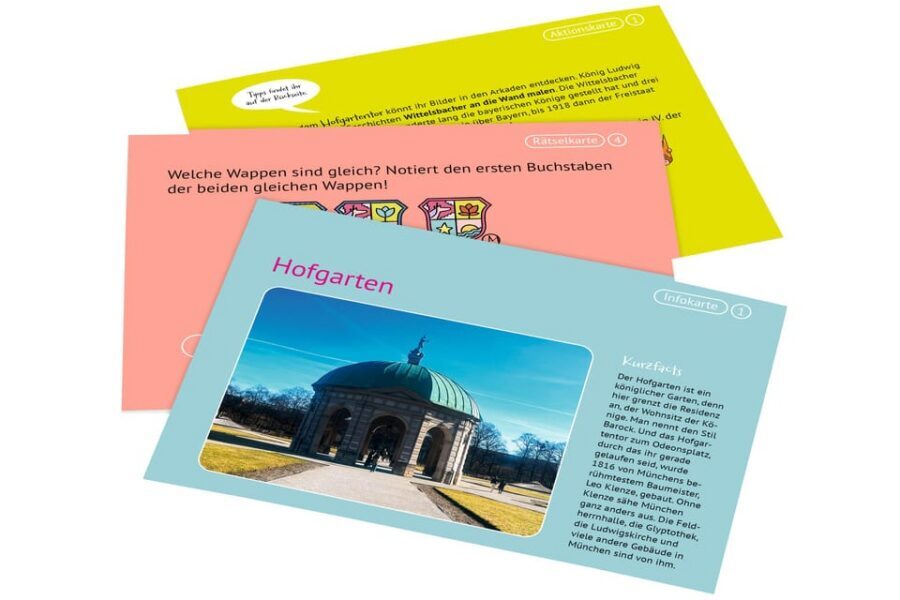
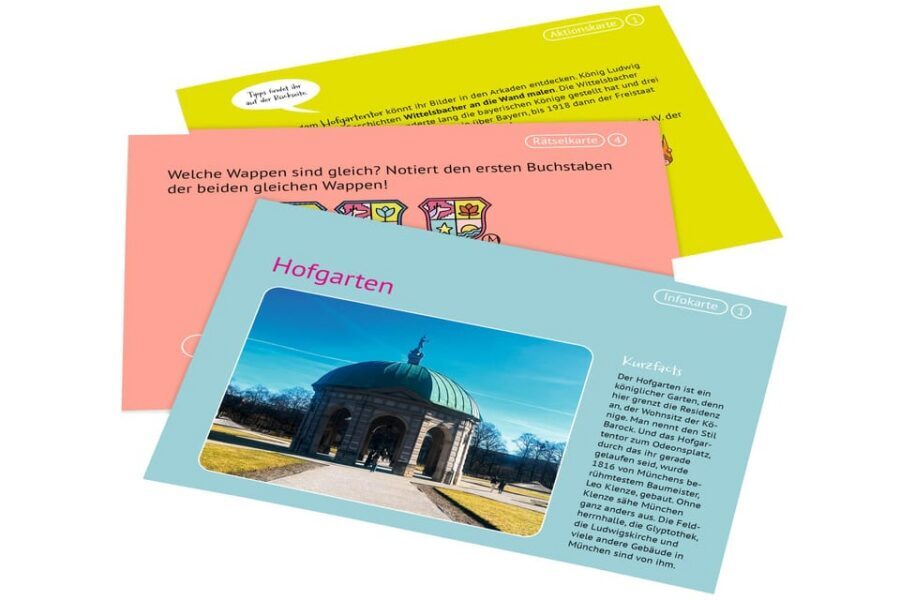
Here, you get a physical kit (a sturdy metal box) plus the puzzle content, and you get to run it at a time that fits your schedule. You are paying for organization, translation into a family-friendly tone, and a built-in adventure structure.
If you are traveling with a bigger family unit, it is especially cost-effective. Even for smaller groups, it can still work well because the activity is designed to fill a block of time without adding stress.
Practical tips: how to make this scavenger hunt feel easy
This is a straightforward experience, but a few choices make it go smoother.
Wear comfortable shoes. You’ll be walking through central Munich, and you will want mobility for breaks and detours.
Bring your own pen. It is specifically noted as not included, and you’ll need it for tasks.
Plan your language support. Since everything is in German, I suggest you skim as the parent and let kids handle the puzzles, answers, or hands-on parts. If you have one child who reads faster, rotate roles so no one feels stuck.
Let the hunt set your pace. The experience is meant to be done your way. If you push through too fast, you may miss the point, since the goal is fun sightseeing with tasks, not racing to complete envelopes.
Think about timing. The hunt is about 150 minutes, and it includes a motivational envelope plus a solution envelope. That support is helpful, but it also signals that you might take time reading and discussing.
Who should book this hunt, and who might not love it
This works best for:
- Families who like scavenger hunts, puzzles, and short tasks
- Kids who enjoy solving clues more than listening to long explanations
- Parents who want structure but also want freedom to pause for breaks
- Groups traveling together (because the price is per group up to 8)
It may not be ideal if:
- You need English-only materials (the hunt is German only)
- Your kids struggle with reading longer text, since some parts may feel a bit text-heavy
- You prefer a live guide who can adjust instantly and speak in your preferred language
If your family is comfortable with a little parent translation and you are okay treating the puzzles as the main activity, you will likely have a great time.
Should you book StadtLandTour’s Munich family hunt?
I think this is a strong choice if you want a family activity that makes city sightseeing feel like play. The built-in support system (motivational envelope and solution help), plus the mascots Lili and Oskar, helps keep the day on track even when kids lose focus.
Book it if you can handle German materials or you’re willing to read key parts aloud. Skip it if language is a deal-breaker for your group, or if you know your children get impatient with longer stretches of text.
FAQ
FAQ
Where does the scavenger hunt start?
It starts at the Hofgarten in Munich city centre.
Where does it end?
It ends at Viktualienmarkt.
How long does the hunt take?
The duration is listed as 150 minutes.
Is there a guide with you during the hunt?
No. There is no guide at the meeting point, and you run it yourself using the box.
How do the stations work?
You move from one station to the next using the envelopes in the metal box, opening them in order as you follow directions and complete tasks.
What language is the experience available in?
The tour is only available in German.
What do I need to bring?
You should bring comfortable shoes and your own pen. The game box comes with the shipment.
What is included in the box?
Included are the sturdy metal box, eight envelopes for eight stations, additional motivational and solution envelopes, a final envelope with a surprise, and locally themed puzzles and illustrated materials featuring Lili and Oskar.
Does the price include museum entry?
No. Admission to museums is not included.
How quickly will I receive the box in Germany?
It is shipped to your home or hotel, and it usually takes at least 2–4 working days within Germany.