REVIEW · NUREMBERG
Nuremberg: St. Johannis Friedhof &Hesperidengärten IN GERMAN
Book on GetYourGuide →Operated by Nürnberg Tours · Bookable on GetYourGuide
Nuremberg does not do boring sightseeing, and this tour is a great example. You’re walking through one of Europe’s most famous cemeteries and learning how the cemetery’s carved epitaphs and family stories reflect the city’s past. I especially like how the guide turns stone names into people, and how the route links local power and craft life with everyday remembrance.
Two things I really like: you get live commentary in German from a local guide (including time for questions), and you end with the calmer side of the area in the Hesperidengärten when they’re open. The gardens add a different mood, so the whole experience feels balanced instead of purely solemn.
One consideration: it’s not a sit-and-stare tour. Expect about a 1-kilometer walk and uneven ground, and if you’re visiting during very hot weather, the garden part can feel less fun. Also, the Hesperidengärten only run May to October.
In This Review
- Key points worth knowing before you go
- Why this St. Johannis & Hesperidengärten route feels different
- Finding the meeting point at Lindengasse & Johannisstraße
- Johannisfriedhof: where Nuremberg’s people are carved into stone
- Albrecht Dürer’s grave: the art-world stop you’ll remember
- Hesperidengärten: recreation plus Mediterranean fruit
- The 1.5-hour pace: short route, good focus
- Price and value: is $17 worth it?
- Who should book (and who might skip it)
- Should you book the Nuremberg cemetery and Hesperidengärten tour?
- FAQ
- Is the tour held in German?
- How long is the tour?
- What is the price per person?
- Where do we meet?
- Where does the tour end?
- Can I visit the Hesperidengärten any time of year?
- How much walking is involved?
- Are there minimum participants?
- Who should avoid this tour?
- What’s the cancellation policy?
Key points worth knowing before you go
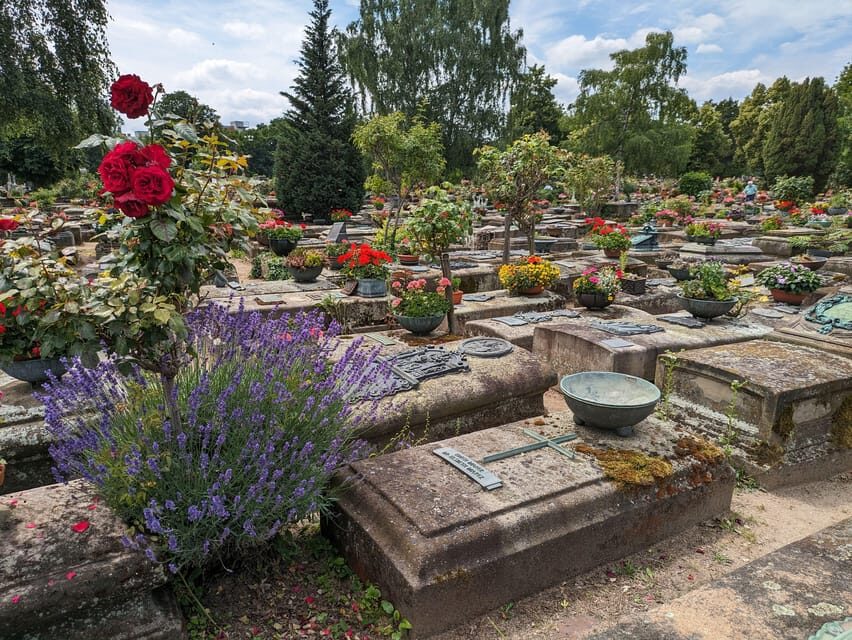
- Germany’s most beautiful cemetery (2013): the St. Johannisfriedhof is famous beyond Nuremberg
- Stories tied to real roles: patricians, craftsmen, artists, and politicians
- Art on tombstones: epitaphs that read like mini biographies
- A major stop: Albrecht Dürer’s grave
- Hesperidengärten are seasonal (May–Oct) and used for recreation and fruit growing
- German-language guide: go only if you’re comfortable with German or want the challenge
Why this St. Johannis & Hesperidengärten route feels different
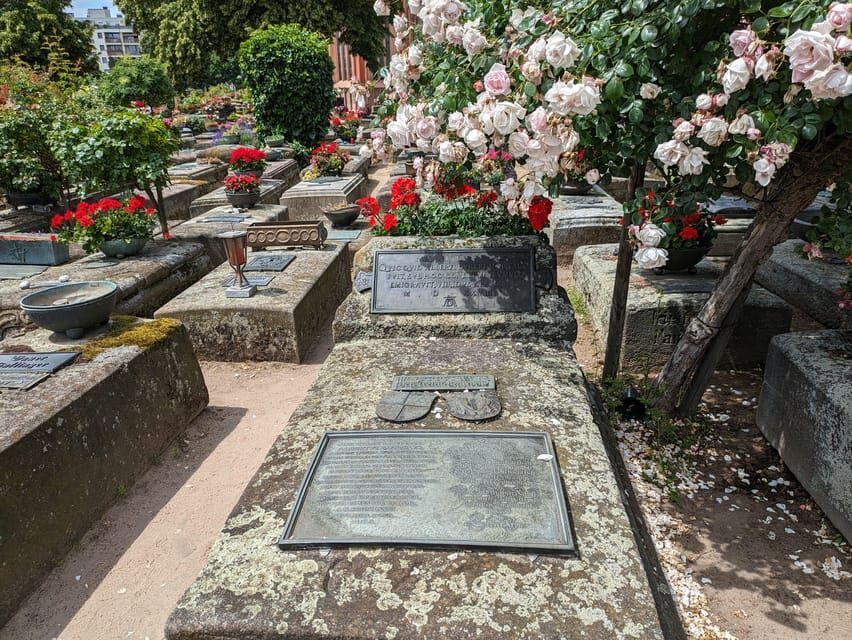
Most cemetery visits are quiet and fast: you glance, you move on. This one is different because the guide gives you a narrative you can actually follow. You’re not just seeing old headstones. You’re learning how the cemetery reflects Nuremberg’s social ladder, its trades, and even its artistic pride.
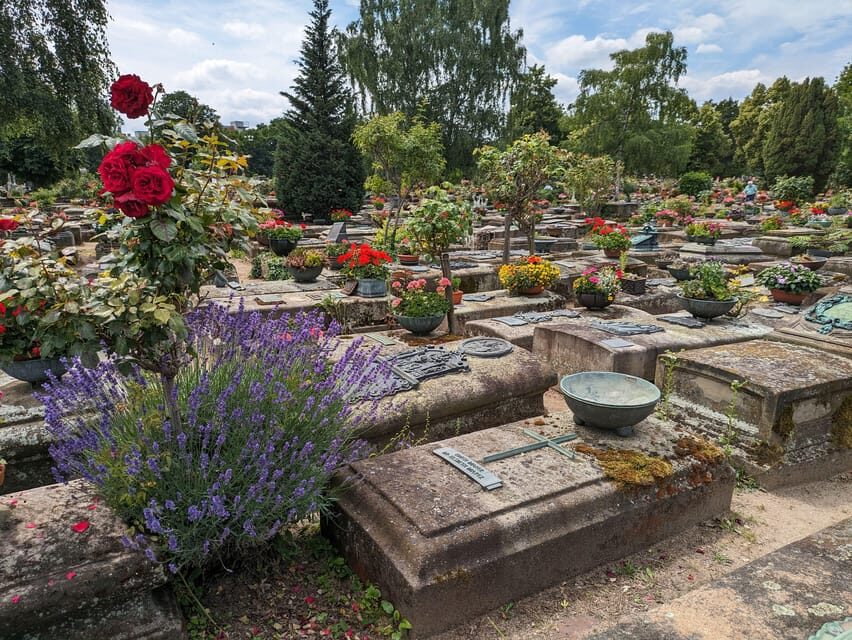
The St. Johannisfriedhof is often described as one of the most famous burial grounds in Europe, and it was voted Germany’s most beautiful cemetery in 2013. That matters, because it explains why the place feels intentionally designed. Even if you don’t care about funerary art, you’ll likely notice how carefully the cemetery’s layout and memorials work together.
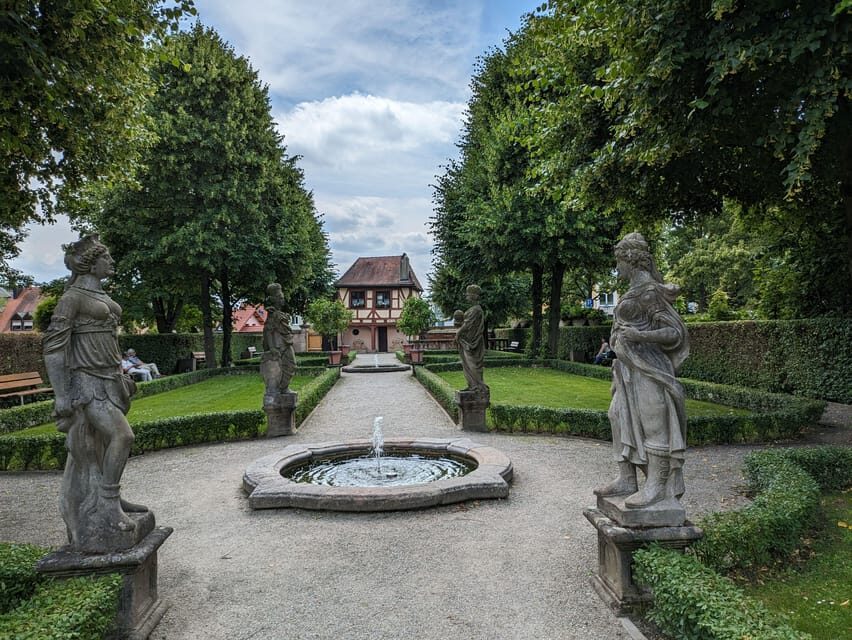
Then you switch gears. After the cemetery stops, you head to the Hesperidengärten, a nearby garden area connected to the “green Johannis district.” It wasn’t just decoration. This is where recreation happened, and where Mediterranean fruit was grown, which gives the garden a practical, local purpose rather than a purely romantic one.
Other Nuremberg day trips we've reviewed in Nuremberg


Finding the meeting point at Lindengasse & Johannisstraße
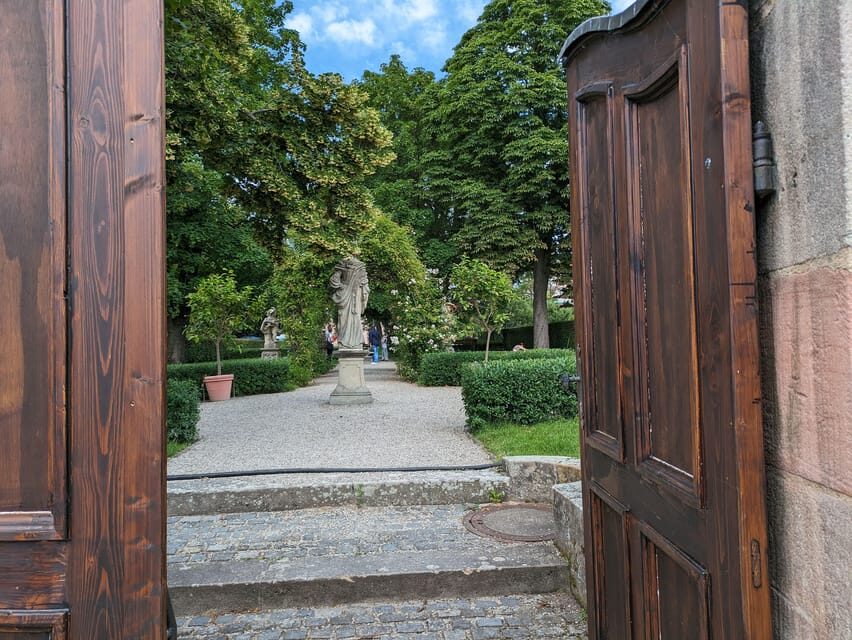
The tour starts at St. Johannisfriedhof, East Entrance – Lindengasse, corner of Johannisstraße. If you’re arriving from central Nuremberg, I suggest giving yourself extra time to locate that corner and entrance. Cemeteries can be easy to miss because they’re set back a bit from main streets.
Also keep in mind it’s a German-language tour, so arriving early helps you get oriented before the guide starts speaking. Bring comfortable shoes. The walk is short—about 1 kilometer at a steady touring pace—but the surface can be uneven, and you’ll want stable footing for the stone paths and memorial areas.
At the same time, you’re not trekking across the city. Reviews and tour design point to it being manageable even for older people who are interested in history. You’ll still want to treat it like an active stroll, not a casual museum hang.
Johannisfriedhof: where Nuremberg’s people are carved into stone
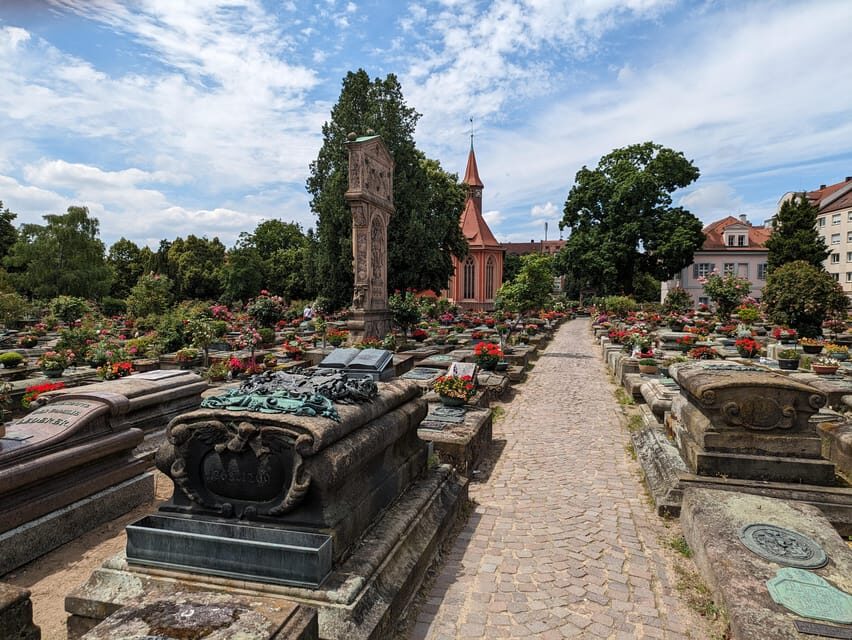
The main act begins at Johannisfriedhof, Nuremberg with a guided walk and sightseeing focus. This is the part that turns the cemetery from a place you pass by into a teaching space.
Here’s what you should look for as the guide talks:
- Graves of patricians, craftsmen, artists, and politicians: the cemetery becomes a map of who mattered in different eras
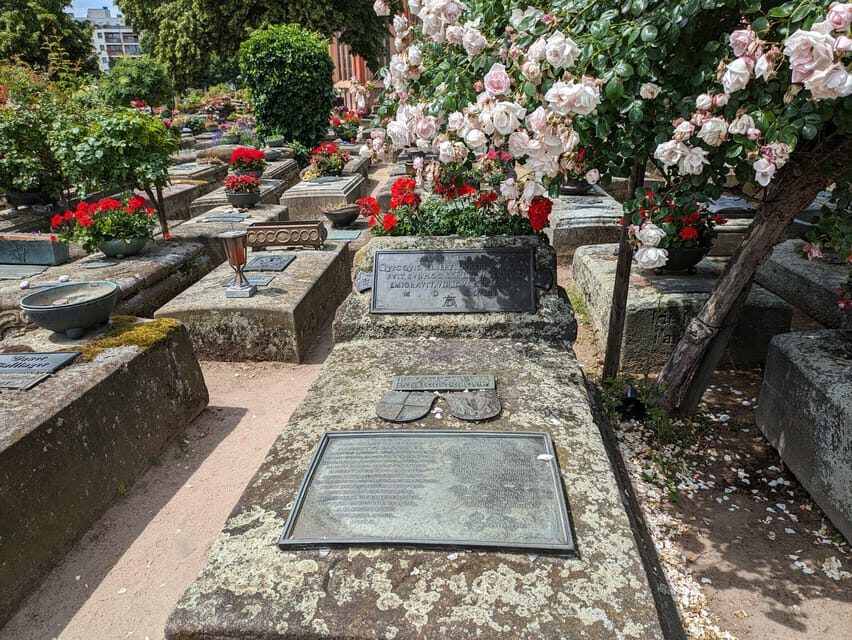
- Artistic epitaphs: memorial inscriptions are not just names; they can read like short life summaries tied to families
- The sense of city history: you’ll connect the cemetery’s artwork with how Nuremberg functioned as a community
I like this structure because it gives you a framework fast. Instead of getting lost in individual stones, you start seeing patterns: trade and status, craft and politics, art and civic identity. Even if you only catch parts of the German commentary, the visual cues are strong enough to anchor you.
Possible drawback: cemetery tours can feel emotionally heavy if you’re sensitive to that theme. The difference here is that the guide’s approach is historical and educational, so you’re learning rather than only mourning. Still, if you know you prefer lighter walking tours, mentally prep for a more reflective setting.
Albrecht Dürer’s grave: the art-world stop you’ll remember
About partway through, you’ll visit Albrecht Dürer’s grave. Dürer is one of those names that almost guarantees recognition, even if you’re not an art expert. The tour uses the grave as a way to connect Nuremberg’s long-running reputation for art and craftsmanship to the people laid to rest nearby.
What makes this stop valuable is the contrast. The cemetery portion is broad—many families, many roles. Dürer’s grave gives you a focal point, and your guide can connect it to how creativity and reputation worked in real life, not just in textbooks.
It also helps you keep pace. After a series of epitaphs and memorials, having one clearly significant landmark makes the walk feel more goal-oriented.
Hesperidengärten: recreation plus Mediterranean fruit
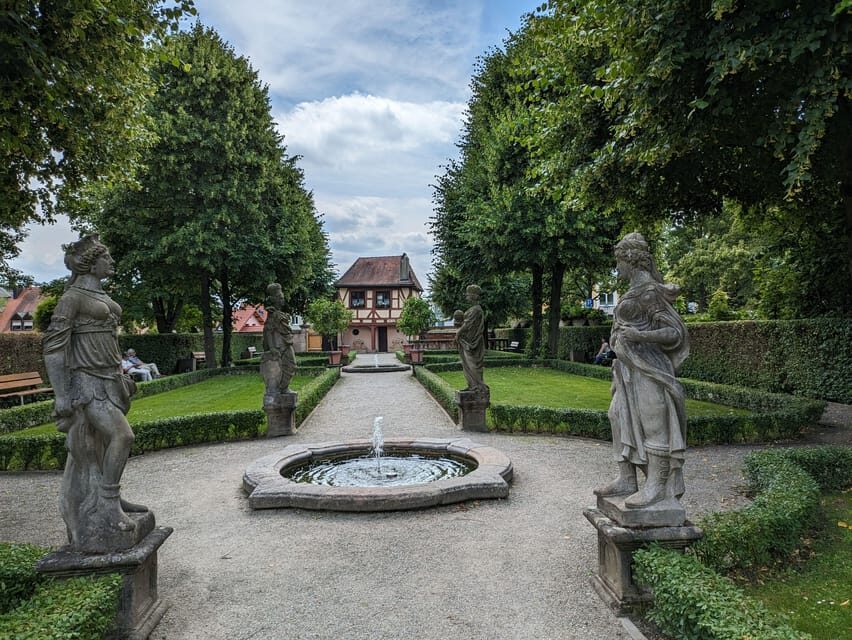
The tour ends at Hesperidengärten, and this part is seasonal. The gardens can only be visited from May to October. If you’re traveling outside those months, plan for the fact that this garden segment won’t happen as described.
Why you should care: Hesperidengärten are not just pretty paths. They were used for recreation and also for cultivating Mediterranean fruit. That’s a great “local logic” detail. It means you’re seeing a landscape that had practical work behind it, even while people enjoyed it socially.
In terms of vibe, the cemetery is structured around remembrance. The garden portion is about space—walking air, plants, and a quieter tempo. That shift is part of why the overall tour feels complete instead of one-note.
One consideration from lived experience: the garden segment can be less enjoyable if weather is harsh. The tour still runs on its schedule, so if you’re visiting in a heat wave, you may want to bring water and plan to take breaks when the guide pauses. If you’re the type who dislikes the “maybe unnecessary” feeling of garden stops, you might find you prefer the cemetery focus. Still, the recreation-and-fruit angle helps justify why it’s included.





The 1.5-hour pace: short route, good focus
This is a 1.5-hour guided tour, designed to fit into a day without exhausting you. You’ll be walking a modest distance—around one kilometer—and the itinerary is tight enough that you get variety without time to wander off.
The pace is also important because it makes the content land. Cemetery art and inscriptions aren’t “one glance and done” for most people. With a guide, you can slow down where it matters and move along quickly when you’ve got the idea.
If you’re planning other Nuremberg sights the same day, this fits well with a light schedule: do it in the morning or early afternoon if possible, then pair it with museum or old-town walking. The tour’s ending at the gardens can also work nicely as a reset before your next stop.
Price and value: is $17 worth it?
At $17 per person, this tour is priced like an entry-level guided experience—short, focused, and designed to deliver context you’d never get on your own.
Here’s what you’re paying for:
- A live guide in German, which helps transform the cemetery’s stone details into a story
- Access to the route that connects cemetery landmarks with the garden area
- Time spent explaining the meaning behind epitaphs, families, and civic roles—things you can’t easily figure out just by looking
Value-wise, it’s strongest if you care about history that’s tied to real places and real people. If you only want a quick photo walk, you might feel it’s more structured than you need. But if you enjoy learning—especially through names, inscriptions, and role-based context—this is good value for the time.
The 1.5-hour format matters too. You’re not paying for a half-day commitment. You’re paying for a concentrated hit of guided interpretation.
Who should book (and who might skip it)
This tour is best for you if:
- You like history that you can see in the real built environment
- You enjoy cemetery art, inscriptions, and the social stories behind them
- You’re comfortable with a German-language guide or you want to practice
It may not be your best fit if:
- You want a fully accessible experience for mobility needs (it’s listed as not suitable for wheelchair users)
- You need support for visual impairment (it’s listed as not suitable for visually impaired people)
- You have low fitness and want to avoid any walking on uneven surfaces
If you’re visiting with someone older who still enjoys guided sites, this may work better than longer walking tours. The route is short and paced like an actual tour, not a forced hike.
Should you book the Nuremberg cemetery and Hesperidengärten tour?
If you’re the kind of traveler who enjoys meaning—not just photos—this is an easy yes. You’ll get Germany’s award-winning St. Johannisfriedhof in a structured way, a standout landmark in Albrecht Dürer’s grave, and a garden ending that’s actually tied to local life through recreation and fruit growing.
Book it if you’re in May–October and you want the full cemetery-to-gardens arc. If you’re traveling outside those months, you’ll miss the Hesperidengärten portion, and the experience becomes more cemetery-focused.
One last practical tip: pack for the weather. The walk is short, but you’ll feel conditions in the garden. If you’re visiting when it’s chilly, that can still be fine for sightseeing—just plan layers.
FAQ
Is the tour held in German?
Yes. The guided tour is in German.
How long is the tour?
The duration is 1.5 hours.
What is the price per person?
The price is listed as $17 per person.
Where do we meet?
Meet at St. Johannisfriedhof, East Entrance – Lindengasse, corner of Johannisstraße.
Where does the tour end?
The finish point is Hesperidengärten.
Can I visit the Hesperidengärten any time of year?
No. The Hesperidengärten can only be visited from May to October.
How much walking is involved?
The route includes a walk of about 1 kilometer.
Are there minimum participants?
Yes. The tour has a minimum number of participants of 2 people.
Who should avoid this tour?
It’s listed as not suitable for wheelchair users, visually impaired people, and people with low level of fitness.
What’s the cancellation policy?
You can cancel up to 24 hours in advance for a full refund, and there’s also a reserve now & pay later option.