REVIEW · NUREMBERG
PRIVATE – Nuremberg Combo Tour WWII + Old Town
Book on Viator →Operated by Suzart Tour · Bookable on Viator
History can feel close when you’re moving through the streets.
This private combo tour ties Old Town Nuremberg to the major WWII-era places in a smart, time-saving route. I like that you get a fast overview plus specific stories, including where Albrecht Dürer lived and what Nuremberg meant during the Nazi period. I also like the practical pacing: a private vehicle keeps your energy for the stops that matter. One drawback to weigh: the biggest museums here have entry fees you’ll pay separately.
You also get real guide attention, not just a slideshow on a bus.
The English-speaking guide (names like Rob and Robson show up in feedback) can keep you engaged and even adjust the plan when your group has different needs. Still, this is history-heavy. If you prefer lighter sightseeing, you may want to balance it with more relaxed Old Town time on your own after.
In This Review
- Key Things I’d Prioritize
- Why This Nuremberg Combo Tour Makes Sense
- Getting Picked Up and Moving Around in Comfort
- Old Town Nuremberg: Charles IV, Ritler, and Dürer’s Footsteps
- Memorium Nuremberg Trials and the Zeppelinwiese Redesign
- Zeppelinfeld: Parade Ground Layout in 30 Minutes
- Documentation Center at the Rally Grounds: How It Operated
- The Guide Factor: English, Engagement, and Real Flexibility
- Price and Value: What $355.04 Buys You
- Who This Tour Fits Best
- A Smart Way to Build the Rest of Your Day
- Should You Book This Nuremberg Combo Tour?
- FAQ
- How long is the Nuremberg Combo Tour WWII + Old Town?
- Is this tour private or shared?
- What language is the tour offered in?
- Is pickup available?
- Are admission tickets included?
- Which stops are included in the itinerary?
- Is there a mobile ticket?
- Are group discounts available?
- Where does the tour take place?
- What is the cancellation policy?
Key Things I’d Prioritize
- Old Town first, WWII second: you start with medieval context before the 1930s–40s sites.
- Private vehicle + pickup: you’re not hunting trams and walking between far-flung points.
- Memorium focus on the Nuremberg Trials: major context around the 1935–1937 Zeppelinwiese redesign.
- Short Zeppelinfeld stop, clear purpose: enough time to understand the parade-ground layout.
- Documentation Center rally-ground details: practical, location-based facts that explain how it all worked.
- Guides who can adjust: Robson/Rob have a reputation for being accommodating.
Why This Nuremberg Combo Tour Makes Sense
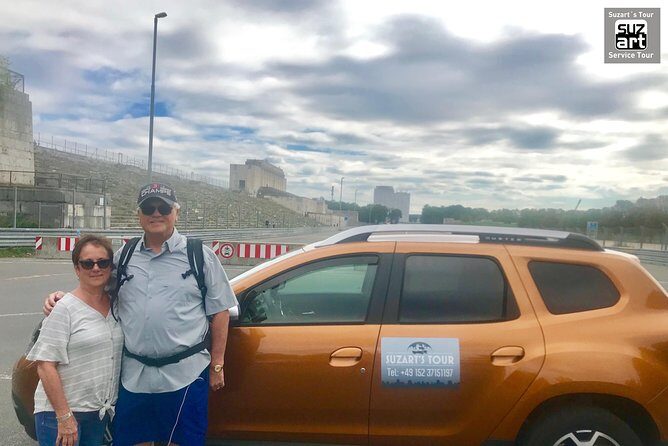
Nuremberg can be confusing if you tackle it in pieces. The Old Town feels medieval and human-scale, while the WWII sites are huge, planned, and heavy with meaning. This tour makes the connection for you without dragging the day out.
The biggest advantage is that you’re not doing a “then take a train, then change lines” scavenger hunt. You’re in a private vehicle with a guide directing the story. In about five hours, you get a line from Charles IV-era Nuremberg to the Nazi party rally grounds.
If you’re short on time, this is the kind of route that prevents the most common mistake: seeing the places but missing why they’re placed where they are.
Other Third Reich & WWII tours we've reviewed in Nuremberg
Getting Picked Up and Moving Around in Comfort
You’ll get pickup from your chosen location in Nuremberg (the meeting details say pick-up is offered “in we location,” meaning they coordinate with your address). The tour also includes a mobile ticket, which helps if you want to keep everything in one place.
Because it’s private, you can move at the pace of your group. That matters a lot with history sites. Some days you’ll arrive ready to listen; other days you’ll want more photo time. The private setup makes that easier than a fixed-group schedule.
Practical note: this is a 5-hour experience, so you’ll want to keep your own add-ons lean. Save long detours for after the tour unless you’re sure you have extra time.
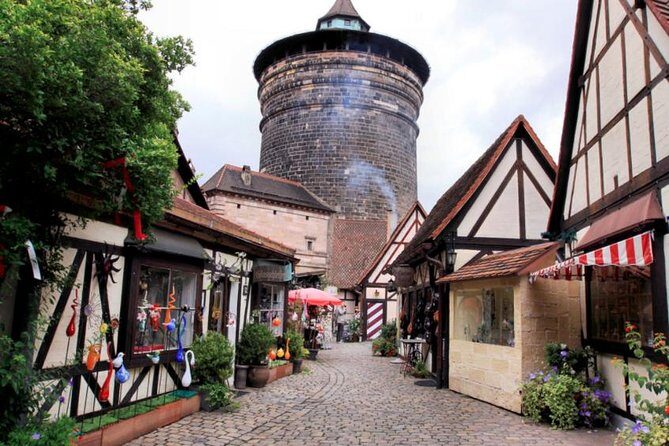
Old Town Nuremberg: Charles IV, Ritler, and Dürer’s Footsteps
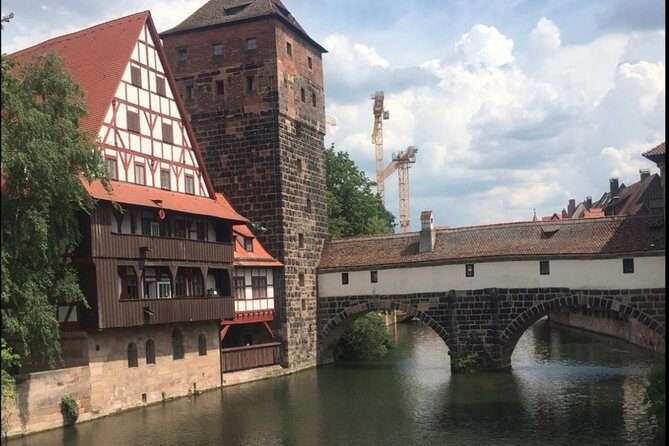
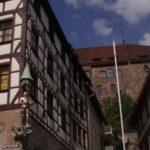
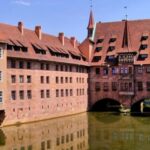
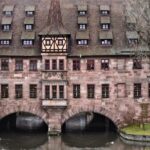
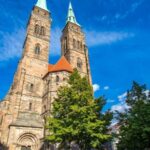
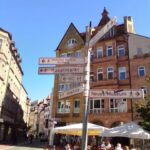
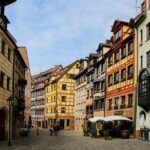
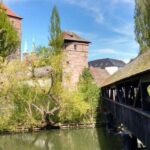
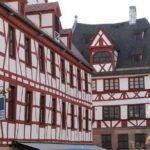
You start with Old Town Nuremberg for about an hour. The idea is simple: get your bearings in the historic center before you step into the darker WWII context.
Your guide walks you through stories tied to King Charle IV and a figure or reference called Ritler (spelled that way in the tour description). It’s one of those details that can be easy to miss if you just wander without someone connecting it.
You also get a highlight that history fans will appreciate: your guide points out where Renaissance painter Albrecht Dürer lived. That’s valuable because it shifts the lens. Nuremberg isn’t only about 1930s politics; it’s a place where art and civic life mattered too.
Time reality check: one hour in Old Town is enough for orientation and a few story stops, but it’s not enough to “see everything.” If you want a longer stroll, plan it after the tour—especially if you’re the type who likes to slow down for viewpoints and shop windows.
Memorium Nuremberg Trials and the Zeppelinwiese Redesign
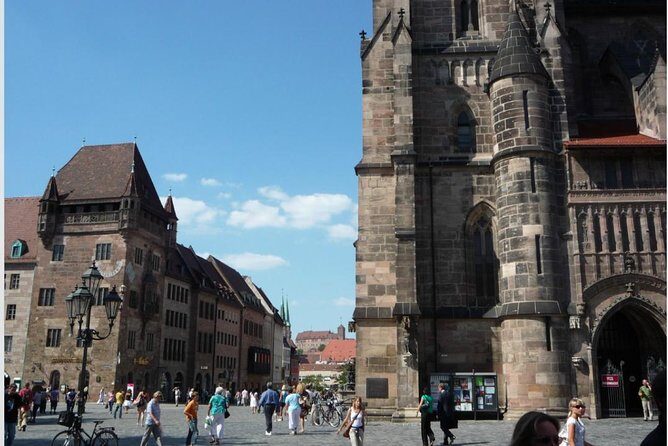
Next comes the Memorium Nuremberg Trials area at the Zeppelinwiese for about two hours. This is where the tour stops being about atmosphere and becomes about structure—how the Nazis used space and spectacle.
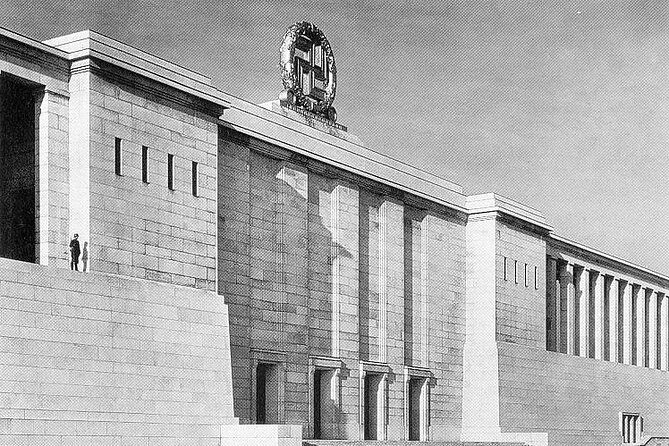
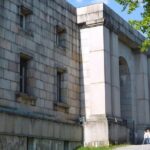
The tour focuses on a specific period: 1935 to 1937, when the Zeppelinwiese was redesigned. It references a design by Albert Speer from 1934, and it describes the place as a parade ground with grandstands. Your guide will also point out that this completed building is described as the only completed structure on the Reichsparteitagsgelände.
Why this stop matters for you: the rally grounds weren’t random. They were engineered for large-scale events, and the architecture and layout fed the message. Understanding that turns the site from “big empty spaces” into something you can actually read.
One drawback to plan for: admission isn’t included here. So your schedule should include time for paying entry (or at least having your funds ready).
What to watch for during the visit: listen for the way your guide connects dates, architects, and purpose. This is the kind of place where your understanding jumps when the facts are put in order—especially when the tour is compressed into a single afternoon.
Zeppelinfeld: Parade Ground Layout in 30 Minutes
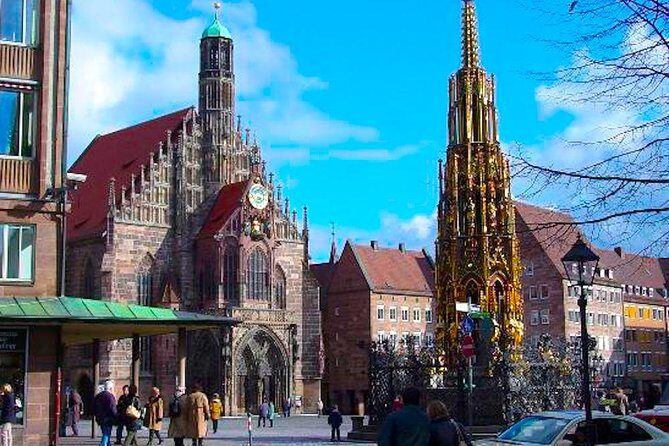
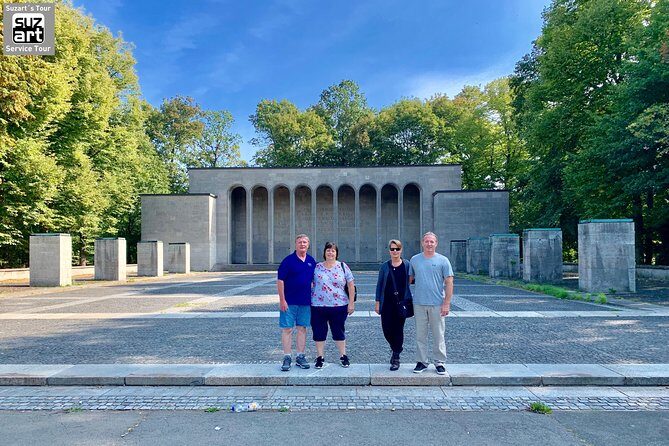
Then you hit Zeppelinfeld for about 30 minutes, with no admission fee included for this specific stop. Even though the time is short, it’s a good “second layer” after the Memorium—because it helps you visualize the broader grounds.
The description frames Zeppelinfeld as parade areas tied to the Nazi party’s congresses between 1933 and 1938. It also notes that the site involves multiple buildings designed by Albert Speer, with the Hall of Congress planned by Ludwig Ruff and Franz Ruff.
This is where you’ll get something practical: spatial context. After the Memorium, the quicker Zeppelinfeld stop helps you imagine how people moved, where crowds stood, and why the ground felt so imposing.
How to make this stop work for you: keep your camera ready, but don’t spend all your time photographing. The place is best understood when you follow your guide’s explanation of layout first, photos second.
Other Nuremberg day trips we've reviewed in Nuremberg
Documentation Center at the Rally Grounds: How It Operated
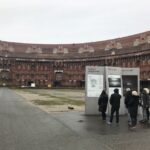
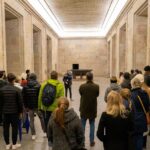
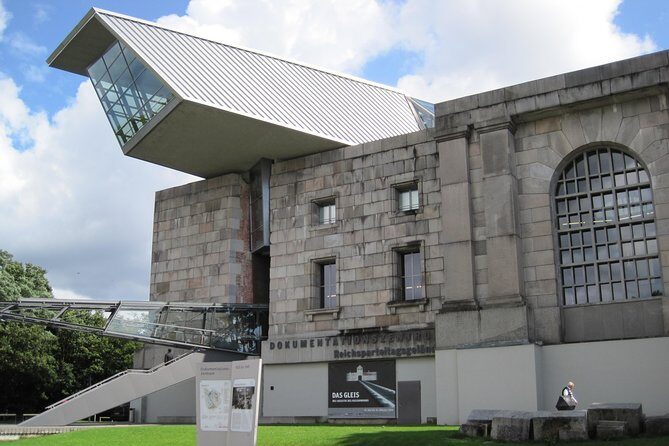
Your last WWII stop is the Documentation Center on the Nazi Party Rally Grounds for about one hour, with admission not included.
This part of the tour shifts from architecture to operations—how the site was used and what kinds of details were part of the experience. The description notes that the rally grounds were in the southeast of Nuremberg, and it mentions the period from 1933 onward. It also includes specific, somewhat technical facts: the tour mentions a large organ instrument used at a party conference and describes the zeppelin field as created near ponds, even being usable with heavy military vehicles during parades.
Even if some of those details sound niche, they’re exactly the kind of information that makes the site feel real. It’s not only about ideology; it’s also about planning, engineering, and logistics—how they made the gatherings happen at scale.
Time reality check: one hour is tight, especially if you prefer reading at your own pace. If you’re a slow reader, you may want to skim first, then decide what you want to revisit later on your own.
Again: admission isn’t included, so budget for tickets ahead of time.
The Guide Factor: English, Engagement, and Real Flexibility
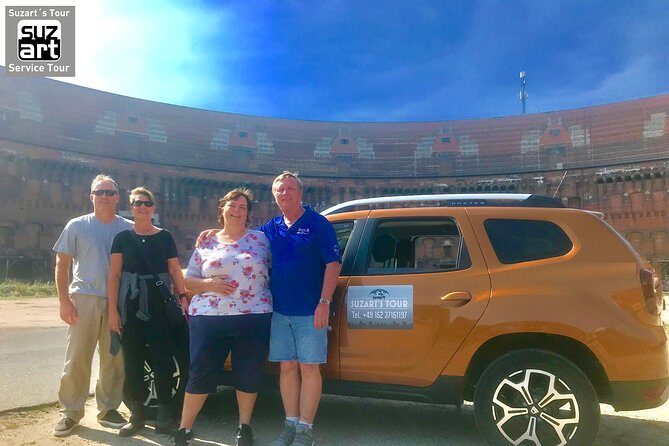
This is a private tour, so the guide makes more of a difference than on a group bus day. From the tour experience feedback, a guide named Rob and another named Robson are mentioned as being engaging, knowledgeable about the events and why Nuremberg mattered in WWII, and good at keeping a family group interested.
One detail I think is genuinely useful: the guide is reported as accommodating, including allowing itinerary changes based on your needs. In other words, if your group wants more time in one area and less in another, this format can handle that better.
Language also matters. The tour is offered in English, and your group isn’t competing with a crowd trying to follow a recorded audio track. That helps if you’re the type who asks questions mid-visit.
A small but memorable tip from the same guide style: after the tour, Robson/Rob suggested doing extra sightseeing on your own—like walking up to the castle later and stopping for red beer at Hausbrauerei Altstadthof. If you like day plans that connect the big sites with everyday Nuremberg, that kind of guidance is gold.
Price and Value: What $355.04 Buys You
At $355.04 per person, this isn’t the cheapest way to see Nuremberg. But the pricing makes more sense when you look at what’s included.
What you get:
- Private transportation
- A tour guide
- Mobile ticket
- Group discounts (if you’re traveling with others and can qualify)
What you don’t get:
- Admission fees for the main museum-style stops (Memorium Nuremberg Trials and the Documentation Center are marked as not included)
So the value equation is: you pay more because you’re buying comfort, timing control, and interpretation. For solo travelers, it may feel steep, but for couples or small groups, private guides and vehicle costs often start to look more reasonable—especially when you’d otherwise spend time figuring out transit and coordinating entry.
If you hate wasting time hunting buses, this tour can easily pay you back in a day that otherwise might drag on.
Who This Tour Fits Best
This tour is a strong match if:
- You want Old Town context and then WWII clarity in one afternoon.
- You’re interested in the Nuremberg Trials and the rally grounds, not just surface-level photos.
- You prefer private pacing and an English guide who can answer questions.
It’s less ideal if:
- You only want light sightseeing and minimal emotional weight.
- You dislike museum entry fees (because two major stops require you to pay admission separately).
- You need long, unstructured time in Old Town (one hour is orientation level).
A Smart Way to Build the Rest of Your Day
Since the tour is about five hours, plan for a full day but not a jammed one. If you’re going to add more, think like this:
- Do your heavy, story-based sightseeing during the tour.
- Save slower walking and food breaks for after.
That’s also how the “extra suggestions” style guidance tends to work best. For example, the guide tip about a later castle walk lines up well with the structure of the tour: you get the history, then you reward yourself with views and a change of pace.
And if you’re the kind of person who enjoys one local stop that feels fun rather than heavy, the mention of red beer at Hausbrauerei Altstadthof gives you an easy option.
Should You Book This Nuremberg Combo Tour?
Book it if you want a guided, efficient day that connects Old Town landmarks to the WWII rally grounds without losing time to logistics. The private setup, English guide attention, and the focus on specific places like the Zeppelinwiese and Memorium are exactly what you need if you’re trying to understand Nuremberg instead of just ticking boxes.
Skip it or reconsider if you already know you’ll want long museum time on your own. This route is carefully packed, and two stops with separate admission mean you’ll likely want a bit more control than a tight schedule can offer.
If your priority is clarity, comfort, and a clean route through the city’s most important WWII spaces, this is a very workable choice.
FAQ
How long is the Nuremberg Combo Tour WWII + Old Town?
It runs for about 5 hours.
Is this tour private or shared?
It’s a private tour/activity, so only your group participates.
What language is the tour offered in?
The tour is offered in English.
Is pickup available?
Yes. Pickup is offered from your location in Nuremberg.
Are admission tickets included?
Not fully. Admission is free for the Old Town stop and the Zeppelinfeld stop, but admission is not included for the Memorium Nuremberg Trials and the Documentation Center.
Which stops are included in the itinerary?
You visit Old Town Nuremberg, the Memorium Nuremberg Trials, Zeppelinfeld, and the Documentation Center at the Nazi Party Rally Grounds.
Is there a mobile ticket?
Yes, a mobile ticket is included.
Are group discounts available?
Yes, group discounts are mentioned as part of the offering.
Where does the tour take place?
The tour is in Nuremberg, Germany.
What is the cancellation policy?
Free cancellation is available up to 24 hours in advance for a full refund. Changes made less than 24 hours before the start time aren’t accepted.