REVIEW · NUREMBERG
Nuremberg: Historischer Kunstbunker WWII Art Bunker Tour
Book on GetYourGuide →Operated by Förderverein Nürnberger Felsengänge e.V. · Bookable on GetYourGuide
Cold tunnels, big stories.
This Historischer Kunstbunker tour turns Nuremberg’s past into a walkable underground narrative, from a medieval storage cellar to a WWII art shelter. I like the way the guide connects the city’s devastation and rebuild, including how about 90% of the medieval Old Town was destroyed. I also love the focus on specific works that were protected, like Albrecht Dürer pieces, the Altarpiece of Veit Stoss, and items from the Frauenkirche.
One heads-up: the space underground can feel tight, especially if your group is on the larger side, so plan for some crowding during the tunnel portions.
In This Review
- Key Points You’ll Remember From the Historischer Kunstbunker Tour
- A Cold Hour Under Nuremberg’s Streets
- What You’ll See: From Medieval Cellar to Art Shelter
- The WWII Art Rescue Story and the Masterpieces Inside
- Walking the Tunnel Network Without Getting Lost
- Price, Time, and Value at Around $14
- Who This Tour Fits Best, and Who Should Skip It
- Pair It With Old Town Plans After the Tour
- Should You Book the WWII Art Bunker Tour in Nuremberg?
- FAQ
- How long is the Historischer Kunstbunker WWII Art Bunker Tour?
- Where do I meet my guide?
- How much does the tour cost?
- Is the tour guided, and what languages are offered?
- What should I bring for the tour?
- Does the tour run in bad weather?
- Is this tour suitable for people with mobility impairments or wheelchair users?
- Is the tour suitable for claustrophobia?
- What is included in the price?
- Can I cancel, and how does free cancellation work?
Key Points You’ll Remember From the Historischer Kunstbunker Tour
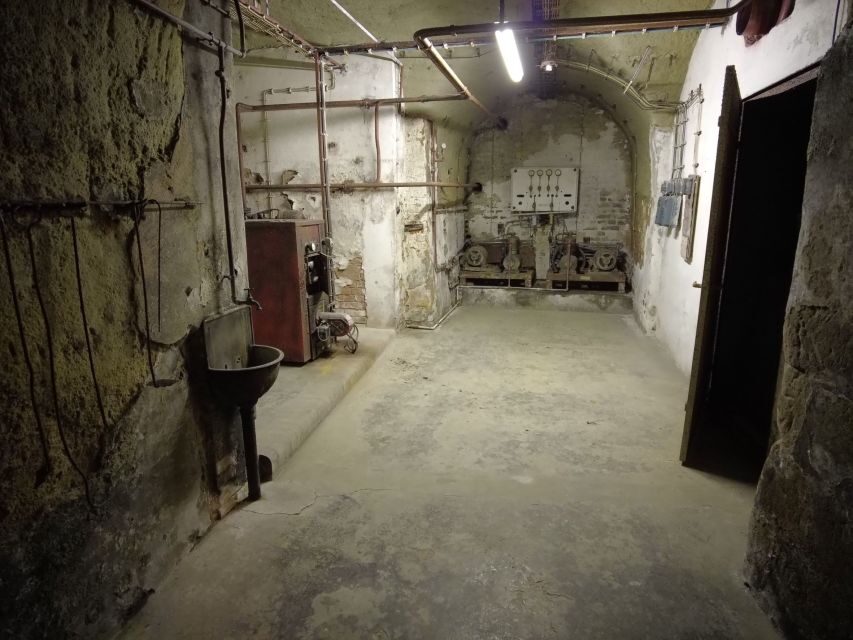
WWII art rescue in a preserved tunnel system: You follow a local guide through an underground network designed for protection.
Clear, story-driven wayfinding: The guide helps you navigate so the history doesn’t get lost in the maze.
Specific masterpieces, not vague talking points: You hear about works such as Dürer, Veit Stoss, and the Codex Manesse.
Cold, practical preparation matters: Expect it to be noticeably chilly underground, even when it’s warm outside.
A great value for a one-hour stop: The tour is short, guided, and priced low for what you get.
Small-space reality: If you don’t do well in enclosed areas or cramped groups, you’ll want to think twice.
A Cold Hour Under Nuremberg’s Streets
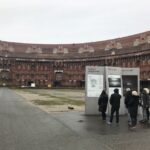
This is the kind of tour where the setting does half the work. You meet at the Historischer Kunstbunker Museum entrance in Nuremberg’s Old Town, then head right into the underground story of WWII and the city that rose after it.
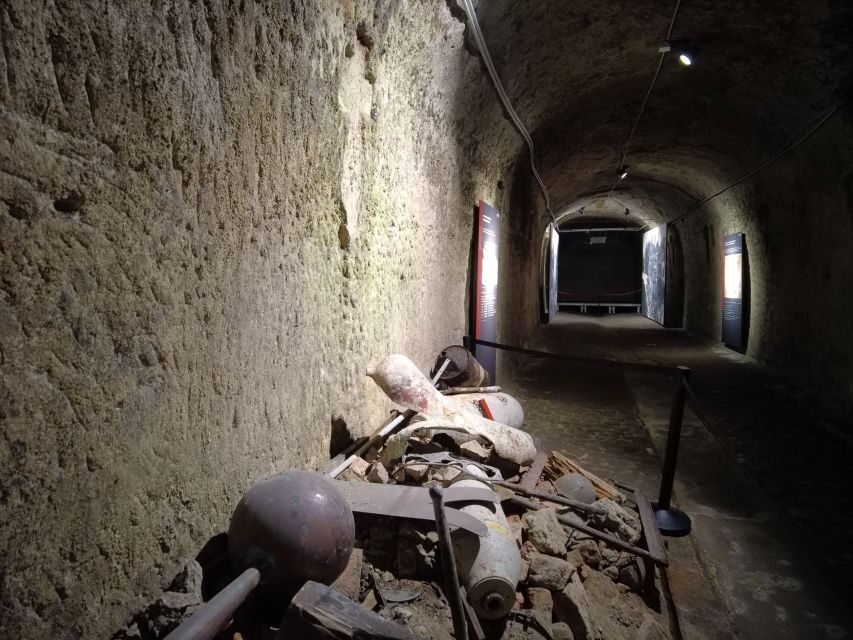
The time commitment is simple: about 1 hour with a live guide in English or German. That makes it easy to fit into a day that already includes Nuremberg’s main sights. It also means you’re not stuck for hours in a place that stays cold no matter the weather outside. (Rain or shine, you still go through the tunnels.)
The biggest practical takeaway is this: bring warm layers. A number of visitors point out that it’s cold inside and not a quick “summer stroll” kind of underground tour.
Other Third Reich & WWII tours we've reviewed in Nuremberg


What You’ll See: From Medieval Cellar to Art Shelter
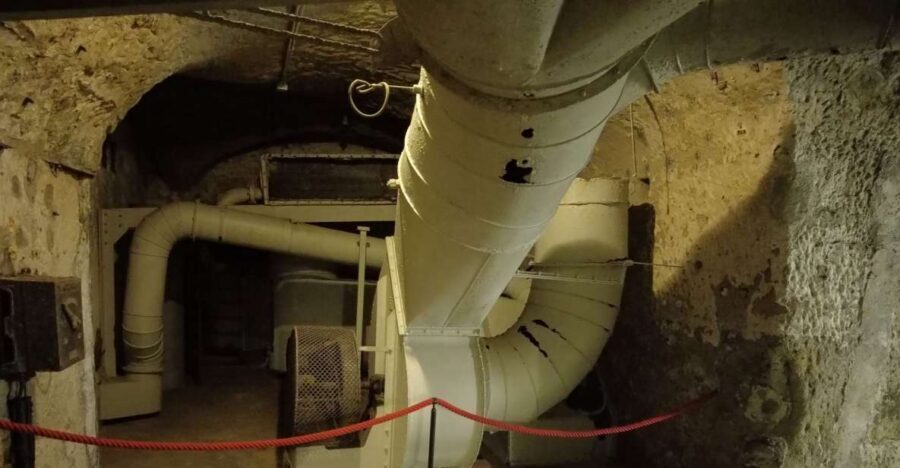
Before WWII turns into the headline, the guide gives you the background that makes the bunker make sense. You start with the idea that this space wasn’t originally built for wartime art protection. It began as a cellar, and the tour explains how it was used in earlier times (including storing beer in medieval days).
Then the story shifts: Nuremberg was hit hard in WWII, and the Old Town took massive damage. The guide frames the scale of loss, including that about 90% of the medieval Old Town was destroyed. In that context, the bunker becomes more than an odd wartime survival plan. It becomes a statement about what people believed was worth saving.
You’ll learn how the cellar was converted into a bomb shelter for priceless artworks. The key is that it’s not presented as a museum lecture. It’s presented as a guided route through what was saved, where it was stored, and why the underground was the safer option when bombings threatened the city above.
The WWII Art Rescue Story and the Masterpieces Inside
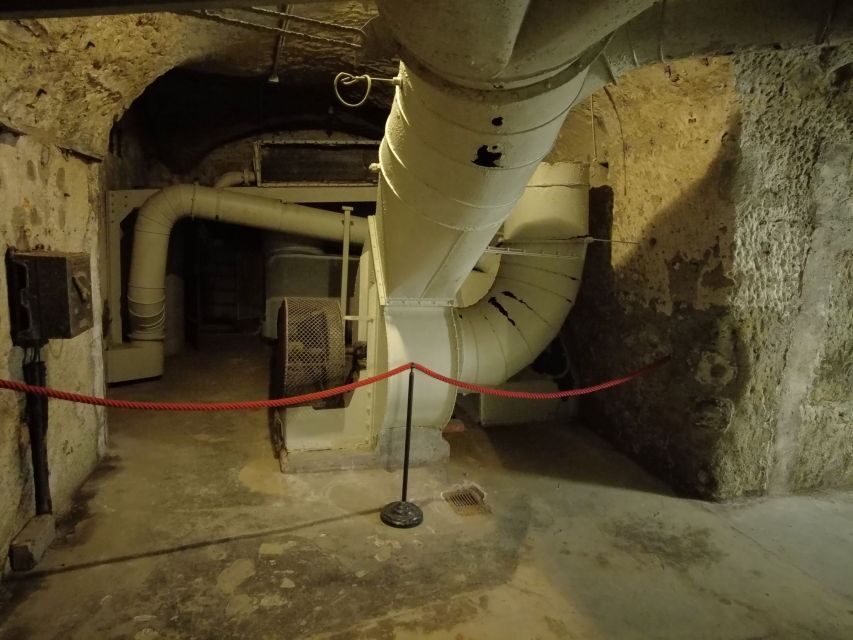
If you like WWII history but you get tired of generic facts, this tour is aimed at you. It gets very specific about artworks and where they were kept.
The heart of the tour is the idea of rescue and preservation during air raids. The guide talks through which artworks survived the bombings and what made this underground setup useful when the city was under threat.
A few of the names you’ll hear repeatedly because they anchor the story:
- Albrecht Dürer: You’ll learn how works by Dürer were stored during the bombing period.
- Altarpiece of Veit Stoss: This is one of the standout “this really matters” pieces discussed in the tour.
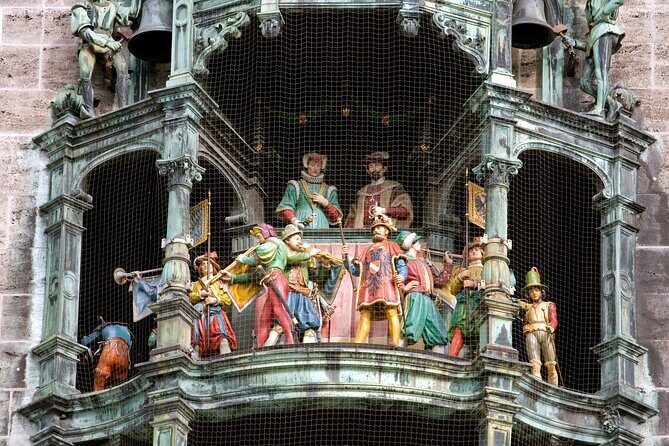
- Frauenkirche automaton clock: You’ll hear about the clock, which helps you picture what kind of cultural objects were considered worth protecting.
- Codex Manesse: Another major example of an art/culture treasure that made the bunker part of the wartime preservation effort.
What I like about this approach for your trip is that it makes the underground space feel purposeful. Instead of wondering what the bunker is “for,” you understand the selection logic: valuable objects, movable artworks, and cultural identity.
It also adds emotional weight. Guides bring the human side: the pressure of air raids, the urgency of keeping things safe, and the reality that the city’s physical character was nearly erased—then rebuilt after the war.
Walking the Tunnel Network Without Getting Lost
Nuremberg’s underground isn’t just a single hallway. It’s a network, and the tour treats that as part of the experience instead of a problem.
As you move through the tunnels, you’re following the guide’s route. That matters because tunnel systems can feel confusing even when you’re in decent shape. Here, the guide helps you keep your bearings fast: what you’re looking at, why the route matters, and how the bunker functioned as a protection system.
This is where the tour’s reviews really line up. The guides tend to do more than recite dates. They explain the space while also keeping the flow moving. Names you might hear associated with excellent tours include Andrea, Andres, Marc, Michael, Jana, Adrián, Marianne, Ralf, and Stefan. The through-line: they connect local context with wartime details and they handle questions without turning the tour into a stalled discussion.
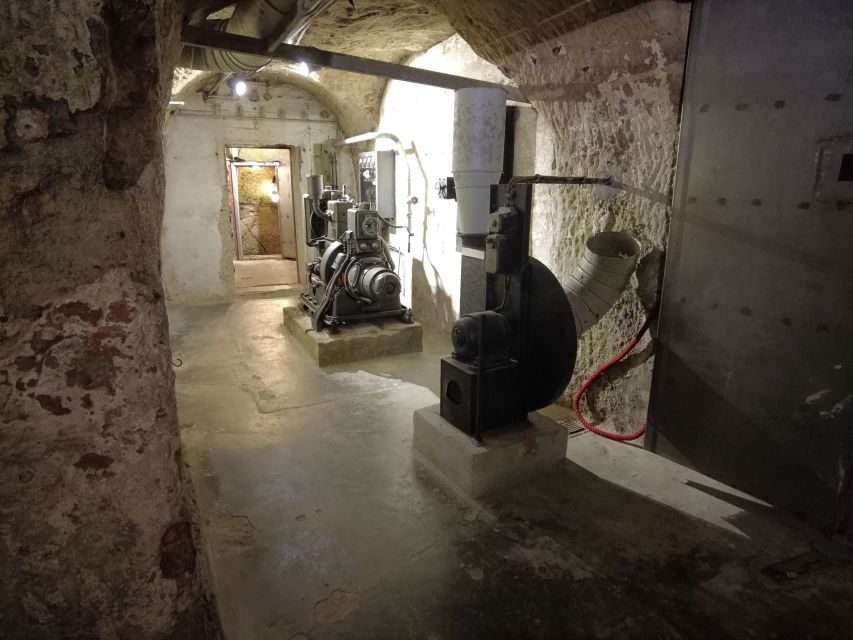
Expect some enclosed sections and a close-group environment. More than one person notes the space can feel small and a bit crowded. If you’re traveling with someone who doesn’t like tight quarters, plan your call carefully.
Price, Time, and Value at Around $14
For about $14 per person, this tour is strong value for a few reasons.
First, you get a live guide, and the guide is doing real work: making the bunker easy to understand, helping you navigate, and tying the story to specific artworks. Second, the duration is just one hour, which keeps it from dragging. You can still enjoy Nuremberg’s Old Town after you surface.
Third, the cost feels low for the setting. You’re paying for access to a WWII art bunker environment that isn’t the kind of thing you can casually self-tour safely and meaningfully. The guide is what turns the tunnels into a story, not just a cold walk.
If you’re doing a shorter itinerary in Nuremberg, this tour is especially efficient. You get a serious theme in a compact block of time, and then you can switch gears to streets, viewpoints, and landmarks above ground.
Other Nuremberg day trips we've reviewed in Nuremberg




Who This Tour Fits Best, and Who Should Skip It
This tour is a good match if you:
- enjoy WWII history and want something more concrete than reading about it later
- care about art history and the idea of cultural objects being protected during destruction
- like guided routes where you’re physically moving through the story
It’s also a smart choice if you’ve already seen major sites around Nuremberg and you want a different angle. The bunker viewpoint makes the conflict feel immediate, because you’re literally under the city.
But you should probably skip or rethink it if you:
- have claustrophobia
- use a wheelchair or need mobility access support
- prefer not to be in cramped underground spaces
Even if you’re fine with enclosed spaces, the cold is real. One of the most repeated practical tips is to plan for the temperature underground and dress for it, not for the weather outside.
Pair It With Old Town Plans After the Tour
One of the best things about timing is that the tour is short enough to help you pace your day. After you finish, you’ll be in the Old Town area, which makes it easy to keep moving.
Here’s a simple way I’d structure your day:
- Do the bunker early or mid-day so you’re not rushing later.
- Then spend the rest of your time walking and exploring above ground, where the city’s rebuilding story becomes visible in buildings, streets, and the overall layout.
Because the tour is rain or shine, I treat it as a reliable anchor. If the weather is turning, you can still have a meaningful experience without losing the day.
Should You Book the WWII Art Bunker Tour in Nuremberg?
Book it if you want a one-hour, guided, art-and-war story set in real WWII protection spaces. The specific references to major artworks and the way the guide helps you move through the tunnels make this feel more tangible than a typical museum-only visit. Add the low price and the clean time box, and it’s an easy yes for history-focused travelers.
Skip it if enclosed spaces or cramped quarters would ruin the experience. The tour is exactly the kind of place where those concerns can become uncomfortable, and there’s no way to “power through” the tunnel reality.
If you’re on the fence, think about your goals: if you want to understand how cultural treasures were stored and why Nuremberg’s underground mattered during the bombings, this tour gives you that in a practical, guided format.
FAQ
How long is the Historischer Kunstbunker WWII Art Bunker Tour?
The tour lasts about 1 hour.
Where do I meet my guide?
Meet your guide at the entrance of the Historischer Kunstbunker Museum.
How much does the tour cost?
The price is listed at $14 per person.
Is the tour guided, and what languages are offered?
Yes, it’s a live tour with a guide. The language options are English and German.
What should I bring for the tour?
Bring warm clothing. The tour takes place in cold underground spaces.
Does the tour run in bad weather?
Yes. The tour runs rain or shine.
Is this tour suitable for people with mobility impairments or wheelchair users?
No. It is not suitable for people with mobility impairments or wheelchair users.
Is the tour suitable for claustrophobia?
No. It is not suitable for people with claustrophobia.
What is included in the price?
Your ticket includes entry to the Historischer Kunstbunker Museum and a guide.
Can I cancel, and how does free cancellation work?
Free cancellation is available up to 24 hours in advance for a full refund.