REVIEW · NUREMBERG
Get to know Nuremberg. Highlights in the old town
Book on Viator →Operated by Geschichte Für Alle e.V. · Bookable on Viator
Nuremberg’s old town tells stories fast. This 90-minute highlight walk turns big landmarks into a clear route you can follow, starting at the Henkerhaus and tracing the Pegnitz with an expert guide. I especially like how it feels compact but not rushed, and how the stops connect to real jobs and everyday life, not just postcard views.
Two things I value most are the mix of major sights (main market, Frauenkirche, town hall, Sebaldus Church) plus quieter lanes like Weißgerbergasse, and the fact that the route is built for real orientation. One drawback to consider: this is a German-speaking tour, so plan on following explanations in German if you want to get the full value.
In This Review
- Key highlights worth putting on your radar
- Entering Nuremberg through the Pegnitz, not just the sightseeing list
- Henkerhaus start: the executioner’s house and the city’s justice system
- Main market moments: Frauenkirche, the Beautiful Fountain, and a medieval picture-book
- St. Sebaldus Church: the oldest parish roots and the power of legends
- Weißgerbergasse: the craft street that survived the war
- Kettensteg chain bridge: a metal engineering relic from 1824
- The rest of the route: Maxbrücke and the main idea of a compact overview
- Price and value: is $16.20 worth 90 minutes?
- Who should book this tour, and who might not love it
- Quick tips to make the most of your 1.5 hours
- Should you book Get to know Nuremberg. Highlights in the old town?
- FAQ
- How long is the tour?
- How much does the tour cost?
- What language is the tour given in?
- Where do I meet for the tour?
- What time does the tour start?
- Is this tour ticketed by mobile device?
- Are any admission tickets included?
- How big is the group?
- Can I get a full refund if I cancel?
Key highlights worth putting on your radar
- Pegnitz-focused route that helps you understand how the city grew around the river
- Henkerhaus (Hangman’s House) and its exhibition on legal and criminal history
- Der Schöne Brunnen with 40 painted figures showing a medieval worldview
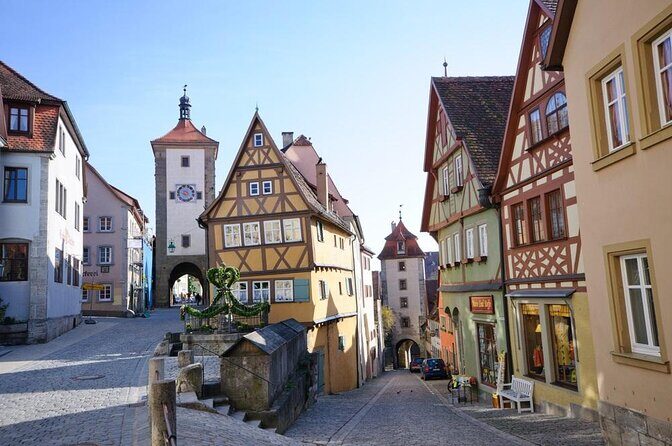
- Weißgerbergasse craft street that survived WWII air raids largely unscathed
- Kettensteg chain bridge from 1824, described as the oldest surviving metal suspension bridge in the German-speaking world
- Small group size (max 25) so you can ask questions and keep pace with the guide
Entering Nuremberg through the Pegnitz, not just the sightseeing list
This is the kind of old-town tour that helps you get your bearings fast. You don’t just get a “see this, then that” checklist. Instead, the route is built like a guided walk through the city’s logic: where people lived, where work happened, and why monuments ended up where they did.
The time plan is also friendly. It’s about 1 hour 30 minutes, with several stops kept around the 10-minute mark. That matters because Nuremberg’s center is full of details, and you’ll want those short pauses to look up, read, and re-find the next landmark without feeling dragged along.
I like that the tour doesn’t treat history like a lecture. Even when the topic is heavy, the guide keeps things grounded in place—often pointing out how buildings were used in daily life. You’ll also get plenty of natural photo angles as you move between the Pegnitz river corridor, the main market area, and the older side streets.
If you’re visiting mainly for the Christmas market buzz or bratwurst reputation, this walk is a smart way to widen your view without adding a second full-day tour. You’ll see a Nuremberg that feels lived-in, not only staged for seasonal crowds.
Other Nuremberg day trips we've reviewed in Nuremberg

Henkerhaus start: the executioner’s house and the city’s justice system
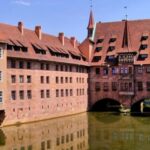
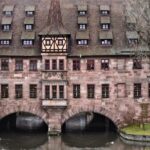
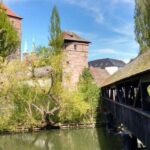
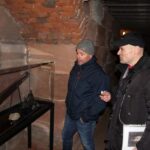
You begin at the Henkerhaus Museum (Trödelmarkt 58, Nürnberg). The building itself sets the tone: it’s about 500 years old and built directly over the Pegnitz. That location is not just a quirky detail. It helps explain how tightly daily life and public authority were connected in historical cities.
For centuries, Henkerhaus served as the official residence of the Nuremberg executioners and their families. Today, the focus shifts to a newly designed exhibition on legal and criminal history. In practice, this stop gives you a strong “why this city looks the way it does” starting point. You learn that the old town wasn’t only about merchants and churches. It also had systems of law, punishment, and public order.
The best part for your planning: this first stop includes admission—so you’re not hunting for add-on tickets or second entrances. And because it’s the start of the route, it helps you carry context into every monument after it.
Possible caution: if you prefer light, purely scenic walks, this opening topic is darker than a standard sightseeing start. But the tone is framed as history and legal/criminal context, and it gives your stroll real meaning.
Main market moments: Frauenkirche, the Beautiful Fountain, and a medieval picture-book
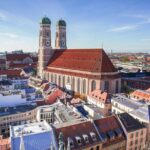
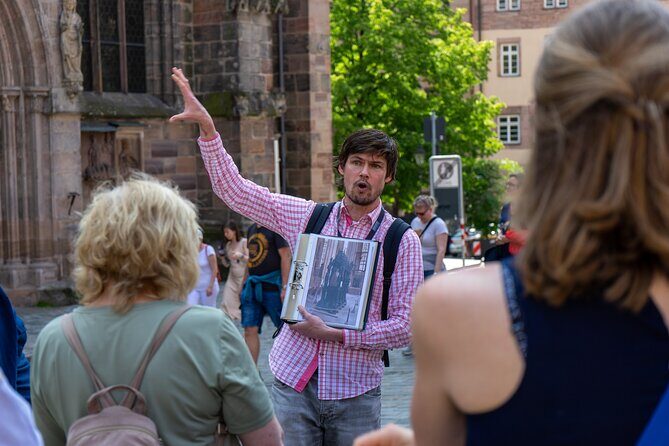
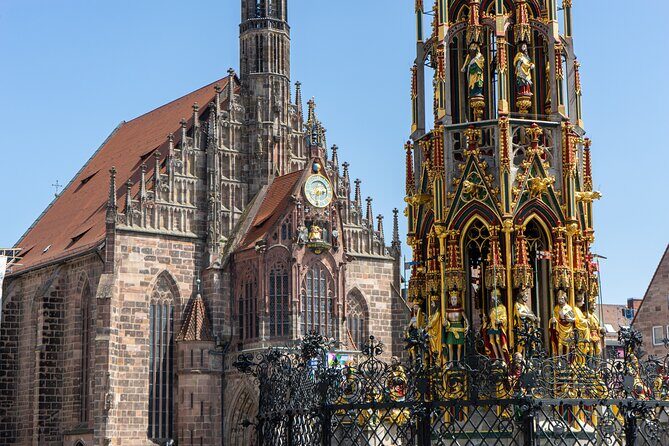
As the route moves toward the main market area, you get the headline structures most first-time visitors come for—especially the Frauenkirche and the town hall on the way. Even if you’ve seen photos, standing near these places usually changes how you understand the scale. They help you see the old town as a civic center, not just a cluster of buildings.
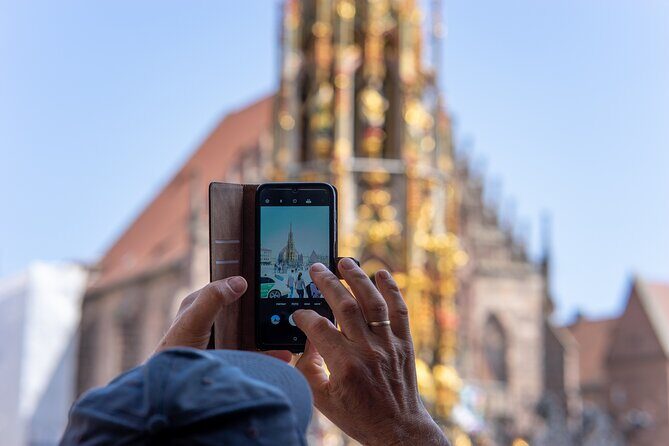
Then you hit one of the tour’s most visually satisfying moments: Der Schöne Brunnen. This fountain is about 19 meters high (built 1385–1396) and features around 40 brightly painted figures. The figures are tied to history, politics, church, and education—basically a snapshot of what people in the Middle Ages believed mattered.
The practical value here is big. When you hear the meaning behind the images, you start noticing symbolism everywhere in Nuremberg’s art and architecture. It’s the same reason museums feel more rewarding once you understand the theme.
One more helpful detail: in the Middle Ages, the fountain wasn’t only decorative. It was used for water supply, linked to a pipe described as the Schönbrunn pipe. So even if you’re mostly a “walk and look” person, you’ll come away with a concrete understanding of how infrastructure worked centuries ago.
This stop is also free to visit, and it stays compact—about 10 minutes—so you can enjoy it without losing momentum.
St. Sebaldus Church: the oldest parish roots and the power of legends
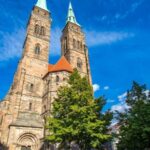
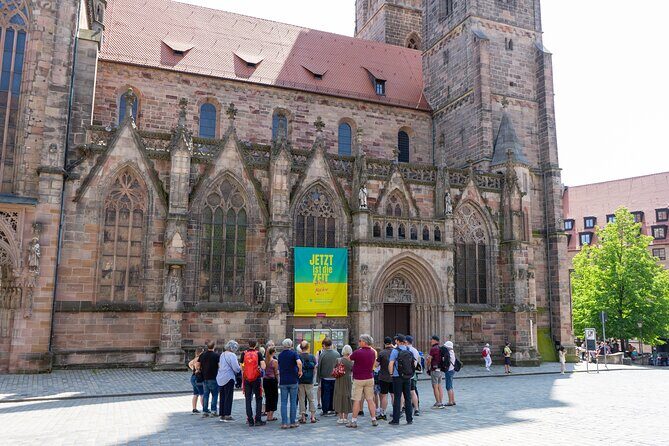
From the main civic spaces, the tour shifts into church history at St. Sebaldus Church. The guide frames it as the oldest parish church in the city. You’ll be looking at a structure built around 1230, shaped as a late Romanesque pillar basilica.
What makes this stop click for me is the combination of dates and personal connection. The church is dedicated to Saint Sebald, and the tour notes that he’s still associated with blessings and legends. His grave is still in the church, which gives the place more weight than a building you just pass by.
You’ll also see how the tour’s theme keeps tying back together. You started with justice and legal history, then moved into civic identity through the main market, and now you’re at religious roots that shaped community life for centuries. It’s the same city, seen through different institutions.
This is another free stop and designed for a quick, focused look—again around 10 minutes. That’s great if you’re trying to see several highlights in a short stay. It also works well if your schedule is tight and you don’t want to commit to a longer church-focused visit.
If you’re someone who loves to ask questions, this portion is often a good place for it. Church history invites practical curiosity: why this dedication, what people believed, and why certain spaces were kept.
Weißgerbergasse: the craft street that survived the war
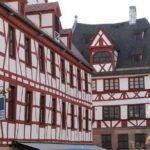
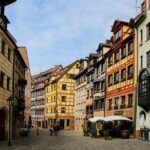
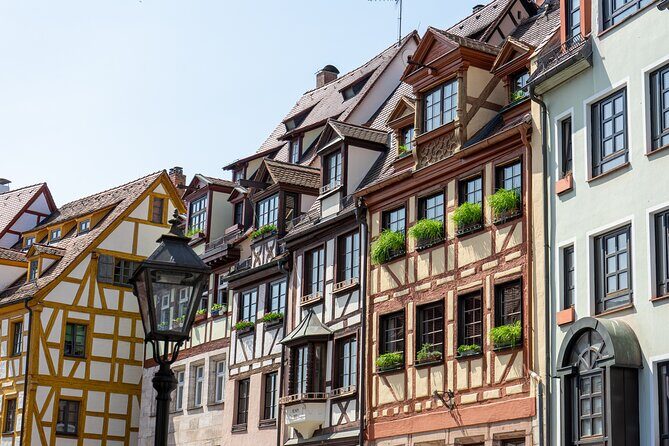
After the major sights, you get the part that tends to change the tone of the walk: Weißgerbergasse. This lane is valued because the houses survived WWII air raids largely unscathed. That “survived” detail matters. It means you’re not only looking at reconstructed visuals. You’re seeing a street that still carries late medieval character.
The tour connects Weißgerbergasse to real work. The name points to white tanners—people making fine leather from wild, lamb, and goat skins. It’s a reminder that “historic old town” isn’t only about castles and churches. It’s also about workshops, materials, and skilled labor.
For your visit, this stop is where the city starts feeling more tactile. You’ll likely notice the way the street layout supports daily routines—walking, deliveries, and trade. Even if you don’t know anything about tanning, you can still appreciate why a craft would cluster in a particular area.
This part of the route is also free and short, so it doesn’t turn into an all-day detour. It stays in the rhythm of the broader highlights walk while adding that crucial “how people lived” layer.
If you care about authentic-feeling streets over just the biggest monuments, this is one of the reasons the tour earns strong marks. It’s not only scenic. It’s purposeful.
Other Old Town walking tours we've reviewed in Nuremberg
Kettensteg chain bridge: a metal engineering relic from 1824
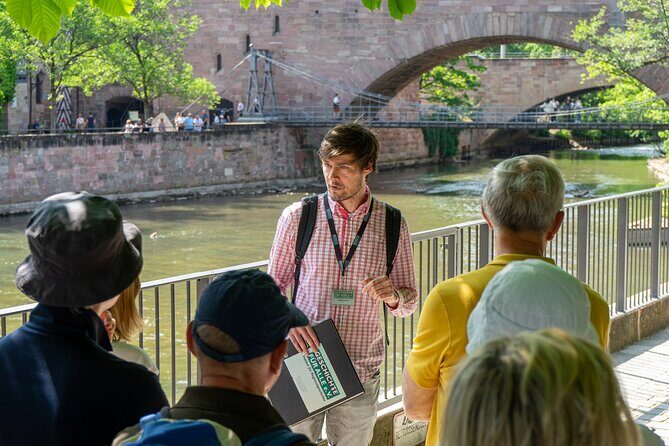
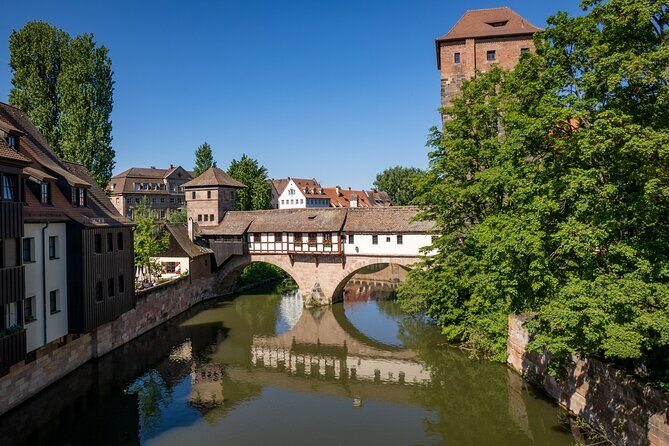
One of the most “how is that still here” moments is Kettensteg, the chain bridge made in 1824. The guide credits the Nuremberg mechanic Georg Kuppler as the designer.
The tour describes it as a technical marvel of the early industrial age, and also as the oldest surviving suspension bridge made entirely of metal in the German-speaking world. Even without going full engineering nerd, you’ll probably feel the difference between old medieval stone and this later metal technology. It’s a shift in time you can see with your feet.
This stop is free and brief, around 10 minutes, but it offers a useful pause in the walking pattern. A bridge also gives you a “visual reset” point—wide views, a different angle on the old town, and a chance to step back and see how all your previous stops connect.
If you like photos, this is a smart place to grab a few. Bridges naturally frame buildings and streets in a way that helps your pictures look like a real route, not random snapshots.
The rest of the route: Maxbrücke and the main idea of a compact overview
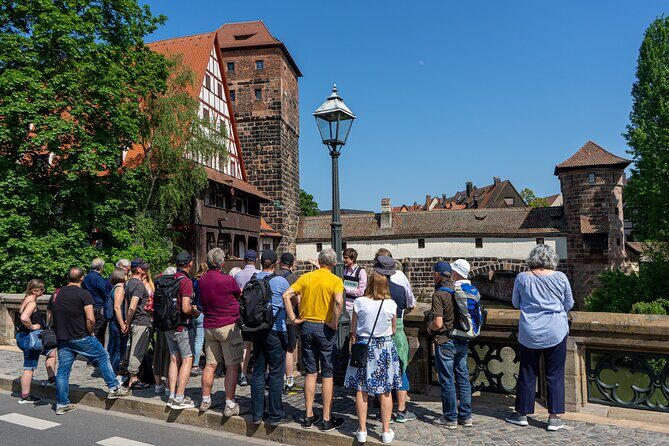
Beyond the named stops, the walk covers key connectors inside the old town. You’ll move through the main market area with the Frauenkirche, see the historic town hall, and return through the older parts of the city via areas described as largely spared from war damage. The route also includes crossing Maxbrücke back into the most beautiful stretch of the old town.
That matters because many highlight tours can feel like disconnected mini-trips. This one is built so the connections are part of the experience. You’re not only collecting monuments. You’re tracing how you’d actually move through the city.
It’s also worth noting the practical pace. The walk is easy to follow, and it’s designed to be walkable without constant long stretches. The stop durations stay short, and the route length (about 1 hour 30 minutes) is perfect for a first afternoon orientation.
If you’re visiting Nuremberg for a short time, this format is a strong use of your hours. It gives you a workable mental map, which makes everything else you do afterward easier—whether that’s going back for bratwurst or planning a deeper self-guided walk.
Price and value: is $16.20 worth 90 minutes?
At $16.20 per person for about 1 hour 30 minutes, you’re paying for a guided narrative plus included entry at the Henkerhaus stop. The tour is also capped at 25 travelers, which usually means you’re not fighting for attention at every corner.
Here’s why I think the value makes sense: the price buys you context. The fountain isn’t just a pretty wall of figures. The church isn’t just an old building. Weißgerbergasse isn’t only charming. The guide ties these places to jobs, community institutions, and why certain structures survived. That kind of meaning is hard to pick up on your own quickly unless you’re reading a lot on-site.
Also, several key sights are free, so you’re not stacking entrance costs. Only the Henkerhaus stop includes admission, and everything else stays free as part of the route.
If you’re comparing options, think about it like this: for a relatively modest price, you get a curated walking storyline plus access to an exhibition start point. That’s the kind of value that pays off even when you only have one afternoon.
Who should book this tour, and who might not love it
I’d book this if you want a fast, accurate overview with enough detail to feel satisfying. It’s ideal for first-time visitors who want more than the usual tourist hits. The structure also works well if you already know the basics and still want sharper insights—especially because the route focuses on professions, crafts, and how the city functioned.
You’ll probably enjoy it if:
- you like old towns where the streets matter, not just the buildings
- you enjoy learning the meaning behind symbols (especially at the fountain)
- you want a walk that stays short enough to leave room for eating and extra exploration
You might skip it if:
- you need a fully English-speaking guide and the language barrier would frustrate you
- you prefer long, slow sightseeing sessions where you can linger for extended periods at one site
Quick tips to make the most of your 1.5 hours
- Wear shoes you’re comfortable walking in. The tour moves through several parts of the old town and relies on steady movement between stops.
- Give yourself the chance to look upward. The fountain and church details are easiest to appreciate when you stop and scan for figures and architectural elements.
- Bring a camera-ready mindset for photo angles at bridges and the main market area.
- If you have questions, this is the kind of tour where asking works. A smaller group size makes it easier for the guide to respond clearly.
Should you book Get to know Nuremberg. Highlights in the old town?
Yes, if you want an efficient, story-driven orientation to Nuremberg’s old town. For the money, you get a focused route, several free major sights, and an included start at Henkerhaus that sets up the rest of the walk with legal and criminal history context.
It’s also a smart choice when you care about authenticity: Weißgerbergasse helps the city feel real, not just photographed. And if you’re the type who likes learning how people lived—through crafts, institutions, and infrastructure—this tour gives you that without eating up your whole day.
If German is a challenge, treat that as the main deciding factor. If you can follow a German-speaking guide, this is one of the cleanest ways to leave with a stronger sense of Nuremberg fast.
FAQ
How long is the tour?
It lasts about 1 hour 30 minutes.
How much does the tour cost?
The price is $16.20 per person.
What language is the tour given in?
The tour is German-speaking.
Where do I meet for the tour?
You meet at the Henkerhaus Museum, Trödelmarkt 58, 90403 Nürnberg, Germany.
What time does the tour start?
The start time is 2:00 pm.
Is this tour ticketed by mobile device?
Yes, it uses a mobile ticket.
Are any admission tickets included?
Admission ticket is included for Henkerhaus. The other listed stops are free.
How big is the group?
The tour has a maximum of 25 travelers.
Can I get a full refund if I cancel?
Yes. Free cancellation is available up to 24 hours before the experience’s start time for a full refund.