REVIEW · MUNICH
Private Munich Old Town Walking Tour
Book on Viator →Operated by Radius Tours GmbH · Bookable on Viator
Old Town in 2 hours can still feel personal. This private walk through Munich’s center is built for fast orientation, with a guide who turns landmark info into something you can actually use in the streets. I especially like the flexible, custom-feeling flow that lets you ask questions on the move, and the way the route mixes big sights with classic Munich stops like Viktualienmarkt and the Hofbräuhaus. One thing to keep in mind: on major religious festival days, church access can be restricted, so don’t expect every interior moment to work the same as usual.
You’ll cover key sights at a comfortable pace, with a small cap of up to 10 people and an English-speaking guide. The plan is short enough to fit cleanly into a day, but structured enough that you won’t wander in circles trying to connect the dots on your own.
You start at Dachauer Str. 4 (or you may meet at your hotel via hotel pickup), then you work your way through the Old Town core toward Marienplatz. It ends back at the meeting point, so you can pick up your next stop without stress.
In This Review
- Key things to know before you go
- Munich Old Town works best with a guide on foot
- Meeting at Dachauer Str. 4, and how hotel pickup can save time
- Frauenkirche: the landmark you should recognize instantly
- St. Peter’s Church: the oldest building in Munich
- Staatliches Hofbräuhaus: where Munich beer culture gets personal
- Viktualienmarkt: market food, beer garden energy, and locals’ rhythms
- Residenz München: palace-scale power, especially on rainy days
- Marienplatz: where the tour naturally finishes at the heart of it all
- What’s included (and what you bring): guide time is the product
- Price and value: is $240.96 per person worth it?
- Day-of reality checks: dates, entrances, and the human factor
- Who this Old Town walk is best for
- Should you book this Munich Old Town private walking tour?
- FAQ
- How long is the Private Munich Old Town Walking Tour?
- Where is the meeting point for the tour?
- Is the tour offered in English?
- Does the price include food and drinks?
- Is hotel pickup and drop-off included?
- How many people are in the group?
- Can I cancel for a full refund?
Key things to know before you go
- Private-feeling pace with room to adjust to what you care about most
- Big-hits Old Town route built around Frauenkirche, St. Peter’s, Hofbräuhaus, Viktualienmarkt, Residenz München, and Marienplatz
- Small group limit (max 10) even in a private format, which helps the walking stay easy
- Hotel pickup and drop-off included, if you’re staying nearby and want that time back
- Easy planning on paper: the listed admission cost for stops is shown as free, so you’re less likely to get surprised mid-walk
Munich Old Town works best with a guide on foot
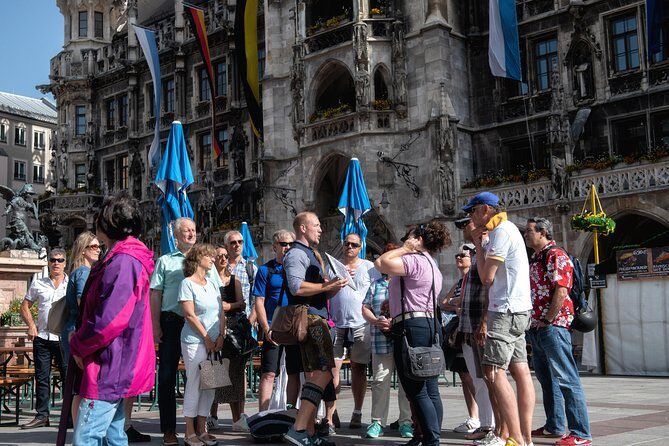
Munich’s Old Town isn’t just pretty buildings. It’s a shortcut to understanding how the city grew—religion, power, beer culture, and civic life all show up within a walkable radius. The best part of this tour format is that you get the story in the exact location where it happened, instead of collecting facts one-by-one from your phone.
I like that the tour keeps things practical. You’re not just ticking off names—you’re learning what to look for when you return later. On this route, that matters because Munich’s center can feel dense: towers, courtyards, old royal walls, and market streets all jostle for your attention. A good guide gives you mental labels so the city stops being a blur.
There’s also a real value in the private angle. If you care more about churches, ask. If you want food-market culture and beer-hall history, ask. The guide’s willingness to adjust your pace came up again and again, and that changes the experience a lot for families and couples who don’t want a rigid script.
Other Munich city tours we've reviewed in Munich



Meeting at Dachauer Str. 4, and how hotel pickup can save time
The official start is Radius Tours at Dachauer Str. 4, 80335 München. If you don’t set a different meeting point, that’s where the guide meets you. The good news: the area is near public transportation, so you can get there without complicated planning.
Now for the part you’ll want to handle smartly: hotel pickup is included. That means you might be met at your accommodation instead of walking first to the office. In a couple of real-world situations, guides have met people at their hotels, while other times the tour went by the office meet. Either way, the smooth move is to double-check your meeting point details after booking and keep them visible on your phone.
This is one of those tours where being early pays off. You’re only on the walk for about two hours, so any delay eats into landmark time. I’d also wear comfortable shoes, because most of the value here comes from moving efficiently between stops.
Frauenkirche: the landmark you should recognize instantly
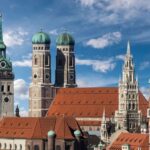
Your first big stop is Frauenkirche, Munich’s world-famous cathedral. This is the kind of place that feels intimidating until someone points out what you’re actually looking at. The guide-led approach helps you connect the building to the city’s identity—why it mattered, how it shaped the city’s skyline, and what role it played in daily life.
The timing here is short (about 10 minutes), so don’t expect a long sit-down visit. Think of it as orientation with context. You’ll get the essentials, then you’re on to the next chapter.
A practical tip: since it’s one of the headline attractions, it can be busy around peak hours. That’s exactly why a guide’s timing and route logic are useful. You also get a quicker “first read” of the area so the rest of the walk makes more sense.
St. Peter’s Church: the oldest building in Munich
Next is St. Peter’s Church, described as the oldest building in Munich. That line alone is worth paying attention to, because it reframes the tour. You’re not just seeing impressive architecture—you’re watching Munich’s timeline stack up in front of you.
This stop is very short (around 5 minutes). That can feel quick, but it’s not random. It’s designed to anchor you historically before the tour shifts into more famous and more cultural landmarks.
If you’re the type who likes to ask why a city ended up where it did, this is a good moment for it. The guide can connect older roots to the later power and public life you’ll see next.
Staatliches Hofbräuhaus: where Munich beer culture gets personal
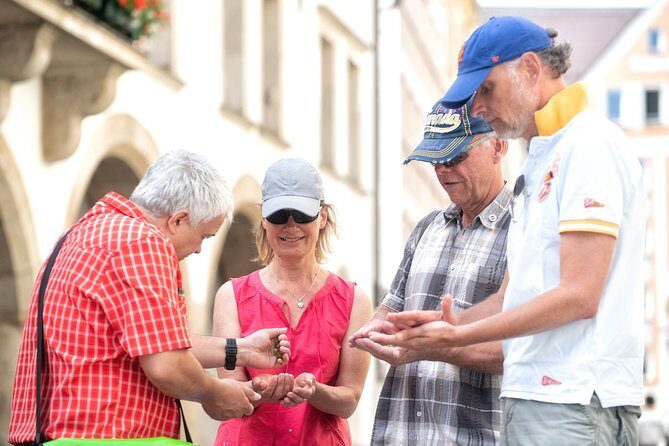
You then hit Staatliches Hofbräuhaus, one of the most well-known beer halls in the world. The time here is about 15 minutes, which is long enough to soak in the vibe and understand why this stop is basically required on many Munich itineraries.
This is a smart inclusion because it’s not just sightseeing. Hofbräuhaus is a cultural reference point. The guide can explain the social role beer halls played and why this space became a symbol beyond Munich’s borders.
A consideration: beer halls are still busy places. You may not have the kind of quiet, lingering visit you get in smaller sites. If you want a calmer experience, be ready to treat this stop as “context + first impression,” then follow your own preferences after the tour if you want food or a drink.
Other Old Town walking tours we've reviewed in Munich

Viktualienmarkt: market food, beer garden energy, and locals’ rhythms
After Hofbräuhaus, you go to Viktualienmarkt, the central food market in Munich, plus its very famous beer garden scene. You’ll have about 20 minutes here, which is the right length for a market stop without rushing.
This is one of my favorite kinds of tour segments because it’s less about monuments and more about how people actually live. Markets show you what’s seasonal, what’s valued, and what local culture feels like when it’s not staged for tourists.
You’ll also likely get practical recommendations from your guide on what to try nearby—especially helpful if you’re choosing between a quick bite in the market versus a proper sit-down meal later.
Even if you skip food during the tour (food and drinks aren’t included), the market stop is still useful. It helps you understand where to go when you’re hungry and want something authentically Munich, not just convenient.
Residenz München: palace-scale power, especially on rainy days
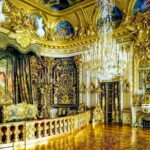
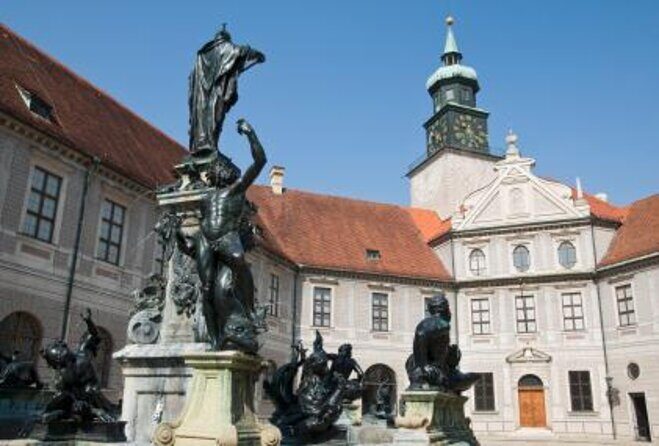
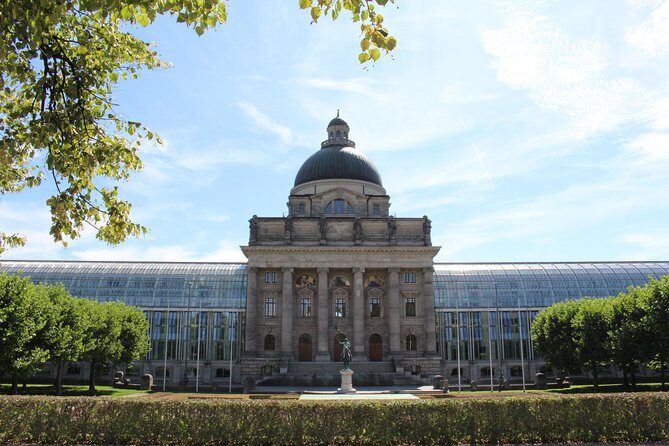
Then comes Residenz München, the palace of the Bavarian royal family. This stop is about 10 minutes, and it’s specifically called out as a great option for rainy weather.
Even with a short visit window, the value here is the perspective shift. Munich isn’t only churches and civic squares; it also has a long royal story, and the palace is the physical reminder. You’ll learn what made the royal court influential and how it shaped the city around it.
A practical point: when the weather turns, this kind of stop can keep your day from turning into pure shelter time. You get meaningful sightseeing even when you can’t enjoy long outdoor wandering.
Marienplatz: where the tour naturally finishes at the heart of it all
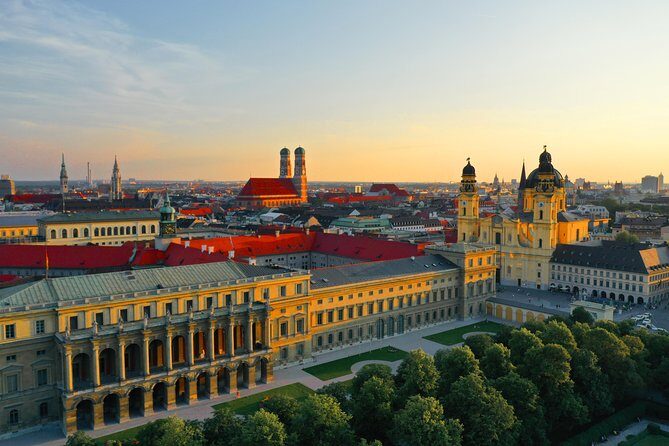
Finally, the walk reaches Marienplatz, Munich’s most central square, with about 20 minutes allotted. This is where you’ll see the new and old town hall and also the famous Glockenspiel.
Marienplatz is a strong ending point because it’s a true hub. After the tour, you can branch in any direction: museums, shopping streets, or a simple “go eat something” plan. Ending here also makes the whole route feel coherent. You start with religious identity, move through old power and culture, then land in the civic center of the city.
The only “watch your expectations” note: the Glockenspiel is part of the attraction, but the tour timing is fixed to the overall schedule. If you’re aiming for a specific show moment, you might want to plan your own timing after the tour so you’re not relying only on the tour’s end time.
What’s included (and what you bring): guide time is the product
Here’s the deal with what’s included: you get hotel pickup and drop-off, a private tour, and a professional guide. That’s the core value. You’re paying for their time and their ability to connect dots in a short window.
Food and drinks are not included, so plan on either exploring on your own after the tour or stopping at Viktualienmarkt/Hofbräuhaus for your own choices if you want to spend extra. That’s actually a good fit for many people. It keeps the tour from turning into a “forced meal schedule,” and it lets you choose what you want based on budget and appetite.
A good rule for this style of walking tour: eat before if you’re the kind of person who gets cranky when hungry, and bring a water bottle if you’re visiting in warmer months. Even when you don’t stop for long, you’ll be outside moving between sites.
Price and value: is $240.96 per person worth it?
At $240.96 per person, this isn’t a cheap add-on. The question isn’t whether it costs more than a bus tour. It’s whether you’re buying time and clarity.
You are getting:
- A private guide experience
- A route built around major anchors in Old Town
- Hotel pickup/drop-off included
- A small group cap (max 10) that supports an easier walk
- English language service
So where’s the value for you? If you want Munich explained in context—why the city looks the way it does, why these places matter, and what to do next—this format saves you the trial-and-error time. Two hours also means you can fit it between museum visits or dinner plans without blowing half a day.
If you’re traveling with a group of friends, the economics can feel more reasonable because the guide’s cost is shared across more people (assuming the booking works the way you intend). If you’re solo or a couple, it’s still often worth it when you care about getting the story right, not just seeing surfaces.
Day-of reality checks: dates, entrances, and the human factor
This is a good tour for many days, but there are a few realistic “things that can affect your experience” to plan around:
1) Religious festival days can restrict church access.
Your route includes churches, and when a big Catholic festival hits, access can be limited. Even if the exterior views are still there, the interior experience can change.
2) Meeting point details matter.
Most people will do fine, but one mismatch can cut into your short total time. If your voucher or confirmation gives you one place and your guide expects another, you could lose momentum. Double-check the meeting point you’ll use the day of the tour.
3) The tour is short by design.
Because it’s about two hours, the guide moves between highlights quickly. If you want deep, slow museum-style time, you’ll likely need separate visits after.
On the bright side, when the tour runs smoothly, the guide’s storytelling style seems to be a major reason people rate it highly. You’ll get that effect where alleyways feel less random and more meaningful.
Who this Old Town walk is best for
This tour fits you best if you want:
- A simple way to get oriented in Munich Old Town
- A guide who can tailor pace and focus to your interests
- A route that blends major landmarks with everyday culture like markets and beer hall tradition
- An efficient two-hour plan that doesn’t trap you in one long commitment
It’s also a solid choice when your schedule is tight. If you’re only spending a couple days in Munich and you want the “core hits” without spending hours researching, a guided walk is one of the fastest routes to feeling confident on your own later.
If you’re someone who hates crowds and wants control, a private format helps. Just remember that the stops themselves can still be busy since they’re top attractions.
Should you book this Munich Old Town private walking tour?
I’d book this tour if you want a structured route through Munich’s center with a guide who can make the places click—especially if it helps you go beyond seeing icons and actually understanding what they meant. The mix of Frauenkirche, St. Peter’s, Hofbräuhaus, Viktualienmarkt, Residenz München, and Marienplatz gives you a balanced snapshot of church life, royal power, and civic culture, all in one smooth walk.
Skip it or keep expectations flexible if your travel dates line up with a major religious festival. Church access can be restricted, and your stop experience may be more exterior-focused than you might hope. Also, if you’re the type who wants long, slow time in a single site, you’ll probably prefer adding museum time after the walk rather than expecting that depth inside two hours.
FAQ
How long is the Private Munich Old Town Walking Tour?
The tour runs for about 2 hours.
Where is the meeting point for the tour?
The start point is Dachauer Str. 4, 80335 München, Germany. The tour ends back at the meeting point.
Is the tour offered in English?
Yes, it is offered in English.
Does the price include food and drinks?
No. Food and drinks are not included.
Is hotel pickup and drop-off included?
Yes. Hotel pickup and drop-off are included.
How many people are in the group?
This activity has a maximum of 10 travelers.
Can I cancel for a full refund?
Yes. You can cancel up to 24 hours in advance for a full refund.