REVIEW · NUREMBERG
City tour of Nuremberg
Book on Viator →Operated by Stadtrundfahrt Nürnberg · Bookable on Viator
Nuremberg feels bigger from a bus window. I like how this tour gives you a six-stop route that links classic old-town sights with the city’s World War II sites, fast and without wasting half your day in transit. It’s built for a tight schedule, running about two hours so you can stack it with trains and meals.
I also love the audio guide style here. The pacing works for first-timers, and when the onboard delivery leans passionate (like one ride with Seba or the helpful picture context from Alexandria in another), the stops start to make sense instead of feeling random.
The trade-off is that you’ll be moving most of the time. If you’re hoping to linger at every viewpoint, bring your patience, because in winter and on busy days the timing can feel tighter, and headphones aren’t included.
In This Review
- Key things I’d watch for before you go
- Two hours to get your bearings: value, rhythm, and what you’re buying
- Route Breakdown: from Bahnhofstraße to the rally grounds
- Stop 1: Bahnhofstraße 5 (Central Station)
- Stop 2: Justizpalast Nürnberg (Palace of Justice / Memorium stop)
- Stop 3: Johannisstraße 48 (Johannisfriedhof stop)
- Stop 4: Vestnertorgraben 9 (Kaiserburg stop)
- Stop 5: Rathauspl. 10 (Main Market Square / Town Hall stop)
- Stop 6: Documentation Center Nazi Party Rally Grounds (Reichsparteitaggelände stop)
- Audio guide and headphones: small tech choice, big comfort difference
- Timing and bus frequency: how not to get stuck
- Who this Nuremberg tour is best for (and who may feel underwhelmed)
- Should you book this Nuremberg city tour?
- FAQ
- How long is the Nuremberg city tour?
- What does the tour cost?
- Is the tour offered in English?
- Is an audio guide included, and do I need headphones?
- Do I need a mobile ticket?
- Can I cancel for a refund?
Key things I’d watch for before you go
- Six stops across town: Central Station, Palace of Justice/Memorium area, Johannisfriedhof, Kaiserburg, Main Market Square, and the Documentation Center at the Rally Grounds.
- WWII context tied to what you see: Nuremberg Trials setting and the rally-ground story are part of the narration.
- Convenient stop-and-rejoin rhythm: You can get off at major points and continue later from the same area.
- Drivers matter more than you think: Several rides praised helpful, on-time driving through traffic and even narrow streets.
- Headphones can make or break the experience: English audio may be hard to hear if you’re relying on default volume.
- Seasonal timing changes happen: In colder months, some routes run fewer stops depending on the departure time.
Two hours to get your bearings: value, rhythm, and what you’re buying
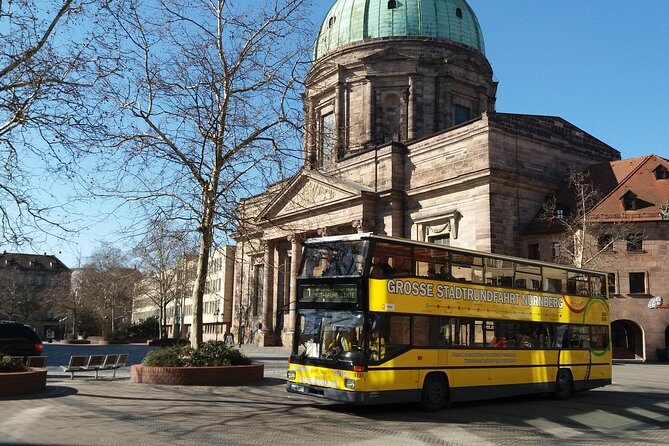
For about $27.03 per person, you’re paying for a compact format: city transport plus an English audio guide that guides you through both everyday Nuremberg landmarks and the heavier WWII sites. Two hours sounds short, but that’s the point. This is the kind of tour that helps you understand where things are, what belongs to the old city, and where history is physically located in town.
The best part is the value mix. A lot of visitors in Nuremberg want two things at once: an overview and context. This tour tries to deliver both without requiring you to stitch together separate tickets, long bus transfers, or a full-day museum plan.
Because it’s an audio-led experience, you also get a useful kind of flexibility. Even when the bus is the main vehicle, you can still choose when to hop off and how long to stay, especially at the bigger “you really should see this” stops like the Main Market Square and the documentation center.
One planning tip I’d keep close: if you book later than you think, don’t assume you’ll be able to “just show up.” The tour is often reserved ahead (about 24 days on average), so if you care about a specific time window, book with some cushion.
Other Nuremberg day trips we've reviewed in Nuremberg
Route Breakdown: from Bahnhofstraße to the rally grounds
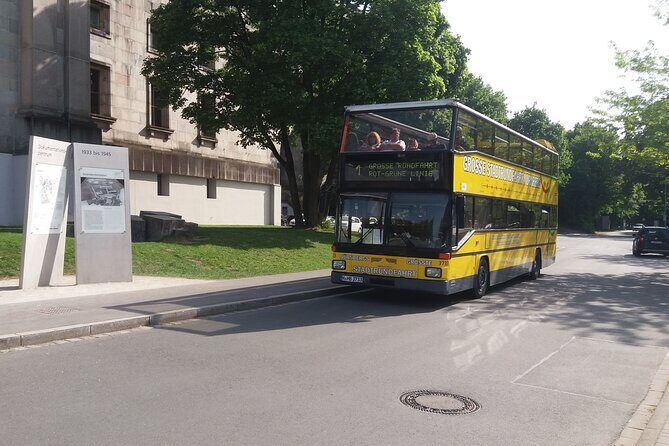
This tour moves through Nuremberg in a way that makes sense. Instead of forcing you to walk a huge loop, the bus connects stops that would otherwise eat your time. That matters because the sites span different parts of the city, including major landmarks and WWII-related locations.
Here’s what each stop tends to do for your understanding of Nuremberg, plus the practical “what could annoy me” part.
Stop 1: Bahnhofstraße 5 (Central Station)
Starting at the central station stop is smart. It’s the easiest place to locate quickly if you’re coming in by train, and it helps you orient yourself early. You’re not trying to figure out where the tour begins while your brain is still full of travel fatigue.
If you’re doing this as your first activity in town, this first segment is basically your on-ramp. Listen closely for the narration cues, because they’ll help you place later stops in your mental map.
Watch-out: the bus can get busy at the start time. If you’re sensitive to crowding, arrive a few minutes early so you’re not stuck searching for a seat while the doors close.
Stop 2: Justizpalast Nürnberg (Palace of Justice / Memorium stop)
This is one of the places where Nuremberg’s WWII story becomes physical. The narration here connects directly to the trials theme, including details people often describe with names like Courtroom 600. Even if you don’t spend hours reading every exhibit, this stop gives you the correct frame of reference for what you’ll see later.
I like this stop because it’s not just about the tragedy; it’s about process—what happened, where, and why Nuremberg became part of that global reckoning. The audio format helps, too, since you can follow along while you’re still on the move.
Consideration: some visitors prefer to do WWII-related sites with extra time on the ground. If you only give this area a quick glance, you may feel like you learned the outline but not the details.
Stop 3: Johannisstraße 48 (Johannisfriedhof stop)
This stop is quieter by nature. You’re headed to the Johannisfriedhof area, and it works well as a contrast point between history with a headline (trials) and history with a venue (rally grounds).
If you like your tours to include a breather—some old-city atmosphere between heavier stops—this is a helpful pause. Even a short look here can make the city feel more lived-in rather than like a museum campus on wheels.
Practical note: weather matters at this stage. If rain or wind shows up, dress for it, because a bus ride doesn’t magically stop the chill once you step out for photos.
Other city tours we've reviewed in Nuremberg
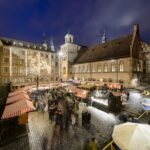
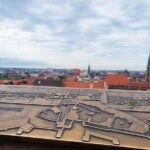
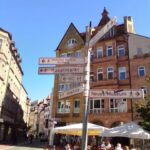
Stop 4: Vestnertorgraben 9 (Kaiserburg stop)
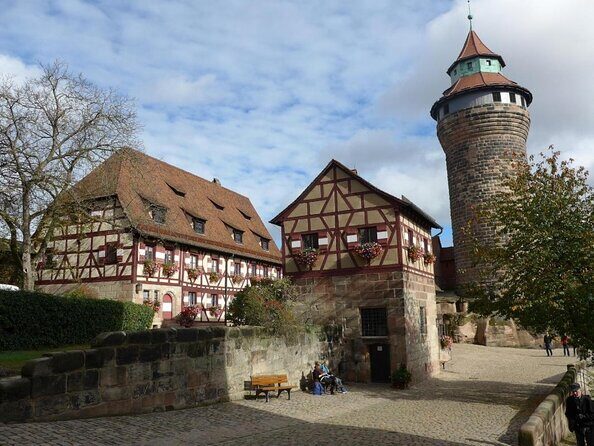
Next you’re in the Kaiserburg area, tied to the imperial castle zone. This is where Nuremberg starts to feel like a real medieval city again—architecture, old walls, and the kinds of views you remember even when you forget every single date.
I like the placement of this stop. After WWII-related narration, you get a reset that reminds you Nuremberg existed long before the 1940s and will still exist after you leave.
Watch-out: if traffic or construction is heavy, bus timing can tighten. That doesn’t ruin the stop, but it can shrink the time window for a quick walk-and-photos cycle.
Stop 5: Rathauspl. 10 (Main Market Square / Town Hall stop)
The Main Market Square is one of the “of course” stops. It’s central, easy to understand, and good for spotting the city’s signature mix of civic life and historic streets.
Several visitors highlight this stop as a smart move for their time, and I agree with the logic: you can get a real feel for everyday Nuremberg here. If you’re in town during market season, this area becomes even more relevant, and the tour narration often connects the dots for what you’re seeing around Rathauspl.
One drawback to keep in mind: if you spend too long at the halfway point earlier, you can end up rushing later stops. If WWII sites are your priority, plan how long you want at the square so you don’t feel like you’re sprinting.
Stop 6: Documentation Center Nazi Party Rally Grounds (Reichsparteitaggelände stop)
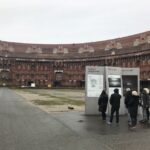
This is the weighty one. The Documentation Center stop is where the tour’s WWII story becomes detailed and site-based, including descriptions people connect to the trial setting and the rally-ground spaces—like the amphitheater where rallies happened.
If you only do one thing at a slow pace, make it this. One rider specifically recommended staying longer at Courtroom 600, and I’d back that advice. The audio can guide you through the overall story, but the site rewards time on the ground—reading, looking back, and letting the place do its work.
What you’ll likely enjoy most: the way the narration matches the immediate surroundings. People often feel engaged here because you’re not just being told what happened; you’re standing in the geography of it.
The main time challenge: if you treat this stop like a quick photo break, you may miss what makes it powerful. Try to leave yourself enough slack so you can follow what interests you, even if it takes longer than you expected.
Audio guide and headphones: small tech choice, big comfort difference
This tour includes an audio guide, delivered in English. It’s built for you to use onboard while you travel between stops, and it helps keep the tour from turning into a silent ride through Germany you’ve already seen in maps.
But headphones are not included. That’s a detail worth planning for.
Here’s what I’d do:
- Bring wired headphones if you want consistent volume and clear sound.
- If you’re using the bus’s headphone option, plan for the quality to vary.
- If the default sound mix feels too loud or you struggle to hear English clearly, look for ways to adjust volume through the device.
One review pointed out a common problem: the German audio can be loud enough that other languages are harder to catch. The good news is that riders also reported being able to adjust volume. Still, if you want zero hassle, your own headphones are the simplest fix.
Seating also affects comfort. On some rides, sitting upstairs can mean a chill—luckily, blankets are available. If you’re doing this in cold months, that little comfort note matters.
Finally, keep expectations realistic about audio matching. One negative experience mentioned that parts of the narration felt hard to connect to what they could see. My practical advice: when a stop looks important, get off briefly instead of assuming you’ll catch everything from the window.
Timing and bus frequency: how not to get stuck
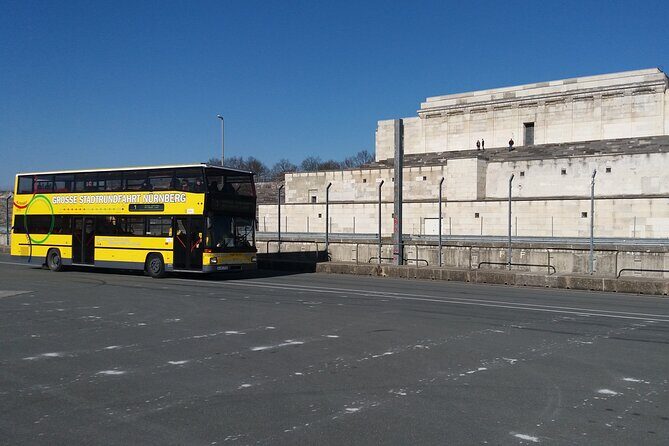
This tour runs around the two-hour mark, but your real experience depends on how long you choose at each stop and how frequent your bus returns. In busy seasons, it feels smooth. In quieter months, the spacing can change.
A few key patterns show up in the feedback:
- Some departures only stop at a reduced number of locations (especially on winter schedules or certain days).
- One rider mentioned missing a bus because they weren’t sure where to catch it, then waiting around two hours for the next one in November.
- Road construction and traffic can affect timing, which can make the “how long do I want here?” decision feel more urgent.
So here’s the strategy I’d use:
- Start early enough that waiting isn’t a problem.
- When you’re ready to move on, don’t wait until the last second to re-board. The bus schedule is your boss on this one.
- At the heavier WWII stop, plan extra time so you’re not trying to cram it into the last minutes of the tour.
Also, make sure you’re at the right meeting point for the departure you booked. One story described confusion with the wrong bus at the start. That’s not something you want to deal with mid-trip, so double-check stop names and pick the correct bus when it arrives.
Who this Nuremberg tour is best for (and who may feel underwhelmed)
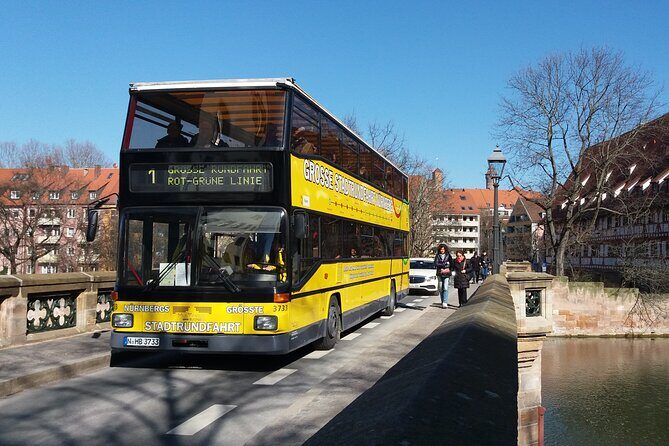
This tour fits best when you want:
- An overview of Nuremberg in a short time
- A mix of old-town sights and WWII-related locations
- A way to cover ground without walking long distances between far-apart stops
- A low-stress format that works even if your schedule is tight
It may feel less ideal if:
- You want a deep museum experience with long stays at every exhibit
- You’re the type who hates being on a bus most of the time
- You’re visiting in a season where fewer departures run and you can’t tolerate waiting
If you’re a history-focused traveler, the Documentation Center stop is the reason to choose this tour. If you’re more of a “show me the city” traveler, the Main Market Square and Kaiserburg stops can do a lot of work for you too.
Should you book this Nuremberg city tour?
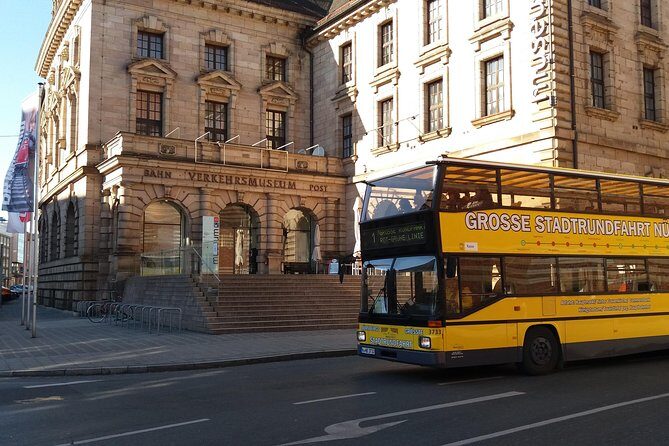
Yes—if you want an efficient Nuremberg city overview plus WWII context in about two hours, this is a solid choice. For the price, you’re getting transport plus an English audio guide, and the stop lineup is arranged so you can make sense of the city without turning it into a marathon.
I’d especially book it if:
- You’re short on time and need a route that covers major sights
- You want to choose your own pace at key stops
- You value clear narration that links what you see to the historical storyline
I’d think twice if:
- You need unlimited time at each WWII site
- You plan to rely on the default headphone setup and hate audio issues
- You can’t handle schedule reductions in winter
If you do book, pack your own wired headphones, dress for cold if you’re sitting upstairs, and give yourself extra time at the Documentation Center so the narration doesn’t become a rushed checklist.
FAQ
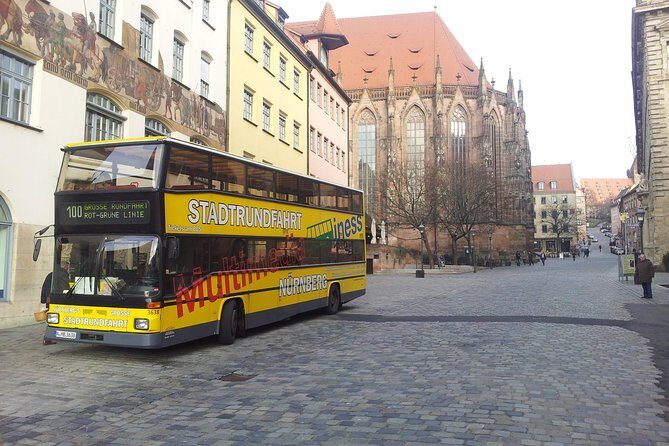
How long is the Nuremberg city tour?
The tour runs for about 2 hours.
What does the tour cost?
The price is $27.03 per person.
Is the tour offered in English?
Yes, the tour is offered in English.
Is an audio guide included, and do I need headphones?
An audio guide is included. Headphones are not included, so you may want to bring your own.
Do I need a mobile ticket?
Yes. The experience uses a mobile ticket.
Can I cancel for a refund?
You can cancel up to 24 hours in advance for a full refund. If you cancel less than 24 hours before the start time, the amount paid is not refunded.