Winter in Munich has a secret. This 2-hour tour turns the season into a guided walk through Giesing and Munich architecture, with Christmas energy plus real city storytelling. I love how the route pairs everyday streets with design and art details you’d miss on your own, and I love the Isar-side moments—especially the boat-on-the-bridge highlight connected to Alte Utting.
One thing to consider: it’s a mostly on-foot winter experience, so comfortable shoes matter, and it’s not suitable for wheelchair users or people with mobility impairments. Also, food and drinks aren’t included, so you’ll want to plan a little spending time if you want to snack at the markets.
In This Review
- Quick hits you should know
- Munich’s south in winter: why this route feels different
- Finding the group fast at Piazza Zenetti
- Münchner Volkstheater: architecture you can hear
- Bahnwärter Thiel: turning a landmark into a story
- MS Utting and the Alte Utting: the boat-on-the-bridge moment
- Dreimühlenstraße to Wittelsbacherbrücke: street scale and river rhythm
- Claude-Lorrain-Straße: where alternative culture meets old streets
- Little Venice and the Isar by night: willows, nature, and atmosphere
- Three Christmas markets on one winter route
- Gans Woanders and ending back near Piazza Zenetti
- Price and value: what $36 buys you in 2 hours
- Who should book this hidden architecture walking tour
- Should you book this hidden architecture tour?
- FAQ
- How long is Munich’s Hidden Architecture Guided Tour?
- How much does the tour cost?
- What languages are offered?
- Where do we meet the guide?
- What public transport stop should I use?
- What sights are included on the route?
- Are there Christmas markets included?
- Is food and drinks included?
- Is the tour wheelchair-friendly?
- What should I wear or bring in winter?
Quick hits you should know
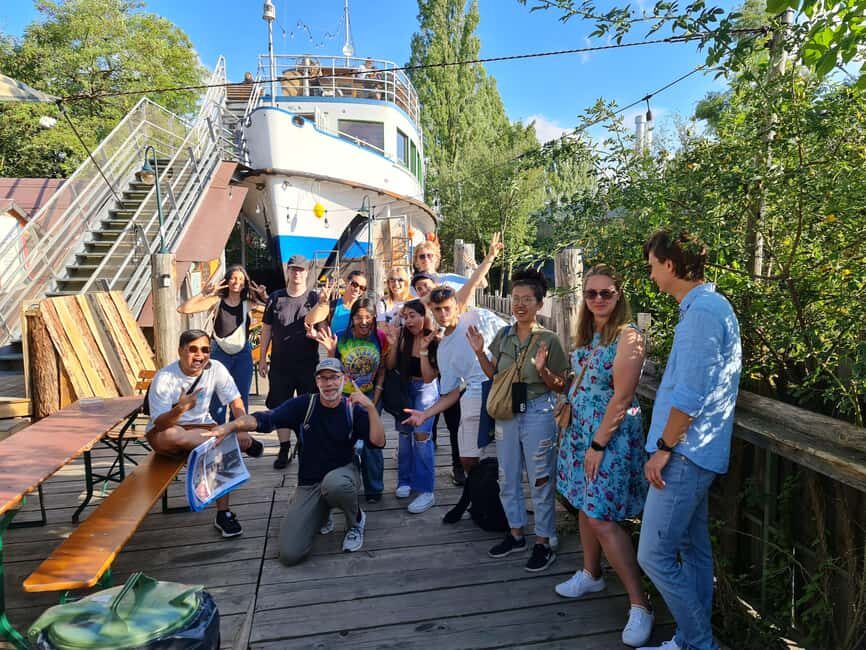
- Philipp’s architect eye: the tour leans into how buildings, public spaces, and art fit together.
- Three alternative Christmas markets: you get seasonal variety without staying stuck in one main square.
- Alte Utting moment: the MS Utting boat on the bridge is a real conversation-starter, even for people who think they know Munich.
- Isar River views by night: winter light changes the mood of the river and walkways.
- Street art meets older neighborhoods: shipping-container and wood cultural spaces show up alongside 700+ years of history.
Munich’s south in winter: why this route feels different
Munich can be very easy to do in a straight line: old center, big sights, then a quick exit. This tour takes you the other way—toward the south districts—where the city feels more lived-in and less like a museum. Winter helps, too. The cold makes the Christmas markets feel purposeful, and night light makes the river stretch feel extra cinematic.
The biggest appeal for me is the mix: street art and cultural hubs plus actual architectural context. Instead of treating the city like a set of photo stops, you learn how these places grew, changed, and ended up where they are now. And since the day’s route includes the Isar River, you’re not just walking between buildings—you’re walking through the city’s natural backbone.
Other Munich city tours we've reviewed in Munich

Finding the group fast at Piazza Zenetti
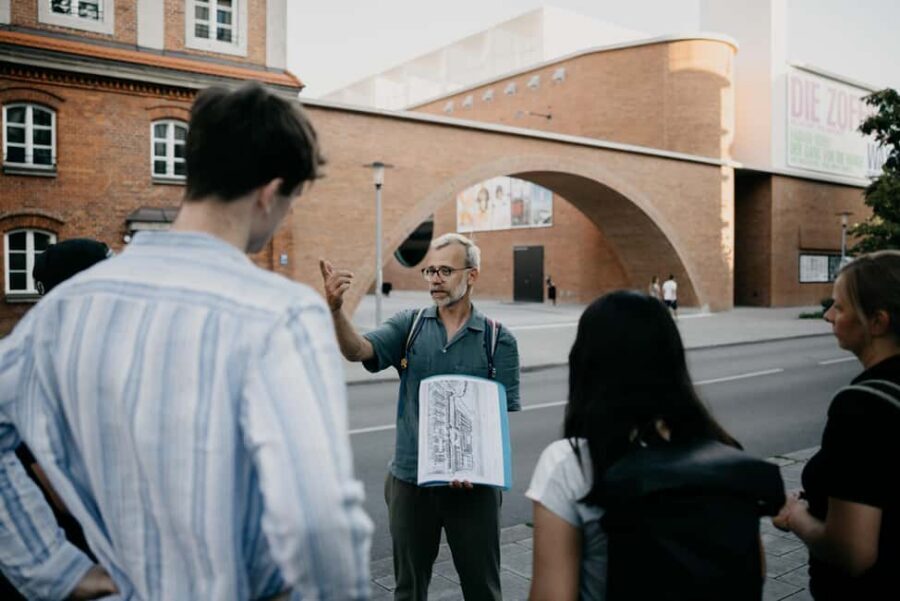
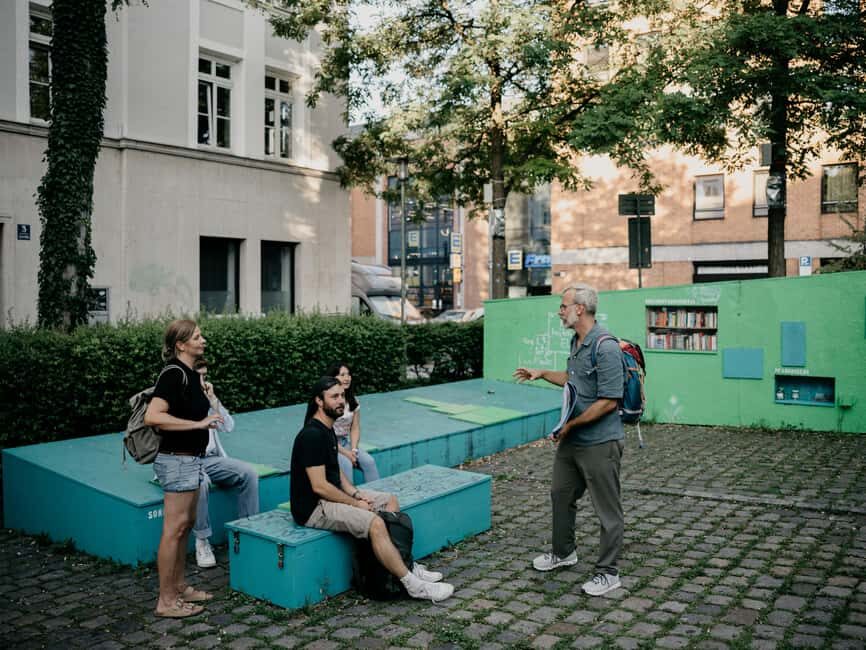
Logistics are simple, and knowing them ahead of time will save you stress. You’ll meet at Piazza Zenetti, at the intersection of Tumblingerstrasse and Zenettistrasse. Look for the turquoise and green outdoor furniture and the small trees in boxes; it’s a quick visual cue.
For public transport, the easiest approach is to get off at subway U3/U6: Goetheplatz, then walk about 10 minutes to Zenettiplatz. If you’re early, that walk is part of the warm-up: streets, winter shop windows, and a better sense of where the tour is going.
Philipp will be easy to spot once you’re there: a colorful backpack holding a blue folder. If you don’t see him right away, don’t overthink it—check the plaza area first, especially around the furniture and boxed trees.
Münchner Volkstheater: architecture you can hear
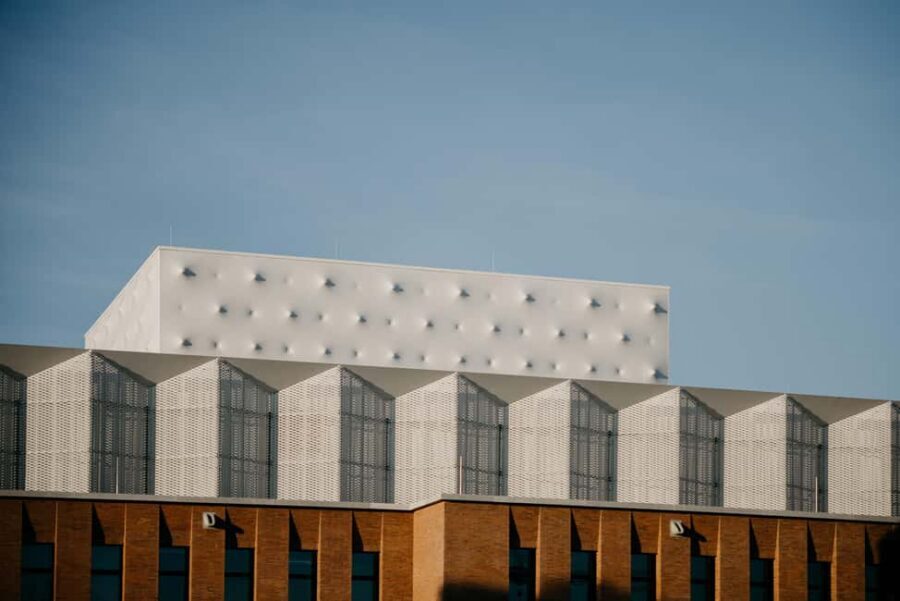
One of the first stops is Münchner Volkstheater, where you’ll get a guided explanation before you move on. This is a good way to start because it sets the tone: you’re not just looking at a façade and moving along. You’re being guided to notice what a theater building communicates—scale, materials, and how a public venue shapes a neighborhood.
The practical payoff is that it trains your eyes early. Once you’ve learned what to look for at Volkstheater, you start seeing patterns in the next streets: what gets emphasized, what gets reused, and how public spaces evolve over time.
If you’re someone who likes art and design but also enjoys asking questions, this opening leg tends to work well. You’ll have enough time at the start to get comfortable with the pace of the tour.
Bahnwärter Thiel: turning a landmark into a story
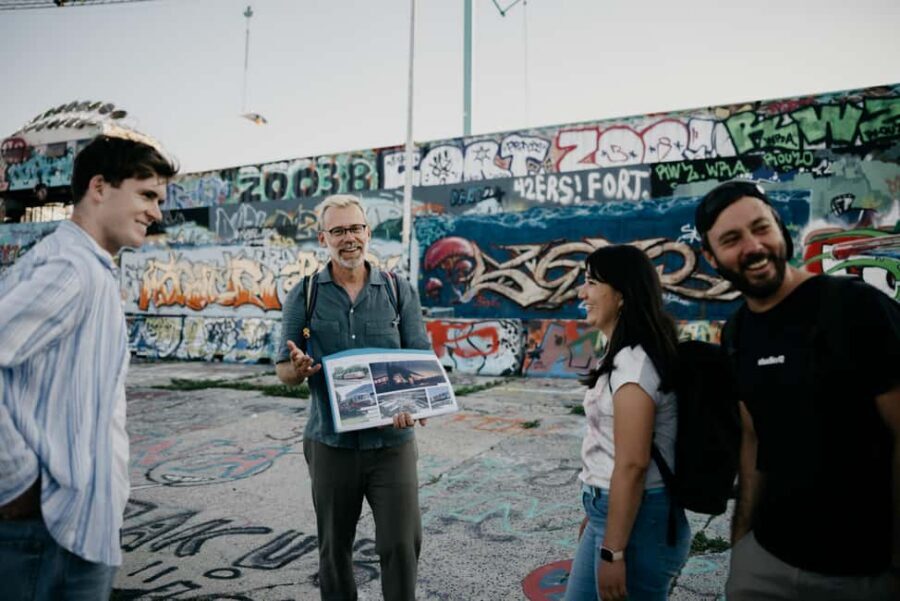
Next up is Bahnwärter Thiel, another stop handled as a guided segment. This is where the tour’s “alternative south” feel starts to take shape. You’re moving beyond the big postcard view and into a Munich layer where culture and design are woven into daily life.
A useful way to think about this stop: it’s a reminder that Munich isn’t only about grand historic centers. The city’s identity also lives in specific local landmarks—places where people gather, where creative ideas leave their mark, and where the meaning is best understood through context.
If you’re traveling with someone who cares less about architecture, this still helps. The guide’s approach keeps it human—how the area works and why certain features matter. That makes the time feel less like homework and more like learning a new neighborhood language.
MS Utting and the Alte Utting: the boat-on-the-bridge moment
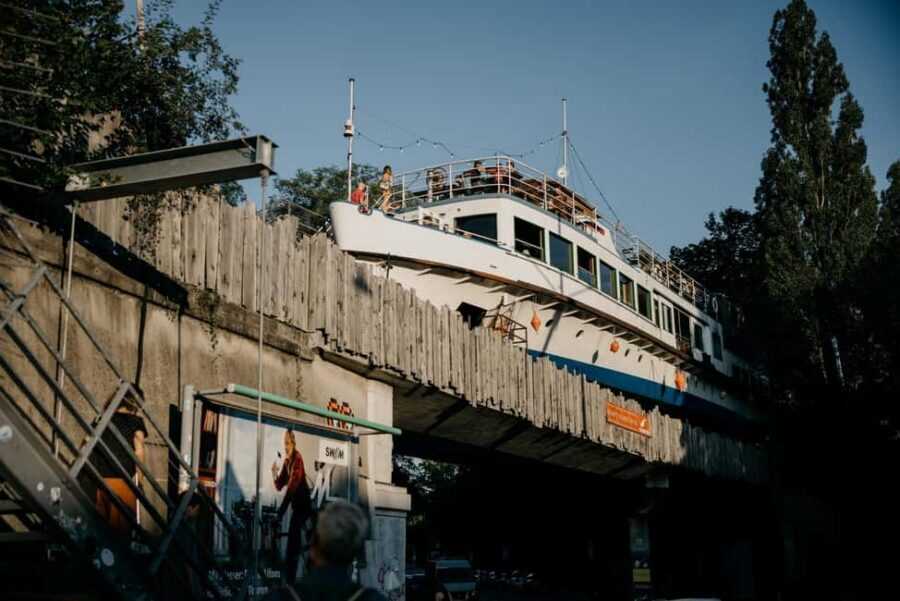
The headline photo opportunity is MS Utting on the bridge at Lagerhausstrasse. This is connected to the iconic Alte Utting, and yes, it has outside attention: The New York Times wrote IS MUNICH GETTING COOL? LOOK FOR THE BOAT ON THE BRIDGE.
What makes this stop worth your time isn’t just the novelty of spotting a boat where you expect a bridge. It’s the idea behind it. Here, a fixed structure becomes a living symbol—part of the skyline, part of local culture, part of the river’s personality. In winter, it’s even more striking because the scene has less visual noise and the shapes feel sharper.
And because the tour includes additional bridge viewpoints later, this is more like the first act of a river narrative than a one-off photo stop. You’ll start to understand the route’s logic: you’re walking to places that let you see Munich from angles you don’t usually get.
Other guided tours in Munich

Dreimühlenstraße to Wittelsbacherbrücke: street scale and river rhythm
From MS Utting, the itinerary moves through Dreimühlenstraße and then heads toward Wittelsbacherbrücke. These segments are where you begin to feel the city’s “south energy.” You’re not stuck in one corridor—you’re shifting perspectives, and each street section gives you a new frame for the same river story.
At Wittelsbacherbrücke, your focus turns to the view and the relationship between buildings, the crossing, and the river. This is also where the evening timing starts to matter. Winter light changes how metal railings, water surface reflections, and bridge silhouettes read through the air. If you want photos, bring your camera and be ready to pause without feeling rushed.
One practical note: bridges can be windy in winter. Dress for that. Warm layers make the “just a minute” photo moments actually comfortable.
Claude-Lorrain-Straße: where alternative culture meets old streets
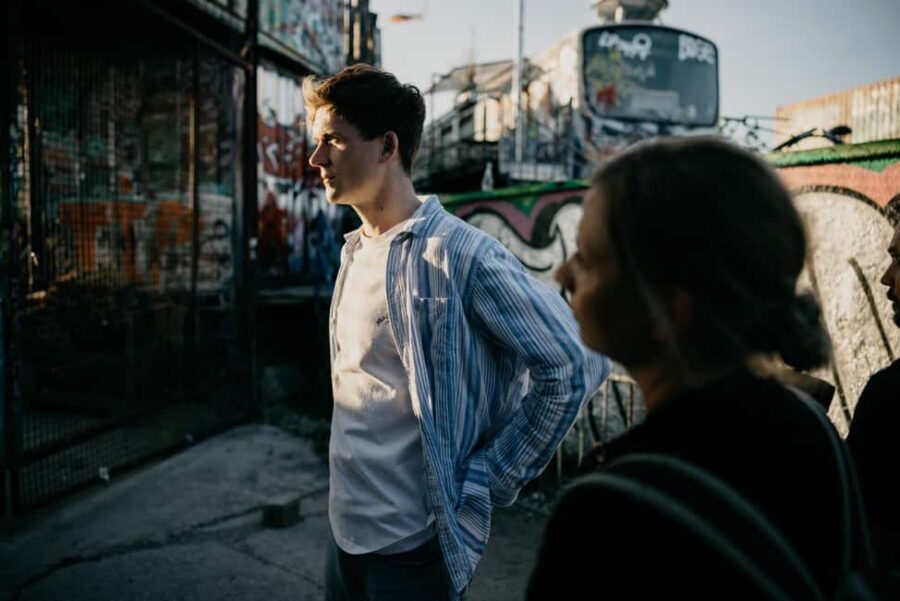
Next is Claude-Lorrain-Straße, part of the tour’s “hidden south” philosophy. This is where you get more than a pretty walk—you get examples of cultural spaces that aren’t the usual major-street stops. The tour’s description points to cultural hubs made of shipping containers and wood, and streets like Claude-Lorrain-Straße are the kind of places where that mix feels practical, not performative.
This stop matters if you care about modern Munich too. A lot of visitors only focus on what’s old. Here, you see how the city makes room for newer creative activity while still holding onto deep local identity. It’s a useful counterbalance to the historic center.
Also, this is a good segment for questions. The strongest moments on this tour tend to be when you ask about what you’re seeing and why it ended up there. The tour’s overall tone makes it easy to keep curiosity going.
Little Venice and the Isar by night: willows, nature, and atmosphere
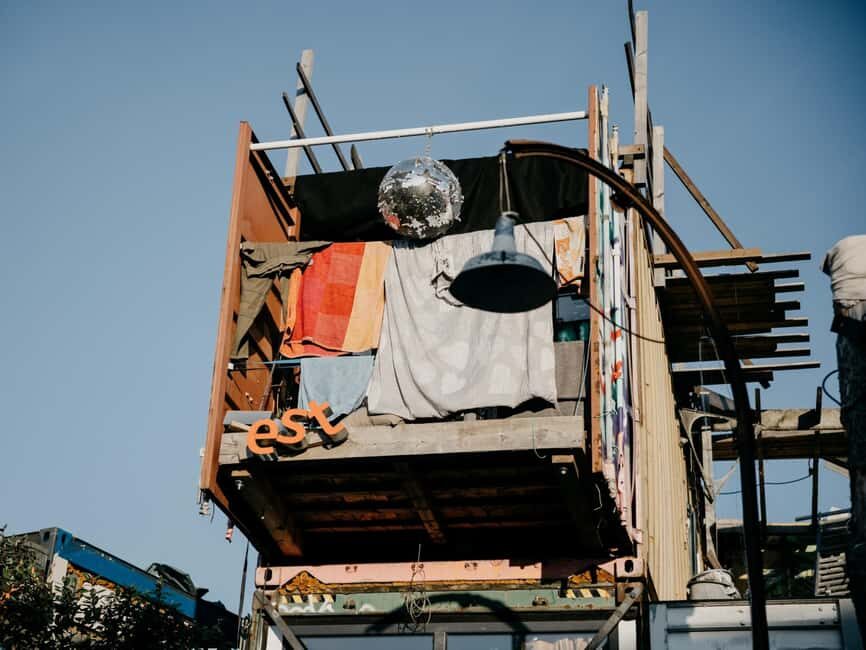
The tour finishes with more river-focused scenery at Little Venice. The highlights mention the Isar River, nature, and a willow island—and this is exactly the kind of area where those details become more than a label. Winter makes the river feel sharper and the vegetation more noticeable, so you’ll likely spot the willowy greenery that gives this stretch its character.
Little Venice is also where the tour’s pace feels most rewarding because you get breathing room to take in the night views. The tour description specifically calls out the chance to see the city and Isar river by night, and this is the segment where that promise becomes real.
If you’re the type who enjoys a calm moment during a walking tour, this part delivers. It’s also a good location to regroup your brain after a string of architecture stops. Even if you’re not a “nature person,” you’ll probably appreciate how the river breaks up the urban feel.
Three Christmas markets on one winter route
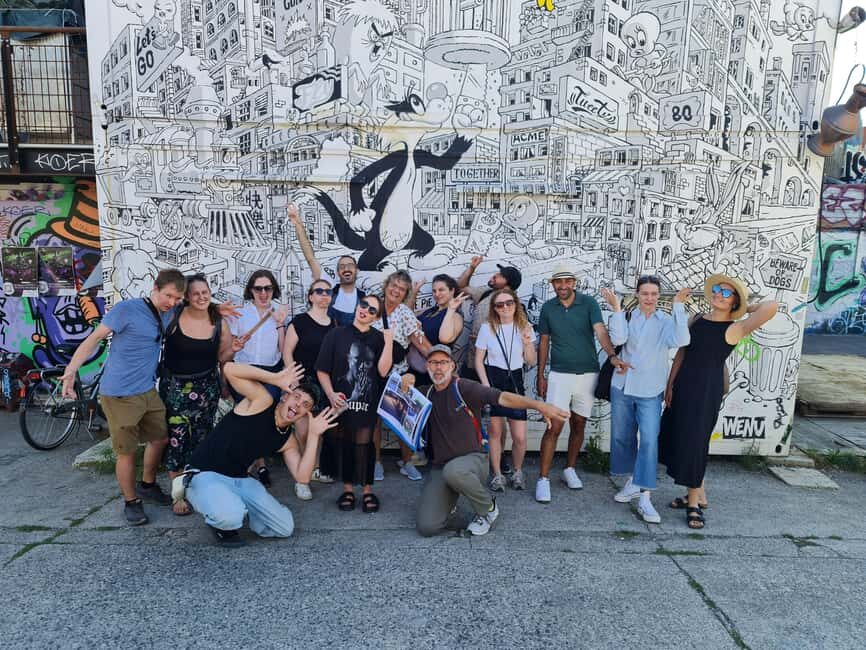
One of the included perks is visiting three alternative Christmas markets. The itinerary doesn’t list market names in the provided details, but the structure of the tour is clear: you’ll have market time built into a walking route, not a single long stop that you have to rush through.
What I like about this setup is decision control. With three different market stops, you can choose what fits your mood:
- If you want snacks, you can focus on the food and skip long browsing.
- If you prefer atmosphere, you can spend less time at each and keep moving.
- If you care about design, you can use the market context as a way to notice how local culture shows up in small crafts and seasonal decorations.
Food and drinks are not included, so budget for what you actually want. Markets in Munich can be easy to overdo, and it’s better to treat them like part of the experience rather than feeling like you must eat every time you pass a stall.
Gans Woanders and ending back near Piazza Zenetti
The route’s stated finish is at Gans Woanders. After the Isar-side walking and the market stops, this ending point keeps you in the same south-district mood rather than snapping you back immediately toward the very center.
The tour also notes that the activity ends back at the meeting point, so the practical expectation is that you won’t be left stranded across town. In real life, this kind of design matters: after two hours in winter, you want an exit that feels simple.
If you’re planning dinner afterward, you’ll likely be in a better mood than if you’d been stuck in one crowded market area. You’ve seen different sides of Munich—and now you can pick where to eat based on what you feel like, not just on proximity.
Price and value: what $36 buys you in 2 hours
At $36 per person for a 2-hour guided tour, the value depends on what you want most from Munich in winter. If your top goal is a quick look at the Christmas season, this might feel like you’re paying for walking time. If your goal is understanding how a city layer works—architecture, culture, and the river—then the price starts to make sense quickly.
Here’s what you’re actually getting for the money:
- A guided walk focused on Munich’s south district and its lesser-known areas
- Guided stops at named sights along the route
- Three alternative Christmas markets included
- Time to see the Isar River and the city by night
In other words, you’re paying for interpretation, not just movement. And that’s exactly what makes a tour like this worth it. You can always walk around on your own, but this route is built to help you see why the places matter.
Who should book this hidden architecture walking tour
This is a strong fit for you if:
- You like architecture and public spaces and want the stories behind them
- You want Christmas markets, but not only the most obvious ones
- You enjoy street art culture and want it placed in context with older history
- You like small, named stops along a route, rather than a long bus ride
This is not the right fit if:
- You need wheelchair-friendly access or have limited mobility
- You hate winter walking and don’t plan warm layers
- You expect the tour to include food and drinks (it doesn’t)
One more subtle point: the tour runs in English and German. If you speak German, you may enjoy picking up extra detail, but English is available so you won’t feel shut out.
Should you book this hidden architecture tour?
Book it if you want Munich in a winter mood that feels local: Giesing, street art culture, bridges and river views, and Christmas markets on the route. The named architecture stops and the Alte Utting moment make it more memorable than a generic stroll.
Skip it if you’re looking for a fully seated experience, need accessibility support, or want a food-focused evening with everything included. This tour is about walking, noticing, and learning your way through the south side.
If your kind of travel is: see less, understand more, and come home with fresh angles on a familiar city—this one is an easy yes.
FAQ
How long is Munich’s Hidden Architecture Guided Tour?
The tour runs for 2 hours.
How much does the tour cost?
The price is $36 per person.
What languages are offered?
The live guide speaks English and German.
Where do we meet the guide?
You meet at Piazza Zenetti, at the intersection of Tumblingerstrasse and Zenettistrasse. The meeting area has turquoise and green outdoor furniture and small trees in boxes. The guide wears a colorful backpack holding a blue folder.
What public transport stop should I use?
It’s best to get off at subway U3/U6: Goetheplatz, then walk about 10 minutes to Zenettiplatz.
What sights are included on the route?
The tour includes guided stops at Münchner Volkstheater, Bahnwärter Thiel, MS Utting on bridge Lagerhausstrasse, Dreimühlenstraße, Wittelsbacherbrücke, Claude-Lorrain-Straße, and Little Venice, and it finishes at Gans Woanders.
Are there Christmas markets included?
Yes. The tour includes a visit to three alternative Christmas markets.
Is food and drinks included?
No. Food and drinks are not included.
Is the tour wheelchair-friendly?
No. It’s listed as not suitable for people with mobility impairments and not suitable for wheelchair users.
What should I wear or bring in winter?
Bring comfortable walking shoes and warm clothing, and consider bringing a camera. Smoking is not allowed.