REVIEW · MUNICH
Munich: Must-See Attractions Walking Tour
Book on GetYourGuide →Operated by Guydeez Tours · Bookable on GetYourGuide
Marienplatz keeps your eyes up. This short tour works because it strings together Munich’s biggest sights in a tight loop, from Marienplatz to the Rathaus-Glockenspiel, plus stops that help you understand how the city grew and why its buildings look the way they do. I also like that the guide can bring the story into sharper focus, including WWII context shared by Roberto, not just postcard facts. One drawback to consider: if you’re the kind of person who needs last-minute confirmation, do it early—one past guest had trouble getting a response close to departure.
If you have limited time, this is a very efficient way to get your bearings on foot. You meet in front of The Charles Hotel (a Rocco Forte Hotel) on Sophienstraße 28, then walk through the Old Town highlights and end up near the center again after a 2-hour circuit. Expect mostly standing and short walks, so comfy shoes matter, and the pace will feel brisk if you stop often for photos.
In This Review
- Key things to know before you go
- Meeting at The Charles Hotel on Sophienstraße 28
- Marienplatz and the New Town Hall clock: Munich’s showpiece moment
- Frauenkirche: the big church you can’t miss
- St. Peter’s Church: the oldest Catholic church stop
- Rathaus-Glockenspiel viewing: making the details make sense
- Staatliches Hofbräuhaus: why Munich beer halls are more than beer
- Two hours in real life: how much you’ll actually cover
- Price and value: is $44 worth it?
- The guide quality is the real difference
- Who this tour fits best
- Practical tips so your day runs smoothly
- Should you book this Munich walking tour?
- FAQ
- Where does the tour start?
- How long is the tour?
- What does the tour cost?
- What are the main stops on the walk?
- Is this a private tour or a group tour?
- What languages are the tours offered in?
- Are food or drinks included?
- What should I bring?
- Where do you end the tour?
- Can I get a refund if plans change?
Key things to know before you go
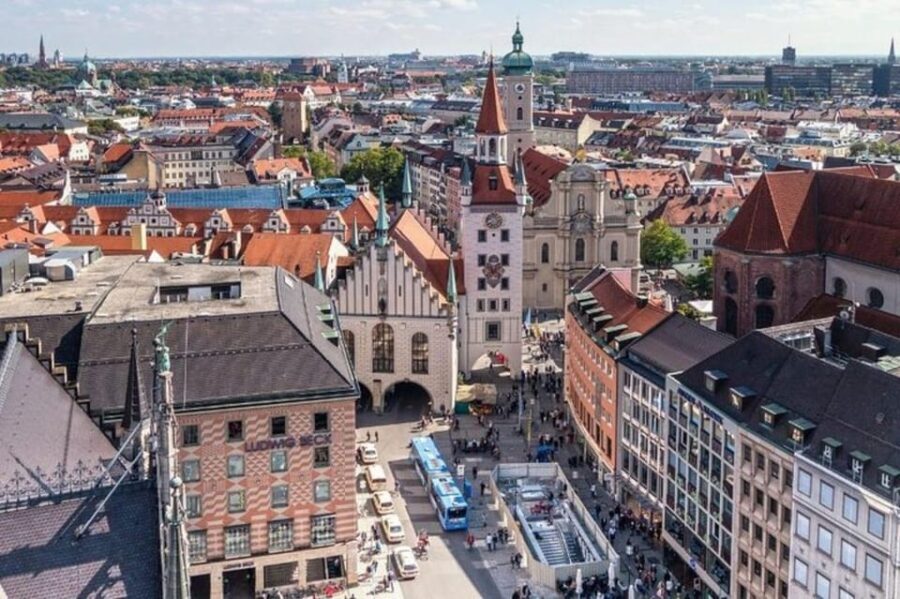
- A 2-hour “greatest hits” loop that keeps you moving between Marienplatz, major churches, and Hofbräuhaus
- Rathaus-Glockenspiel in Marienplatz Square, with a focus on the clock and the New Town Hall it lives on
- Frauenkirche and St. Peter’s Church explained as two key points in Munich’s religious story
- Hofbräuhaus Brewery visit, with context on why this beer hall is such a big deal in Munich
- Roberto is worth hoping for if you can request the guide, based on strong feedback for his storytelling
- Small-group or private options depending on what you choose, which can make questions easier
Meeting at The Charles Hotel on Sophienstraße 28
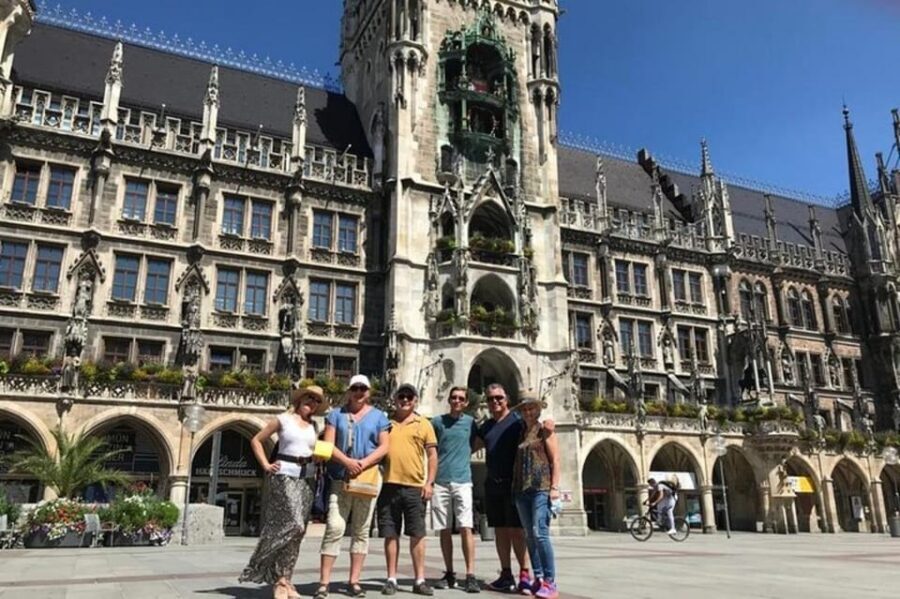
This tour starts right where you want to be: in the center. You meet your guide in front of The Charles Hotel (a Rocco Forte Hotel) on Sophienstraße 28. From there, you’ll walk into Munich’s Old Town core with a clear plan, instead of wandering and hoping you guessed the right streets.
I like that the meeting point is easy to find once you’re there, and the walk itself keeps you close to the landmarks you came for. Still, here’s the practical note: if you’re trying to message for confirmation, send it well ahead of the start time. A late scramble can go wrong, and it can ruin a day you planned carefully.
Other Munich city tours we've reviewed in Munich


Marienplatz and the New Town Hall clock: Munich’s showpiece moment
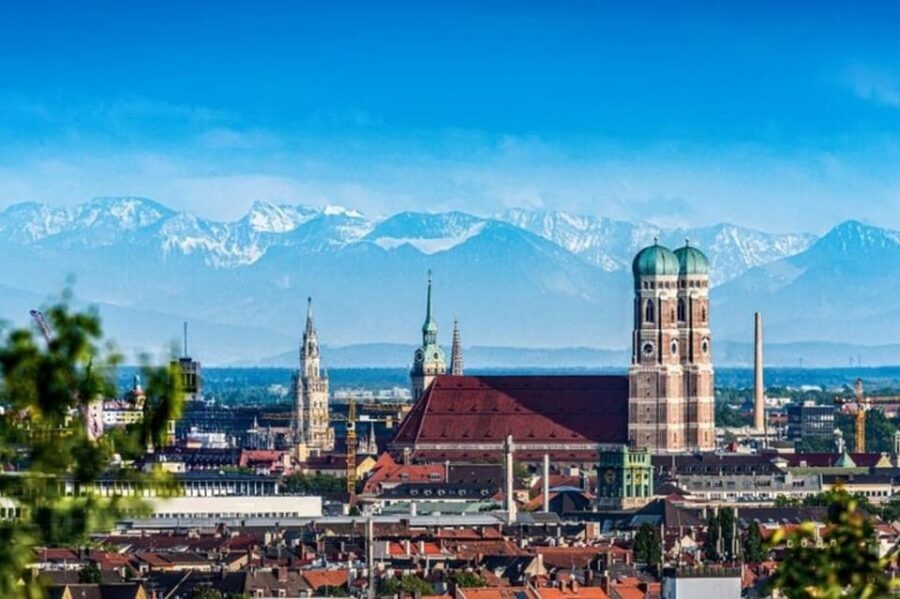
Marienplatz is the heart of Munich for a reason. This square is where the city’s public life has always clustered, and the tour uses it as the anchor point for everything that follows.
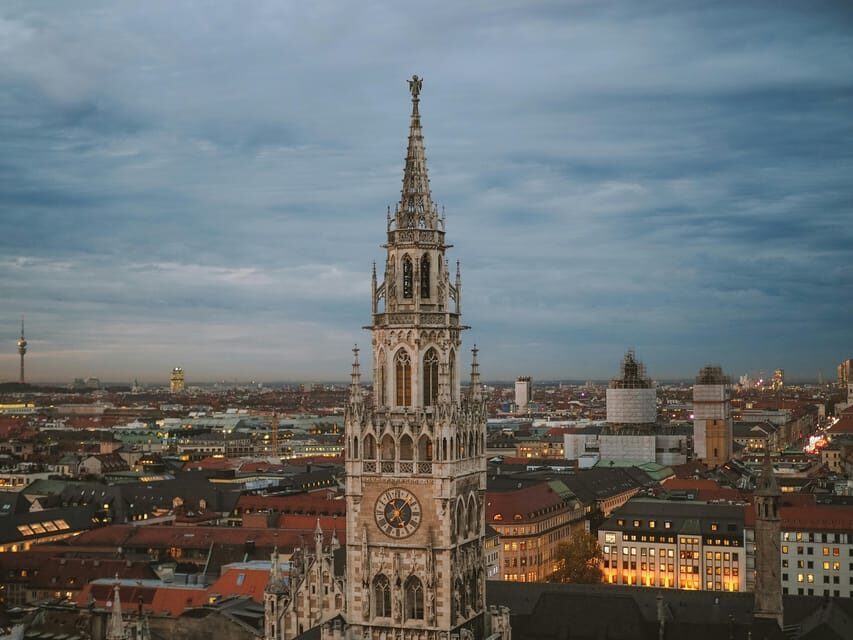
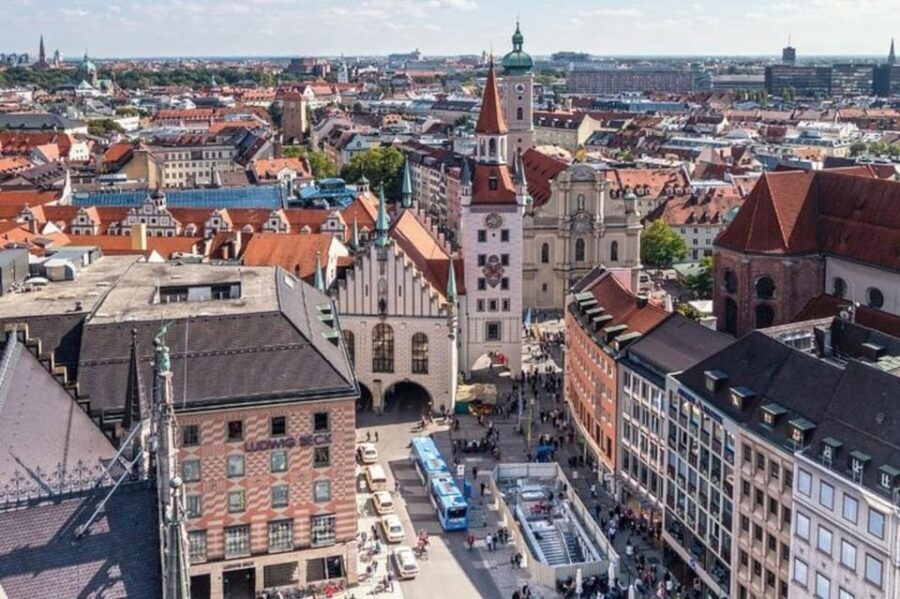
You’ll spend time in Marienplatz and get the background on why it’s so important, then look up at the tower for the Rathaus-Glockenspiel. This mechanical clock is about 250 years old, and it’s famous enough that it draws you in from street level. The guide’s job here is not just to point at the building, but to help you understand what you’re seeing: the New Town Hall, the clock’s place on the façade, and how these civic landmarks became part of daily life.
What you’ll enjoy most is the shift from “I’ve seen this in photos” to “I get why it’s here.” Even if you’re not a clock person, the explanation gives the details a job.
Practical consideration: you’ll be looking up at a tower and clock area, which means you might be standing in a crowd. If you don’t like tight photo spots, arrive ready to be patient.
Frauenkirche: the big church you can’t miss
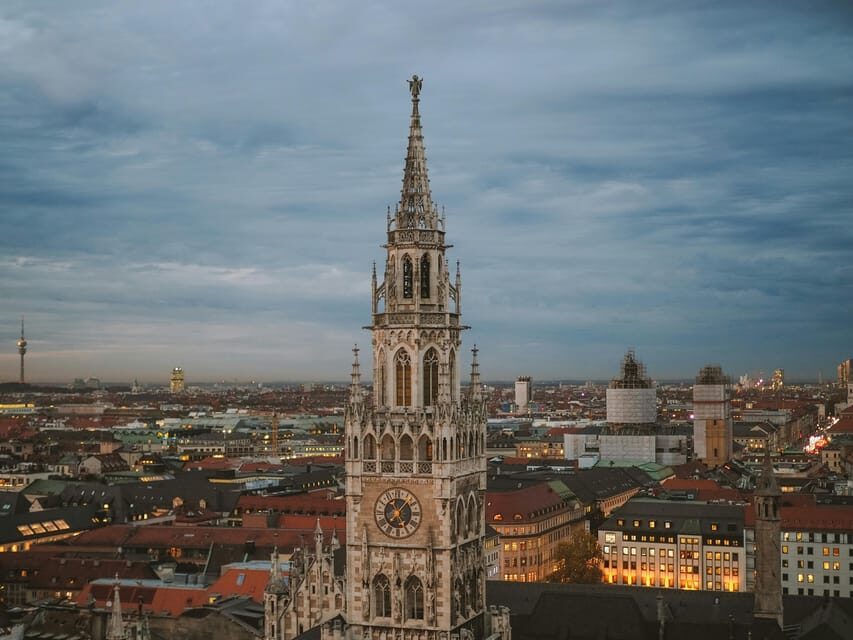
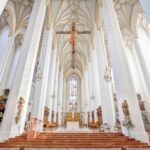
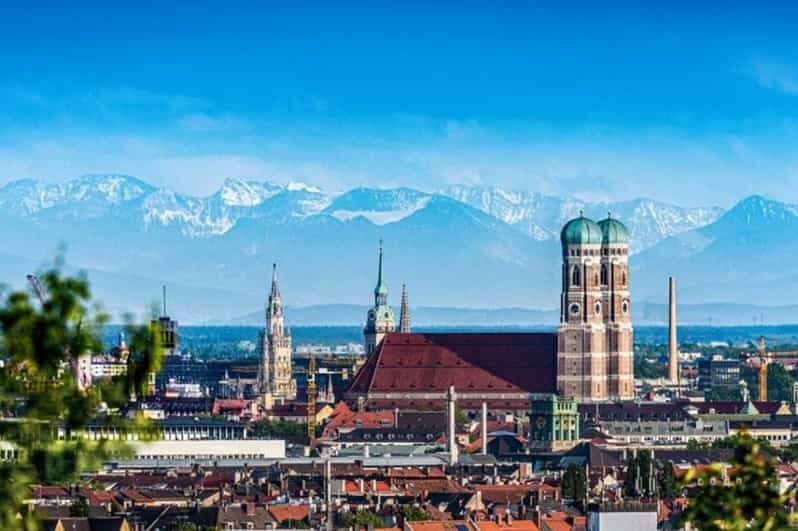
Next up is Frauenkirche, described as the biggest church in Munich. This stop matters because it’s the kind of landmark that tells you what the city values—how power, faith, and civic pride show up in architecture.
The guide will explain its significance in the city’s religious story, not just name the building and move on. That’s what makes the time worth it: you start recognizing patterns—how domes, towers, and church placements shape the skyline and the way locals navigate the city.
Drawback to keep in mind: since this is a walking tour, you may not get long inside every structure. The value here is the guided context while you’re in the right place at the right time outside and nearby.
If you want deeper time inside a church later, you’ll have a head start. You’ll know what to look for when you return on your own.
St. Peter’s Church: the oldest Catholic church stop
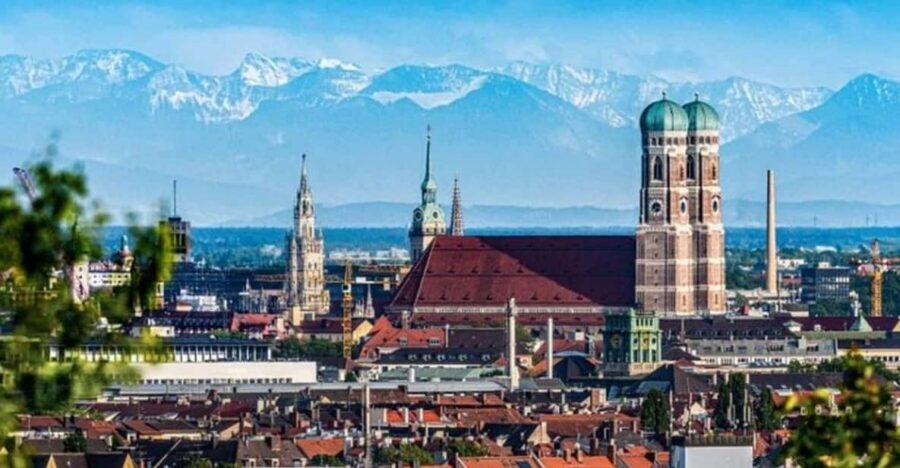
St. Peter’s Church is the other key religious anchor on the route, presented as the oldest Catholic church in Munich. This is a great pairing with Frauenkirche because you get an easy “then and now” contrast without having to travel far across the city.
With a guide, you don’t just learn dates—you learn why these churches stayed central to life in Munich. The city’s Catholic landmarks aren’t random sightseeing stops. They connect to how people gathered, how traditions stuck, and how religious identity shaped urban growth.
If you care about walking tours that connect buildings to the lived story of the city, this church stop will feel more meaningful than the typical photo stop-and-go.
Rathaus-Glockenspiel viewing: making the details make sense
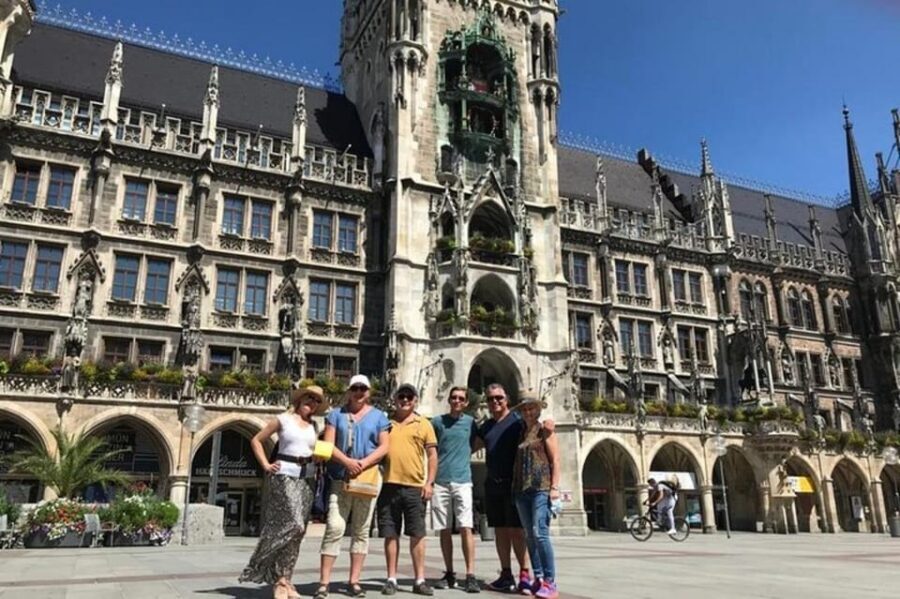
After you’ve got the church background, the tour circles back to the Rathaus-Glockenspiel moment. That order helps. By the time you’re looking at the New Town Hall clock area again, you’re more likely to notice how the civic buildings and church landmarks create a “whole picture” of Munich.
The guide also talks about the Neues Rathaus (New Town Hall) itself—its role as the seat of the Munich Town Council and the architecture around it. That turns the clock from a stand-alone attraction into part of a bigger civic statement.
If you’re the type who likes to understand what you’re looking at (instead of only capturing it), this stop is one of the best uses of your two hours.
Other walking tours we've reviewed in Munich
Staatliches Hofbräuhaus: why Munich beer halls are more than beer
Now for the fun part: Staatliches Hofbräuhaus. This is one of Munich’s best-known beer halls and breweries, and the tour focuses on why it matters in the city’s culture and royal history.
This stop is also a reminder that Munich’s identity isn’t only religious architecture. Food-and-drink institutions are civic institutions too. Hofbräuhaus has long been part of how people celebrate, socialize, and feel like they belong to the city. Even without a long sit-down, you’ll get enough context to understand why it’s still talked about today.
Important practical point: food and drinks are not included. So treat this stop as a cultural visit. If you want an actual beer or a meal, you’ll need to budget extra and decide what you want on the spot.
Two hours in real life: how much you’ll actually cover
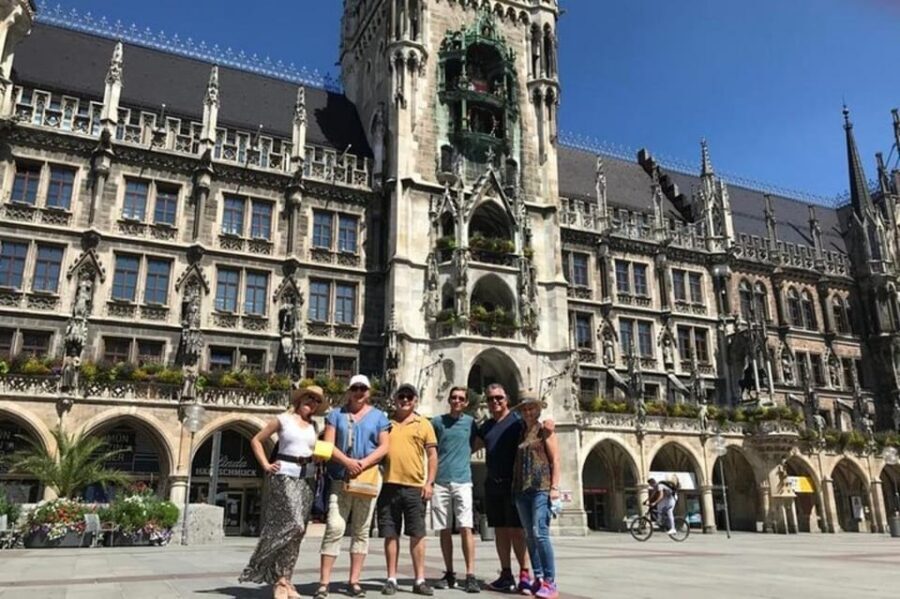
This tour lasts 2 hours, and it packs in five major landmark stops plus the civic square moments in between. That can sound like a lot, but it’s a classic city-center walking format: short segments, guided talking points, then quick photo time before moving again.
What you should plan for:
- More time looking at façades and squares than going deep inside buildings
- A steady walking pace with brief pauses
- Standing for the Glockenspiel area viewing
If you’re used to long museum hours, you might wish there were more time. But if you’re trying to get oriented quickly, this duration is exactly the point. You leave with a mental map, not just a list of stops.
Price and value: is $44 worth it?
At $44 per person for a 2-hour guided walking tour, the value depends on what you want most: independent sightseeing or guided sense-making.
You’re paying for:
- An on-foot route that keeps key landmarks within easy reach
- A guide who connects the stops, including historical context like WWII discussion shared by Roberto
- Options for private or small-group formats (when available)
If you’re visiting during a busy time, having a guide can also reduce the mental load. You spend less time checking routes and more time understanding what you’re seeing.
If you prefer to wander slowly with no structure, you might find it easier to spend those dollars on a self-guided day and spend money on a meal instead. But for most people, especially those who want the highlights with context in a short window, $44 feels like a fair trade.
The guide quality is the real difference
This is one of those tours where the guide can make or break the experience. The standout positive feedback centers on Roberto’s storytelling—especially his ability to connect Munich landmarks with larger events like WWII—and his personable, informative style.
Roberto isn’t guaranteed for your day, but if the booking flow gives you a chance to request a specific guide, it’s worth doing. When the guide is strong, you’ll feel like you gained more than photos. You’ll leave with a clearer picture of why the city looks the way it does.
One caution from experience by others: communication near the start time can be an issue. If anything feels off, act early—verify the exact meeting point before you’re standing around wondering.
Who this tour fits best
This walk is especially good for:
- First-time visitors who want a fast, structured introduction to central Munich
- People who like major landmarks but also want the story behind them
- Couples and friends who want a guided route without committing to a whole day
- Anyone choosing private group who wants a quieter pace and more chances to ask questions
It may not be ideal if:
- You want lots of time inside churches or museums
- You dislike standing in squares for tower views
- You need full flexibility to skip stops without any group timing
Practical tips so your day runs smoothly
Bring comfortable shoes. That’s not a polite suggestion; it’s the difference between enjoying the tour and feeling annoyed halfway through.
A few more practical moves:
- Charge your phone, but plan to look up too. The Glockenspiel viewing is the kind of moment that feels better with your eyes than through a screen.
- If you’re traveling with limited time, protect this slot. Once you’ve visited Marienplatz and the nearby landmarks, you’ll understand where to go next without second-guessing.
- If you have questions, ask at the stops, not while you’re walking. It’s easier to get a clear answer when you’re in the exact place being discussed.
Should you book this Munich walking tour?
If your goal is to see Munich’s top Old Town highlights in 2 hours and understand what they mean, this tour is an excellent fit. The route hits the key squares and landmarks—Marienplatz, Frauenkirche, St. Peter’s, the Rathaus-Glockenspiel, and Hofbräuhaus—and the best feedback points to guides like Roberto who connect the buildings to bigger historical stories, including WWII.
I’d book it if you want value, direction, and a guide who can make the sights feel connected. I’d think twice if you need very deep time inside attractions or you rely on last-minute message confirmations right before departure.
FAQ
Where does the tour start?
You meet your guide in front of The Charles Hotel (a Rocco Forte Hotel), at Sophienstraße 28.
How long is the tour?
The tour lasts 2 hours.
What does the tour cost?
It costs $44 per person.
What are the main stops on the walk?
You’ll visit Marienplatz, Frauenkirche, St. Peter’s Church, the Rathaus-Glockenspiel at Marienplatz Square, the New Town Hall area, and Staatliches Hofbräuhaus.
Is this a private tour or a group tour?
A private group is available, and there is also a private or small-group option depending on the option you choose.
What languages are the tours offered in?
The guide offers live tours in English, French, and Spanish.
Are food or drinks included?
No. Food or drinks are not included.
What should I bring?
Wear comfortable shoes.
Where do you end the tour?
You return to the activity provider’s office or you can continue exploring the city center on your own.
Can I get a refund if plans change?
Yes, you can cancel up to 24 hours in advance for a full refund.