REVIEW · MUNICH
Munich: Old Town Culinary Tour
Book on GetYourGuide →Operated by Adventure World Tours · Bookable on GetYourGuide
Food in Munich comes with stories.
This 3-hour walking tour through Munich’s Old Town turns the usual sightseeing loop into a bite-by-bite tour of Bavarian food culture, from pretzels and Weisswurst-style ideas to sweet classics like striezel and knieküchle. You’ll learn how these foods show up in everyday life, where the traditions come from, and why certain myths keep hanging around Marienplatz and beyond. Two things I like most are the guide’s humor and the way the tastings are spread out so you’re not just eating in one place.
I also love the personal touch you get when the group is small, including the relaxed pace and the fact that you’re guided to sights most people casually walk past. One drawback to consider: the tour is German-language, and drinks aren’t included, so you may want to plan around hydration and any non-alcoholic bev you like.
In This Review
- Key points to know before you go
- Munich Old Town tastes better when a guide connects the dots
- Starting at Marienplatz and the Rathaus-Glockenspiel entrance
- Rosenstraße 7: your first Bavarian bite and the “why” behind it
- Mariensäule Munich and St. Peter’s Church: photo stops that explain the myth-making
- Prälat-Zistl-Straße 10: the sweet side shows up for a reason
- Jüdisches Zentrum München: a story stop, not a photo-and-go
- Gewürze der Welt: spice tasting that trains your palate
- Behindertenparkplatz: the odd stop that makes the route feel human
- Viktualienmarkt: where Munich food culture feels closest to street life
- Dreifaltigkeitspl. 1A to the finish near Dreifaltigkeitspl. 1
- Price and value at about $51 for 3 hours
- Who this Munich Old Town culinary tour is best for
- Should you book this Munich Old Town Culinary Tour?
- FAQ
- How long is the Munich Old Town Culinary Tour?
- What is the price per person?
- Where do I meet the tour?
- What language is the guide?
- What food is included?
- Are drinks included?
- Can I cancel and get a full refund?
Key points to know before you go
- Five tasting moments across the Old Town at selected stops, not just one long sit-down
- A guide-led mix of food + landmarks, covering Marienplatz, the Frauenkirche area, and more
- Bavarian origin stories and legends, including persistent myths tied to local places
- Spice-focused stop at Gewürze der Welt, built for flavor-spotting
- A relaxed, cozy rhythm that works well when you want to walk, taste, and ask questions
Munich Old Town tastes better when a guide connects the dots
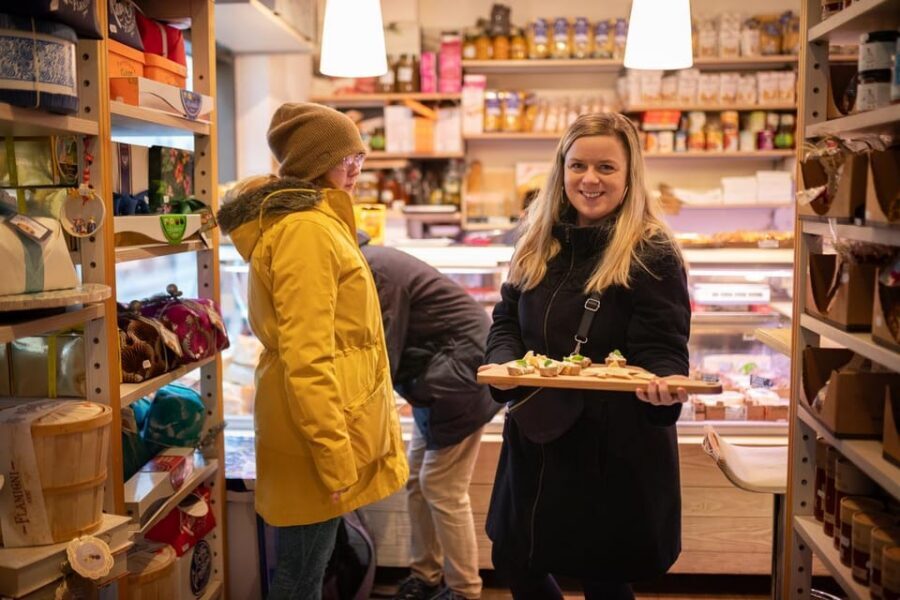
Munich can feel very “look at the building, take the photo, move on.” This tour is designed to do the opposite. You start with sights, then the guide threads the food in the middle—so the city’s landmarks start to make sense through what people actually ate and sold around them.
The payoff is practical. You’re not just tasting things you might order later. You’re learning why they’re Bavarian, how they show up in old-school restaurants and family cafés, and what to look for when you’re back on your own.
And the guide matter a lot here. In the group I based my expectations on, Eddi stood out for being competent and friendly, telling stories in a way that kept the pace calm instead of lecture-mode.
Other Munich city tours we've reviewed in Munich


Starting at Marienplatz and the Rathaus-Glockenspiel entrance
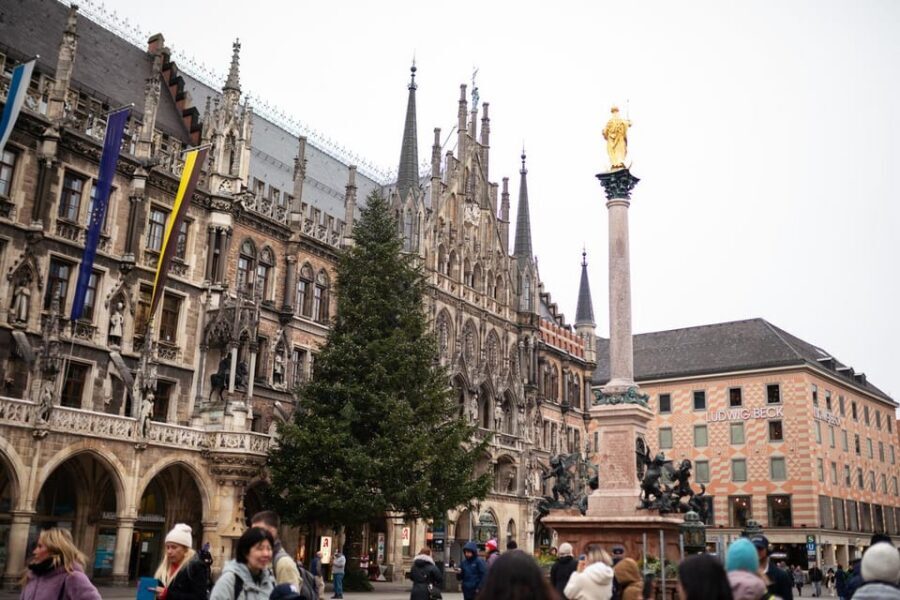
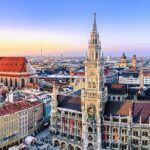
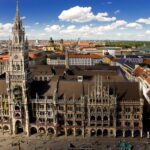
Your meeting point is at Marienplatz 8, down at the entrance to the Glockenspielturm. It’s a smart place to start because it forces you to get oriented immediately. Even if you’ve seen Marienplatz before, this area is where Munich’s “center of gravity” feels real.
You’ll begin with a focus on the Rathaus-Glockenspiel area, then the tour quickly shifts into walking routes that connect the big icons. That matters because Munich’s center is compact, but it’s also full of tiny turns. A guide helps you walk like a local: not shortest-distance walking, but best-sequence walking.
Timing-wise, this is the kind of start that works whether you’re fresh in town or already did a self-guided loop. You’ll get your bearings fast and you won’t feel rushed into tasting before you understand what you’re tasting.
Rosenstraße 7: your first Bavarian bite and the “why” behind it
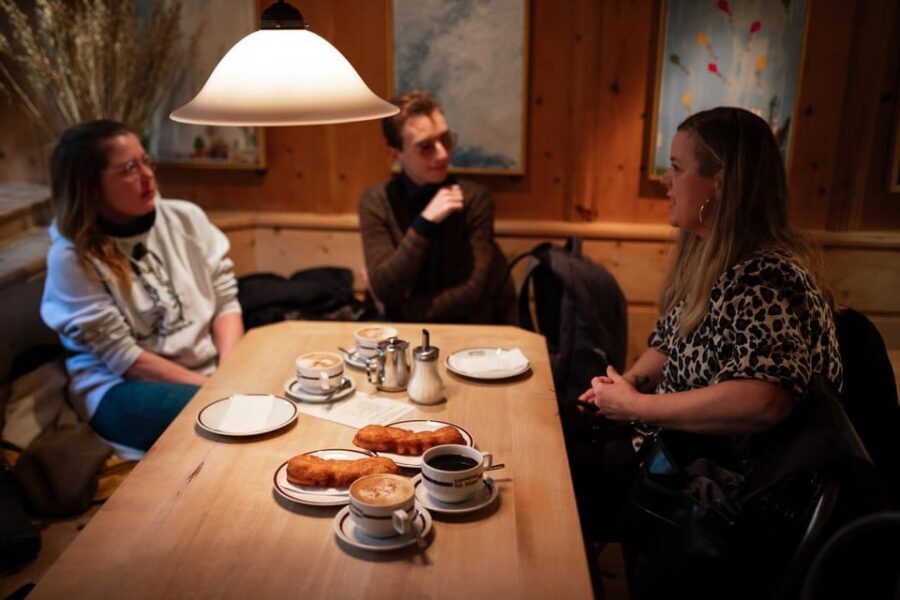
Rosenstraße 7 is one of the first food stops (about 15 minutes). This early timing is good. It gets you eating while the group energy is still high, and it also sets a theme: Bavarian food culture isn’t random snacking. It has patterns.
From what the tour describes, the guide ties classic items like pretzels, Weisswurst, and Leberkäs to how Munich people built routines around food. You’ll hear about origins and the social logic of these foods—things like what gets eaten when, why certain ingredients became “typical,” and how tradition survives even as Munich modernizes.
Practical tip for you: keep your first tasting bite in mind when you walk past bakeries later. The tour helps you learn what names look like on menus and counters.
Mariensäule Munich and St. Peter’s Church: photo stops that explain the myth-making
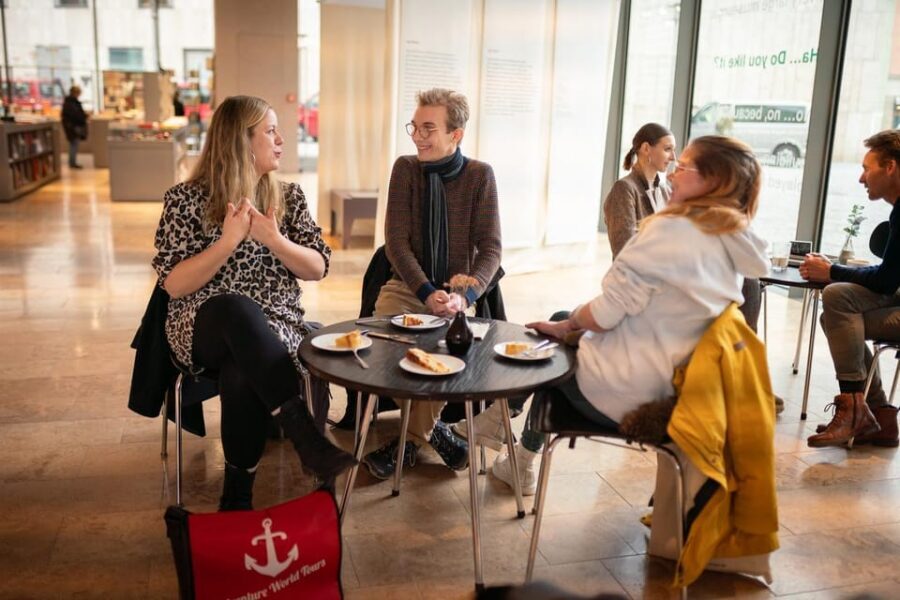
Next up are photo and sightseeing stops: Mariensäule Munich (about 25 minutes) and then St. Peter’s Church (around 20 minutes). These breaks sound simple on paper, but they’re there for a reason. The guide uses the landmarks to talk about legends, local quirks, and persistent myths—so you don’t just “see” Munich. You understand why people keep telling the same stories.
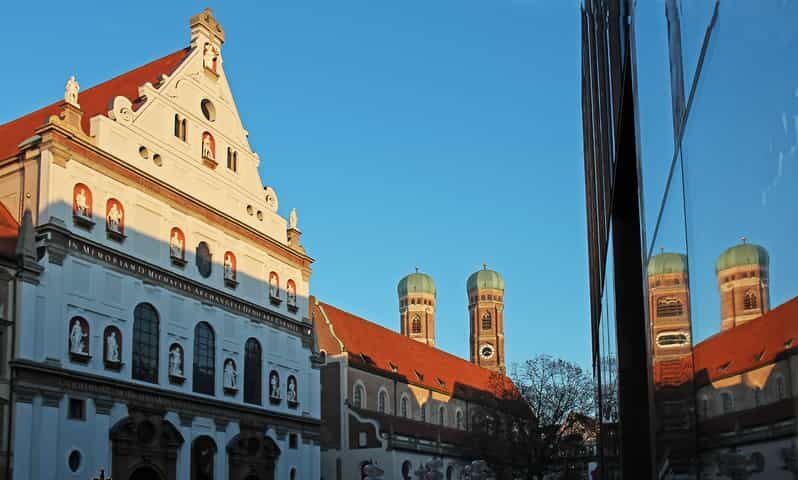
You’ll also be led along sight-lines tied to the bigger icons of the Old Town. The tour description specifically flags Marienplatz, the Frauenkirche, and the old Peter (St. Peter/Peterskirche area). That kind of combination is useful. It’s one thing to read about these places; it’s another to hear how locals connect them to everyday culture and food life.
If you’re the type who likes learning while walking, these stops are where the tour feels most like a local conversation. If you hate standing for photos, just keep an eye on the pace and use the guide’s rhythm—these are framed to be quick and purposeful.
Prälat-Zistl-Straße 10: the sweet side shows up for a reason
Prälat-Zistl-Straße 10 is another guided stop with tasting (about 20 minutes). This is where the tour’s “Bavaria isn’t only savory” message comes in.
The experience is built around Bavarian sweet traditions too—things like striezel and knieküchle are mentioned as part of the stories. That matters because many people think of Munich food as just beer-hall classics. Here, you get the idea that pastries and sweet bakes have their own regional identity and seasonal logic.
One thing I appreciate: the guide connects the sweets to culture, not just sugar. You’re learning the role food plays in celebrations and in everyday comfort meals. That turns a tasting into something memorable—because it gives you a reason to remember the name.
Other Old Town walking tours we've reviewed in Munich
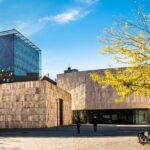
Jüdisches Zentrum München: a story stop, not a photo-and-go
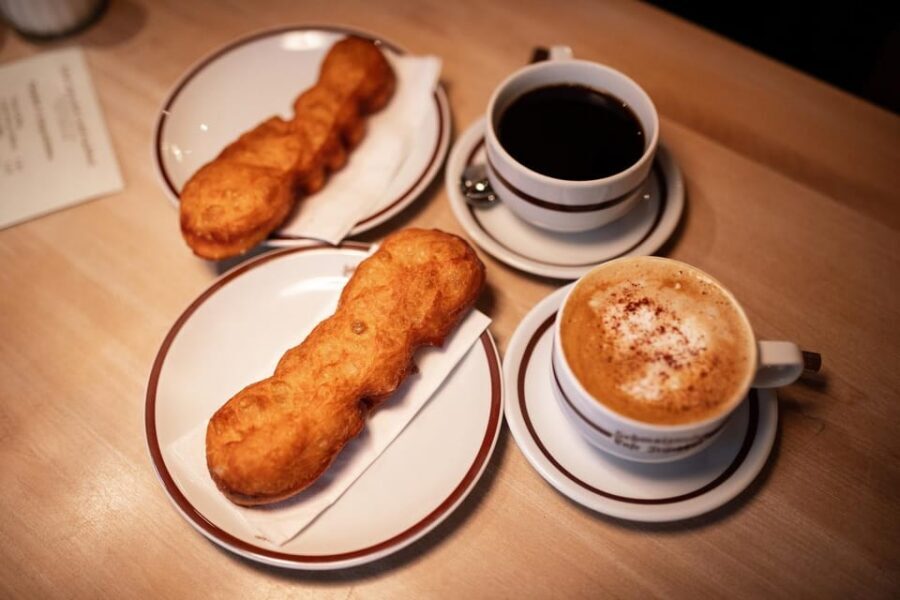
At the Jüdisches Zentrum München you get another photo stop with guided context and a walking segment (about 20 minutes). This is one of those moments where a guide can shape your understanding of a city’s complexity.
The tour description frames the walk with legends and myths, and this stop is part of that larger way of seeing Munich: not just monuments, but community history and how cultural layers overlap in the Old Town.
Practical note for you: treat this part as a listening stop. If you’re hunting for quick photos only, you might miss the point. If you want context, this is where the tour gives you something more than food names.
Gewürze der Welt: spice tasting that trains your palate

Gewürze der Welt is a highlight for food people. You’ll spend about 20 minutes here with guided tasting.
A spice-focused stop is a smart move in any culinary tour because it changes how you experience everything else. After you taste and smell spices in a guided way, Munich’s savory flavors become easier to identify on your own later—especially when you’re trying to decode menus.
This is also one of the most “instructional without being boring” parts of the route. The guide’s humor and anecdotes keep it light, but the tasting is still real. You’re not just collecting bites. You’re learning flavor mechanics.
Behindertenparkplatz: the odd stop that makes the route feel human
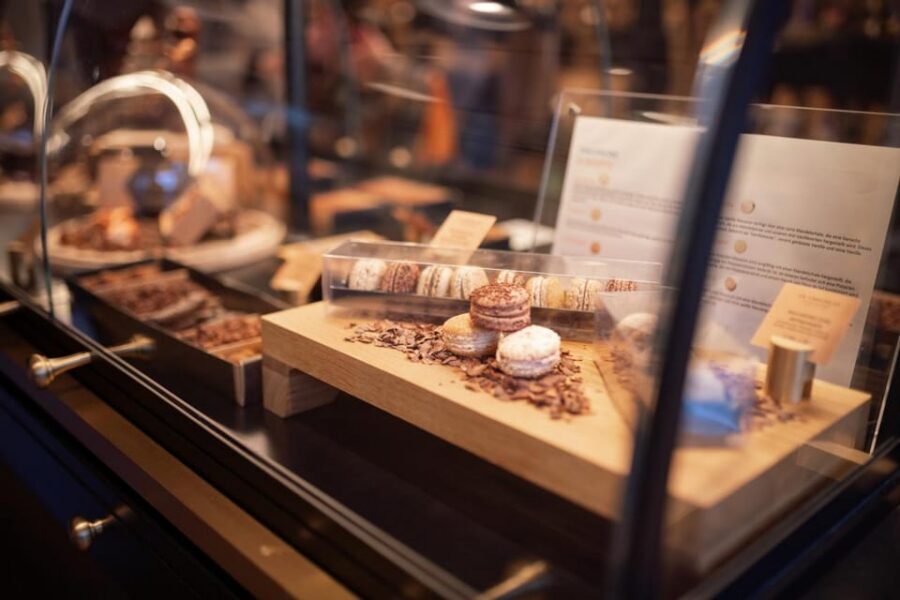
Then comes a quirky named stop area: Behindertenparkplatz (about 20 minutes with guided sightseeing and food tasting). The name alone makes you smile. More importantly, it’s a reminder that the tour isn’t only about the Instagram-famous corners. It’s about where people actually eat and buy.
This is where you might see the tour’s more surprising flavor mix. One of the most specific details pulled from the experience notes is that there were Italian specialties included along the way. That fits the idea of Old Town Munich being a mix of traditions rather than one single closed bubble.
If you’re expecting a strict sequence of only “traditional Bavarian” foods, this is the part that could surprise you—in a good way, as long as you like a mix.
Viktualienmarkt: where Munich food culture feels closest to street life
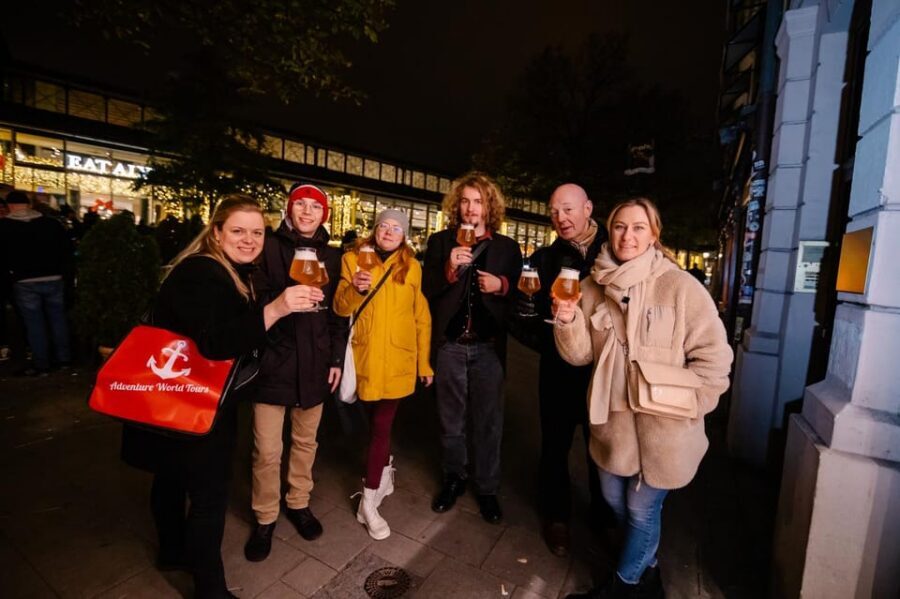
Viktualienmarkt is one of the main set pieces of the tour, with about 25 minutes of guided sightseeing and tasting. This is also where the tour’s message clicks hardest: Munich food culture isn’t only in sit-down restaurants. It’s in markets, counters, and daily buying habits.
In the experience notes I’m drawing from, the tastings here were a major favorite, including Bavarian comfort staples like Leberkäse and Schmalzgebäck, plus a broader mix that helped people understand what to look for next.
There’s also a practical planning angle. The guide can point you to what to order after the tour, which is the difference between eating well once and eating well during the rest of your trip.
A small heads-up: one of the notes also called out a chocolate praline station as a less satisfying choice, mainly because of the price. If you’re food-focused and price-sensitive, keep that in mind. You can still enjoy the bite, but you don’t have to buy extra sweets after you’ve tasted.
Dreifaltigkeitspl. 1A to the finish near Dreifaltigkeitspl. 1
Near the finish, you’ll have a longer sightseeing and guided stop around Dreifaltigkeitspl. 1A (about 30 minutes) and then end at Dreifaltigkeitspl. 1. This is the “landmarks plus one last bite” rhythm that helps the tour feel complete.
It’s a good time to slow down and let the food settle, because Munich keeps pulling you into more eating. If you’ve been tasting all along, this finish gives you a last flavor moment and a chance to ask the guide what’s worth chasing afterward.
For you, the value here is simple: you leave with a clearer sense of what Bavarian foods mean and how to order them without guessing.
Price and value at about $51 for 3 hours
At $51 per person for roughly three hours and five selected tastings, the value comes down to two things: guided interpretation and convenience.
You’re paying for a person to connect the dots between food and Old Town landmarks. That’s hard to replicate on your own without reading a lot ahead of time. You’re also saving yourself the decision fatigue of trying to pick five places that will actually deliver good bites.
Two practical trade-offs to keep in mind. Drinks aren’t included, and a guaranteed seat isn’t part of the deal. In the notes I reviewed, small group comfort seemed to help people stay relaxed and get seating during tastings, but you shouldn’t count on that as a promise.
If you show up hungry and keep some space in your stomach, this tour is one of the more straightforward ways to taste Munich’s food culture without building a plan from scratch.
Who this Munich Old Town culinary tour is best for
Book this if you:
- Want Bavarian food culture explained through real tasting stops
- Like walking tours with landmarks like Marienplatz, the Frauenkirche area, and the old Peter
- Enjoy guides who use humor and stories instead of a strict script
- Prefer a mix of savory classics and sweet traditions rather than one-food-only tasting
It may not be the best match if you:
- Only speak English and want a fully English-guided experience (the live guide here is German)
- Don’t want to spend any time standing for photos or moving between stops
- Prefer drinks included in the price (they aren’t)
Should you book this Munich Old Town Culinary Tour?
I’d book it if you want to eat your way through Munich’s Old Town while learning how the foods became symbols of the region. The strongest part is the combination of five tasting moments plus guided storytelling tied to actual landmarks. It’s also a nice choice when you want help planning what to order after the tour, not just collecting snacks during it.
If you’re set on a fully English experience or you don’t eat sweets at all, you might feel the tour includes more variety than you want. But for most food-and-culture travelers, it’s an efficient, practical way to understand Bavarian food culture in just a few hours.
FAQ
How long is the Munich Old Town Culinary Tour?
The tour lasts about 3 hours.
What is the price per person?
It costs $51 per person.
Where do I meet the tour?
Meet at Marienplatz 8, 80331 Munich, at the entrance to the Glockenspielturm.
What language is the guide?
The live tour guide speaks German.
What food is included?
You’ll get five selected tastings at different locations in Munich’s Old Town.
Are drinks included?
No, drinks are not included.
Can I cancel and get a full refund?
Yes. You can cancel up to 24 hours in advance for a full refund.