REVIEW · MUNICH
Munich: Old Town Walking Tour in Spanish
Book on GetYourGuide →Operated by Bayern a medida GmbH & Co KG · Bookable on GetYourGuide
Munich reveals itself on foot. This 3-hour Spanish Old Town walk stitches together the key sights, from Sant Michael and the chimes at Marienplatz to beer culture at Hofbräuhaus. I especially like how the guide connects buildings to the people who shaped the city, and I like that the beer stop is part history, part culture, not just a photo break. One consideration: you cover a fair bit of ground, and this tour is only open to people who speak Spanish.
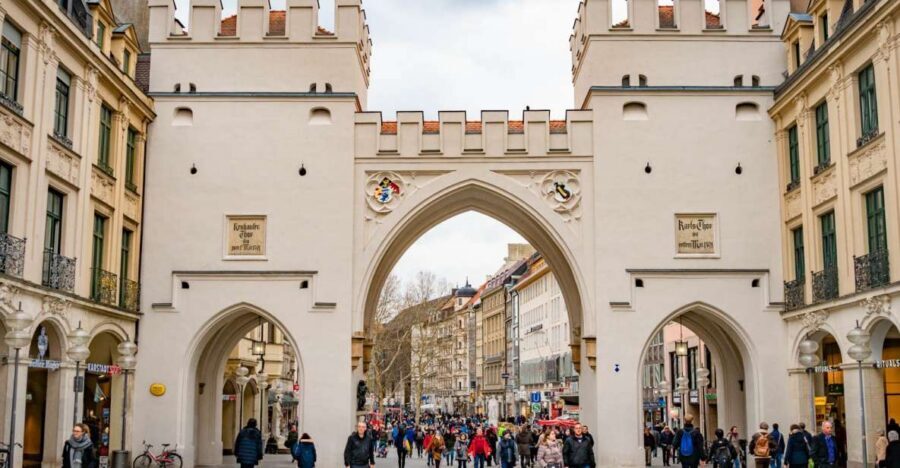
What makes it feel easy is the simple rhythm: you meet under the Karlstor Gate at Karlsplatz, start walking right away, and end back at the same spot. With guides like Oscar, the vibe stays friendly and focused, with explanations that zoom in on the details (and not in a boring lecture way).
If you want a quiet, slow stroll, this isn’t it. And if you have mobility limits, the route isn’t recommended.
In This Review
- Key highlights worth showing up for
- Getting Oriented: Karlstor Gate and a 3-hour, on-foot route
- Sant Michael Church: a first-stop church that sets the tone
- Frauenkirche Cathedral: the Munich icon you’ll actually understand
- Marienplatz Town Hall and the chimes: the best sound in the square
- Viktualienmarkt: market life, beer garden vibes, and local food culture
- Hofbräuhaus: the beer hall where culture and modern story meet
- National Theater and the Residenz: Wittelsbach-era Munich, made readable
- The Spanish guide factor: what changes when the tour is only Spanish
- Price and value: about $23 for 3 hours of landmarks with context
- Who should book this tour (and who should skip it)
- Should you book this Munich Old Town Walking Tour in Spanish?
- FAQ
- FAQ
- How long is the Munich Old Town walking tour in Spanish?
- Where do I meet the guide?
- What are the main sights on the route?
- Is the tour guided in Spanish?
- Is food or drink included?
- How much does the tour cost?
- What should I bring?
- Is it open to non-Spanish speakers?
- Is it suitable for people with mobility impairments?
Key highlights worth showing up for
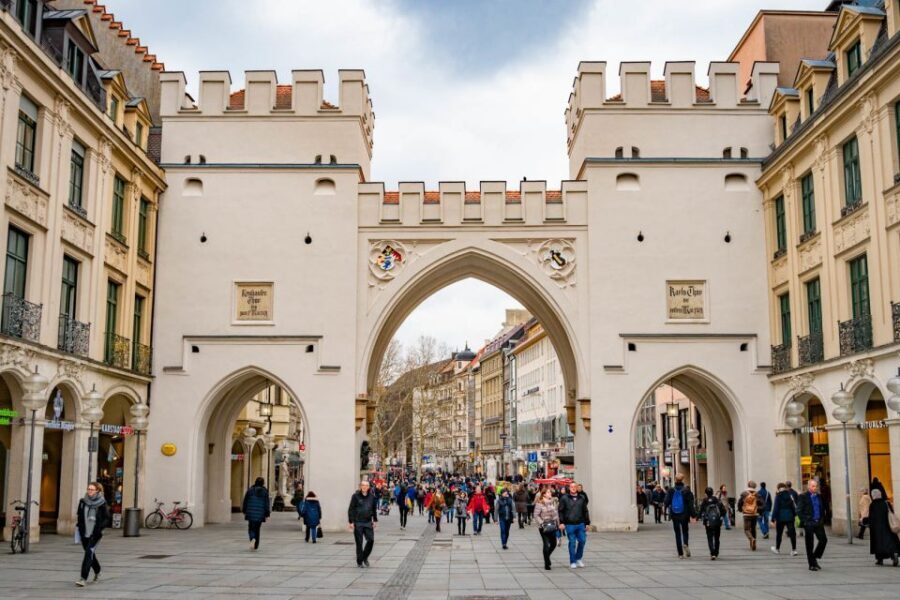
- Karlstor Gate meetup keeps you anchored and starts the walk fast
- Sant Michael Church gives you a memorable first wow moment
- Marienplatz Town Hall chimes are the classic Munich soundtrack
- Viktualienmarkt adds local food life and a beer-garden feel
- Hofbräuhaus brings beer culture together with Munich’s more modern story
- National Theater + Residenz rounds out the royal Wittelsbach angle
Getting Oriented: Karlstor Gate and a 3-hour, on-foot route
This tour is built for practical sightseeing. You meet at the Karlstor Gate (at Karlsplatz) and the meeting point is your compass for the entire experience. Arrive about 10 minutes early, because the walk starts promptly.
From there, the pace is “steady city walk,” not a marathon. Expect enough walking that comfortable shoes matter (and I mean actually comfortable, not just stylish). You’ll be moving between major squares and landmark streets, which is the best way to get your bearings in Munich’s core without spending your day on transit.
Also: food and drinks are not included. That matters at Hofbräuhaus and at Viktualienmarkt, because you’ll likely want to pause, snack, or grab a drink—but you’ll be paying out of pocket.
Other Munich city tours we've reviewed in Munich


Sant Michael Church: a first-stop church that sets the tone
The walk starts with Sant Michael’s Church, and it’s a smart choice for the opening. Churches like this aren’t just pretty backdrops; they help you read the city. A good guide points out what you might miss on your own—why a certain style became popular, how the religious and civic worlds tangled together, and what the building is signaling to the street.
This first stop also works psychologically. After you’ve “checked in” with a real landmark, the rest of the Old Town is easier to follow. You’re not just hopping from one famous name to another; you’re learning how Munich tells its story through architecture and public spaces.
If you’re someone who likes churches but hates long indoor waits, this stop is the right kind of meaningful without dragging.
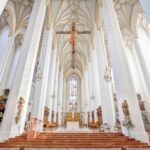
Frauenkirche Cathedral: the Munich icon you’ll actually understand
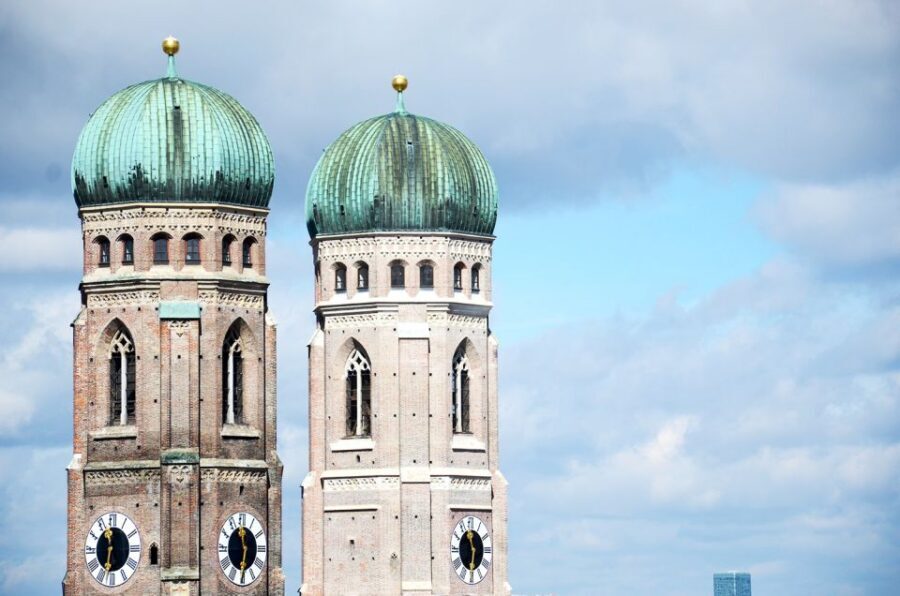
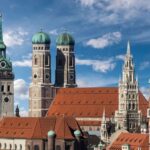
Next up is Munich’s cathedral, the Frauenkirche. This is one of those places that everyone photographs, but the tour helps you look at it correctly.
You’ll get context for what makes it iconic, and you’ll also learn how the cathedral fits into the rhythm of Old Town life—how it anchors the city visually, and how Munich’s identity shows up in its major religious landmarks.
One good thing about walking tours like this is that you see the cathedral as part of a bigger picture. You don’t just stand in front of it; you connect it to where you’ve been and where you’re going next.
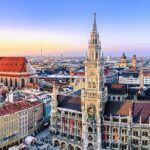
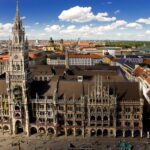
Marienplatz Town Hall and the chimes: the best sound in the square
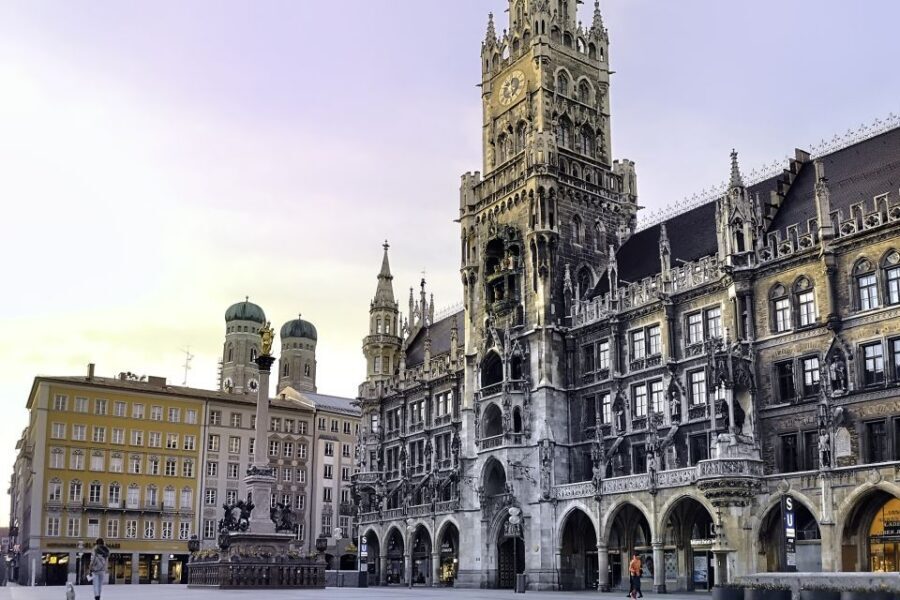
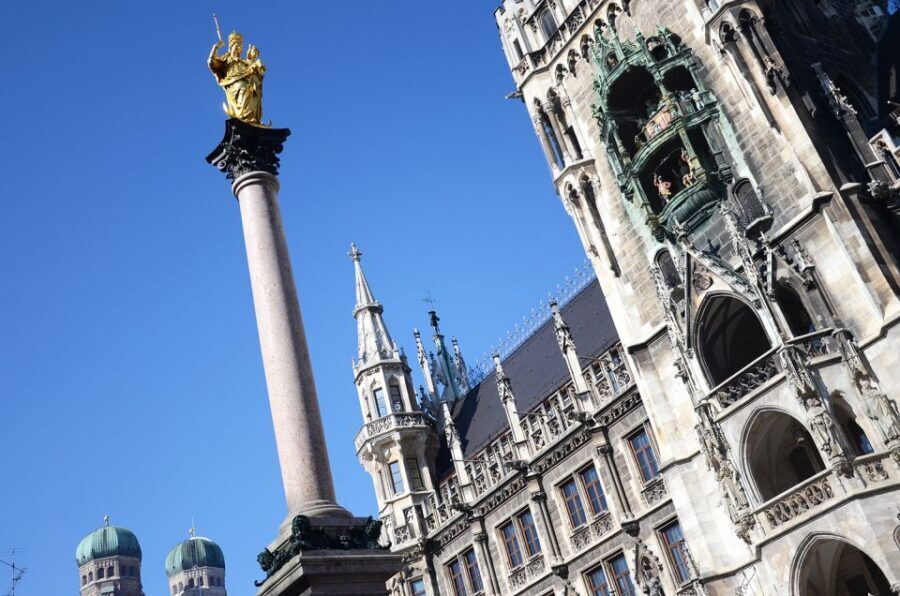
Marienplatz is the Munich moment most people want: a central square with real energy and big-city landmarks wrapped around it. The Town Hall sits here, and the tour includes time to enjoy the chimes.
The chimes matter more than you’d think. They turn a static landmark into a living schedule, so the square feels like it has a pulse. It’s also a helpful storytelling device—your guide ties what you’re hearing and seeing to the civic identity of Munich.
Practical tip: squares can get crowded. You’ll want a comfortable stance, and you might want to keep your phone handy for photos, but don’t let the screen replace the experience. The chimes are best when you listen first, then shoot.
Viktualienmarkt: market life, beer garden vibes, and local food culture
After the big civic stops, the tour moves into the daily-life side of Munich at Viktualienmarkt. This is where the city stops feeling like a museum and starts feeling like a place people actually live.
What I like about this part is the balance. You’re not only looking at stalls and buildings—you’re learning how the market connects to culinary culture. You’ll also get pointed toward the typical beer garden vibe that’s part of how Munich relaxes and socializes.
This stop is especially good if you’re food-curious. Even without a full tasting plan, it helps you understand what to look for later if you want to snack on your own.
One consideration: markets can be busy and loud. If you’re sensitive to noise, pace yourself and take short breaks when you need them.
Other Old Town walking tours we've reviewed in Munich
Hofbräuhaus: the beer hall where culture and modern story meet
The heart of the tour for beer lovers is Hofbräuhaus—the most popular brewery in town. The tour frames it in a way that’s more useful than a simple brewery tour.
Yes, you’ll get beer culture. But what makes this stop more interesting is the angle your guide uses: Hofbräuhaus is also treated as a window into contemporary history. That means you’re not just learning how beer is served; you’re picking up why this place matters in Munich’s public life and identity.
In a walking tour, this kind of stop works because it’s a payoff. You’ve been learning about churches and civic spaces; now you get a place where ordinary life, social energy, and the city’s modern narrative all collide under one roof.
Practical reality check: food and drinks aren’t included, so if you want to eat or order a beer, budget for it. Also, the hall can be noisy, so expect a lively atmosphere rather than a quiet sit-down.
National Theater and the Residenz: Wittelsbach-era Munich, made readable
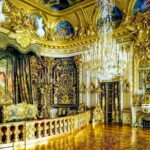
The last stretch keeps you moving toward two major landmarks: the National Theater and the Residenz, the royal residence of the Wittelsbach family.
This is where the tour adds “why it mattered” to the architecture. You’re not just seeing a pretty building; you’re learning how power and art were tied together in Munich. The National Theater is part of that cultural machine, and the Residenz explains the royal backdrop that shaped the city’s grand visual language.
If you’re the type who likes royal history but doesn’t want a textbook, this section is a good match. The route stays conversational and focused on what the buildings signal—status, patronage, and the way the city’s elite life shaped Munich’s built environment.
The Spanish guide factor: what changes when the tour is only Spanish
This tour is Spanish-only. That’s not a minor detail; it’s the main filter for whether the experience lands well for you.
If you speak Spanish, you’ll likely get more out of the small turns of phrase: the stories, the anecdotes, and the way the guide ties places together. Guides like Oscar are praised for being friendly, competent, and detail-focused—exactly the kind of guide style that makes a walking tour feel fun instead of rushed.
If you don’t speak Spanish, you’ll be out of luck. The tour is not open to people who do not speak Spanish, so plan on another option if you’re still building your language skills.
Price and value: about $23 for 3 hours of landmarks with context
At around $23 per person for a 3-hour guided walking tour, the value is strong—mostly because you’re paying for direction and interpretation, not just “standing near famous spots.”
You get:
- a guided walk through multiple top Old Town landmarks,
- an actual Spanish-speaking guide,
- and a route that connects civic spaces, religious sites, market life, and beer culture.
You’re also not paying extra for “transport” within the tour. It’s all on foot, and you’re guided on where to go and what to notice.
The only budget watch item is that food and drinks are not included. If you plan to eat or have a beer during Hofbräuhaus or while passing through Viktualienmarkt, add that to your spending plan.
In other words: the base ticket is affordable, but your total cost will depend on how snack-happy you get.
Who should book this tour (and who should skip it)
This tour is a great fit for you if:
- you speak Spanish and want a guided Munich Old Town walk,
- you like seeing the “why” behind landmark names,
- and you’re curious about beer culture as part of the city’s identity, not just a drinking stop.
Skip it if:
- you don’t speak Spanish (it’s not offered in any other language),
- you have limited mobility, because the route isn’t recommended for that,
- or you want a short, low-walking experience.
If you fall somewhere in the middle—say you can walk fine but don’t want museums—this still works. The tour’s mix of churches, squares, market life, and Hofbräuhaus makes it feel varied, not repetitive.
Should you book this Munich Old Town Walking Tour in Spanish?
If you’re a Spanish speaker and you want a solid, efficient way to get oriented in Munich’s Old Town, I think you should book it. The route hits the big names—Sant Michael, Frauenkirche, Marienplatz, Viktualienmarkt, Hofbräuhaus, and the Residenz—while the guide provides the stories that make those names stick.
Book it especially if you care about beer culture and want it explained in context, with a guide who keeps the walk entertaining and attentive to details (Oscar’s style is a good example of what to hope for). Also, the walking format is ideal for first-timers who want the city center to “click” quickly.
But if you don’t speak Spanish, or if long walking is a problem, you’ll enjoy the day less. In that case, choose a different tour type or a language option that matches your comfort level.
FAQ
FAQ
How long is the Munich Old Town walking tour in Spanish?
It lasts about 3 hours.
Where do I meet the guide?
Meet under Karlstor Gate at Karlsplatz. You should arrive about 10 minutes before the start time.
What are the main sights on the route?
You’ll visit Sant Michael, the Frauenkirche cathedral area, Marienplatz with the Town Hall chimes, Viktualienmarkt, Hofbräuhaus, and you’ll also see the National Theater and the Residenz.
Is the tour guided in Spanish?
Yes. It is a live walking tour with a Spanish-speaking guide.
Is food or drink included?
No. Food and drinks are not included, so you’ll pay for anything you choose to eat or drink on your own.
How much does the tour cost?
The price is $23 per person.
What should I bring?
Wear comfortable shoes, since it’s a walking tour.
Is it open to non-Spanish speakers?
No. This tour is not open to travelers who do not speak Spanish.
Is it suitable for people with mobility impairments?
No. It is not recommended for people with limited mobility.