REVIEW · NUREMBERG
Third Reich, Nazi Propaganda, Nuremberg Trials Private Tour
Book on Viator →Operated by Rosotravel - Munich · Bookable on Viator
Nuremberg can feel heavy fast. This private tour connects Nazi propaganda, the Nuremberg Trials, and the places where it all became real, from the Palace of Justice to the Old Town streets. I especially like how the guide brings order to the story, and how people like Charlotte and Sergio used period details (not just dates) to make the courtroom narrative click.
Two things I really appreciate: you get dedicated time inside Courtroom 600 (with the exhibition tickets handled for you), and you also walk Nuremberg’s Old Town with a guide who explains why the city mattered to the Third Reich—not just what you’re standing in front of. The main drawback to plan for is timing: the 5-hour option includes sites farther out, so it takes more moving around and relies on public transport.
In This Review
- Key highlights worth your attention
- Why the Nuremberg Trials still matter in 2026
- Entering Courtroom 600: the trial room with the exhibition behind you
- A quick reality check before you go in
- The Palace of Justice area: where your guide sets the frame
- Hans Fritzsche, Streicher, and the charges: why the people matter
- Nuremberg Old Town stops: laws, rallies, and the geography of power
- Pegnitz River and the bridge views
- Half-timbered houses and the Main Market area
- Churches and civic buildings: St. Sebald and Frauenkirche in context
- The 5-hour add-on: Nazi Party Rally Grounds at a controlled pace
- Getting there: why the public transport tickets matter
- One important note on tickets
- 3 hours vs 5 hours: choosing the right dose of context
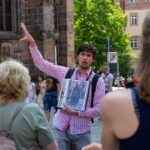
- The guides: what makes this tour feel like more than a checklist
- Price and value: what $305.38 per person buys you
- Who should book this private tour
- Should you book this Nuremberg Trials private tour?
- FAQ
- What’s the duration of the tour?
- Where does the tour start?
- Is the tour private?
- What’s included at Courtroom 600?
- Do I get tickets for the Nazi Party Rally Grounds Documentation Center?
- Does the 5-hour tour include public transport?
- What are the main differences between the 3-hour and 5-hour options?
- Is the tour only focused on the trials?
- What places are included in the Old Town part?
- What kind of ticket do I receive?
Key highlights worth your attention
- Courtroom 600 exhibition included: See the trial story from legal basis to verdict.
- Private format: It’s only your group, so you can ask questions and set your pace.
- Old Town links to Nazi power: You’ll connect laws, rallies, and everyday geography.
- Nazi Party Rally Grounds option (5 hours): A guided visit to the Documentation Center area.
- Specific individuals explained: The guide covers charges tied to key figures like Julius Streicher and Hans Fritzsche.
- Public transport tickets for the long option: Built in for reaching the Rally Grounds area.
Why the Nuremberg Trials still matter in 2026
The Nuremberg Trials are not just a history lesson. They’re where postwar leaders tried to answer a brutal question: what do you do when an entire system helps people commit atrocities?
What makes this tour practical is that it doesn’t float above the details. You start at the Palace of Justice, then you move through Old Town stops that connect the Nazi movement to real civic spaces, and—if you choose the longer option—you head out toward the Nazi Party Rally Grounds. It’s one timeline, told with places you can actually locate.
And since it’s a private tour, you’re not stuck with a lecture pace that ignores your questions. If you’re the type who wants context before dates, this works well.
Other Third Reich & WWII tours we've reviewed in Nuremberg
Entering Courtroom 600: the trial room with the exhibition behind you
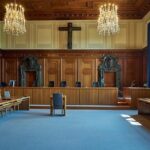
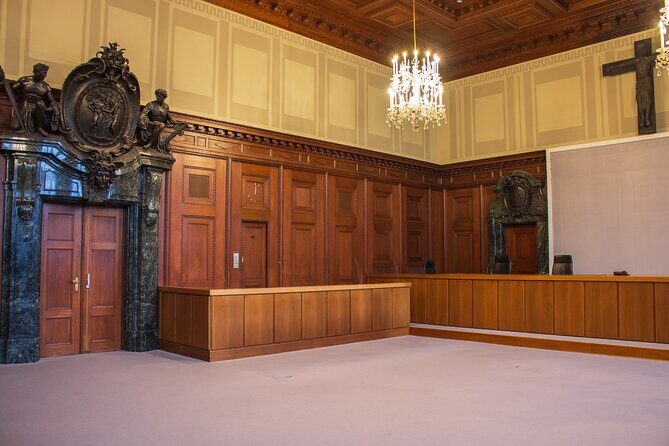
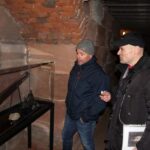
The centerpiece is the Memorium Nuremberg Trials experience in Courtroom 600 at the Palace of Justice. This is where you’re given tickets to the Courtroom 600 exhibition, and that matters because the exhibition frames what you’re seeing and hearing—legal basis, indictment, and verdict.
You’ll spend about 30 minutes here, which is a sweet spot for most people. Long enough to understand the structure of the trial, not so long that it turns into museum exhaustion. The guide is there to connect the courtroom process to the larger political reality: how Nazi ideology turned into laws, how laws turned into crimes, and how judges tried to put it into language the world could act on.
One thing I like about this approach is that it doesn’t treat the trial like a movie recap. The exhibition helps you understand the mechanics of justice, not just the headlines.
A quick reality check before you go in
Courtroom 600 is emotionally serious. You’ll want a calm mindset and a bit of patience with long, complex subject matter. If you’re visiting with kids, you might want to read the room; this tour is aimed at adults who want clarity.
The Palace of Justice area: where your guide sets the frame
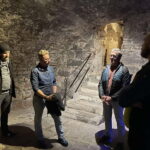
You meet your guide at Justizpalast Nürnberg, Fürther Str. 110, right at the Palace of Justice area. From there, the tour begins at the Trial Memorial location connected to where the trials took place.
The early part of the walk is useful because it sets the story in order. You’re not jumping straight into Old Town sights without first understanding why the courtroom is the anchor point. It’s the difference between seeing a building and understanding why everyone cares that it’s this building.
Then you shift into the courtroom portion, and after that the guide keeps the thread moving—linking what happened in the trial to what the Nazi regime did before and during the war.
Hans Fritzsche, Streicher, and the charges: why the people matter
One of the more pointed stops comes up as you continue through the Palace area and transition to the next segments. Your expert guide explains charges tied to conspiracy to wage aggressive war and connects that to prominent Nazi figures, including Julius Streicher and Hans Fritzsche.
Even if you’ve heard the names before, this kind of explanation is where the tour becomes more than sightseeing. It gives you a way to understand why prosecutors chose certain theories, and why propaganda figures are treated as part of the machinery—not just background noise.
This also helps you avoid a common trap: thinking only the top military brass mattered. The trial record worked to show how civilians, ideologues, and propagandists could be implicated in criminal planning and execution.
Other Nuremberg day trips we've reviewed in Nuremberg
Nuremberg Old Town stops: laws, rallies, and the geography of power

After the courtroom focus, the tour moves into Nuremberg’s Old Town. The aim here is not to “cover the city.” It’s to show you Nuremberg’s role in fulfilling the political ambitions of the Third Reich.
You’ll see city walls, walk through areas connected with the regime’s legal changes, and learn about the passing of the Nuremberg Laws. This part is where your guide turns landmarks into meaning. For example, the guide points out how annual Nazi Party rallies fit into the city’s public life, not just history books.
Pegnitz River and the bridge views
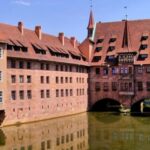
One highlight is time around Pegnitz, with its historic bridges and the river running through town. This is one of those sections where you’ll enjoy the visuals even while the conversation stays serious. The point isn’t to make it pleasant—it’s to help you understand how everyday scenes can sit next to political theater.
If you’re prone to zoning out on heavy topics, this pause of walking and looking helps. It gives your brain a reset while still keeping the story connected.
Half-timbered houses and the Main Market area
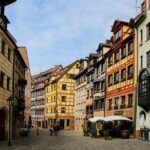
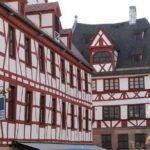
You’ll also see reconstructed half-timbered medieval houses and visit the Main Market. The practical value here is that it shows how a city keeps its face while political power changes behind the scenes.
This isn’t just about aesthetics. A guide can point out how public space makes political messaging visible and repeatable—which is exactly what Nazi propaganda needed.
Churches and civic buildings: St. Sebald and Frauenkirche in context
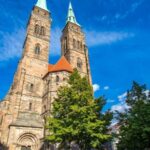
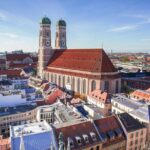
Two of the Old Town stops are religious landmarks that also connect to civic identity: St. Sebald (Sebalduskirche) and Frauenkirche.
At St. Sebald, you’ll admire Gothic masterpieces and see things like the Beautiful Fountain. The tour uses these sights to give you a sense of Nuremberg’s long continuity—how it’s easy to forget that people living in later eras grew up with older city traditions.
At Frauenkirche, you’ll also connect the dots to civic power. The guide will talk about the city hall and the city council of the Third Reich. That’s a key learning moment for many people: Nazi rule wasn’t only uniforms and marches. It was administration, councils, and decisions made in places that look “normal” from a tourist angle.
So yes, you’ll get stunning architecture. But the better payoff is understanding why these buildings belong in the same conversation as trials and propaganda.
The 5-hour add-on: Nazi Party Rally Grounds at a controlled pace
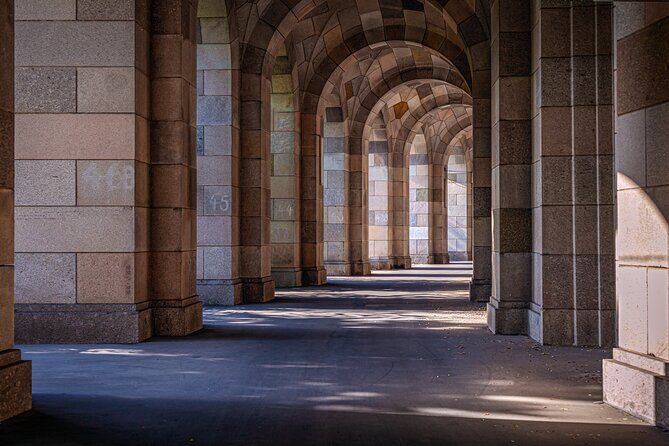
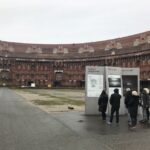
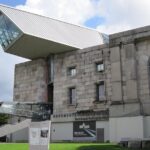
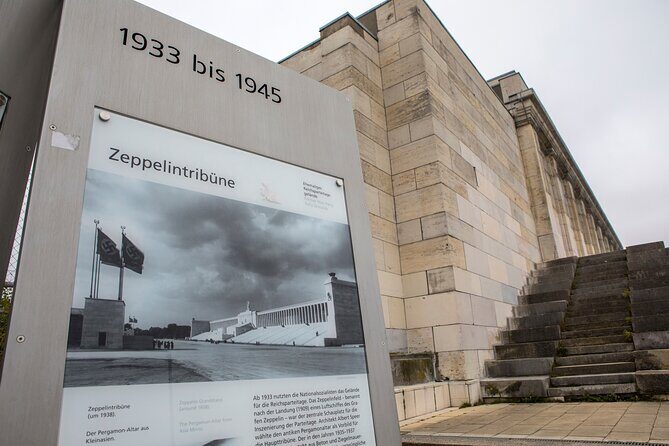
If you pick the 5-hour option, you’ll go beyond the Old Town and visit the Nazi Party Rally Grounds area with a guided stop at the Documentation Center.
Your guide explains how propaganda events happened here between the 1920s and 1940s. This is where you’ll see how ideology planned space—how crowds were expected, how speeches were staged, and how architecture helped amplify the message.
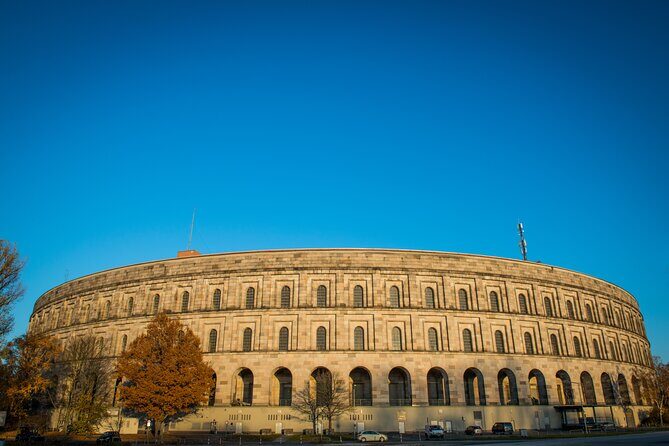
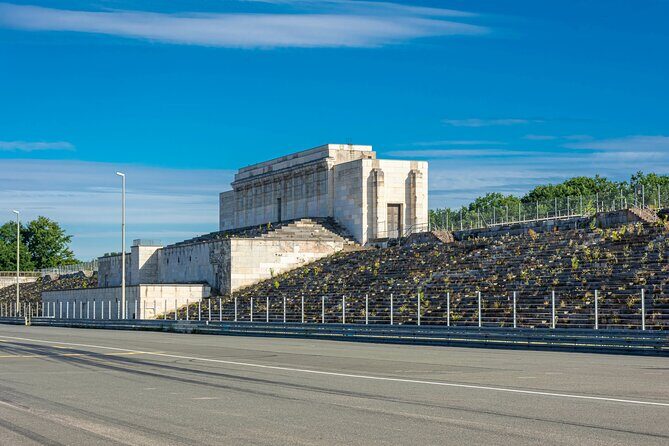
You’ll hear about surviving examples of Nazi architecture, including the dramatic but unfinished Congress Hall, designed to fit up to 50,000 people. That number is hard to picture until you hear it attached to the scale of the site.
Getting there: why the public transport tickets matter
This part is outside the Old Town, so the tour requires use of public transport. For your convenience, two-ways bus/tram/train tickets are provided for the 5-hour tour. That’s a big deal because it prevents the “now we’re on our own” scramble, especially if you’re trying not to spend energy navigating transit while thinking about heavy content.
Also, it means the long tour has an intentional rhythm: walking where it makes sense, then transport where it’s efficient.
One important note on tickets
Tickets to the NPRG Documentation Center are not listed as included. You’ll want to plan for that separately if your selected option includes that stop.
3 hours vs 5 hours: choosing the right dose of context
The shorter option is built for people who want the core story without extra travel time: Courtroom 600 & Old Town. It’s ideal if you’re working with limited hours, or if you prefer a tighter focus on the trial itself plus key Old Town links to the regime.
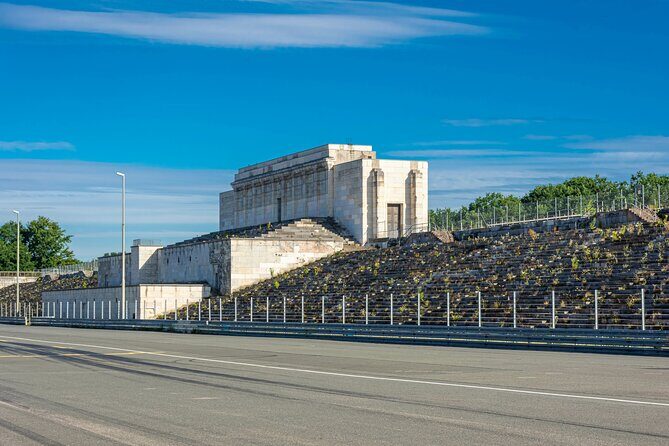
The longer 5-hour version adds the Nazi Party Rally Grounds portion. It’s better if you want the “before and after” feeling—how propaganda space supported the movement that later ended up in the dock at Nuremberg.
In plain terms:
- Choose 3 hours if you want courtroom justice plus the city connections.
- Choose 5 hours if you also want to see the propaganda stage set.
Both make sense. The right choice is mostly about how much time you can spare to switch gears from courtroom analysis to outdoor site scale.
The guides: what makes this tour feel like more than a checklist
The reviews all point to the same pattern: the guides don’t just point and read. They explain with care and pace.
Names that show up in the feedback include Charlotte, Sergio, Sergey, Andreas, and Nikolaija. In particular, Charlotte’s style seems to stand out for using old photos to help you visualize the era, and Sergio and Sergey are praised for strong detail and clear explanation of Nazi history and the city’s role.
For you, the practical takeaway is this: if a guide can connect propaganda, laws, trials, and public buildings into one understandable chain, the whole experience becomes easier to process. Otherwise, Nuremberg turns into separate facts you’re trying to hold in your head at once.
Price and value: what $305.38 per person buys you
At $305.38 per person, this isn’t a cheap museum ticket. So here’s the value logic you can use:
You’re paying for:
- A private guide (only your group).
- Inclusion of Courtroom 600 exhibition tickets.
- Expert commentary tying together Third Reich history, Nazi propaganda, and the Nuremberg Trials.
- For the 5-hour option, public transport tickets to reach the Rally Grounds area and a guided Nazi Party Rally Grounds component (with Documentation Center admission not included).
If you compare this to a self-guided approach, the big difference is interpretation. The guide gives you a map through emotionally heavy material. That’s not “extra fluff”—it’s what helps most people make sense of why Nuremberg is still referenced in discussions about law, ideology, and accountability.
Also, booking an experience like this a bit ahead helps you lock in timing. The tour is commonly booked around 57 days in advance, which hints that slots can go.
Who should book this private tour
This tour fits best if you:
- Want an organized path through Nuremberg Trials themes.
- Appreciate historical explanation tied to specific places.
- Prefer a private pace where you can ask questions.
It’s also a strong match if you’re doing Germany in broad strokes and want a focused, high-impact stop in Nuremberg. And if you’re the type who likes architecture but doesn’t want your learning to stop at façades, you’ll get more out of the churches and civic buildings here because the guide connects them to the regime’s structures.
If you hate heavy topics or you’re looking for light entertainment, you’ll probably find the subject matter too intense. This is education with emotion built in.
Should you book this Nuremberg Trials private tour?
I’d book it if your goal is to understand how the Nazi system worked, how it used propaganda and laws, and how the world responded through the Nuremberg Trials—with real time in Courtroom 600 and clear guidance throughout.
Pick the 3-hour option if you want the trial focus plus Old Town connections without extra transit. Pick the 5-hour option if you also want to stand in the space where rallies and messaging were staged, and you’re okay with using public transport.
Either way, go in expecting a serious walk. And bring one question you genuinely want answered—good guides love those.
FAQ
What’s the duration of the tour?
The tour runs about 3 to 5 hours, depending on the option you choose.
Where does the tour start?
You meet your guide at Justizpalast Nürnberg, Fürther Str. 110, 90429 Nuremberg, Germany.
Is the tour private?
Yes. It’s a private tour/activity, and only your group participates.
What’s included at Courtroom 600?
The tour includes tickets to the Courtroom 600 exhibition at the Palace of Justice.
Do I get tickets for the Nazi Party Rally Grounds Documentation Center?
No. Tickets to the NPRG Documentation Center are not included.
Does the 5-hour tour include public transport?
Yes. The 5-hour tour requires public transport for sites farther from the Old Town, and the provider provides two-ways bus/tram/train tickets.
What are the main differences between the 3-hour and 5-hour options?
The 3-hour option focuses on Courtroom 600 and the Old Town. The 5-hour option adds the Nazi Party Rally Grounds visit with guided commentary.
Is the tour only focused on the trials?
No. You also get guidance on WWII history, Nazi propaganda, and how the city connects to Third Reich political ambitions.
What places are included in the Old Town part?
You’ll see highlights such as old city walls, the Pegnitz river and bridges, reconstructed half-timbered medieval houses, the Main Market, St. Sebald (including the Beautiful Fountain), and Frauenkirche.
What kind of ticket do I receive?
The experience uses a mobile ticket. The tour also provides free admissions for listed stops where applicable, and the Courtroom 600 exhibition ticket is included.