REVIEW · NUREMBERG
Nuremberg: The Old Town in Evening Light – IN GERMAN
Book on GetYourGuide →Operated by Nürnberg Tours · Bookable on GetYourGuide
That ox has a job to do.
This evening tour pulls you into Nuremberg’s Old Town with storytelling that mixes famous names and stranger legends. I love the way the local guide turns landmarks into scenes and the fact that you’ll spend your time on the most atmospheric corners at night. One thing to consider: it’s in German only, so it’s not the right pick if you want an English-led tour.
You’ll start at the Ochsenportal, meet under the ox portal, and follow a walking route that keeps things moving. Expect a highlight loop featuring the Fleischbrücke (with the ox), the Trödelmarkt, Hangman’s Bridge, and stops tied to the darker side of history and the famous art of Albrecht Dürer. A bunch of the joy here is hearing the stories in real time, with the old streets doing half the work.
In This Review
- Key highlights you’ll care about
- Evening Old Town: what nightfall changes in Nuremberg
- Meeting under the Ox Portal at Ochsenportal
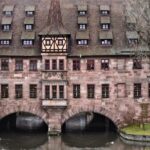
- Fleischbrücke and the ox that guarded the former Fleischhaus
- Trödelmarkt: where market energy meets older legends
- Hangman’s Bridge: Master Franz, the darker side, and why it’s taught outdoors
- Maxbrücke and Weissgerbergasse: noticing the city’s structure while you listen
- Albrecht Dürer’s House: art history told next to the street
- Tiergärtnertorplatz: finishing with atmosphere and a sense of place
- Price and value: is $17 worth 1.5 hours in Nuremberg?
- Who should book this tour, and who should skip it
- Tips to enjoy a German evening tour without getting lost
- Should you book Nuremberg’s Old Town in Evening Light?
- FAQ
- What language is the tour in?
- How long is the tour?
- Where do I meet the guide?
- What should I bring?
- Is the tour wheelchair accessible?
- Is there a minimum number of participants?
- Final thought before you decide
Key highlights you’ll care about
- Ox on the Fleischbrücke: learn why it’s been guarding the gate to the former Fleischhaus for over 400 years
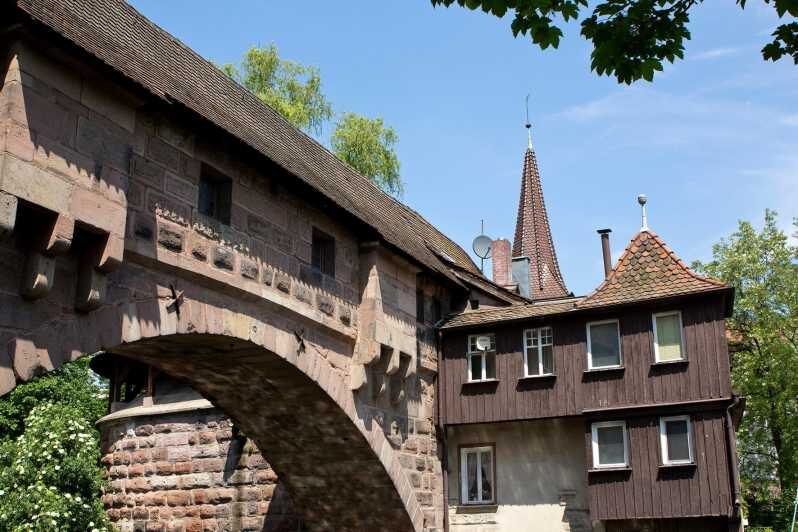
- Legend stops on bridges: from the Hangman’s Bridge area to nearby crossings with their own tales
- Plague and bagpiper storylines: you’ll hear how fear and folklore shaped parts of the city
- Master Franz and Albrecht Dürer: dark history and big art history in the same evening walk
- Evening light ambience: the atmosphere is part of the point, not just a nice photo backdrop
- Tight 1.5-hour route: enough time for several key stops without feeling like an all-night commitment
Evening Old Town: what nightfall changes in Nuremberg
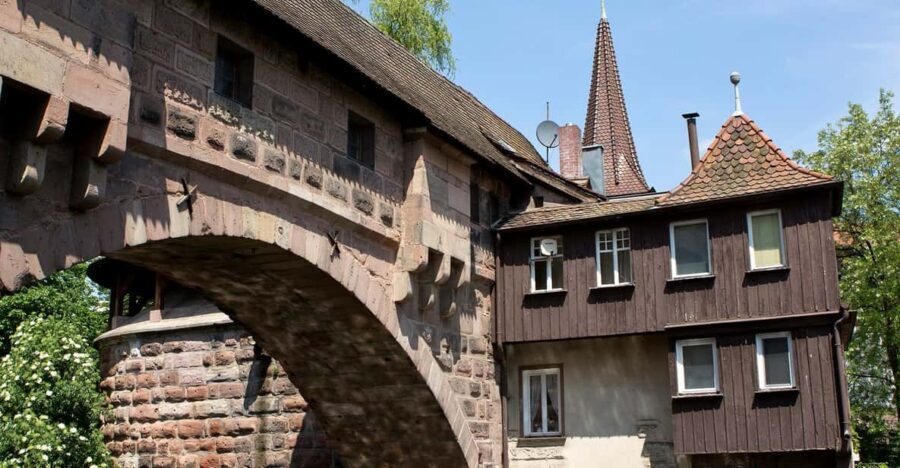
Evening does something practical here. It slows your attention down. During a normal daytime visit, you can race past details. At night, you start noticing little things: doorways, bridges, inscriptions, and the way the streets guide your feet from one “story place” to the next.
This tour is built for that mood. It’s designed as a short, story-driven walk through the Old Town, so you’re not stuck in museums or long lectures. Instead, you connect what you see with what you hear, right where it happened.
And yes, Nuremberg has plenty of famous sights. What makes this evening format work is that it doesn’t treat them like checklist items. It treats them like characters in the city’s ongoing drama.
Other Nuremberg day trips we've reviewed in Nuremberg

Meeting under the Ox Portal at Ochsenportal
Your meeting point is Under the ox portal at the Ochsenportal. That detail matters because the first landmark is also the tour’s theme. You’re not just starting in the right neighborhood; you’re starting at the symbolic beginning.
Go a few minutes early and do a quick visual scan. You’re looking for the ox area at the portal, and you’ll know you’re in the right spot when you see the focal point that the guide keeps referencing. Comfortable shoes matter here because the route is a walking loop with several bridges and old-town streets.
If you speak some German, great. If you don’t, plan for listening as much as understanding. This is a live guided walk, so even partial comprehension helps you catch the structure of the stories.
Fleischbrücke and the ox that guarded the former Fleischhaus
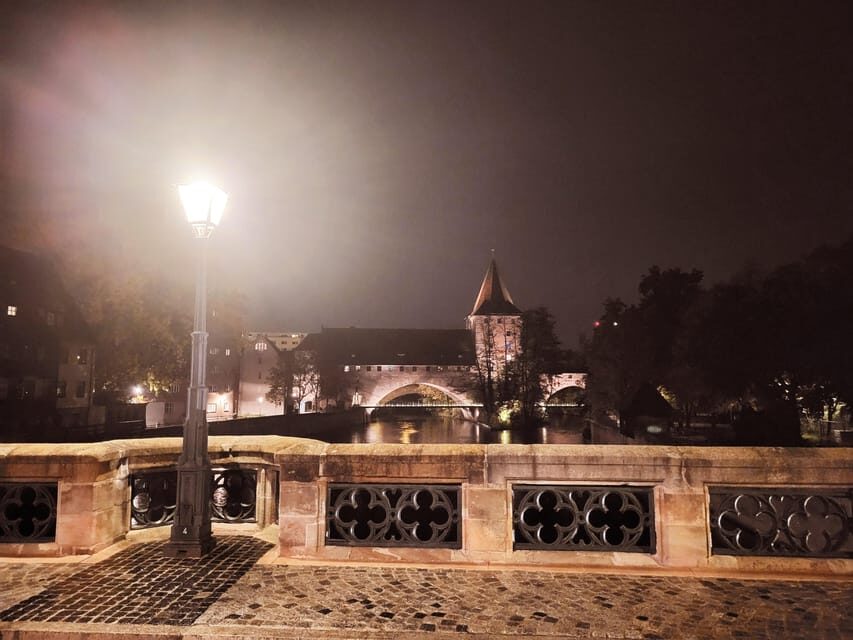
This stop is the headliner. The Fleischbrücke is where you’ll hear the famous question: what is the ox doing on the meat bridge?
Here’s the core story you’ll get on the tour. For more than 400 years, the ox has guarded the gate to the former Fleischhaus. That’s a huge timespan, and the guide uses it to explain how this city made meaning out of everyday infrastructure. A bridge wasn’t only for crossing—it was also a boundary, a signal, and a kind of living landmark.
There’s also a Latin saying underneath the ox. You’ll learn that the city kept it there for a reason, and you’ll be nudged to think about what it means. Even if you don’t catch every word on the Latin, seeing it in context helps you connect the symbolism to the place.
Practical note: when you stop here, you’ll likely spend a bit of time looking around. Bring your attention, not your rush.
Trödelmarkt: where market energy meets older legends
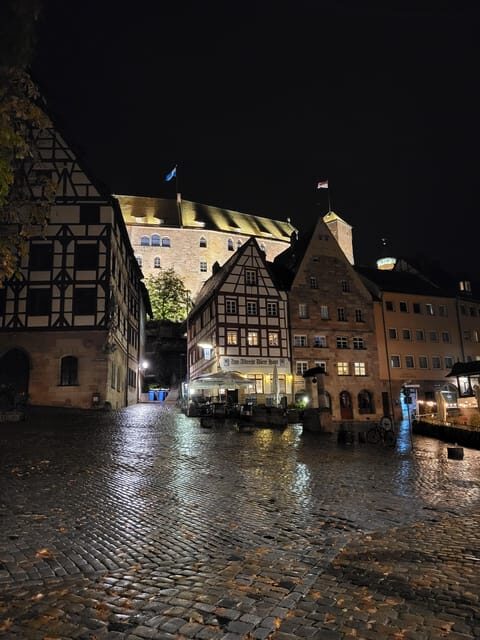
From the bridge area, the route continues toward the Trödelmarkt. This is one of those stops that helps you understand Nuremberg as a lived-in city, not just a set of historic facades.
Why it works on an evening tour: it’s easier to feel the “street life” side of history at night, when the atmosphere is softer and the stories sound less like dates and more like human events. The guide ties this section to what came before and after—how legends and daily life can overlap.
You may not leave with one single “fact,” but you’ll leave with a better sense of how people moved through the city. That’s what makes the later darker stories (executioner tales and plague-related legends) land harder. You understand the city’s rhythm, so the shocks feel real.
If you’re the type who likes to take quick notes, this is a good moment. The guide’s narration style can be story-first, so writing down names helps you follow later references.
Hangman’s Bridge: Master Franz, the darker side, and why it’s taught outdoors
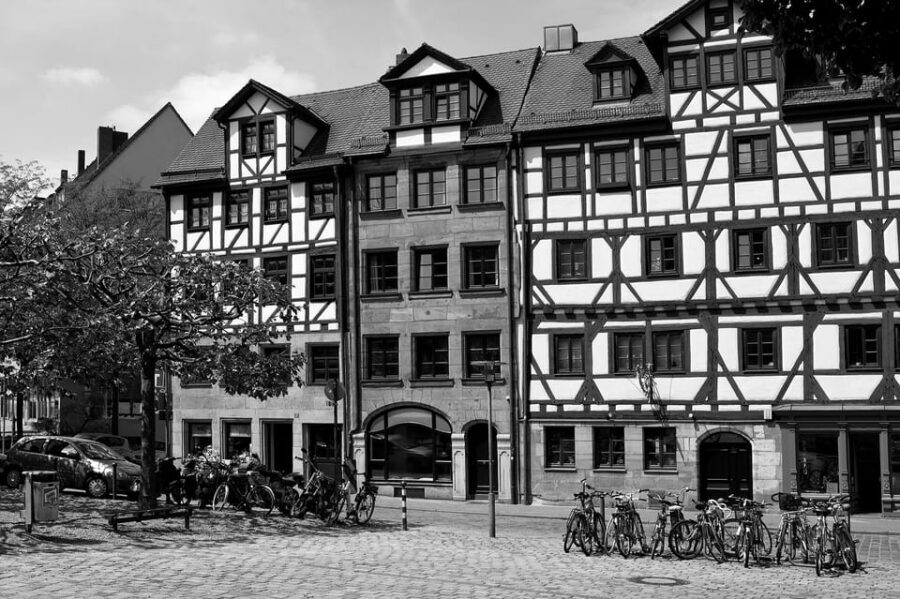
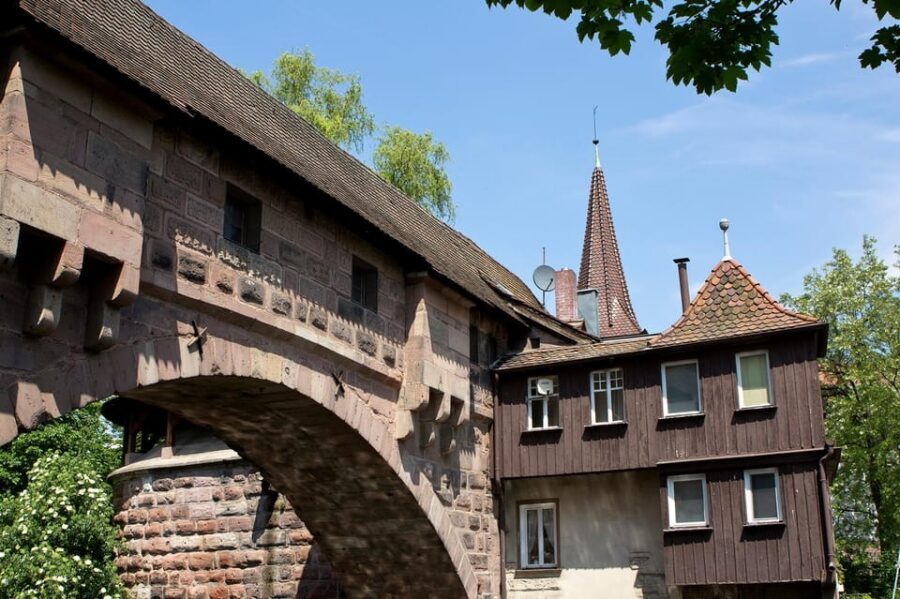
Next comes Hangman’s Bridge, a name that already tells you the mood. This is where the tour leans into Nuremberg’s darker reputation: stories tied to the executioner and the people who shaped the city through punishment and fear.
You’ll hear about Master Franz, one of the names connected with the executioner storyline. The guide doesn’t just drop the name and move on. The value is in the street-level telling—explaining why certain figures became legends and how the city remembered them.
Why I like this stop on an evening walk: the outdoors setting keeps you from turning it into pure spectacle. Instead, it becomes part of the city’s geography. You see the crossings and routes, and the stories feel less like a grim performance and more like how a community processed difficult history.
One drawback: if you’re sensitive to grim topics, you may want to mentally pace yourself. The tour is short, but these are real themes.
Other Old Town walking tours we've reviewed in Nuremberg



Maxbrücke and Weissgerbergasse: noticing the city’s structure while you listen
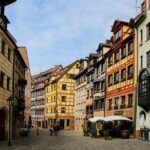
The next stretch includes Maxbrücke and Weissgerbergasse. I like sections like this because the guide uses them to help you read the city’s form. Bridges and alleyways are not random. They’re functional, and that function often explains why certain stories stuck to certain places.
During this part, listen for the way the guide connects movement—crossing, turning, passing between areas—to the legends of the past. Even if you only catch some of the details in German, the logic is usually clear: where people went and how they traveled influenced what the city noticed and remembered.
Weissgerbergasse is also a stop that reinforces how Old Town streets can carry identity. You’re moving through narrow space while the guide’s narration gives you context you’d miss if you walked through on your own.
Tip for you: slow your pace slightly in these sections. Let the story catch up to your feet. That’s the difference between seeing the Old Town and actually learning it.
Albrecht Dürer’s House: art history told next to the street
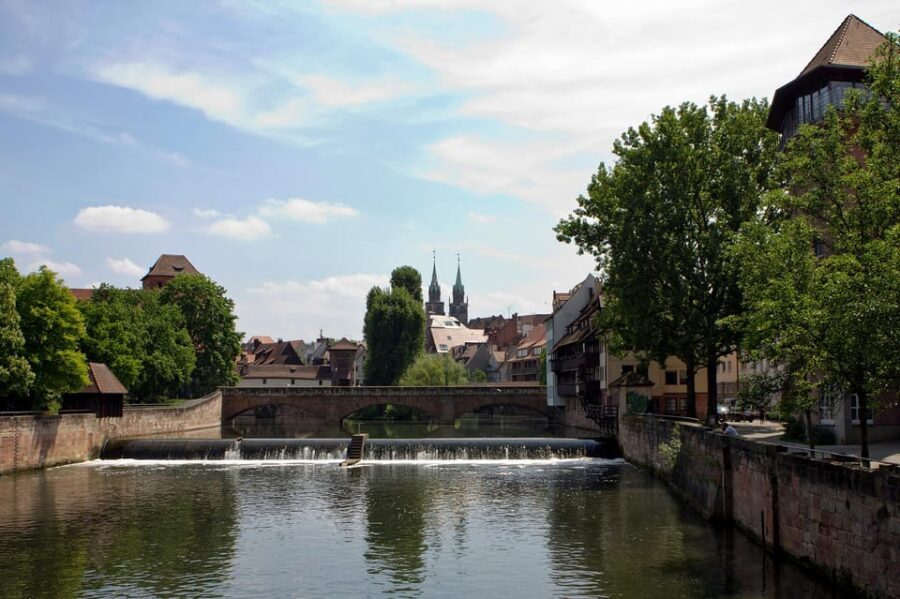
Then the tour shifts into a different kind of fame with a stop at Albrecht Dürer’s House. You get a contrast that’s genuinely useful: the city’s stories aren’t only about fear and punishment. They also point to creativity and lasting influence.
You’ll hear about Albrecht Dürer as part of the tour’s legend-and-history blend. Even without getting a textbook-style lesson, the effect is clear. Dürer doesn’t feel like a name on a poster. He feels like someone tied to a specific neighborhood and a specific city layer.
This kind of stop is valuable for two reasons. First, it breaks up the darker themes so you don’t get story fatigue. Second, it helps you understand how Nuremberg preserved both its shadows and its achievements.
If you’re an art fan, you’ll likely enjoy this part most. If you’re not, it still matters because it rounds out the picture of the city.
Tiergärtnertorplatz: finishing with atmosphere and a sense of place
The walk rounds out at Tiergärtnorplatz. This is a good closing stop because it lets you step back mentally. After bridges, alleys, and story-heavy narration, you need a final anchor—something that feels like a natural end point.
At this stage, you’ll likely feel the city more than you “know” it. That’s not a failure. It’s how walking tours are supposed to work. You leave with a map in your head made out of moments: the ox, the Latin saying, Master Franz, the plague and bagpiper storylines, Dürer, and the way the Old Town pulls you along.
And the evening atmosphere helps. It turns the last minutes into a quieter wrap-up rather than a sprint to the finish.
Price and value: is $17 worth 1.5 hours in Nuremberg?
At about $17 per person for roughly 1.5 hours, this tour is priced like a practical city add-on rather than a big production. The value comes from the format: you’re paying for a live guide who connects multiple key stops in one evening.
Here’s the real math. If you were to do the same sights on your own, you’d likely spend that time wandering and trying to piece together stories from signs and guidebooks. For this price, you’re buying narrative structure—names, legends, and the meaning of details like the ox and the Latin inscription.
It’s also short enough that you can stack it with dinner plans. That matters in Old Town cities, where evenings fill up fast.
One hint from the experience style: a couple of people felt the stories were so good that the time passed quickly. If you prefer long guided sessions, you might still wish it lasted longer. But as a night-time overview, this length is a strength.
Who should book this tour, and who should skip it
This is best for you if:
- you like legends and city storytelling more than strict museum facts
- you want a compact Old Town route with several major stops
- you enjoy hearing history in motion, not in one location
You should think twice if:
- you need an English tour, because it’s IN GERMAN
- you rely on accessibility support, since it’s not suitable for wheelchair users
- you have visual or hearing impairments, since it’s not suitable for visually or hearing-impaired people
It also helps if you’re okay with a walking pace that includes bridges and old streets. The tour calls for comfortable shoes, which is your main instruction for a reason: you’ll be on your feet.
For families, it could work for older kids who can handle German narration, but the tour data doesn’t spell out kid-friendliness. If in doubt, check your group’s comfort with language and outdoor walking.
Tips to enjoy a German evening tour without getting lost
Because the tour is German-only, your best strategy is to go in expecting stories, not a translation exercise. Here’s how you can make it work.
- Arrive with the main names in your head: Master Franz, Albrecht Dürer, and the ox on the Fleischbrücke. Even partial recognition makes the rest easier.
- Pay attention to the “why.” The ox isn’t just decoration. The guide explains its role guarding the gate to the former Fleischhaus, and that meaning is the point.
- Ask yourself what you’re looking for at each stop. For example, at the Fleischbrücke you’re meant to notice the ox and the Latin saying under it.
Also, the guide’s style matters. One guide named Frau Beck was praised for passion, humor, and a lot of knowledge in German storytelling. That’s exactly the kind of narration that makes a language-only tour feel engaging instead of stressful.
Should you book Nuremberg’s Old Town in Evening Light?
Book it if you want a short, story-rich evening walk that connects landmarks to legends. The ox on the Fleischbrücke alone is worth showing up for, and the route stitches together several strong themes: dark history, famous art, and plague-era folklore.
Skip it if German narration is a deal-breaker for you, or if accessibility needs make an outdoor walking tour unrealistic. And if you hate grim history topics, know that the Hangman’s Bridge and Master Franz themes are part of the package.
If you can handle German (or at least follow along with names and story rhythm), this is a fun way to see Nuremberg at night while learning the parts you won’t get from a quick photo stop.
FAQ
What language is the tour in?
The tour is in German.
How long is the tour?
The duration is about 1.5 hours.
Where do I meet the guide?
The meeting point is under the ox portal at the Ochsenportal.
What should I bring?
You should bring comfortable shoes.
Is the tour wheelchair accessible?
No, it is not suitable for wheelchair users.
Is there a minimum number of participants?
Yes. The minimum number of participants is 2 people.
Final thought before you decide
If you’re planning an evening in Nuremberg and you like history with attitude—oxes, Latin inscriptions, and legends stitched into real streets—this tour fits well. Just make sure your German listening comfort is up to it, and wear shoes you can trust for a bridge-and-old-town walk.