REVIEW · NUREMBERG
Nuremberg: Medieval Time Travel for Kids
Book on GetYourGuide →Operated by Geschichte Für Alle e.V. · Bookable on GetYourGuide
Medieval Nuremberg feels close, not dusty. This 2-hour, guided Old Town walk turns everyday life in the Middle Ages into something kids can do and see, starting at the Hangman’s House (Henkerhaus). I especially like how it makes medieval water use on the Pegnitz feel practical, and how games and role-play keep children engaged without turning it into a free-for-all.
You’ll also touch the big themes of medieval life—food, work, play, the role of the church—and you’ll stop at major landmarks kids recognize as soon as you arrive. One thing to consider: the tour is in German and it’s not suitable for children under 6 or for people with mobility impairments, so plan around walking comfort and language needs.
In This Review
- Key things I’d highlight before you go
- Starting at Henkerhaus Museum: the tour’s clever “time travel” setup
- Pegnitz water lessons: what “water” meant in medieval Nuremberg
- Trödelmarkt and Liebesinsel: markets, neighborhoods, and how kids lived
- Fleischhauerbrunnen: medieval professions you can actually imagine
- Hauptmarkt Nürnberg: the main market and the Christmas-market connection
- St. Sebaldus Church and its relief: explaining the church without lecturing
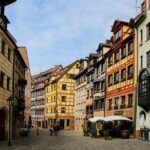
- Weinmarkt to Weißgerbergasse: letting the Old Town finish the story
- Price and value: $11 for 2 hours of active history
- The pace, practicalities, and what to pack
- Who this tour is best for (and who might feel less satisfied)
- Should you book this medieval time travel tour?
- FAQ
- How long is the tour?
- Where does the tour meet?
- What stops are included?
- What will my kids learn and do?
- What language is the tour in?
- Is it suitable for young children?
- What should I bring and wear?
Key things I’d highlight before you go
- Pegnitz water lessons: see how water mattered day to day, not just as scenery.
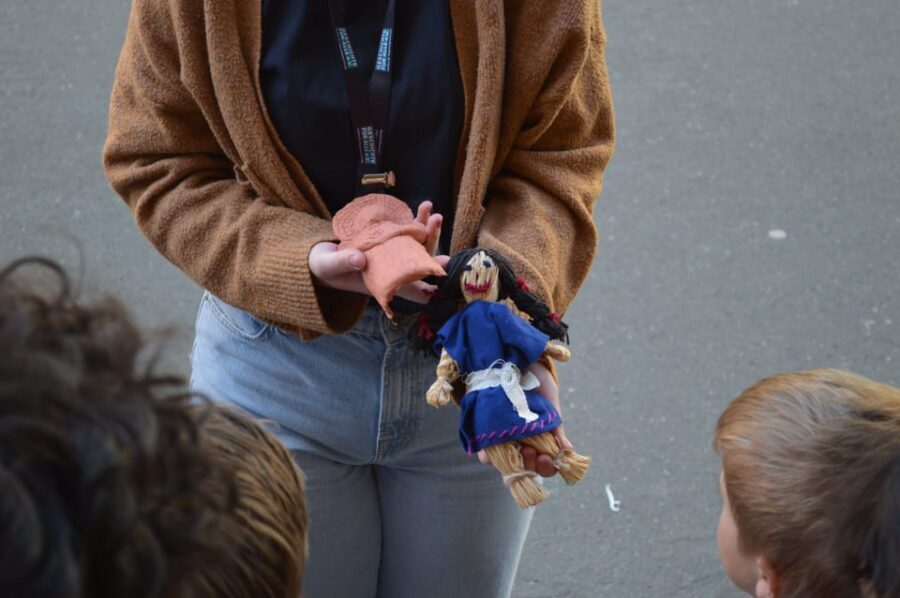
- Kid-led games and role-play: hands-on activities at the stops keep attention from drifting.
- Old Town landmarks in a tight loop: short walking stretches, mostly 5–7 minutes between points.
- Church explained with a close look: relief outside St. Sebaldus helps explain what the church did in daily life.
- Markets tied to real traditions: you’ll reach the main market area where the annual Christmas market happens.
- Medieval professions: you get a feel for work life, not just knights and castles.
Starting at Henkerhaus Museum: the tour’s clever “time travel” setup
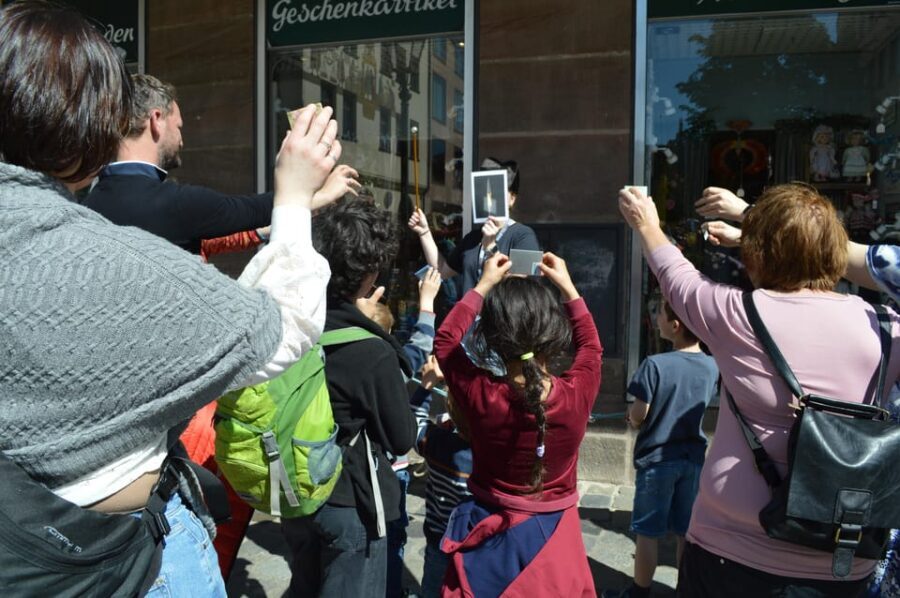
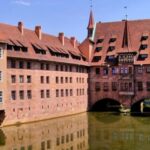
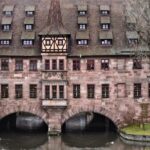
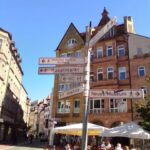
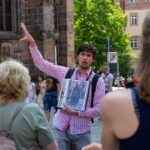
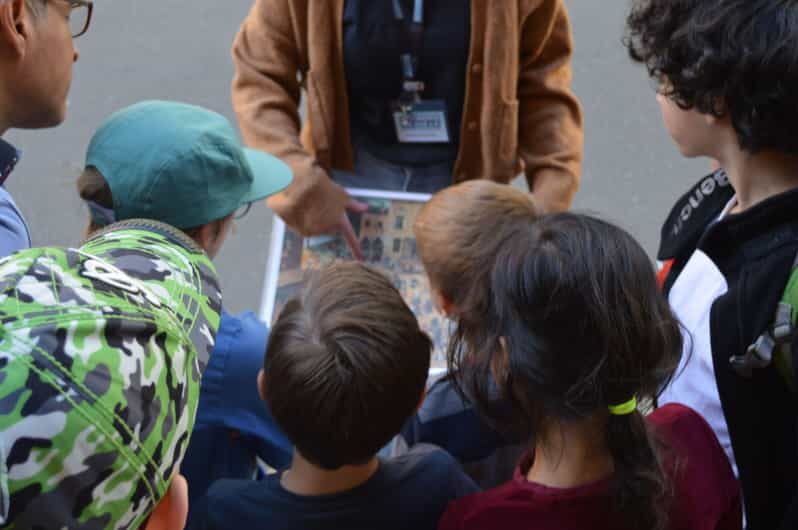
The experience begins at the Henkerhaus Museum area, at the Hangman’s House. That’s a fun start for kids because it signals right away: this tour won’t pretend the Middle Ages were all sunshine and princesses. The guide stands in front of the Hangman’s House and is easy to spot by a green name badge and a folder labeled Geschichte Für Alle.
From there, you move on foot through the Old Town. The total time on the move is manageable because the stroll between stops is short—think quick hops of about 5 minutes, with one slightly longer stretch (about 7 minutes). For families, that matters. You don’t need to plan a whole afternoon of walking to get a great story.
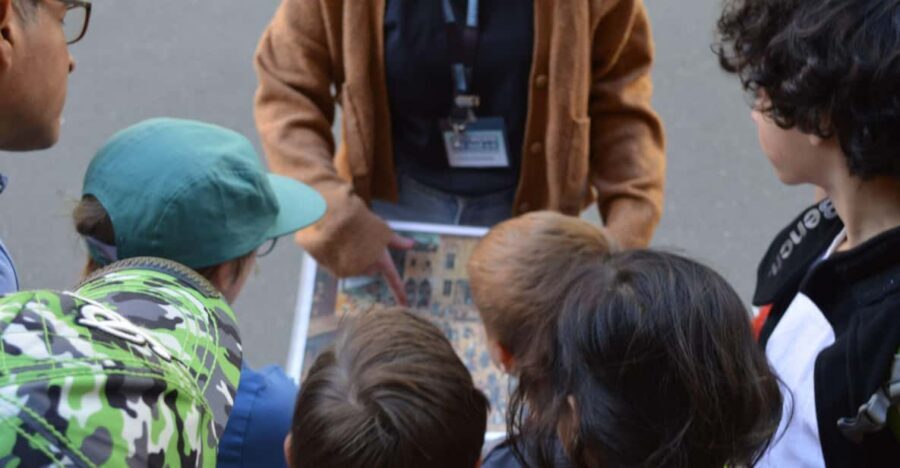
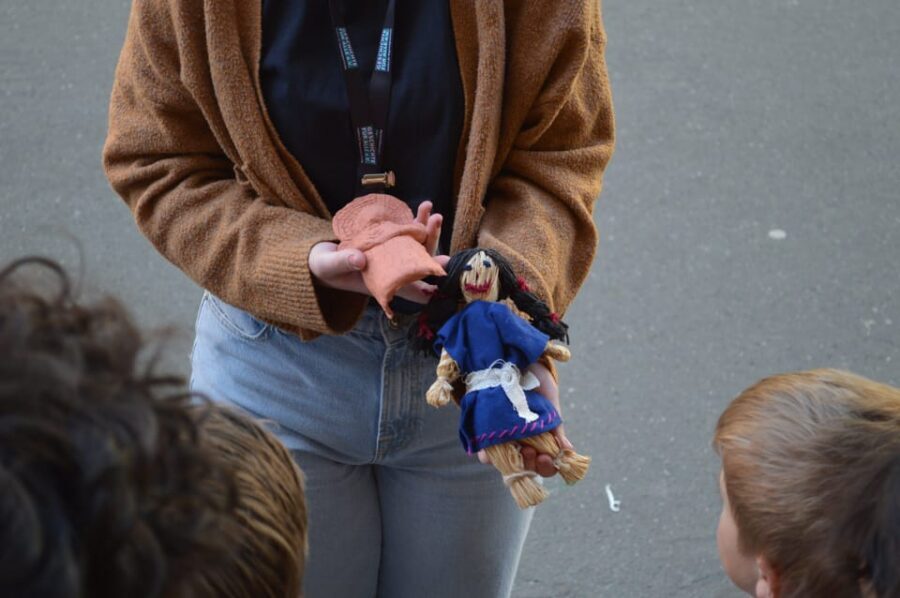
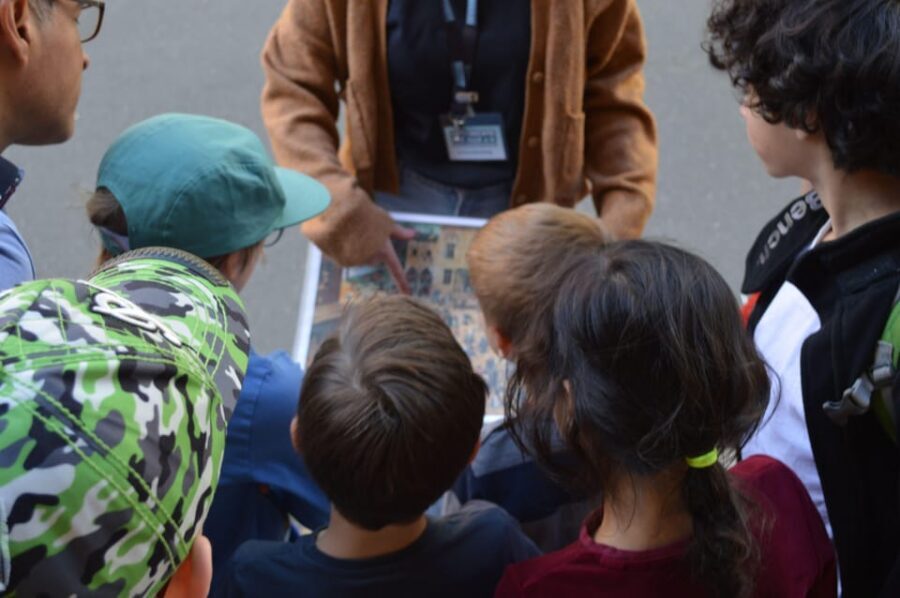
Also, the guide keeps the tone child-friendly. The format isn’t just a lecture. It’s built around questions, participation, and doing things together—so even kids who usually get restless have a job to do.
Other Nuremberg day trips we've reviewed in Nuremberg
Pegnitz water lessons: what “water” meant in medieval Nuremberg
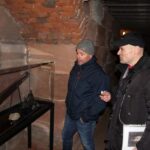
One of the best parts is the focus on how water was used in medieval times, tied to the river Pegnitz. Instead of treating water as a pretty backdrop, the tour frames it as infrastructure and daily resource: useful, managed, and connected to how people lived.
Why this works for kids: water is something they already understand. You know what it does. You know what it feels like. The tour turns that everyday knowledge into a Middle Ages story—where water isn’t just there, it’s part of work and routine.
And it works for adults too. Even if you know Nuremberg exists, you might not have connected the city’s daily flow to medieval life in a hands-on way. This is the kind of learning that makes you look at a river and think, Okay, this was doing real work back then.
Trödelmarkt and Liebesinsel: markets, neighborhoods, and how kids lived
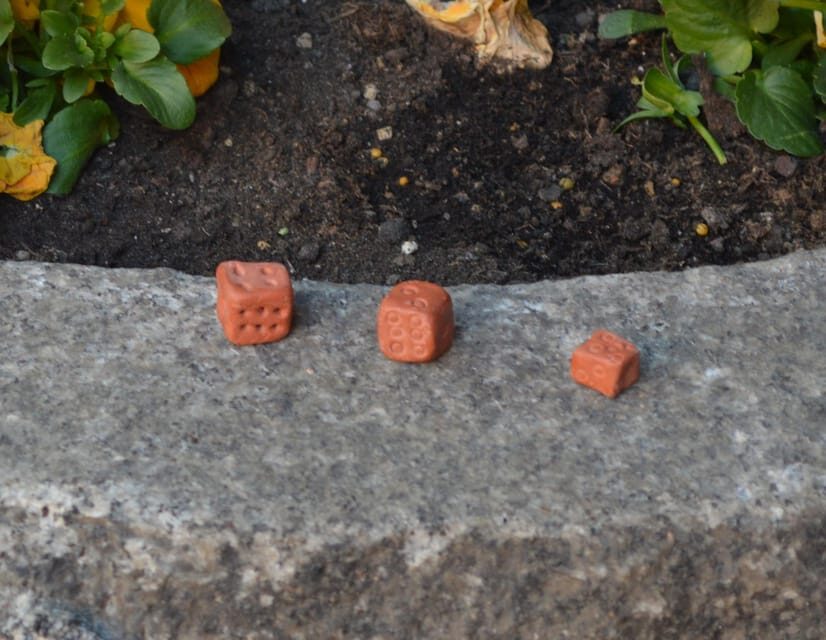
Your first named stop is the Trödelmarkt, a market area in the Old Town. This is where the tour starts to switch gears from “story of the city” into “how life worked for regular people.” Kids are usually most curious about small daily details. This tour leans into those: what children ate, what they played with, and whether the famous idea of knights and princesses actually fits what you’d find in a real city.
If your child asks a lot of big questions like that—great. The tour is designed for it.
Then you head toward the Liebesinsel. Even without turning it into a long detour, this stop gives the experience a change of pace. You’re not just marching from landmark to landmark. You’re learning the city as lived-in space, with meaningful points you can visually anchor in your mind.
The overall effect: you get a sense of the Middle Ages as a place with routines. Not just dramatic events.
Fleischhauerbrunnen: medieval professions you can actually imagine
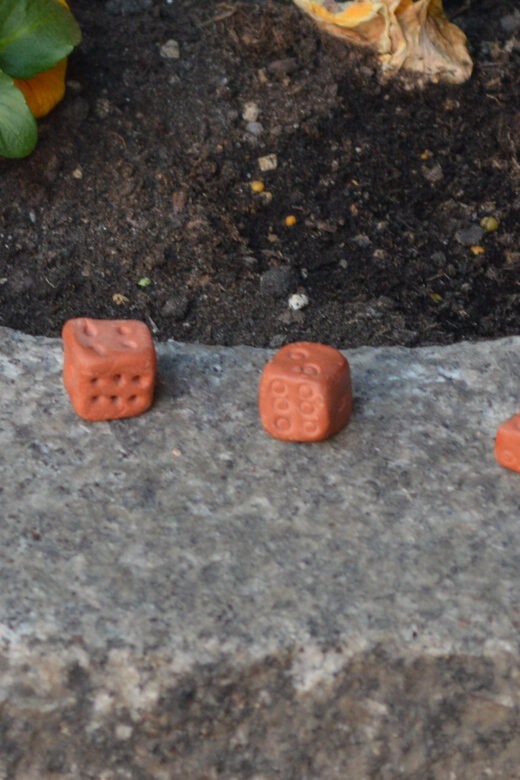
Next up is the Fleischhauerbrunnen. This stop is where the tour starts building out the idea of different medieval professions in a way kids can grasp. You’re not expected to memorize job titles. The focus is on role and daily work—what people did and how that shaped their lives.
This is another smart choice. When kids learn history through professions, it becomes real. It’s not “people long ago.” It’s “workers like these” doing things you can picture. And for adults, it helps you move beyond the tourist view of Nuremberg as a perfect postcard.
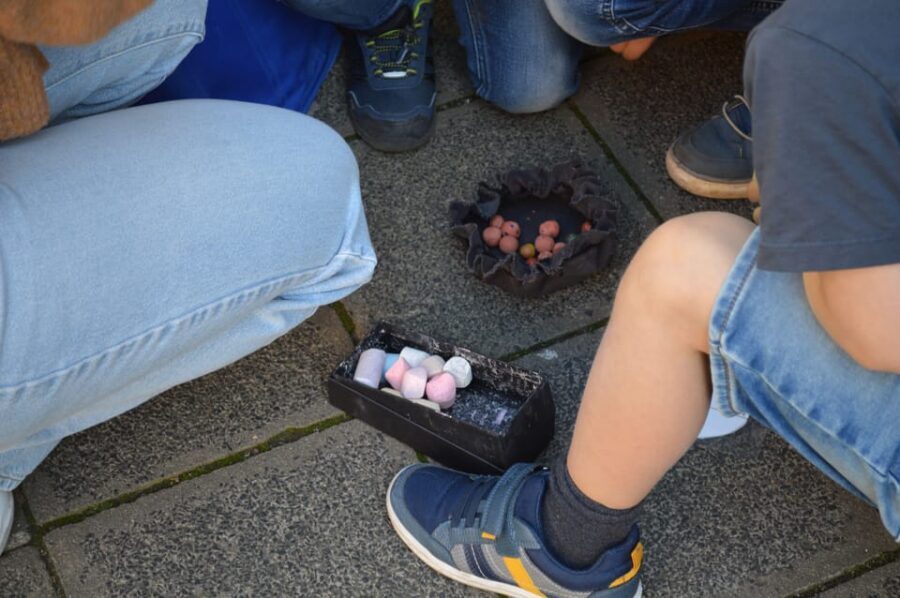
You’ll also see how the tour’s participation style supports this theme. Expect historical games and short interactive moments during the walk. The energy stays structured, not chaotic—so even if you’re traveling with more than one child, you’re not stuck doing crowd-control the whole time.
Hauptmarkt Nürnberg: the main market and the Christmas-market connection
When the tour reaches Hauptmarkt Nürnberg, it brings you to the city’s most famous main market setting. This is the spot where the annual Christmas market takes place, and it’s a strong contrast point for families. Even if you visit outside the holidays, you can stand there and understand why this is the place people return to every year.
The tour uses this market stop to connect medieval daily life to traditions that still echo. It’s a reminder that cities keep repeating patterns—food, gathering, trade—even when the costumes change.
For parents, this is also a good strategy. Markets are natural attention magnets for kids. You don’t need to invent reasons for them to care. The space itself helps. And because the tour ties the market to stories about what people ate and how they spent time, the information lands better than a list of facts would.

St. Sebaldus Church and its relief: explaining the church without lecturing
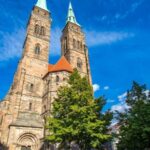
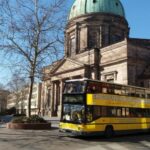
St. Sebaldus Church is a key educational stop. What makes it special here is that the focus includes the relief outside the church, used to explore the role of the church in medieval life.
This part matters because the church wasn’t just a building. It shaped schooling, community norms, rituals, and people’s idea of how the world worked. The tour translates that into language kids can process without turning it into a heavy sermon.
You’ll also participate in a joint staging of a sacred ritual. The goal isn’t to put anyone on the spot. It’s more like a guided dramatization—something that helps you feel how ritual can work as community practice.
The result: you learn about faith as lived behavior, not just doctrine. And you get why the church was so visible in the routines of everyday life.
Weinmarkt to Weißgerbergasse: letting the Old Town finish the story
After St. Sebaldus, you continue on to Weinmarkt and then finish at Weißgerbergasse. Those last stops help close the loop: the tour isn’t just “see big highlights and leave.” It guides you through the flow of the Old Town so the story doesn’t cut off mid-thought.
Weinmarkt works well thematically because it reinforces the idea of daily economics and city life—what people gathered for and how neighborhoods connected to commerce. Then Weißgerbergasse gives you a natural wrap-up point in the Old Town fabric.
By the time you finish, you’re not only remembering sights. You’re remembering themes: water, work, play, nutrition, leisure, the church, and what daily life might have looked like for children.
It’s a tidy length too. Two hours is long enough to make the city feel coherent, but short enough that kids don’t completely lose the thread.
Price and value: $11 for 2 hours of active history
At around $11 per person for a 2-hour guided walking tour, this is strong value when you look at what’s included.
You get:
- a guided walking experience through meaningful Old Town stops
- interactive elements (games and participation)
- thematic learning about childhood, food, leisure, church role
- role-play style moments, including a sacred ritual staging
A lot of tours charge similar or more for a basic walk-and-talk. Here, the tour is built around participation, which usually costs more in staff time and planning. For families, that difference shows up immediately. If your child stays engaged for the full length, you’ve already gotten your money’s worth.
One practical point: the tour runs in German with a live guide. If you don’t speak much German, you can still follow along through the visual and interactive components, but this is clearly not a multilingual tour. Decide based on your comfort level.
The pace, practicalities, and what to pack
The walking is straightforward and broken into short segments. You’ll be moving through the Old Town with brief on-foot stretches between stops, usually around five minutes, with one slightly longer leg.
For what to bring:
- comfortable shoes (you’re on cobblestones and Old Town surfaces, so plan for that)
- weather-appropriate clothing (you’ll be outside most of the time)
The tour isn’t suitable for people with mobility impairments, so if that’s part of your group, plan for an alternative.
Age-wise, it’s not for kids under 6. For most families with kids around primary school age, this kind of guided participation tends to land well because it keeps learning concrete.
Who this tour is best for (and who might feel less satisfied)
This works best if:
- you want history for kids that doesn’t feel like school
- you like tours with participation rather than passive listening
- you’re traveling with children who enjoy games, acting, and simple challenges
- you want a family walk that also tells adults something new
It may be less ideal if:
- you need an English-only guide
- your child can’t handle structured participation or walking for around two hours
- you’re traveling with someone who has mobility constraints (this isn’t designed for it)
Should you book this medieval time travel tour?
If you want a family-friendly Old Town experience where your kids actually do something, I’d book it. The combination of hands-on games, clear themes (water, work, childhood, church), and major Nuremberg landmarks in one loop makes it feel efficient. It’s not trying to turn medieval life into a costume show. It uses activities to make daily life understandable.
Book it especially if your kids are curious about how people lived—what they ate, what they played with, and whether the Middle Ages looked like the stories.
If you’re strongly dependent on English, or if someone in your group needs mobility support, you’ll want to think twice. Otherwise, this is a great use of a couple hours in Nuremberg.
FAQ
How long is the tour?
The tour lasts 2 hours.
Where does the tour meet?
You meet in front of the Hangman’s House (Henkerhaus Museum) at Trödelmarkt. The guide stands there with a green name badge and a folder from Geschichte Für Alle.
What stops are included?
The tour includes stops at Trödelmarkt, Liebesinsel, Fleischhauerbrunnen, Hauptmarkt Nürnberg, St. Sebaldus Church, Weinmarkt, and finishes at Weißgerbergasse.
What will my kids learn and do?
Kids learn about medieval daily life, including what children ate and played with, what leisure time looked like, and what the church did. They also take part in historical games and a joint staging of a sacred ritual.
What language is the tour in?
The live tour guide speaks German.
Is it suitable for young children?
No. It’s not suitable for children under 6.
What should I bring and wear?
Bring comfortable shoes and dress for the weather, since the tour is outdoors for most of the time.