REVIEW · NUREMBERG
Nürnberg: Mörder, Fälscher, Messerstecher
Book on GetYourGuide →Operated by Geschichte Für Alle e.V. · Bookable on GetYourGuide
Crime and justice feel real here.
This walking tour turns Nuremberg’s landmarks into a clear story about the city’s History of Crime, from execution-era thinking to medieval punishment. I like that it’s organized like a route you can actually follow, not a lecture floating in the air, and you’ll move through the Old Town at a comfortable pace with a live guide.
Two things I really liked: you spend time with specific figures and places—especially Franz Schmidt—instead of vague “dark ages” talk, and you also get practical context at the Lochgefängnisse (medieval prison), including what it was for and the conditions tied to medieval justice. One consideration: key stops like the Hangman’s House, the town hall, and the medieval dungeons have explanations on the walk, but entry isn’t included, so don’t plan on going inside everything.
In This Review
- Key points to know before you go
- Starting at the Henkerhaus: Franz Schmidt and the hangman’s world
- Weinmarkt witch hunts: how fear became policy
- Old City Hall Nuremberg: where law and power met
- Lochgefängnisse: Nuremberg’s medieval dungeons explained
- Hauptmarkt and Christkindlesmarkt: crime and death penalty on the same square
- Fleischbrücke: corporal punishment and the medieval idea of discipline
- Findelgasse and Peter Henlein: a famous watchmaker’s story
- Schuldturm finale: purpose and inmates at the end of the walk
- Price and time: is €15-ish value fair for 2 hours?
- What it’s like on the ground: pace, comfort, and weather reality
- Who should book this tour?
- Should you book Nürnberg: Mörder, Fälscher, Messerstecher?
- FAQ
- What language is the tour offered in?
- How long is the guided tour?
- How much does it cost?
- Where do I meet the guide?
- Does the tour include entry to the Hangman’s House, town hall, and dungeons?
- Where does the tour end?
- Is the tour suitable for mobility impairments?
- Should I book this tour? (Quick decision)
Key points to know before you go
- Franz Schmidt: you start at the Henkerhaus area and learn why Nuremberg’s most famous executioner is tied to local history
- Witch hunts at the Weinmarkt: you connect rumor-driven fear to how authority worked in the city
- Town Hall stop: you see where civic power met justice systems of the day
- Lochgefängnisse (medieval dungeons): you learn the purpose and the harsh realities behind the prison name
- Hauptmarkt + Christkindlesmarkt: you connect the Christmas square to everyday crime and the death penalty
- Schuldturm finale: you end with the purpose of the tower and what its inmates’ lives were like
Starting at the Henkerhaus: Franz Schmidt and the hangman’s world
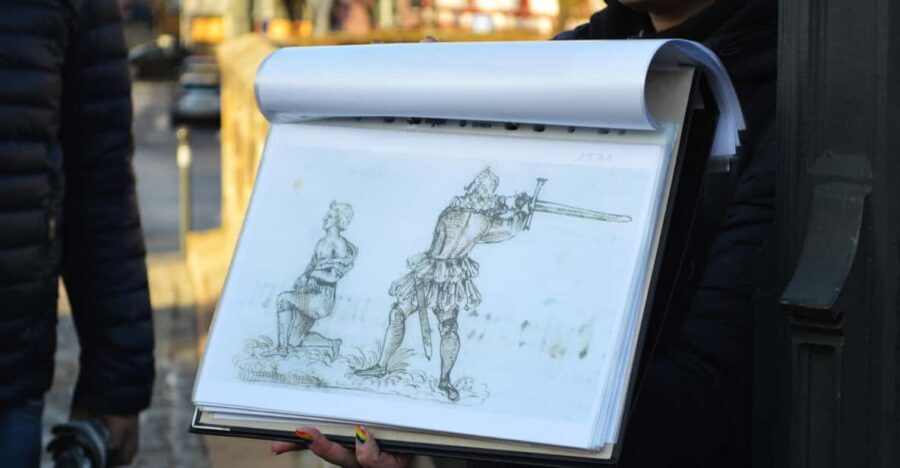
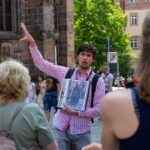
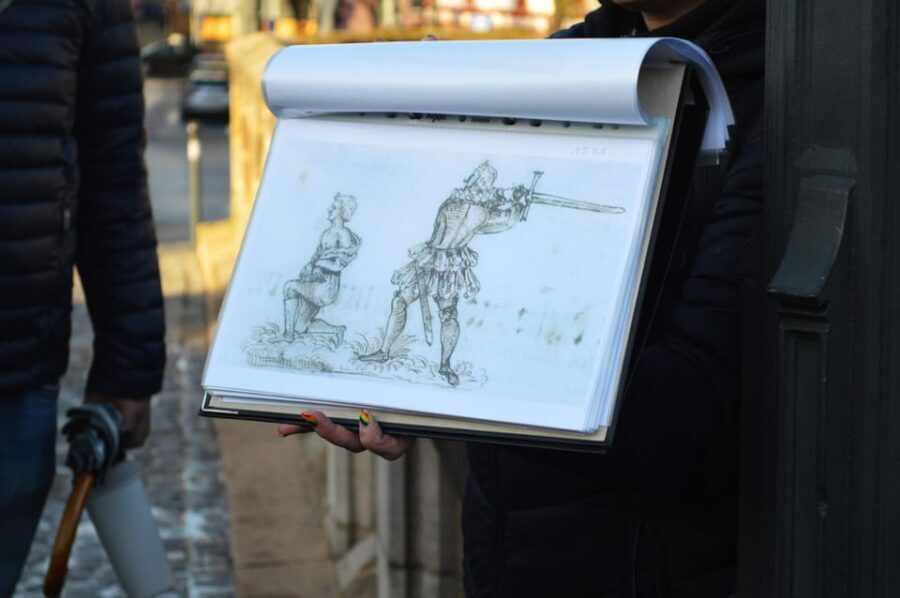
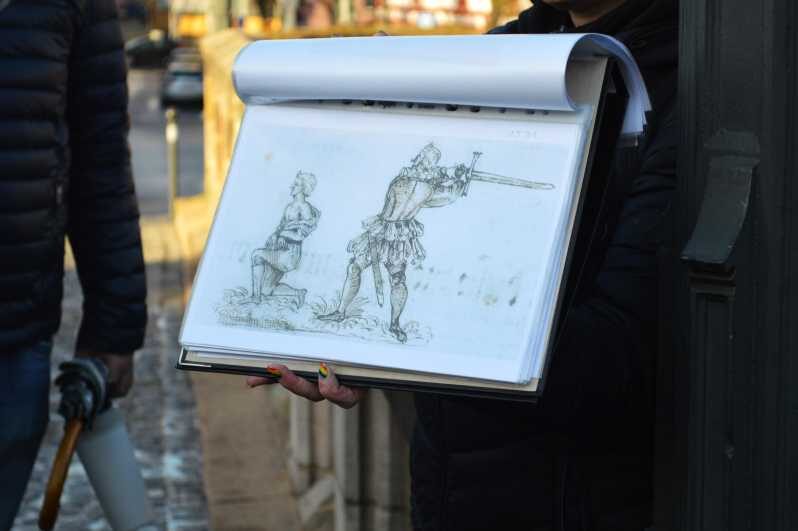
Your tour begins in front of the Henkerhaus Museum, at the entrance—easy to spot because the guide carries a picture folder and wears a green name tag that reads Geschichte Für Alle. This matters, because the whole experience is built around walking from one “place where it happened” to the next, and you’ll want to be oriented from the first minute.
Right away, the theme turns from sightseeing to cause-and-effect. You’ll learn about the history of the Hangman’s House and meet its most famous hangman, Franz Schmidt. The value here isn’t just the shock of the role. It’s the way the guide frames what executions meant for a city’s order—who held power, what counted as a crime, and how public punishment functioned like civic messaging.
If you’re the type who likes your history grounded in real locations, you’ll appreciate the start. It’s not abstract. It’s anchored.
If you're still narrowing it down, here are other tours in Nuremberg we've reviewed.

Weinmarkt witch hunts: how fear became policy
After the first big stop, you head toward the Weinmarkt. This is where the tour shifts to witch hunts in Nuremberg. You’re not just told that witch hunts happened; you learn how the machinery of justice and authority contributed to them—and why people believed what they believed.
What I like about this portion is the balance between story and explanation. Witch hunts can turn into sensational tragedy if the guide isn’t careful. Here, the focus stays on the logic of medieval justice: fear spreads, accusations multiply, and institutions make it official. The Weinmarkt setting also helps. Being in the Old Town square where commerce and daily life used to happen makes the subject feel less like distant folklore and more like something that once collided with ordinary routines.
You’ll cross and pass key areas of the center as you go, so it doesn’t feel like a single-topic detour. It builds a pattern: punishment wasn’t an occasional event—it was woven into how the city managed risk.
Old City Hall Nuremberg: where law and power met
Next comes the Old City Hall Nuremberg. Even if you’re not stepping inside, this stop is one of the tour’s “anchor points” because it ties the moral story to the institutions behind it. You’ll find out more about Nuremberg’s medieval justice system and how the city’s governance connected to decisions about guilt, punishment, and order.
This is where the tour earns its usefulness. A lot of tours in historic cities give you pretty buildings and short facts. This one uses the town hall as a prompt: who made the rules? how did enforcement work? what did the city do with accused people?
If you’ve ever wondered why medieval justice seems so severe (and sometimes so arbitrary), this stop helps you see the structure behind the severity. It gives you a lens for the next grim locations.
Lochgefängnisse: Nuremberg’s medieval dungeons explained
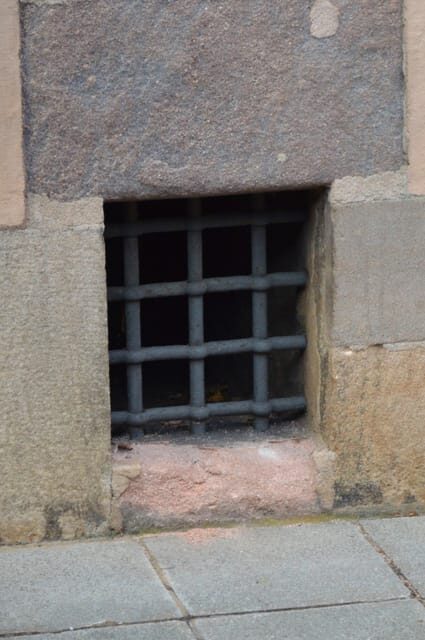
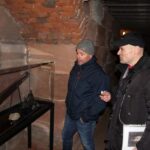
Then you reach one of the most important stops: the Lochgefängnisse, the medieval prison known for its dungeon-like conditions. Here the guide explains the prison’s purpose and what conditions were like, connecting it to the broader theme of crime, punishment, and control.
I appreciate that the tour doesn’t treat the dungeons as a spooky photo-op. It’s explained as a system. You learn why a prison like this existed and how it supported the city’s approach to justice. That’s a big difference, because when you understand the purpose, the place stops being only “dark” and becomes “functional”—and that makes the story harder to dismiss as mere drama.
Also, it’s a good moment to ask your own questions. If you tend to go quiet on guided tours, this is the segment where you might get pulled in—because there’s enough context to make follow-up questions feel grounded, not random.
Hauptmarkt and Christkindlesmarkt: crime and death penalty on the same square
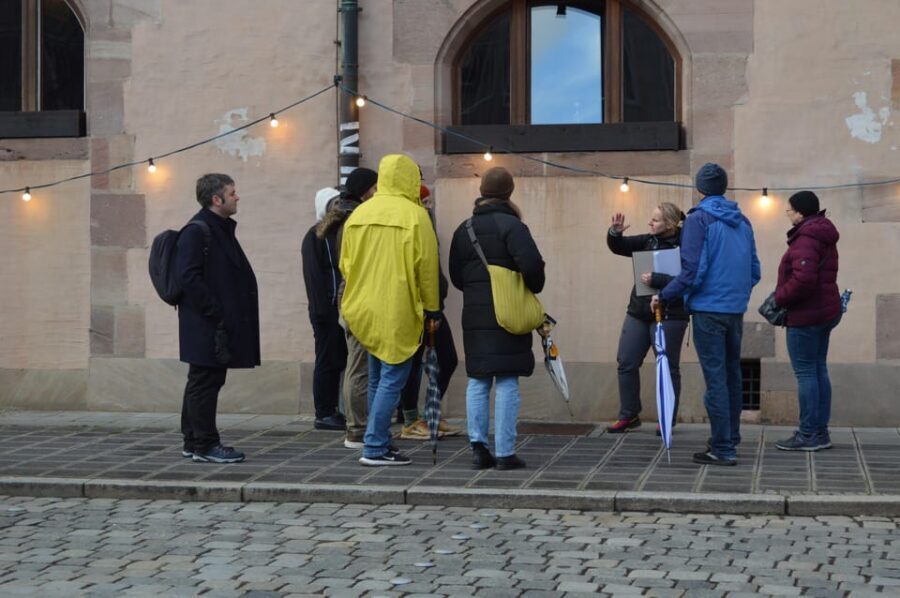
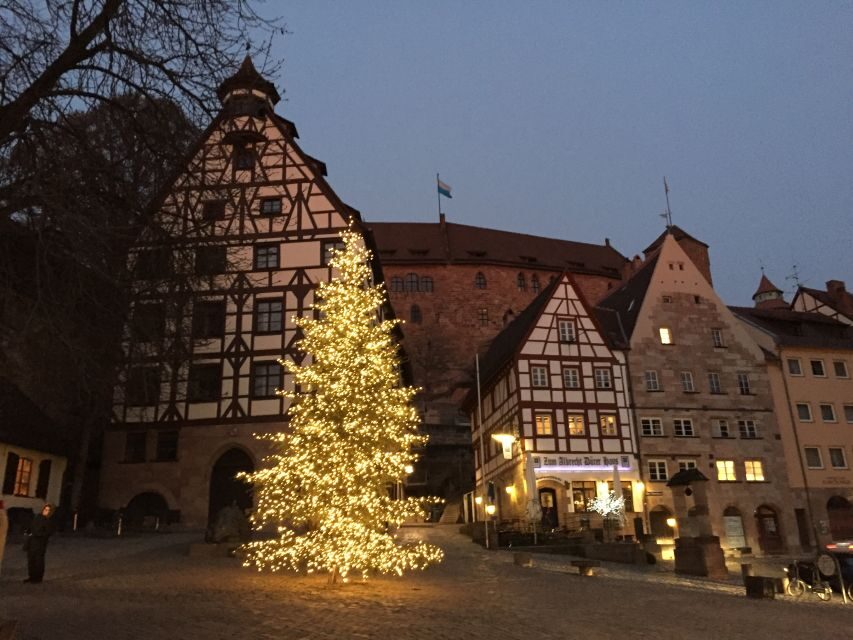
The tour then walks you to the Hauptmarkt, the famous main market where the annual Christkindlesmarkt takes place in December. This part is surprisingly thought-provoking because the guide connects the square to everyday crime and the death penalty.
In December, the Hauptmarkt can feel like pure tradition—lights, stalls, and a holiday vibe. On this tour, you’re asked to hold two images in your head at once: the festive modern square and the historic space where punishment stories played out. That contrast is exactly why the stop works.
And it’s not just “look, the bad stuff happened here.” You’ll learn about the relation between the Hauptmarkt and the city’s approach to crime—how authority used public spaces to reinforce order. The guide’s storytelling helps you understand that even a central market could become part of the justice theater.
If you’re visiting in winter, timing matters. You’ll be walking through the city center when it’s at its most alive, and the guide helps you interpret what you’re seeing beyond the season.

Fleischbrücke: corporal punishment and the medieval idea of discipline
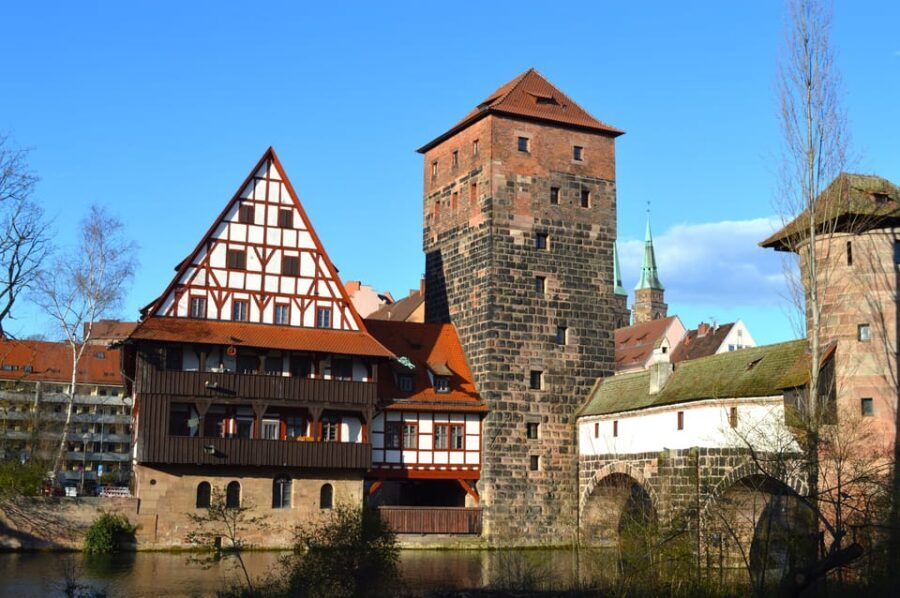
Next up is the Fleischbrücke. This is where the tour gets into corporal punishment in the Middle Ages. You’ll hear how discipline and punishment were applied physically—and why that physical approach was part of how society enforced rules.
This is one of those stops where you’ll likely feel a shift in tone. The earlier parts focus on institutions and systems. Here, the consequences become more immediate. The value is that the guide frames corporal punishment as a method used by medieval justice, not as a random cruelty you can treat like a horror-movie scene.
You’ll also appreciate the walking rhythm here. The tour keeps moving, so you don’t sit too long in one heavy topic. It helps you process each idea while still getting the full route through the center.
Findelgasse and Peter Henlein: a famous watchmaker’s story
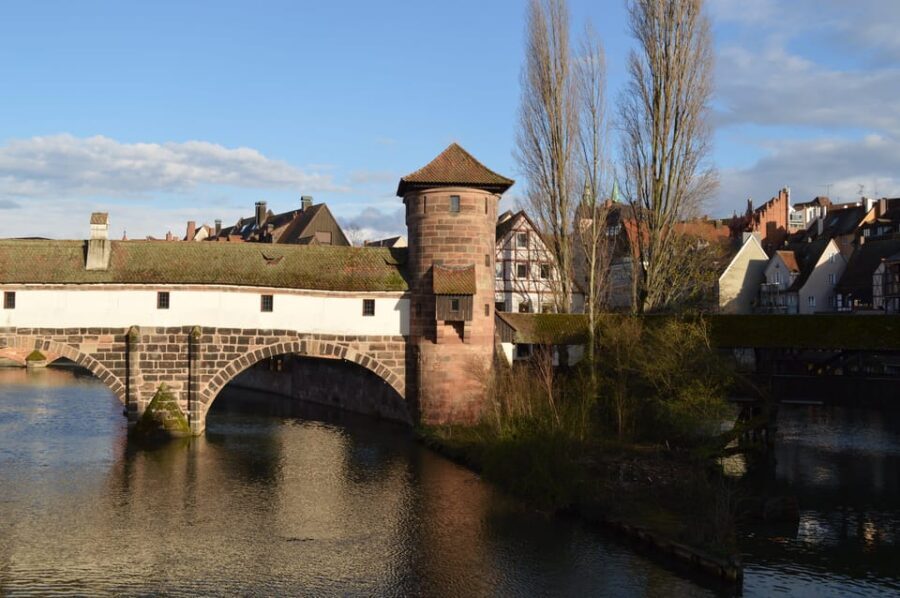
You then head to the Findelgasse, where you listen to the story of Peter Henlein, a famous watchmaker. This is a key “contrast stop.” After prisons, punishment, and witch hunts, the tour turns toward a person tied to craftsmanship and timekeeping.
That might sound like a soft pivot, but it fits the overall theme: history includes the human-scale world as well as the judicial system. Henlein’s story gives you something to hold onto, especially if you’re hoping for variety that doesn’t break the historical thread.
The street setting also helps. Narrow Old Town lanes feel made for stories, and this one gives your brain a chance to shift from grim institutions to lived life. It’s also a reminder that even in a city known for harsh justice, people still built things, worked, and shaped the future.
Schuldturm finale: purpose and inmates at the end of the walk
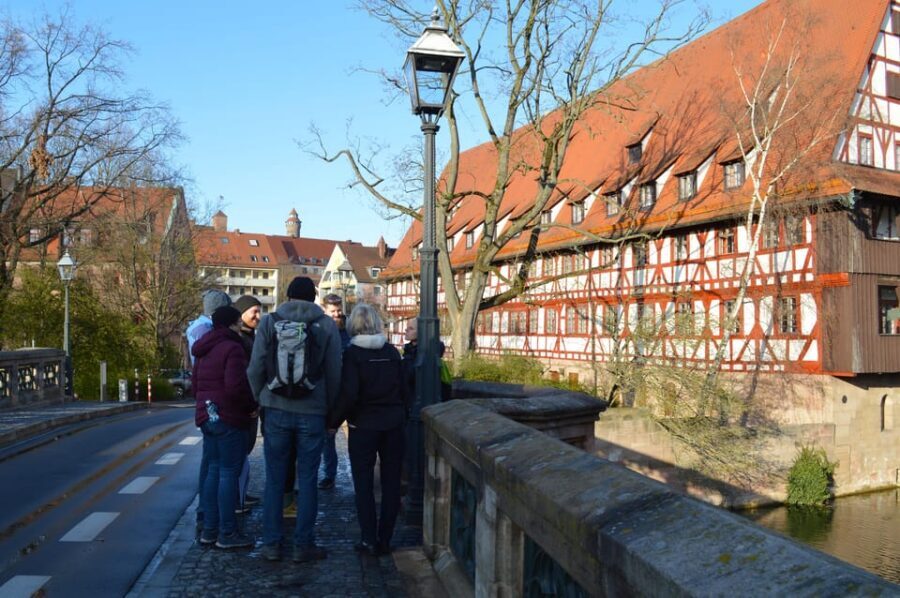
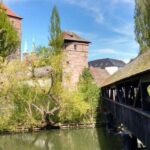
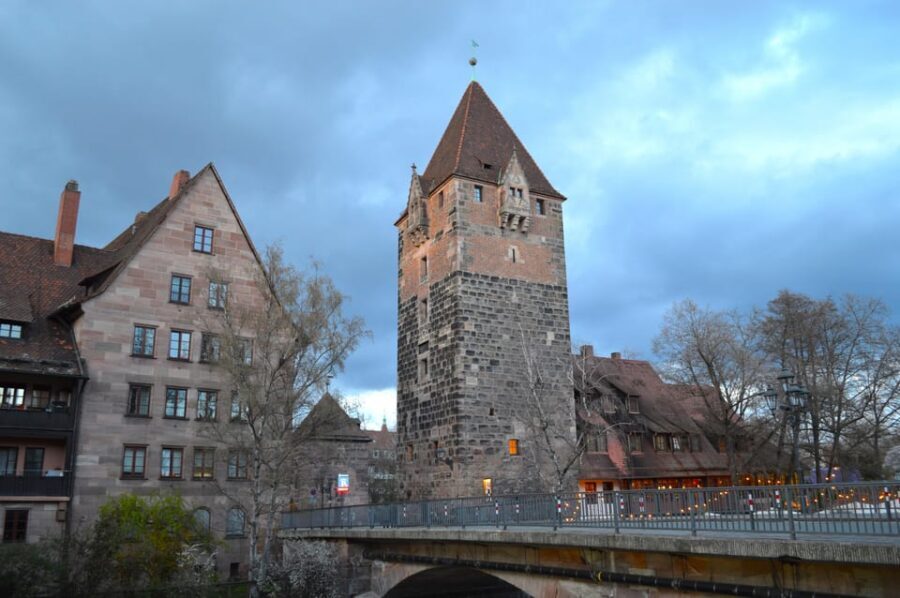
Your final stop is in front of the Schuldturm, where the guide explains its purpose and its inmates. This is where the tour closes its loop: you’ve seen justice structures, you’ve seen punishment in public spaces, and now you focus on a specific building tied to confinement.
Ending with the Schuldturm works because you’ve accumulated enough context to understand what a “tower” might represent in the logic of medieval punishment. The guide doesn’t just name the place; it gives it meaning inside the broader story you’ve been building for two hours.
When you finish, you’re directed to Vordere Insel Schütt, 90403 Nürnberg-Mitte, Germany. That end point is a practical way to keep you close to the center, so you’re not stuck wondering how to get back to your next plan.
Price and time: is €15-ish value fair for 2 hours?
This tour costs about $15 per person for a 2-hour guided walking experience. For Nuremberg, where you can spend a lot more on museum entries and private tours, this price is mostly about one thing: getting a qualified guide to connect the dots between the city’s harsh justice past and the landmarks you’re actually seeing.
Also, remember what’s not included. The tour does not include entry to the Hangman’s House, the town hall, or the medieval dungeons. So you’re paying for interpretation of the sites and route, not for museum tickets. If you want to go inside buildings afterward, you’ll likely need to plan separate admissions.
Still, if your goal is to understand the Old Town beyond “pretty views,” $15 for two hours with a live guide is good value. Especially because the group experience seems designed for questions—this kind of topic only works when the guide can answer you clearly.
What it’s like on the ground: pace, comfort, and weather reality
This is a walking tour, and you’ll be on your feet for the full 2 hours. That’s not a problem if you’re comfortable with city walking, but it does affect who should choose it. The tour is not suitable for people with mobility impairments, and it makes sense to take that seriously.
Bring comfortable shoes. Wear weather-appropriate clothing. The tour moves through the Old Town, and you’ll be outside enough that rain or early darkness can change the mood. The good news: the experience is built for real weather conditions, not sunshine-only history.
One more practical tip: because several stops are tied to justice and punishment, keep your own pace. If you need a moment, step a few paces aside and let the guide finish their explanation. The story is sequential, so you won’t lose the thread.
Who should book this tour?
Book it if you like history that has consequences—crime, justice, institutions, and what societies chose to do to enforce order. You’ll also enjoy it if you want Nuremberg’s Old Town story in a focused route, not scattered across individual museum stops.
You might skip it if you mainly want hands-on museum experiences with lots of interior time, because key entries aren’t included. In that case, consider pairing the walk with separate museum visits after you’ve learned the context.
If you’re traveling with a group of 10 or more, you can contact the provider at [email protected], which is useful if you’re coordinating friends or a small club.
Should you book Nürnberg: Mörder, Fälscher, Messerstecher?
Yes, if you want a short, clear guided walk that turns Nuremberg into a crime-history map. The strongest parts are the specific anchor points—Franz Schmidt at the Hangman’s House area, the prison story at the Lochgefängnisse, and the way the Hauptmarkt connects to death-penalty-era thinking. You also get a guide who handles questions well and keeps the tone thoughtful rather than just grim.
If you’re not comfortable with walking, or you need step-free access, this isn’t the right fit. And if you’re hoping for included museum entry tickets, plan for separate admissions.
FAQ
What language is the tour offered in?
The tour is in German.
How long is the guided tour?
The tour lasts about 2 hours.
How much does it cost?
The price is $15 per person.
Where do I meet the guide?
Meet the guide in front of the entrance of the Henkerhaus Museum. The guide carries a picture folder and a green name tag that says Geschichte Für Alle.
Does the tour include entry to the Hangman’s House, town hall, and dungeons?
No. Entry to the Hangman’s House, the town hall, and the medieval dungeons is not included.
Where does the tour end?
The tour finishes at Vordere Insel Schütt, 90403 Nürnberg-Mitte, Germany.
Is the tour suitable for mobility impairments?
No, the tour is not suitable for people with mobility impairments.
Should I book this tour? (Quick decision)
If you want a compact, guided route through Nuremberg’s most “charged” sites—without paying for multiple museum tickets—this is a strong match. If your priority is indoor entry time, treat it as a context-building walk and plan additional visits separately.