REVIEW · MUNICH
Mozart and German Composers Private Tour in Munich
Book on GetYourGuide →Operated by Rosotravel Germany · Bookable on GetYourGuide
Munich sounds different after this walk. This private 2-hour stroll turns the Old Town into a score, using Mozart, Strauss, Wagner, and other composers to explain how Munich became a music center. I especially love how Marienplatz and Frauenkirche become practical music-history stops, with Orlande de Lassus tied in as a standout 16th-century influence. I also love the pause at St. Peter’s Church, where the choir tradition dates back to the early 13th century. One thing to consider: it’s a lot of top landmarks in a short time, so you’ll keep moving at a steady clip.
You start opposite St Peter at BEYOND by Geisel, then work your way through the places tied to court, church, and opera life: National Theater, the Munich Residenz, and the Cuvilliés Theater. The 5-star licensed guide is fluent in your chosen language, and you can shape the focus toward the composer stories that grab you most.
In This Review
- Key Highlights That Make This Tour Worth Your Time
- Why Mozart, Strauss, and Wagner Belong on a Munich Walking Map
- Getting Started at BEYOND by Geisel (Marienplatz 22)
- St. Peter’s Church: When “Choral Music” Is Actually Choral Music
- Marienplatz and Frauenkirche: Munich Through the Lens of Training
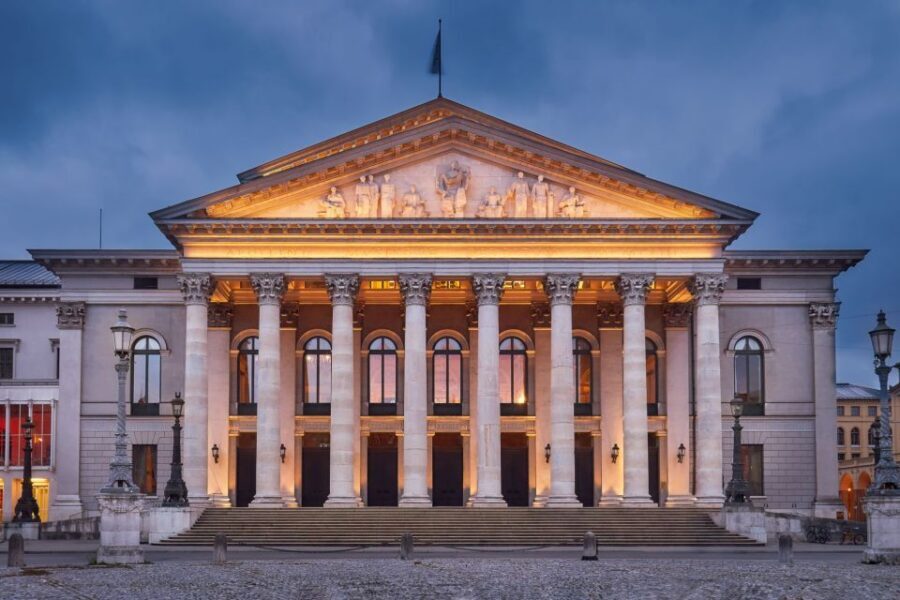
- The National Theater and Opera Munich: Wagner and Strauss in the Same Walk
- Munich Residenz: Where Mozart Played for Karl Theodor and Ferdinand IV
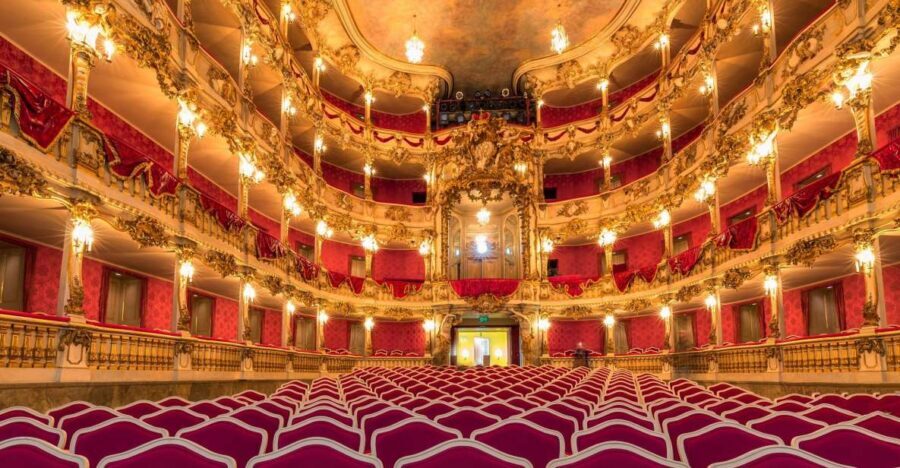
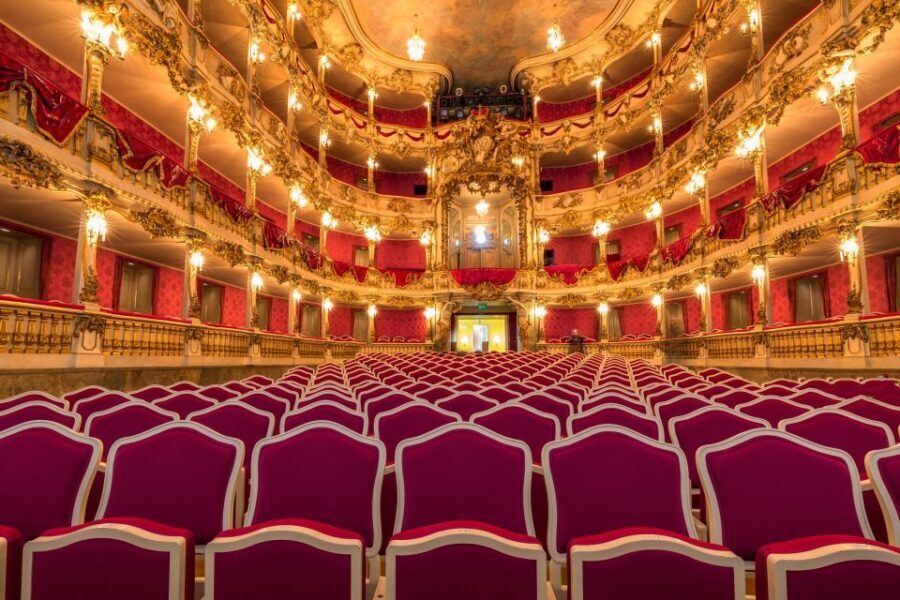
- Cuvilliés Theater: Mozart’s Idomeneo Premiere in 1781
- The Guide Experience: Stories That Actually Connect the Dots
- Price and Value: Is $215 Per Person Reasonable?
- Who Should Book This Tour (and Who Might Skip)
- Quick Decision Checklist: Book It or Pass
- FAQ
- How long is the Mozart and German Composers Private Tour in Munich?
- Where do I meet the guide, and where does the tour end?
- Is this a private tour?
- What languages are available for the tour guide?
- What sights will we see during the walk?
- What do I need to do the day before the tour?
- Can I cancel and get a refund?
Key Highlights That Make This Tour Worth Your Time
- Mozart and Royal Power at the Residenz, including his concert for Elector Karl Theodor and Ferdinand IV
- Wagner and Strauss at the National Theater, where Wagner’s works premiered and Strauss worked as a third conductor
- St. Peter’s Church choir roots reaching back to the early 1200s
- Frauenkirche as a musical training reference point, including Orlande de Lassus’s role
- Cuvilliés Theater and Mozart’s Idomeneo premiere in 1781, right inside the Residenz complex
Why Mozart, Strauss, and Wagner Belong on a Munich Walking Map
Most Munich walks tell you what buildings look like. This one helps you hear what they meant. Instead of just naming sights, you connect them to the people who wrote music, worked music, and trained musicians—so the Old Town feels like a living timeline.
The great idea here is the mix. You don’t only chase famous names like Mozart, Strauss, and Wagner. You also get the cultural layers around them: church music traditions, court music life, and the kind of music culture that belonged to educated city families. That mix is what makes the story feel believable, not like a list of famous composers.
Other Munich city tours we've reviewed in Munich


Getting Started at BEYOND by Geisel (Marienplatz 22)

Meeting point: BEYOND by Geisel, Marienplatz 22, 80331 Munich, Germany—opposite St Peter. You don’t need to enter the hotel; staff won’t be informed about the tour, so just use it as a clear landmark.
This matters more than it sounds. Munich Old Town is full of similar-looking corners and alleys, and a fast start sets the tone for a 2-hour walk. If you arrive 10 minutes early, you’ll feel calm instead of rushed.
St. Peter’s Church: When “Choral Music” Is Actually Choral Music
Your route kicks off in the St. Peter area, and you’ll spend time at St. Peter’s Church. The key detail is that the choir tradition goes back to the early 13th century—so you’re not learning music history from a distance. You’re learning it at the place where long-time traditions would have sounded over centuries.
What I like about this stop is the way it grounds the rest of the tour. Church music isn’t treated as a random religious aside. It becomes part of how Munich kept producing trained singers and musicians over generations. It also gives you a sound-based mindset for the landmarks ahead.
Marienplatz and Frauenkirche: Munich Through the Lens of Training
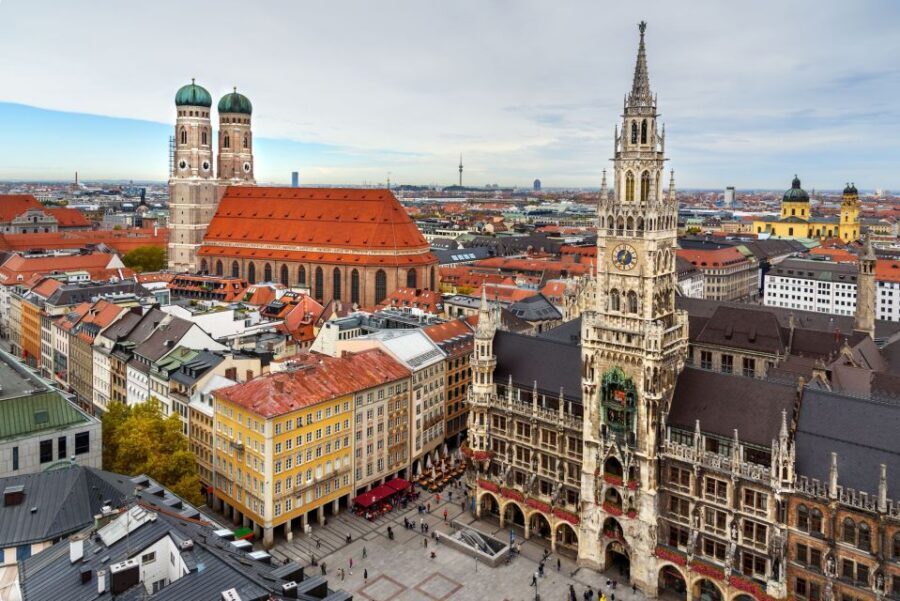
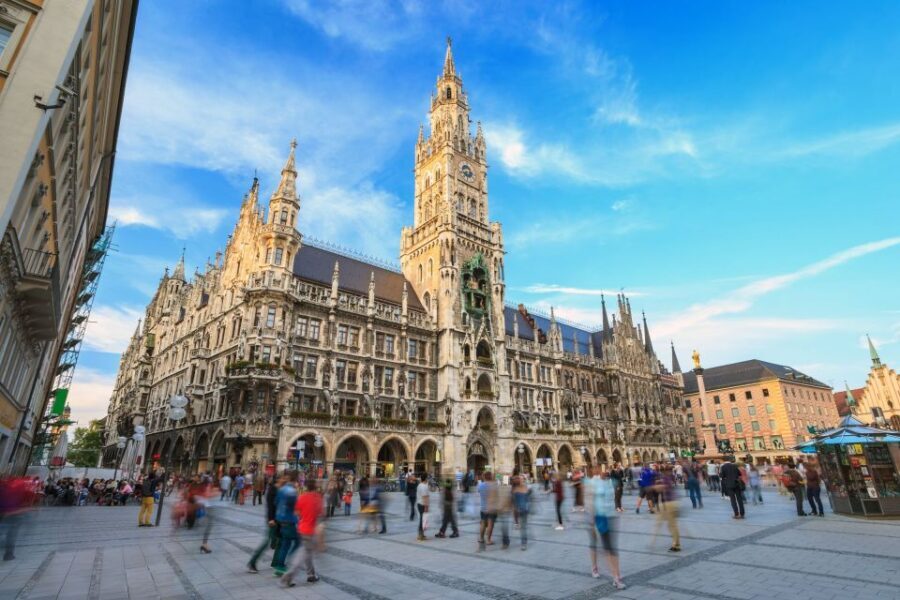
Then it’s on to Marienplatz, followed by a look at Frauenkirche. The focus isn’t only architecture; it’s who studied where and what kinds of musicians were shaped in this city.
A specific thread you’ll hear is the reference to Orlande de Lassus, one of the prominent musicians of the 16th century. You’ll connect that name to the idea that young musical talents trained under legendary guidance. It’s a useful reminder: famous composers didn’t appear out of nowhere. Cities like Munich ran musical pathways—through churches, institutions, and cultural life.
Practical note: Marienplatz is a hub. Expect steady foot traffic, so listen carefully when your guide points things out and try not to drift into the crowd.
The National Theater and Opera Munich: Wagner and Strauss in the Same Walk
Next up is the National Theater, linked to the Bavarian State Opera (Bayerische Staatsoper). This is one of the highest-value stops on the tour because it ties two huge names to the same building world.
You’ll learn that Richard Wagner’s works premiered here, and that Richard Strauss worked as a third conductor. That pairing helps you understand why Munich mattered to major composers: it wasn’t just a place where music happened, it was a place where major works reached audiences.
Why this is valuable for you: if you’ve ever felt intimidated by classical music talk—dates, names, institutions—this stop translates those concepts into a simple idea. A city can be a “stage system,” with performance venues acting like engines for new compositions.
Other private tours in Munich




Munich Residenz: Where Mozart Played for Karl Theodor and Ferdinand IV
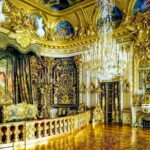
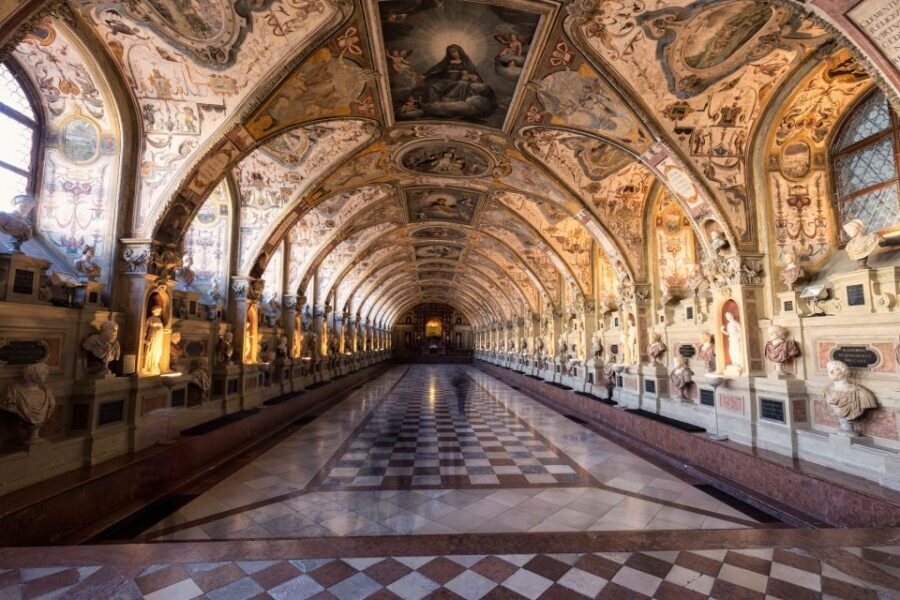
The Munich Residenz stop is where the tour gets especially fun if you like power, patrons, and cultural ambition. You’ll see the Residenz and hear that Wolfgang Amadeus Mozart played a concert for Elector Karl Theodor and the King of Naples, Ferdinand IV.
That detail does more than sound fancy. It tells you that composers weren’t working in a bubble. They were part of elite networks, and music traveled through courts and politics. When you understand that, the city’s landmarks stop feeling like souvenirs and start feeling like evidence.
If you like history that explains motivation—why someone did something—this part usually lands well. It also helps you make sense of why Munich kept investing in musical institutions.
Cuvilliés Theater: Mozart’s Idomeneo Premiere in 1781

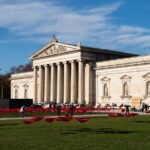
Inside the Residenz complex, you’ll also find the Cuvilliés Theater. This is the tour’s opera highlight detail: Mozart premiered his opera Idomeneo there in 1781.
Even if you don’t know the opera, this is still satisfying. Premiere stories are direct and memorable. You’re not just hearing that Mozart wrote music; you’re hearing where it first met its audience in Munich.
And because it’s a theater, the lesson is immediate. A building designed for performances changes how you experience the past. Instead of imagining, you can picture staging, acoustics, and audience expectation—at least in concept.
The Guide Experience: Stories That Actually Connect the Dots
The tour is private, with a licensed guide fluent in your chosen language (English, French, German, Italian, Spanish, Polish). That language coverage matters more than you’d think. When you can follow every name, every date, and every explanation, the whole tour clicks.
From what you’ll experience in practice, the guide’s strength is storytelling with precision. The best part is when your guide links a composer’s life directly to a building’s role—premieres here, training there, concerts at court nearby. That kind of connection is what makes the walk feel like more than a sightseeing loop.
In the same spirit, the tour is designed to be tailored to your needs and interests. If you’re more Mozart-forward, you can ask to spend extra time on the Residenz and the theaters. If Wagner is your thing, you can focus more on National Theater and opera institutions.
One pacing consideration: because it’s compact and landmark-heavy, you should expect a steady rhythm. If you’re the type who loves slow photos and long pauses, build in your own short breaks between stops rather than counting on long dwell time at each site.
Price and Value: Is $215 Per Person Reasonable?
The price is $215 per person for a private tour lasting 2 hours. That’s not a budget price, so you want value that feels worth it.
Here’s where the value comes from:
- Private format means you get a focused, question-friendly guide rather than fighting the noise of a group.
- 5-star licensed guide and multi-language delivery helps you actually understand what you’re seeing.
- You get multiple high-significance sites in the Old Town—Marienplatz, Frauenkirche, St. Peter’s Church, National Theater, the Residenz, and Cuvilliés Theater—each tied to major composers and musical roles.
- The guide isn’t just reciting facts; the tour is built around cultural context: court music, church tradition, and civic music culture.
If you love classical music and want your first Munich exposure to be composer-anchored, I think this price can make sense. If you’re the type who only wants a quick highlights loop, you might prefer a cheaper general walking tour. But if Mozart, Strauss, Wagner, and the places they connect to are your priority, this tour is built for that.
Who Should Book This Tour (and Who Might Skip)
This tour is a great fit if:
- You’re a classical music fan and want the city’s sites to come with real meaning
- You want a guided walk that explains composer connections, not just building names
- You’re visiting Munich for a short time and want efficient coverage in 2 hours
- You prefer a private experience where you can steer the story toward what you care about
You might skip it if:
- You don’t enjoy guided explanations and prefer self-paced wandering
- You want lots of time sitting inside specific venues rather than a landmark-focused walking format
- You’re traveling with a very tight schedule and cannot accommodate a steady pace
Quick Decision Checklist: Book It or Pass
I’d book this tour if you want a Munich Old Town walk that feels like a music lesson you’ll remember. The strong points for me are the composer-to-building connections—Mozart at the Residenz and Cuvilliés Theater, Wagner and Strauss at the National Theater, plus the church music tradition at St. Peter’s Church.
If your goal is simply to tick off famous places without the composer context, you’ll likely feel the price more than the value. But if you want to leave understanding why Munich mattered to medieval-era musical development and major composers later on, this is an easy yes.
FAQ
How long is the Mozart and German Composers Private Tour in Munich?
The tour lasts 2 hours.
Where do I meet the guide, and where does the tour end?
Meet your guide in front of hotel BEYOND by Geisel, Marienplatz 22, 80331 Munich, opposite St Peter. The tour ends back at the same meeting point.
Is this a private tour?
Yes. It’s listed as a private group experience.
What languages are available for the tour guide?
The tour guide is available in English, French, German, Italian, Spanish, and Polish.
What sights will we see during the walk?
You’ll see major Old Town highlights including Marienplatz, Frauenkirche, St. Peter’s Church, the National Theater (home to the Bavarian State Opera), the Munich Residenz, and the Cuvilliés Theater.
What do I need to do the day before the tour?
Please check your email the day before the tour for important information.
Can I cancel and get a refund?
Yes. Free cancellation is available up to 24 hours in advance for a full refund.