REVIEW · NUREMBERG
Nuremberg: Private Guided Walking Tour
Book on GetYourGuide →Operated by Travmonde OÜ · Bookable on GetYourGuide
Nuremberg tells stories on every corner. This private walking tour threads together Hauptmarkt landmarks, Middle Ages power, and the legends you hear about long before you see them. You’ll also cover why Nuremberg mattered far beyond its postcard look, from kings and the Holy Roman Empire to famous artists.
I particularly love how the tour slows down for the details—like what’s happening at Frauenkirche and the trick behind the Schöner Brunnen rings. I also like that you get a guide who can tailor the pace, since it’s a private group. One thing to consider: it’s only 90 minutes, and entrance fees aren’t included, so you may not have time for lots of ticketed stops.
In This Review
- Key moments you’ll care about
- Starting at Rathausplatz: How to get your bearings fast
- Frauenkirche and the Little Men Dancing: The clock show to actually watch
- Schöner Brunnen ring legend: A fun local ritual (and a direction problem)
- Medieval streets and timbered houses: What the walk reveals
- Nuremberg Castle context: Why it isn’t just a viewpoint
- Artists and the 19th century: Dürer and beyond
- Third Reich history and the Nuremberg Trials: Getting the context right
- Local brews and Nuremberg sausages: The practical taste of the city
- Price and value: When $294 makes sense for your group
- Daylight timing and winter reality checks
- Should you book this Nuremberg private walking tour?
- FAQ
- Where does the tour meet?
- How long is the Nuremberg private guided walking tour?
- What does the price include?
- Are entrance fees included?
- What group size is it for?
- What languages is the guide available in?
- Is cancellation possible?
- Can I reserve without paying immediately?
- Is there a fit for people interested in both medieval and modern history?
- Is there food or drink included in the experience?
Key moments you’ll care about
- Hauptmarkt focus right from the start at Rathausplatz (Historic City Hall)
- Frauenkirche watching tip for the Little Men Dancing clock spectacle
- Schöner Brunnen ring legend—and which ring tricks the locals do
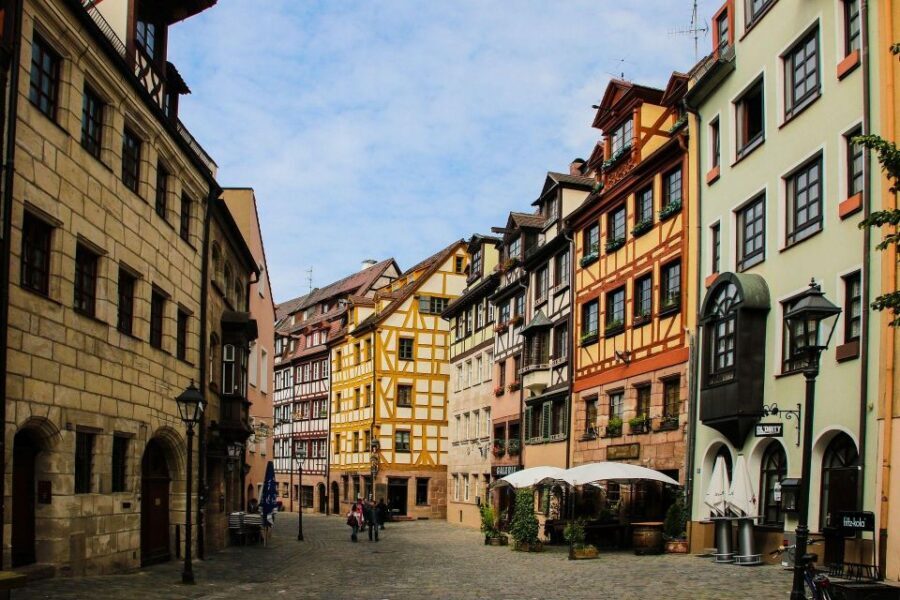
- City walls and old streets with the timbered-house look you came for
- Nuremberg Castle context for why the town mattered to rulers
- Beer gardens food-and-drink time built into the experience
Starting at Rathausplatz: How to get your bearings fast
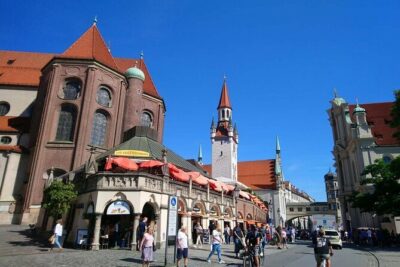
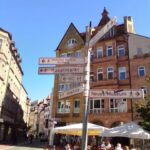
The tour meets at Rathausplatz, at the main entrance of the Historic City Hall, Hauptmarkt 18. From the first minutes, you’re placed where Nuremberg’s civic life happened—and where it still feels like the center of gravity. That’s smart when you only have 90 minutes.
I like this start point because it makes everything else click. You begin with the big square energy, then you walk outward into narrower lanes and the older layers of the city. You’ll cover Middle Ages highlights without wasting time figuring out where to go next.
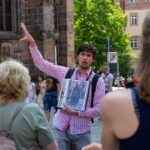
Since this is a private group (up to 15 people), you’ll likely feel less like you’re being herded and more like you’re doing a planned walk with a local partner. The guide is also available in English or German, so you can match your comfort level.
Other Nuremberg day trips we've reviewed in Nuremberg

Frauenkirche and the Little Men Dancing: The clock show to actually watch
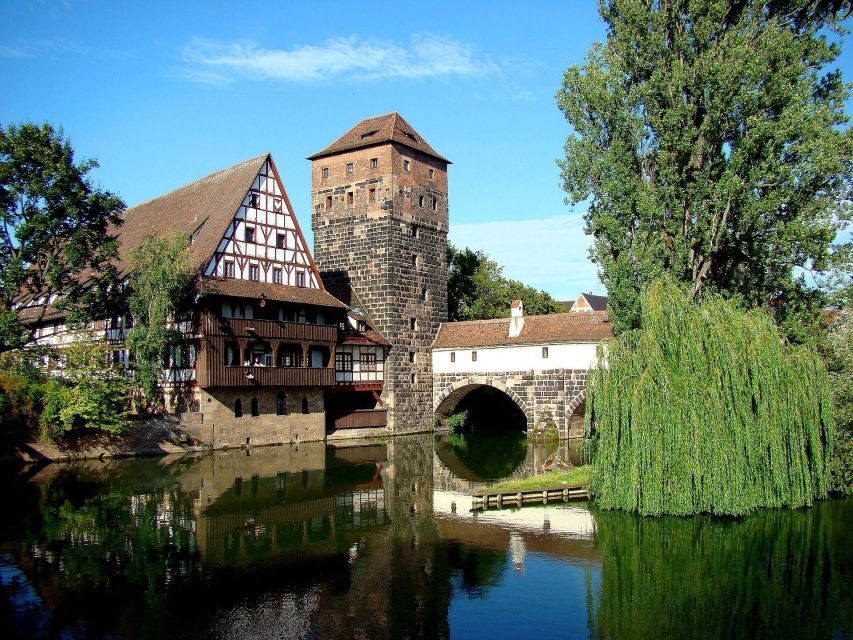
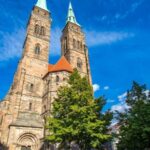
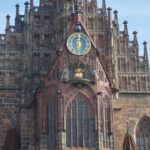
One of the best stop points is Frauenkirche in Hauptmarkt. The tour centers on the ornate Gothic church and the crowds that gather to watch the famous clock figures. The key isn’t just seeing it—it’s understanding what you’re looking at and when to look, so you don’t miss the moment.
The guide helps you connect the spectacle to the city’s identity. It’s part entertainment, part civic pride, and part medieval showmanship. If you like landmarks that tell a story, this is a high-value moment.
Possible drawback? If you’re the type who wants long photo sessions, Hauptmarkt can feel time-compressed. Still, the payoff is that you get the right explanation in the right place, not a generic overview.
Schöner Brunnen ring legend: A fun local ritual (and a direction problem)
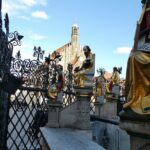
Next up is the Schöner Brunnen, the Beautiful Fountain with its golden ring legend. This is where the tour goes beyond “look at the fountain” and turns it into something interactive. The legend says the rings were made by an apprentice of the blacksmith who built the iron protection around the Gothic fountain—and that the love story was as impossible as making seamless rings.
What matters for you: the guide will tell you which rings to turn and in which direction. That turns the fountain into a mini scavenger hunt with a payoff. It’s also a great “pause” moment—standing close, listening, then trying the ritual without feeling silly.
This is also one of the easiest places to remember later. You’ll leave with a detail that’s specific to Nuremberg, not just “Germany has fountains.”
Medieval streets and timbered houses: What the walk reveals
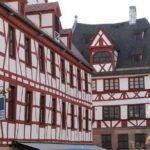
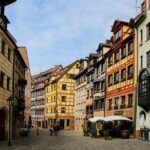
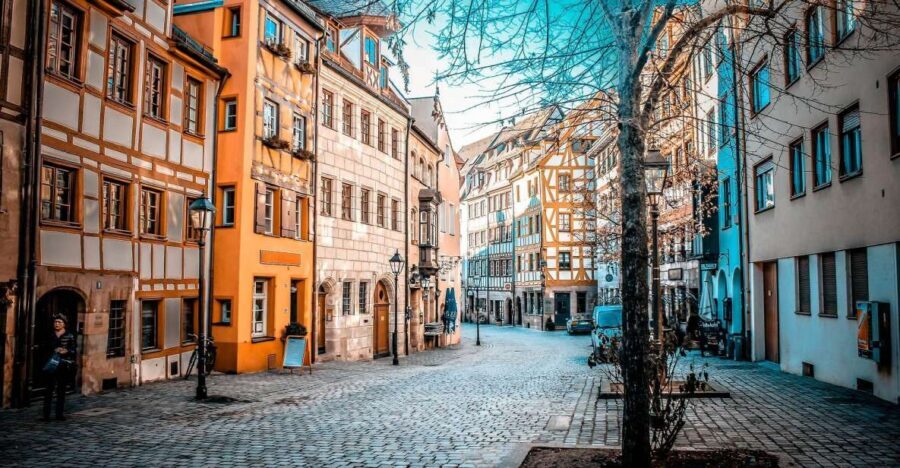
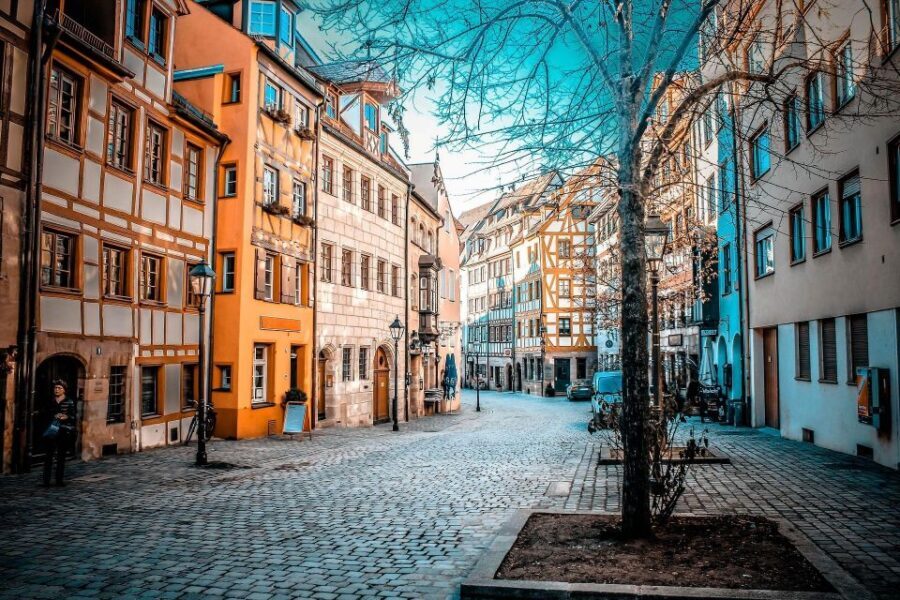
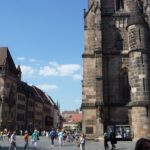
After the main square, you move into the old-town fabric—narrow streets, old timbered houses, and the visual rhythm of a medieval city that grew for centuries. Nuremberg’s center is one of those places where the street layout still helps explain the history.
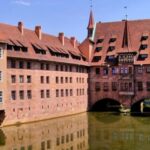
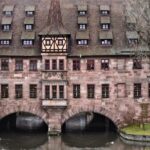
The tour also includes time along the city walls, which changes the feel immediately. On a wall path, you start thinking in scale: where people moved, what protected the city, and why rulers cared about holding territory here. It’s not just scenery. It’s the city’s infrastructure showing through.
Here’s a practical note: even on a guided walk, you’ll be doing real steps. Wear shoes you trust. You’re not doing a bus tour with one-stop exits—you’re walking through the city the way it was designed to be experienced.
Nuremberg Castle context: Why it isn’t just a viewpoint
The tour includes the secrets of Nuremberg Castle’s story, and that matters because the castle explains the city’s political pull. Nuremberg wasn’t just a pretty historic town. It was a royal favorite and an “undeclared capital” of the Holy Roman Empire, tied to the preferred residence of many German kings.
If you’ve only seen the Trials side of Nuremberg before, the castle angle helps balance the picture fast. It frames the city as a place of power, ceremony, and prestige—long before 20th-century events shaped global attention.
You might not get every dramatic detail you’d find on a standalone castle ticketed visit (entrance fees aren’t included), but the guide’s job is to give you the meaning behind the stones you see. The goal is understanding, not just access.
Other walking tours we've reviewed in Nuremberg
Artists and the 19th century: Dürer and beyond
Nuremberg’s art reputation isn’t an accident, and the tour highlights that with famous names, especially Albrecht Dürer. You’ll learn how the city attracted major artists and how their work fit the city’s larger role in European culture.
The tour also connects Nuremberg to the industrial revolution of the 19th century, which is a big deal for understanding why the city kept evolving. The message is simple: Nuremberg kept reinventing itself. That’s part of why it feels layered today.
One of the joys here is that you’re not stuck in one century. The guide’s storytelling moves you from medieval civic life to art and then forward again. It’s a smoother way to understand the city than hopping between museums.
Third Reich history and the Nuremberg Trials: Getting the context right
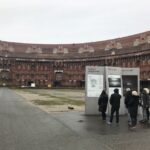
Yes, the tour covers Third Reich history and the Nuremberg Trials. But the way it’s framed is important. The experience is designed to show how Nuremberg became central to those events, while also reminding you that the city’s identity is bigger than WWII memorabilia.
You’ll get significance explained—why the Trials mattered and what Nuremberg represented in the larger story. This is also where having a local professional guide is a real advantage: the topic is heavy, and you need context, not just captions.
If you’re sensitive to dark history, plan for a mental gear shift. This tour doesn’t pretend it’s light. It’s more like a careful walk where the guide helps you hold both truths at once: the city’s medieval power and the 20th-century consequences that followed.
Local brews and Nuremberg sausages: The practical taste of the city
The highlights include time to savor local brews and iconic Nuremberg sausages in a beer-garden setting. This is where the tour becomes more than sightseeing. You get the chance to eat where locals actually hang out—because a city isn’t just its monuments.
Even if you don’t go all-in on food, you’ll come away with good guidance. In one review, the guide shared tips for unique restaurants and bars. That’s the kind of value that carries you past the tour end.
If you’re traveling with food preferences, remember this is a walking format. You’ll want to go with the flow on timing, and use the guide’s on-the-spot suggestions to pick what fits you best.
Price and value: When $294 makes sense for your group
The price is $294 per group for up to 15 people, for a 90-minute private guided walk. That can sound steep until you think in groups, not per person.
For families and small friend groups, private guides often become good value because you’re paying for one guide and one planned experience—not separate tickets for each person. If you’re traveling solo, it’s still a solid option when you want depth and flexibility, but the math is more personal.
Where this price feels justified is in the guide’s quality and the specificity of the stops. The best reviews highlight guides who speak excellent English, keep stories flowing, cover the main areas, and even go out of their way to help (one guide reportedly met guests at their hotel). Those things are hard to quantify on a brochure, but easy to feel on the walk.
Daylight timing and winter reality checks
One important consideration: timing around evening can matter. A recent booking cancellation happened about six hours before a 18:00 start, with the reason given that it would be too dark.
That doesn’t mean it always happens. But it’s a good reminder to pay attention to season and start time. If you’re booking late in the day, you may want to sanity-check what “walking tour timing” looks like when daylight is short.
Also, this tour doesn’t mention ticketed entry, so if you’re the type who wants indoor stops with entrances, you’ll likely need a separate plan.
Should you book this Nuremberg private walking tour?
I’d book it if you want a guided Nuremberg that balances medieval landmarks, legends, art (especially Dürer), and the serious story of the Third Reich and the Trials. The interaction at Frauenkirche and Schöner Brunnen is exactly the kind of specific, memorable detail that makes a short tour worth it.
I’d think twice if you need lots of ticketed attractions or long time at museums. This is built as a focused walk, not a full-day program. If you want to cover “everything,” add time elsewhere.
And if you care about guide quality: the best recent experiences name guides like Thomas and Justina, with praise for strong English and thoughtful storytelling. That’s a good sign that you’ll get more than a route—you’ll get meaning.
FAQ
Where does the tour meet?
It meets at Rathausplatz, at the main entrance of the Historic City Hall, Hauptmarkt 18, 90403 Nürnberg, Germany.
How long is the Nuremberg private guided walking tour?
The duration is 90 minutes.
What does the price include?
It includes a local professional guide who will be with your group only. There can also be possible customizing on the spot.
Are entrance fees included?
No. Entrance fees are not included.
What group size is it for?
It’s a private group for up to 15 people.
What languages is the guide available in?
The live guide is available in English and German.
Is cancellation possible?
Yes, you can cancel up to 24 hours in advance for a full refund.
Can I reserve without paying immediately?
Yes. The option listed is reserve now & pay later.
Is there a fit for people interested in both medieval and modern history?
Yes. The tour covers Middle Ages history and legends, and it also explains the significance of Third Reich history and the Nuremberg Trials.
Is there food or drink included in the experience?
The highlights mention savoring local brews and iconic Nuremberg sausages in beer gardens, but the details of what’s included are not listed as a ticketed meal. It’s best to use the guide’s recommendations during the tour.