REVIEW · NUREMBERG
Nuremberg: Tour of Former Nazi Party Rally Grounds
Book on GetYourGuide →Operated by Franken Guide · Bookable on GetYourGuide
Big sites have heavy shadows.
This 90-minute walk through the former Nazi Party Rally Grounds shows how architecture and propaganda fed each other. You’ll move from the monumental, unfinished plans to the rally spaces that still make it feel real—especially the scale Albert Speer imagined for mass demonstrations.
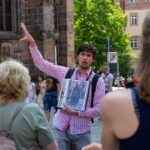
What I like most is the guide. The live German commentary is detailed and the pacing keeps the story understandable, even when the topic is ugly. I also like that you get room for questions, and the answers are direct.
One thing to consider: the meeting point can be a little unclear at first. If you’re sensitive to wayfinding, have your confirmation details handy and plan to check in quickly outside DokuZentrum.
In This Review
- Key highlights you should care about
- Former Nazi rally grounds, explained without hand-waving
- Starting at DokuZentrum: your orientation point
- The streets and “big demonstration” design logic
- Albert Speer’s mega-plan for 400,000 people
- Seeing the unfinished Congress Hall and the unfinished lie
- The Colosseum-like structure and rally architecture
- Zeppelin Field: where the crowd was the message
- The Nuremberg Trials connection (1946) you can’t ignore
- Private group format: better questions in less time
- Price and value: what $128 for up to 8 really buys
- Who this tour fits best
- Booking advice: should you choose this tour?
- FAQ
- Where is the meeting point?
- How long is the tour?
- What does the tour cost?
- Is this a private tour?
- What language is the guide?
- What is included in the price?
- Are entrance fees included?
- Are meals included?
- Can I cancel for a refund?
- Are starting times flexible?
Key highlights you should care about
- Unfinished “masterpiece” buildings: Speer’s big plans that never fully materialized
- Zeppelin Field and the rally spaces: where mass politics was meant to feel unstoppable
- Albert Speer’s scale problem: a design for up to 400,000 people
- The Nuremberg Trials connection: the site’s later role from 1946 onward
- Private group format: small group, easy to ask questions
- Franken Guide: a live German tour guide, with strong local context
Former Nazi rally grounds, explained without hand-waving
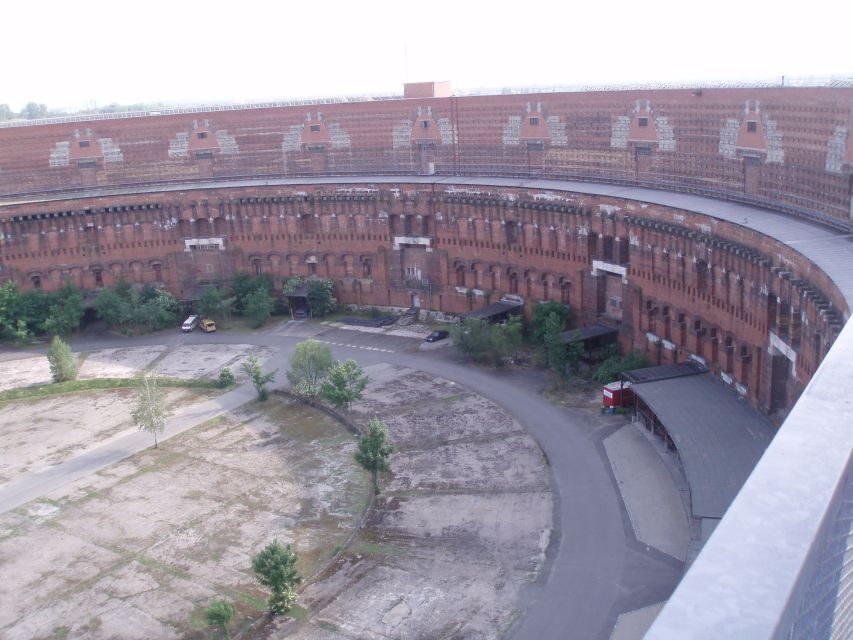
Nuremberg is one of those places where you can’t separate the city from the regime that used it. This tour focuses on the National Socialist era and how the rally grounds worked as a stage—built for crowds, built for intimidation, built for messages that were never meant to be questioned.
The value here is not just seeing buildings. It’s learning why they were designed the way they were, and how that design shaped the experience of being there. Even though you’re walking the grounds in daylight, the logic of the propaganda comes through fast: huge spaces, rigid lines, and the sense that the individual is small.
Other Third Reich & WWII tours we've reviewed in Nuremberg
Starting at DokuZentrum: your orientation point
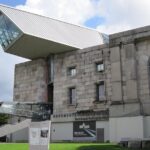
You meet in front of the Documentation Centre Nazi Party Rally Grounds (DokuZentrum) on Bayernstraße 110. Starting at a documentation hub matters. It sets expectations that this isn’t a sightseeing detour—it’s a guided encounter with how power tried to look permanent.
If you’re the type who likes to know what you’re looking at before you start walking, you’ll appreciate how the guide typically frames the story right away. The tone is usually grounded and factual, which helps you absorb the meaning of what you’re seeing rather than just reacting to the shocking visuals.
Practical tip: if the meeting point feels confusing, check your confirmation and contact details so you can connect quickly. Once the guide has you, the tour runs smoothly in a tight 90-minute window.
The streets and “big demonstration” design logic
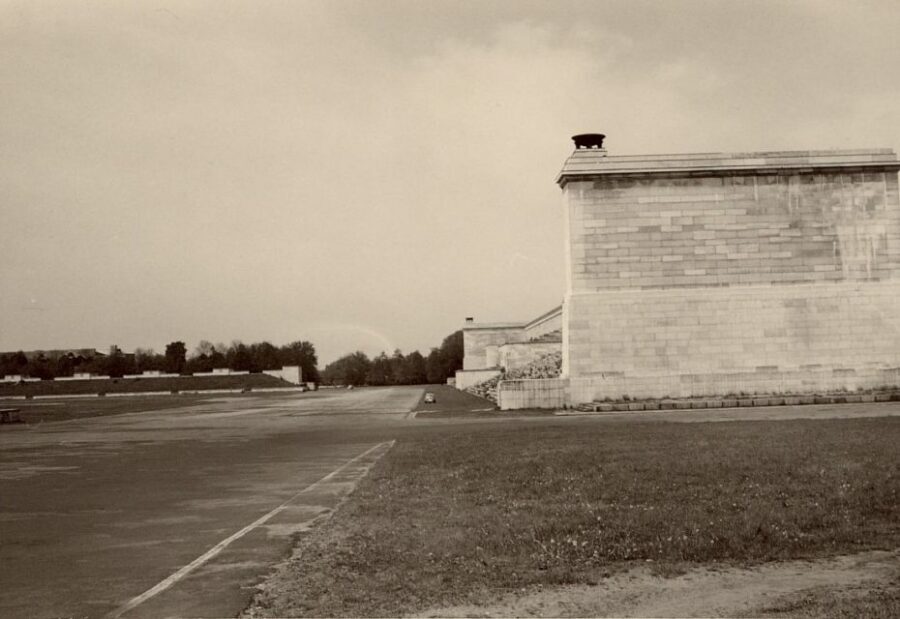
As you head into the rally area, the tour’s key theme becomes obvious: this was a machine built for mass politics. You’ll walk along the great streets planned for movement and spectacle, and the guide explains how people were meant to experience the regime in motion—arrival, formation, and the sense of order.
I like this part because it’s where the site stops being “ruins” and starts being a communication tool. The buildings and open spaces are sized like stage sets for a message: the state as something enormous, inevitable, and myth-like.
Albert Speer’s mega-plan for 400,000 people
One of the most sobering pieces you’ll learn is how far the regime’s thinking reached. Albert Speer planned a gigantic assembly and demonstration area in the southeast of the city for up to 400,000 people.
Think about what that number means. It tells you the goal was never a normal political meeting. It was about making power physical—crowd size as proof, architecture as choreography, and public life turned into performance.
And that’s why the tour feels educational rather than just historical. You’re not only told what happened—you’re shown how the regime tried to manufacture belief through scale and timing.
Seeing the unfinished Congress Hall and the unfinished lie
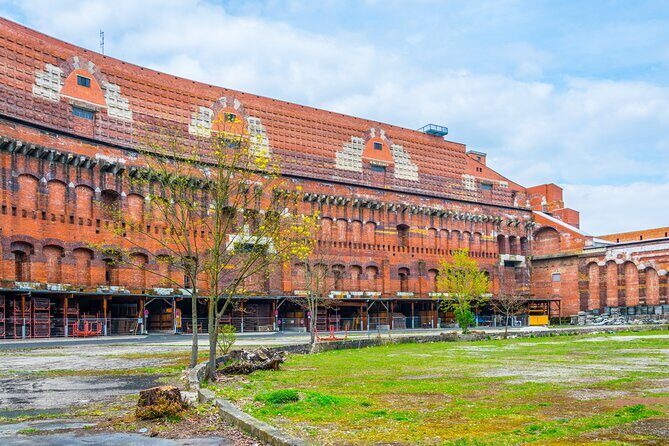
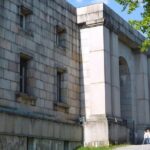
A major stop is the unfinished congress hall (one of the “uncompleted buildings intended to be masterpieces”). This is the part where the story hits differently, because the site includes the remains of ambitions that were supposed to last forever.
The unfinished quality matters. It’s a reminder that propaganda projects are still projects—built by people, exposed to reality, and ultimately constrained by war and collapse. The guide’s explanation helps you connect that broken promise to the broader downfall of the regime.
If you tend to get lost in facts, don’t worry. This stop works well because the architecture itself does some of the teaching. You can see the scale, and then the guide supplies the political logic that made the scale feel necessary to them.
Other Nuremberg day trips we've reviewed in Nuremberg
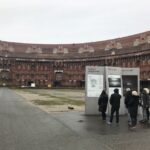
The Colosseum-like structure and rally architecture
You’ll also encounter the “Colosseum” area described as part of the rally complex. Even without getting stuck in terminology, it’s clear why places like this were used in Nazi-era spectacle: grand sightlines, dramatic space for formations, and a visual language that tried to make the regime look timeless.
I find this kind of stop useful because it helps you recognize patterns. When you know how the design worked, it’s easier to interpret other propaganda spaces you might see in Europe—places where public space was used as a script.
If you’re sensitive to symbolic places, give yourself a moment here. It’s okay to slow down. The tour doesn’t rush past meaning.
Zeppelin Field: where the crowd was the message
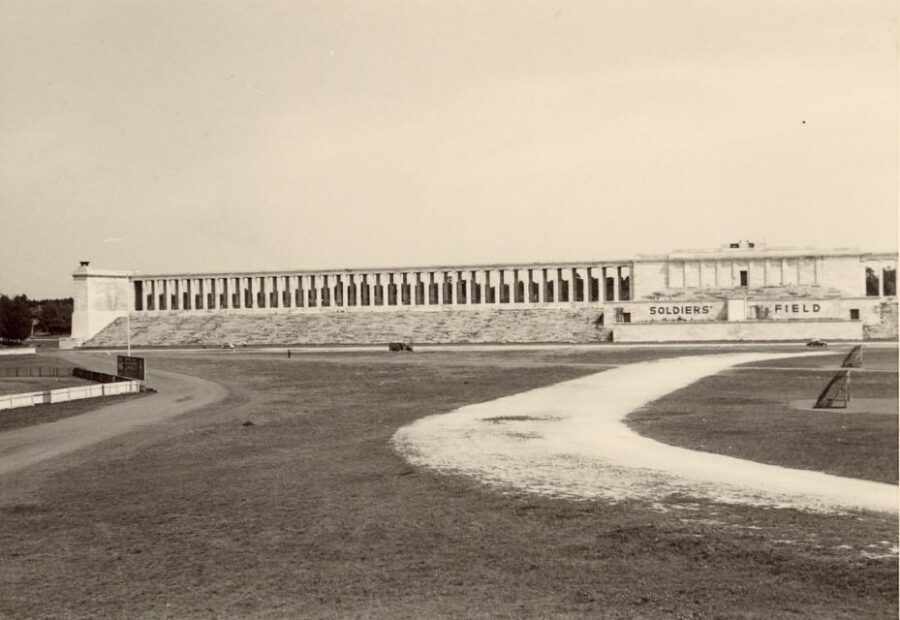
The tour includes the Zeppelin Field, another cornerstone of the rally grounds. This space was meant for mass display, and the guide ties that purpose back to how National Socialism built politics around public ritual.
Standing in a field sized for spectacle can feel strange at first, even in calm weather. But that’s exactly why the guided explanation helps. You understand what the regime was trying to get people to feel, and you can see how setting and movement were part of the plan.
If you like “how it worked” explanations, this is a good moment to ask questions. You’ll likely get answers that connect the physical space to the political background the guide has been discussing.
The Nuremberg Trials connection (1946) you can’t ignore
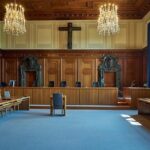
A thread the guide brings into focus is how the grounds became famous again through the Nuremberg Trials in 1946. That shift is important: the site that once served the regime’s stage later became part of the world’s reckoning with that regime.
This doesn’t turn the tour into something cheerful or “closure-y.” Instead, it adds another layer: history doesn’t erase itself; it reuses the same space with different meanings.
I like that the tour makes room for that contrast. It keeps you from treating the buildings like museum pieces floating in time.
Private group format: better questions in less time
This is a private group experience, priced for a group size up to 8. For you, that matters because small-group tours let you adjust your attention. You can linger for a better view, ask about a particular building, or request a clarification when the story gets complex.
The tour also runs 90 minutes, which is a sweet spot for this kind of subject. Long enough to get context and walk meaningful parts of the grounds, not so long that you lose focus.
The guide is live and speaks German. So if your German is limited, you’ll still likely follow the structure, but you may want to plan how you’ll handle language gaps—either through your own comfort level or the ability to ask a few key questions.
Price and value: what $128 for up to 8 really buys
The price is $128 per group up to 8 for a 90-minute guided tour, with the tour guide included. Entrance fees and meals are not included, so you’ll want to plan those separately if you add anything on your own.
Here’s how I think about the value: if you split it among a few people, the effective cost becomes quite reasonable for a private, guided history experience in a major German city. Even if you’re only two or three in your group, it can still feel like good value if you care about having a guide explain the symbolism and political background in real time.
If you’re traveling solo, you might compare this to general tours. The private format is the trade-off: you’re paying for a smaller, more responsive experience rather than sharing a larger group’s pace.
Who this tour fits best
This tour is a strong match if you want:
- A guided, architecture-and-politics connection at the Nazi Party Rally Grounds
- Albert Speer context and the 400,000-person scale story
- A short, focused walk rather than a long museum day
- A small-group format with time for questions
It’s also a good pick if you’re the kind of traveler who reads signs later, not during. The guide’s explanations help you get the meaning first, so you can then decide what you want to read up on afterward.
If you’re extremely language-dependent, remember the guide language is German, so plan accordingly.
Booking advice: should you choose this tour?
If you’re going to Nuremberg and you want a guided introduction that actually explains how the rally grounds worked, I’d book this. The combination of Speer’s plans, the unfinished congress hall, the Zeppelin Field, and the Trials connection gives you a lot of story in a short time.
I’d especially recommend it if you like asking questions and you want a private group rather than being herded through stops. Just be aware the meeting point outside DokuZentrum may take a moment to orient yourself—so show up a little early and confirm you’ve got the right pickup spot.
FAQ
Where is the meeting point?
You meet in front of the Documentation Centre Nazi Party Rally Grounds (DokuZentrum), Bayernstraße 110, Nuremberg.
How long is the tour?
The tour lasts 90 minutes.
What does the tour cost?
It costs $128 per group up to 8 people.
Is this a private tour?
Yes, it’s a private group.
What language is the guide?
The live tour guide speaks German.
What is included in the price?
The price includes the tour and the tour guide.
Are entrance fees included?
No, entrance fees are not included.
Are meals included?
No, meals are not included.
Can I cancel for a refund?
Yes. You can cancel up to 24 hours in advance for a full refund.
Are starting times flexible?
Individual start times are possible upon request.