REVIEW · MUNICH
Dachau Memorial Public Tour
Book on Viator →Operated by Global Guide Services · Bookable on Viator
Hard history, handled with care. This Dachau Memorial Public Tour takes you through the camp grounds with a local professional guide and a clear route, from the Main Gate and Jourhaus to the roll call area, museum spaces, the bunker, and the memorial features that help you understand what happened here. It’s not a casual stop on a Munich sightseeing loop. It’s a structured visit that treats the site with the seriousness it deserves.
Two things I like a lot: the small group size (max 15) keeps questions from getting lost, and the guiding quality shows in how the history is explained. In particular, guides Charlotte and Michael come through in the way they connect Dachau’s role in Nazi Germany to the wider WWII story. One possible drawback: this is a heavy, emotionally intense 5-hour visit, and the tour doesn’t include food or beverage, so you’ll want to plan for breaks and energy.
In This Review
- Key highlights you’ll notice right away
- Where the walk starts: the Main Gate and the camp’s purpose
- Jourhaus, Roll Call, and the International Monument
- Inside the museum: documents, exhibits, and what they’re for
- Prison spaces: the Bunker and reconstructed barracks
- Religious memorials and the International reminder of shared humanity
- Security installations: guard towers and outer walls
- A minute of silence outside the crematorium
- Price and value: what you’re paying for at $118.74
- Logistics that keep the day from getting messy
- Who this Dachau memorial tour is for (and who might reconsider)
- Should you book this Dachau Memorial Public Tour?
- FAQ
- FAQ
- Where does the Dachau Memorial Public Tour start?
- What time does the tour begin?
- How long is the tour?
- How much does the tour cost?
- Is there a maximum group size?
- Is admission included?
- What is included in the price?
- What is not included?
- Is the tour near public transportation?
- What is the cancellation policy?
Key highlights you’ll notice right away
- Max 15 people means the pace feels human, not rushed.
- Focused route covers the Main Gate, Jourhaus, Roll Call Area, museum exhibits, bunker, and barracks.
- Memorial meaning built into the walk with the International Monument and the religious memorials.
- Professional commentary from guides like Charlotte and Michael that adds context, not just facts.
- Camp layout reminders from guard towers and partially reconstructed outer walls.
- Mobile ticket and free admission for the memorial portion listed for this activity.
Where the walk starts: the Main Gate and the camp’s purpose
The tour begins in central Munich at Fischbrunnen, Marienplatz 8 (10:00 am). That’s useful because you can get there by public transport without a special transfer plan, and you’re already near a major hub when you start. After you meet up, you head straight to Dachau Memorial Site, where the first impression is all about order, control, and surveillance.
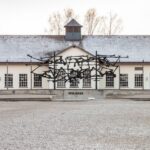
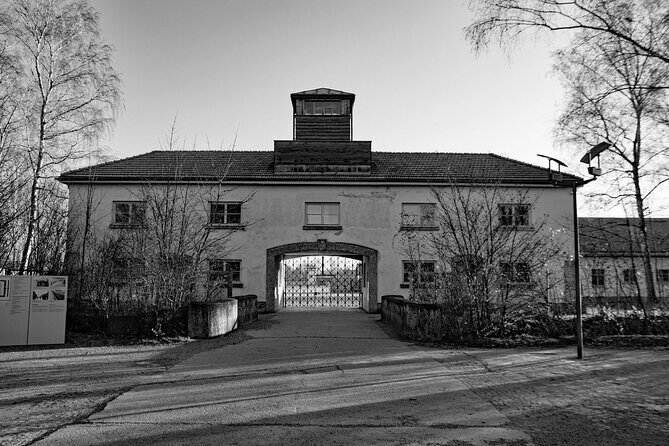
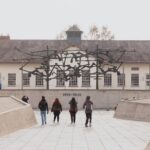
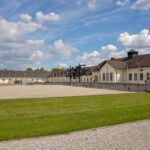
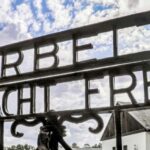
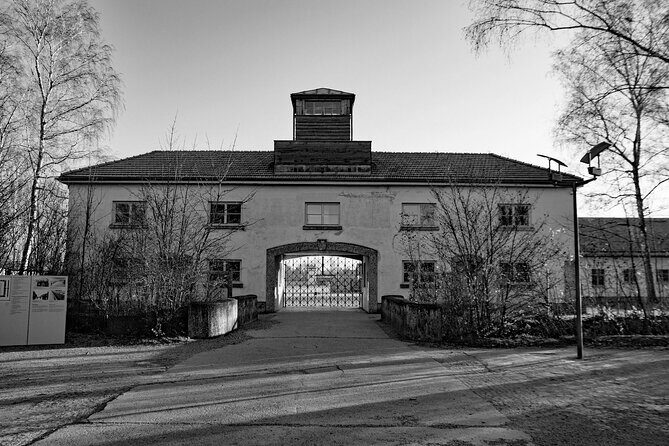
You’ll pass through the solemn Main Gate area and the Jourhaus, once tied to the camp’s administration. Even before you reach the more detailed exhibits, the space helps you “read” the camp: you can sense how an administrative system and physical barriers worked together to crush autonomy.
The camp began in 1933 as one of the Nazis’ first concentration camps, originally intended for political prisoners. Later it became a labor camp with more than 200,000 inmates over its 12 years of operation. The tour’s early segments make that evolution easier to follow without turning the visit into a lecture you can’t hold onto.
Other Dachau Memorial tours we've reviewed in Munich
Jourhaus, Roll Call, and the International Monument
The Jourhaus stop matters because it frames the camp as an operating system. It wasn’t random cruelty. It was structured control, managed day after day, with roles and routines that kept the machinery running.
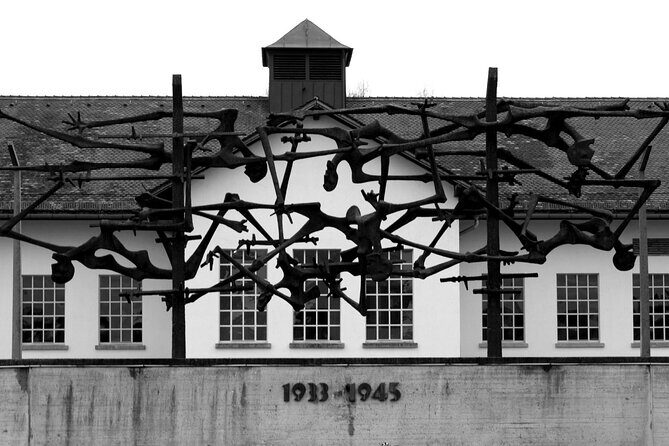
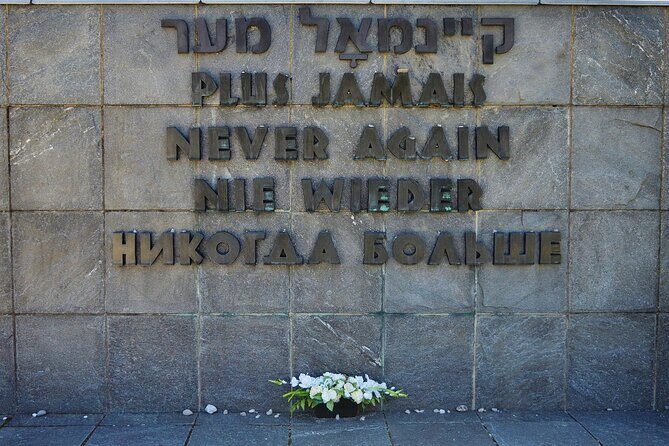
Next comes the Roll Call Area, now marked by the International Monument. This is one of those places where you feel how the camp created a rhythm of fear. The monument element is important too: it turns the space from a “where it happened” into a “who it affected,” including people from multiple nations.
Then you move into the Former Maintenance Building, which houses museum exhibits and documentary content. I like this placement. By the time you reach indoor material, you’ve already seen enough of the site to understand why the museum isn’t trying to be neutral or abstract. It’s giving you context so the grounds don’t feel like a maze.
Inside the museum: documents, exhibits, and what they’re for
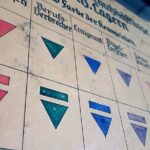
The museum portion (in the Former Maintenance Building) helps you convert what you see outdoors into something you can actually interpret. You’ll spend time with exhibits and documentary materials that explain the camp’s history and function. This isn’t the kind of museum where you can breeze through and call it done.
If you care about getting the timeline right, this is a key part of the tour. Dachau’s story includes the shift from political detention to forced labor and the camp’s long operation before liberation in 1945. The site records that around 40,000 people from 34 nations were killed here, and the museum helps you understand how that fits into the broader WWII picture.
It’s also where you’ll likely hear the most guided explanation of how the camp operated as the Nazis’ “Academy of Terror.” That phrase is heavy, but that’s the point: this wasn’t only imprisonment. It was a training ground of brutality meant to be replicated.
Prison spaces: the Bunker and reconstructed barracks
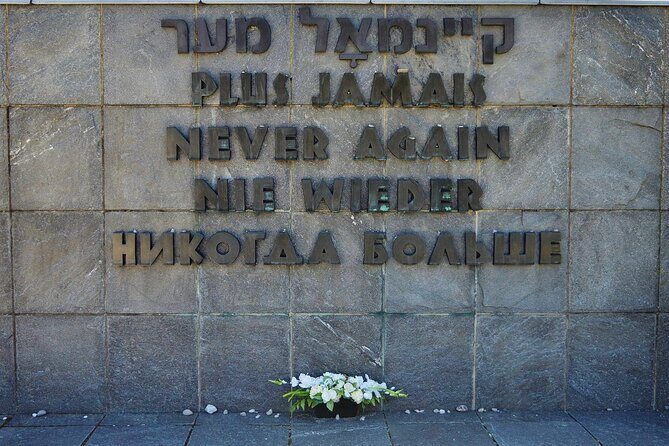
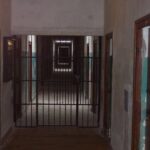
One of the most difficult stops is the Bunker, described as the former prison. Even with a guide’s calm explanations, this is the section that reminds you that confinement was engineered, not incidental. You’re looking at a space built to restrict and punish, and the tour keeps the focus on what imprisonment meant in practice.
After that, the tour moves through two Reconstructed Barracks, which offer a glimpse into prisoners’ daily lives. Reconstructed spaces can feel a little tricky in other settings, because people sometimes worry about accuracy. Here, the value is that the barracks help you picture routine and living conditions, which makes the broader historical story less distant.
A practical tip: if you start feeling emotionally overloaded, don’t try to “power through” by rushing the photos. Let the guide’s pacing do the work. You’ll get more from one careful moment than from twenty half-seen ones.
Religious memorials and the International reminder of shared humanity
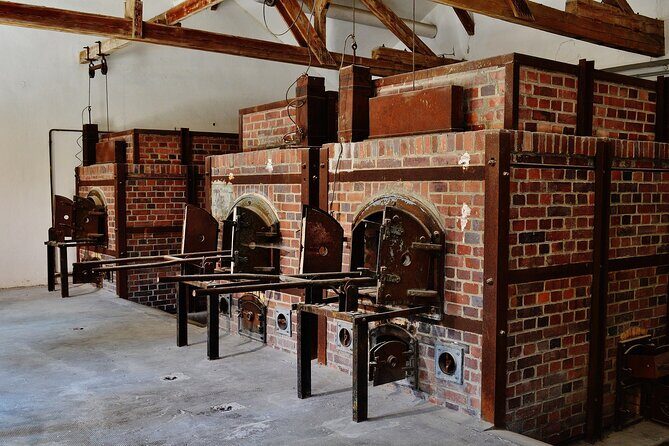
Another strong element is the diverse religious memorials. The tour includes these spaces specifically as symbols of unity amid adversity. That detail can matter more than it sounds. In a place associated with persecution and forced dehumanization, religious memorials give you a way to think about identity and community rather than only about suffering.
These stops also help balance the visit. Dachau is intensely grim, but the memorial elements point toward remembrance and meaning-making that outlasts the violence. You’re not just looking at structures; you’re being guided toward recognition—who was taken, and what should never be allowed to happen again.


Security installations: guard towers and outer walls
To understand how the camp functioned, you also need the physical “envelope.” The tour includes security installations like guard towers and partially reconstructed outer walls, which show how the boundaries of the camp were enforced.
This matters because it explains the daily reality: prisoners didn’t simply suffer in an abstract sense. Their world was surrounded, monitored, and controlled by design. Seeing the remaining and reconstructed elements helps you connect the administrative story you learned earlier with the physical story you’re seeing now.
If you’re the type who likes diagrams, you’ll probably find yourself “mapping” the site in your head as you go. That’s a good sign. It’s exactly how the tour becomes easier to process: by turning the grounds into a comprehensible layout.
A minute of silence outside the crematorium
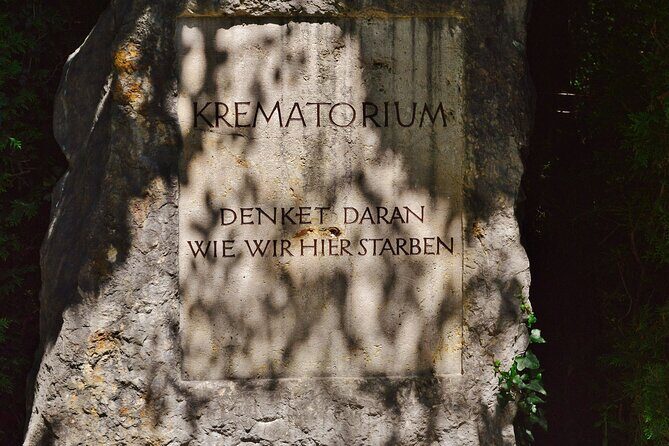
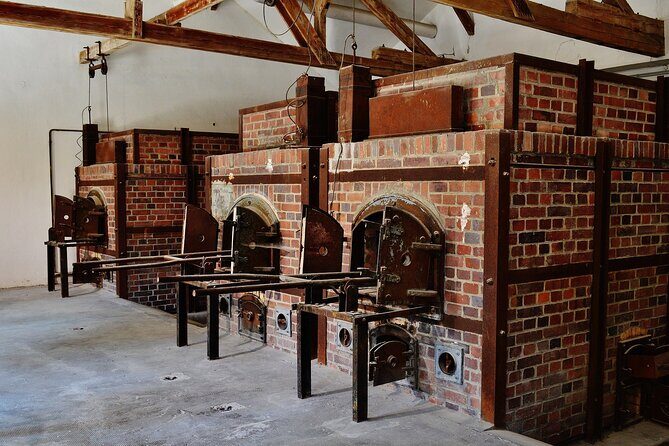
One of the most moving parts of this experience, according to guide Michael, is a structured moment of respect: a minute of silence outside the crematorium. That’s not the kind of detail you’d guess from a typical city tour listing, but it fits what Dachau is asking of you—attention, restraint, and recognition.
I think these pauses are valuable because they keep the visit from becoming only educational. Yes, you’ll learn history. But you’ll also practice how to show respect in a place where respect is part of the experience.
If you’re prone to feeling awkward during silence, try to let the discomfort pass. It’s brief. And it’s the point.
Price and value: what you’re paying for at $118.74
At $118.74 per person for about 5 hours, this tour sits in the mid-to-higher range compared with regular walking tours. The “why” is the guide and the specificity of what you’re seeing. A memorial site visit like Dachau doesn’t work well as a DIY stroll unless you already know the context and you’re comfortable building meaning from raw space.
What improves the value is what’s included. You get a local professional guide, and the memorial portion lists an admission ticket as free. You also get a mobile ticket, which makes entry smoother on the day. There’s also mention of group discounts, which is a nice bonus if you’re booking with friends.
What you don’t get is food and beverage. That’s worth treating as a real constraint. Five hours at this kind of site can take a lot out of you, even if you feel okay at the start. Plan a snack before or after, and bring a bottle of water if that fits your comfort level.
Scheduling also matters. The average booking window is about 36 days in advance, so don’t wait until the last minute if you’re traveling during peak weeks.
Logistics that keep the day from getting messy
This is a public guided tour with a maximum of 15 travelers, and that size is one of the best parts. It allows the guide to manage the group without turning it into a queue. It also makes it easier to hear explanations clearly at quieter points.
The tour starts at 10:00 am at Fischbrunnen, Marienplatz 8. It ends back at the meeting point. Ending where you started is underrated. It keeps you from hunting for a last-minute transfer when you’re tired or emotionally drained.
The operator behind this experience is Global Guide Services. That matters mainly because it’s tied to how the tour is run and how tickets are handled via mobile.
Who this Dachau memorial tour is for (and who might reconsider)
This tour fits best if you want context, not just sightseeing. If you’re the kind of person who reads labels and asks questions, you’ll likely appreciate the structure: Main Gate to Jourhaus, Roll Call to museum, Bunker to reconstructed barracks, plus memorials and security installations.
It also suits people traveling in small groups who don’t want to handle the interpretation alone. With max 15, you get the benefits of a guided experience without the feel of a bus full of strangers.
Who might reconsider? If you’re looking for a light, upbeat half day to balance Munich nightlife, this won’t match the mood. The material is heavy, and you may need time after the tour to settle your thoughts.
Also, because food isn’t included, make sure you’re okay managing your own breaks.
Should you book this Dachau Memorial Public Tour?
Yes, I think you should book it if you want a focused, respectful guided visit with enough context to make the site understandable. The best reasons are simple: small group size, strong guidance from experienced instructors like Charlotte and Michael, and an itinerary that covers both the physical layout and the memorial meaning.
I’d skip or postpone if you’re not ready for an emotionally intense experience that lasts around five hours and requires you to plan your own meals. But if you’re prepared, this tour is a serious, structured way to learn—and it treats the site with the gravity it demands.
FAQ
FAQ
Where does the Dachau Memorial Public Tour start?
It starts at Fischbrunnen, Marienplatz 8, 80331 München, Germany.
What time does the tour begin?
The start time is 10:00 am.
How long is the tour?
The duration is about 5 hours.
How much does the tour cost?
The price is $118.74 per person.
Is there a maximum group size?
Yes. This tour/activity has a maximum of 15 travelers.
Is admission included?
The activity lists admission ticket free.
What is included in the price?
A local professional guide on the public guided tour is included.
What is not included?
Food and beverage are not included.
Is the tour near public transportation?
Yes. It’s near public transportation.
What is the cancellation policy?
You can cancel for free up to 24 hours in advance for a full refund. If you cancel less than 24 hours before the start time, the amount paid is not refunded.